Glasgow’s Highland Cemetery

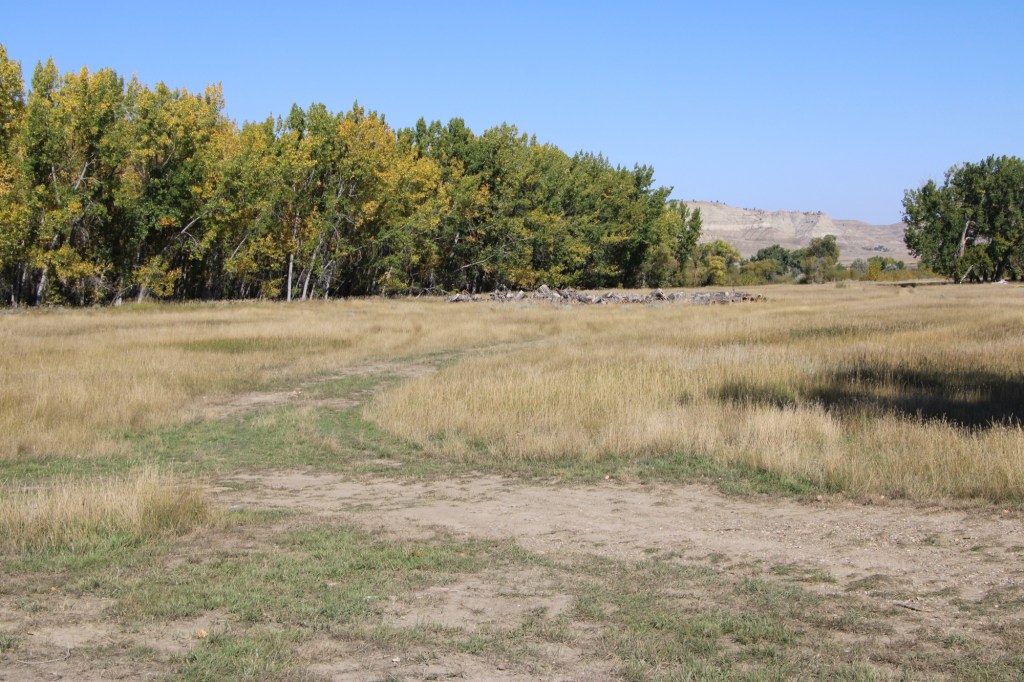
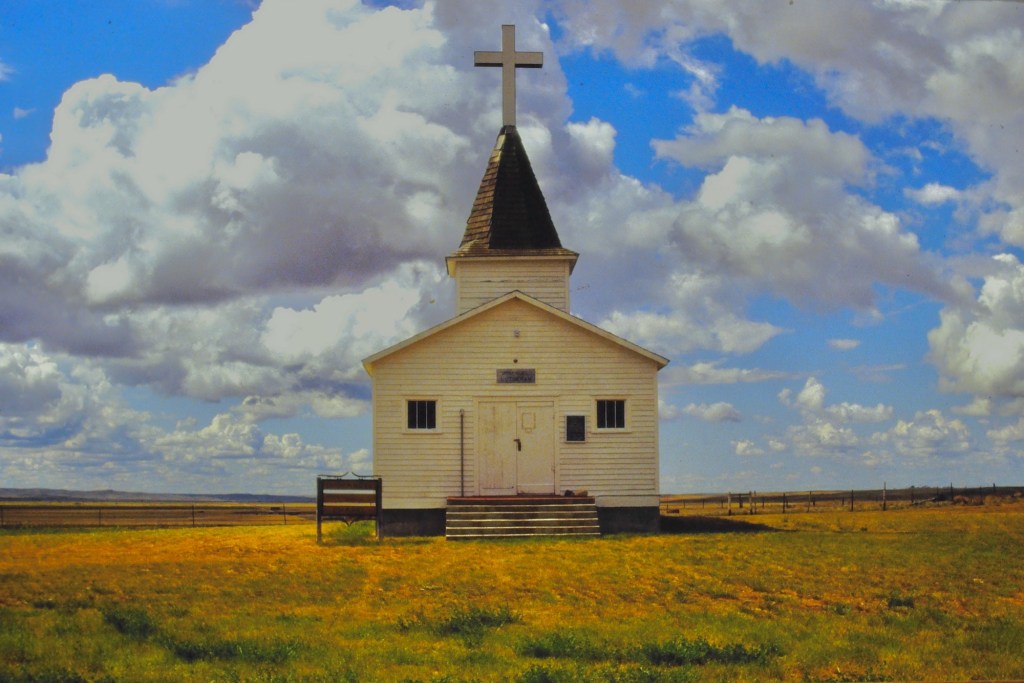
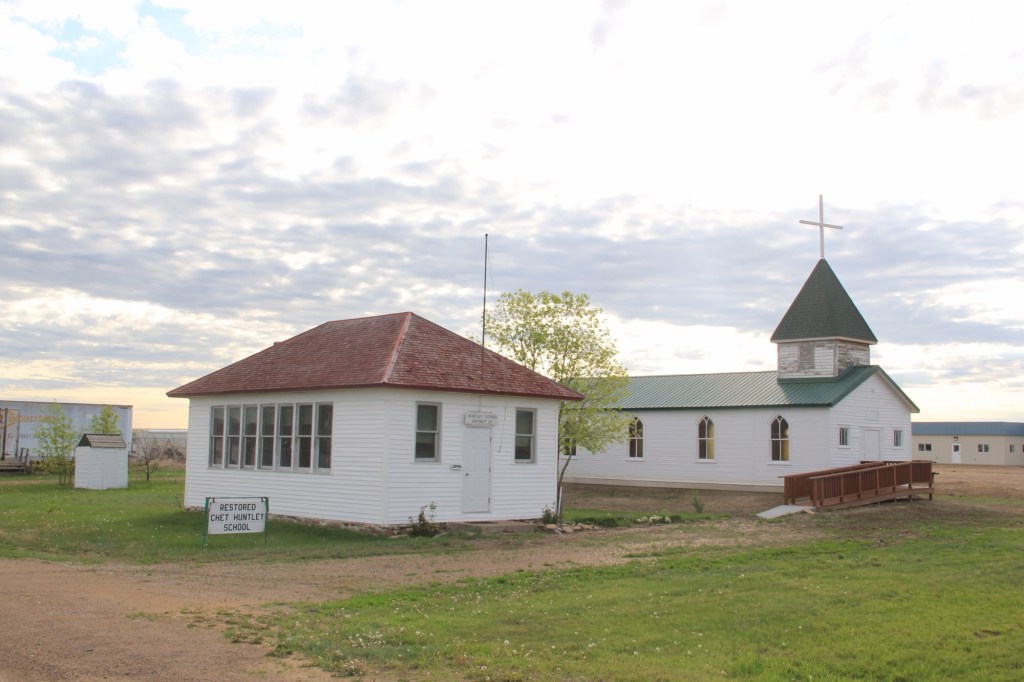
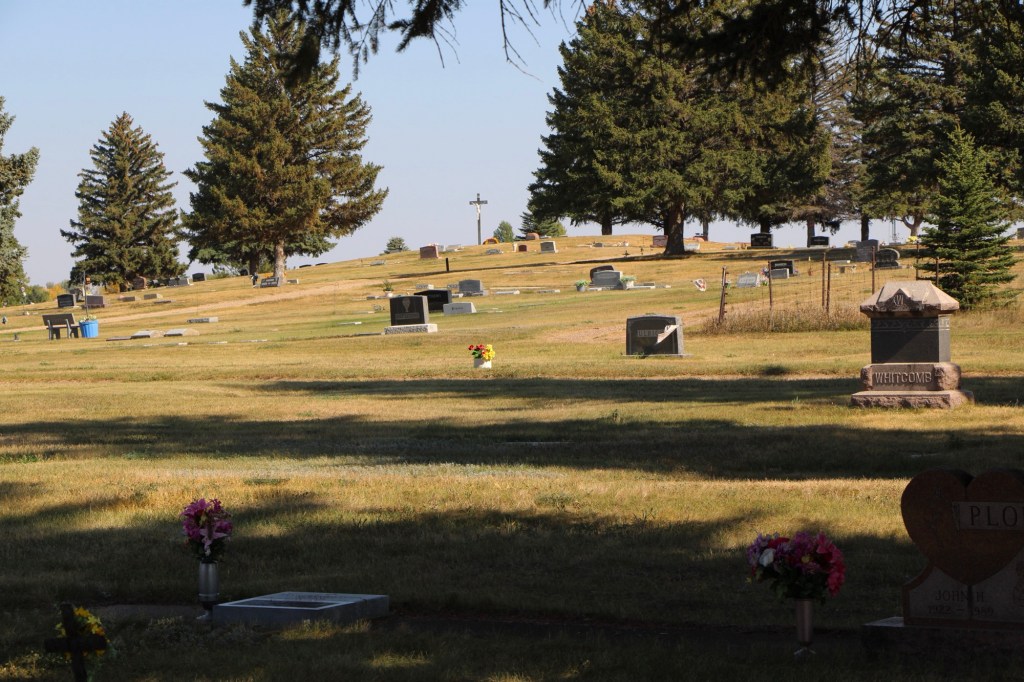
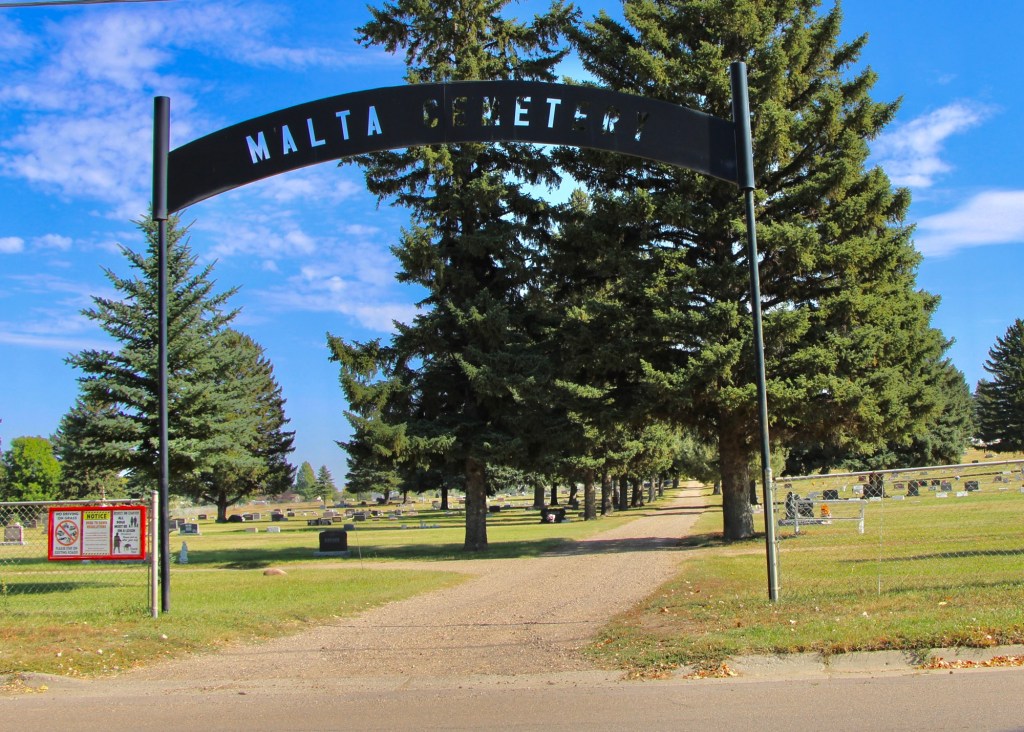
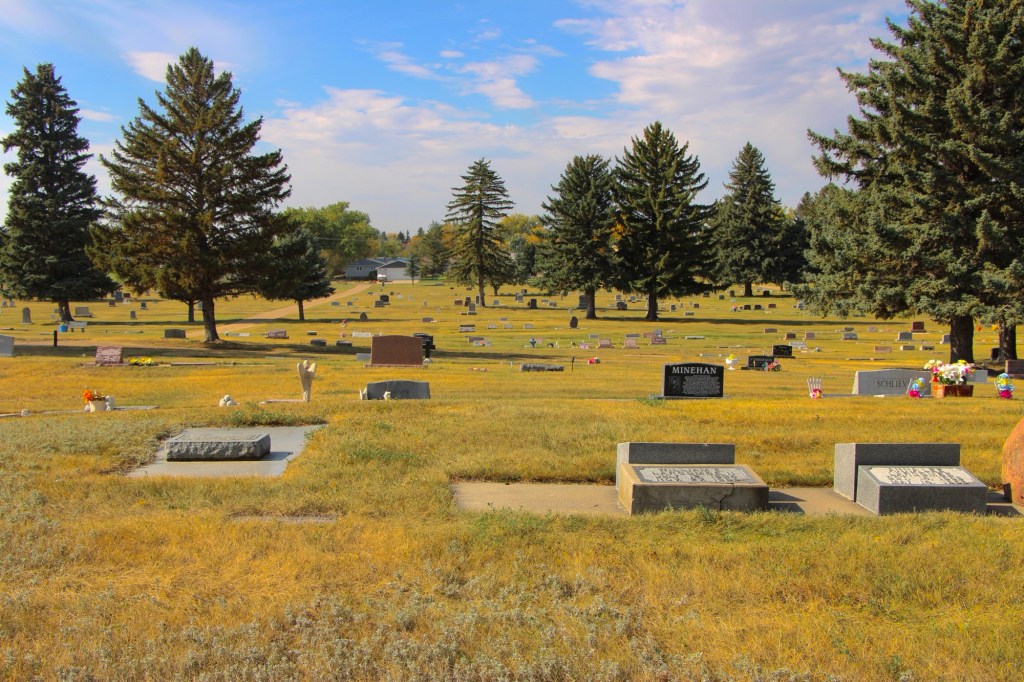
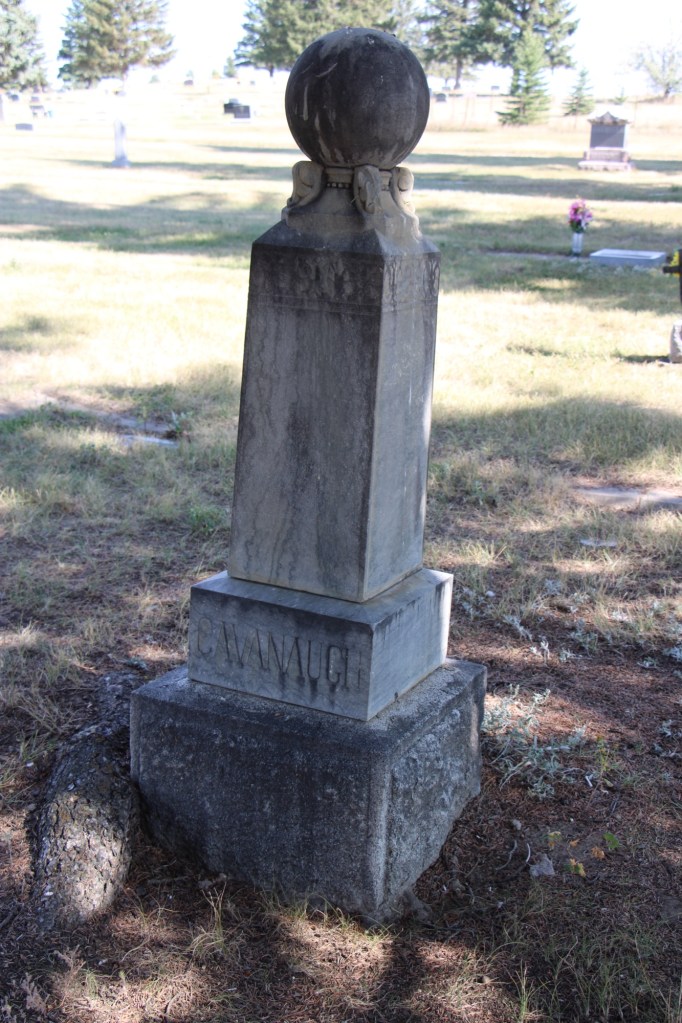
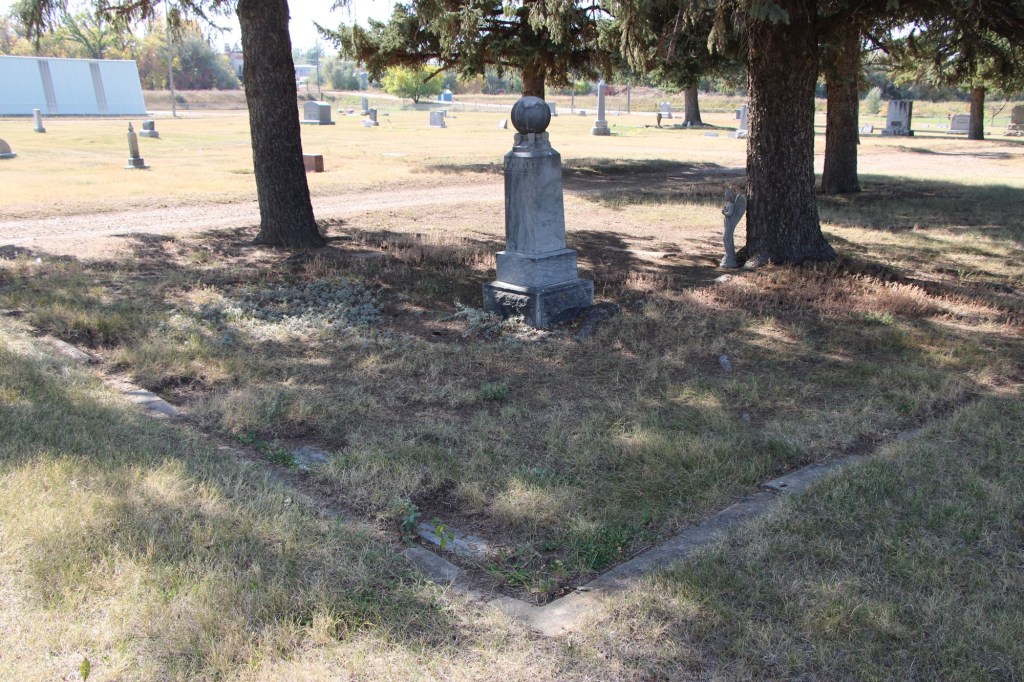
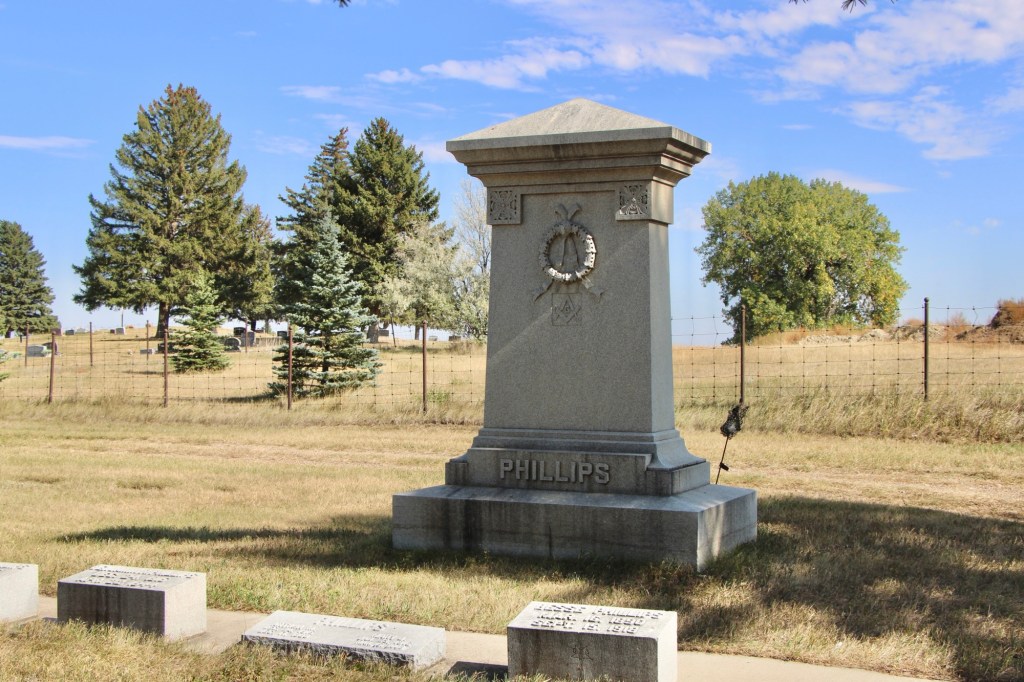
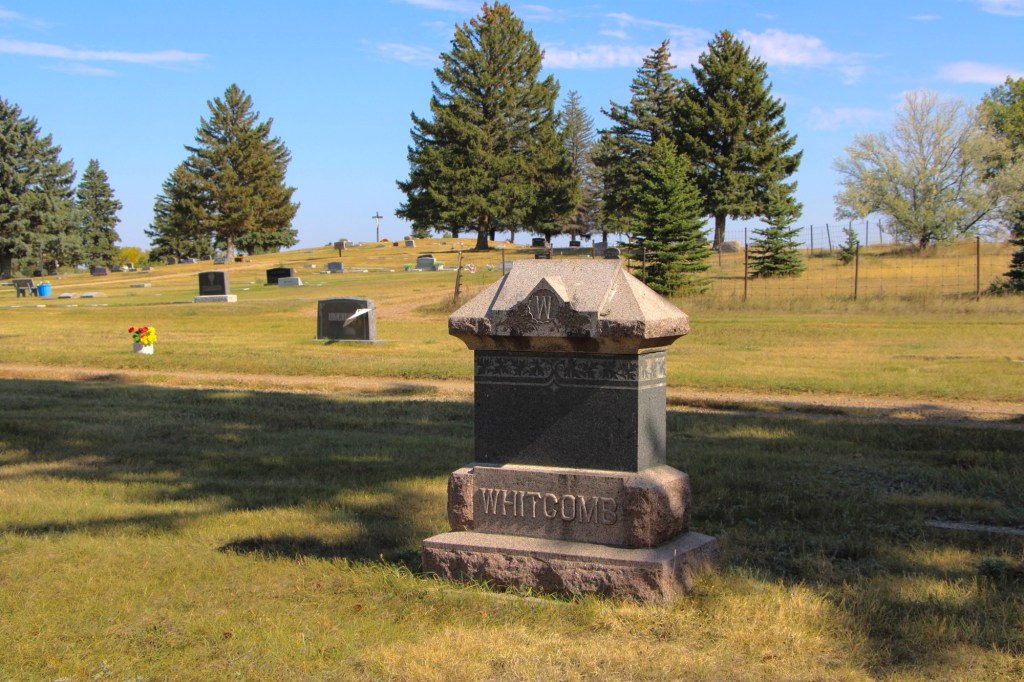
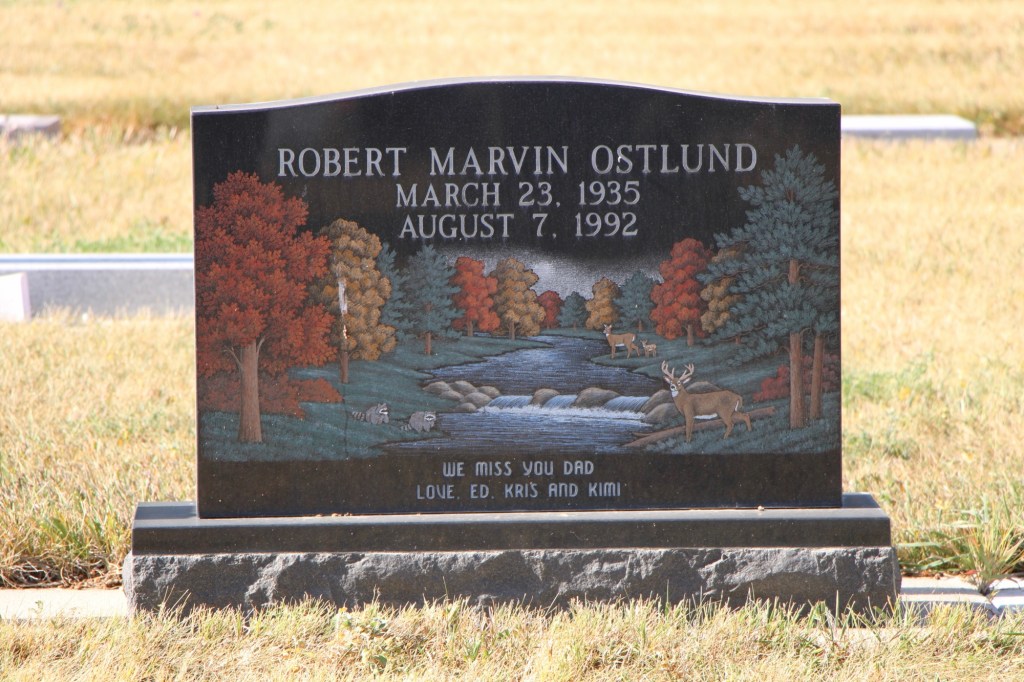
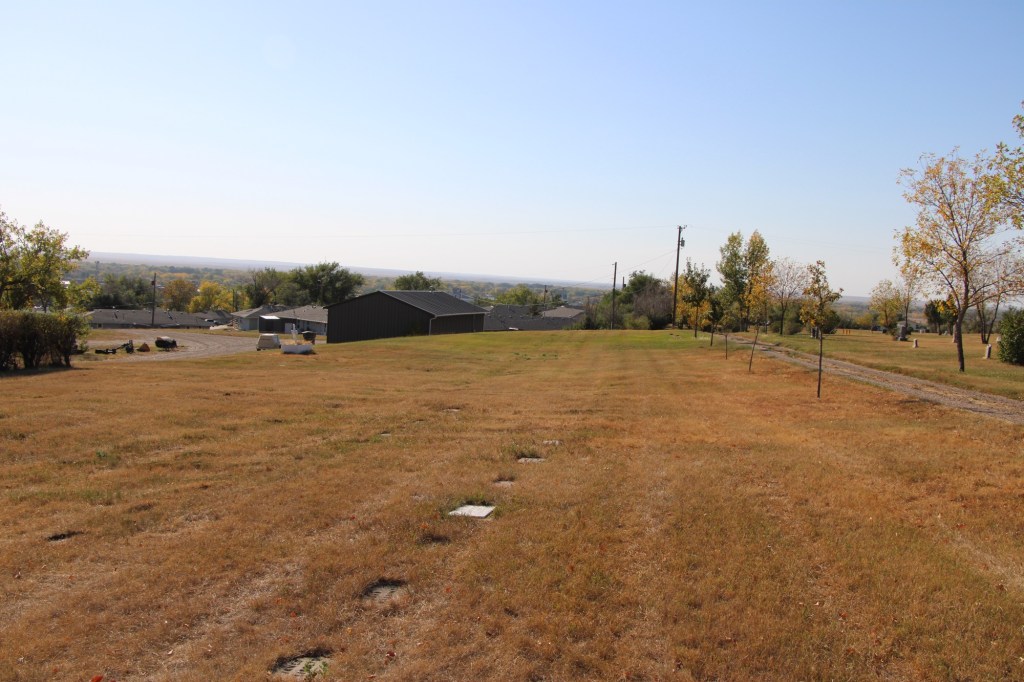
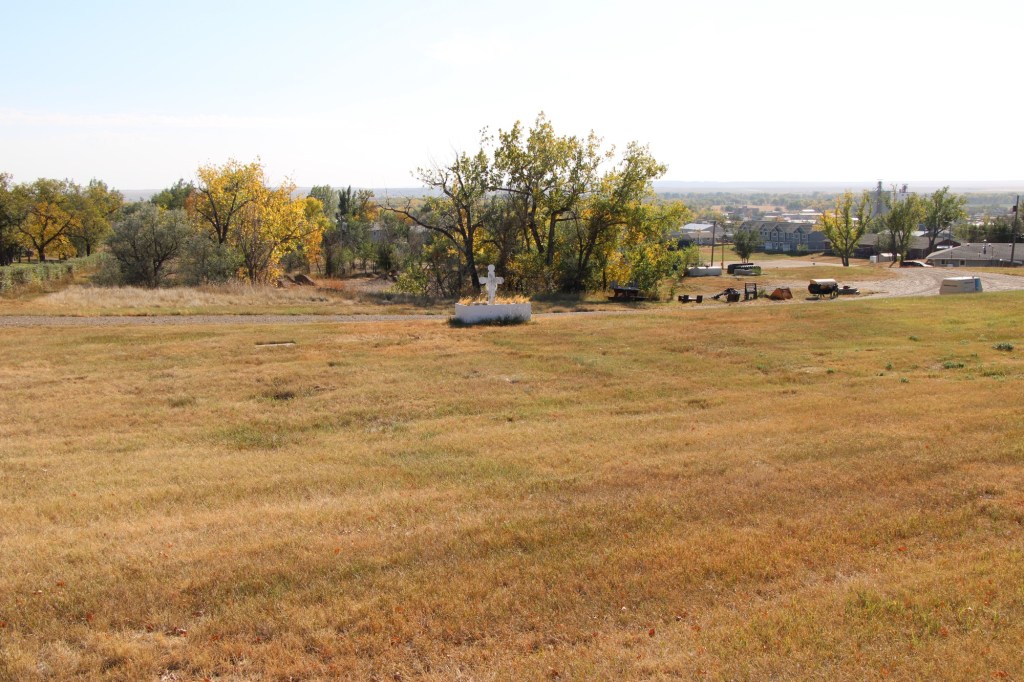
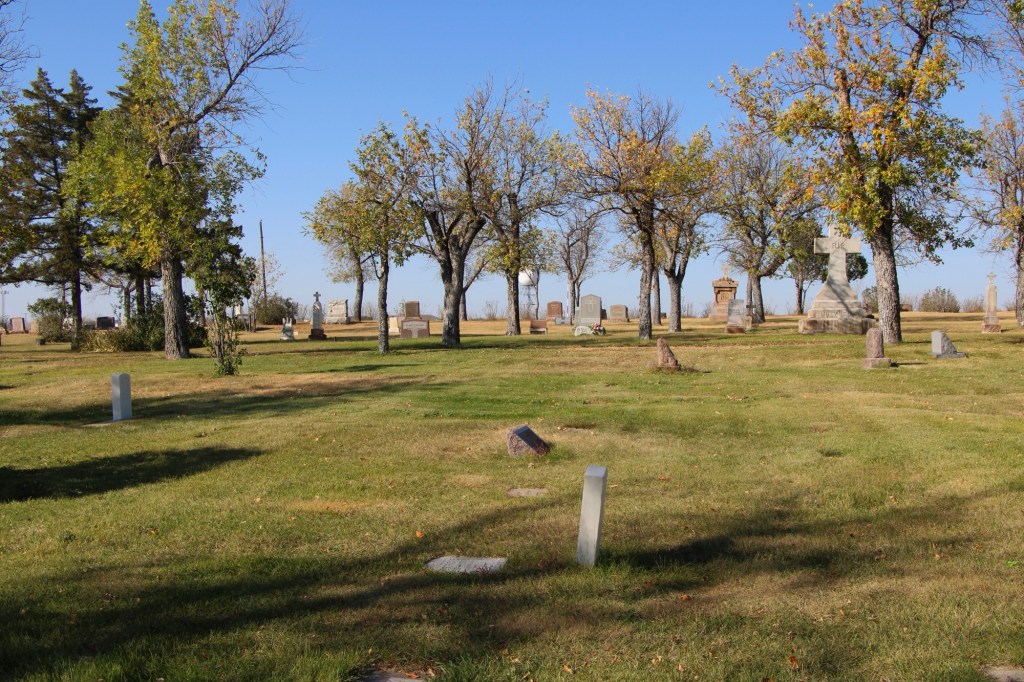
Glasgow, the seat of Valley County, dates to the late 1880s when the Manitoba Railroad (later named the Great Northern Railroad) entered the northeast corner of Montana Territory on its way west to its initial terminus in Great Falls. The first burials at what later became Highland Cemetery on a bluff northeast of the town center date to those years. The images above and below are of that first burial ground, known as Potter’s field, and part of what is designated at the first addition.
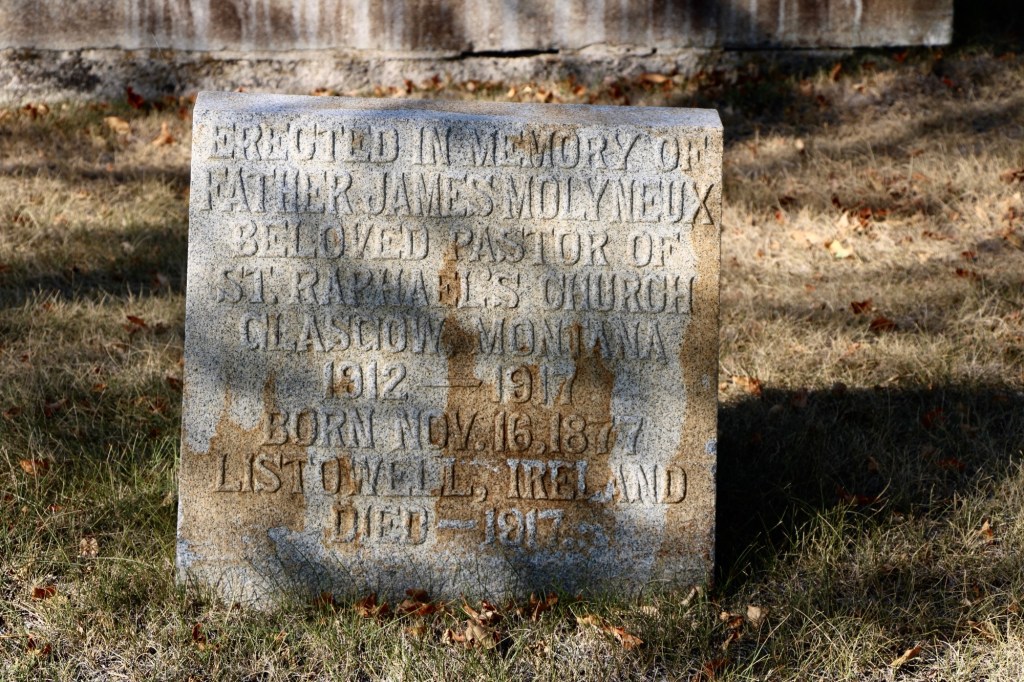
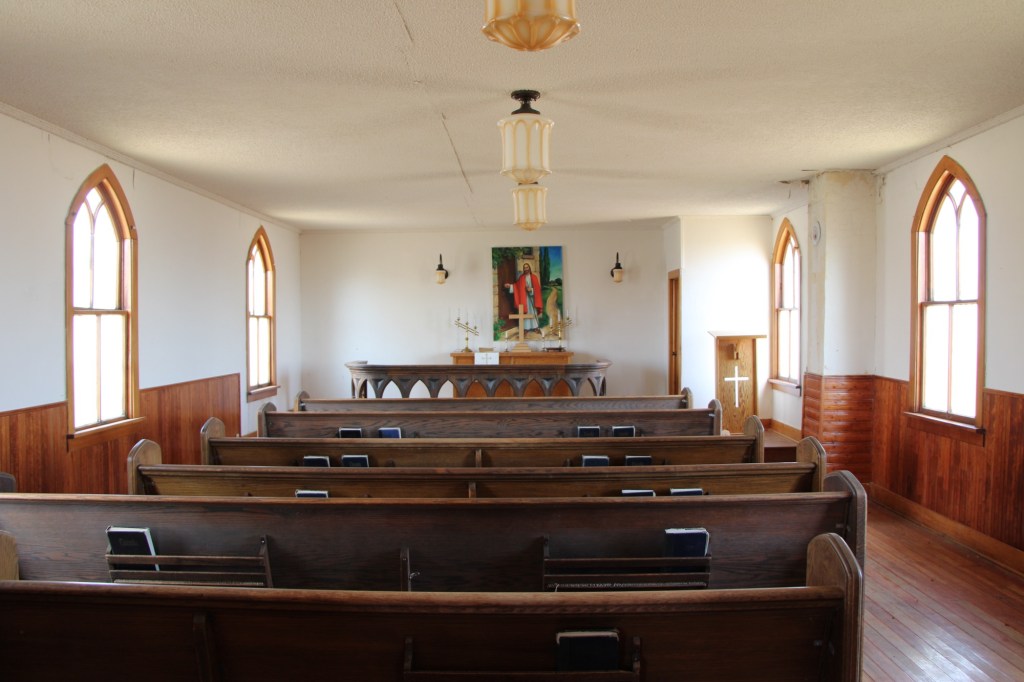
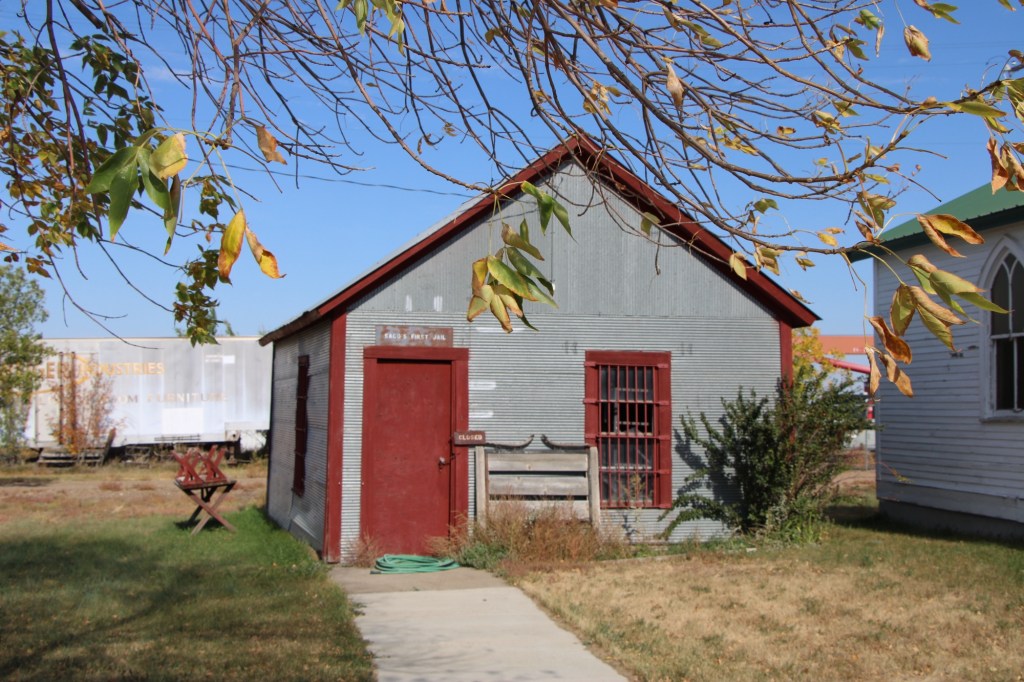
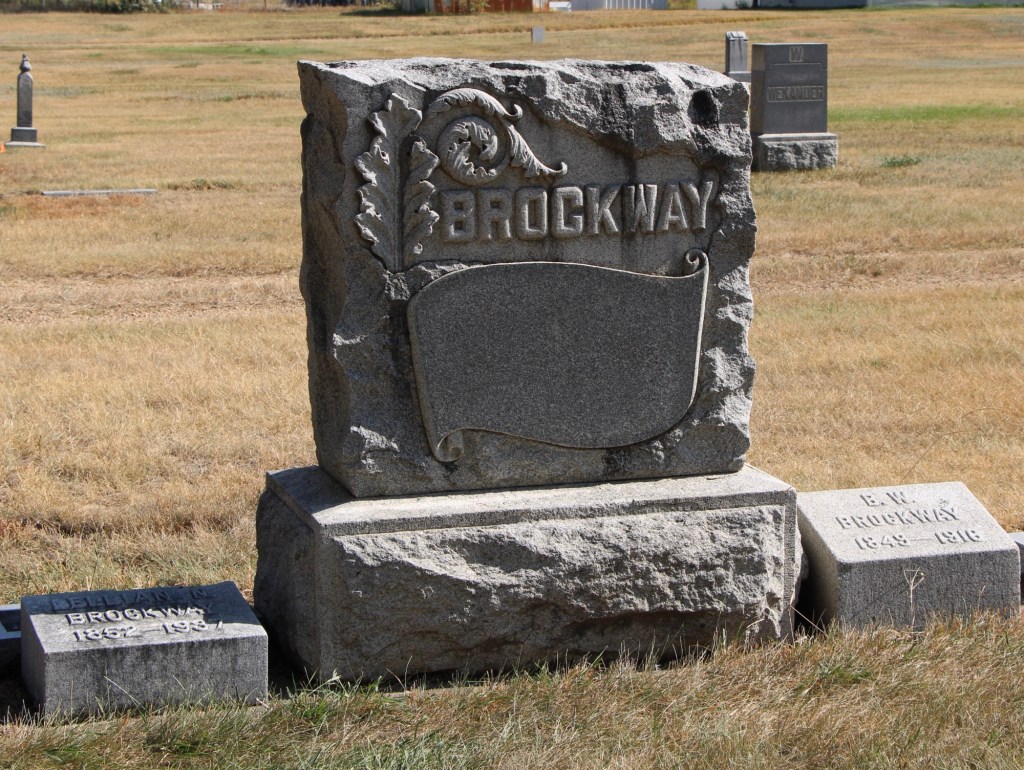
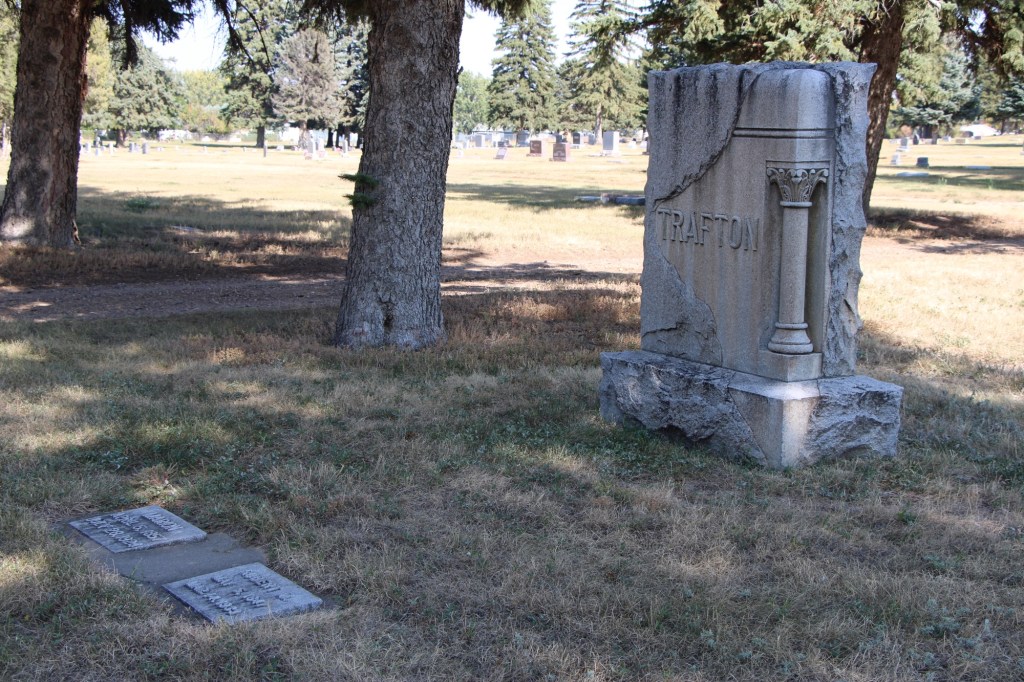
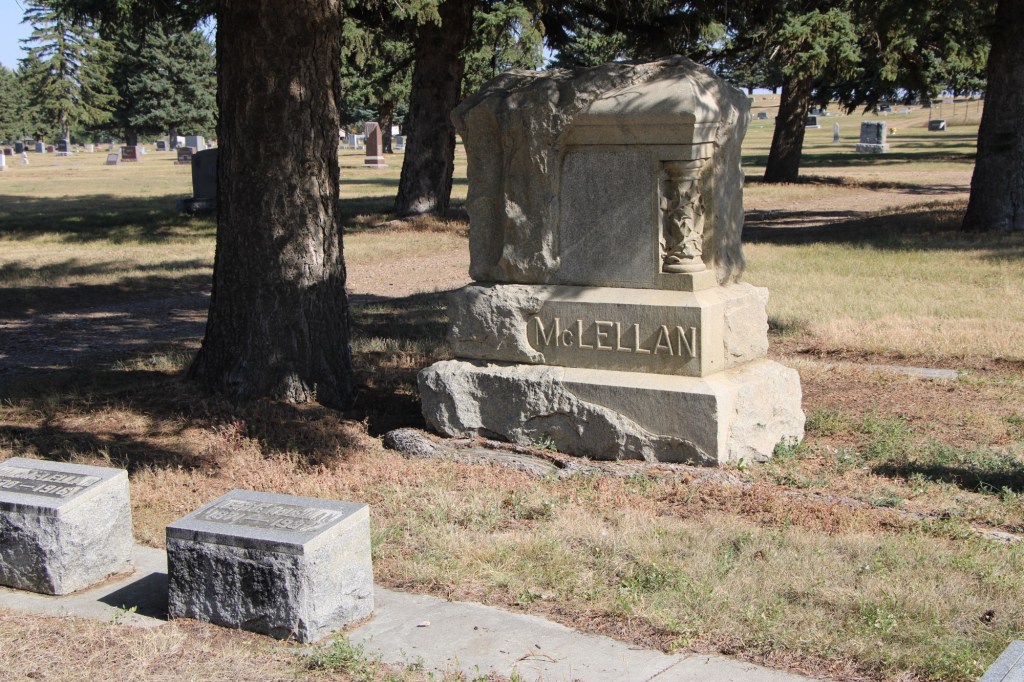
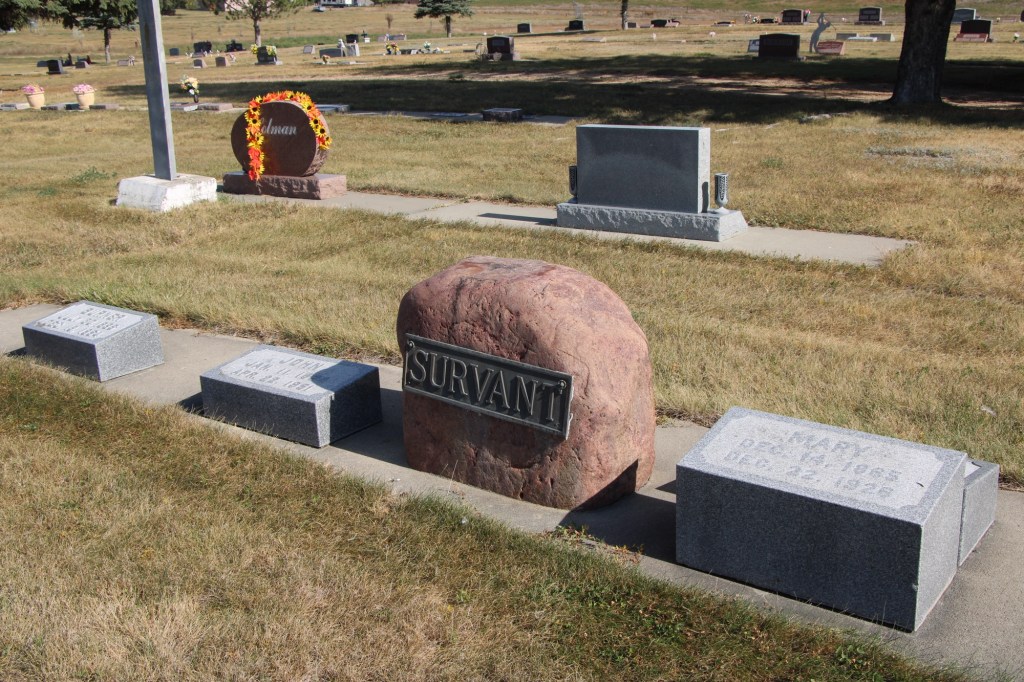
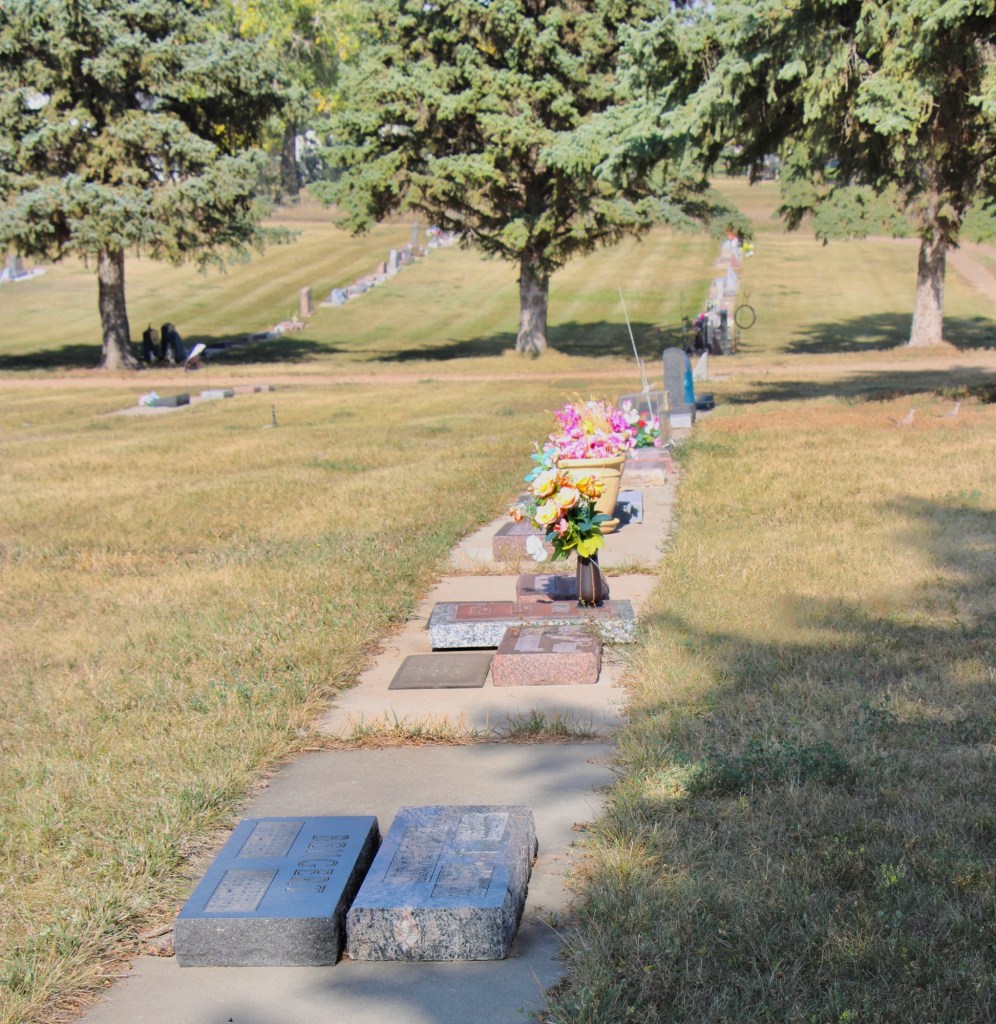
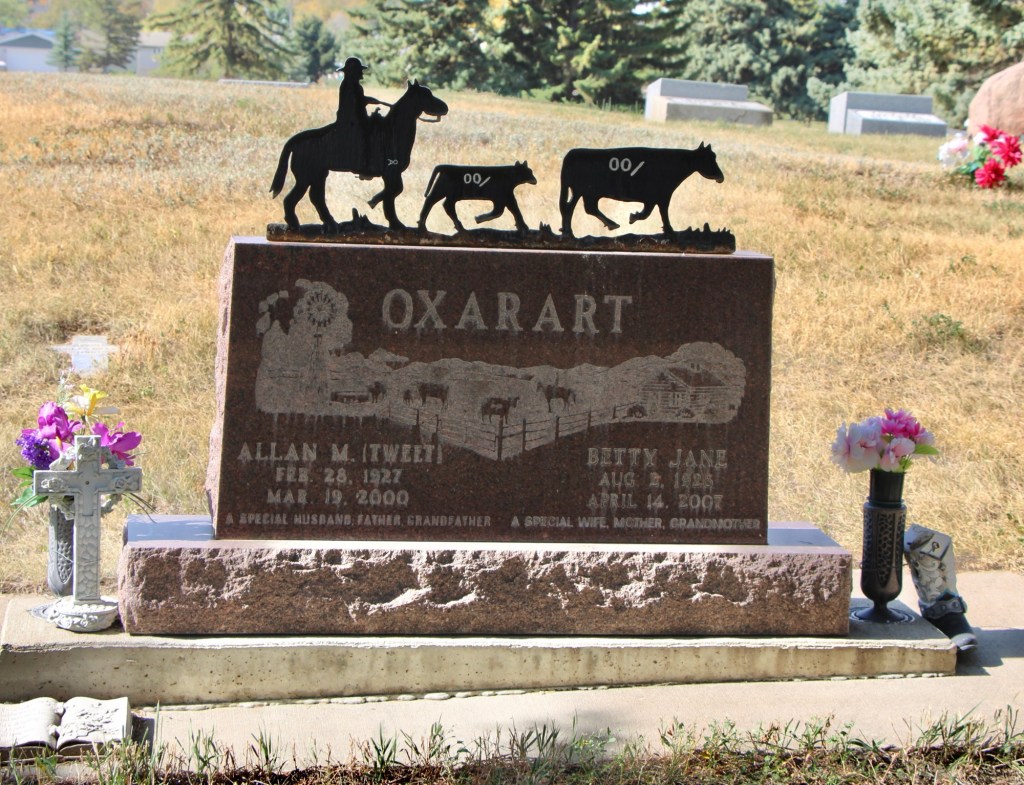
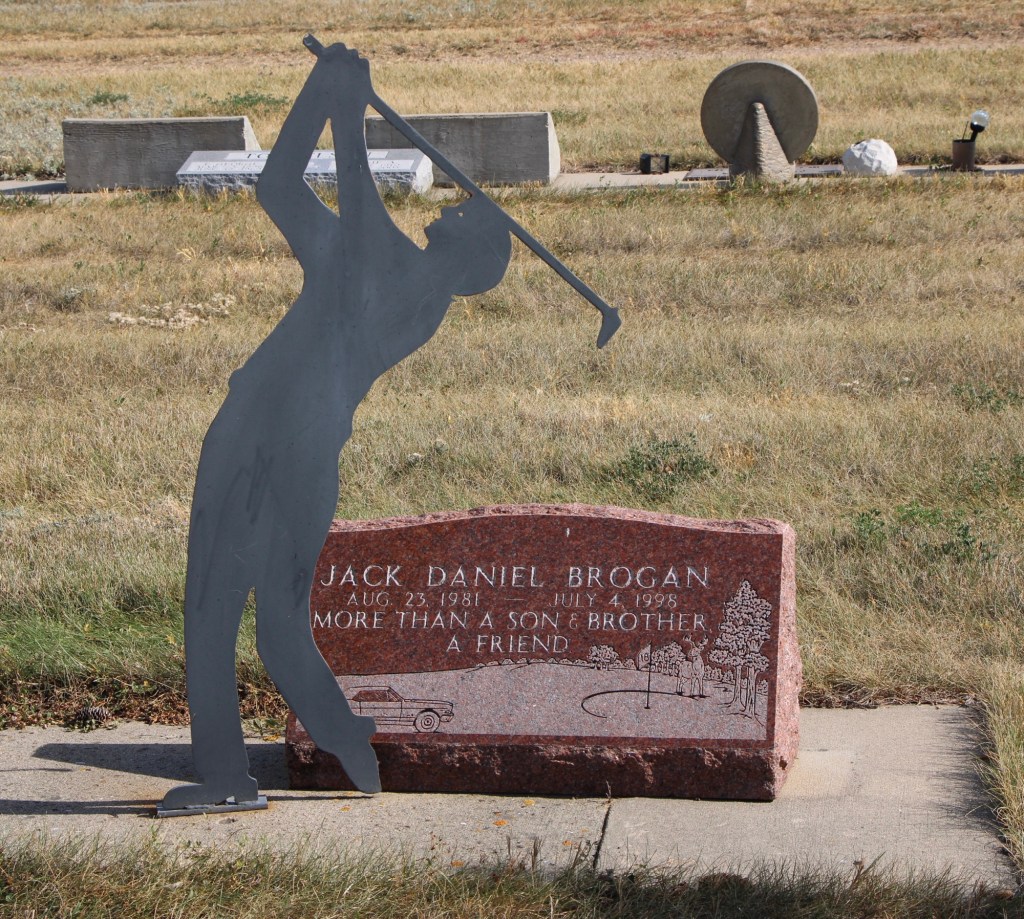
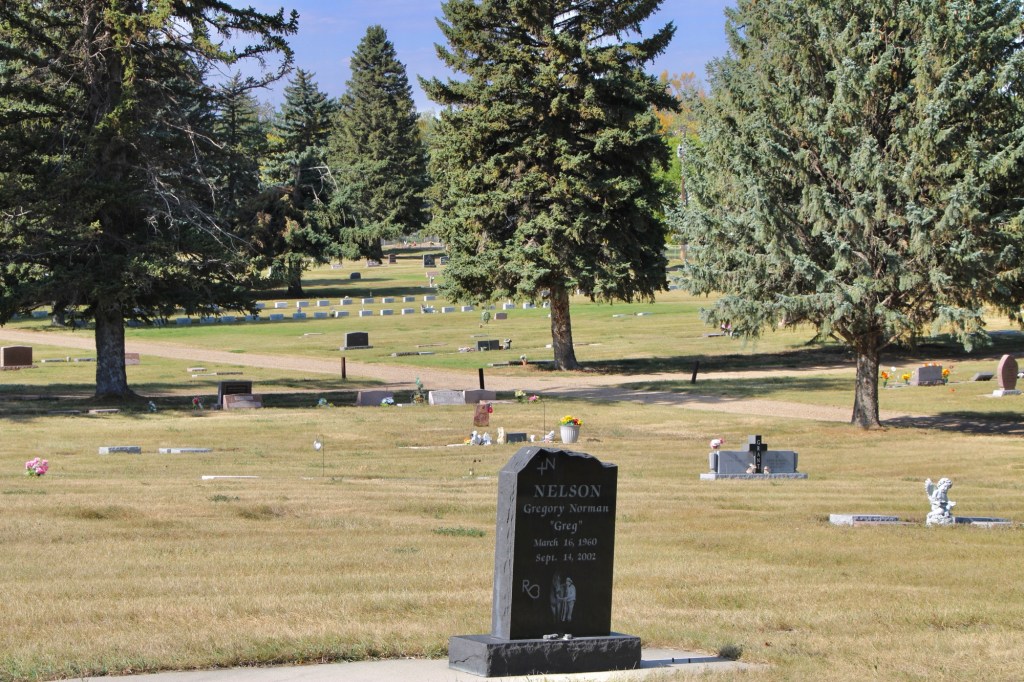
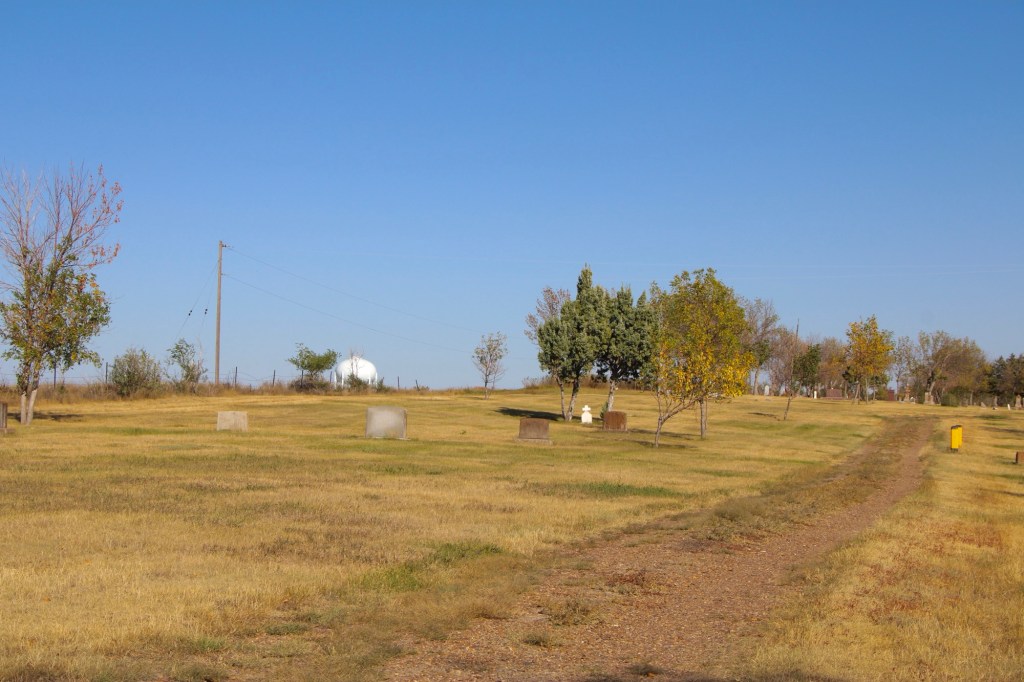
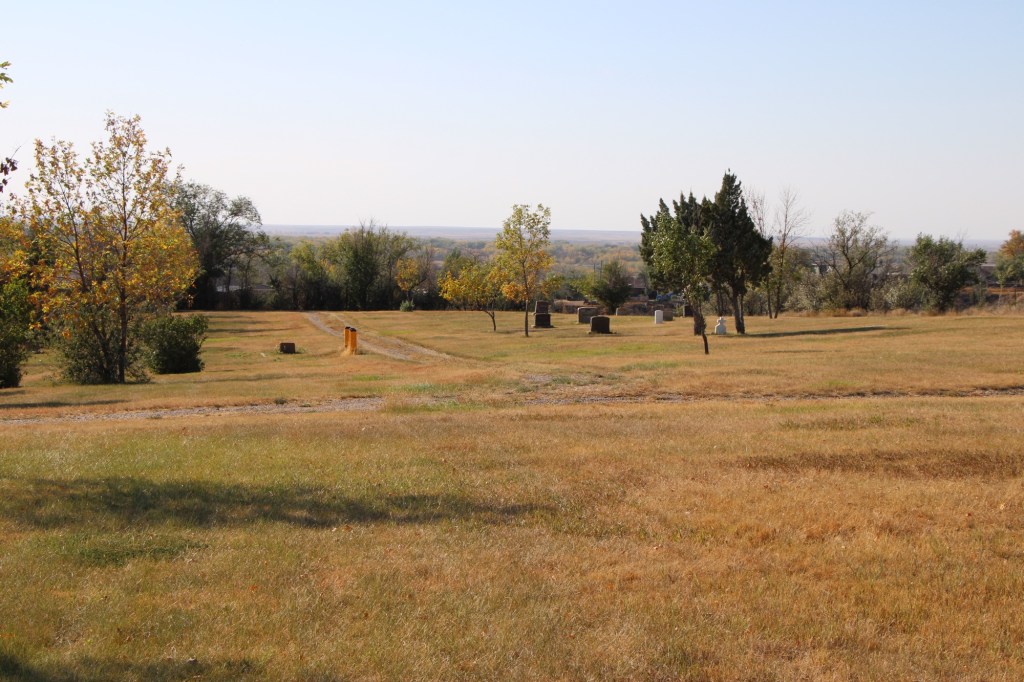
The next two images are of the cemetery’s second addition .

The section designated as Glasgow original cemetery also marks the beginning of the Highland Cemetery period. The Glasgow Montana Citizen reported on November 13, 1897: “Owing to the utter lack of system in locating the graves on the hill it was impossible to lay it [a city cemetery] out in lots so the county fathers located a strip of five acres of land adjoining the old burrying [sic] ground and laid it out into lots for future use. The cemetery is named Highland.” A couple of weeks later, the Glasgow Montana Citizen clarified the situation on December 11, 1897: The opinion prevails that the old cemetery is not a portion of the new one. This is wrong. The plat of Highland Cemetery includes a strip sixty feet wide of the old graveyard which takes in all the graves.”

Within the boundaries of the original Highland are several remarkable gravestones, many of which have fascinating stories.

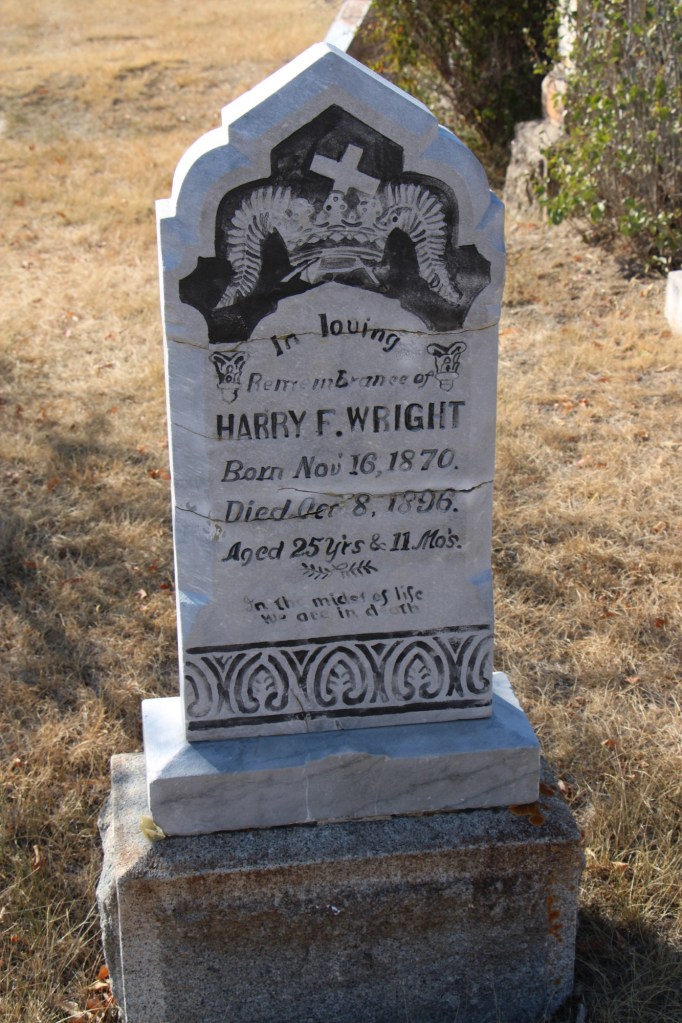
For instance, Harry Wright, according to the Glasgow Record of October 15, 1896, “was one of the best known ranchers around Saco and was a prosperous young man. He had quite a nice little bunch of cattle, a comfortable ranch and was always considered one of the most promising young men of Saco.” He was returning to England for a visit when he took ill in Buffalo, New York. He had kidney surgery which “proved most successful” but before resuming his travel Wright took a “Turkish bath” [a type of steam bath] and “death came a short while afterwards.” His sister lived in Hinsdale and had the body shipped to Glasgow to be buried in the cemetery in 1897.

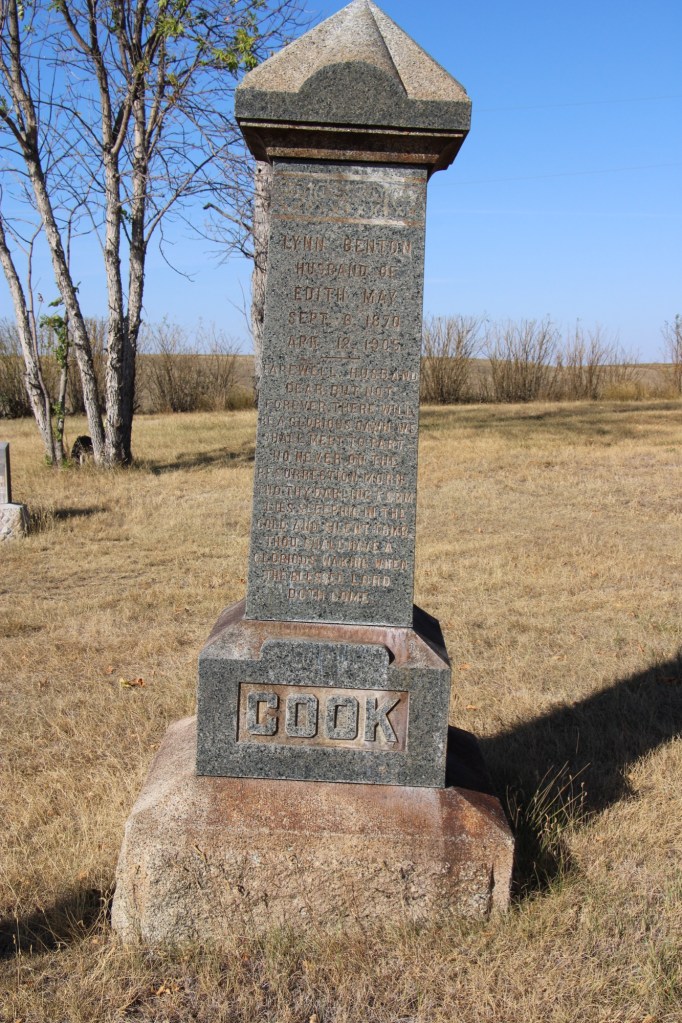
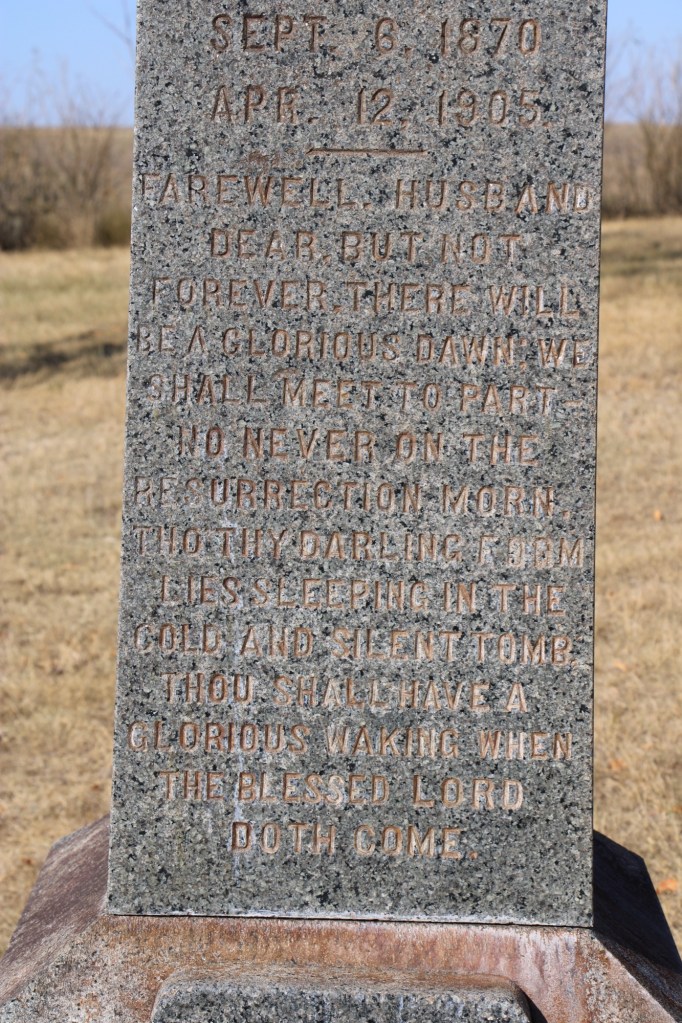
The tall obelisk marker for Lynn Benton Cook, who died at the age of 34 in 1905, has an unusually long dedication, beginning “Farewell Husband” composed by his wife Edith May.

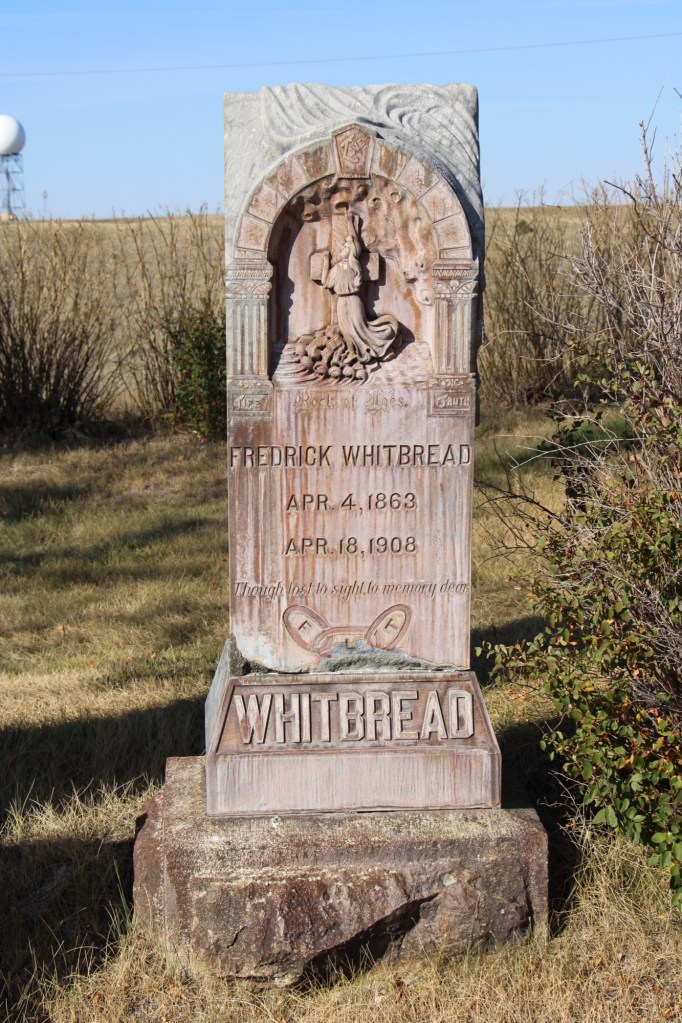
Fredrick Whitbread has a beautiful carved marker with a Richardsonian Romanesque arch framing a depiction of salvation. He was an Englishman who came to the USA in 1881. He worked as a locomotive fireman before becoming a Great Northern engineer. He left the railroad in 1897 and established a cattle ranch near Hinsdale. However in 1907 he reversed course to become the night foreman at the Great Northern’s roundhouse in Glasgow. He was a loyal member of the Odd Fellow lodge and his funeral “was the largest in the history of this city,” according to the Glasgow Montana Citizen of April 25, 1908.

Another prominent citizen was Father James Molyneux, an Irish Catholic priest who pastored St RaphaelCatholic Church in Glasgow from 1912-1917 during the height of the county’s homesteading boom.

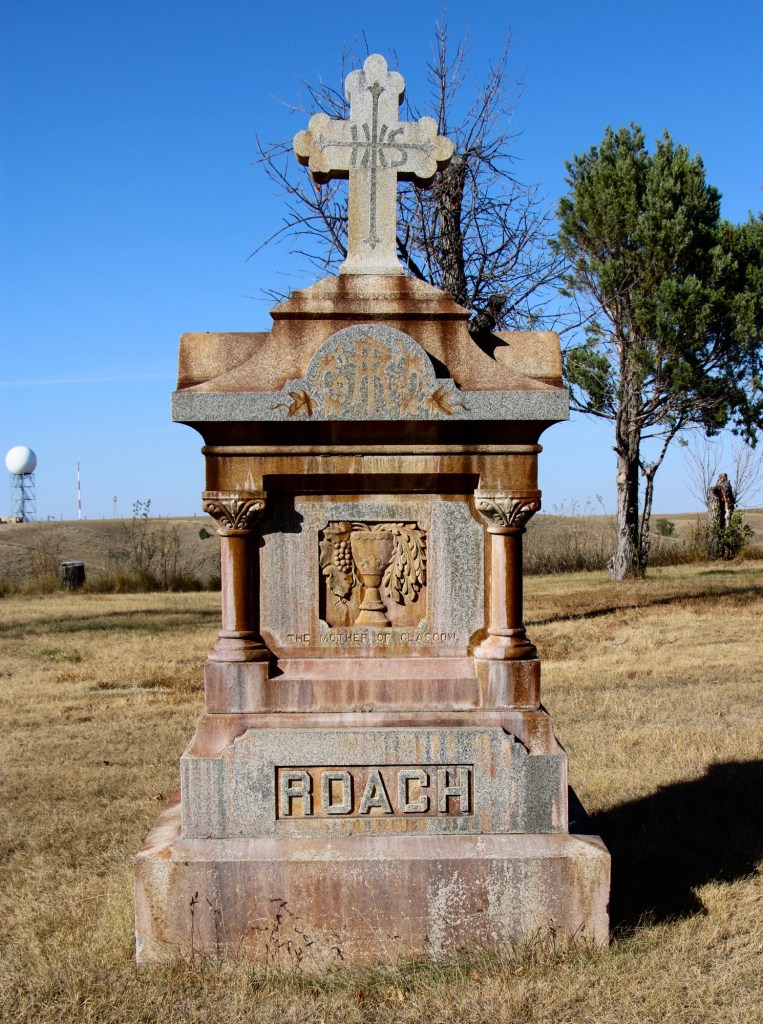
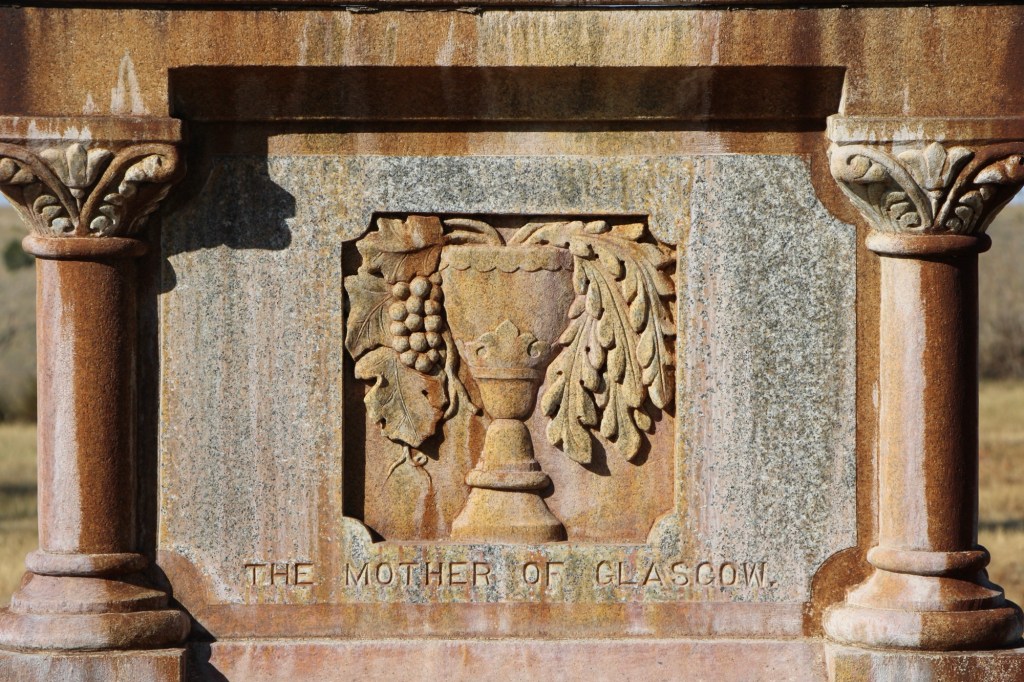
Perhaps the most compelling marker in the early history of Highland Cemetery is that of Mary Fitzpatrick Roach. She first came to Glasgow by 1780 when she worked as a cook at a local hotel before opening her own restaurant. During the railroad strike of 1895, she “became famous all along the Hi Line, by carrying her customers along whether they could pay or not.” (Glasgow Courier, June 5, 1931)

Her empathy and charity earned her the nickname “Mother of Glasgow,” which is carved in her gravestone. After the strike, her business grew and she owned a boarding house, a meat market, a large herd of cattle, and a lodging house. She married Porter Roach in 1907 and died two years later.

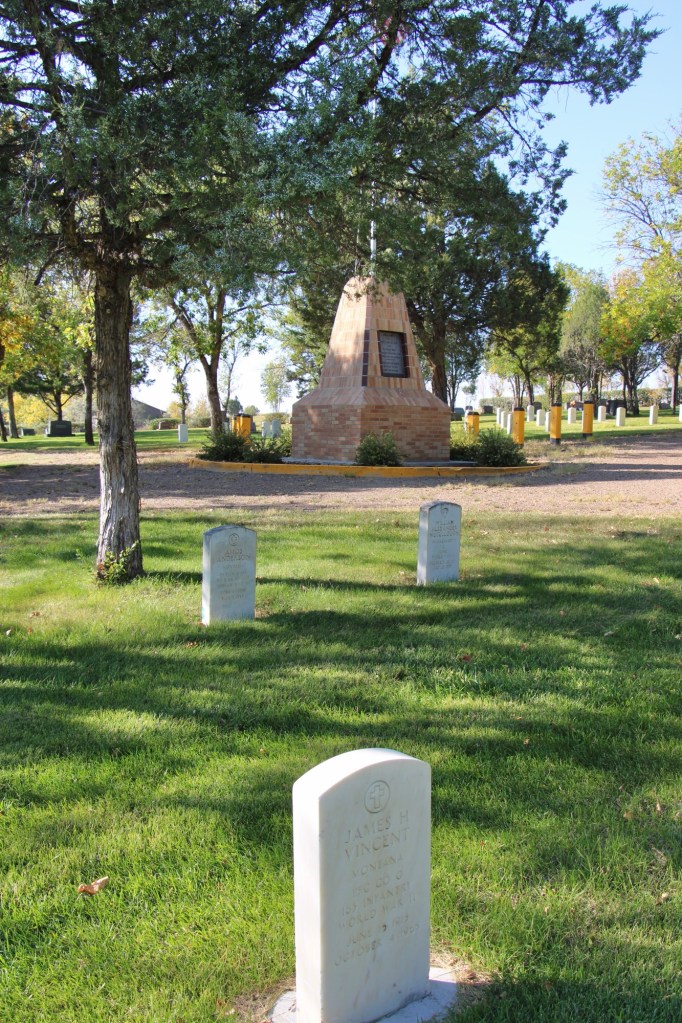
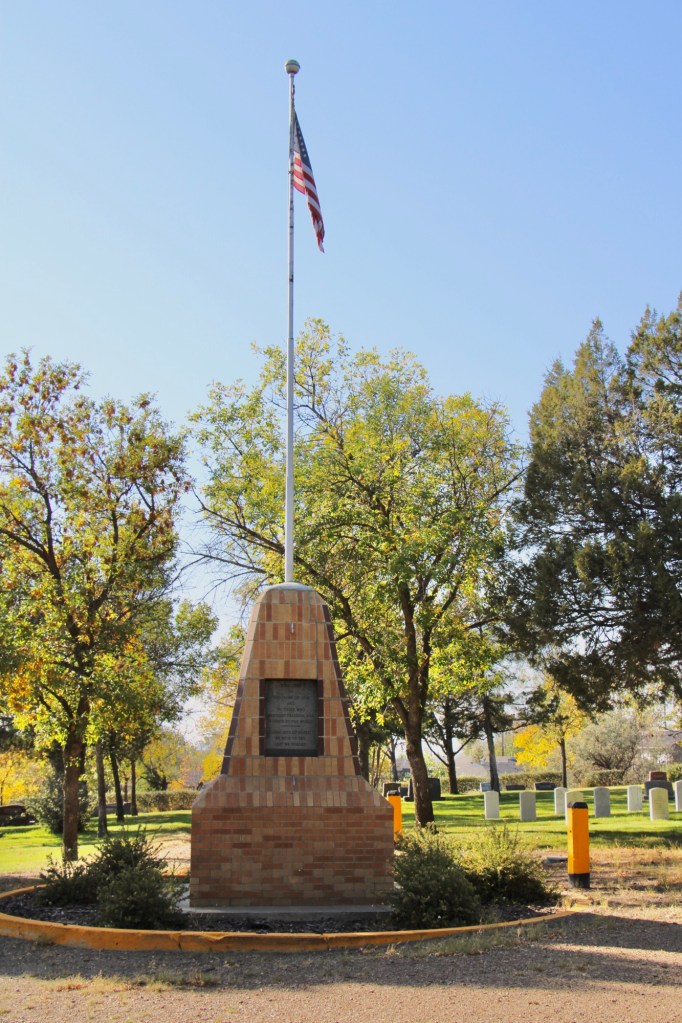
Highland Cemetery, like several other municipal cemeteries along the Hi Line, maintains an impressive Veterans section, with the four section arranged around a central flagpole.

Residents of Valley County are no doubt proud of what Highland Cemetery says about their respect for the past and those who came before. This post only begins to share the impressive grave markers and stories of this public space.

Craig, from railroad stop to Fish Town

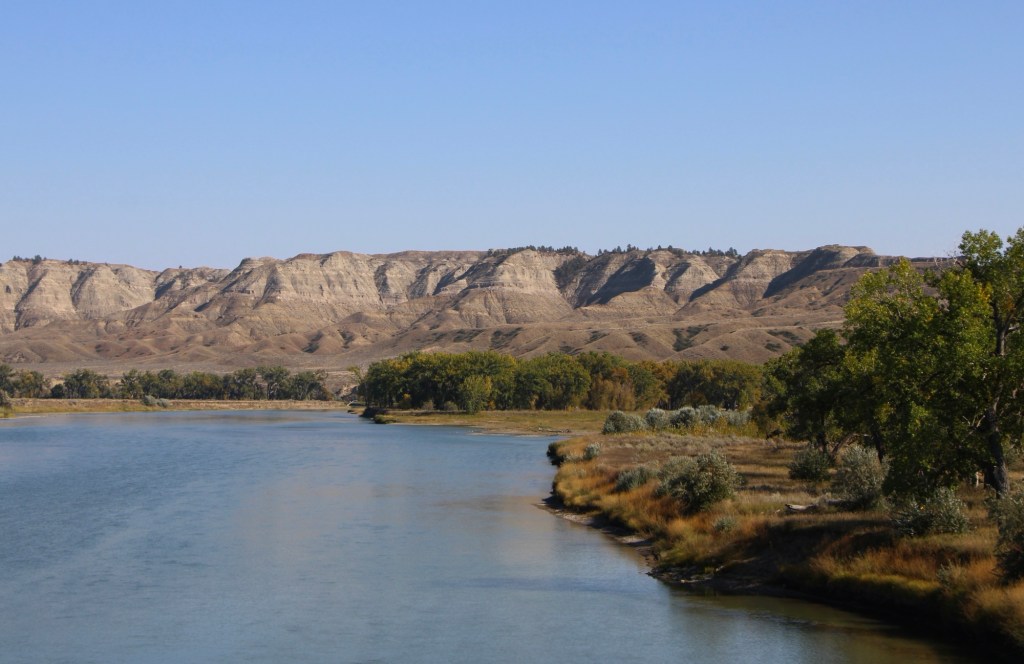
As the Missouri River winds its way into the mountains of Montana, one of my favorite stops for 40 years is the town of Craig. Ben Stickney was the first to farm here in the 1870s. He and Frank Wagner also established a ferry crossing. Other early settlers were Warren and Eliza Craig who platted a townsite named Craig once the construction of the Montana Central Railroad between Great Falls and Helena was finished in late 1887. By 1890, the town had 77 residents.

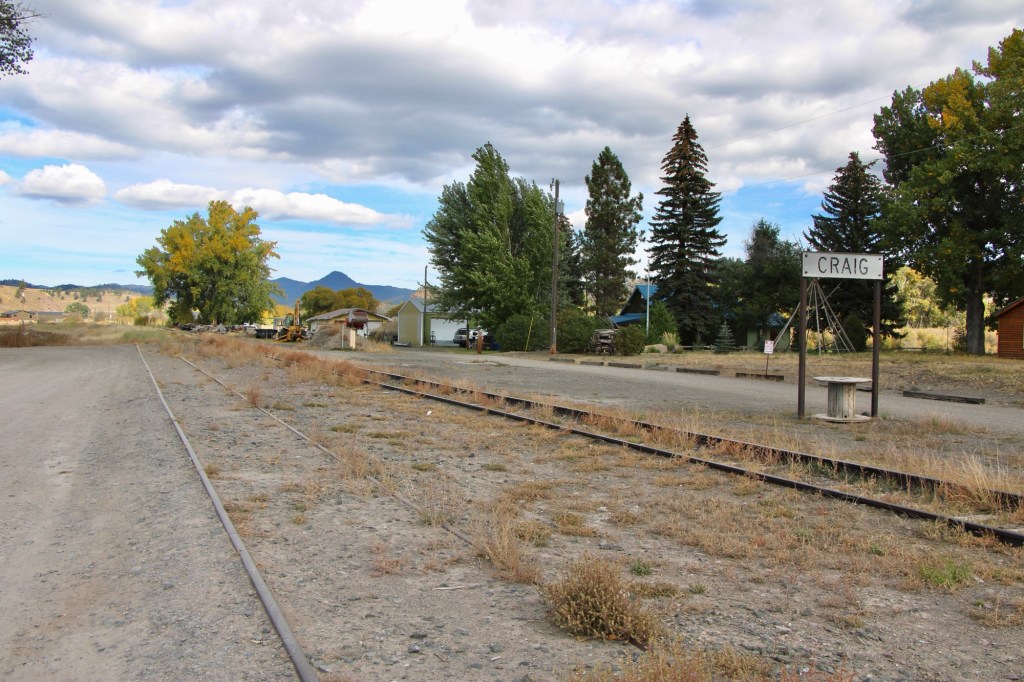
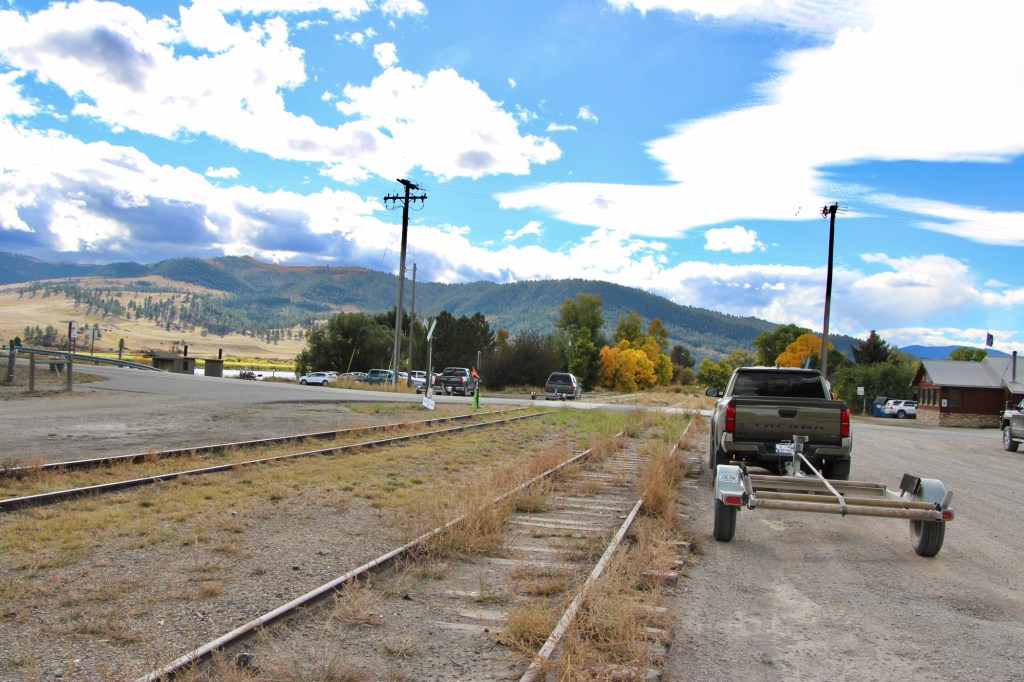
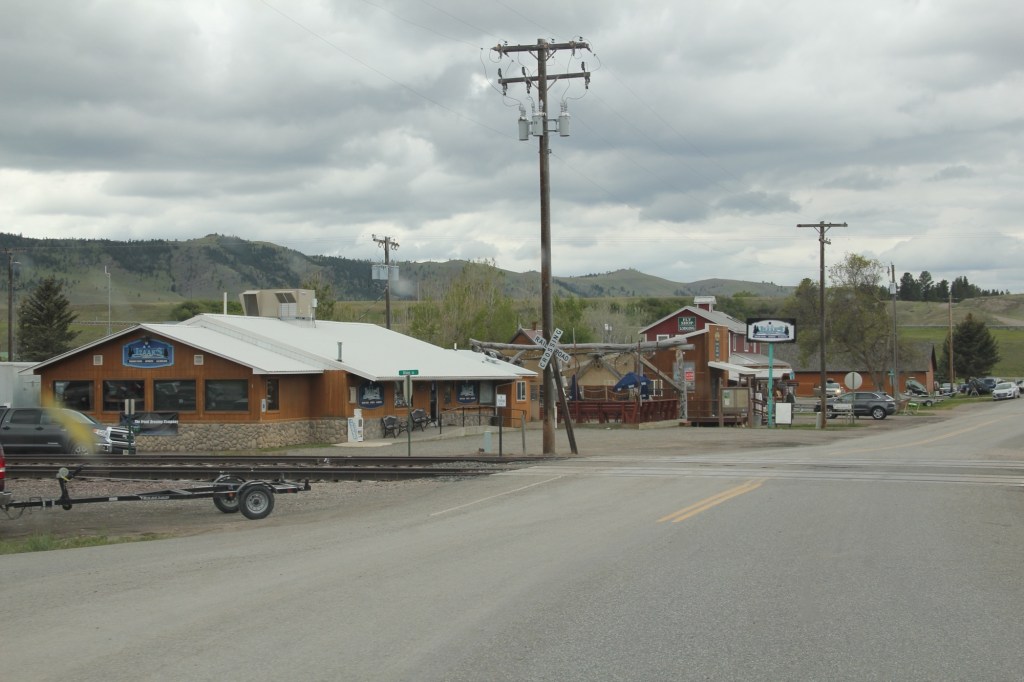
The story of Craig in its early years was all about the railroad corridor, with houses and businesses arranged on either side of the tracks.

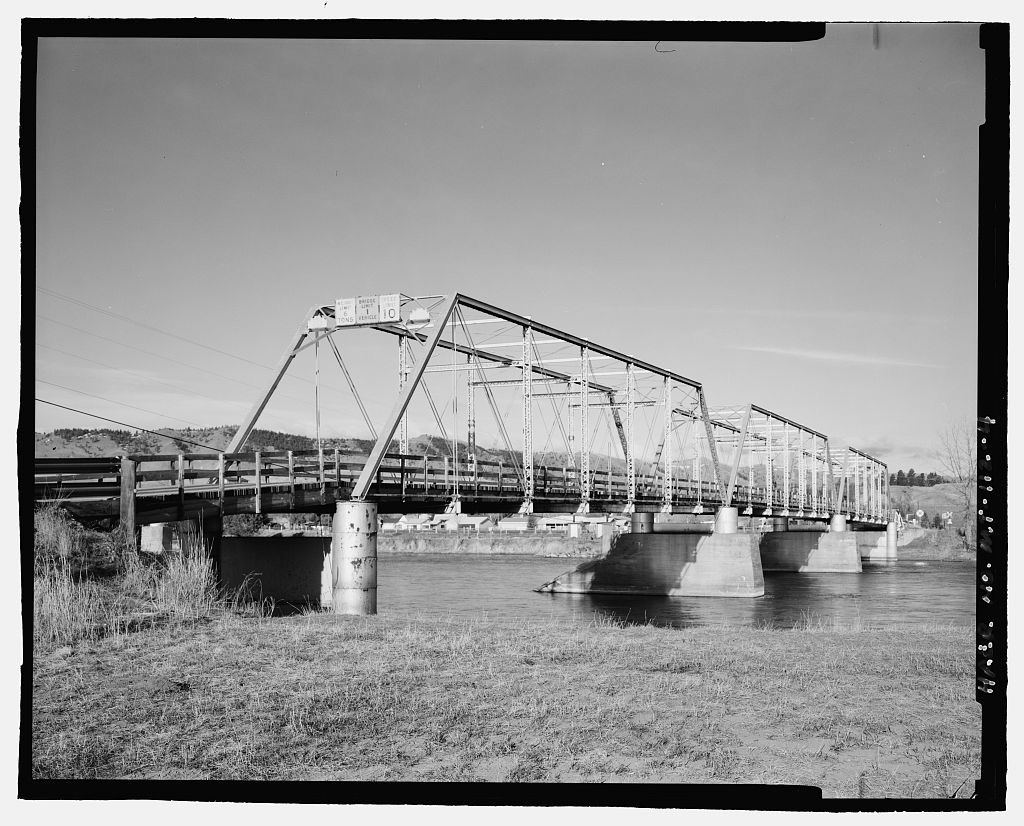
The Missouri River defined the east side of town as it closely paralleled the tracks. Then in 1902-1904 came the construction of a steel bridge, which replaced the ferry.

The Craig Bridge, c. 2002. Photo by Jon Axline, Montana Department of Transportation. The bridge was demolished c. 2004.

The bridge made Craig a crossroad town but it never grew that much in the next decades.

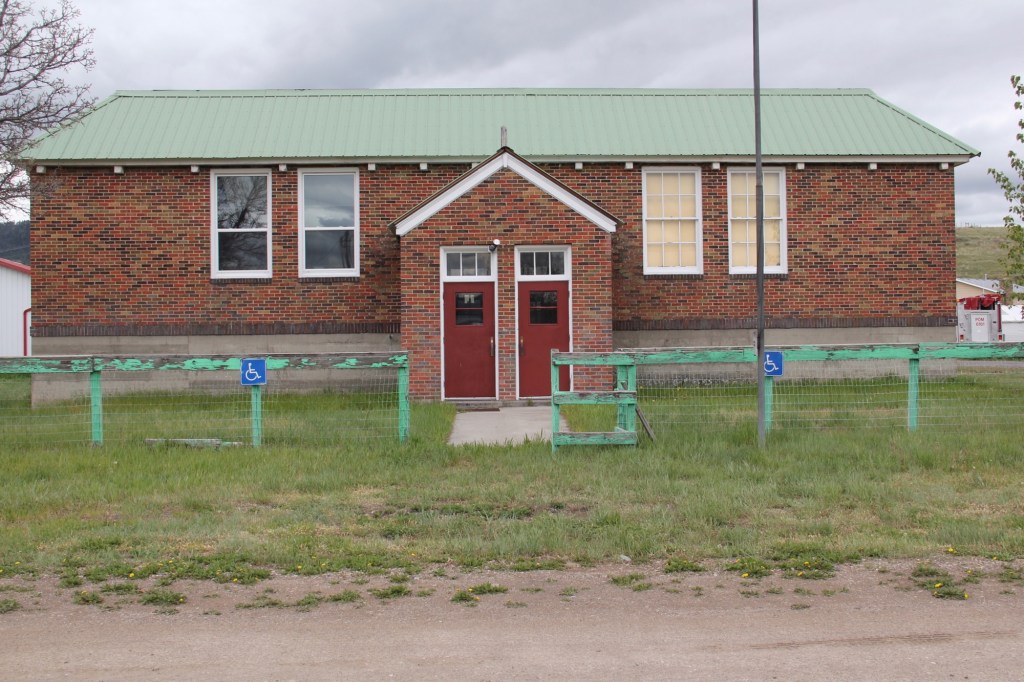
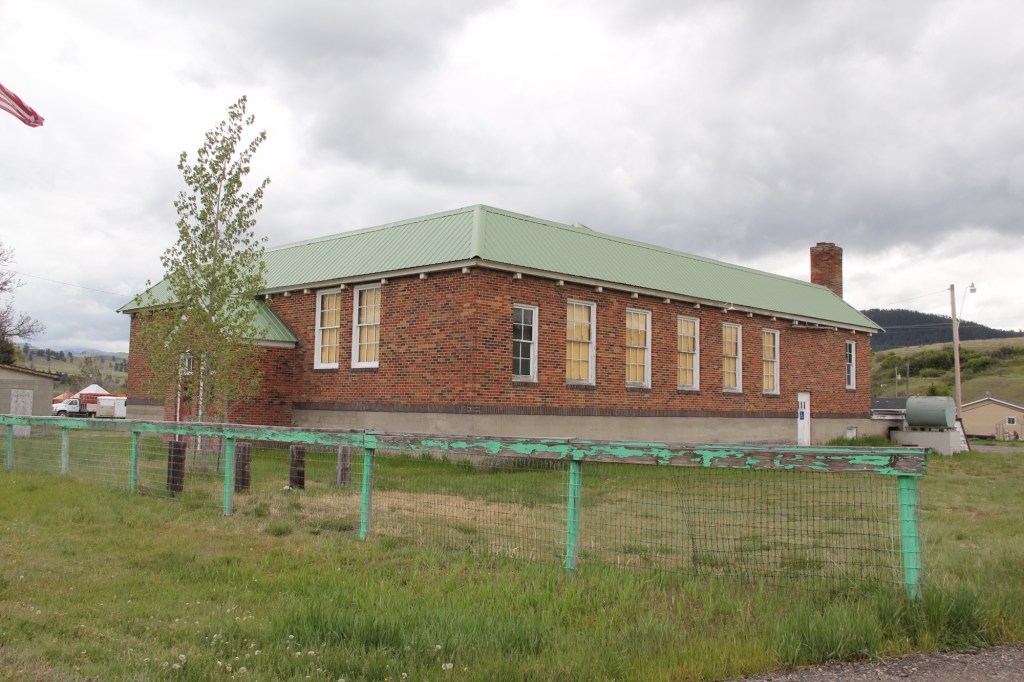
When in the 1930s the state constructed its section of U.S. Highway 91, the improved transportation led to the growth of the local school, which closed in the 21st century and now serves as a community building.

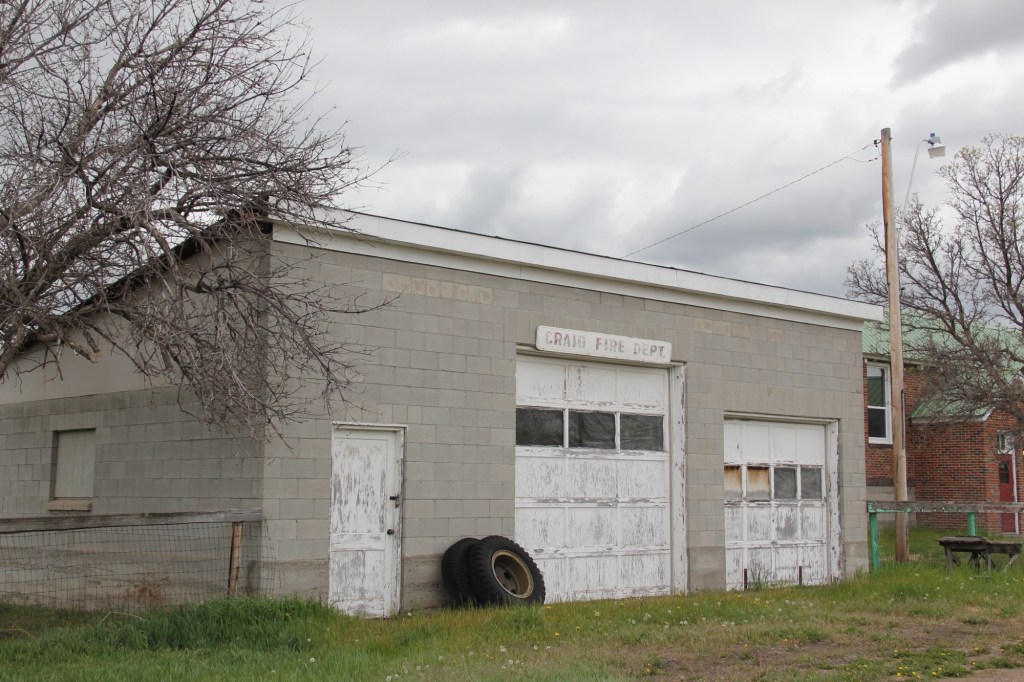
Residents also established a volunteer fire hall next to the school.

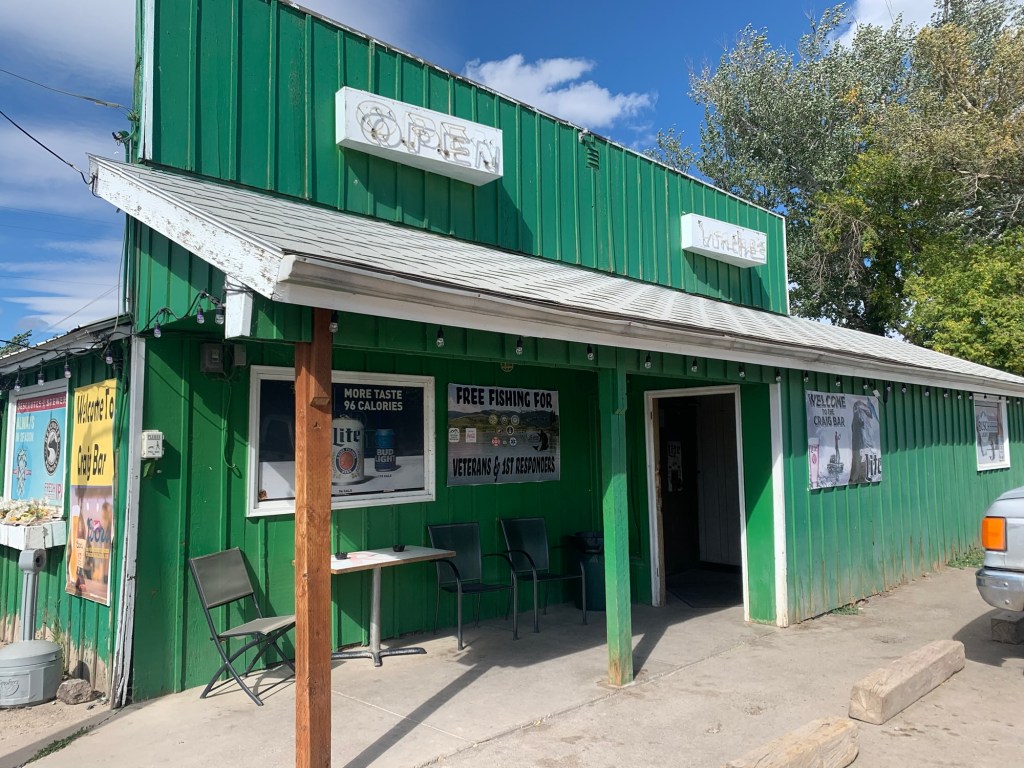
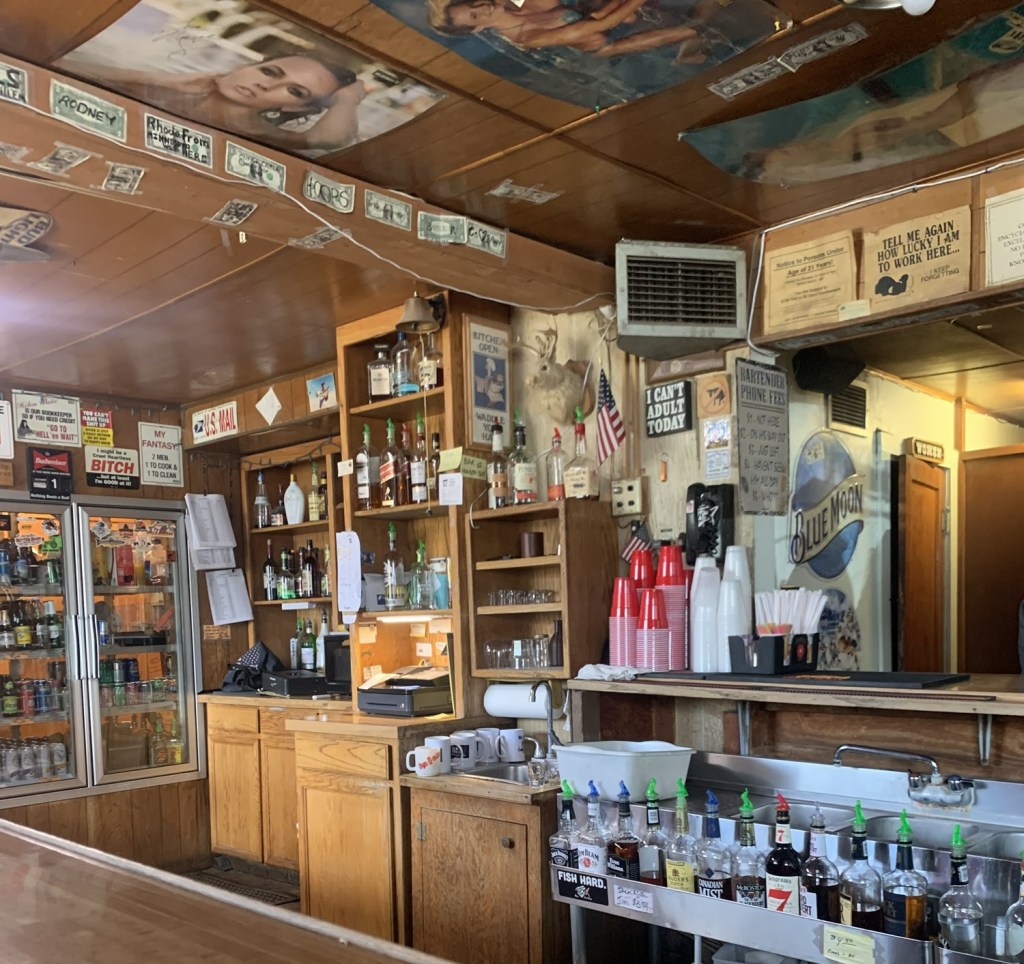
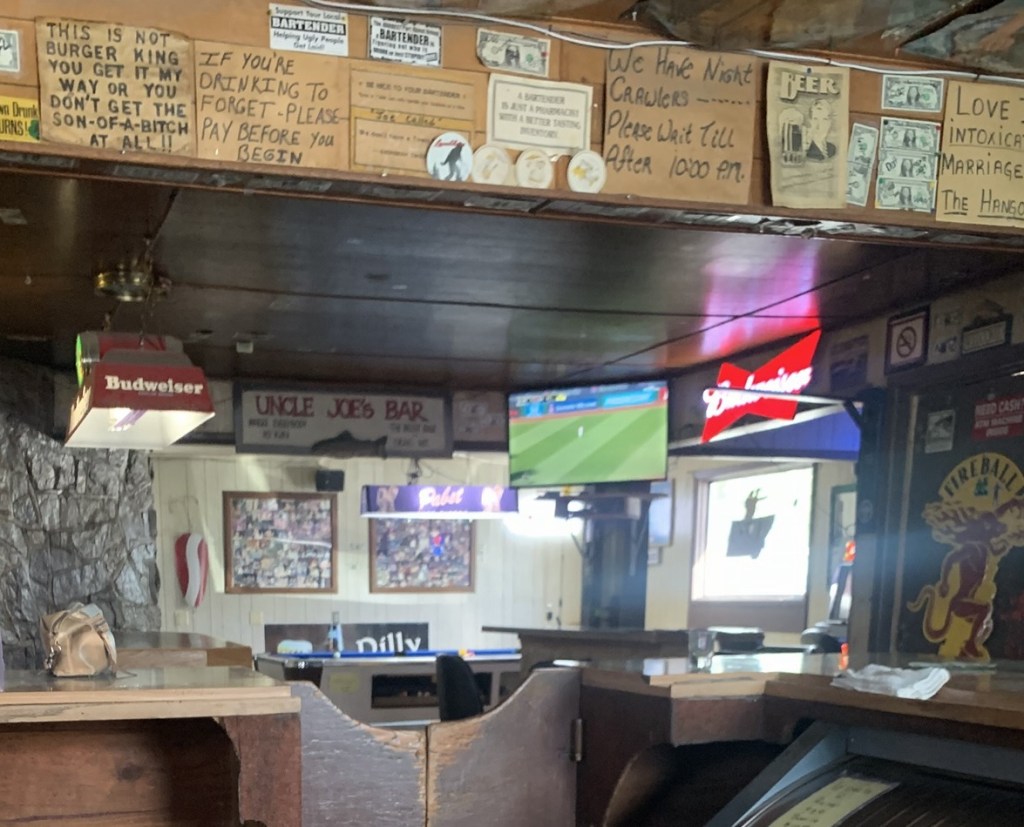
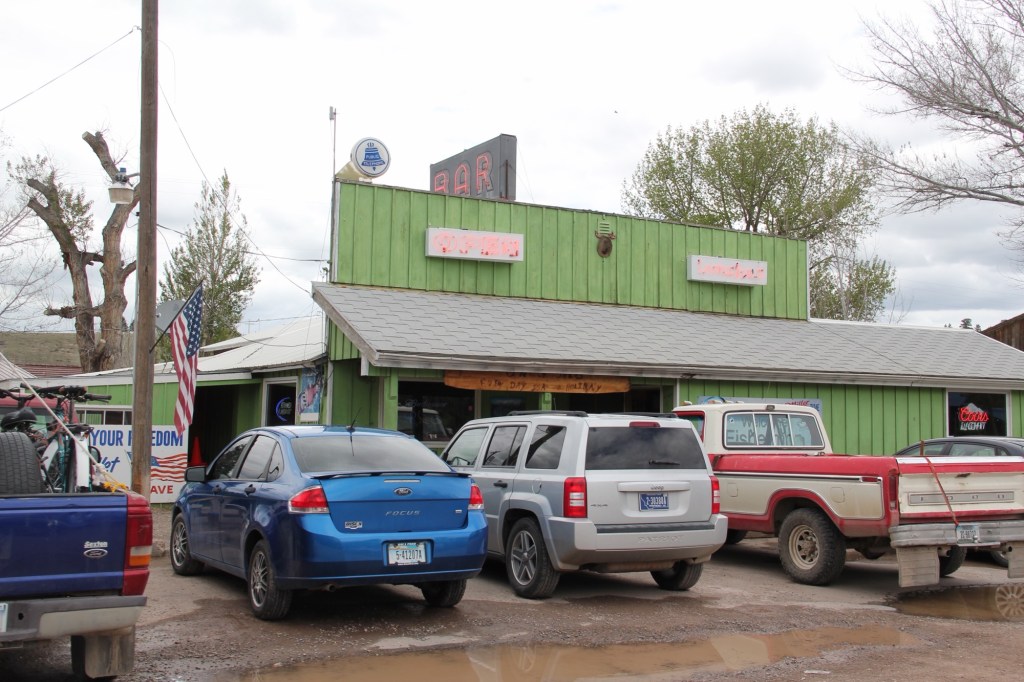
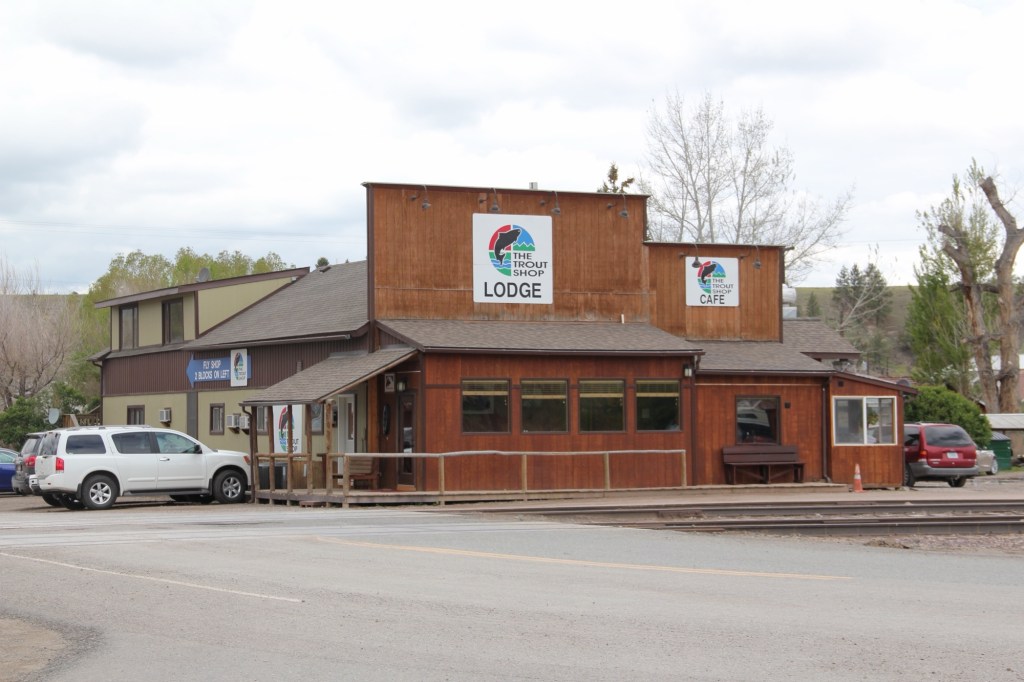
At the time historian Jon Axline documented the steel bridge c. 2002, he noted that Craig had only a bar and a fishing shop. There was not much else left. The Craig Bar is still there if you want a throwback small town bar experience.

Craig Bar on a busy day in 2015

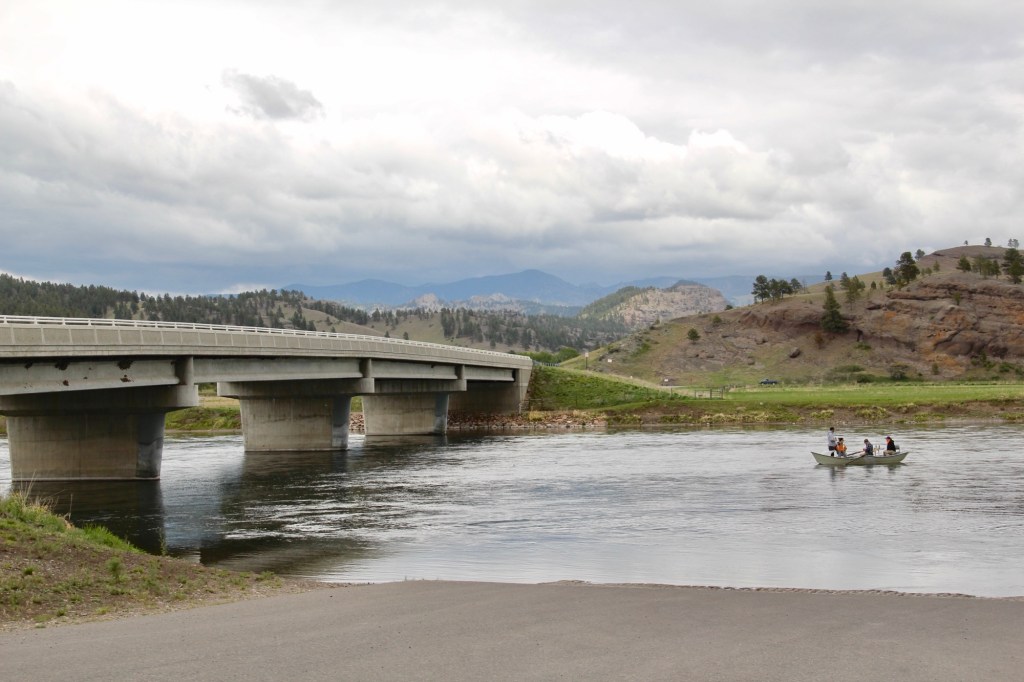
An almost totally different Craig has emerged since the construction of the concrete bridge 20 years ago. New businesses that cater to the ever-growing fly fishing industry are everywhere it seems. Floaters and fisherman crowd the landing on weekends and in the summer.

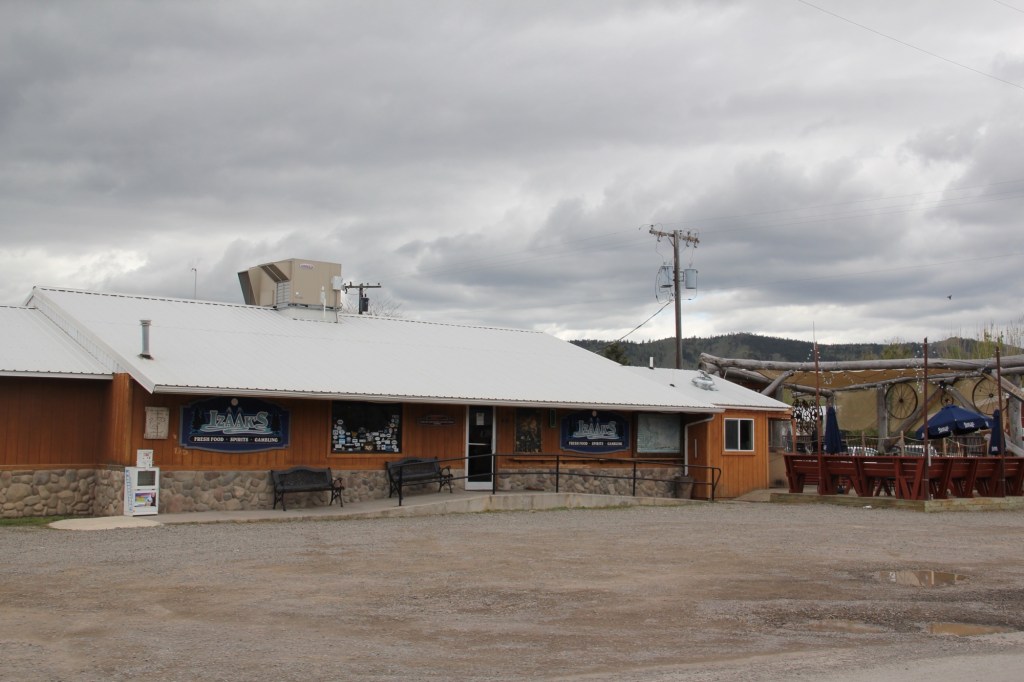
Izaak’s is a popular bar and grille
The new taphouse caters to a different clientele than the older Craig Bar

Big Sky Journal has nicknamed Craig as Fish Town, a “quintessential fishing village” on the Missouri River. Fishing and recreation now have replaced its earlier reputation as a transportation crossroads in the Missouri River Canyon. And the concrete bridge is like a slash across the river compared to the beautiful steel trusses of the first bridge.

Kalispell’s modernist traditions

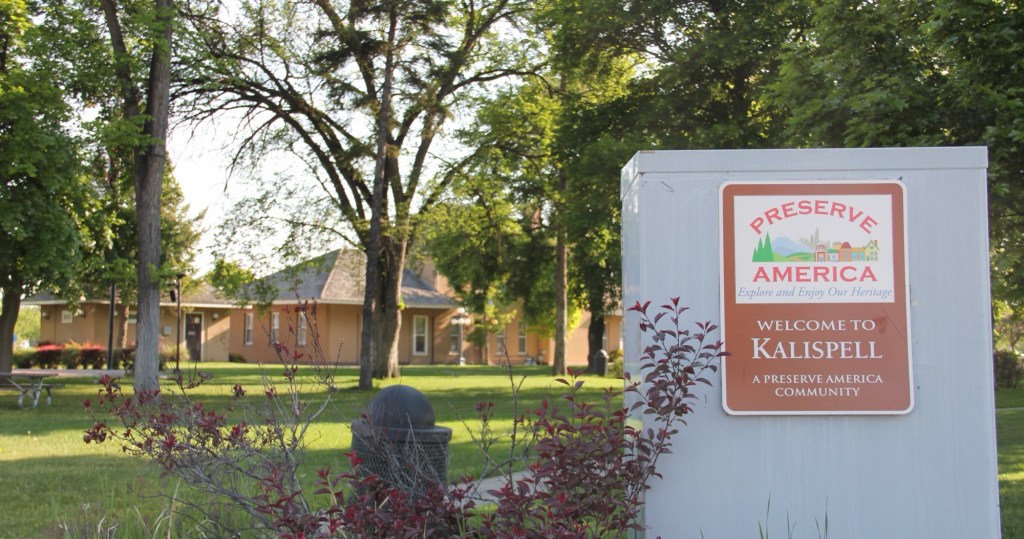
Kalispell is the seat of Flathead County, established on the Great Northern Railroad line in the 1890s. Today the city is the hub for commerce, transportation and medical care in northwest Montana. The Advisory Council on Historic Preservation designated it as a Preserve America community in recognition of its historic downtown and multiple National Register of Historic Places properties.

Certainly the town has many impressive late Victorian era buildings, like the County Courthouse, but this post focuses on a part of Kalispell’s historic built environment that doesn’t get enough attention—its buildings of modern 20th century styles.

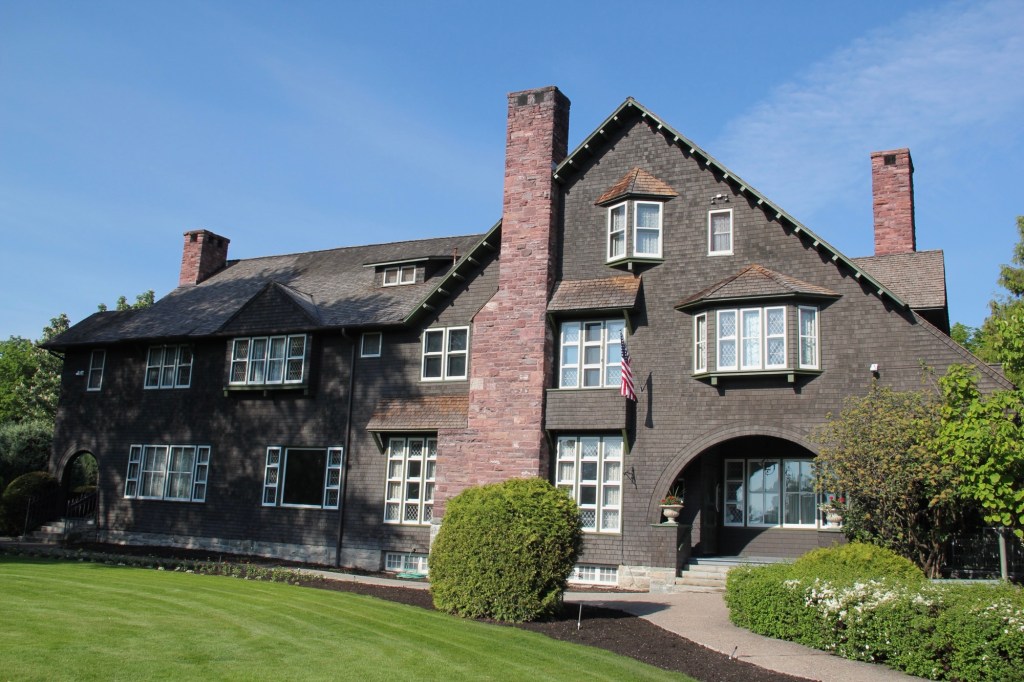
The key town founder was C. E. Conrad and similar to how he started the town, you could also say he started the modernist traditions by commissioning his grand Shingle-style mansion from architect A.J.Gibson in 1895. Architectural historians consider the Shingle style, introduced by major American architects Henry Hobson Richardson and the New York Firm McKim, Mead, and White, to be an important precursor to the modernist buildings that would flourish in Kalispell during the 1930s.

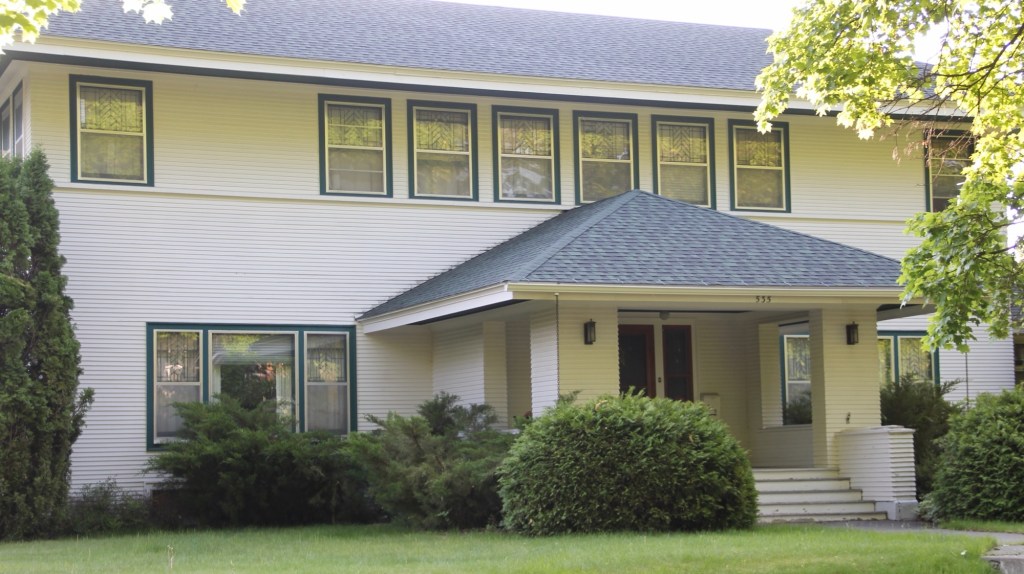
Another important example of early modernist style is this local adaptation of Prairie house style, a form introduced and popularized by the designs of American master Frank Lloyd Wright.

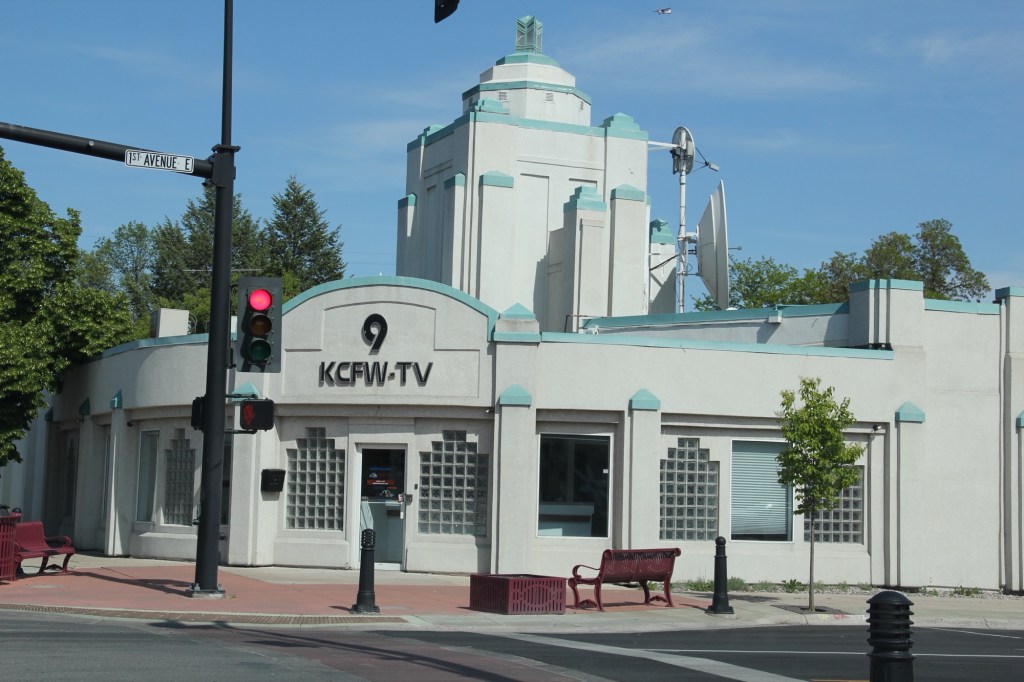
Kalispell’s best modernist examples come from the 1930s to 1960s. In 1931 Brinkman designed the KCFW-TV building in a striking Art Deco style. It was originally a gas station but has been restored as an office building with its landmark tower intact.

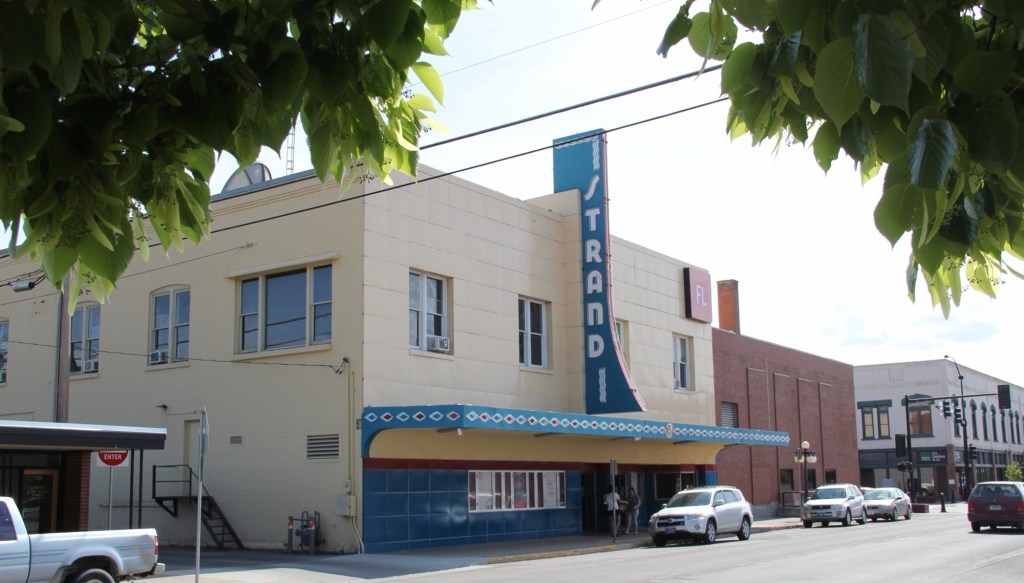
The Strand Theatre closed as a movie house in 2007 but its colorful Art Deco marquee and facade remain, another landmark across the street from the History Museum which is housed in the old high school.

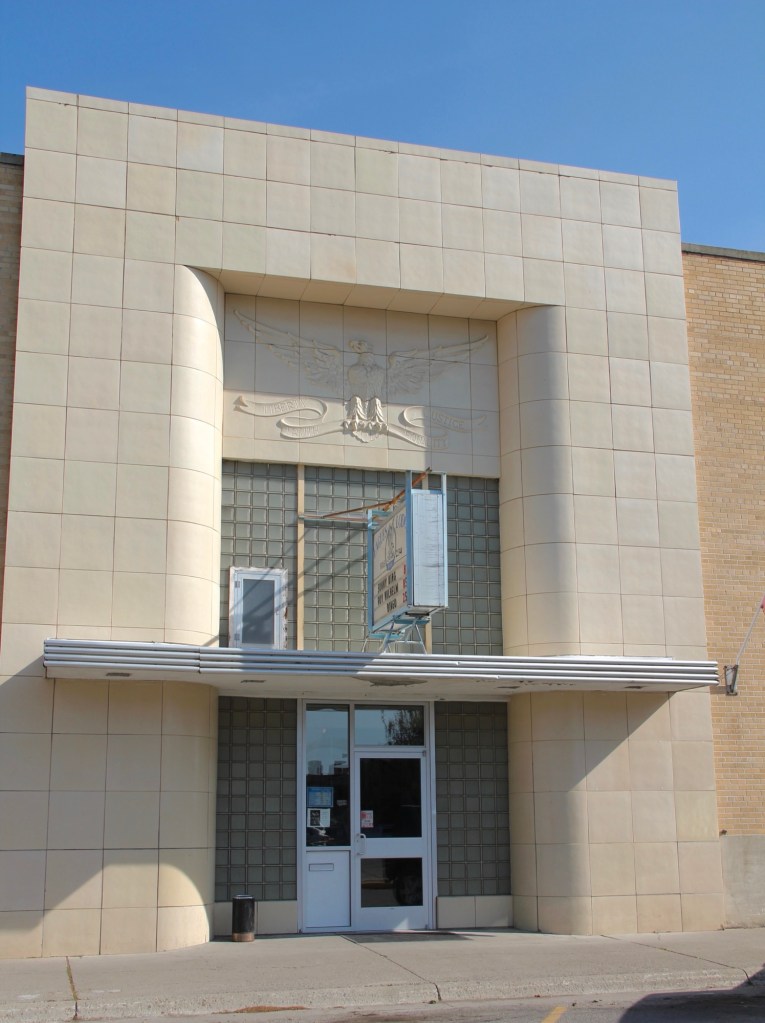
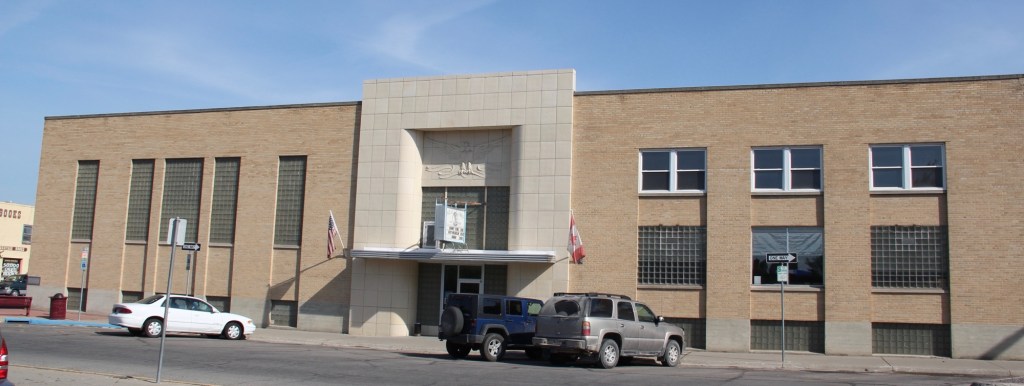
The Eagles Lodge (1948-1949) is an impressive example of late Art Deco style, especially influenced by the federal “WPA Moderne” buildings from the New Deal. G.D. Weed was the architect.

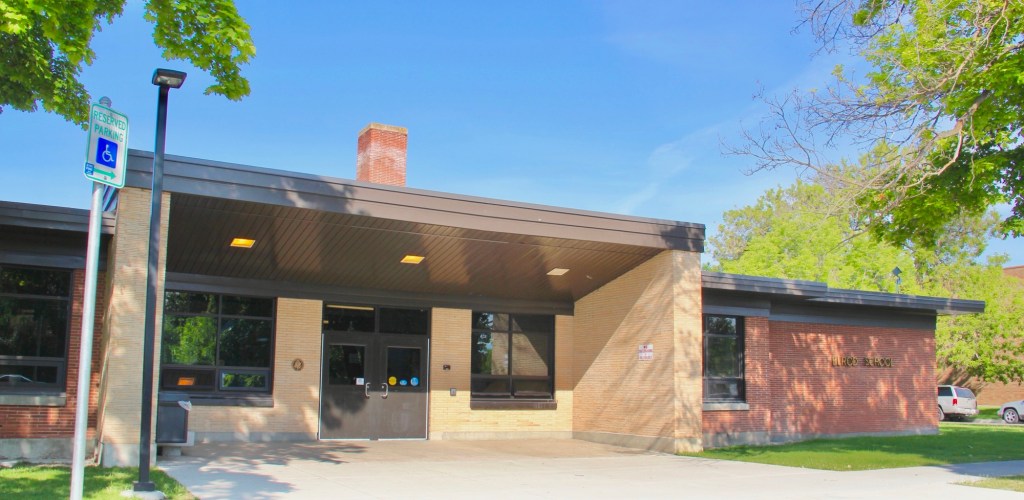
Then the town opened Elrod School in 1951. It is a good example of mid-century International style in a public building.

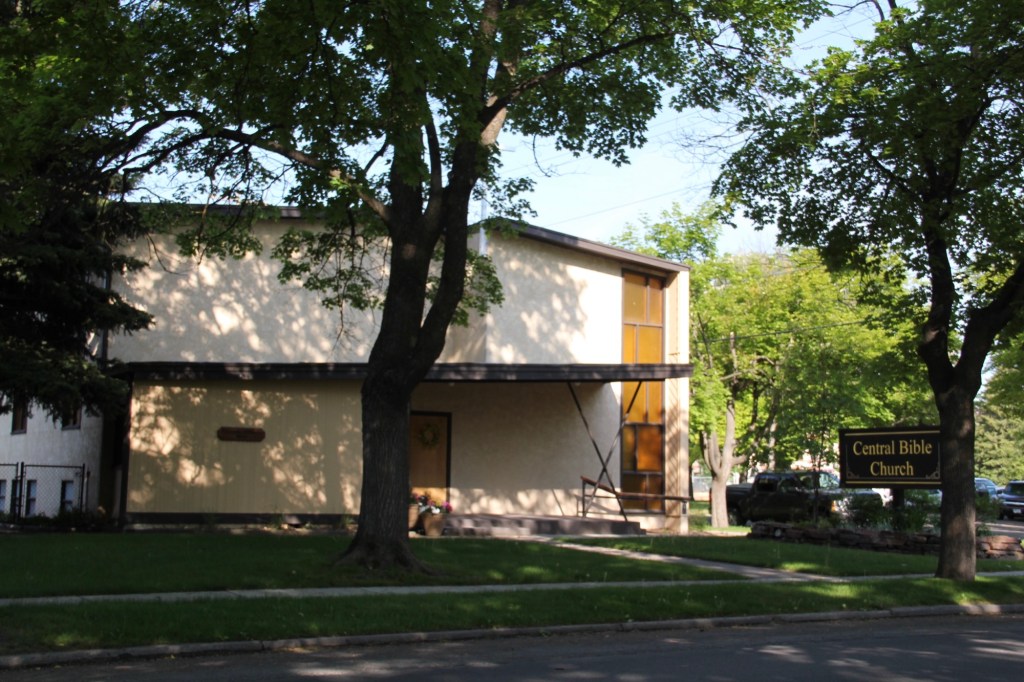
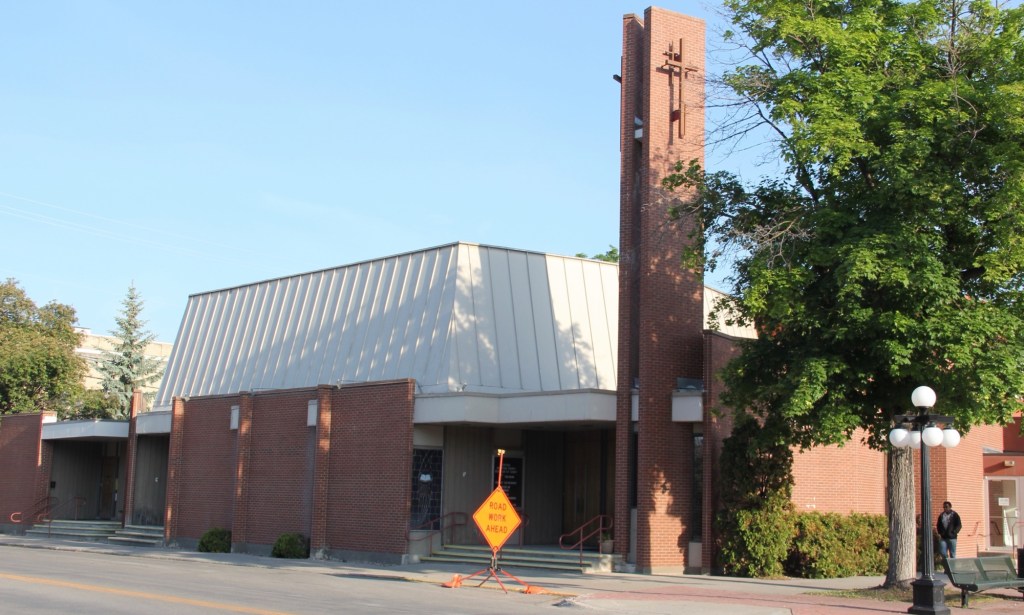
The 1950s decade witnessed new modern style religious buildings. The Central Bible Church (1953) evolved from a merger of Central Bible and the West Side Norwegian Methodist Church. Harry Schmautz was the architect.

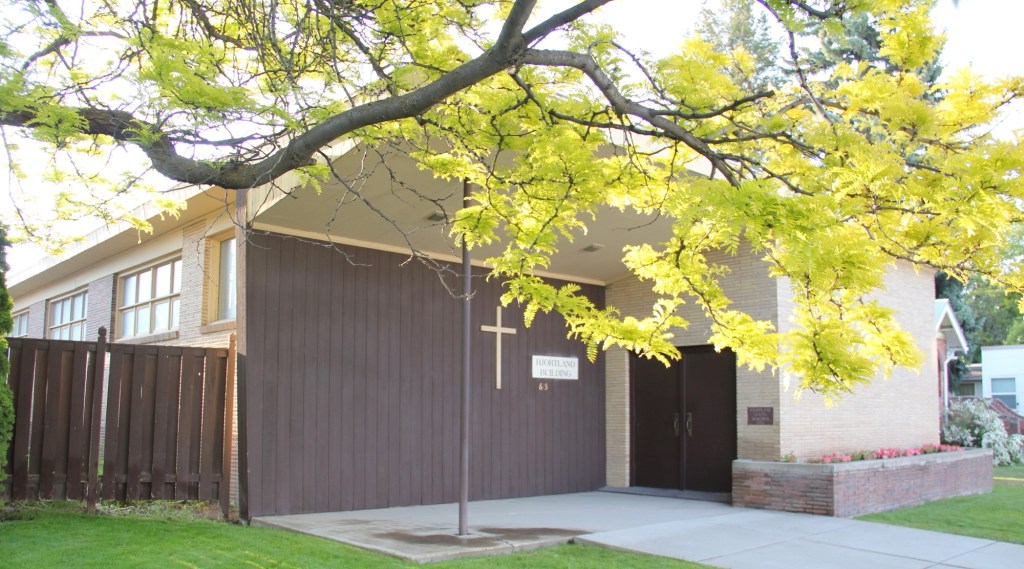
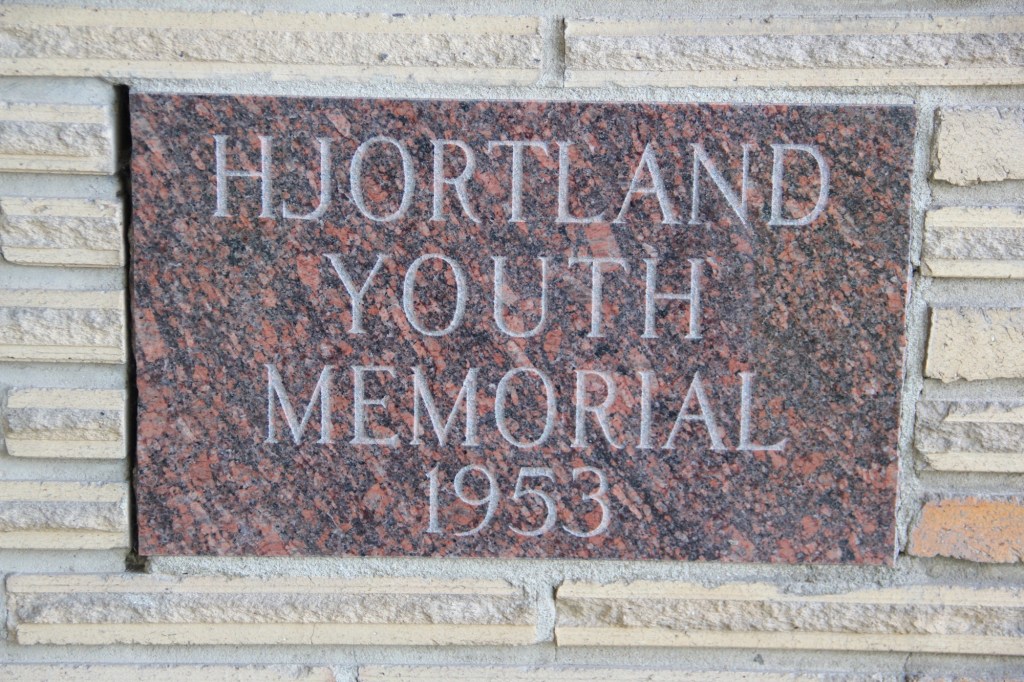
That same year, the Lutheran church added a new wing for its youth ministry, the Hjortland Memorial, which is one of Kalispell’s most impressive 1950s design. Ray Thone was the architect.

In 1958 Central Christian Church completely remodeled its earlier 1908 building to a striking modern design.

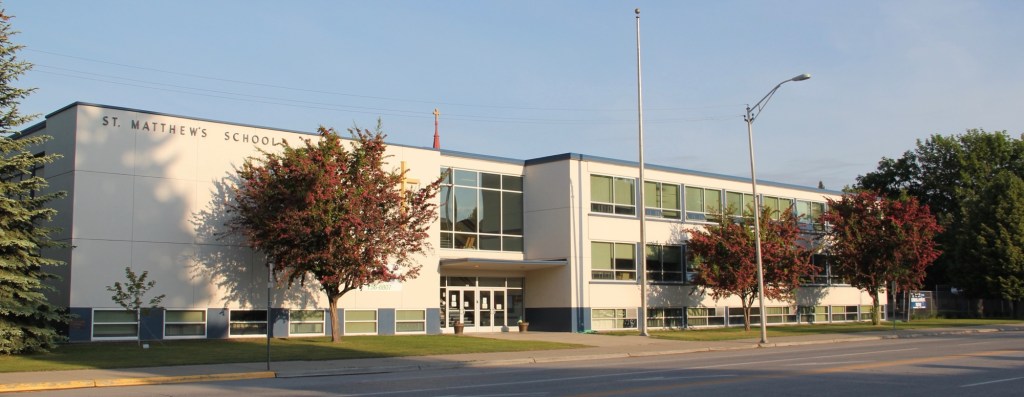
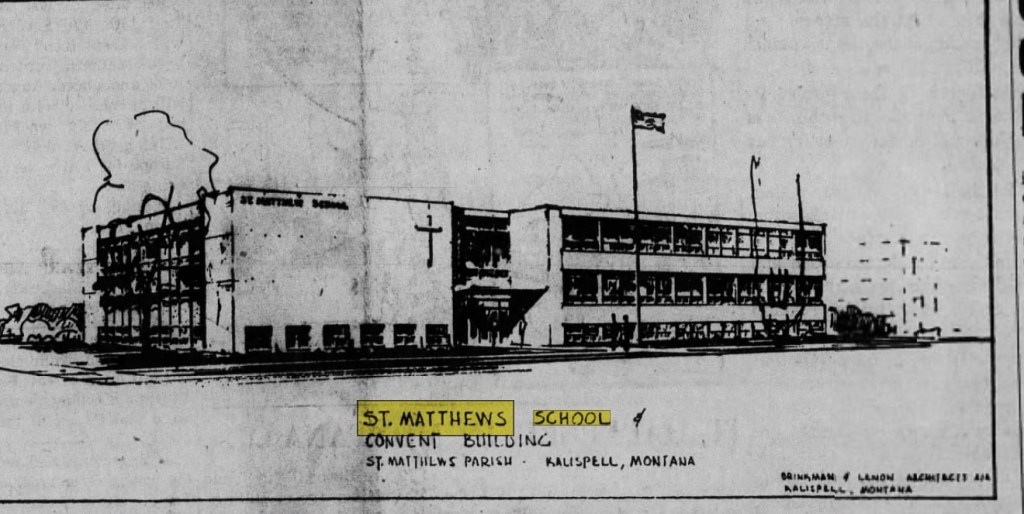
That same year came the opening of St. Matthew Catholic School, an impressive two-story example of International style in an institutional building. the architect was the firm of Brinkman and Lenon.

Architectural rendering published in Flathead News and Farm journal, May 16, 1957

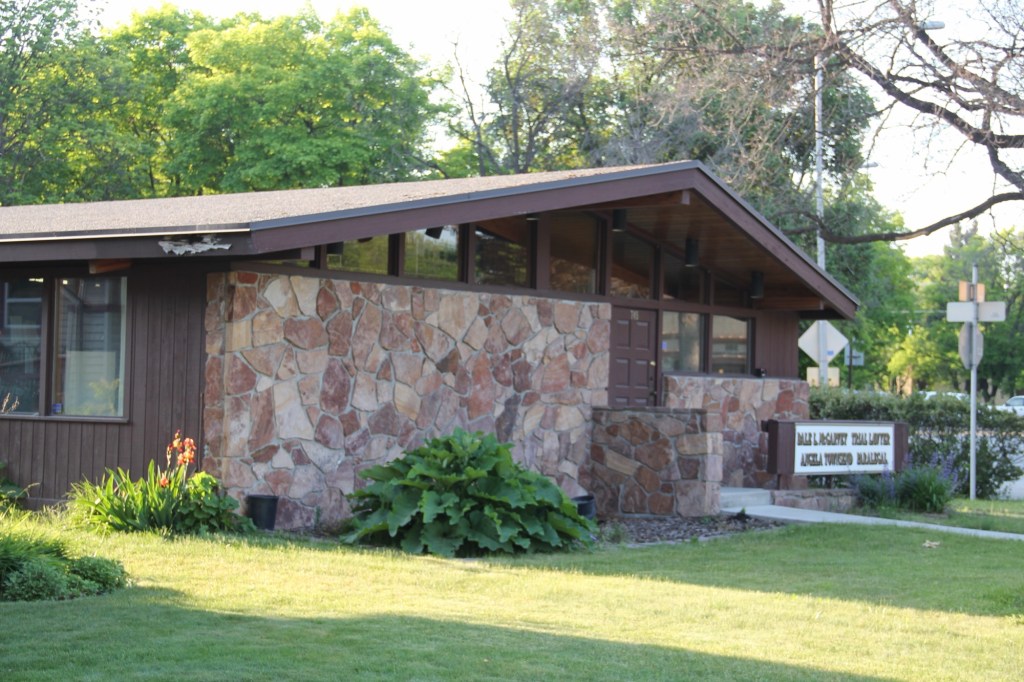
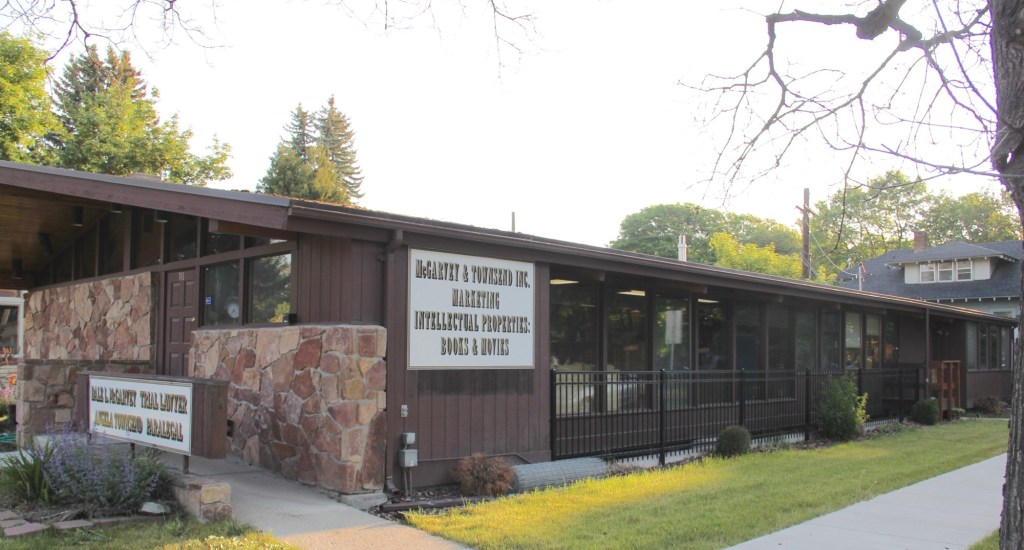
Kalispell also has two excellent examples of commercial buildings in the mid-century contemporary style. Below is the stone veneer and window wall of the McGarvey and Townsend building.

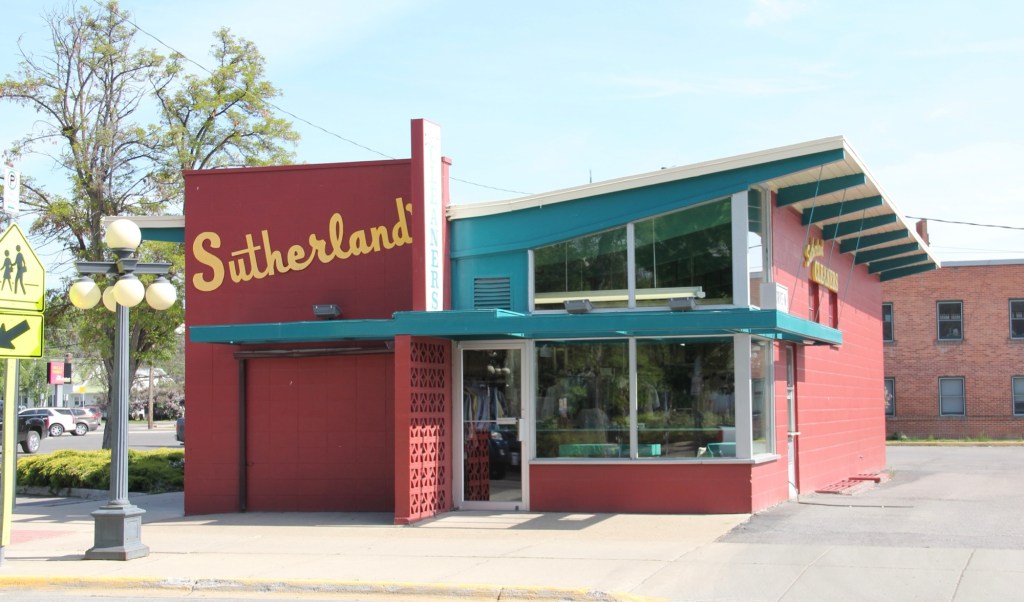
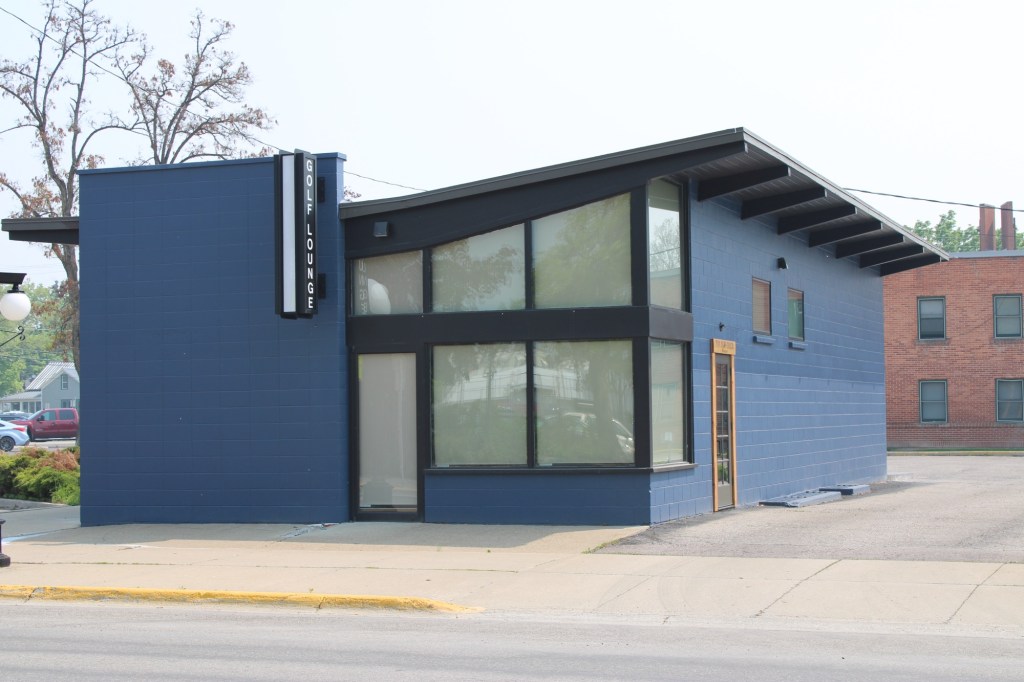
But my favorite, until a recent “remuddling,” is the Sutherland Dry Cleaners, now a golf supply shop.

The Sutherland business in 2015
The same building in 2023

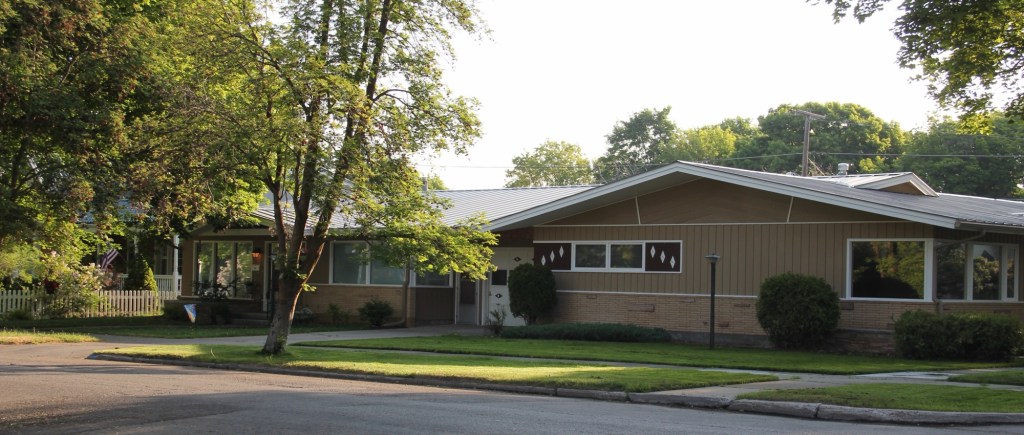
Kalispell has several good examples of mid-century domestic design. My favorite is this Ranch-style residence near the Conrad Mandion.

This post doesn’t include all of Kalispell’s modernist designs but hopefully I have included enough to demonstrate that the town has a significant modernist architecture tradition.