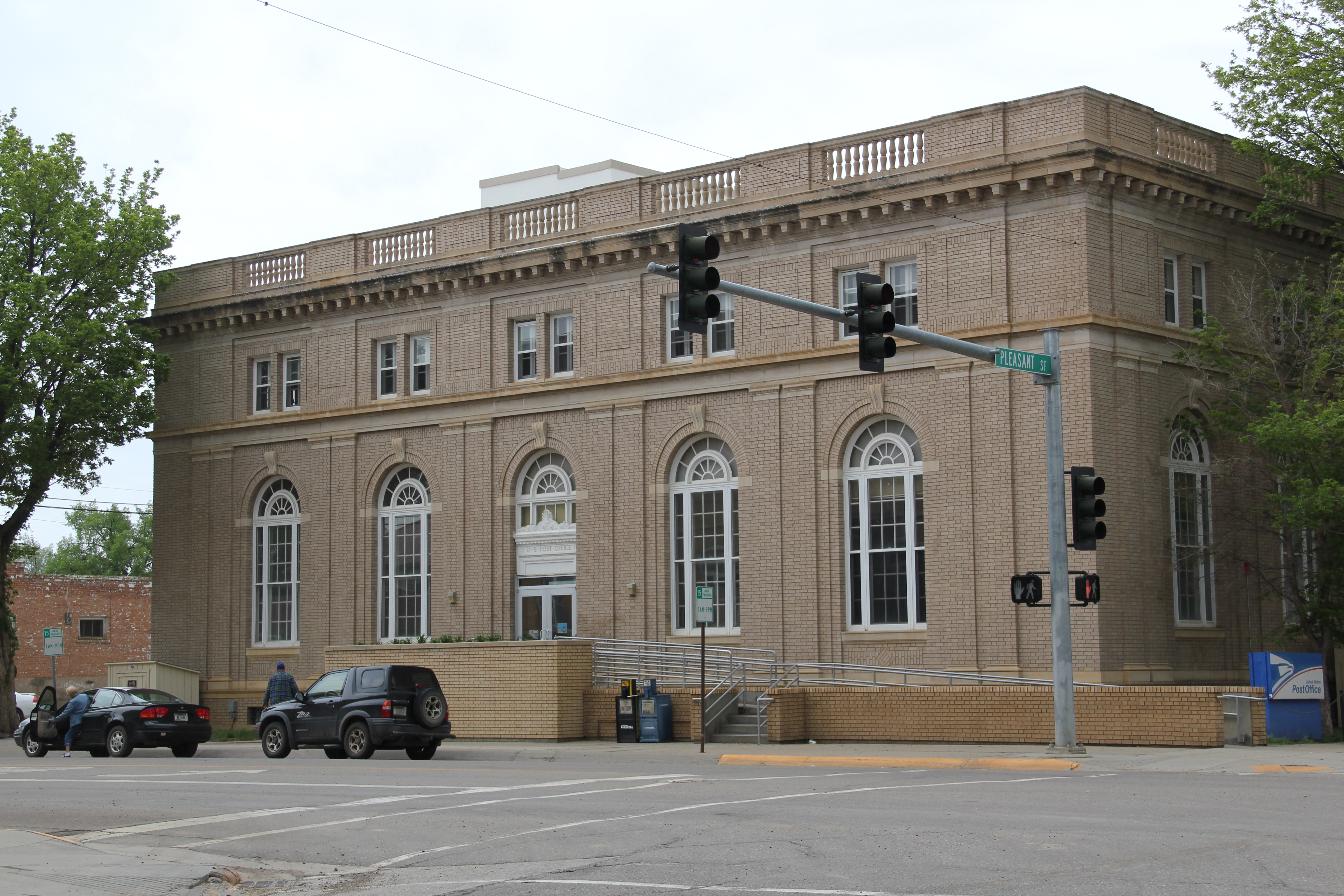
The Renaissance Revival-styled U.S. Post Office, designed by Oscar Wenderoth, opened in 1916 during the height of the region’s homesteading boom.
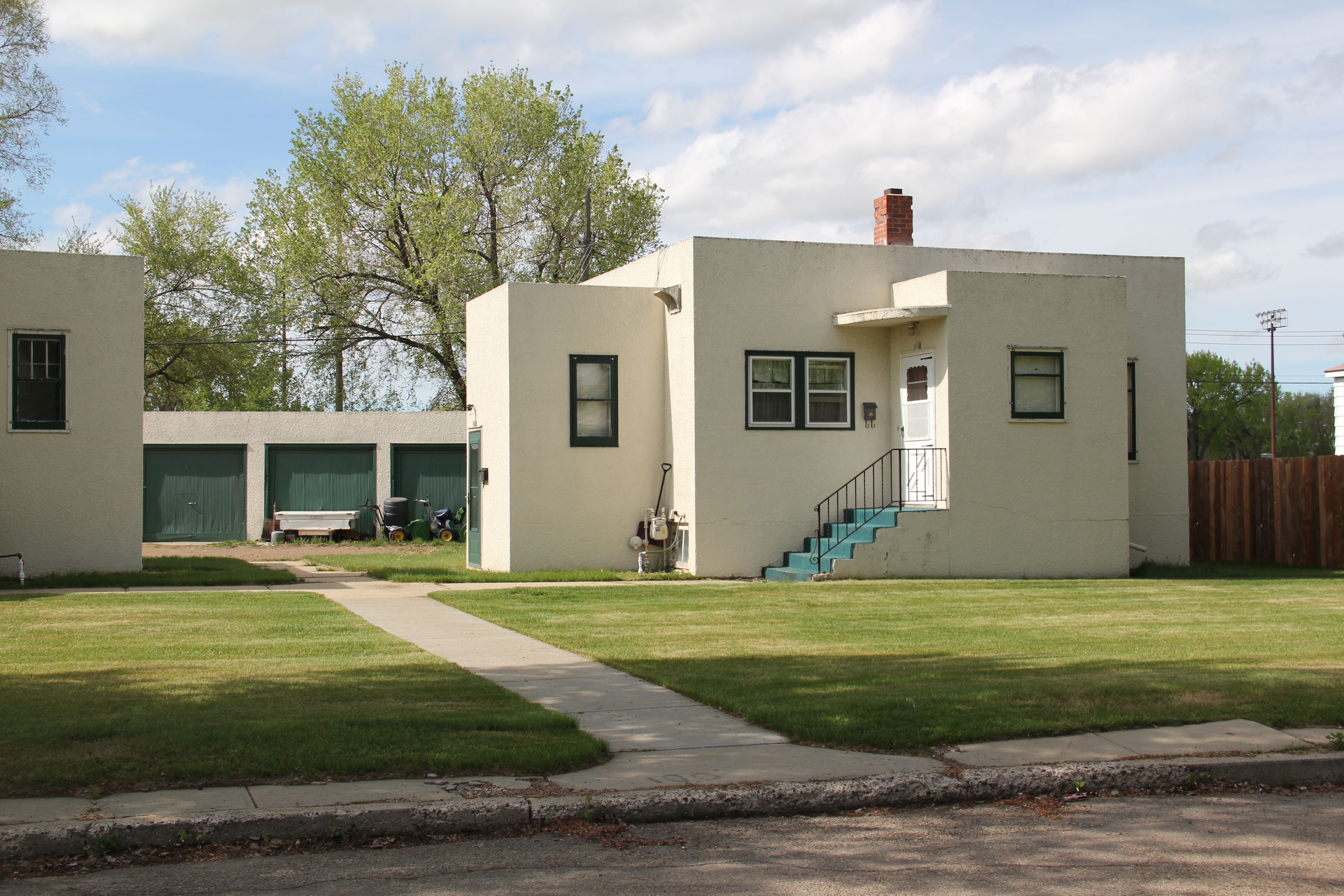
Following the construction of the Milwaukee Road and its various shops, roundhouse, and offices, Miles City entered a boom period unlike any other in the town’s history. The boom lasted for just under 20 years, ending soon after the Northern Pacific Railroad constructed its new passenger depot in 1924. In between the arrival of the Milwaukee, and the opening of the new Northern Pacific depot, an array of new middle-class homes, churches, new public elementary and high schools, and businesses gave the city its early twentieth century “look” still prized today and protected by three historic districts.

Washington School, Miles City
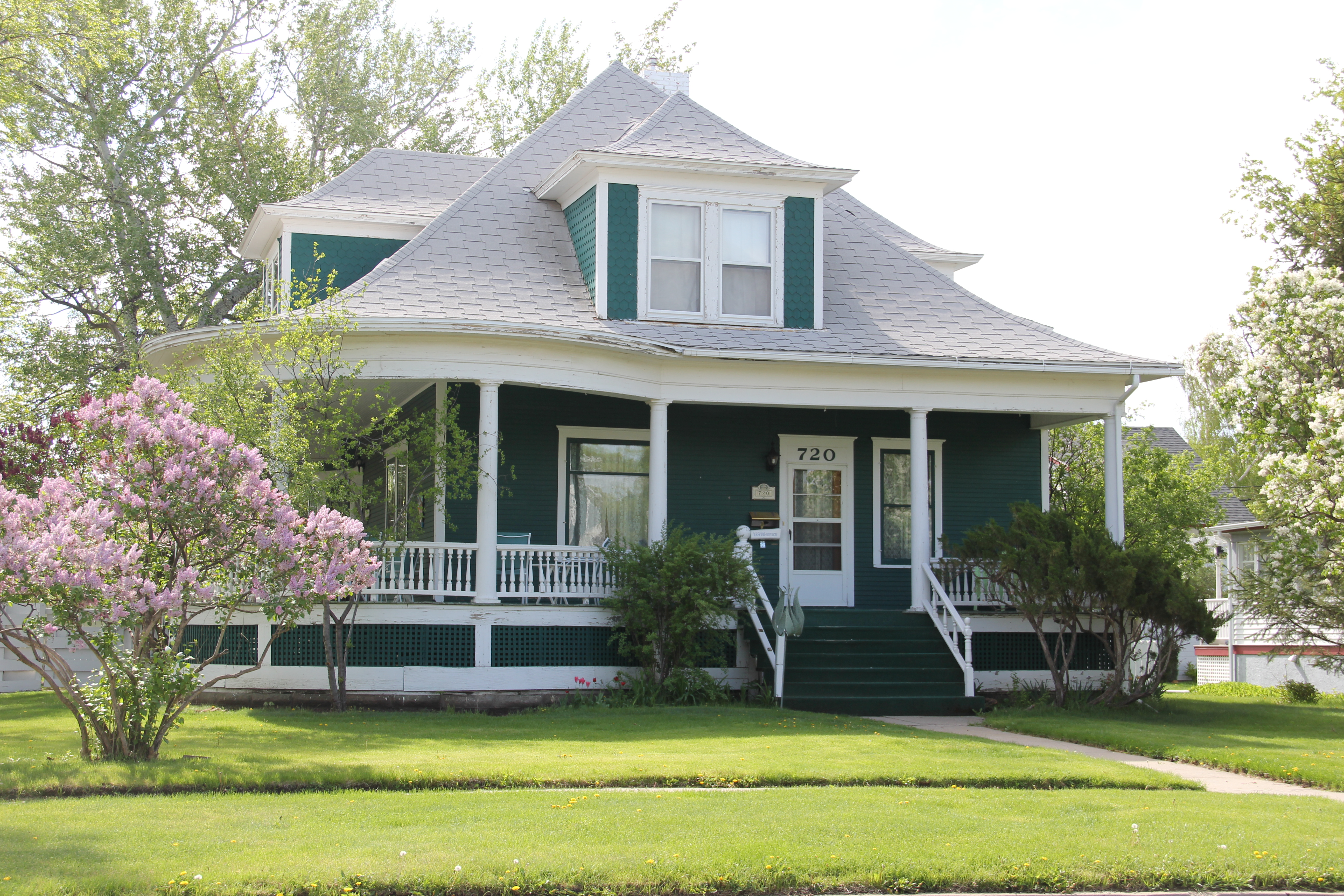
Census records tell us a mere 1,938 people lived in Miles City in 1900, but by 1910 that number had jumped to 4,697 and ten years later, 1920, almost 8,000 people lived there. Hemmed in by the Yellowstone River and the mainline of the Northern Pacific, the town spread to the east, along Main Street, and then north into the new neighborhoods associated with the Milwaukee Road developments.
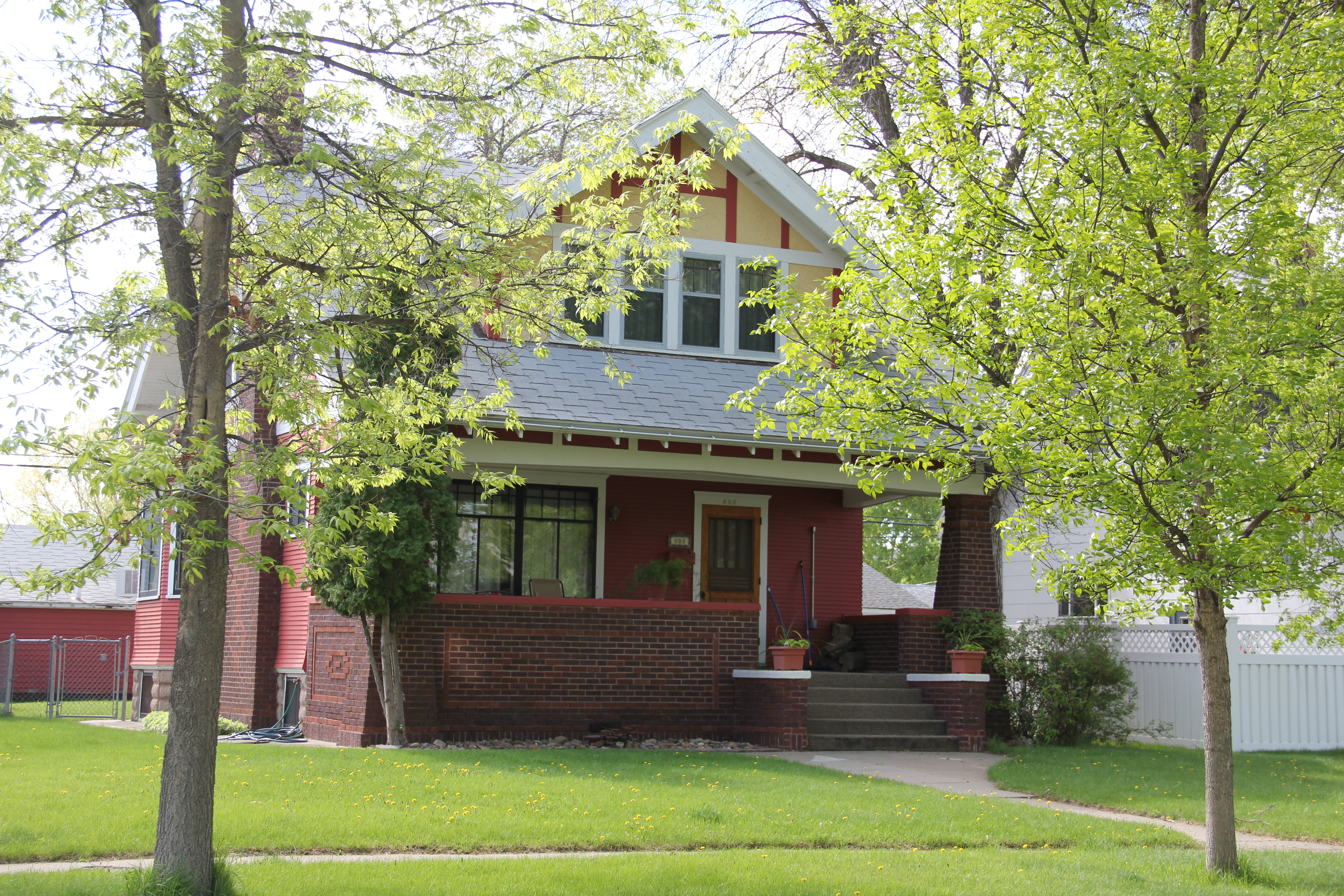
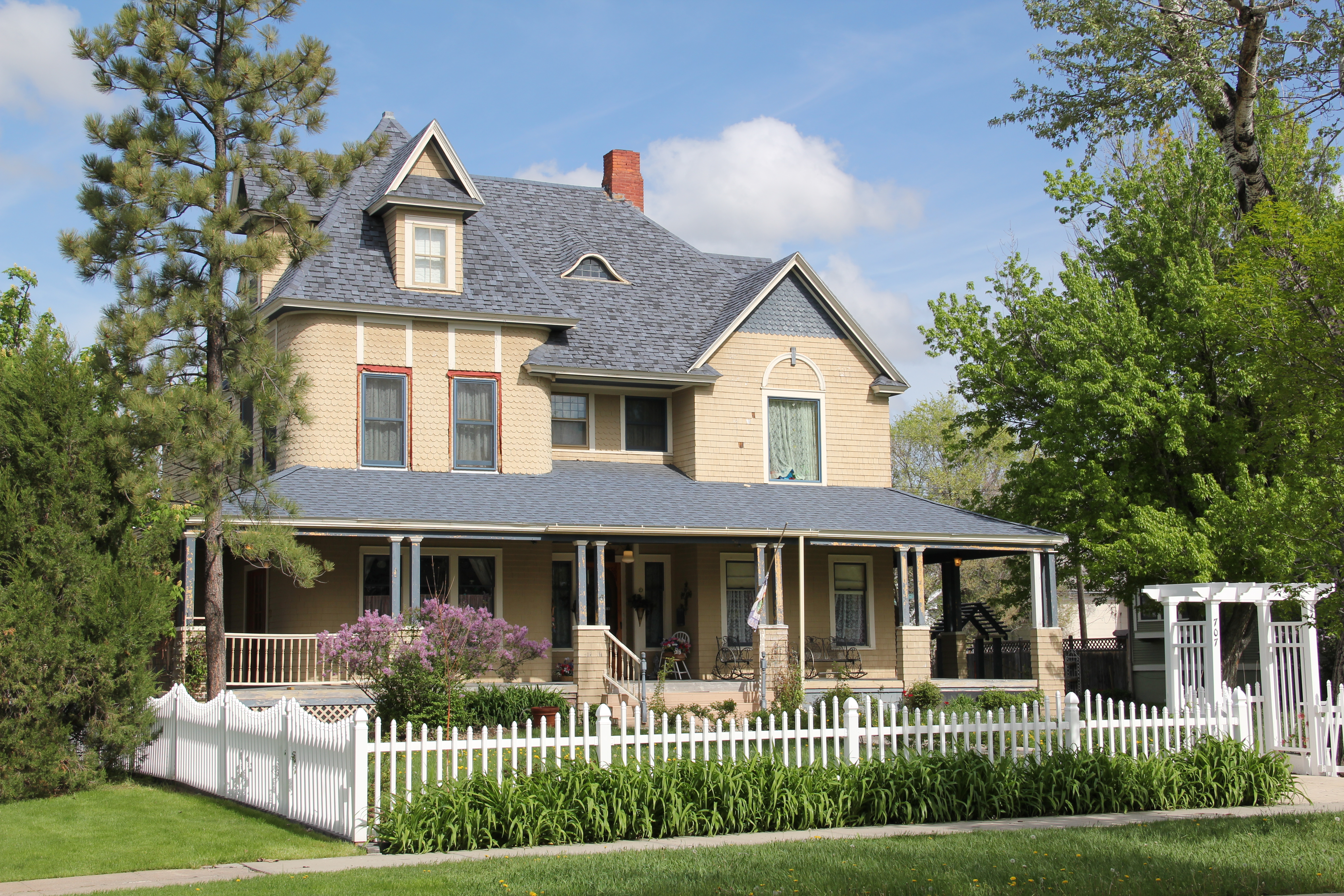
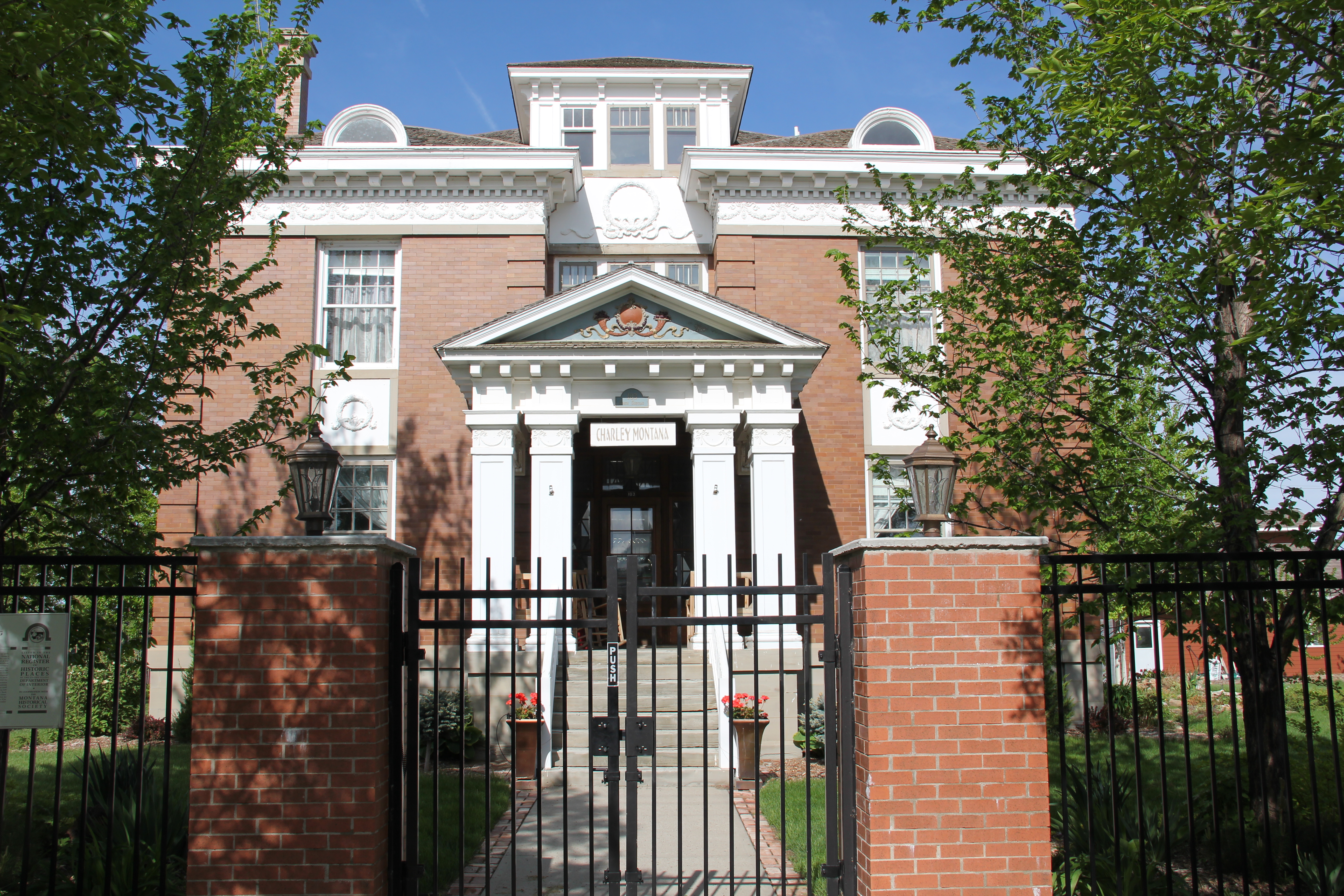
The East Main Historic District has a number of architecturally distinctive buildings from the 1910. The Horton House (1911) is an excellent example of the “American Four-Square” house designed by Miles City architect Brynjulf Rivenes. The two-story house is now a bed and breakfast business. You don’t typically equate eastern Montana towns with the latest in domestic architecture styles, but the Love House (1916) is an excellent Montana example of the Prairie style, first created by famed architect Frank Lloyd Wright and here executed in a design from George Wageley. Another example of the Prairie style from that same decade is the Pope House, built by Thomas Horton.

Horton House Bed and Breakfast, Miles City

Love House, Miles City
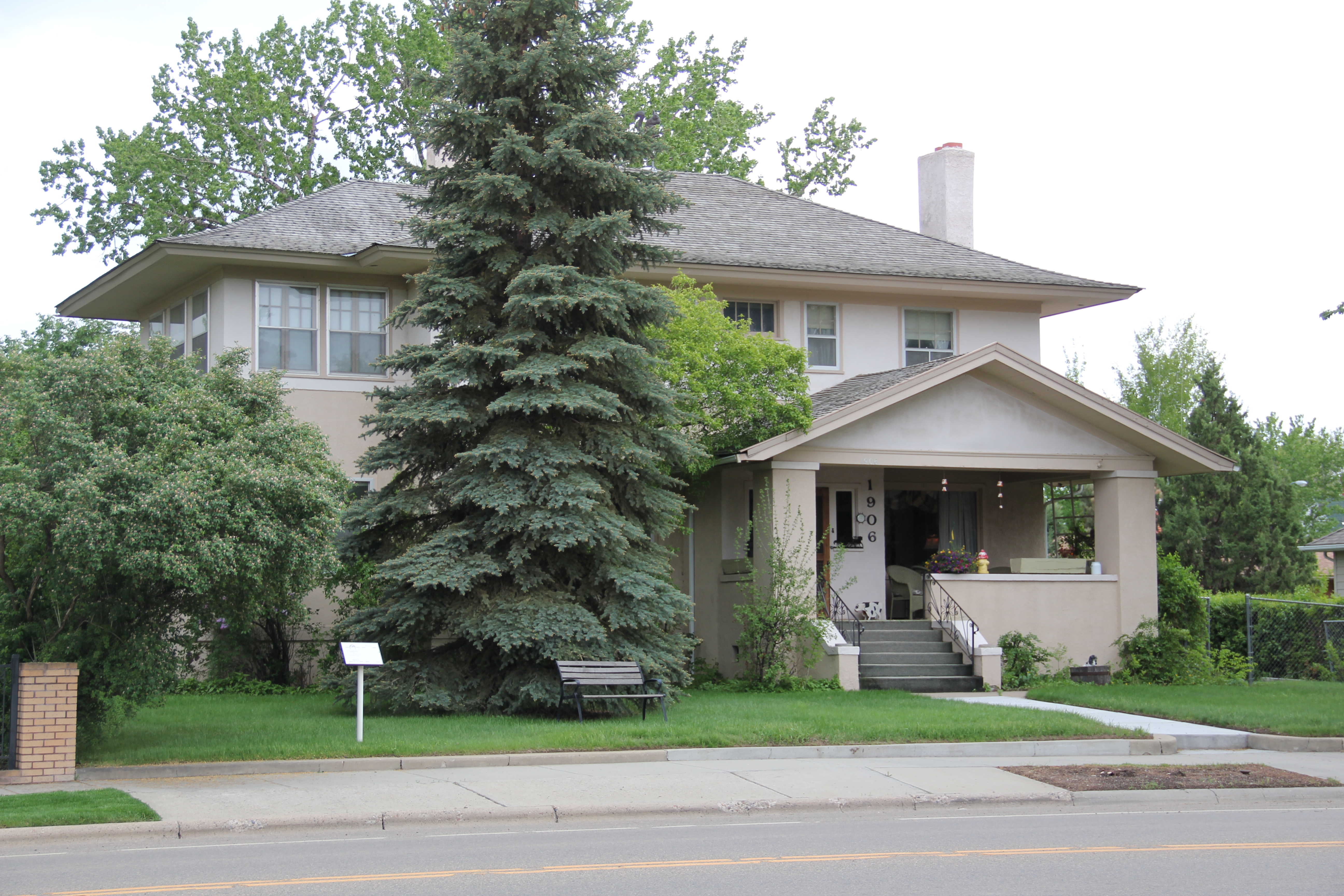
Pope House, Miles City
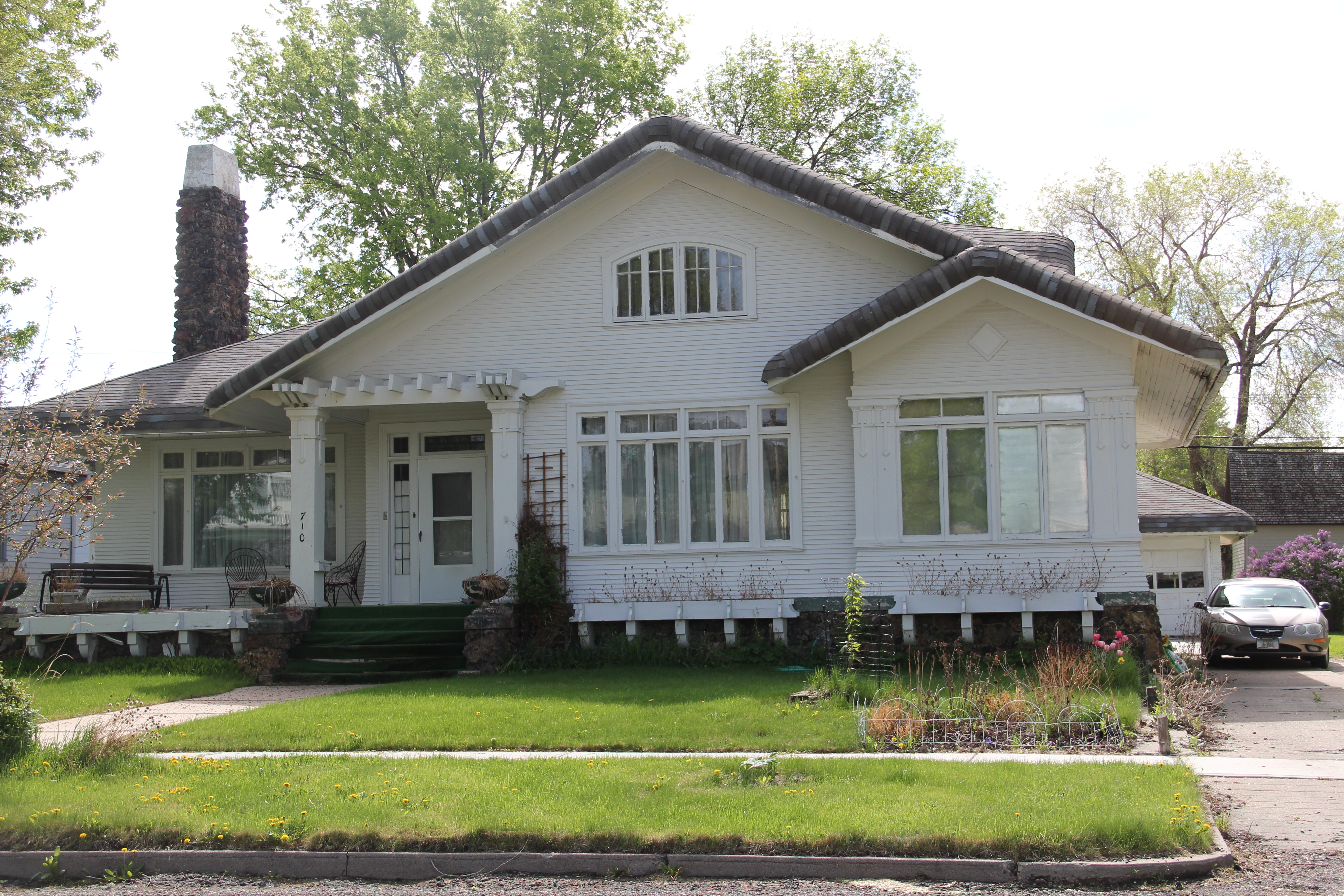
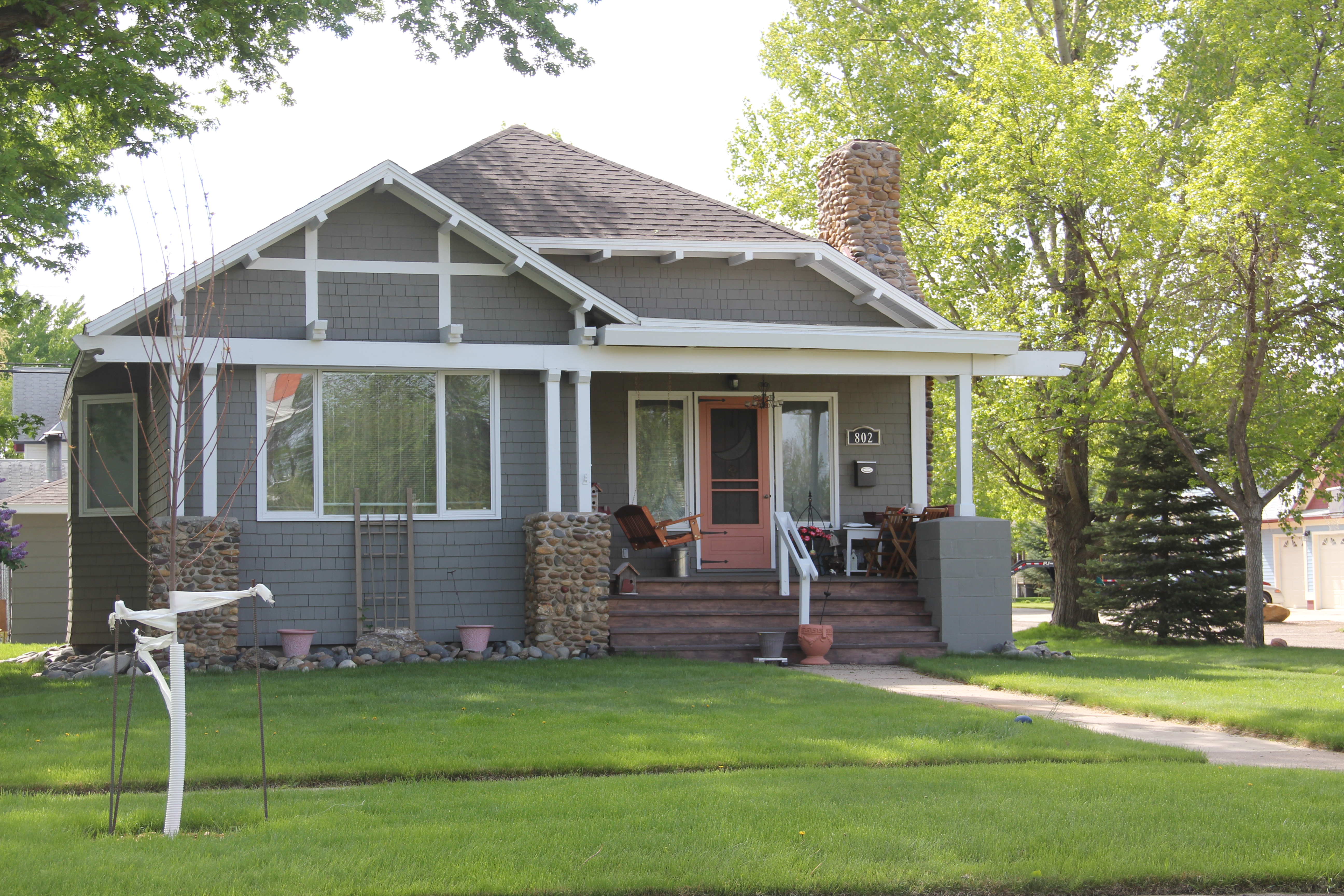
Just off of East Main Street is the Wibaux Park neighborhood, centered around a public space donated by cattleman Pierre Wibaux in 1915. Here the dwellings included bungalows, Colonial Revival cottages, and an impressive example of Tudor Revival style.

Wibaux Park, Miles City

Tudor Revival style house facing Wibaux Park, Miles City.
Congregations also built large, architecturally distinctive church buildings to serve their growing congregations. The Methodists added a Gothic Revival style building, designed by Woodruff and McGulpin, in 1912. The Presbyterians added their own Gothic edifice two years later, a mammoth building designed by Brynjulf Rivenes that stood between the downtown commercial district and the new residential areas. The Catholics added a new Sacred Heart church in 1924, adding to the contributions started by the Ursulines at the first of the century.
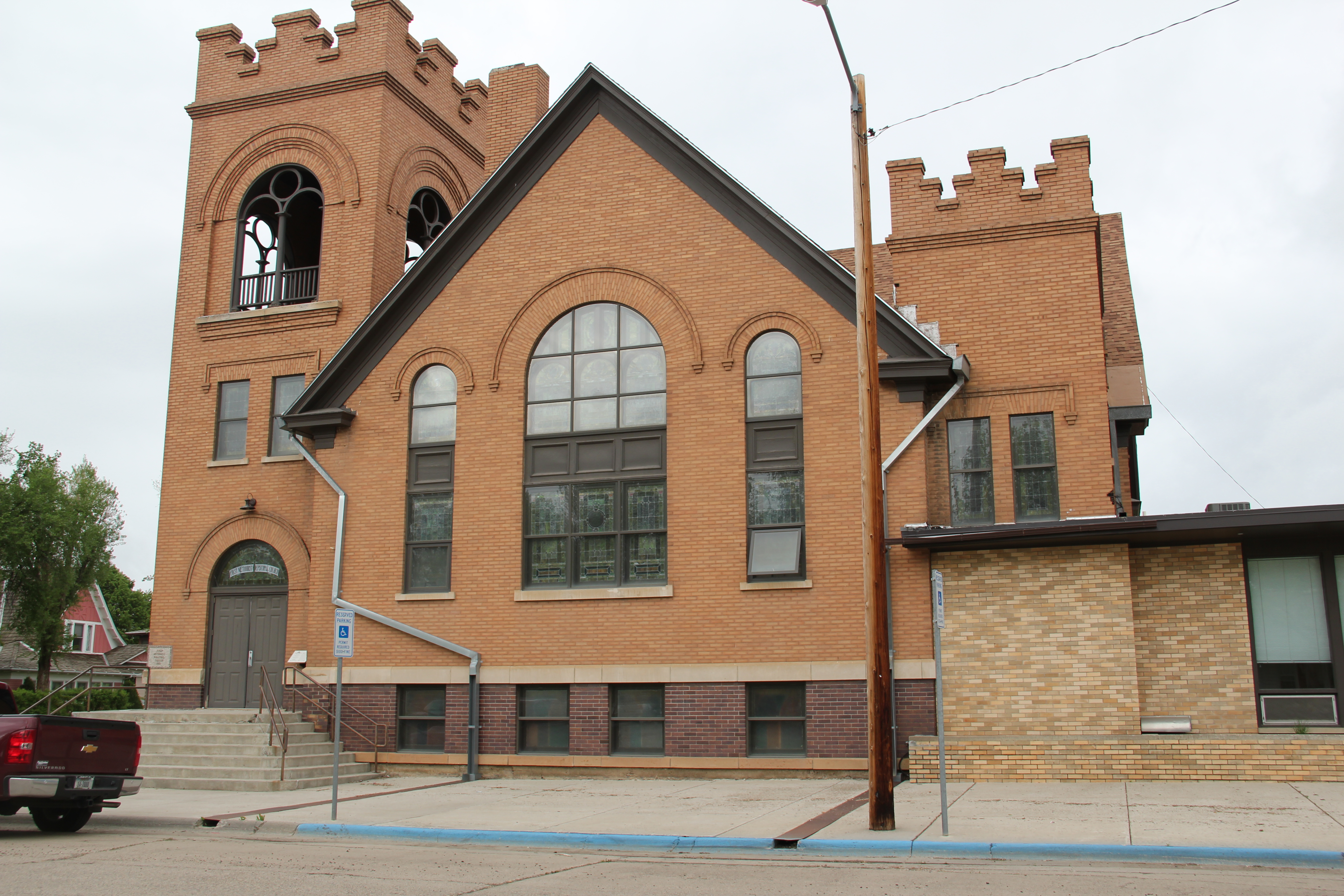
Methodist Church, Miles City
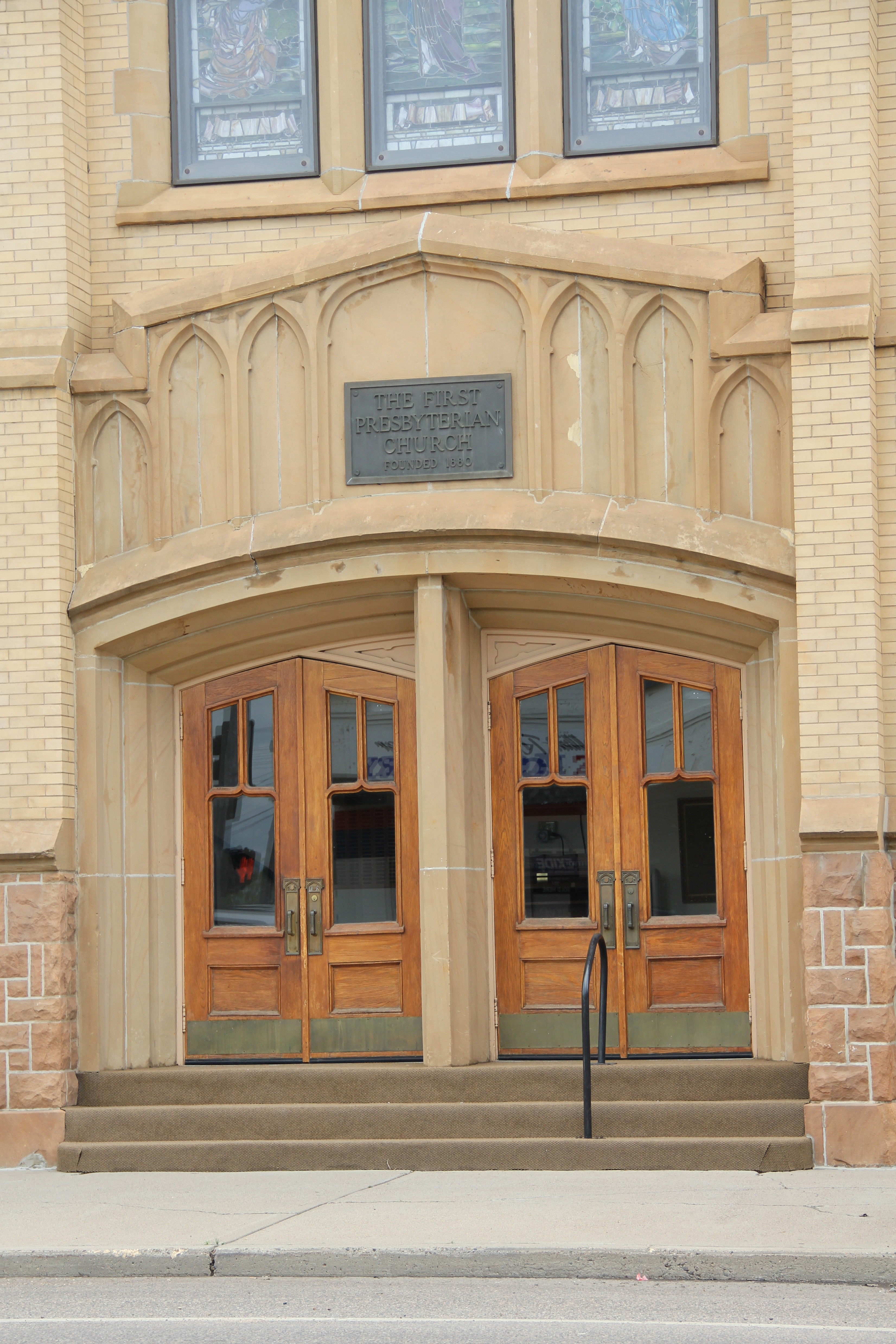
First Presbyterian, entrance, Miles City
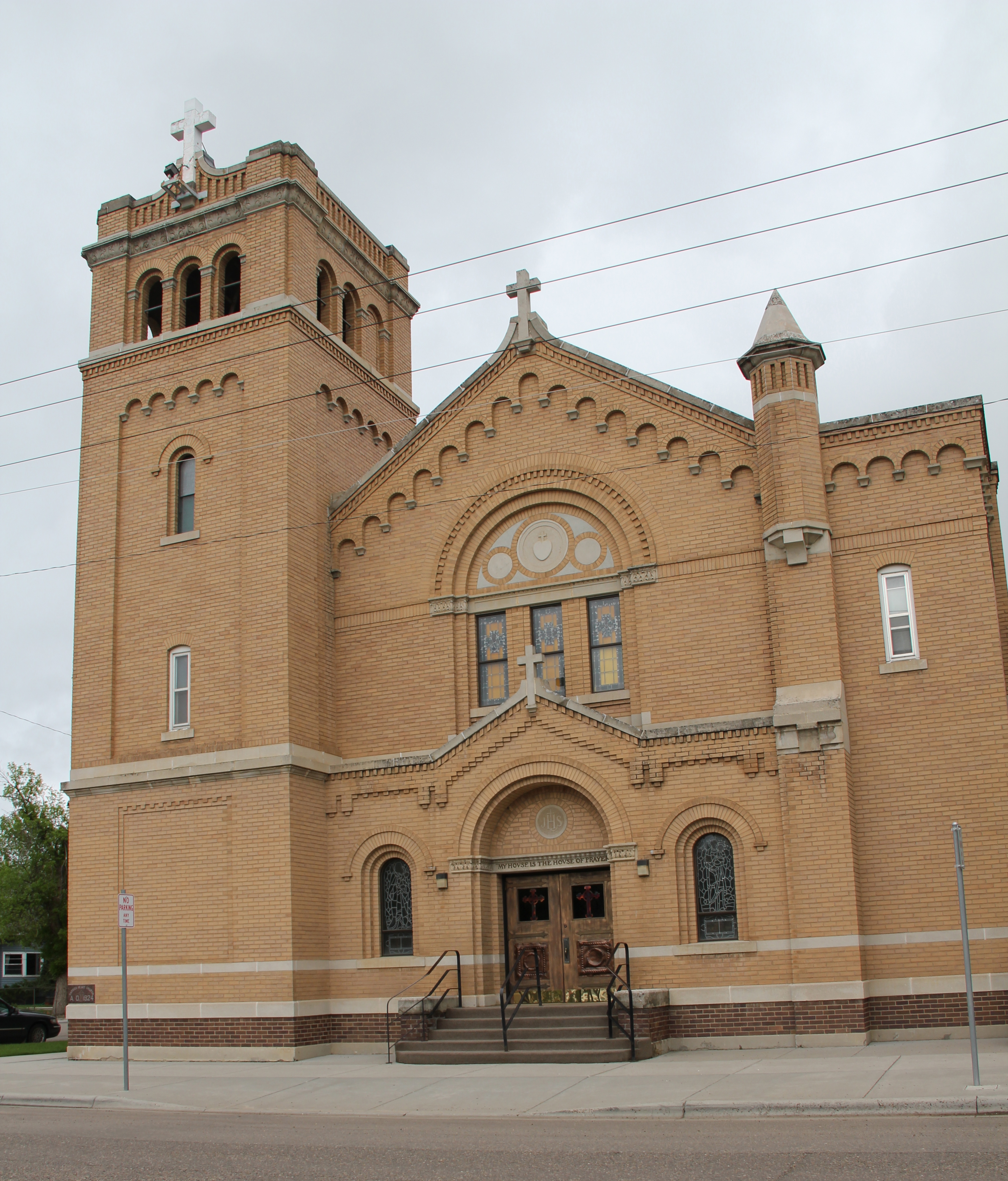
Sacred Heart Catholic Church, Miles City
New public schools–with the buildings still in use today–completed the process of urban growth between 1907 and 1925. The Custer County High School, finished in 1922, became a centerpiece not only of Miles City but the the county as a whole. Here was a modern facility that gave local students opportunities their parents never had. The boom had been magnificent but as drought and homesteading failures multiplified across eastern Montana by the mid-1920s, residents were learning that the bust would be transformative too. We will look at the era of bust and recovery next.

Custer County High School, 1922