Fort Peck Dam and the Transformation of Valley County, part 1

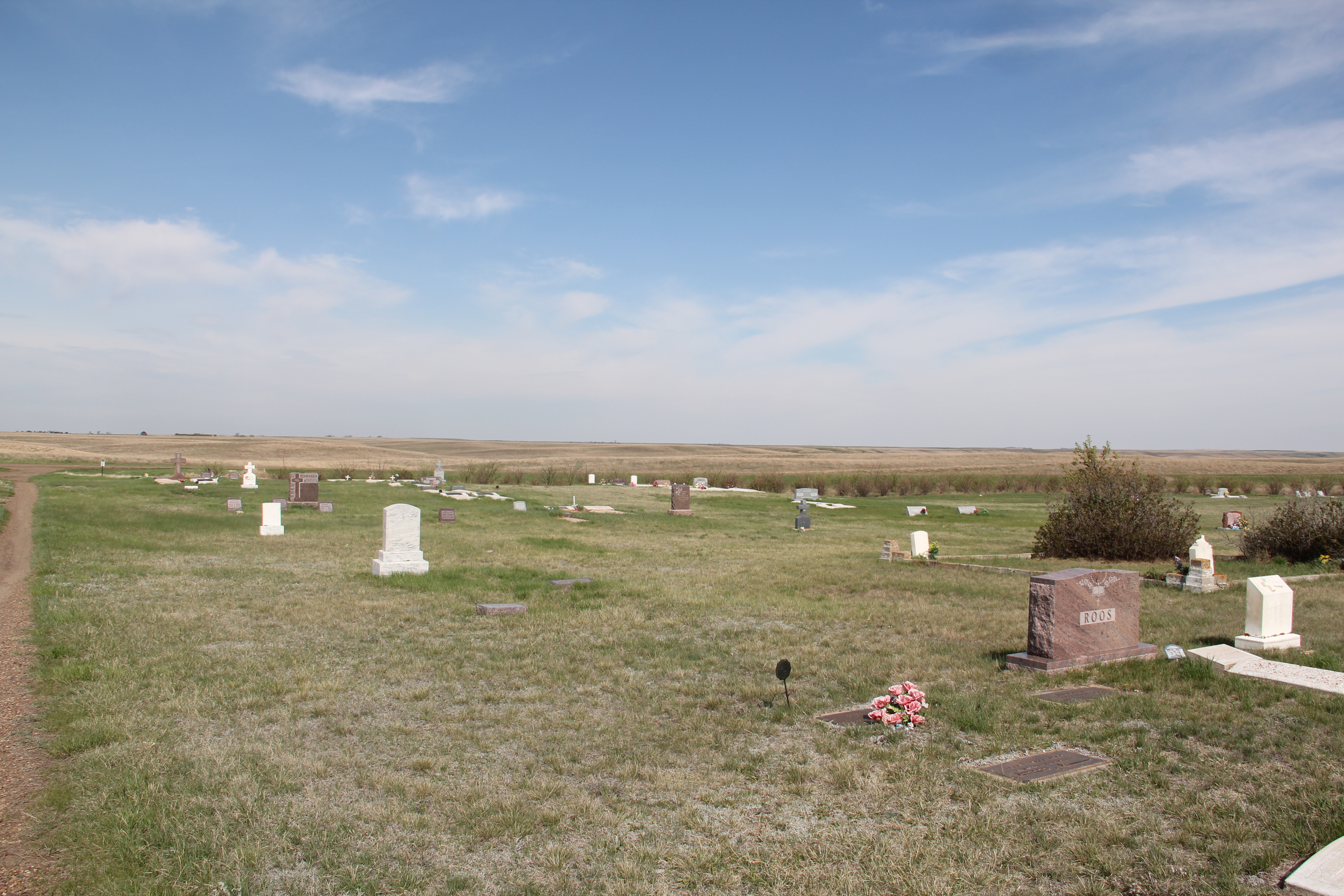
IMG_8000

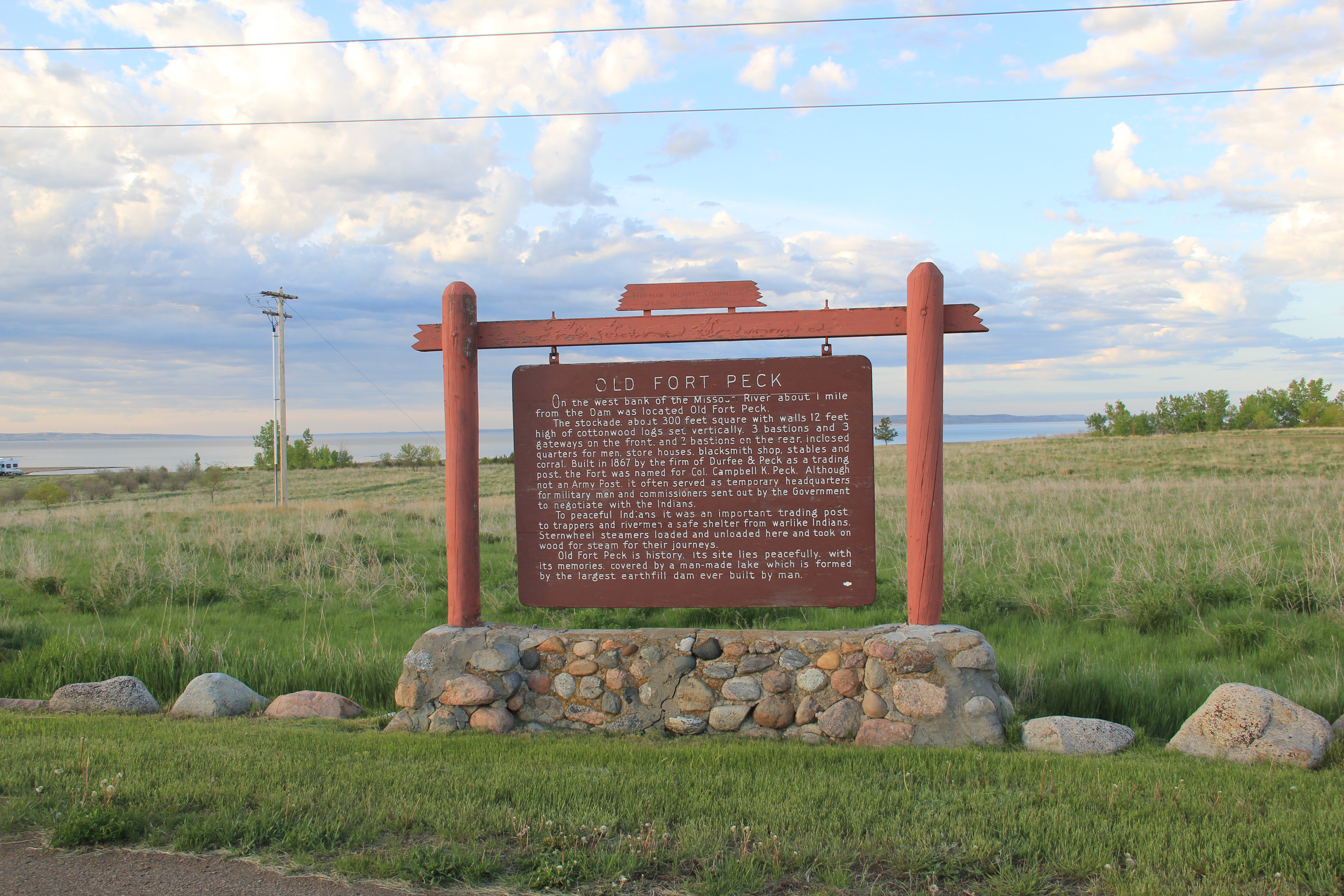
The southern end of Valley County has forever transformed by the construction of the Fort Peck Dam, Powerhouse, and Reservoir during the New Deal of the late 1930s.  The huge construction project, building an earthen-filled dam across the river near an old fur trading post, employed tens of thousands of Depression-era workers and left a permanent federal imprint in the lake, the huge, iconic concrete spillway, and the village of Fort Peck.

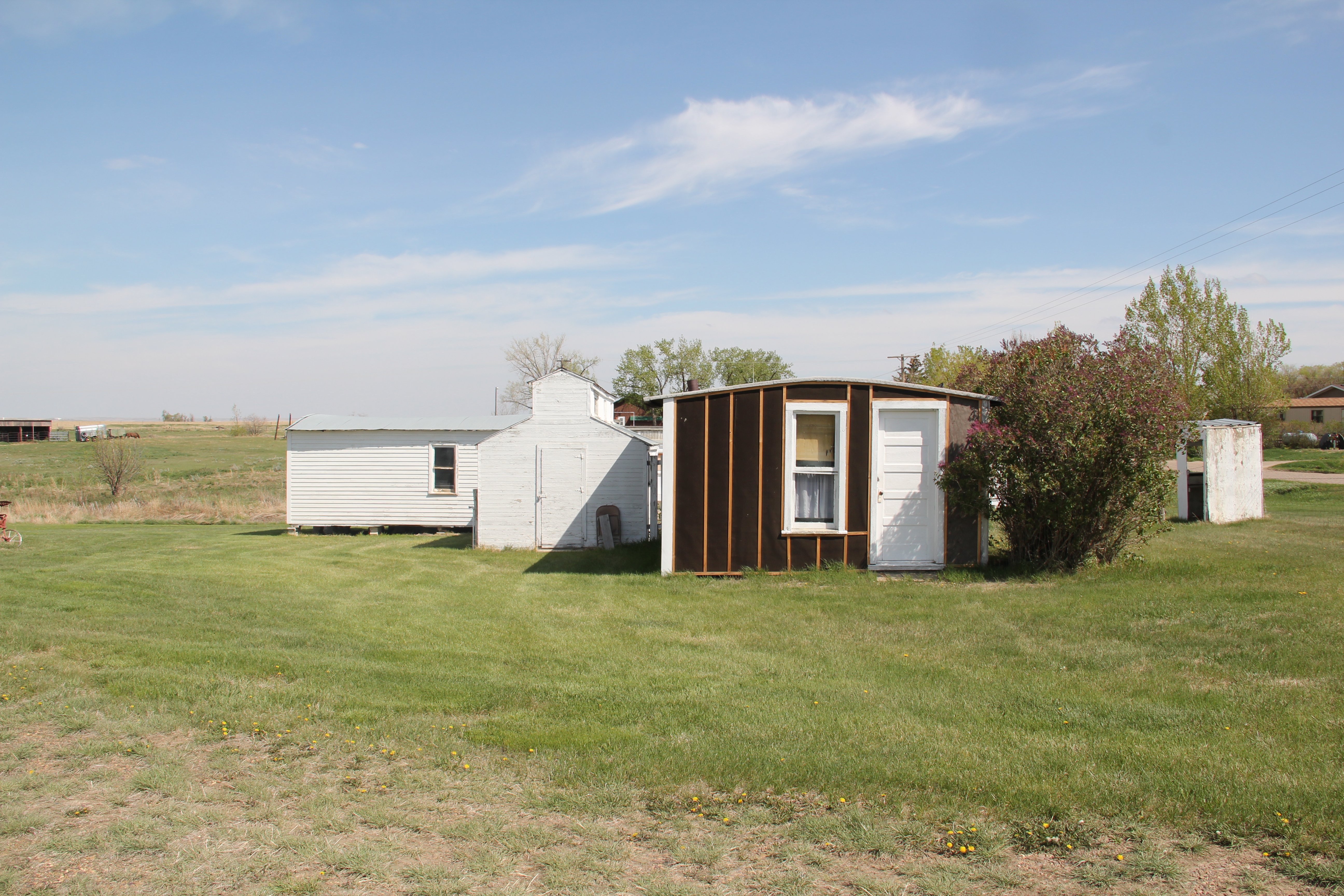
IMG_8115

The massiveness of the project–reflecting the boundless ambition and optimism alike of government planners, engineers, and workmen–is difficult to grasp.  As you drive across

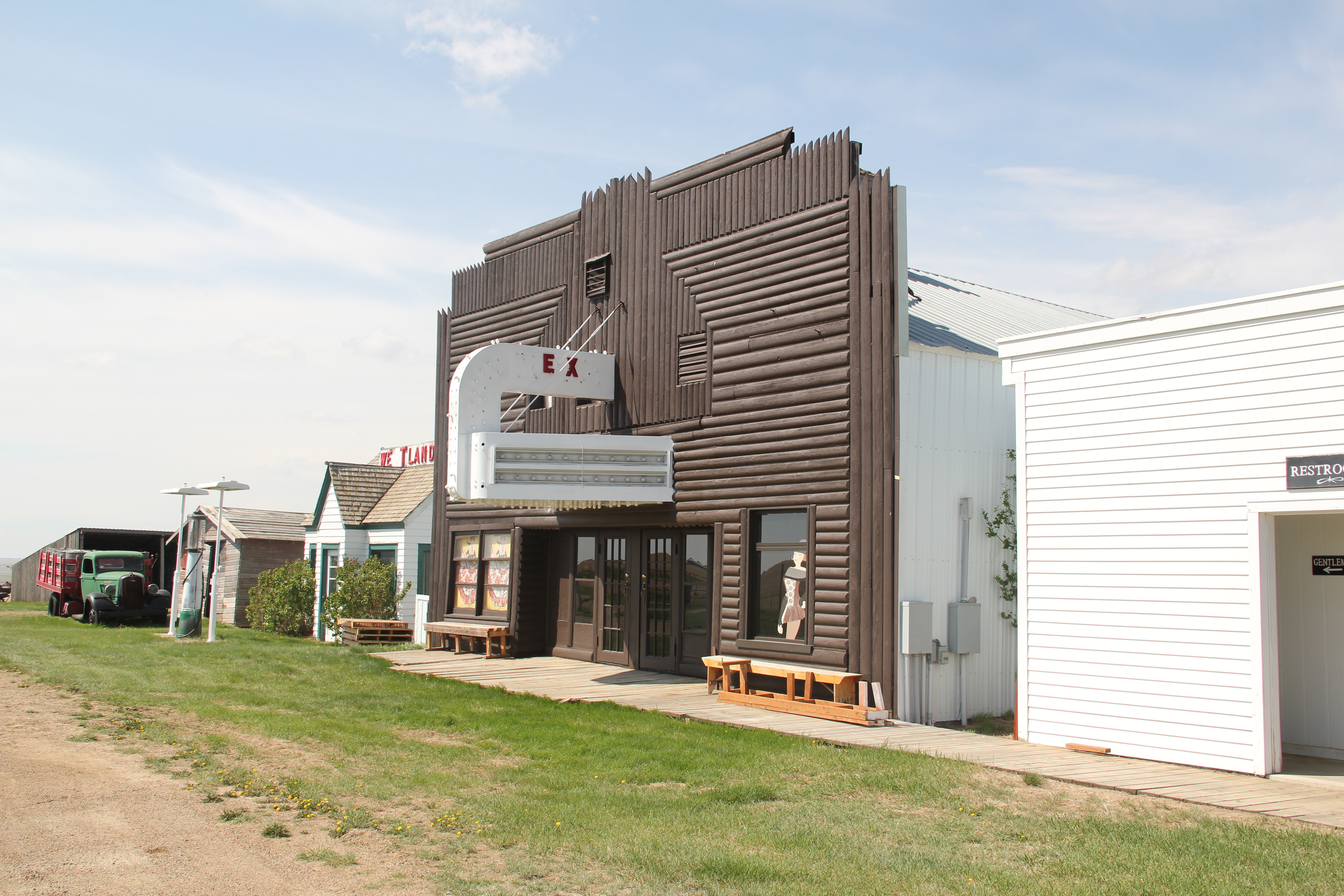
IMG_8005

the top of the dam, the high vantage point of the Montana plains is spectacular, and a reminder of just how radically the dam changed the Missouri River Country.  An interpretive kiosk–in need of repair and refreshening–tells of the Lewis and Clark Expedition and what it found and learned.  But as soon as you turn to the east, it is not a open, wild landscape, but one dominated by the soaring towers of the power plant turbines, two concrete and steel obelisks to the 1930s ability to transform, and that decade’s faith in hydroelectric power.

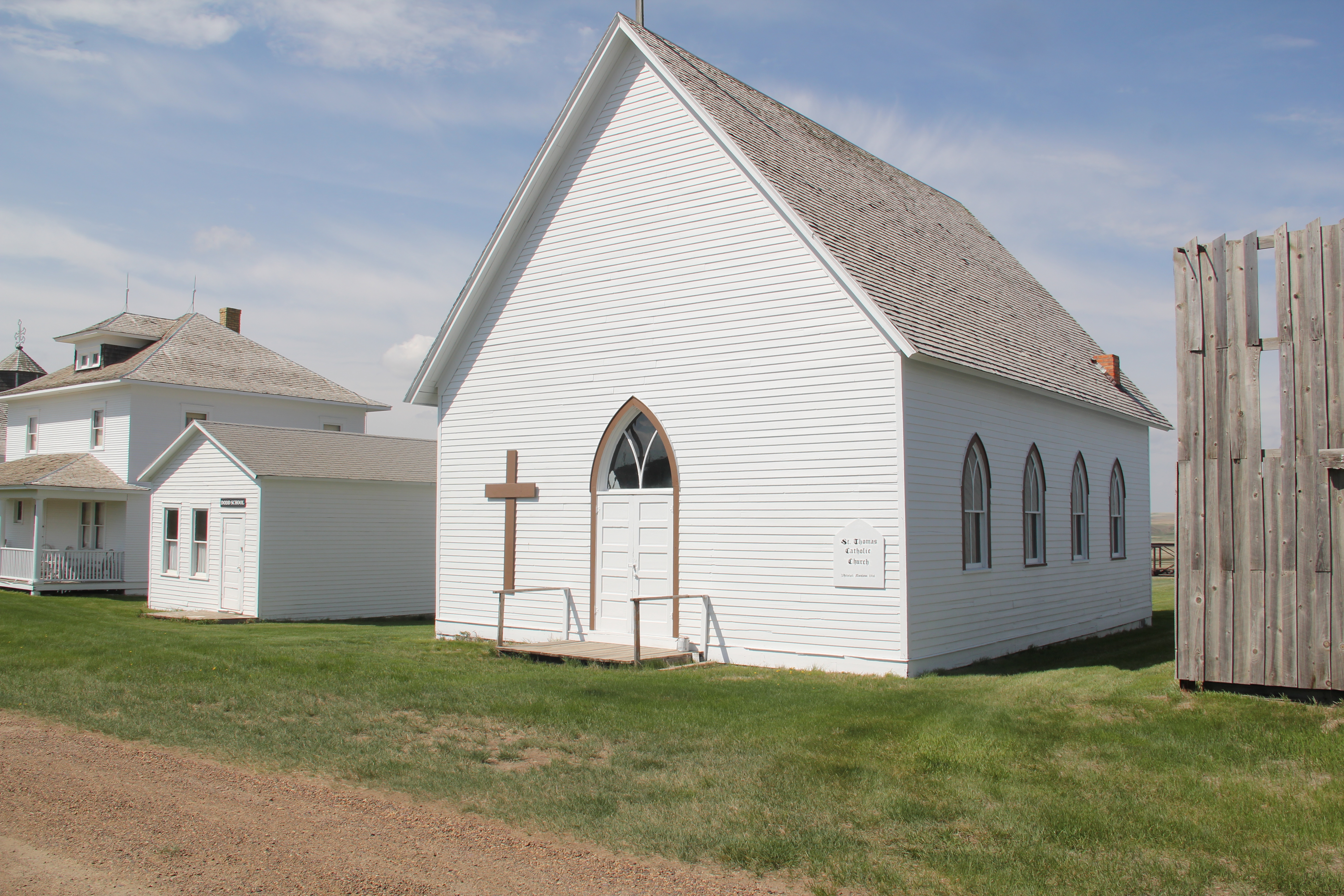
IMG_7995

The Corps of Engineers has recently opened a full interpretive center, not only about the dam’s construction but of the environment and wildlife of the region.  But the story of the federal imprint is most graphically portrayed in the village of Fort Peck, built for the key administrators and officials of the project as well as important guests in the 1930s. We will look at that story next.


Montana’s Malta: More Travels along the Hi-Line

Phillips County is one of my favorite places along the Hi-Line. The Milk River Valley is beautiful; the high plains at Loring and Whitewater are lonesome yet compelling. Empty I guess is how many would describe the county as just over 4250 people live there–in a county of 5,212 square miles.

Image

Loring Hall in 1984

But the diversity of the landscape is memorable. The southern tip of the county is the gateway to the Charles M. Russell National Monument, truly one of the great national parks that few people know about but home to some of most overwhelming views of the Missouri River. North of the Missouri are the southern end of the Little Rocky Mountains and the old mining towns of Zortman and Sandusky.

Image

Abandoned cabins at Zortman, 2013

I have already written about the two Hi-Line towns on the west end (Dodson) and the east end (Saco). Now it is Malta’s turn. When I visited there in 1984 little did I know that Malta was at its population peak.

Image

The 1980 census counted 2,367 residents–never had the town had that many people, and judging from the last three decades, that number is never returning: the population is now under 2,000. The 1980 as a peak population decade–not common among Hi-Line towns, but that wasn’t all that set Malta apart from what I encountered east or west.

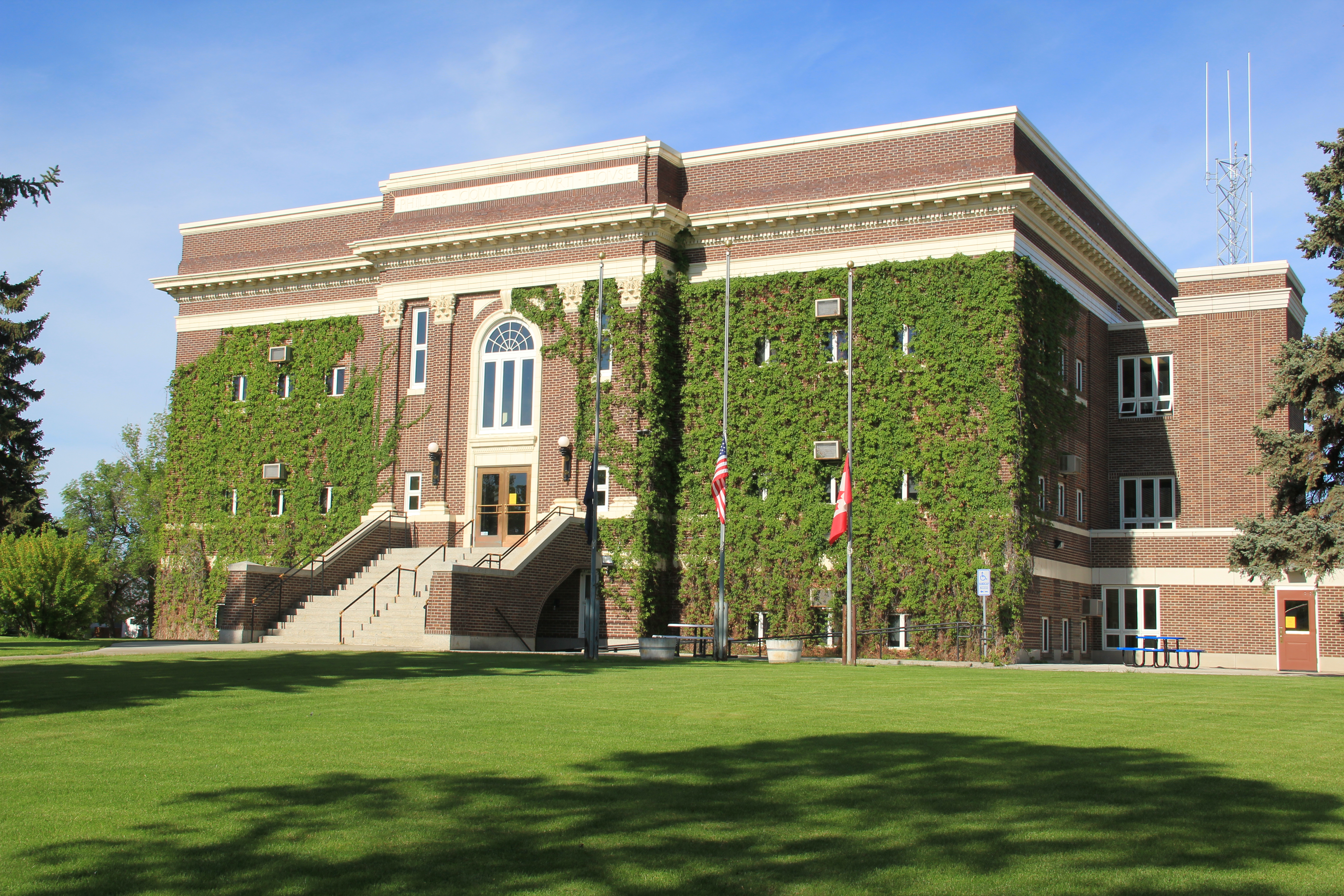
Vibrant community institutions anchored the town. The neoclassical Phillips County Courthouse (1921) served as the foundation for the east end residential neighborhood. Designed by Great Falls architect Frank E. Bossout, the red brick courthouse reflects a more restrained expression of the popular classical revival movement, especially compared to Bossout’s earlier more flamboyant Beaux-Arts design for the Hill County Courthouse (c. 1914) in Havre. (I wish they would remove the vines–not good for the bricks.)

Image

Nearby was the Carnegie Library, which had been recently converted to serve as a county museum. In 1984 the community was quite proud of the place, recently (1980) listed in the National Register of Historic Places.

Image

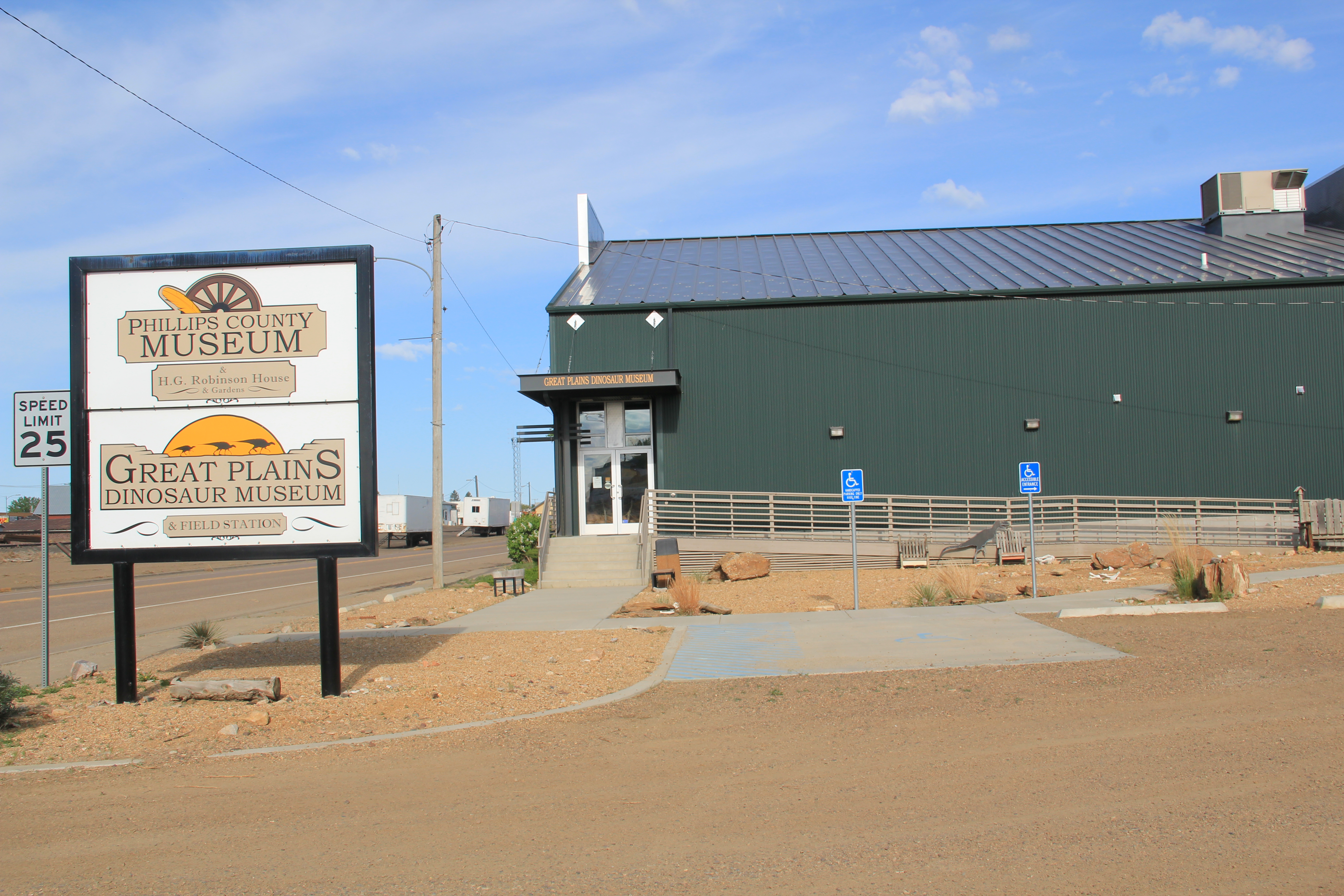
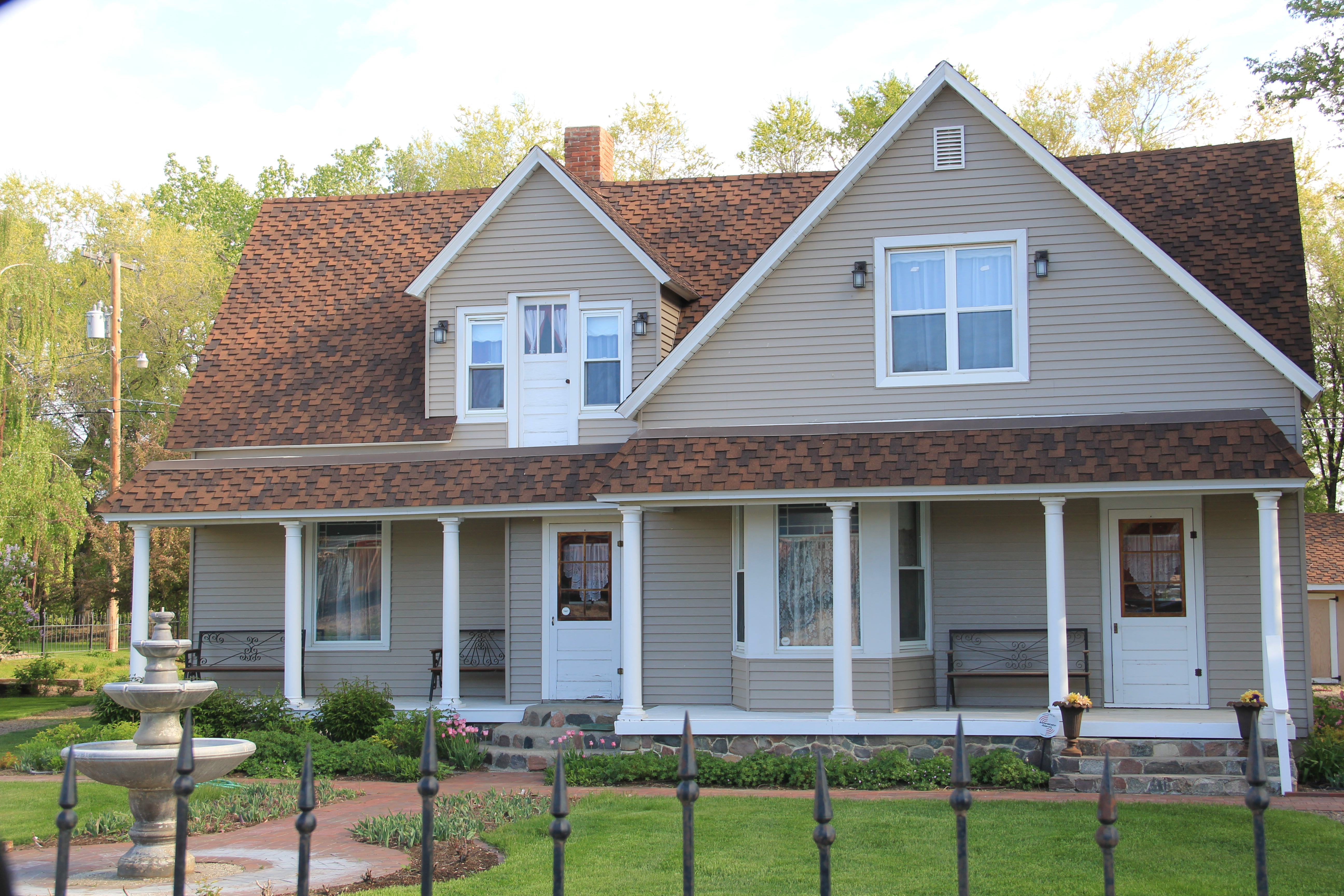
Now the museum has moved to new quarters, the Phillips County/ Great Plains Dinosaur Museum, on U.S. Highway 2, where dinosaurs are the primary attraction moreso than local history after a major nationally-noted dinosaur discovery happened in the county in 2000. Yet the town has preserved a notable local house, the Victorian-style H.G. Robinson House (1898), nearby the new museum and there in a domestic setting the town’s early history and settlement is interpreted. The new highway historical/cultural institutions are improvements–but have come at a real cost: a crumbling Carnegie Library, the town’s only National Register-listed property that needs help, now.

Image Image

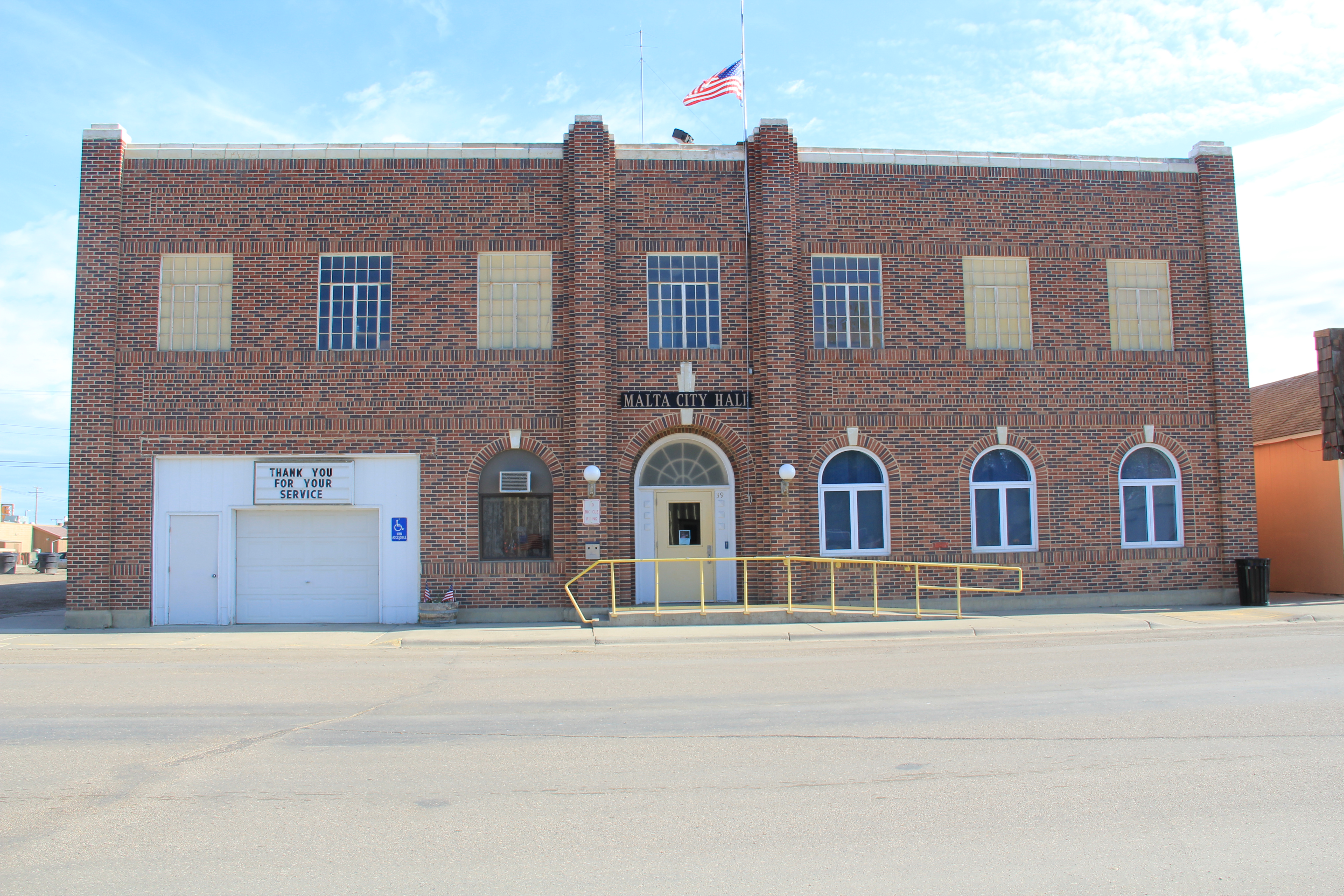
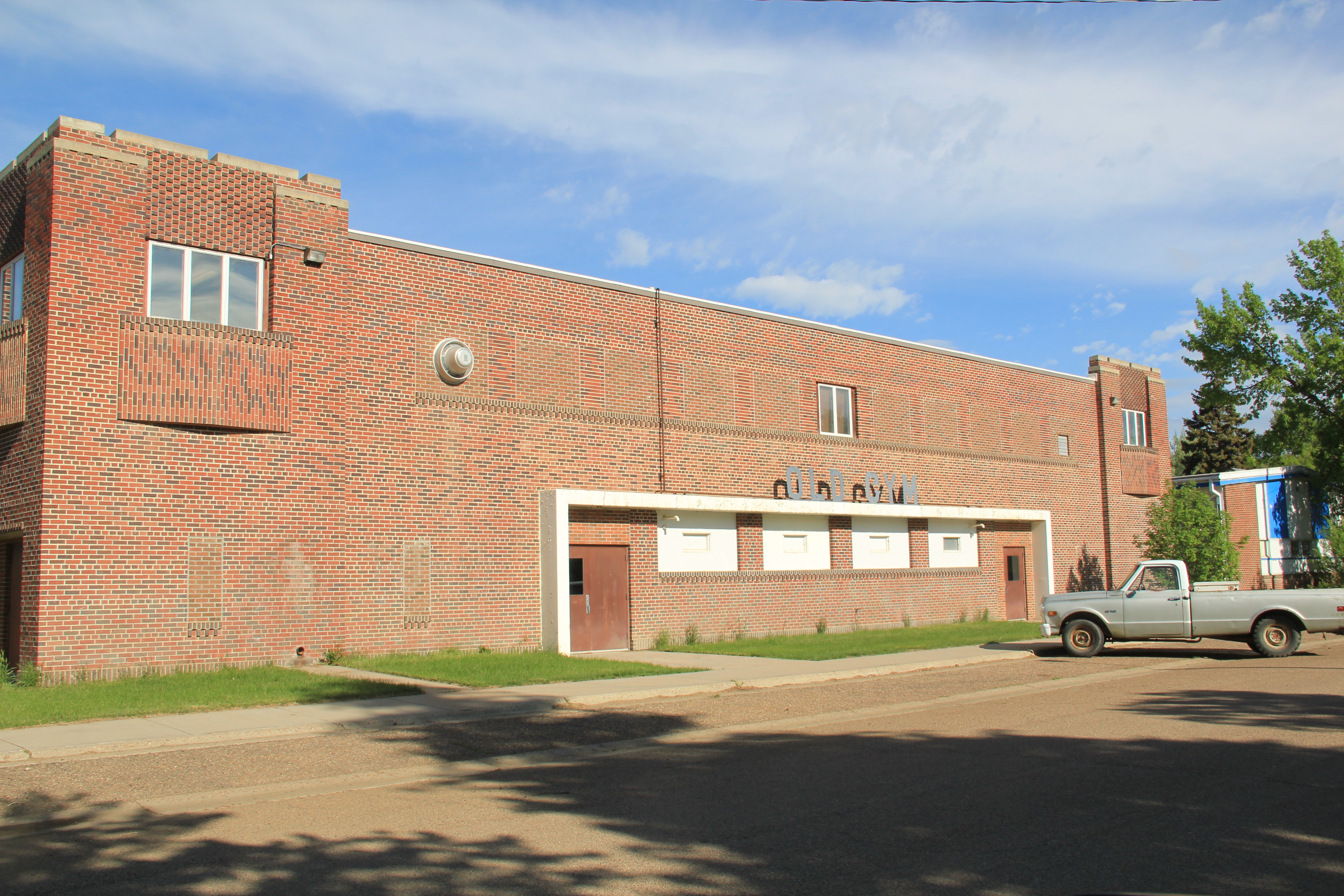
Another community institution was the Woman’s Club of the late 1930s, a Rustic-style building that has been discussed earlier in the blog, as part of the institutions that spoke to women’s history that I missed and could not “see” in 1984. But it was also one of three major New Deal buildings that missed–the others being the two-story brick WPA-constructed City Hall and the massive brick “Old Gym” that once served the high school.

Image

Image

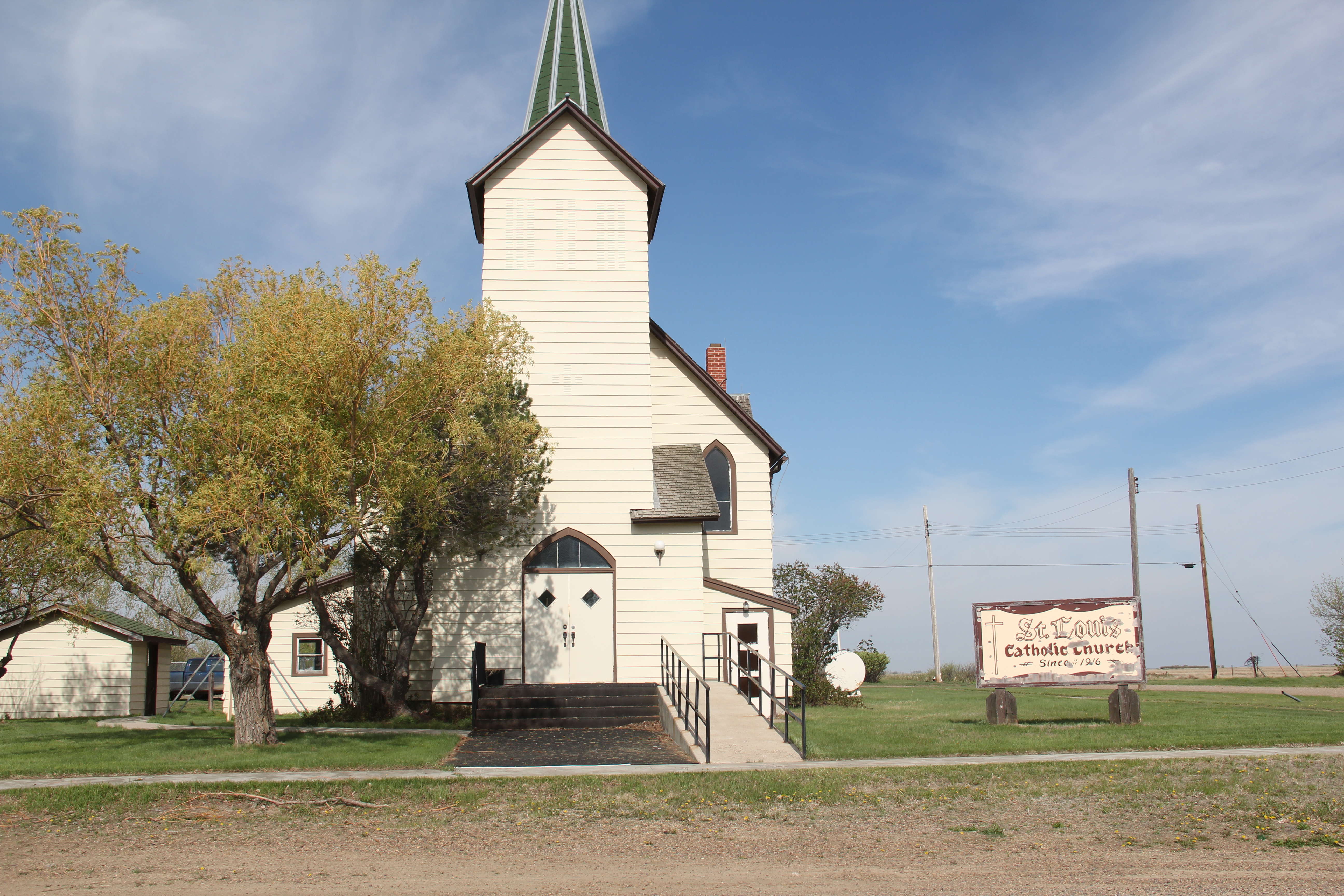
Malta also had its share of schools and churches, although again I did not “see” in 1984 the beauty of the contemporary-styled St. Mary’s Catholic Church from c. 1960.

Image

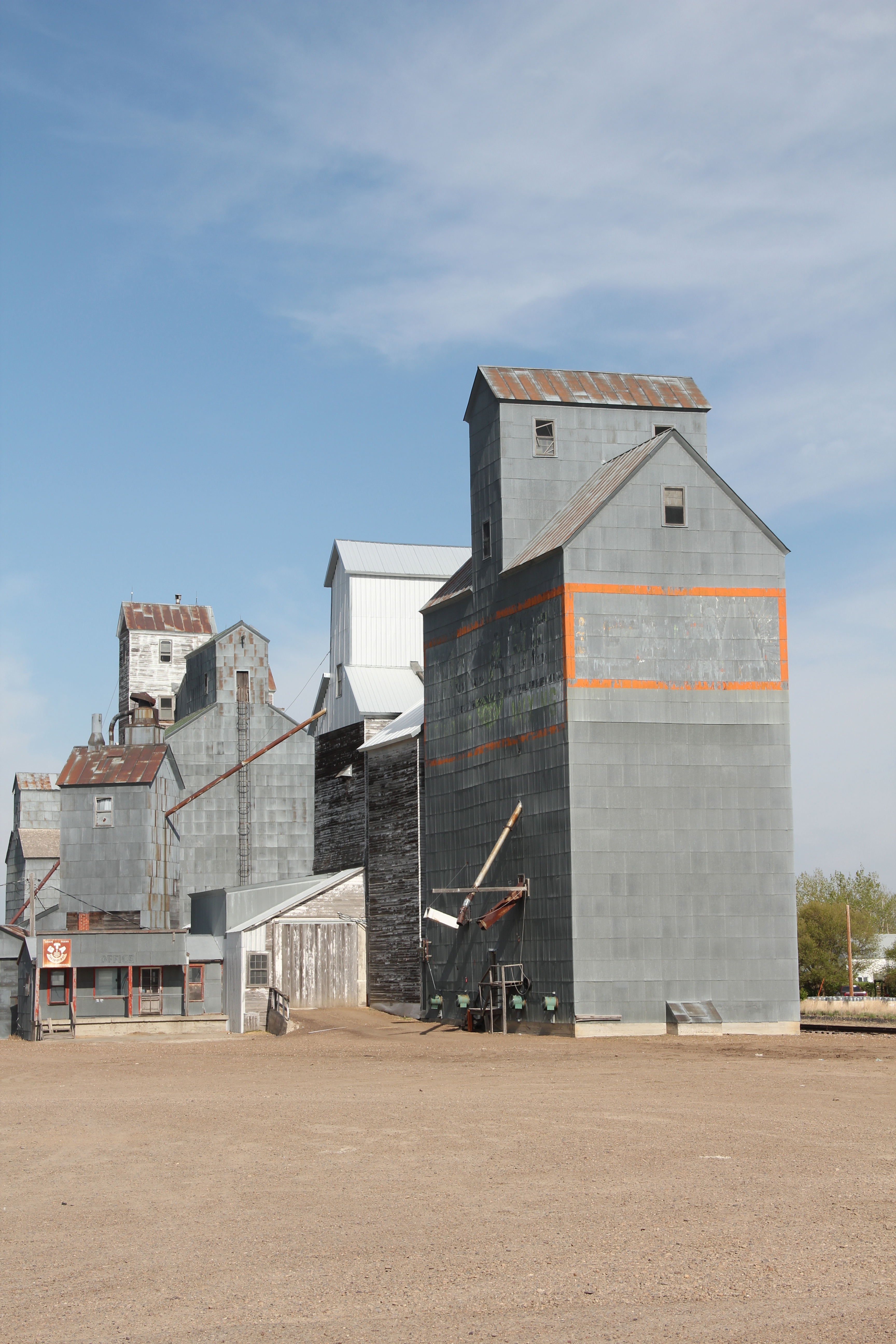
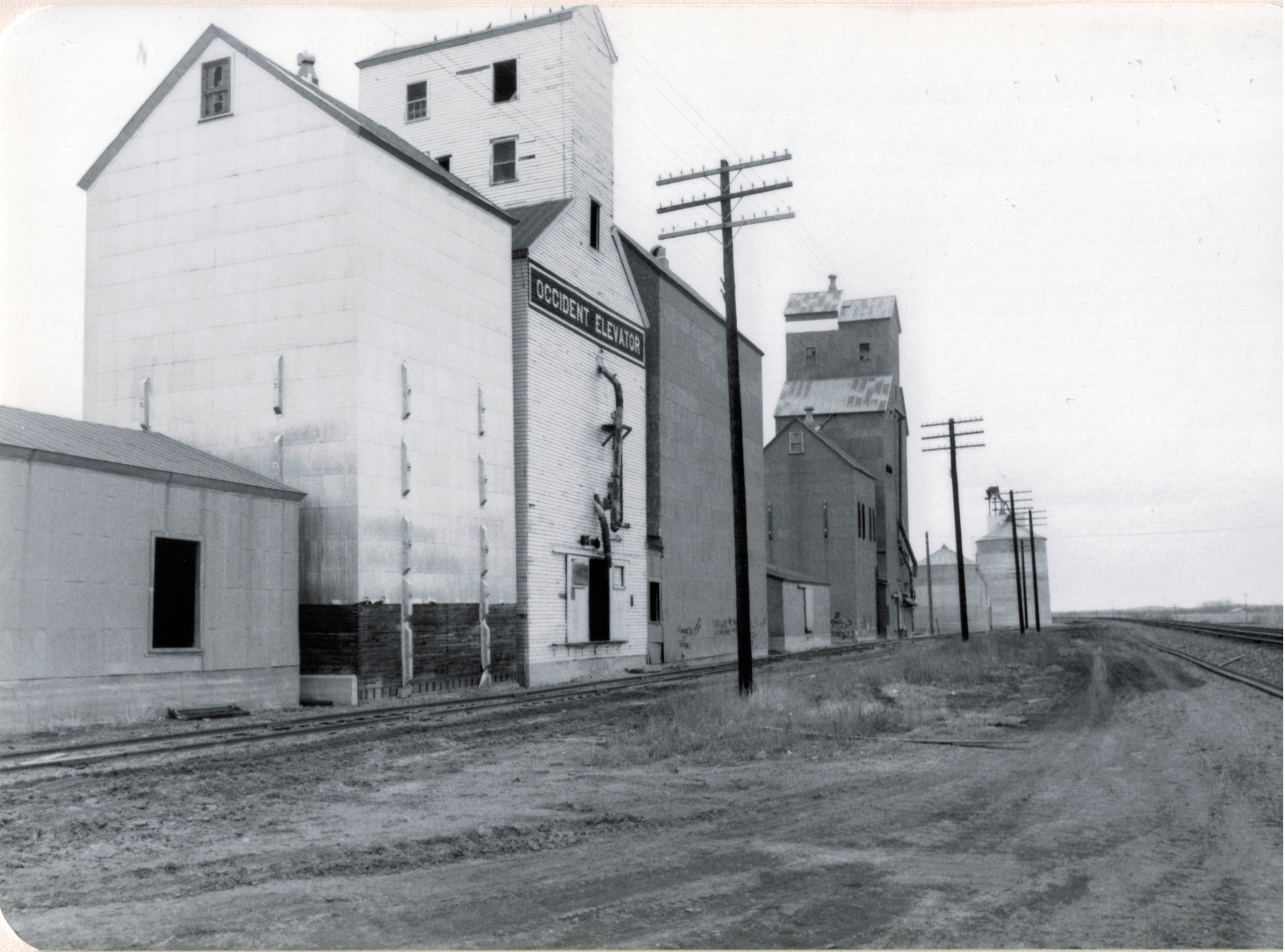
Malta’s business district is the classic T-town type of design found all along the Great Northern line. It too had its anchors: massive grain elevators and grain storage bins, along with the Arts and Crafts styled Great Northern passenger depot, defined the top of the “T”.

Image Image

Once you took the New Deal-era underpass to go under the tracks, there was the neoclassical First State Bank introducing the “stem” of the T and several blocks of businesses: two movie theaters (both closed now unfortunately) and an Art Deco-styled auto dealership being particularly notable buildings.

Image


Image

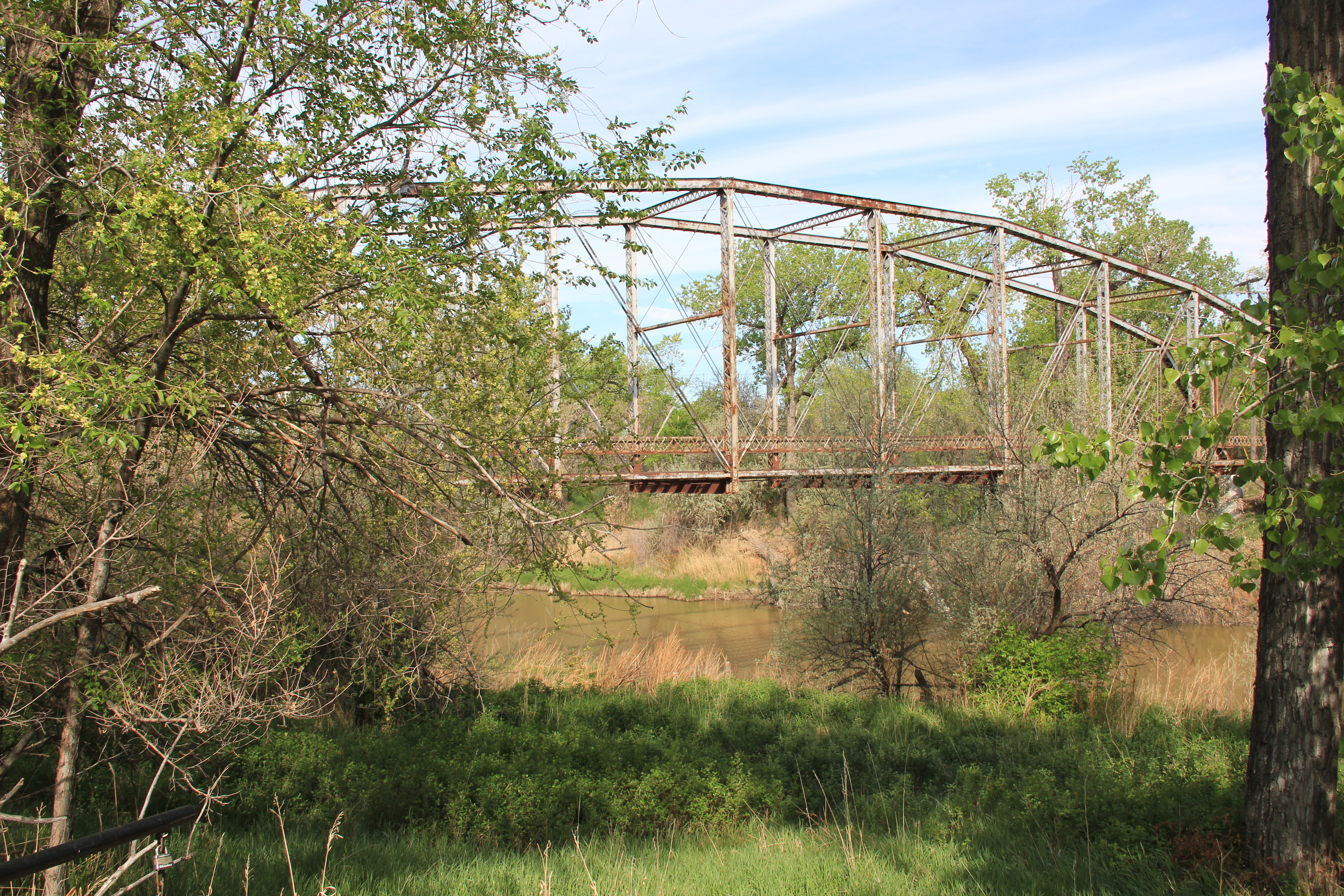
Although it was in rough shape Malta also had its railroad/highway park (Trafton Park) on the north side of U.S. 2, where the original U.S. Highway 2 passed using a steel Parker through truss bridge to cross the Milk River.

IMG_8224

Nearby was a railroad bridge allowing Great Northern passenger trains to do the same.

Image

Malta, Great Northern Bridge over Milk River, 1984

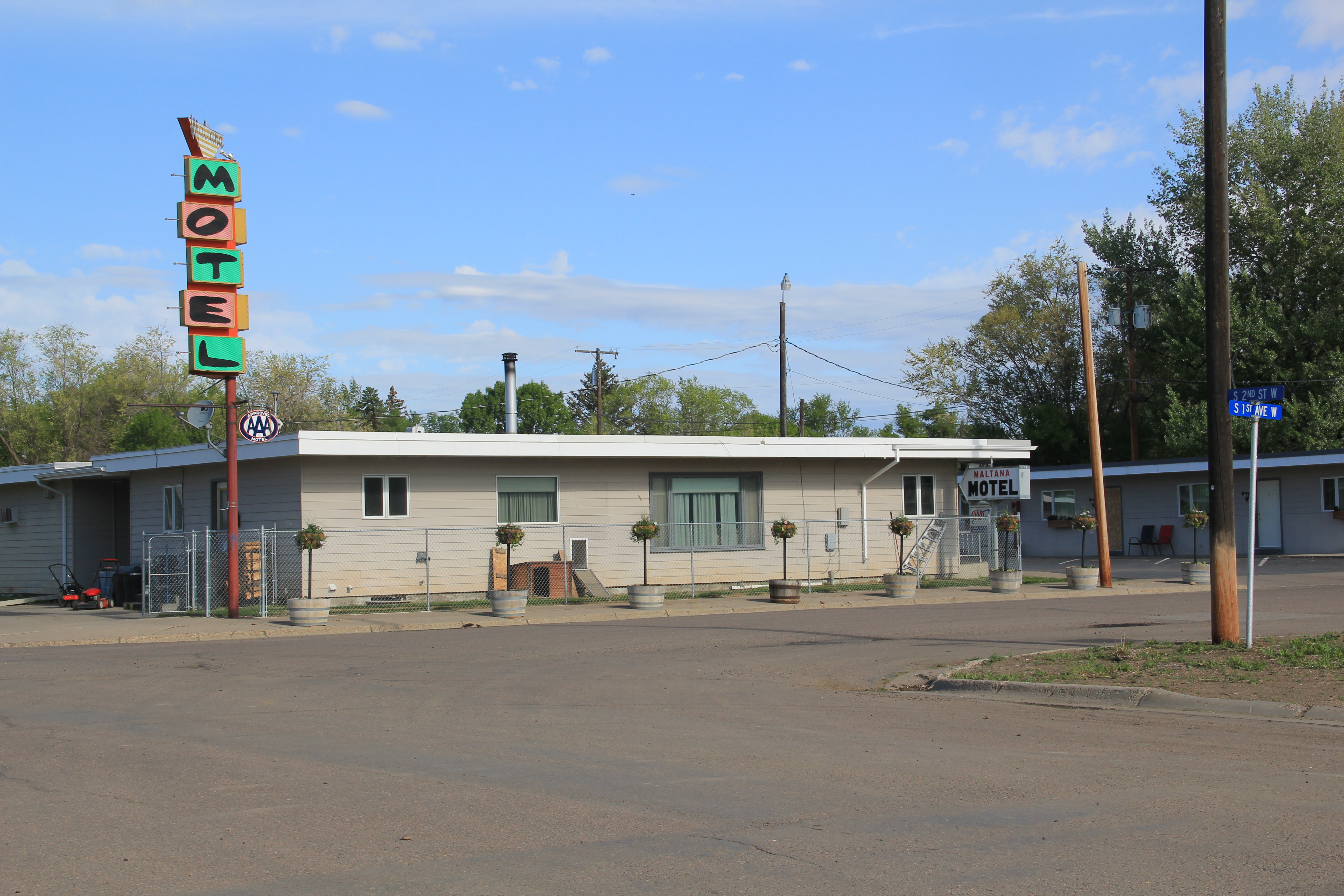
The town also had its own rodeo grounds, tucked away next to a historic livery stable at the corner of N 2nd Street and N 2nd Avenue. The Maltana Motel–even in 1984 it struck me as a classic 1950s motor court–was the place to stay then, and now. It is one of the few survivors of the “Mom and Pop” roadside abodes I enjoyed in 1984 along the Hi-Line.

Image

Malta has many potential National Register listings–as the many photos here suggest. And all of these heritage assets could be a valuable foundation for new visions and investment. The community is keeping the buildings in use and in general decent repair. But you worry about the future–if the town’s recent trend of population decline continues.

Great Northern Towns in west Hill County, Montana

In my 1984 fieldwork, Havre was a base for quite a bit of travel along the Hi-Line.  One of the most compelling landscapes, and among my favorites for the state, were the little towns, regularly spaced about every eight miles, west of Havre.

Image

At the time, my understanding of this landscape was heavily influenced by recent works by the American Studies scholar John Stilgoe (Metropolitan Corridor: Railroads and the American Scene) and the historical geographer John Hudson (a series of articles that culminated in the book Plains Country Towns.) Stilgoe reminded me that railroads in the late 19th century not only defined towns and urban design but impacted American culture in how small, tiny spaces became part of urban, metropolitan life through the steel tracks.  Hudson explain why towns existed every six to seven miles or so throughout the plains (these were often single track lines so trains needed places to pull over for passing, and places where water and fuel could be acquired as necessary).  Hudson explained differences between railroad division points, where shops and offices would be located, and “country towns,” where typically a combination depot carried out all of the railroad’s corporate functions.
Image

This arrangement of space, and the ennobling of railroad culture in larger towns, was exactly what I saw in Havre and Hill County.  Ever since 1984, this has been among my favorite places in Montana.  In a posting last year I discussed the “disappearing depots” along the Hi-Line, focusing on west Hill County.  I want to revisit those same places today, with a deeper view on what was there in 1984 and what you find today.

Image

Inverness, established c. 1909, was the first place I stopped but spent little time there because already in 1984 its Great Northern depot was gone.  But in 2013, I was looking for beyond the Stilgoe-Hudson way of understanding plains country towns.  Inverness in 2010 had 55 residents, but still held several early settlement landmarks, such as its early 20th century elevators along the railroad, a National Register-quality c. 1920 store/gas station, and two large two-story frame blocks–the historic Inverness Hotel (most recently Inverness Supper Club) dates to the second decade of the 20th century.
ImageImage

The Sacred Heart Catholic Church dates to the town’s beginnings, but a brick school from 1931 with 1952 additions closed in the early 21st century.

Image

Inverness’s c. 1960 post office is a great example of stone-faced standardized design that the postal service used in small towns across the nation in that decade. It was one of the offices threatened with closure in 2011.

Image

Rudyard, established 1909, was the largest of the west Hill County towns, about 500 people in 1980 but now with only 258 residents according to the 2010 census.  Its prominence in the second half of the 20th century is reflected in two buildings:  the tall concrete grain elevators along the railroad and the contemporary-styled Wells Fargo bank building on the prominent town corner facing the tracks and Reed Street.

Image Image

Thirty years ago, as the construction of a modern bank building attests, several stores and the Hi-Line Theater were hubs of activity; today most businesses are closed.

ImageImage

Image

Museums now abound–with the moved depot forming a small building zoo while an early 20th century stone building has become an auto museum.

Image

Image

Rudyard also has one of the highway’s most famous town signs–boasting of a population now greatly diminished but the old sorehead remains–at the Sorehead Cafe in the heart of the four block long commercial district.

Image

Image

One hundred years ago, Hingham (1910) seemed to be the town that would make it. From the railroad corridor several blocks of commercial businesses were filled in the next decade.

Image

There was a town square featuring a city park in the midst of it all.

Image

Here the town’s Commercial Club hosted the Hi-Line Fair, which “presented farmers and ranchers with an opportunity to exhibit their grain and livestock and to exchange ideas with people from other points along the Hi-Line.”

Image

While the buildings, outside of the brick neo-classical brick bank (1913-14), were frame, town boosters were confident these were only the initial businesses. But the second decade of the 20th century proved to be the town’s high point, and frame buildings still define local businesses.

Image

In 1930 they defined the town with a large, handsome two-story brick school at its south end (near U.S. 2, a recognition of the highway’s importance in getting students to and from Hingham).

Image

The Our Lady of Ransom Catholic Church is a modernist landmark, and one of the most architecturally important buildings of the Hi-Line, part of the Great Falls diocese effort to improve and modernize its churches in the mid-20th century.  A much earlier frame Methodist Church remains, and has most recently served as a community chapel.

Image Image

The boosters of Gildford also had high hopes in 1910 and the homesteading boom brought a full fledged town into existence by 1915-16.

Image

Image

Image Elevators in 1985

The boom decade is marked by the extant Gildford State Bank (1914), which also served as the town’s post office when I first visited in 1984.  The town also had an early industry, the Mundy Flour Mill.

ImageImage

Kremlin acknowledges its distinct name with its highway town sign.

Image

Settlement began in 1909, with a plat from land agent K.C. Farley, focused on the Great Northern section house, later replaced by a standardized depot, all of which is gone from the railroad corridor today.

Image

IMG_8903

The WPA built a new high school in 1938, which remains a central landmark for the community, a symbol of the future, and a good way to end this posting.

IMG_8913 IMG_8912

Square Butte and a spring storm

Image


One of my favorite Central Montana landmarks and small railroad towns is Square Butte.  Once served by the Milwaukee Road, few travelers find the town today.  Yet several key landmarks remain–the historic late 19th century stone jail is listed in the National Register of Historic Places.  

Image


There is a historic brick school building, a bit worse for wear but still a key survivor that marks the height of the homesteading boom in the county.  

Image


But my favorite resources are the elevators along the railroad corridor–still standing tall, although in that stormy day–I made it through a pretty strong hail storm about 10 minutes after the photo–the elevators perhaps look dramatic than normal.

Image

And perhaps most importantly the town still has a local tavern, the appropriately named Square Butte Country Club Bar.  Still an important community center today, as it was in 1984.

Image