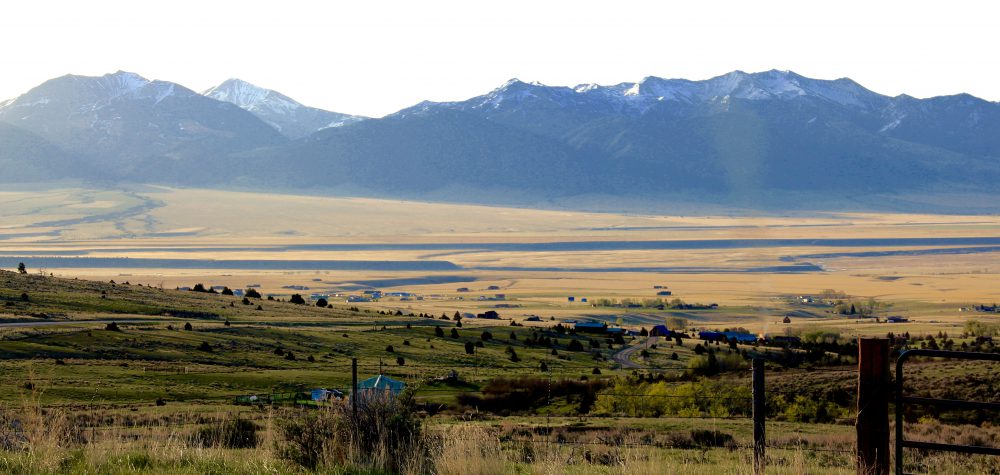

In 1982, two years before I began my survey of all 56 counties for the state historic preservation office, I took on a very meaningful and fun assignment—developing an interpretive tour of the recently restored Montana State Capitol. Jim Mc Donald’s firm in Missoula had developed a comprehensive study nd they and the many partners and contractors restored the grand spaces of this turn of the twentieth century building.
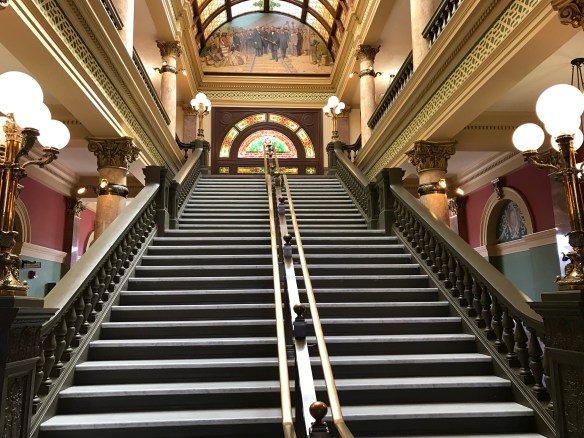


Designed by the firm of Bell and Kent, the Capitol is a jaw-dropping public space, which spoke of the state’s dreams and ambitions at its beginning. No matter how jaded you might be about politics and politicians today just a walk through the corridors of grandeur, and power, of the Capitol will remind you that democracy does matter and we the people continue down the demanding path of making ourselves rise up to democracy’s promise.
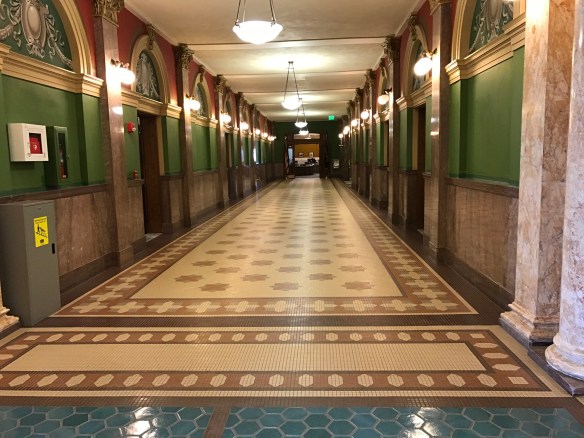
Plus the 1982 project was just a great learning experience. I worked most closely with Jennifer Jeffries Thompson, then the education curator at the Montana Historical Society, plus it became a way to meet and learn from the SHPO staff then, led by Marcella Sherry, and the architect Lon Johnson and architectural historian Pat Bick. Governor Ted Schwinden and his staff were great and I always appreciated the interest shown by Senate Republican leader (and future governor) Stan Stephens. Senator Stephens always wanted me to lead his groups through the building, but I never knew if that was because he thought I had something to say or that everyone always liked to hear me say it, with my southern accent echoing in the chambers and hallways.
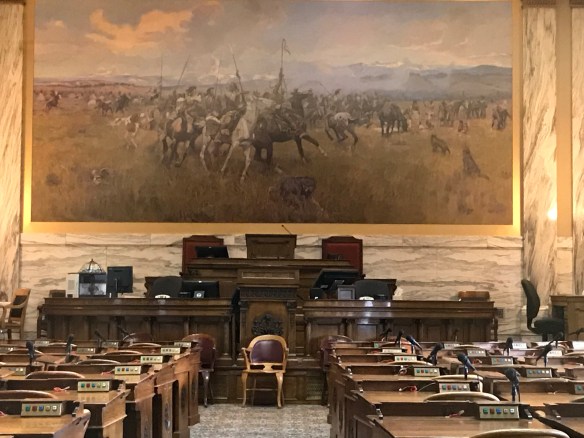
I learned so much because the Capitol was full of magnificent western art depicting pivitol moments in state history, as understood by state leaders one hundred years ago. Everyone (my celebrities included actors Clint Eastwood and Robert Duvall) wanted to see Charles M. Russell’s depiction of the Lewis and Clark expedition at Ross’s Hole in the House chamber. My favorites however were the series of historical paintings by Edgar Paxton in the legislative lounge and office area.


Paxson’s portrayal of Sacajawea showing the way at Three Forks—artistic license acknowledged—was always a favorite teaching opportunity for in a painting of 100 years ago Paxton depicted a reality—the presence and importance of a Native American woman and an African American slave, York—at a time when historians of the west had difficulty even acknowledging their existence in history.


I also liked the scope of Paxton’s narrative and the prominence of the Native American stor..u even to the surrender of Chief Joseph, which would have been fairly recent history when Paxton carried out his work.

The Senate Chamber taught other stories, from the process of voting and government to the story of the three Georgians who left the South in the midst of the Civil War to find riches in Last Chance Gulch, now Helena, and on to the massive Sioux and Cheyenne victory over George Armstrong Custer’s Calvary at the Battle of Little Big Horn.
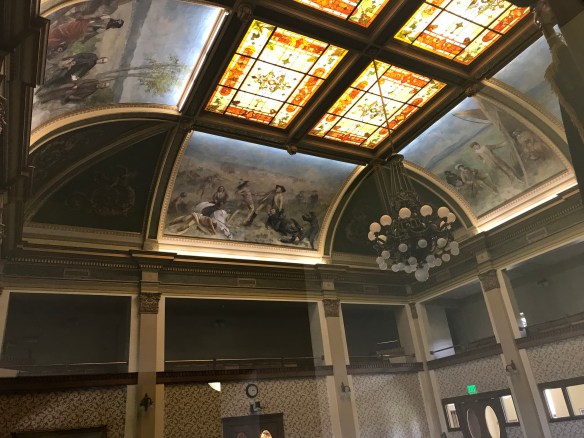
While I had stopped in at the Capitol several times in the last decade, I did not really explore. My trip this summer found many more history lessons throughout the building.


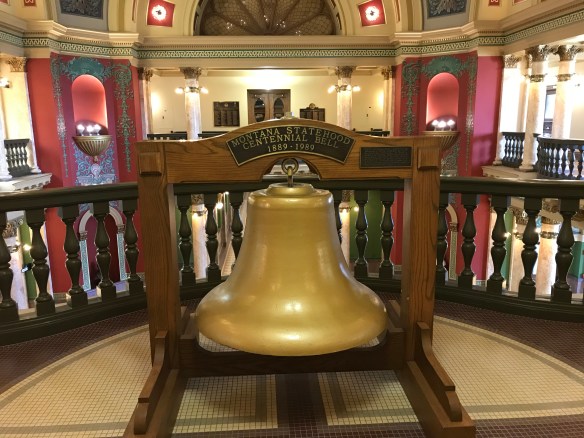
The statue of the Mansfields were an effective complement to the earlier statues for Wilbur F. Sanders and Jeanette Rankin, which had booth stood in the Capitol when I worked there in 1882 and 1983. I also really like the bronze bell added in honor of the state’s centennial. Both the Mansfields and the bell allow you to take visitors into Montana’s late twentieth century history.
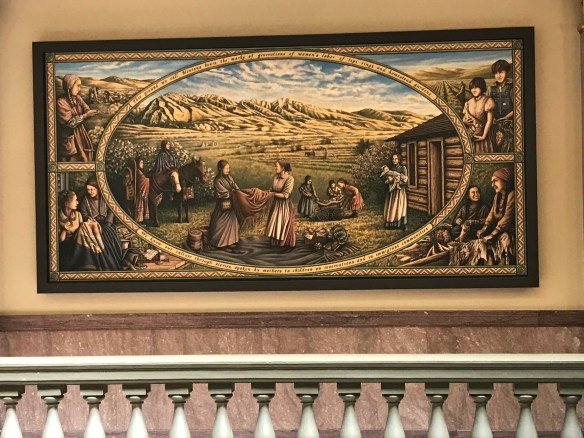
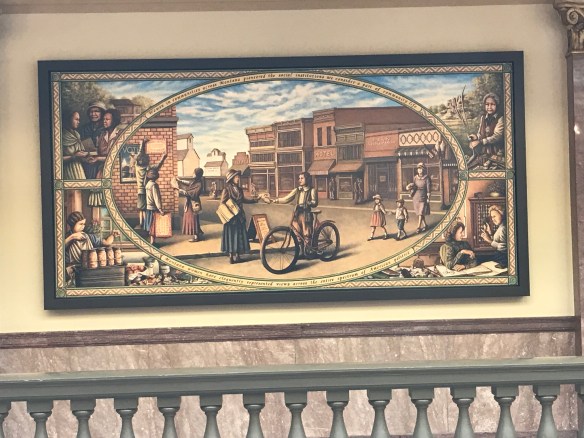
Then the women history murals, titled Women Build Montana, are just delightful, and inspiring. Installed in 2015 the murals by Hadley Ferguson add new layers of history and meaning to the grand old Capitol. Of course there is much more to the art and architecture of the State Capitol than what I have highlighted here. The Montana Historical Society maintains an excellent website that gives you all of the details you would ever need. But I hope that you do will visit the Capitol if you haven’t recently. Some 36 years after I first discovered its history, art, and architecture it still has many lessons to teach.


 A resident reported on the towns decision to join the Main Street program and how a community partnership effort had been formed to guide the process, assuring me that the wonderful historic Roundup school would find a new future as a multi-purpose and use facility. That update has spurred me to share more images from this distinctive Montana town that I have enjoyed visiting for over 30 years.
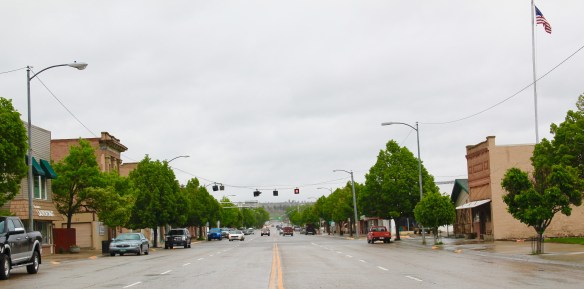 As I discussed in my earlier large posting on Roundup, it is both a railroad town on the historic mainline of the Milwaukee Road and a highway town, with a four-lane Main Street defining the commercial district. It is less than a hour’s drive north of Billings, Montana’s largest urban area. But nestled at the junction of U.S. 12 and U.S. 87, Roundup is a totally different world from booming Billings.
 You see the difference if how false frame stores and lodge buildings from the first years of the town’s beginnings still stand, and how the commercial district is pockmarked with more stately early 20th century brick commercial blocks, whether two stories high or a mere one-story. Yet the architectural details tell you the community had ambitions. It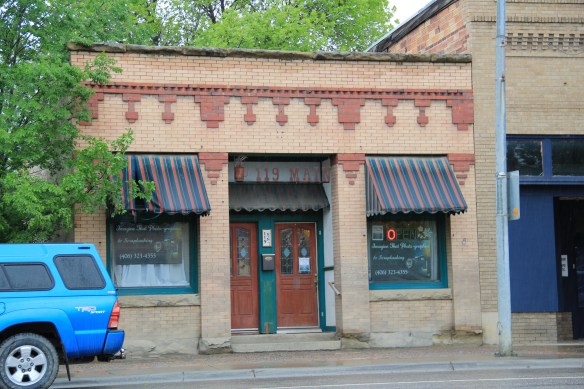
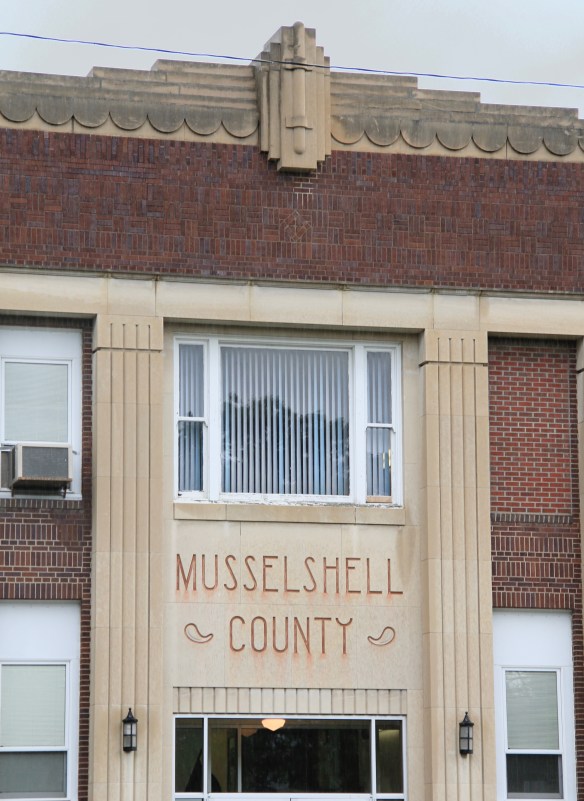
 I found a place then, and still today, that was proud of its past and of its community. I visited and spoke at the county museum, which was housed in the old Catholic school and included one of county’s first homestead cabins moved to the school grounds. The nearby town park and fairgrounds (covered in an earlier post) helped to highlight just how beautiful the Musselshell River valley was at Roundup.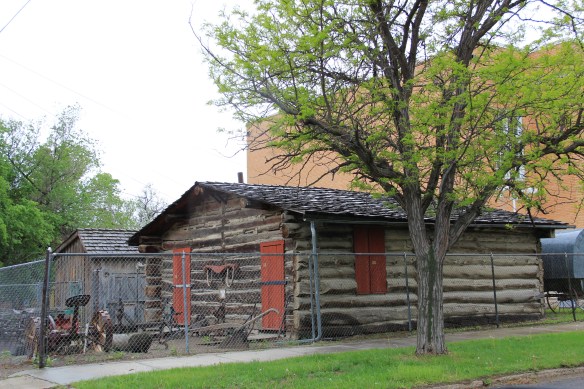


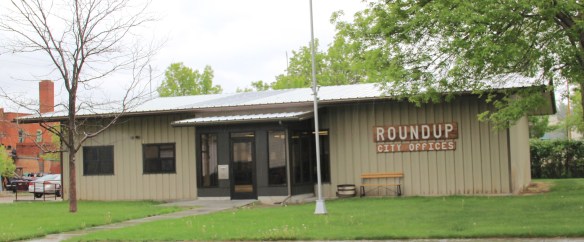
 Then the public buildings–the school, the courthouse, and even the classically tinged county jail shown above–added to the town’s impressive heritage assets. Of course some buildings I ignored in the 1980s but find compelling today–like in the riverstone lined posts of the modernist Wells Fargo Bank, and the effective and efficient look of city hall.


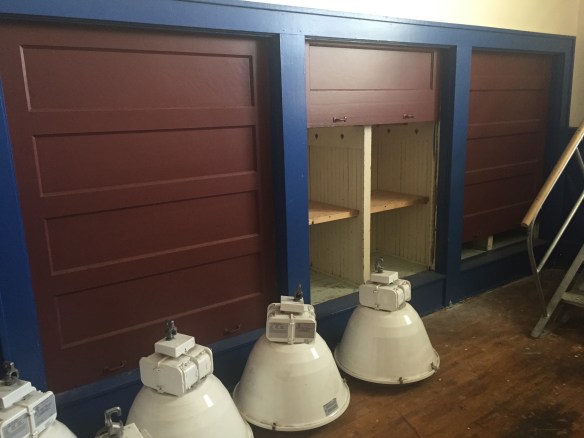
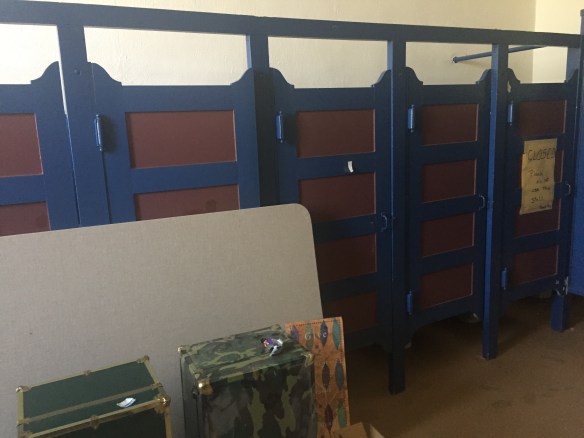 were so many intact details from the time of construction–built-in storage spaces, private restroom stalls, when hallway clocks ticking down the minutes in a day–the place was like a time capsule.
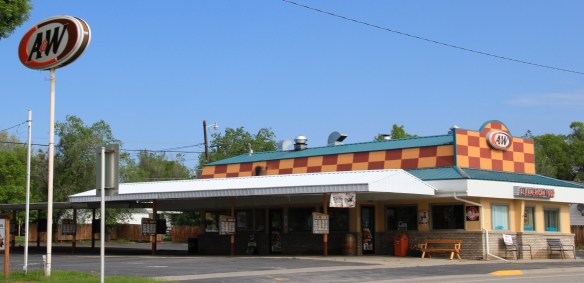
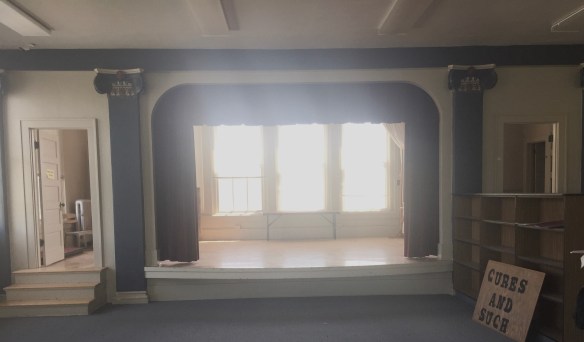 Intimate spaces, classroom spaces, grand public spaces. The Roosevelt School meant too much to be left to the wrecking ball, and the progress the community foundation is making there is reassuring: once again smart, effective adaptive reuse can turn a building in a sustainable heritage asset for the town. It’s worth checking out, and supporting. And it is next door to one of the state’s amazing throwback 1960s roadside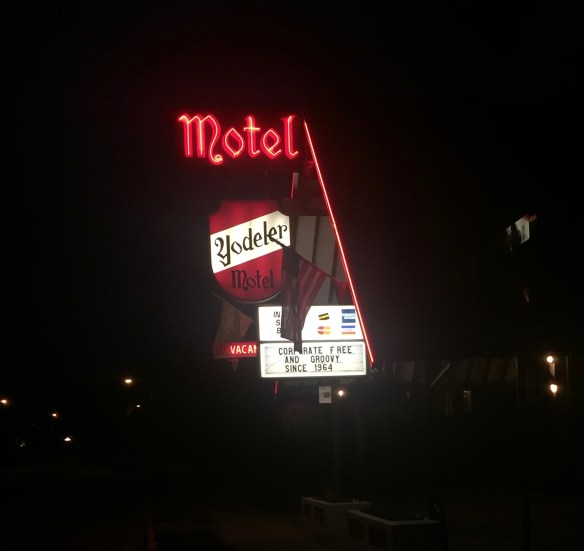

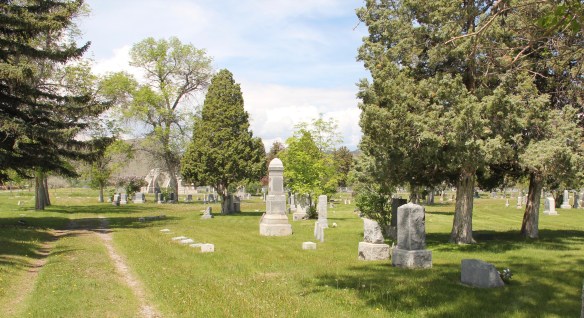 Standing quietly next to Forestvale Cemetery is Helena’s Odd Fellows Cemetery, formed in 1895 when several local lodges banded together to create a cemetery for its members. Most visitors to Forestvale probably think of this cemetery as just an extension of Forestvale but it is very much its own place, with ornamental plantings and an understated arc-plan to its arrangement of graves.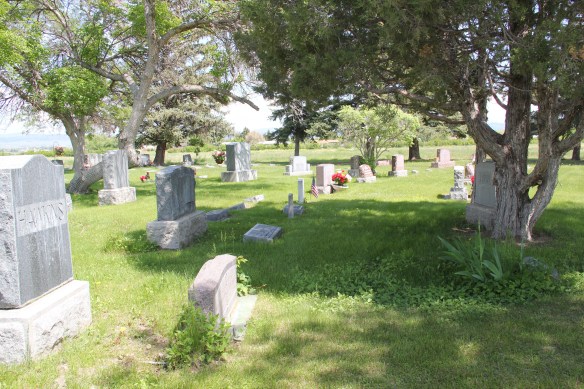
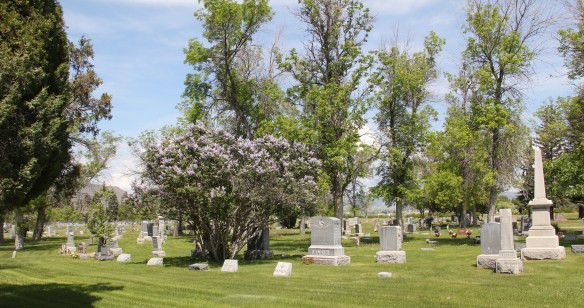
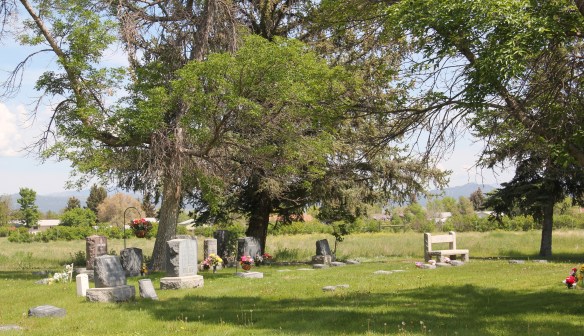 Compared to Forestvale, there are only a handful of aesthetically imposing grave markers, although I found the sole piece of cemetery furniture, the stone bench above, to be a compelling reminder of the reflective and commemorative purpose of the cemetery.
 One large stone monument, erected in the 1927 by the Rebekah lodges (for female members) of the town, marks the burial lot for IOOF members who died in Helena’s Odd Fellows Home, a building that is not extant. The memorial is a reminder of the types of social services that fraternal lodges provided their members, and how fraternal lodges shaped so much of Helena’s social and civic life in the late 19th and early twentieth century. Helena’s Odd Fellows Cemetery is a significant yet overlooked contributor to the town’s and county’s historic built environment.




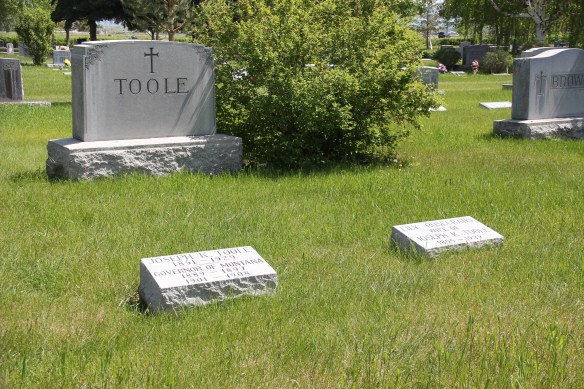
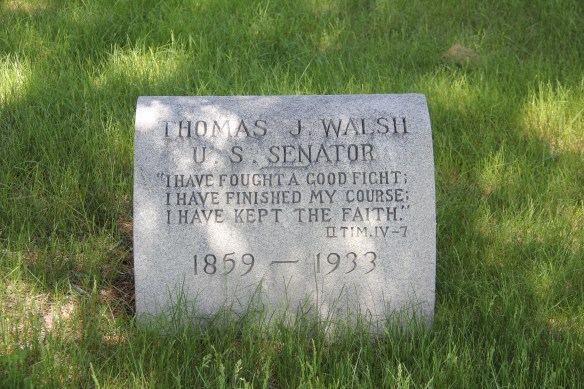
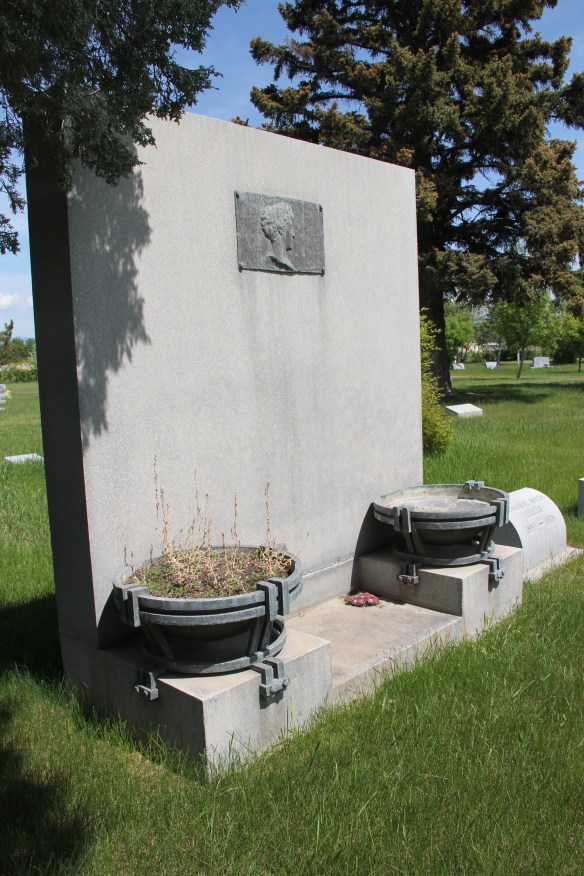
 Another compelling marker with statuary is that of another young woman rendered in marble, a memorial to James and Catherine Ryan.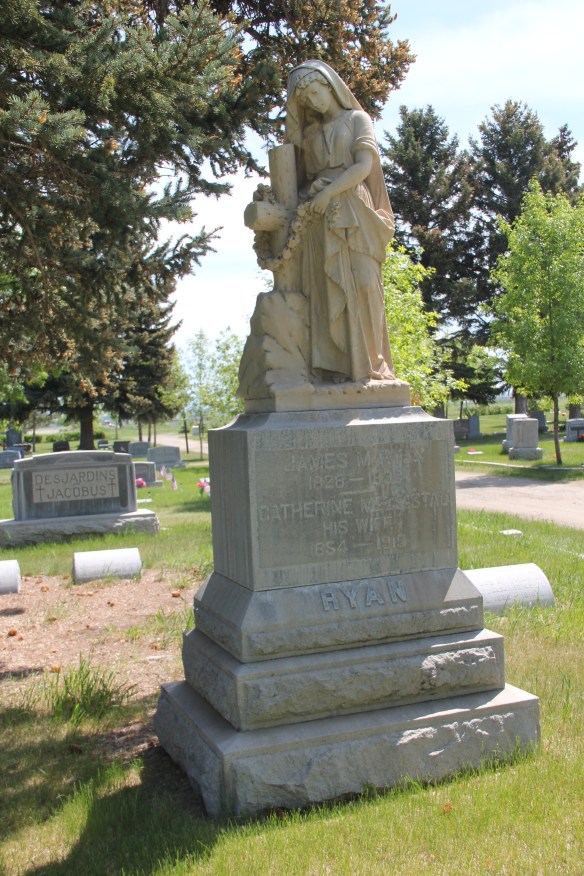


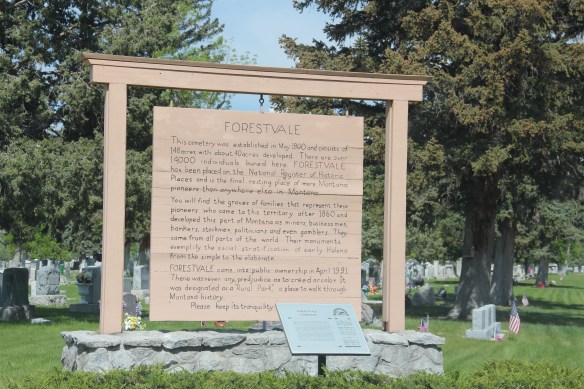
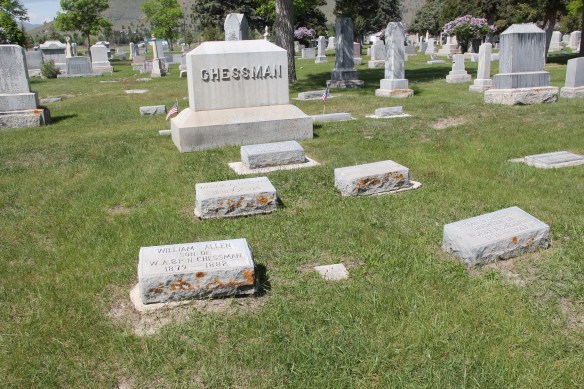


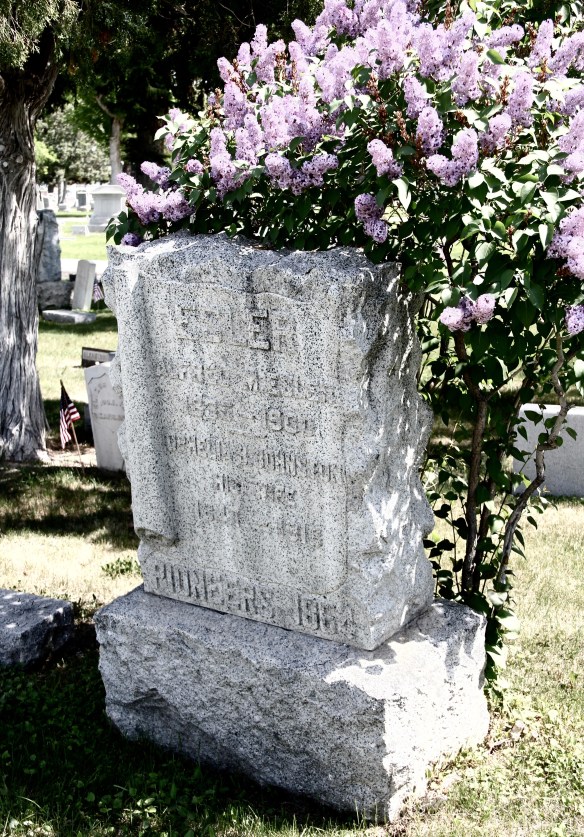

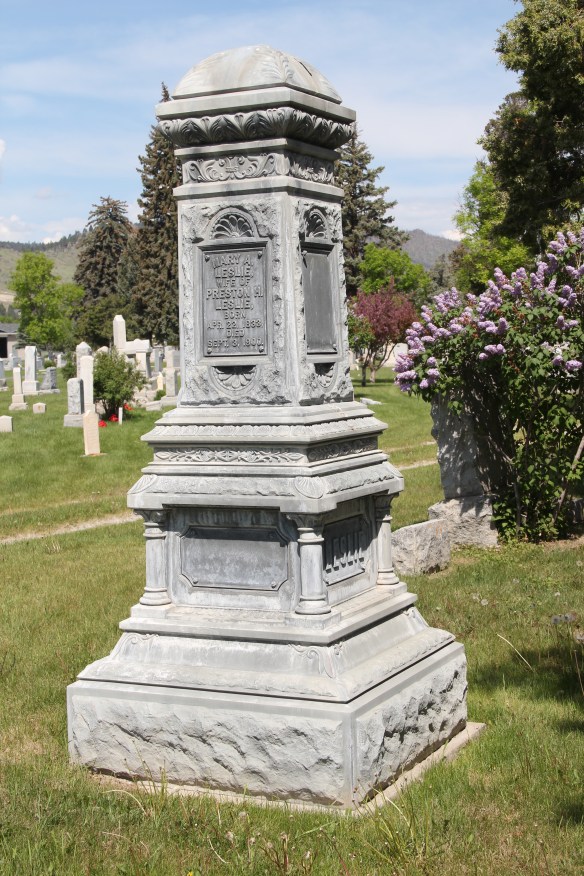


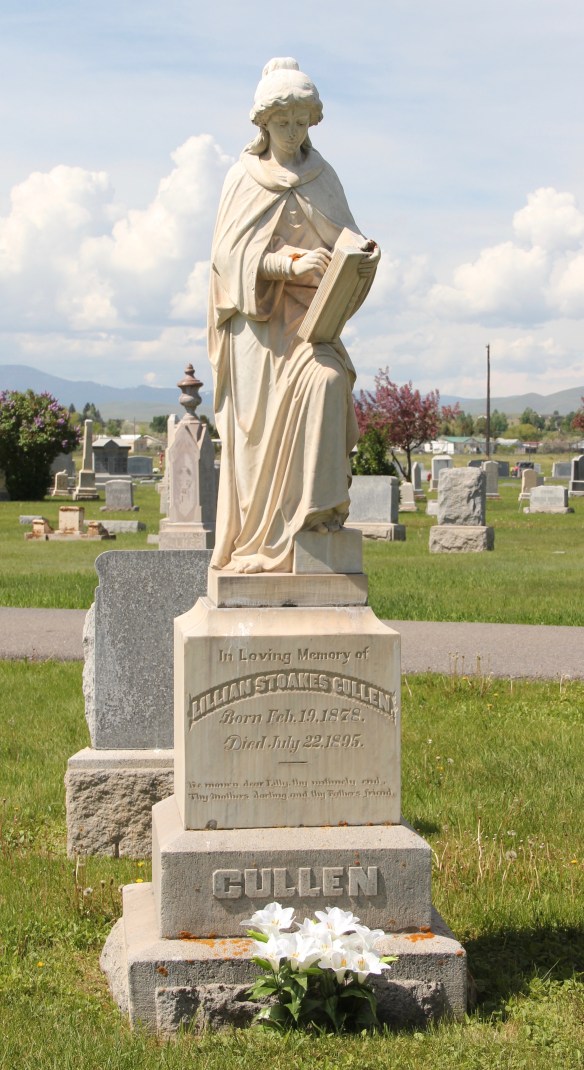


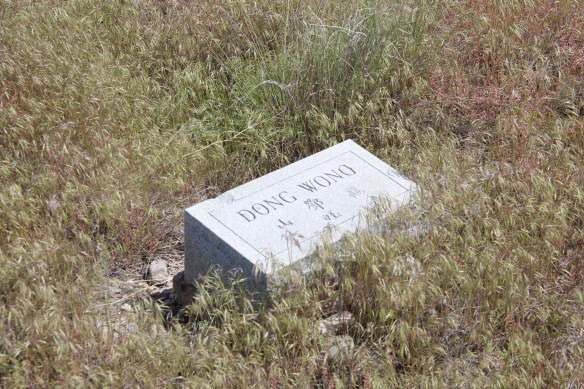


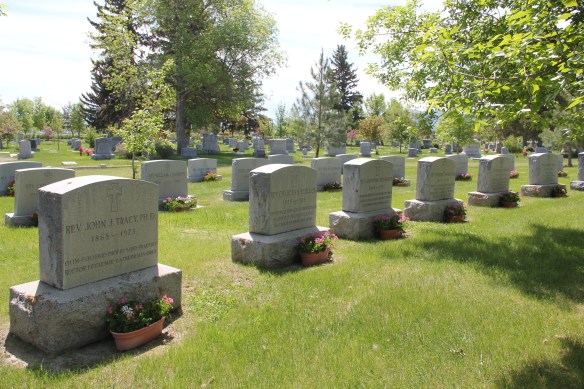
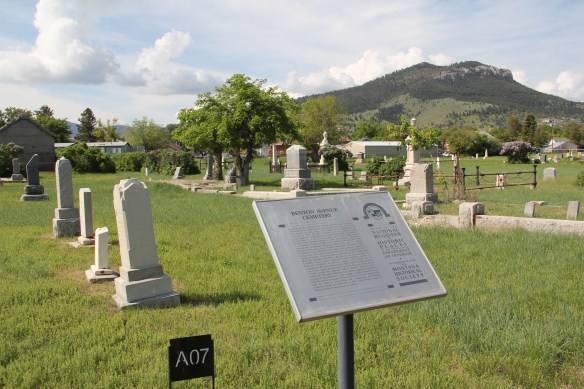 But my visit on Memorial Day 2018 left me with the feeling that the cemetery is an under-appreciated historic property. There are no signs of true neglect, but it was so quiet on Memorial Day that I did think the place had become an almost forgotten historic asset–an afterthought in today’s busy world. I hope not–because this cemetery has many jewels to explore and appreciate. Perhaps the most striking–certainly most rare to see–are the cast iron baskets–or bassinets, see below, that surround two children’s graves.
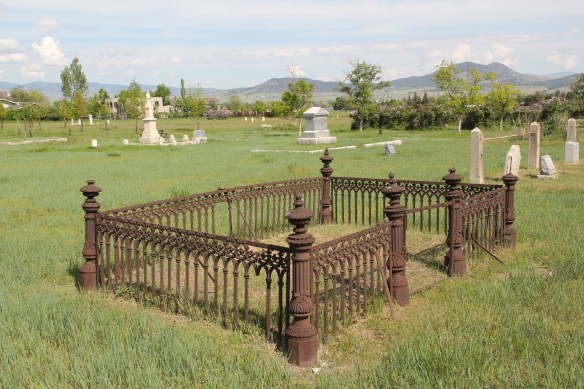
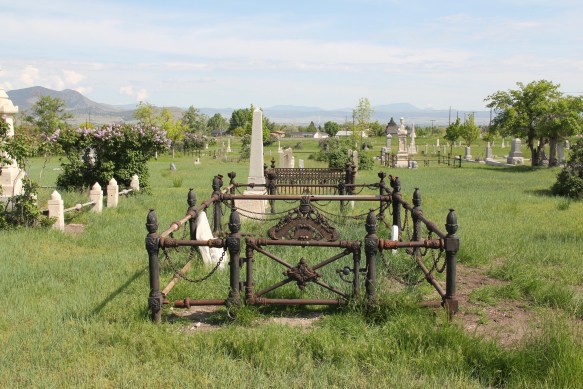 plots–certainly the ironwork was a status symbol in the late 19th century and there is no one statement. Families adorned their graves with fences much as they surrounded their houses in the nearby neighborhoods.
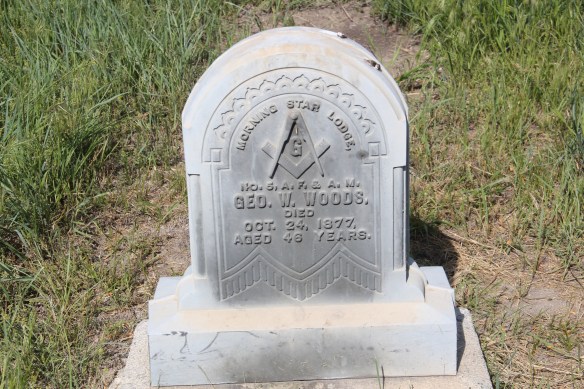
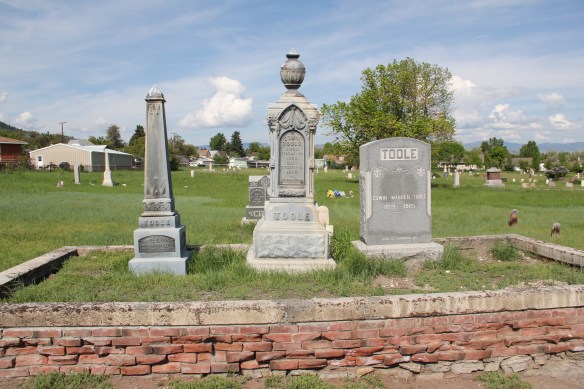


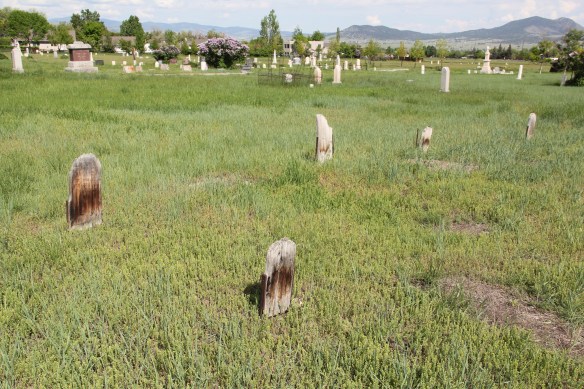
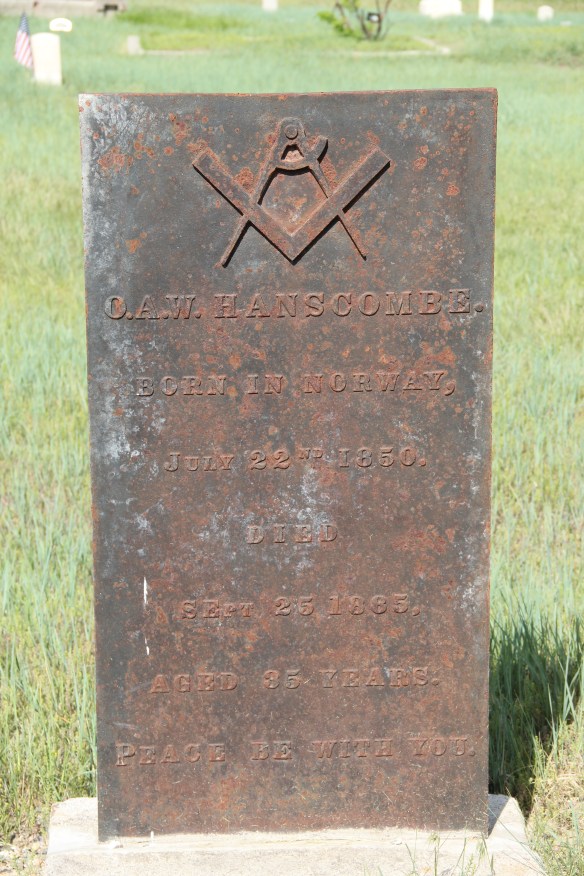 Benton Avenue Cemetery is worth a new consideration for its many different forms, materials, and designs. When I lived in Helena some thirty-five years ago, I gave it scant attention–it deserves so much more.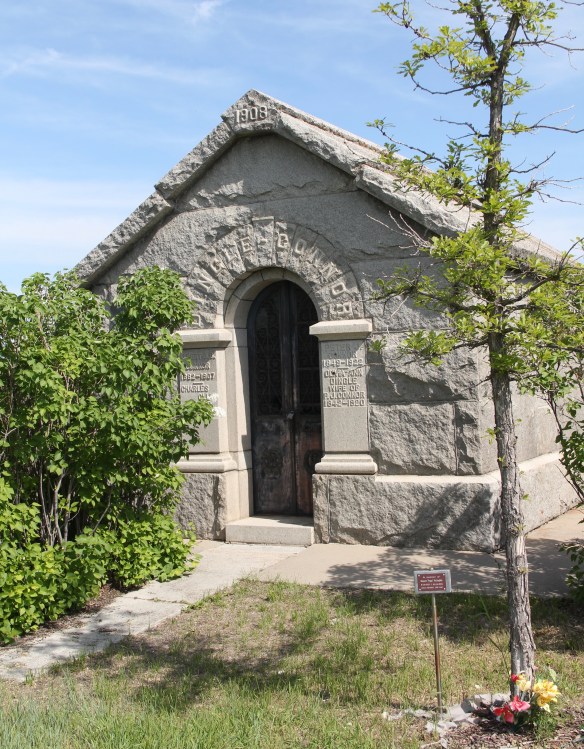

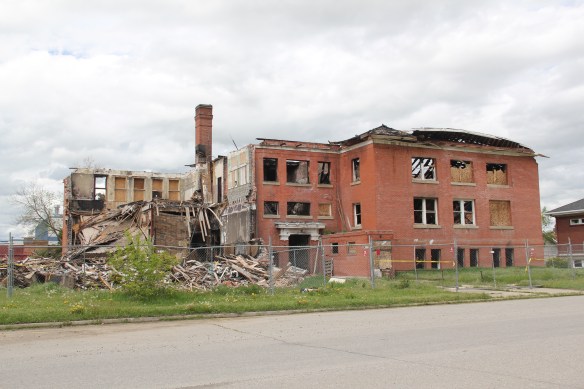 Then in October 2017, someone set a fire that almost totally destroyed the school building. When I pulled into Big Timber the following May, I expected to see a parking lot or at least an empty lot (the local Episcopal Church had purchased the property). The damaged building was still there, however, giving me one final chance to take an image, one that now represents dreams dashed, and yet another historic building gone from the Montana landscape.
 Montana's Historic Landscapes