Joplin in Liberty County: A Disappearing Railroad Town

Image

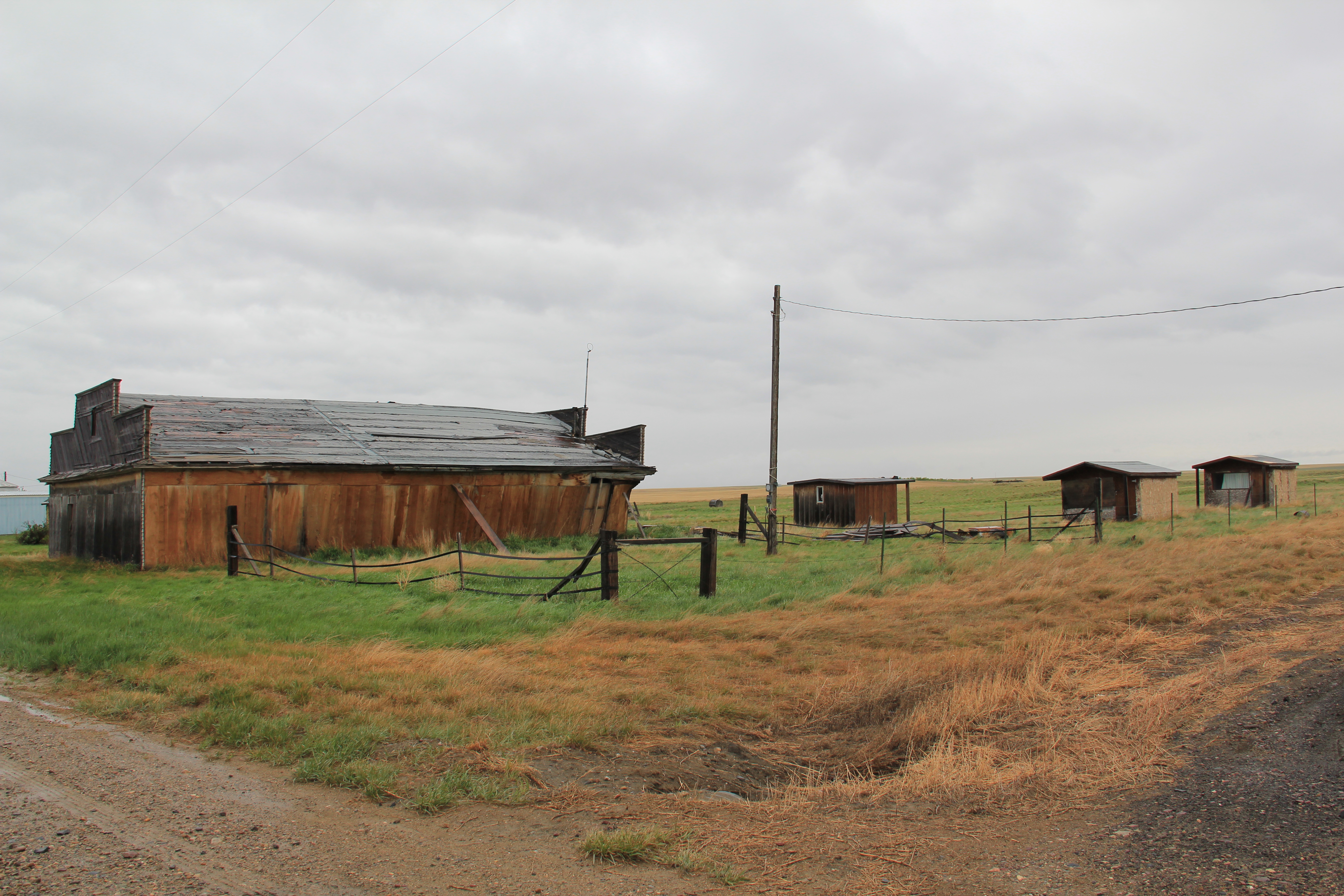
Joplin today has a population hovering around 150, a decline of about 50 since 2000. E. C. Tolley, a real estate locator during the homesteading boom and Joseph E. Rehal, a Syrian-born merchant who made the biggest initial investment, are jointly credited with establishing the town.  In fact, they promoted rival parts of town, which led to uneven and scattered business development.   In a history of Liberty County, Art LaValley recalled: “The Commercial Club was very active in promoting the town of Joplin.  They erected a large, new sign by the railroad crossing, facing the depot so that people getting off the train would see it.  It was a picture of the world and read ‘Biggest Little Town on Earth.’” 

Image

Joplin sign, 1984

 Another contribution of the Commercial Club was the creation of a town square park, complete with bandstand:  the Joplin Community Band was popular throughout the region, until it disbanded in 1937.  Two years later in 1939, famous be-bop jazz artist, saxophonist Charles McPherson was born in Joplin.

Image


 Like most of the Great Northern towns of the decade, Joplin began well as homesteaders came quickly.  By 1913, O.C. Boggs of Joplin wrote a testimonial for his huge Nicholas-Shepard Oil-Gas Tractor:  “we are pulling six 14-inch Oliver Engine Gang Plows in sod.  Our average work is 15 acres per day of ten hours”  The First State Bank of Joplin opened its doors,along with many other mercantile and professional offices.  In 1916 Jensen Brothers and Layton hardware stores went into partnership to take advantage of the agricultural boom.  The drug company came in 1917. Image
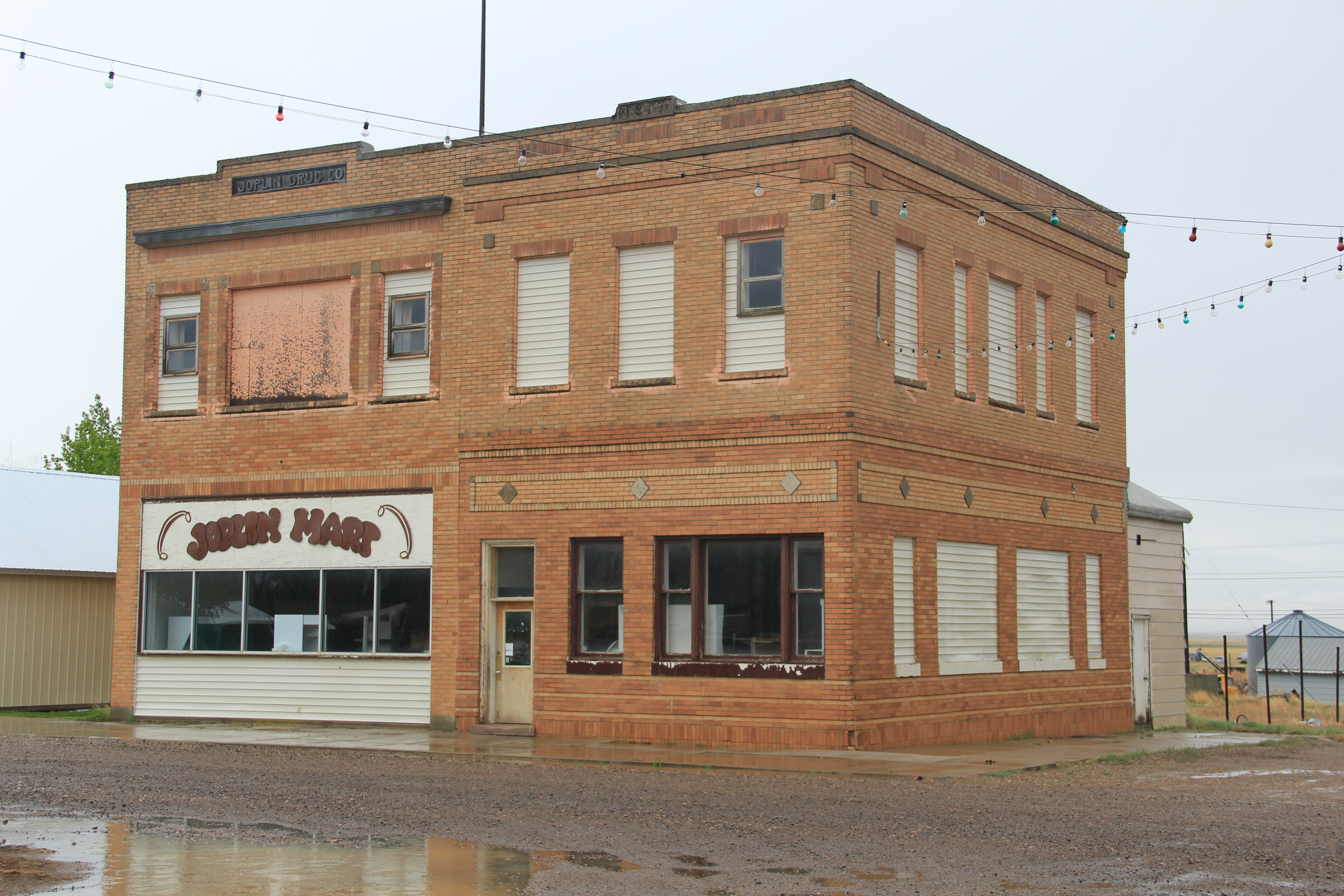
 But drought hit this area hard in the late 1910s. In the 1920s the boom had busted, not just because of the agricultural crash.  There was the matter of the Dempsey heavyweight fight in Shelby in 1923.  Losses there impacted the local bank, which closed in 1923 just days after the fight.  The New Deal brought new hope in the mid-1930s when the PWA helped to fund a new brick school and the WPA funded sidewalks.
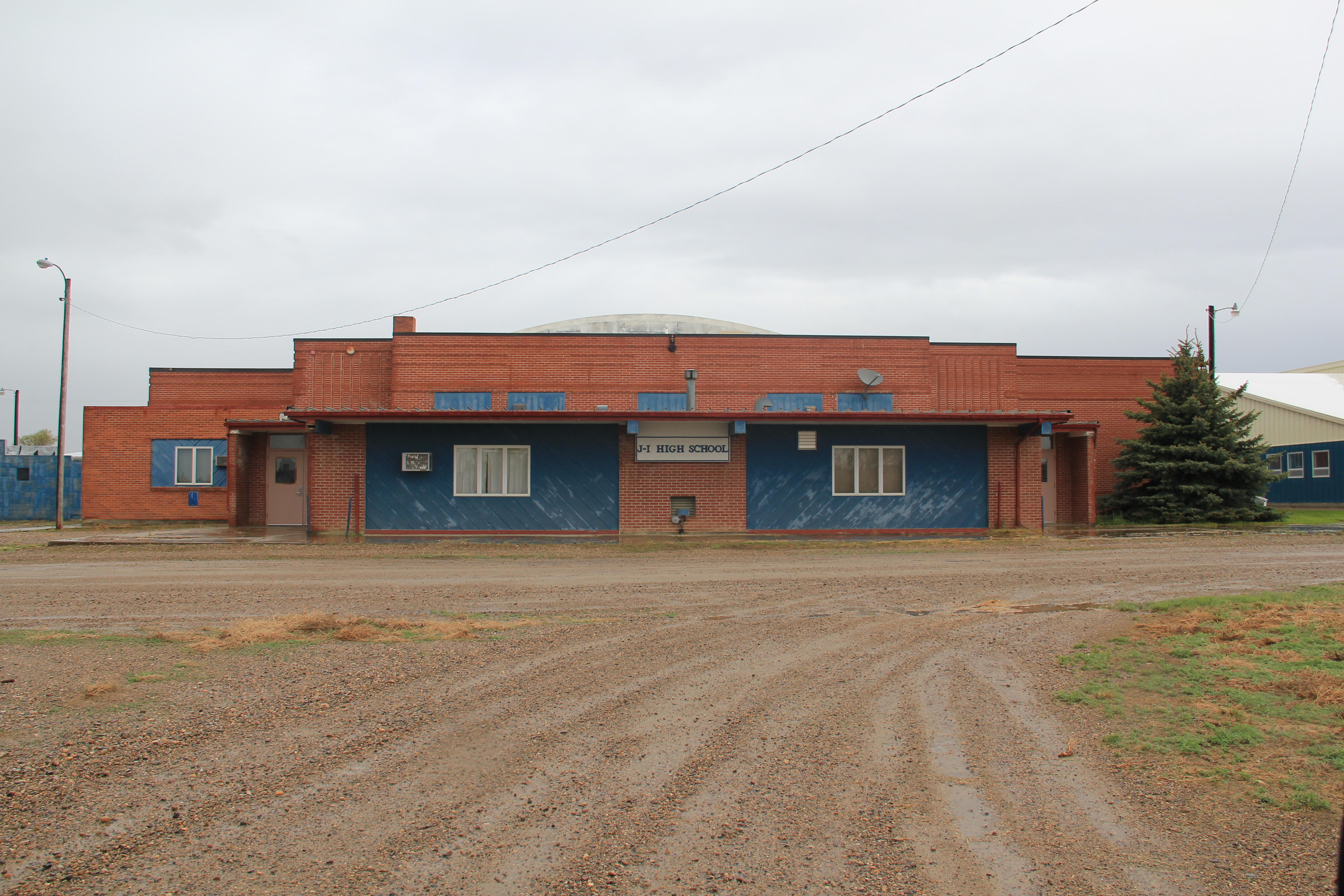
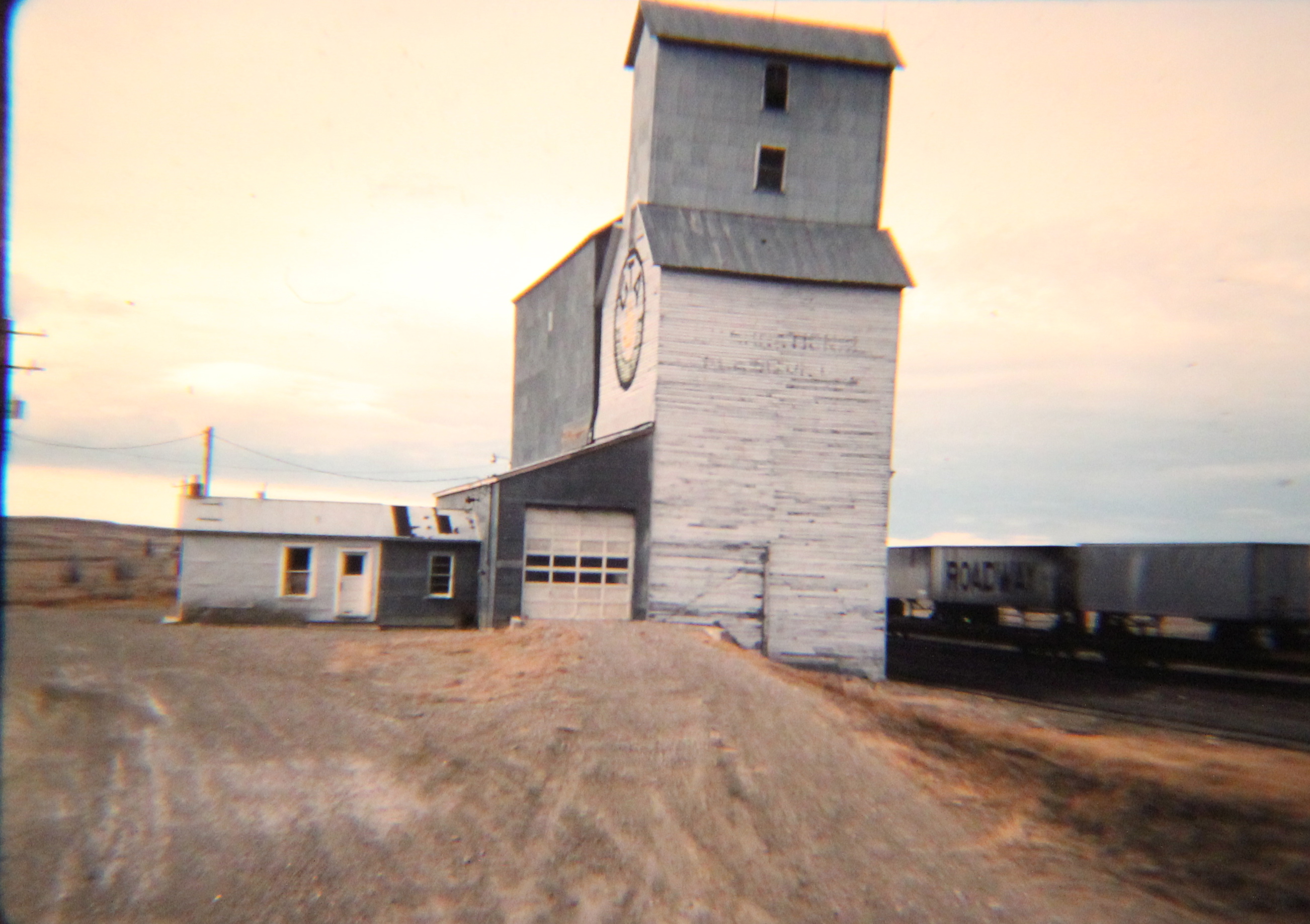
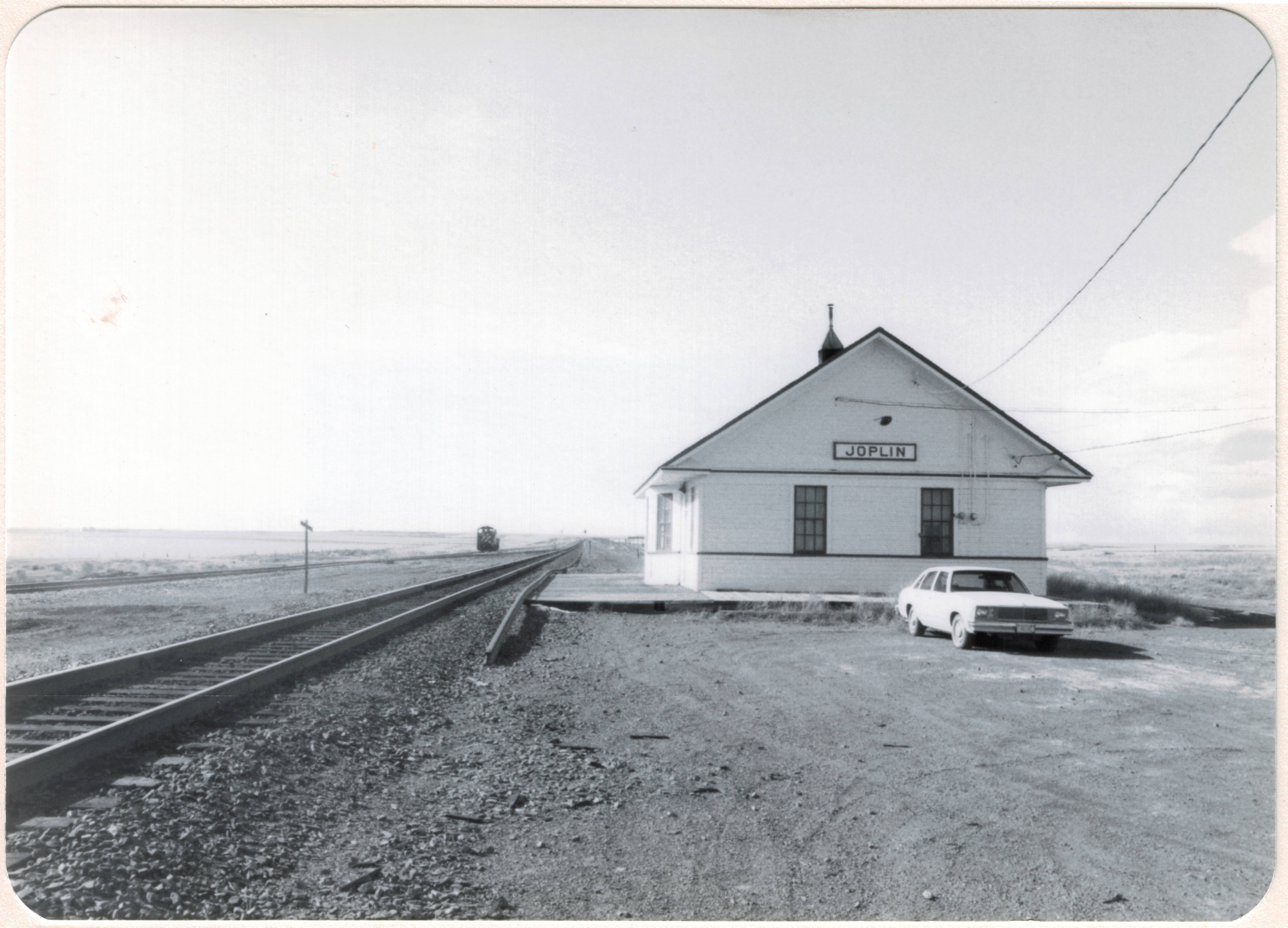
Image I had not been in Joplin since 1984 when I visited in 2013: many landmarks were missing or closed.  The Great Northern depot was gone completely.  Today there is nothing but the tracks and grain elevators Image

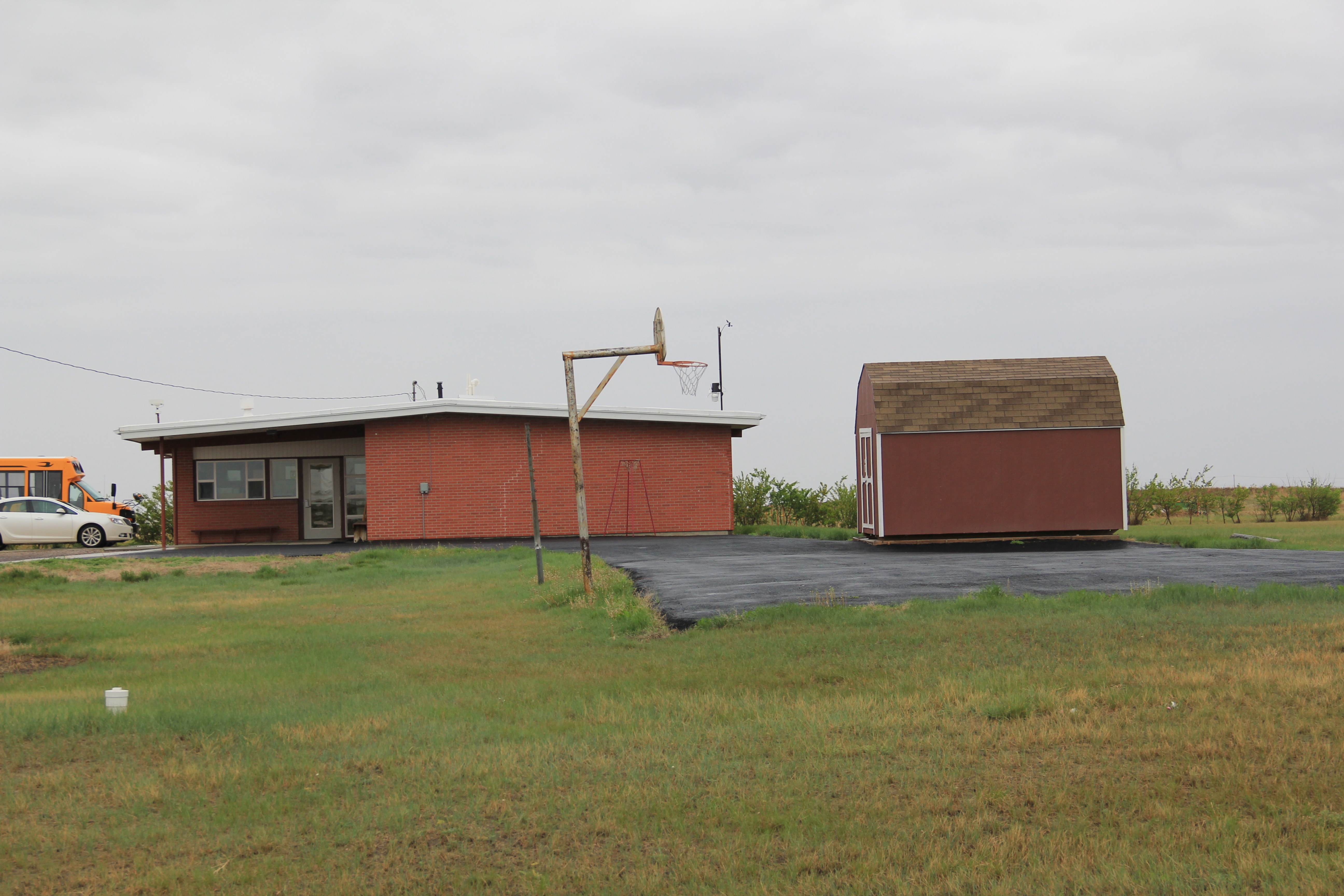
to remind one of the town’s lifeblood. Then the school closed in 2005 and Joplin joined the consolidated school system in Chester.

Image

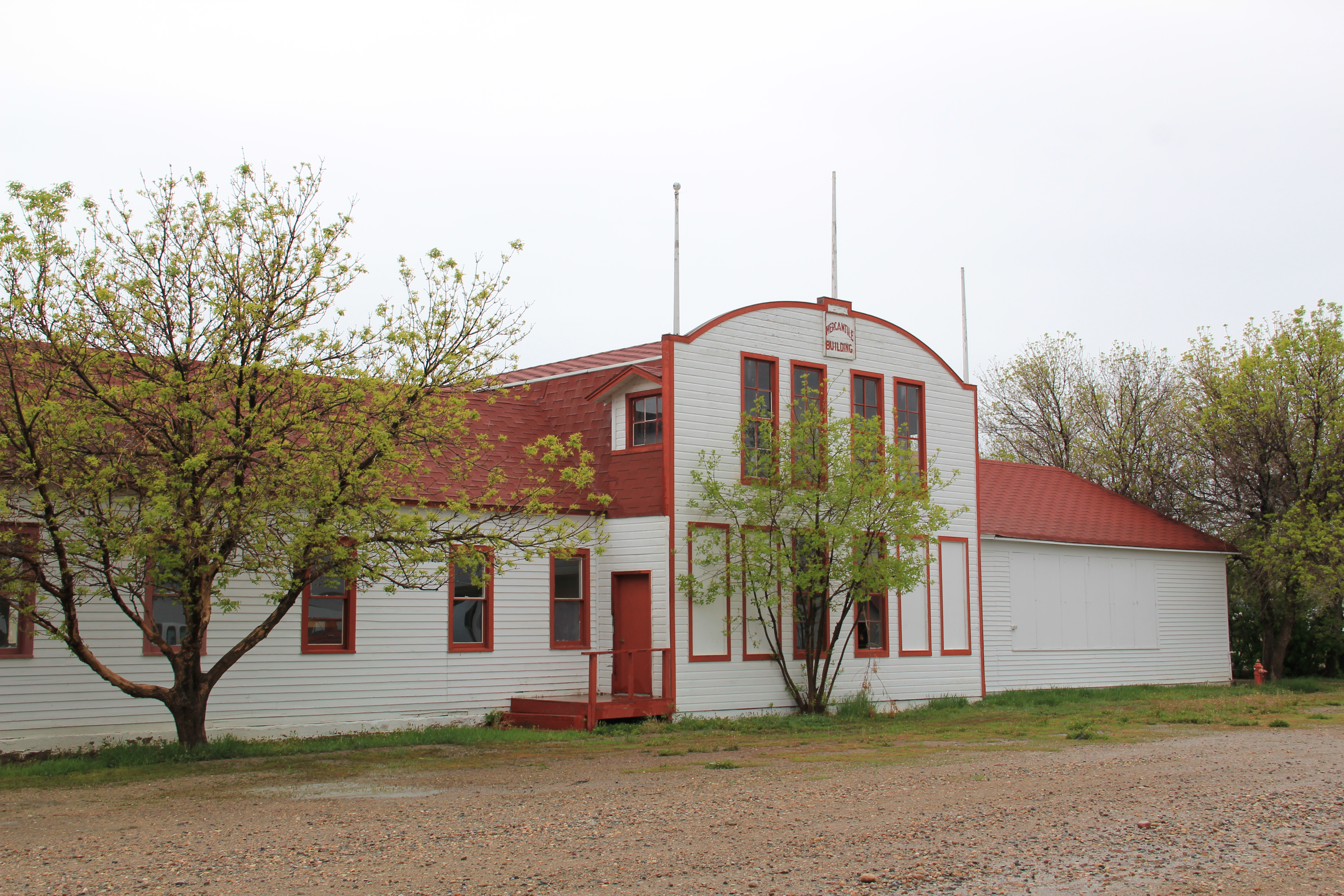
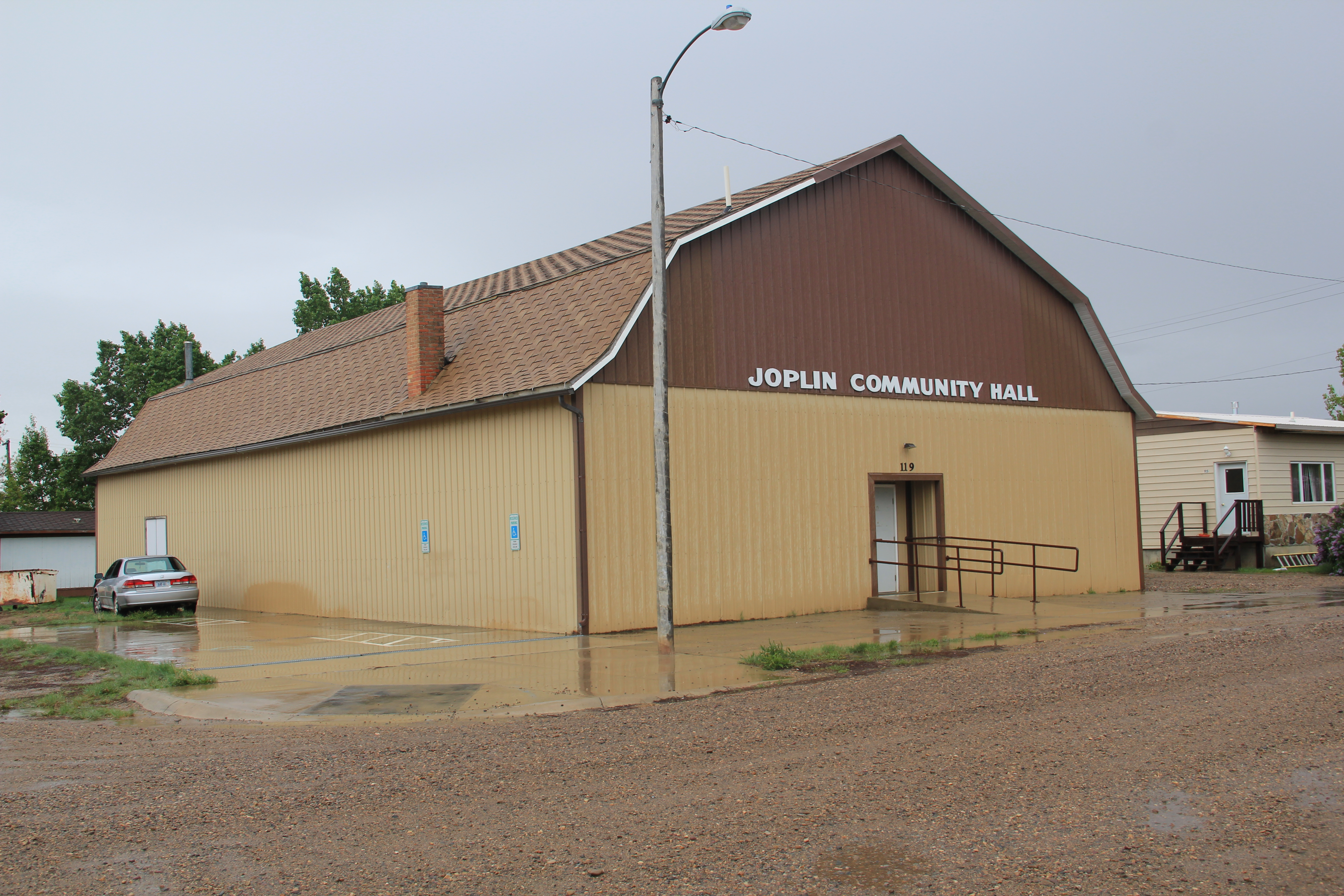
 One key institution from the homesteading era still shapes community life:  the Joplin Community Hall, where everything takes place:  voting, reunions, funerals, parties, concerts, celebrations, especially in mid-June when the town still hosts an antique car show at the  town park.  Both the hall and town park were developed by Joolin’s Commercial Club–a forerunner to a Chamber of Commerce–in the first decade of settlement. 
Image

It was at the community hall in 2011, that a large crowd gathered to convince federal officials to let them keep another community institutions: the Joplin post office.

Image

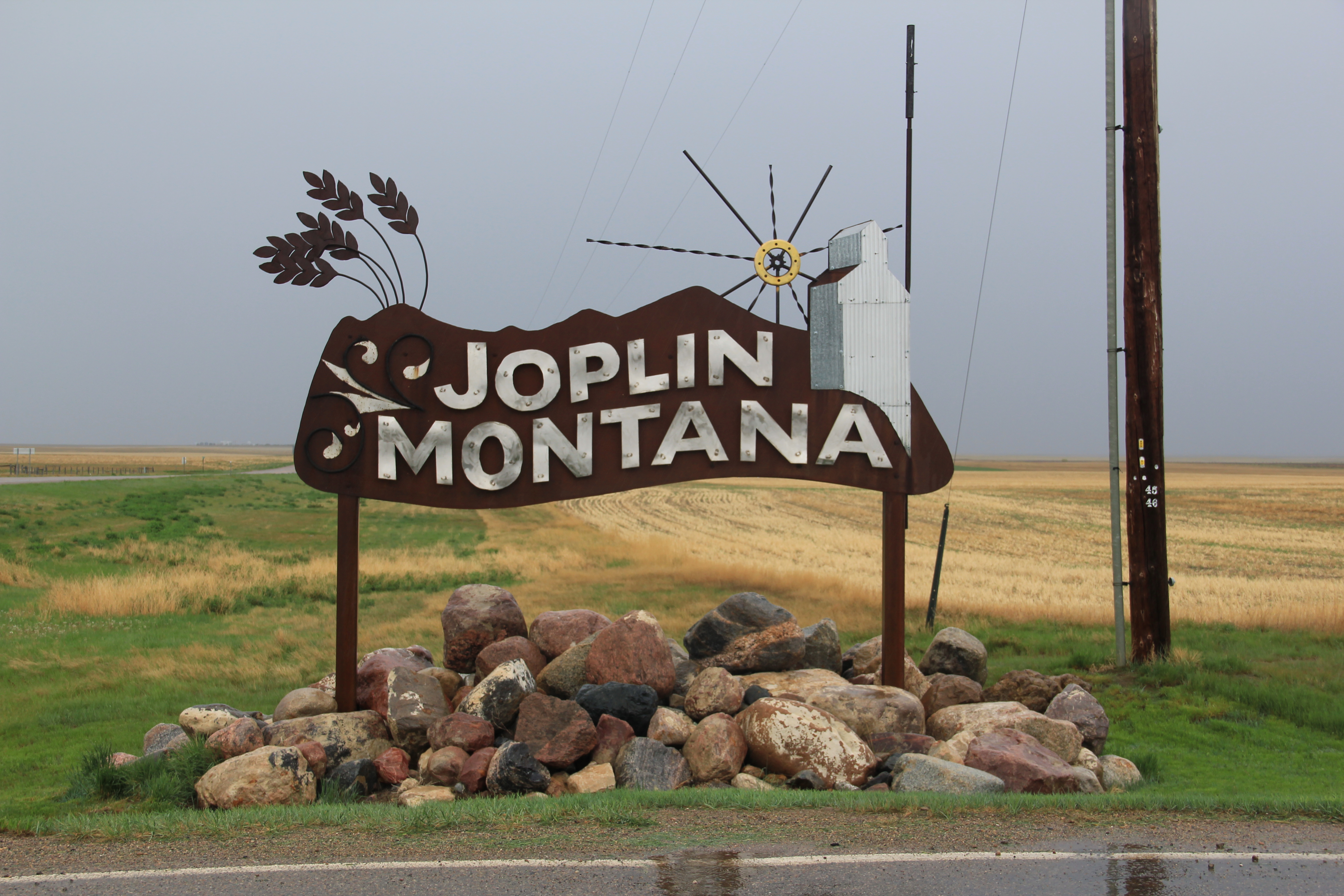
 Today along U.S. Highway 2, a bright, shining streamlined moderne town sign has replaced the earlier littlest big town in the world–which remains in the town center, away from the highway as if residents keep the motto to heart but no longer share it with every traveler on the road. 
Image


Image

In 2010 Larry Olson told the Great Falls Tribune that he had “seen a lot of changes in his 72 years living in Joplin. ‘When I was growing up, it was so different,” he said. “Nowadays, everything is closed up. You’ve got a [Lutheran] church and a bar — that’s it.’”
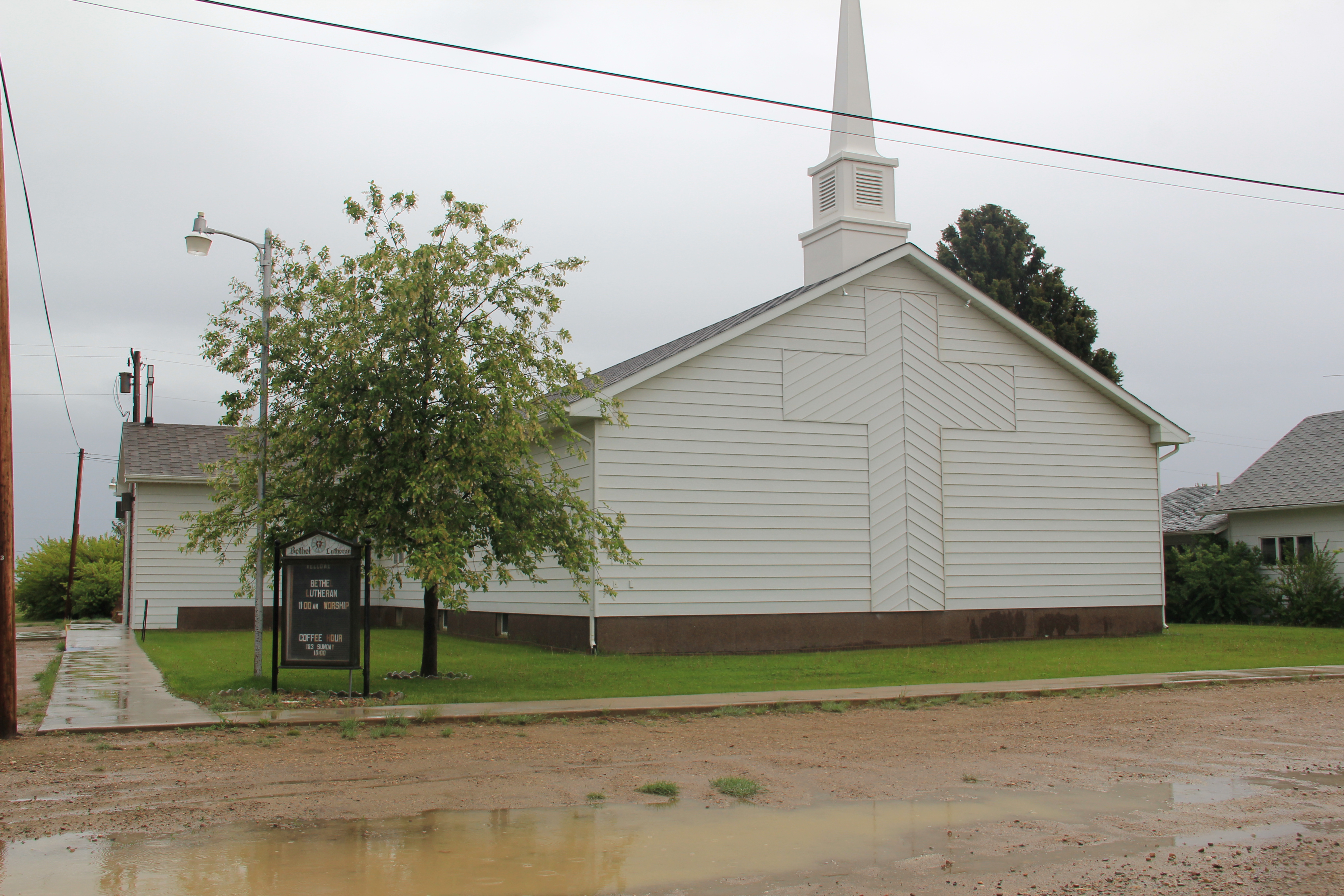
Image Image

Toole County, 1984 and Now: to the east along U.S. Highway 2

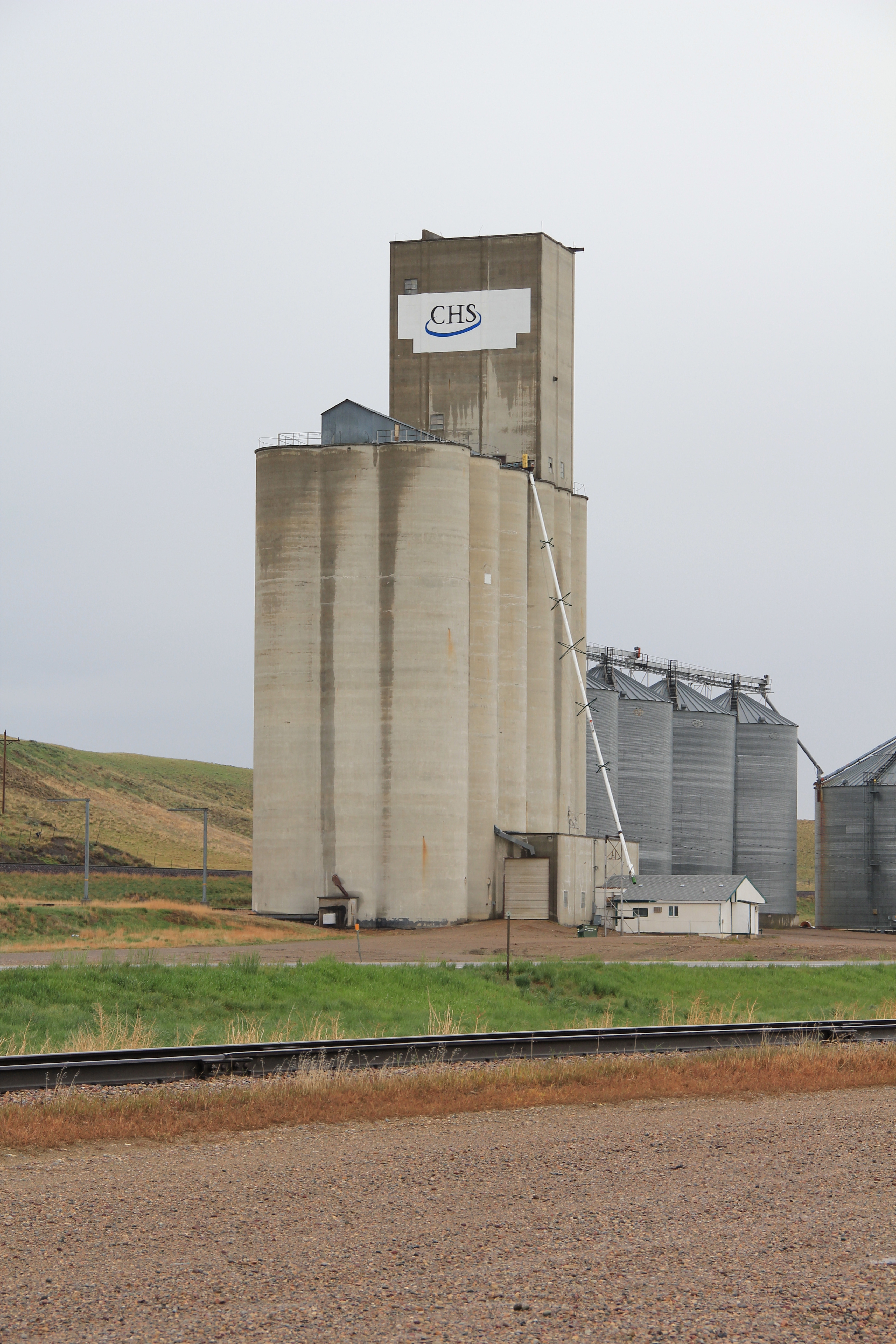
As soon as you move east of the historic Shelby visitor center on U.S. 2, you encounter the landmarks that physically mark the region’s agricultural character.  On the north side of the highway, immediately adjacent to the tracks are complexes of grain elevators. Here at Shelby there is a tall concrete group of elevators run by CHS–the appearance of concrete elevators always mark a town that has experienced economic growth in the second half of the twentieth century.  Many of the smaller Hi-Line towns have the classic frame elevators of the homesteading era.  Grain elevators thus become a physical barometer of a place’s economic prosperity and development.

Image Image

On the south side of the highway in Shelby is the second crucial agricultural institution, the county fairgrounds and rodeo arena.  Livestock is not only important to the economy but maybe even more important to the culture of the region.  The Marias 4 County Fair, held the third week of July, is a regional gathering of no equal.  Thousands attend, and they do so at a fairgrounds with an impressive collection of historic buildings.

Image Image

Image

In 1984, I noted this east side of Shelby as I left the town, but my eyes and camera were focused on the small railroad towns that I would next encounter, along with two important historic sites I wanted to document.

Image

Whoop-Up Trail site, U.S. 2, 1984 

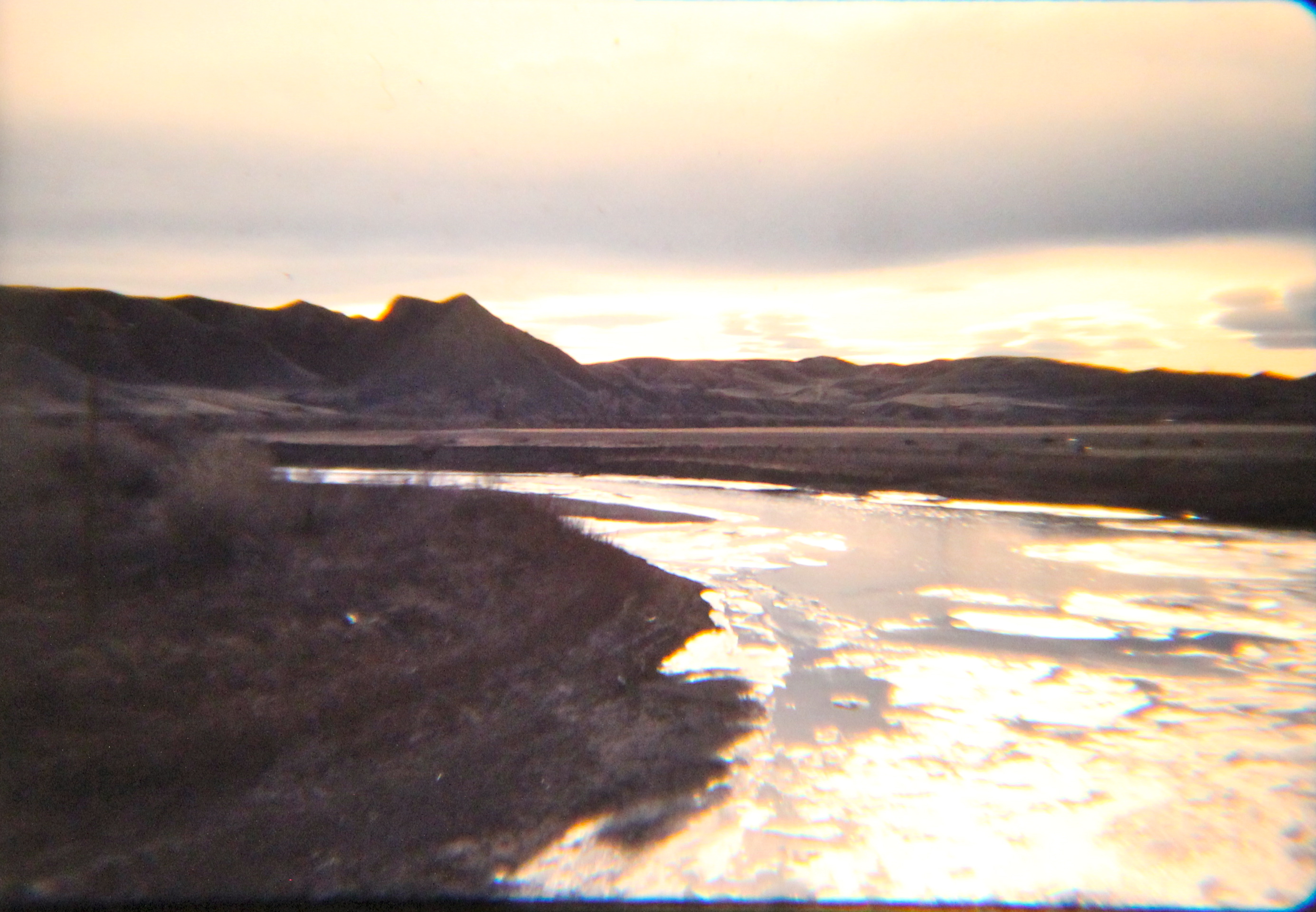
The first was the Whoop-Up Trail remnant, a site first documented by state archaeologists in 1968 and among the handful of historic properties then identified in Toole County (another section of the trail near Kevin is listed in the National Register).  In 1984 the location along the highway was well marked, with a series of stones marking the trail and encouraging visitors to go to the property edge and look into the Marias landscape where this historic route between Fort Benton and Fort Whoop-Up in Canada once passed.  

 Image In fact to the south of U.S. 2, a county road still crosses the Marias near the old trail crossing:  it was a somber, beautiful place in 1984. In 2013, the Whoop-Up Trail site is still maintained, put the line of stones to mark the path has either been taken up or covered by growth.  

 Image

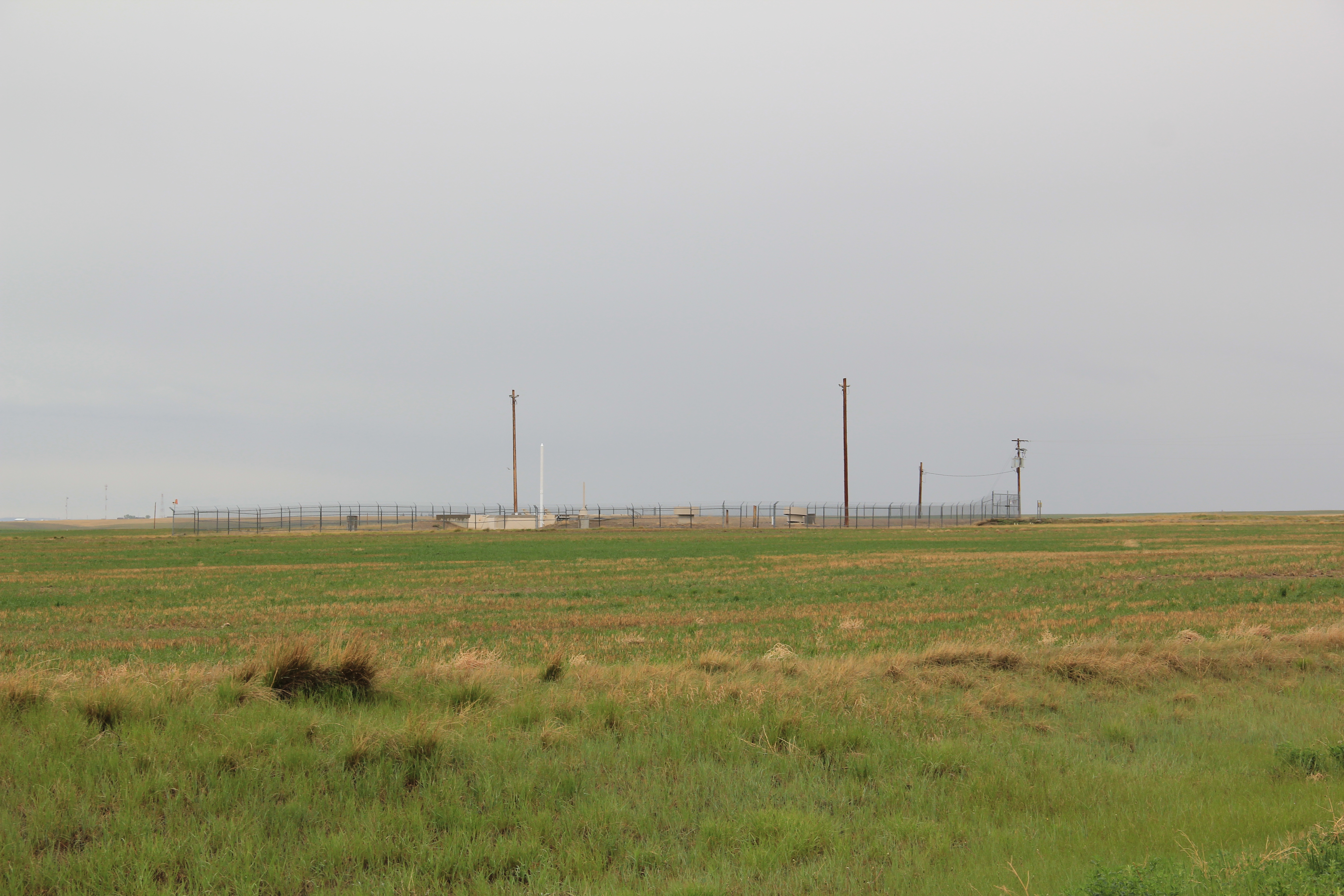
Across the highway remains another key landmark of the Hi-Line and Central Montana region:  a nuclear missile silo. These military bases are everywhere it seems, and sometimes in the most unlikely places.  By 1984 I had become somewhat accustomed to their presence–coming from the South I had no idea of the role Montana played in our nation’s defense.  

 Image

But the missile silo was a surprise:  what I really was seeking was something on the Marias River–or Baker–Massacre, one of the most horrific events of Montana’s early territorial period.  The site is east of Shelby and south of U.S. 2 on private ranch land–and the family has been excellent stewards of this place.  No need for me to tred on such sacred ground, but there is a need to intepret that story, and to tell visitors and residents that here in this seemingly peaceful beautiful countryside a group of territorial citizens murdered Blackfeet women, children, and elderly in some sort of mindless bloody search for revenge.  That story wasn’t told in 1984 but a long text marker does so now. It strikes the right message: that the massacre “profoundly impacted the Blackfeet people and is very much alive in tribal memory.”  A small bouquet of flowers at the marker’s base in 2013 testifies to the truth of this simple memorial.

 Image

Dunkirk, the first of a trio of Toole County railroad villages east of Shelby, was too close to Shelby itself to ever maintain its own identity for long.  Its Frontier Bar was long a worthy roadside stop for thirsty travelers.  Outside of the Westermark Grain Corporation elevators, the bar was the only reason to even give Dunkirk a glance.

 Image Image

Devon is a plains country town on the Great Northern Railway that was the first “prairie ghost town” of the 1984 survey.  Numerous false-front frame buildings from the 1910s and 1920s existed in 1984:  30 years later several of these were gone. 

Image


Image

Devon streetscape, 1984


Image

Devon, Montana, 1984

Image

Devon grain elevator, 1984

Yet I must admit that Devon now had more to it than what I recalled from 1984.  Certainly the old brick bank building had been abandoned, and the town community hall appeared shuttered, but the contemporary-styled Devon Lutheran Church spoke to persistence, even after decades of economic change. The grain elevators that were prominent in 1984 also had persisted, and stood as three sentinels on the plains.

Image Image

 Image


Image

Galata, established in 1901, is another Great Northern Railway stop, with its corridor landscape speaking to its isolation and agricultural dependence.  It is a T-town plan town, where the main street forms the stem of the T while the railroad tracks form the top of the T.Image

 In the latter half of the 20th century, Galata had actually reached beyond its T-town plan and out to the highway.  Its Motel Galata is a classic piece of roadside architecture, and its huge highway sign of a Montana frontiersman with cowboy hat waving his car keys beckoning travelers to stop.

 Image

Galata also has kept its post office–a classic 1960s standardized design.  But the real key is the strength of its community institutions, churches, American Legion lodge hall, and especially the

Image Image

school.  The school campus contains two eras:  the classic frame country school of the homesteading era, with additions, and then the more ranch-styled flat roof school building common in American suburbs in the 1950s and 1960s.

 Image Image

As discussed earlier in this blog, Hi-Line residents also make their presence known by signs, even if they are a little worn or emblematic of the loss of other community buildings.  Galata is no exception.

Image

Image