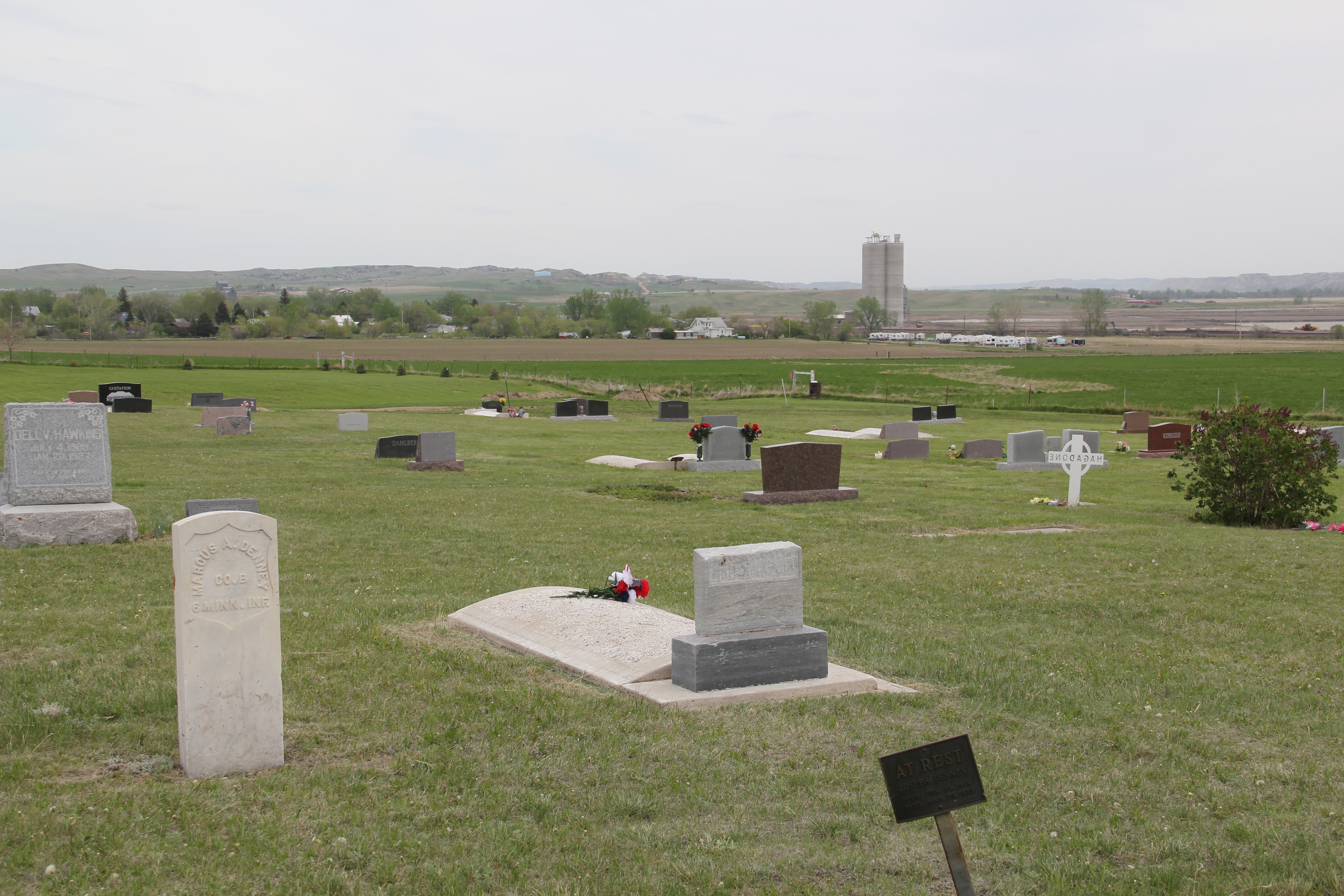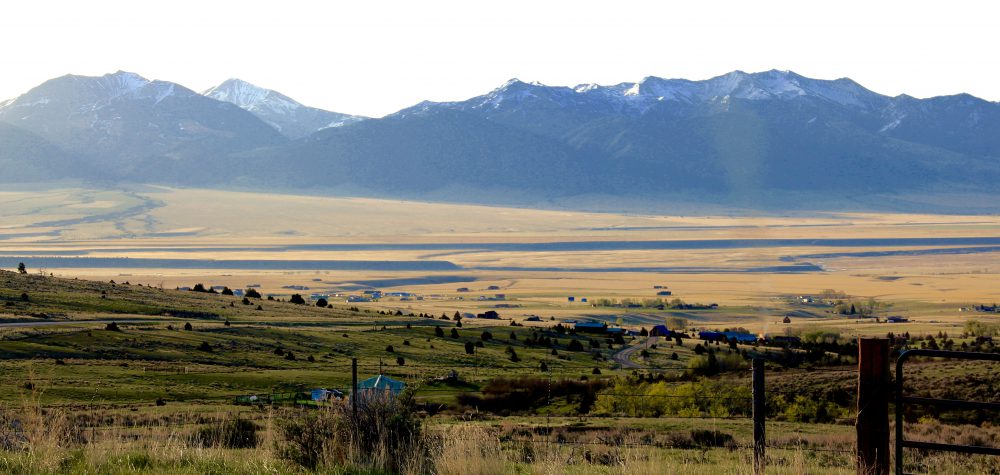
Bozeman’s Sunset Hills Cemetery

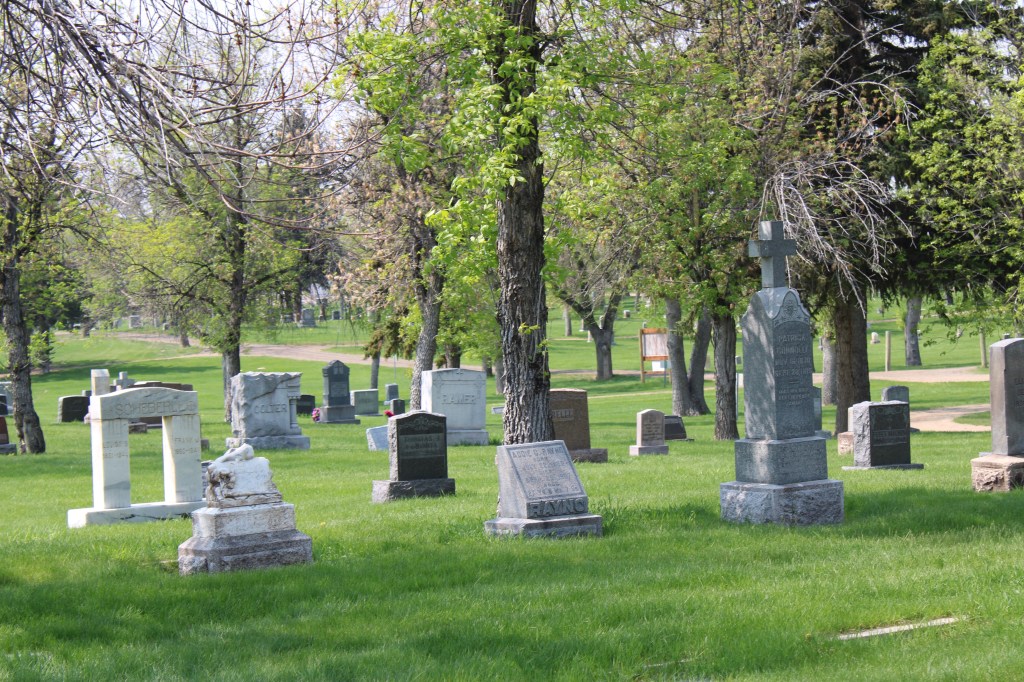
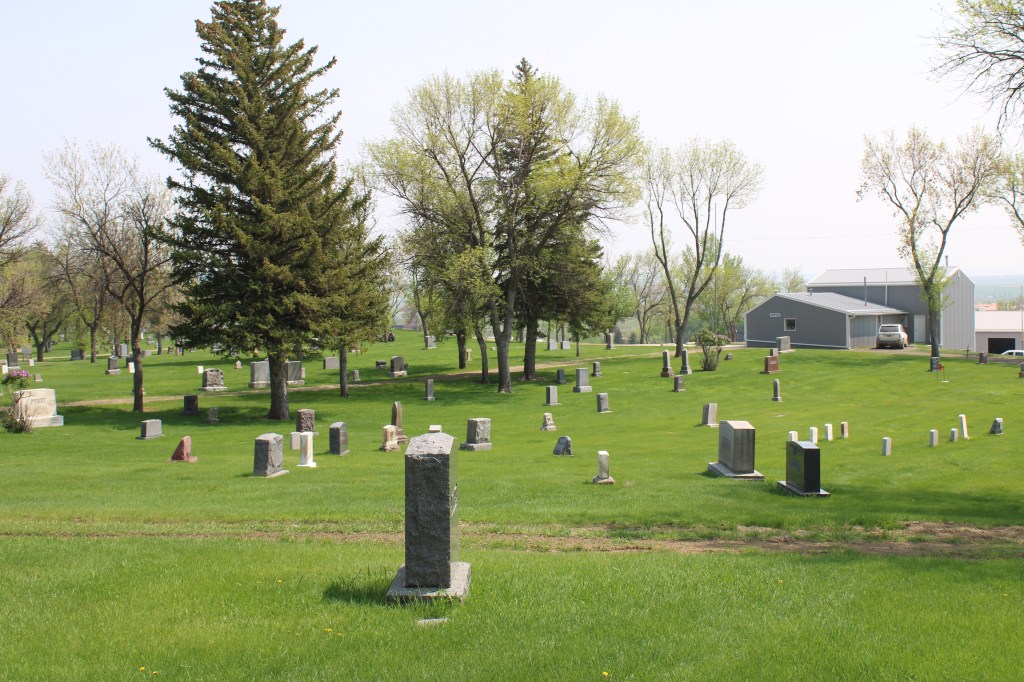
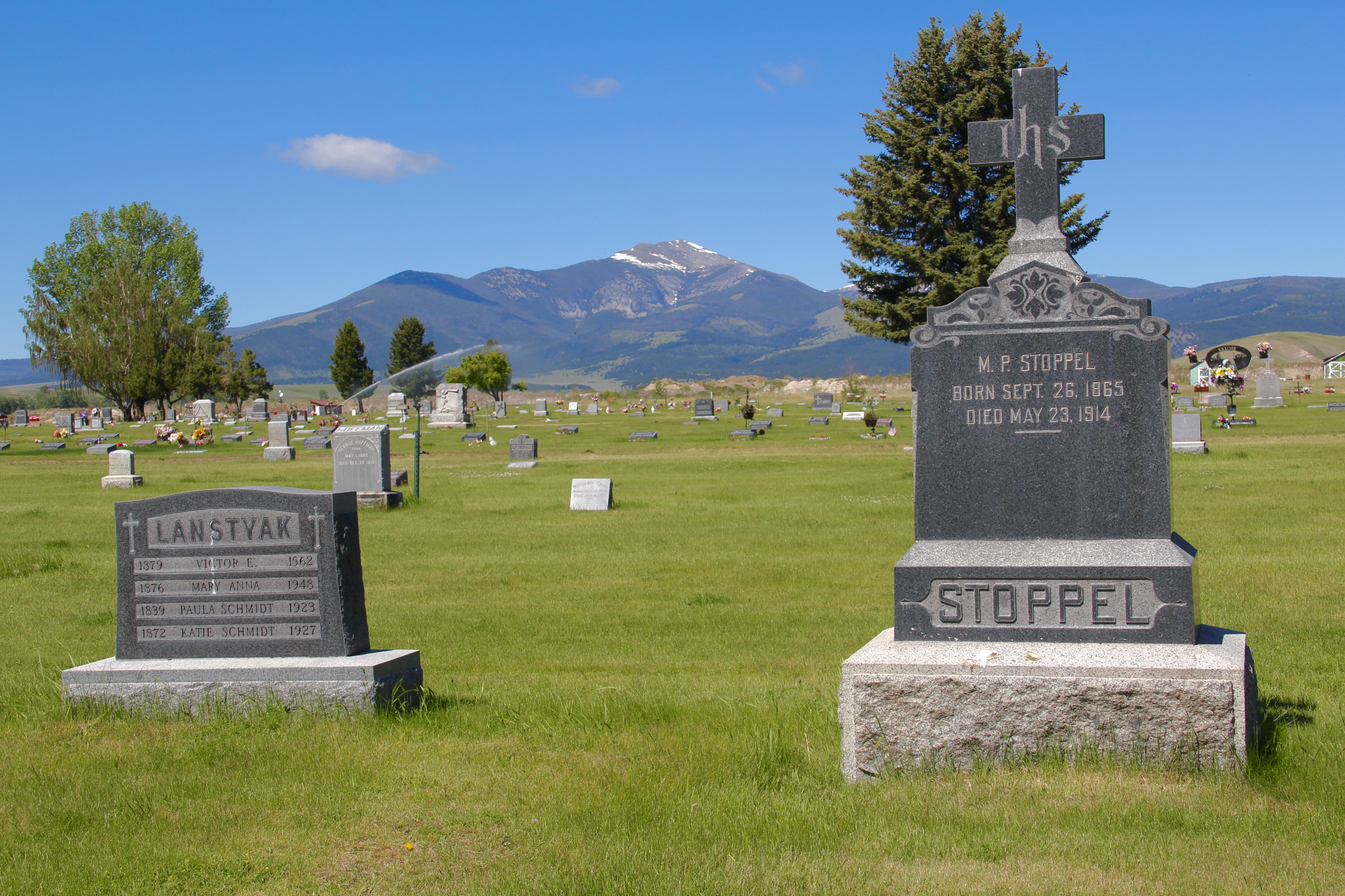
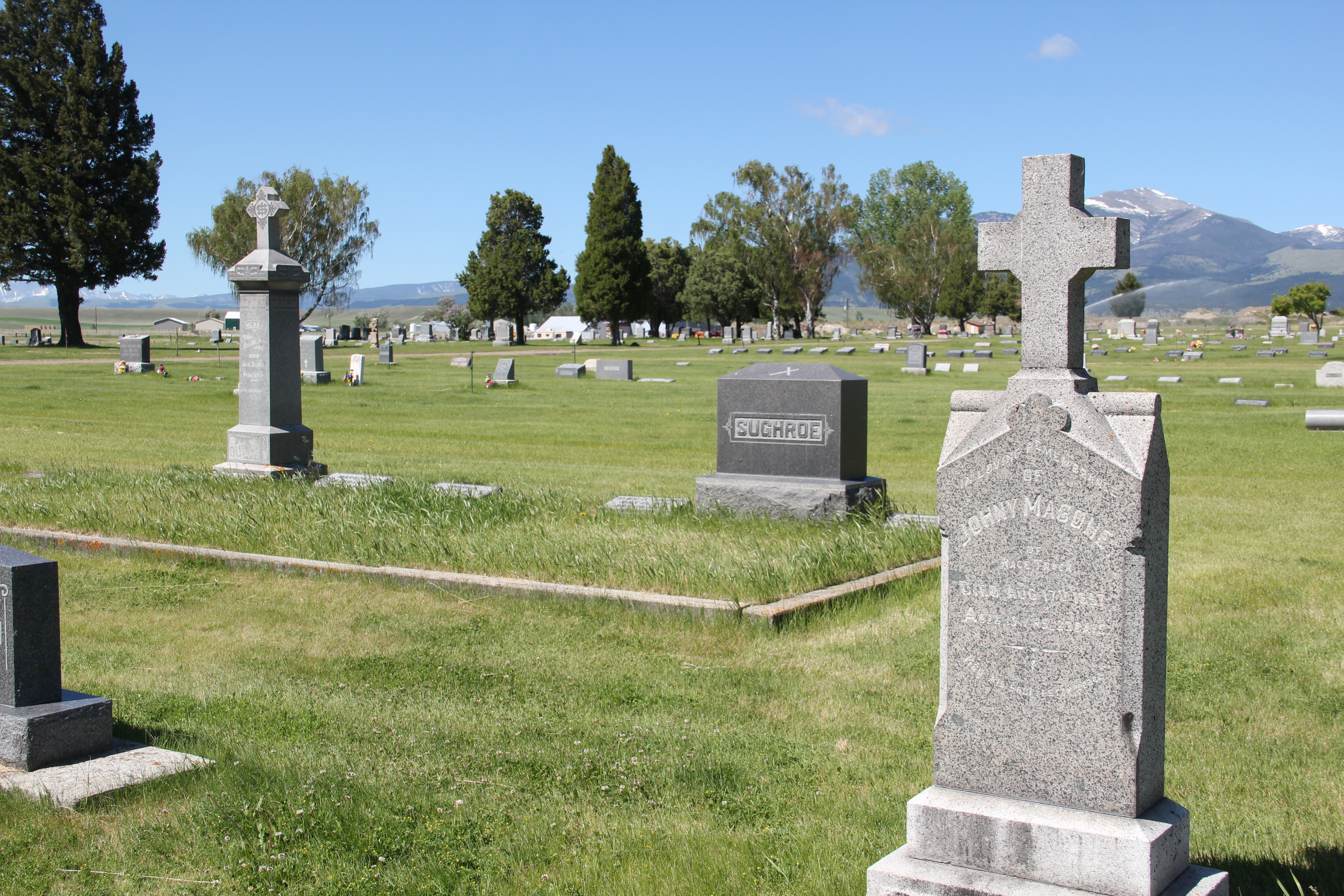
Recently there has been much needed discussion in the historic preservation field on the necessity of focusing of the many types of citizens and residents who created and sustained our historic landscape. Don’t be so building focused; think about place. Nestled behind an attractive public playground on Main Street, not far from the ultra-modern Bozeman Public Library, is such a place: Sunset Hills Cemetery. It is an absolutely compelling place to walk along its many rows and curvilinear driveways to find the stories of Bozeman, written in stone, concrete, and metal.

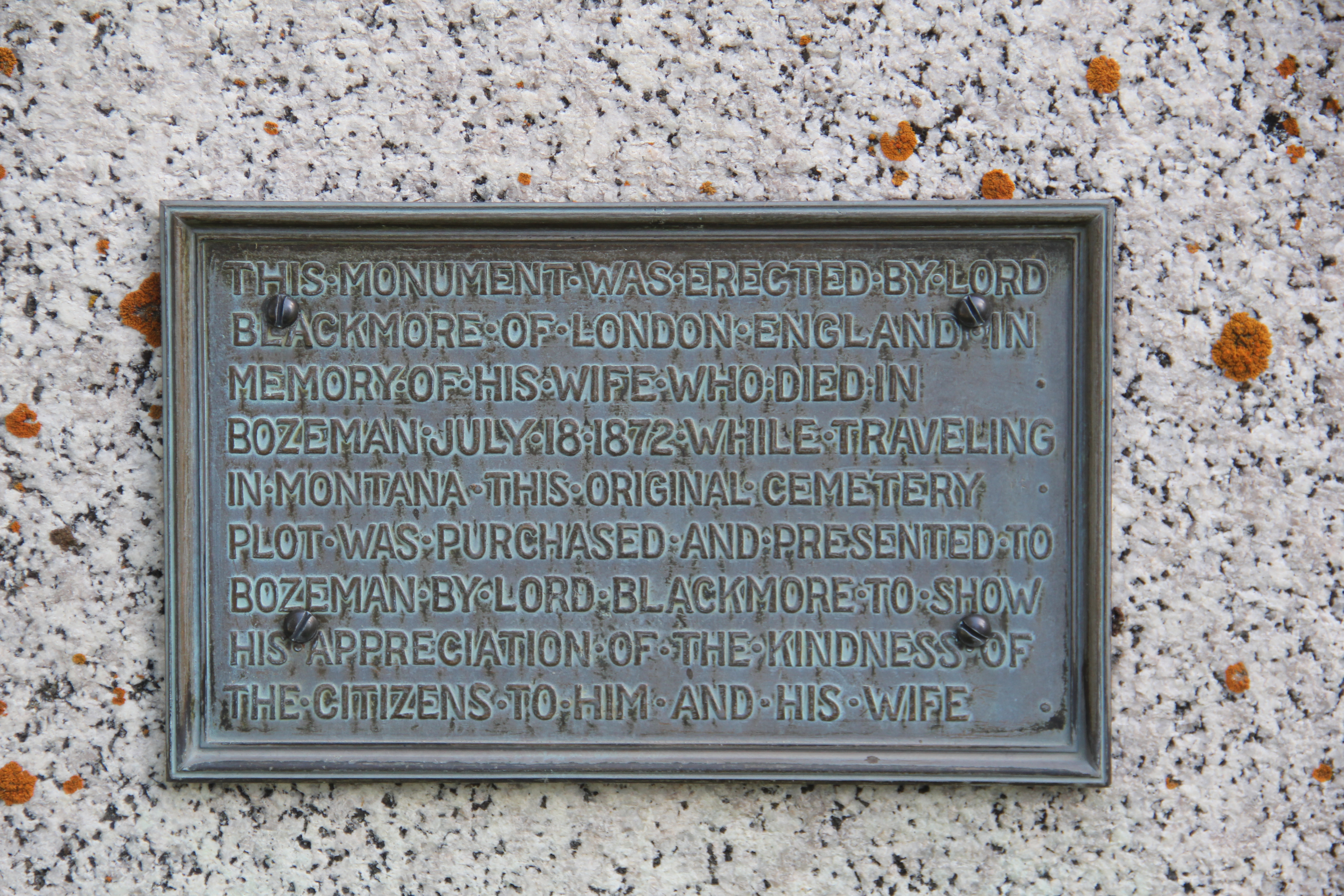
Within the cemetery is one of the oldest physical remnants from the city’s beginning: the marker for Lady Mary Blackmore, July 1872, when Bozeman was nothing more than a string of tents, log cabins, and false front buildings along the Bozeman Trail.

The metal plaque on the slowly decaying pyramid marker tells part of the story. Lord William Blackmore and Lady Mary Blackmore had a deep interest in the west and they came to visit newly designated Yellowstone National Park in 1872. Mary took ill and did not make the trip to the park. After her health markedly declined, citizens went to find Lord Blackmore and he returned, but Mary never recovered. Blackmore to honor his wife, and to acknowledge the support and kindness of local residents, purchased 5 acres for a public cemetery and had the pyramid marker installed. Today this oldest section of the cemetery is on the west side, The view from the Blackmore marker is impressive.

The Daughters of the American Revolution in 2020 addressed other early burials in the cemetery through this obelisk marker in memory of those without grave markers today.

Nearby is the very different grave marker for another important early settler and rancher, Nelson Story. Whereas the Blackmore marker is direct, dignified, the Story marker is designed to remind everyone that here lies an important person.

You walk through an overpowering classical-staled gateway to find the graves of Story and his family. And his employees. The marker for Tom Thompson (d. 1879), the son of Isaac and Barbara, tells the story of a young man who drowned in the Yellowstone River while “in the employ of the Honorable NELSON STORY.”

But Thompson’s story if far from the only one shared in Sunset Hills Cemetery. There are many gravestones that bear the emblems of fraternal organizations, some well known, some not so much.

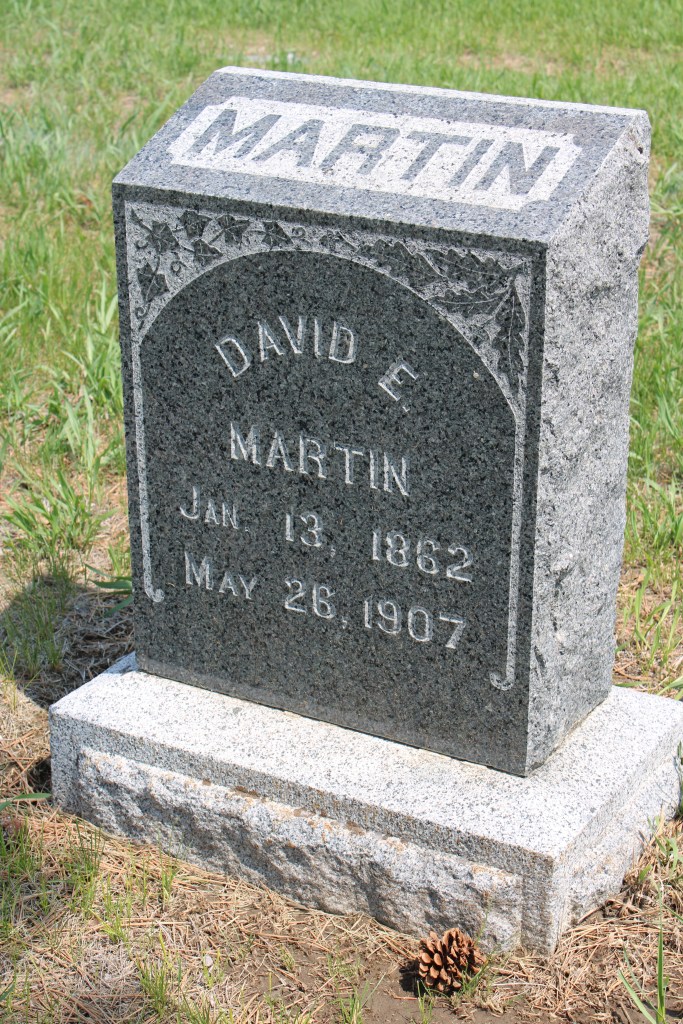
Note here the designation of Ella Martin as an early Regent of the DAR chapter
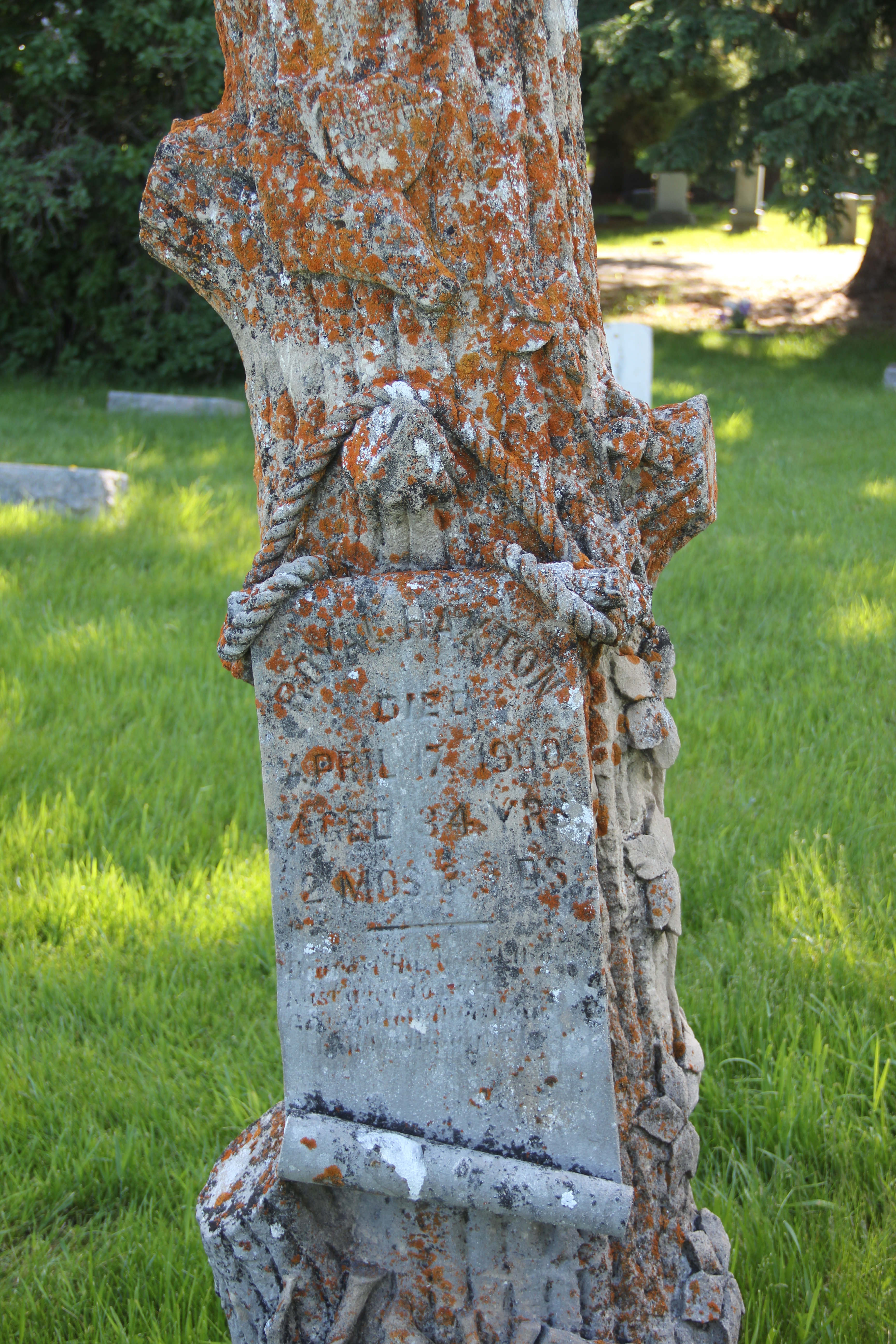
This Woodmen of the World marker for Royal Paxton weds conservation.

Sunset Hills Cemetery has a dedicated veterans section at the rear of the property that is centered around a 1928 Grand Army of the Republic (GAR) monument to those who served in the U.S. and Union Armies during the Civil War. It is unique because typically the GAR monuments date to the decades right after the war, or perhaps up to 1915, which was the 50th anniversary of the end of the Civil War.

Scattered throughout the cemetery are the simple standardized gravemarkers that the federal government provided to families of U.S. veterans. This place is another reminder of the impact of the Civil War on late 19th century America.

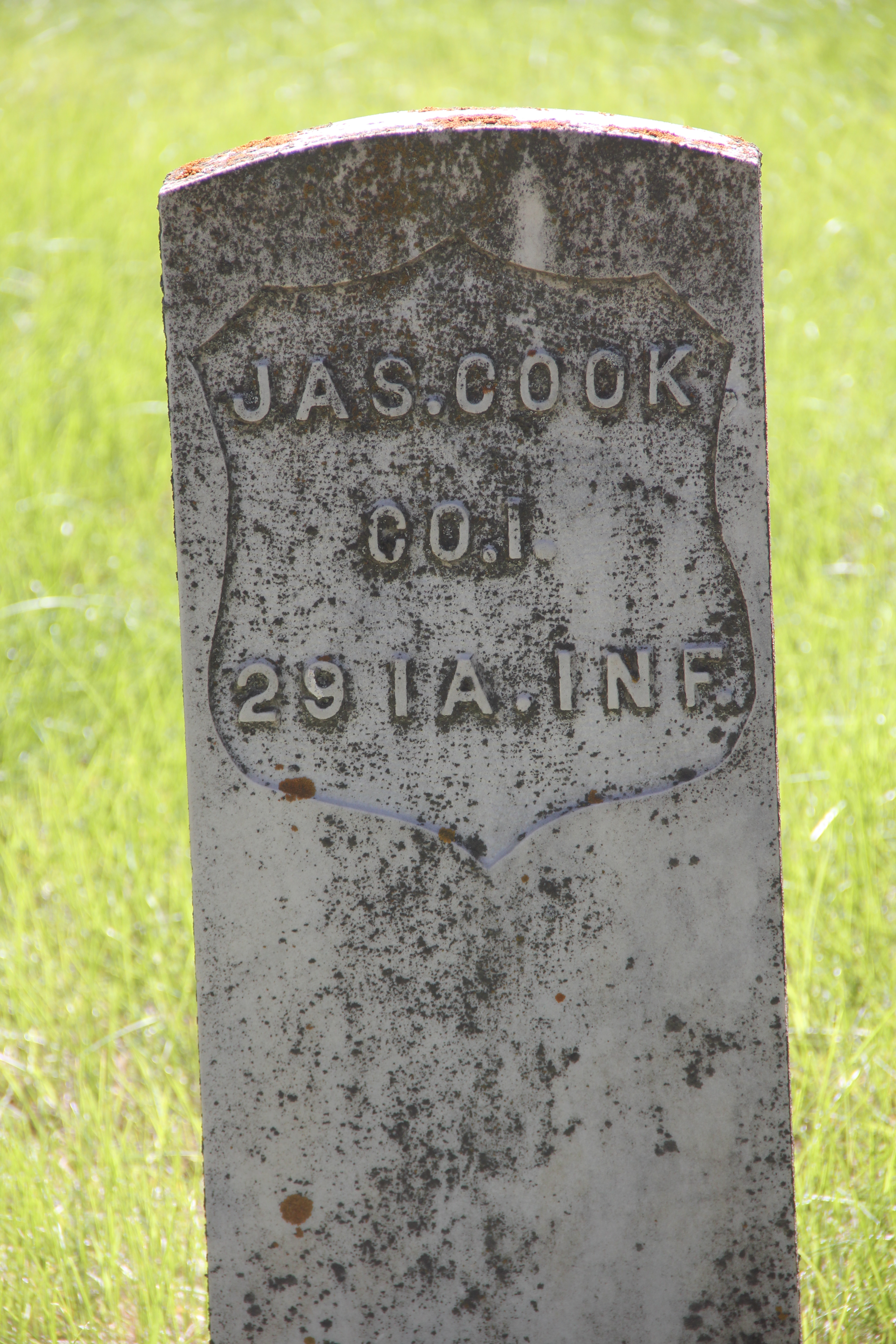
Almost all historic cemeteries in Montana have sections for veterans and special markers designate fraternal lodge membership and prominent citizens. Sunset Hills Cemetery has all of that over its 150 years of existence–and more. Whatever row of graves you choose to explore you will find markers of beauty, of memory, and sadness.

The Taylor cast metal marker is one of many artistic marvels in the cemetery.

I have explored many municipal cemeteries in Montana–but did not venture into this special place until 2021. Don’t repeat my mistake–here is a place worth exploring, just set aside plenty of time to do. It is not in the National Register of Historic Places–but it should be.

Havre’s Calvary and Highland Cemeteries

Nestled in the bluffs overlooking Havre are two adjacent historic cemeteries, Calvary (1903) and Highland (1906/7).

Entrance gate, Highland Cemetery

Catholics in north central Montana established Calvary first, taking advantage of newly located city water works to ensure that the grounds could be irrigated.

Looking north toward the Calvary Cemetery entrance. Note water works in upper right corner.
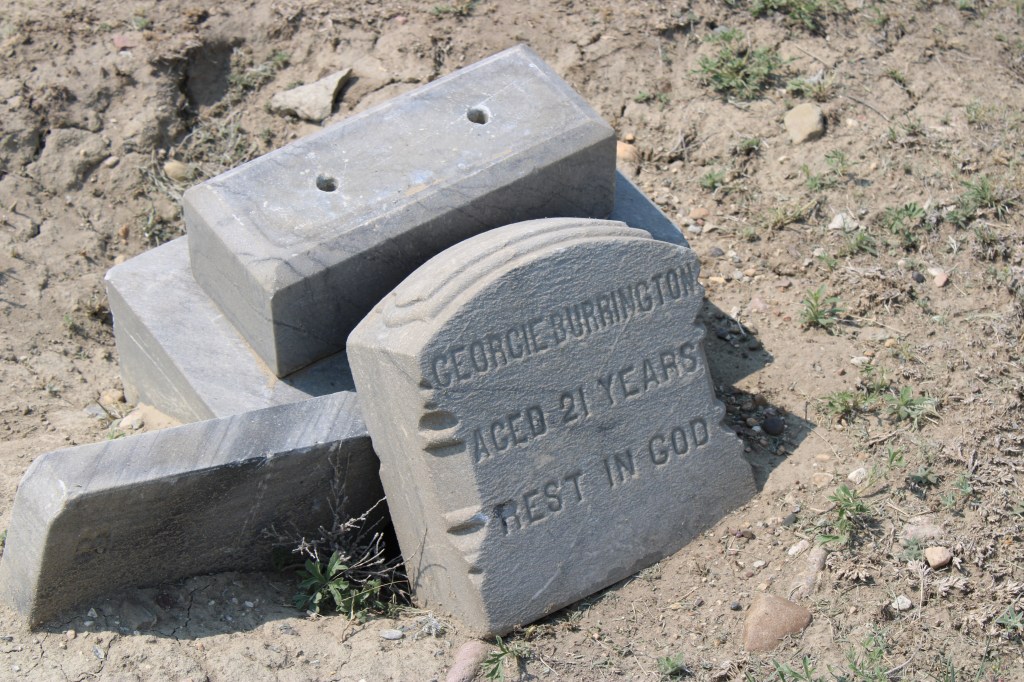
Calvary with its well manicured lawns, large mature trees, curvilinear drives and impressive view to the south set the tone for the landscaping and design of both cemeteries. Grave markers, for the most part, were modest, in keeping with the working middle class character of this Great Northern Railway division point.

Of course there were exceptions to the norm. A large Cross marks the gravesite of Judge Patrick McIntyre, one of the city’s early civic and real estate leaders who died in 1907. The classical styled marker to another of the city’s, and region’s, business leaders, Samuel Pepin, is nearby. Pepin, like McIntyre, was a Canadian who came early to Havre and developed businesses and ranches, all tied to the Railroad. Pepin died in 1914.

McIntyre marker
Samuel Pepin marker

Highland Cemetery followed in the footsteps of thee catholic burial ground. Both have impressive views along the southern boundaries of the historic campus of Northern Montana University, now MSU-Northern (name change happened in 1994). The campus was established in 1929.

MSU-Northern
A panoramic view

By that year, Highland Cemetery was well established as the city’s primary public burial ground,and is still active today. Reflecting Havre’s middle class roots the cemetery is marked by rows of modest, dignified tombstones and low concrete walled family plots.

Many veterans from the 20th century are buried here, along with many tombstones marking membership in fraternal organizations from the Woodmen of the World to the Masons.

Highland Cemetery is a significant place that documents the city’s progressive response to public needs during its decade of sustained growth in the homesteading boom of the first two decades of the 20th century. Together the two cemeteries would be an excellent companion to Havre’s already established National Register-listed downtown residential district. The city does a fine job of keeping the property maintained and let’s hope that commitment stays in place for another 100 years.

St Gabriel’s and Kuper Cemeteries: Sacred Grounds in Chinook, Montana

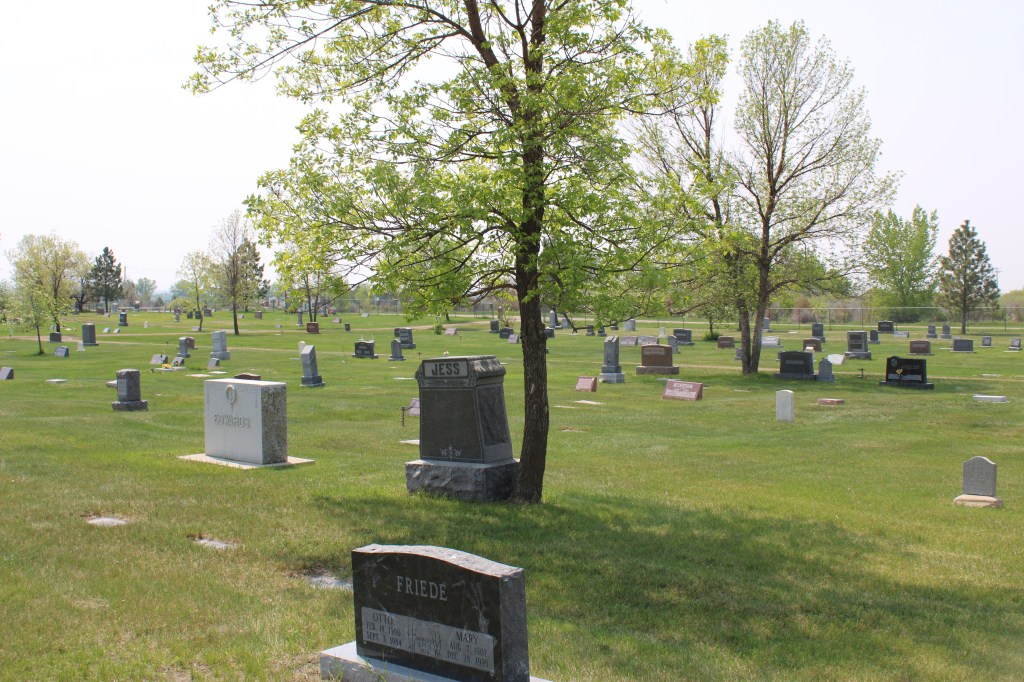
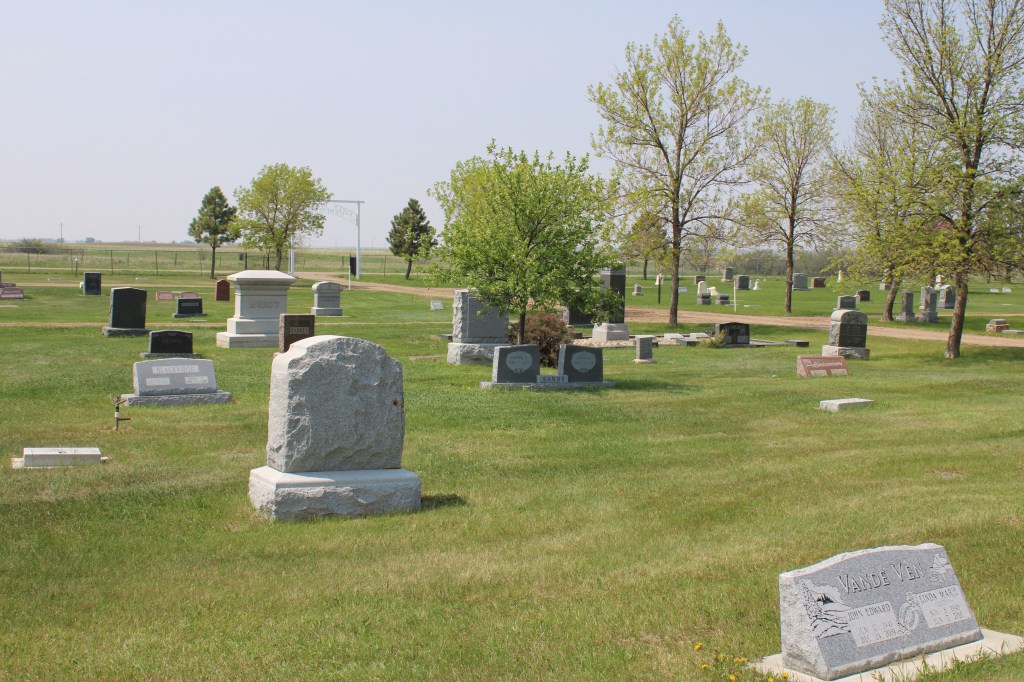
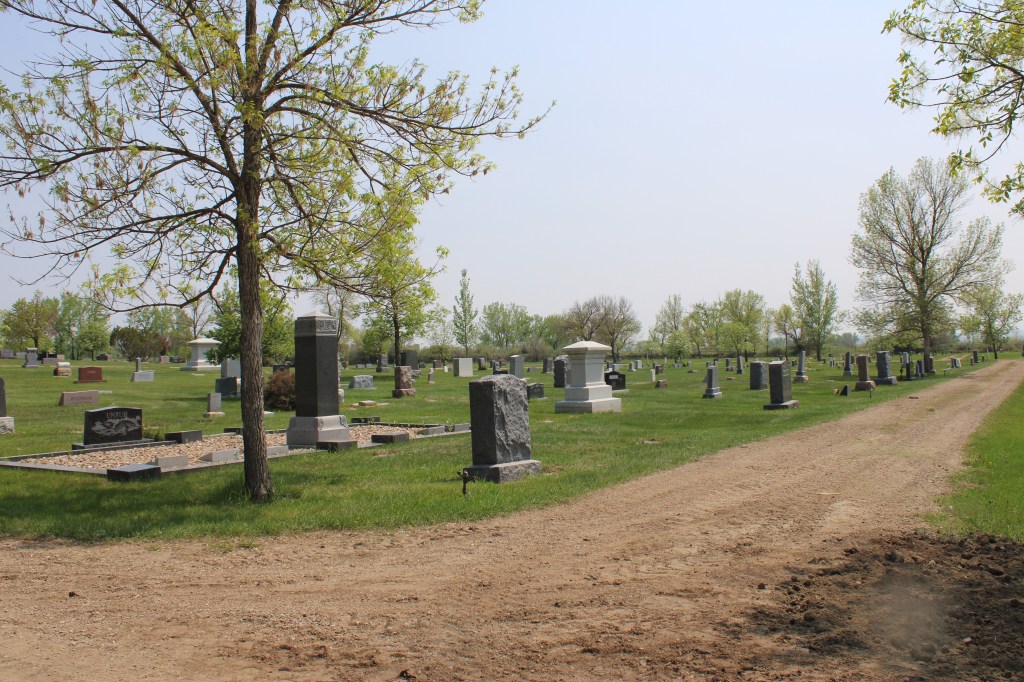
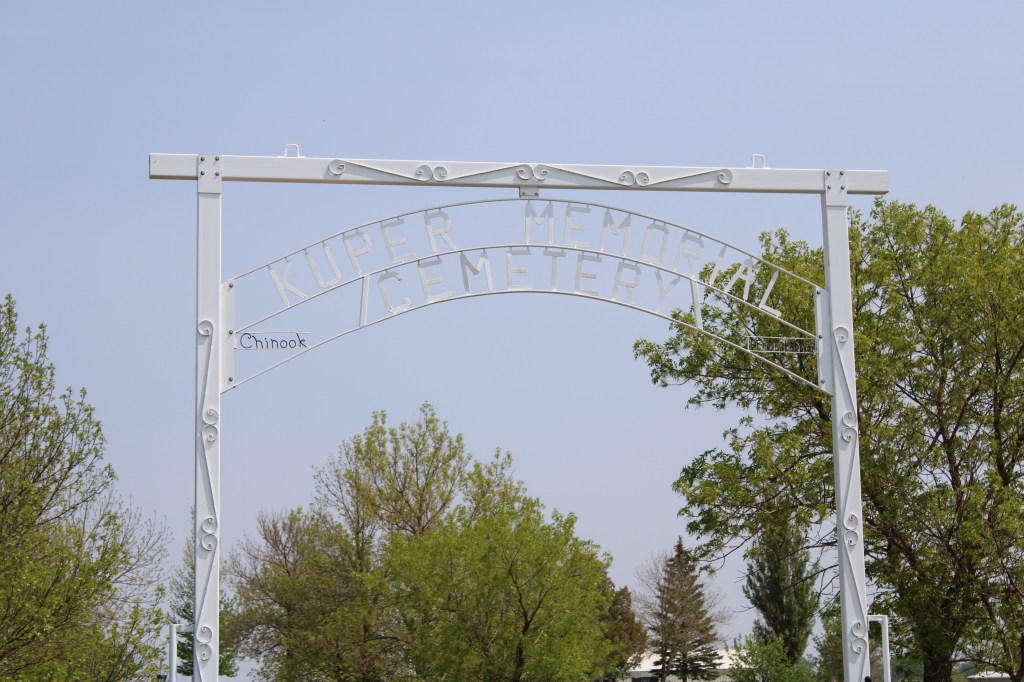
North of Chinook are two adjacent late 19th centuries. The earliest is the Kuper Memorial Cemetery, originally known as the Chinook Cemetery. From newspaper accounts, burials there date to at least 1894 when former Canadian lumberman Gilbert McIntosh was laid to rest. Chinook newspapers also note that St. Gabriel’s Catholic Cemetery, immediately south of the city cemetery, dates to 1898 when prominent Catholic civic leader Thomas O’Hanlon was the first person to be buried in the new Catholic cemetery. The Chinook Opinion of February 17, 1898, called O’Hanlon “practically the founder of this little city and its interests have been his own for eight years passed [or 1890].”

St Gabriel’s Cemetery entrance
Isome Harve Harris, 1895, is another early burial in the Kuper Cemetery

For its first generation the two cemeteries lacked water and regular upkeep. Chinook women tackled the problem first. In 1910 a Ladies Cemetery Committee formed to raise “money for the Cemetery fund which is to be used in beautifying the Chinook cemetery grounds.” [Chinook Opinion 11/3/1910] The women served meals on Election Day, charging 50 cents a meal. “The bill of fare will consist of chicken pie, mashed potatoes, salads, pickles, cake, bread and butter, pie and coffee.”

The grave markers below reflect the different types found in the cemetery by 1910.

The following year Chinook women hosted a recital by Mrs. Riggs to raise funds for the city cemetery. By the fall of 1911 the Chinook Cemetery Association had formed, informally. The group discovered that the “plat of the Chinook Cemetery has never been filed for record.” [Chinook Opinion 1/23/1913]. By the summer of 1913 the Chinook Cemetery Association had filed its articles of incorporation with the Blaine County Clerk. The Chinook Opinion of 8/14/1913 explained: “The association was incorporated in order to provide a legal body that could take over the management of the local cemetery and make the needed improvements as fast as money can be raised for them. The town does not care to do anything with the management of the cemetery but there has been no legal body to whom the council could turn the care of the funds and the grounds over.”

But the beautiful appearance of both cemeteries didn’t come about until the 1920s. The construction of a new irrigation canal through the unfenced St. Gabriel’s cemetery brought Catholic Bishop M. Lenihan to Chinook in 1923 to discuss the matter. The Belknap irrigation district got its way: a canal defines the southern boundary of the Cemeteries.

Then in 1927 the Chinook Lions Club pledged support and funds to install a permanent water supply and irrigation system to the city cemetery, with the water coming from the Belknap canal.

Once the water supply was secured, the Lions Club planted 180 trees throughout the grounds.

By May 1927 Catholic leaders had decided to join the effort to irrigate both cemeteries and Lions Club together with American Legion members began to make preparations to plant trees. Over the years a large memorial section for local veterans was developed at the northeast corner of the property.

The Chinook Opinion of May 5, 1927 asserted: “The improvement of the barren and desolate looking grounds is an improvement of considerable merit and the two boards and committees in charge are being generally commended for the success they have had in working out the plans.”

A couple of years later a new undertaker in Chinook, Herman H. Kuper, began a fundraising campaign to have a caretaker for both cemeteries. He argued that the cemeteries could be planted with trees, flowers, and other ornamental plantings, then mowed regularly. For almost 100 years ever since the Chinook Cemeteries have been well maintained.

Thus it comes as no surprise that in c. 1978-79 the city cemetery changed its name to the Kuper Memorial Cemetery. Kuper (died 1978) not only was a successful businessman, he served the city as an alderman and as Chinook mayor.

Havre’s Mount Hope Cemetery, Part II

July 1, 1905, the Havre Plaindealer reported that K. K. Devlin had donated three acres south of the new city reservoir for a Catholic cemetery, eventually named Calvary Cemetery. The newspaper said that engineers platted the ground on June 28, and that the first internment, the child of Joseph Gussenhoven, had been buried in the afternoon. The paper proclaimed that “The site selected is an ideal spot for a cemetery. The land slopes gently from the city reservoir to the south and east and can all be irrigated nicely from the reservoir. . . The lots will all be larger than the lots in the old cemetery [Mount Hope] thus affording ample room for trees and shrubs.”

Calvary Cemetery, May 2023

One of the engineers had already recommended to the Mount Hope Cemetery Association to secure a “cemetery site for the city adjoining the present site selected by the Catholic people. The surroundings are naturelly [sic] most beautiful. It is close to the city and at the same time in a quiet and secluded spot and when the grounds are sown to grass, and trees and shrubs adorn the driveways and walks, it will be the most beautiful burial place in the state.” Plus the city engineer added, the grounds “can be irrigated and beautified as a nominal cost.”
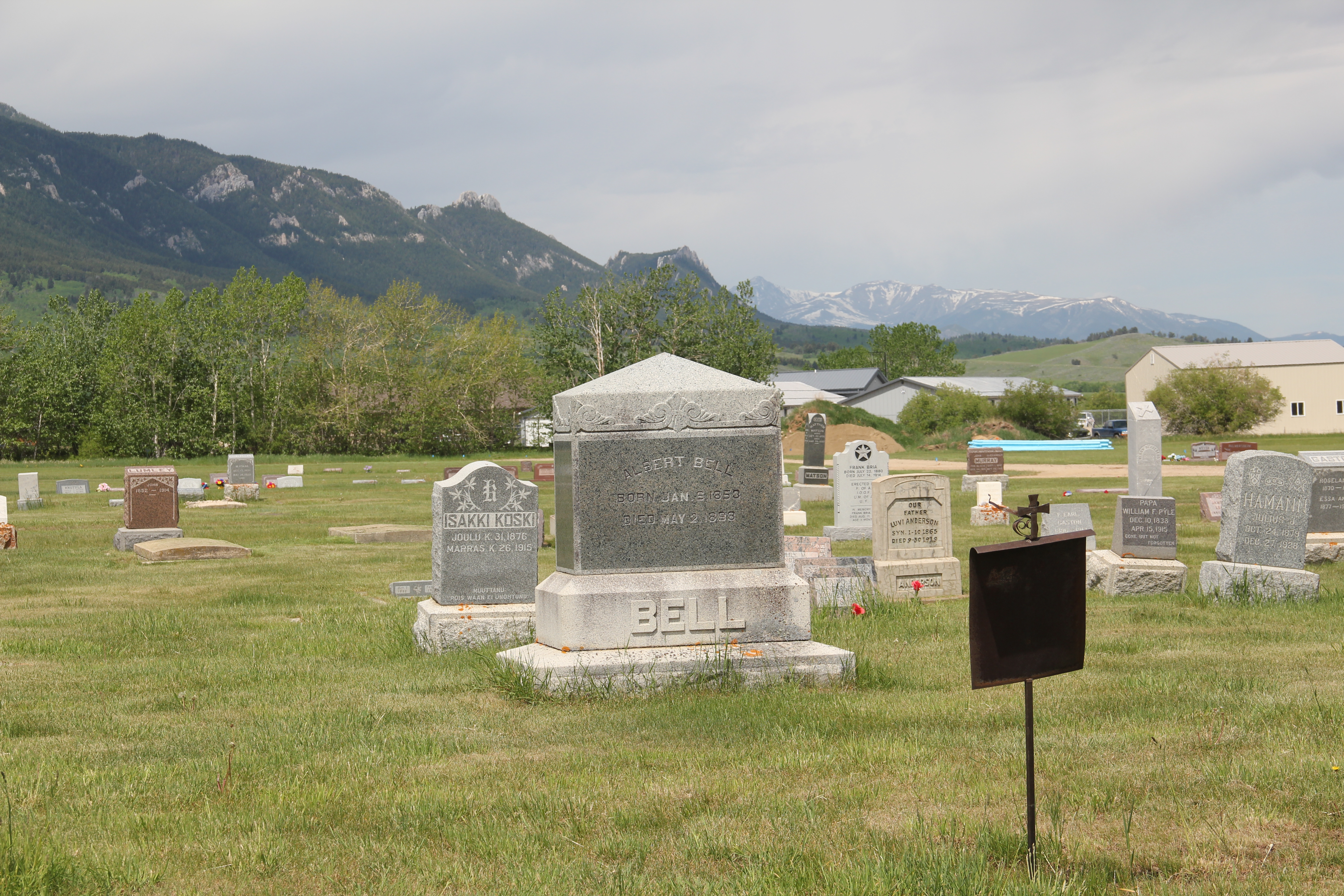
The newspaper closed with what could be considered the epitaph for the old city cemetery: “The expense incurred and improving the old cemetery was necessary but to beautify the place requires water and the expense of obtaining it would be beyond the reach of the city for some years to come.”

The news upset many citizens since the city had just made the effort to upgrade Mount Hope. Two weeks after the first burial at Calvary, the Havre cemetery committee reinspected Mount Hope and “returned more fully convinced than ever that the present site could be sufficiently watered and beautified at slight expense by the driving of a new points similar to those that have been so successful in the dry well system of the waterworks and the pumping of water by use of a windmill.” The committee counted 150 graves at Mount Hope and reported that the relatives of the dead did not want the bodies moved. “Efforts to raise water will at least be made before there will be any further consideration of removal,” according to the Havre Herald of July 14, 1905.

The tone was different by the fall. The Havre Herald of November 3, 1905, recorded that “the board of trustees of Mount Hope cemetery” authorized that the cemetery be put “in good shape,” with repaired fences, walks, and drives. But the newspaper also reported that “Negotiations are under way for the purchase of land for a new cemetery adjoining the Catholic grounds.” That cemetery is the present Highland Cemetery.

From 1905-1906 numerous burials continued at Mount Hope despite the controversy over its future. The 3 year old Margie Kaepernick was buried on July 4, 1905.

Kaepernick marker, 1905

Marian Munger and Mary Lawler were interred, respectively, in September and October. Popular card dealer P. J. “Jack Flynn” was buried about a week before Christmas in 1905. His death even brought about an ode from a friend published in the Havre Herald on February 2, 1906.

The city continued to hold its Memorial Day commemoration at Mount Hope in 1906. A detail from Ft. Assinniboine led the parade, which began at the corner of Second Street and Third Avenue, winding its way through Havre before reaching the Mount Hope Cemetery. Following the U.S. Army soldiers were: the Citizens band of Havre, Civil War veterans, Spanish-American veterans, Relief corps, Clergymen, City officials, Odd Fellows, Knights of Pythias, Eagles, Great Northern band, Shop men, and Labor unions.

Yet as Highland Cemetery opened in 1906, joining its neighbor the Catholic Calvary Cemetery, the number of burials at Mount Hope Cemetery declined, judging from accounts published in the local newspapers. George Barrington, the son of a veteran Great Northern Railroad engineer, died in a scuffle over a pistol outside of the Gold Bug saloon. He was buried in August 1908.

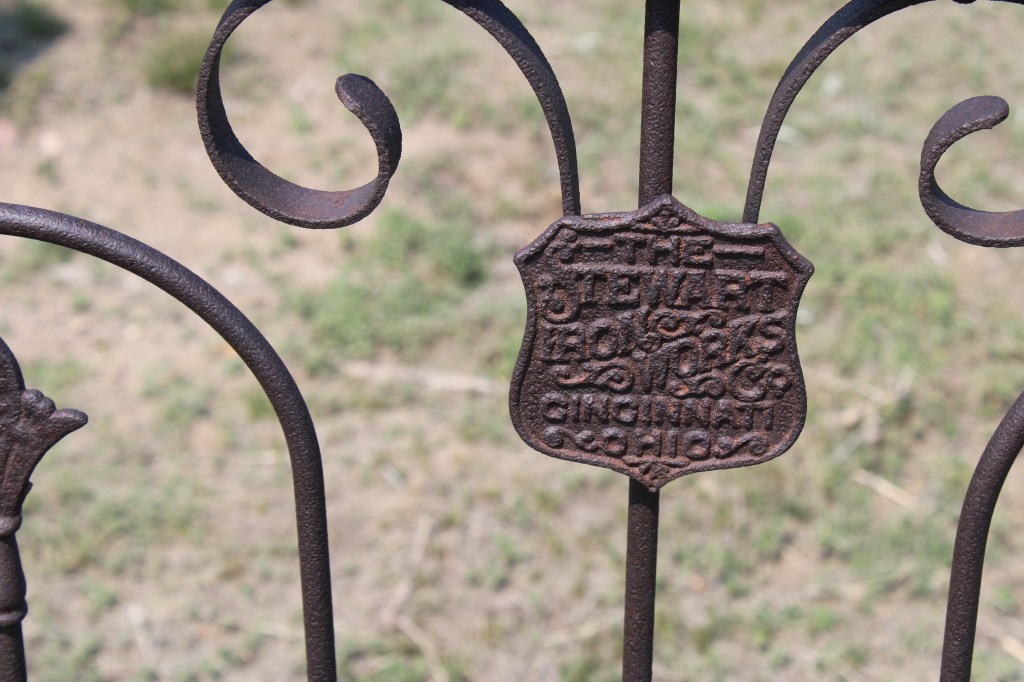
Members of the Masonic lodges in Havre and Glasgow turned out in numbers for the burial of Graham Williamson in March 1909. In May 1909, the Havre Monument Works installed a “handsome iron fence” made in Cincinnati OH, to mark the family plot of C. B. Van Alstine.

Van Alstine plot.

But then in May 1909 burials took place at Mount Hope Cemetery that may be considered the event that began the cemetery’s third historic period as the public burial ground for the unfortunate and marginalized in the city. Joseph Kirschweng escaped from the state asylum at Warm Springs returned to Hill Countyand killed his wife and children before committing suicide. All four were buried at Mount Hope.

In October, Rev. William Jackson, an African American minister who once served at Fort Assiniboine before becoming the pastor of the African Methodist Episcopal Church in Havre was buried at Mount Hope. Two years later, Martha Allen, a member of the AME church, was buried at Mount Hope with “one of the largest funeral corteges ever seen in the city.” (Havre Plaindealder, May 6, 1911). Two years later in August 1913 an abandoned baby found dead at city hall was buried at Mount Hope while in September William P. Farrow, “the stranger who was run over by a switch engine,” was buried at the cemetery (Havre Promoter, September 12, 1913). Victor Urkins, a Great Northern shop employee who allegedly committed suicide, was buried at Mount Hope in October 1913. Then in November came the funeral of Lucy Barnes, the wife of W. H. Barnes, a longtime resident and former domestic employee of Robert L. McCulloch at Fort Assiniboine, who also was African American and member of the AME Church. Most of the Japanese burials here took place from 1909 to 1920.

Burial accounts in the local newspapers about Mount Hope Cemetery become few and far between by the time of World War I. Three of the last stories were about Chinese residents: Wong Hoy Lang in 1921; N. Len, who was a gardener in 1922; and Lo Bow in 1924. Lo Bow “had lived in Havre for the past 30 years and was interested in the restaurant business at the time of his death.” (Havre Promoter, September 23, 1924). 1924 was the last year Mount Hope Cemetery would be mentioned in local newspapers for decades to come.

Crown Hill Cemetery in Cut Bank

Standard histories tell you that Cut Bank, the seat of Glacier County, dates to 1891. But significant numbers of permanent settlers did not arrive until the first years of the 20th century, following a major investment by the Great Northern Railroad to build a huge steel bridge and railroad offices, shops, and a roundhouse. The Fort Benton River Press on February 12, 1901, reported that “Cut Bank is rapidly assuming a metropolitan appearance.”

The initial railroad boom soon slowed until the homesteader movement brought new growth. In 1911 town officials agreed to discuss the creation of a permanent town cemetery with state officials. Between 1911 and 1914 citizens formed the Crown Hill Cemetery Association and the first documented burials in the local newspaper took place in 1914.

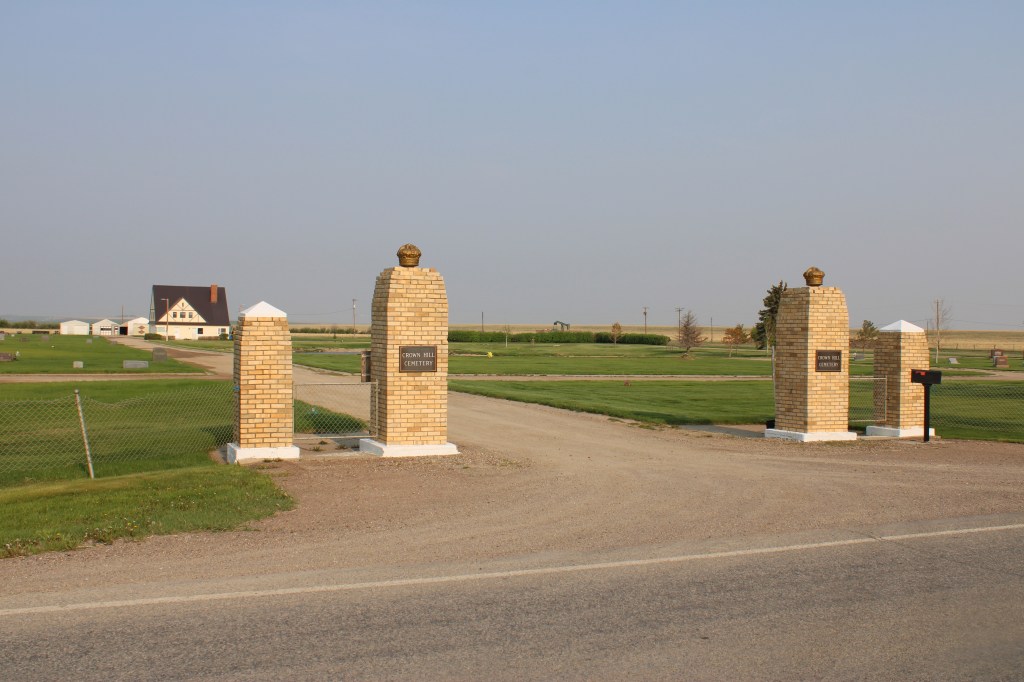
Entrance to Crown Hill Cemetery

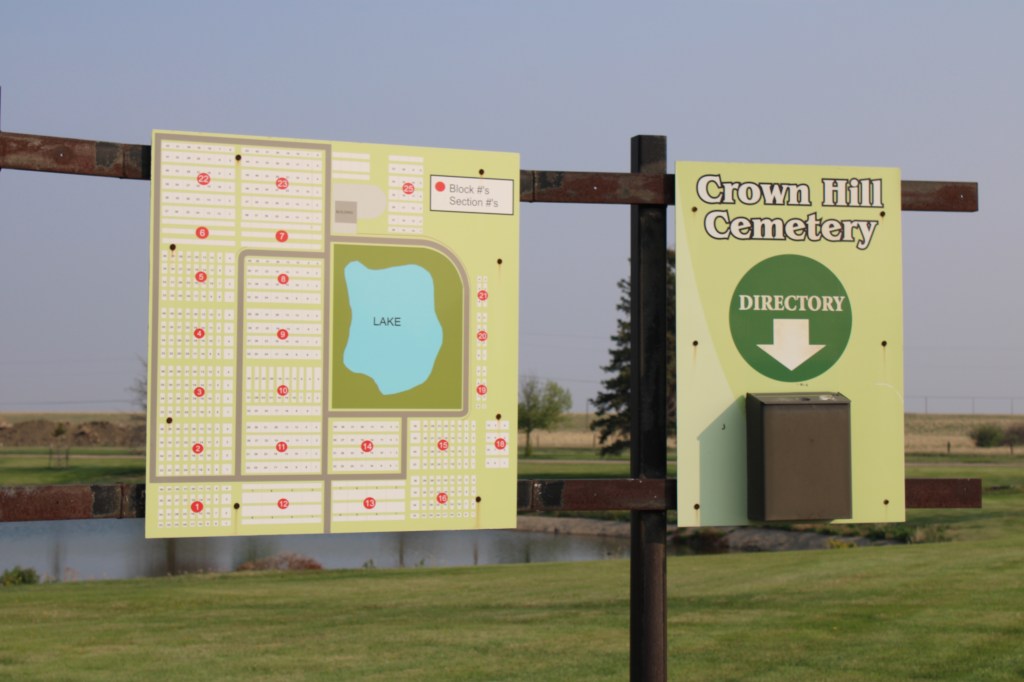
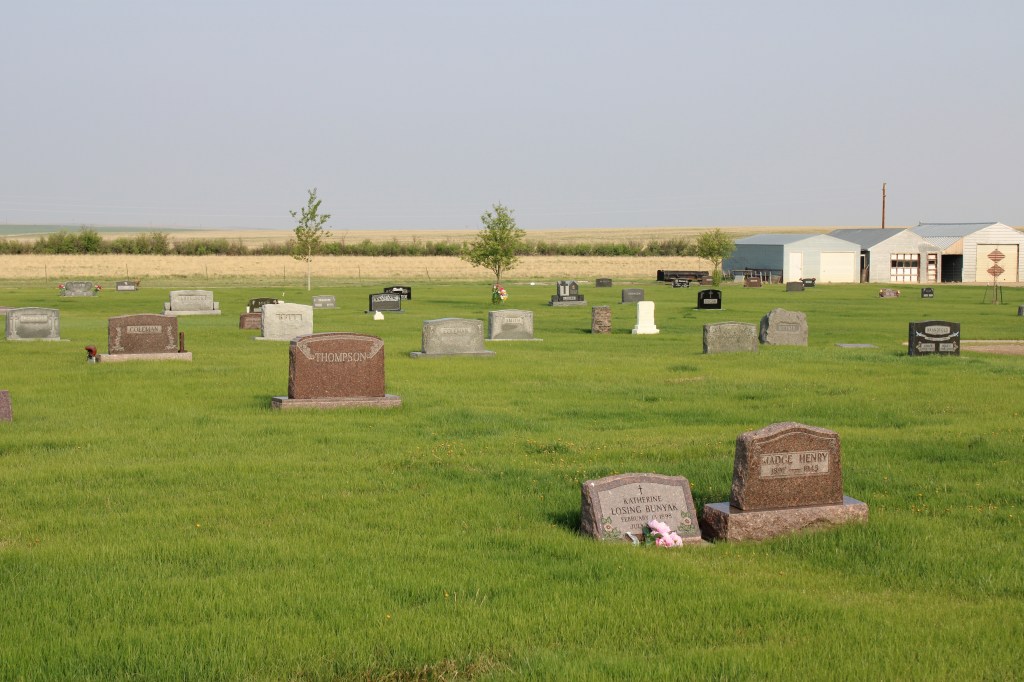
Located north of town the cemetery is on a slight rise and has an impressive view of Cut Bank to the South. A small lake is the focus of the cemetery plan.

See the grain elevators to the south.

Otherwise the cemetery contains long rows in a rectangular manner and there are few huge grave markers, instead many dignified and subtly designed markers cover the grounds.

There are several interesting markers and many note a fraternal lodge association.

The Thomas marker is one of the oldest.
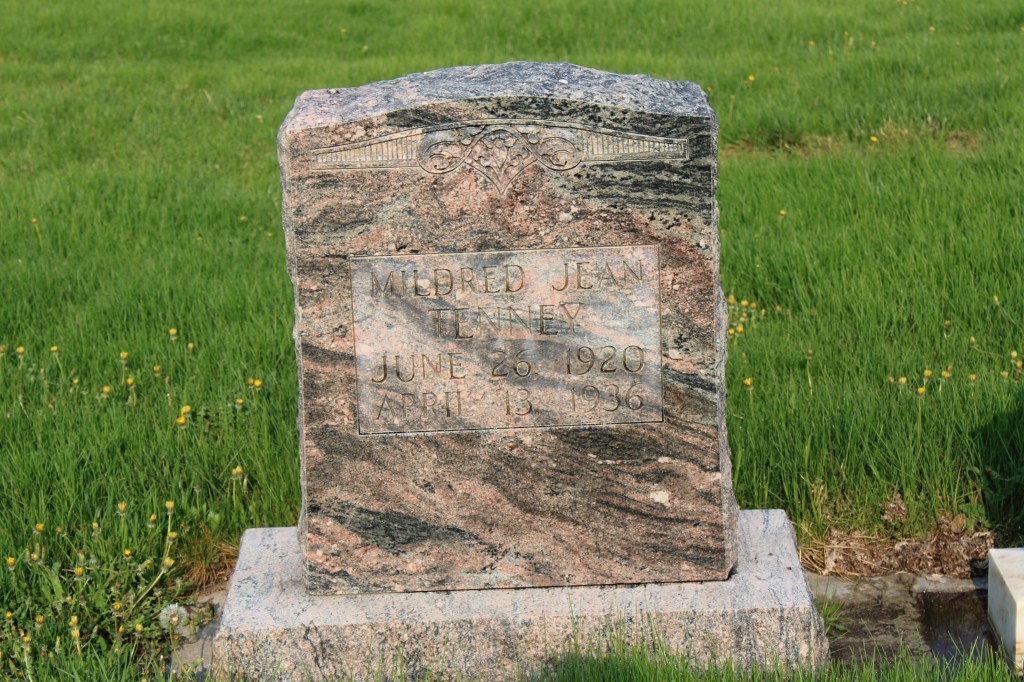
1936 marker with Art Deco styling

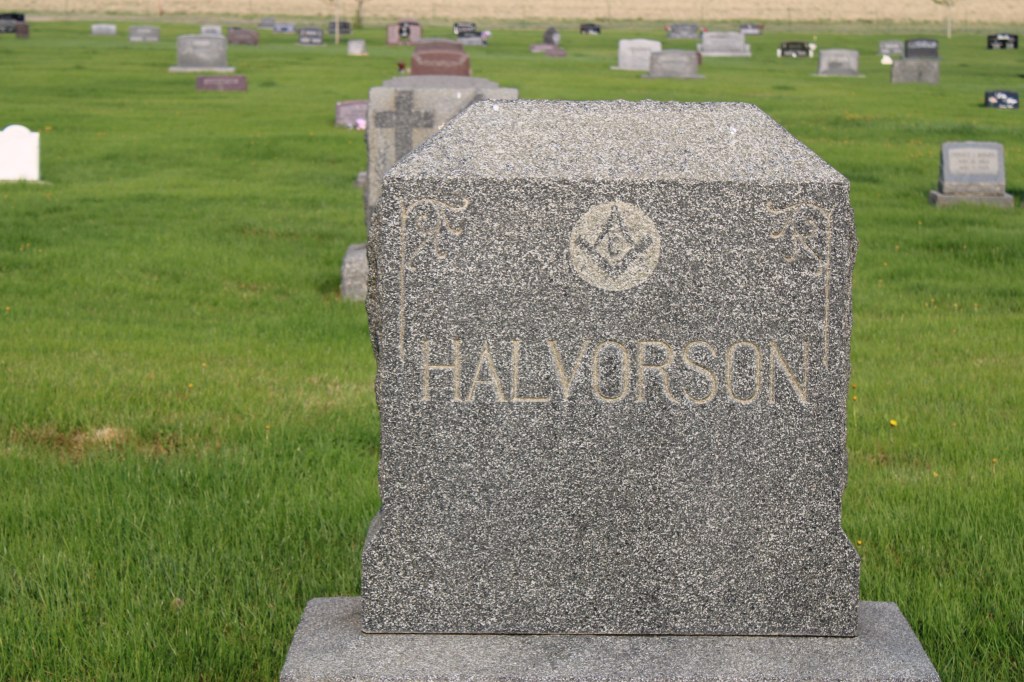
The Halvorson marker dates to be death of Mrs. Harry Halvorson who died in 1924. At that time her funeral was the largest ever held in Cut Bank. The Midland Empire of April 22, 1924 reported that 650 attended the funeral and that 77 cars went from the town Masonic Hall to the cemetery. A member of the Rebekah lodges in both Cut Bank and Shelby, Halvorson’s funeral attracted other lodge members from Shelby, Conrad, Valier and Browning. Her husband was the senior member of the Halvorson mercantile company, which started in 1901.

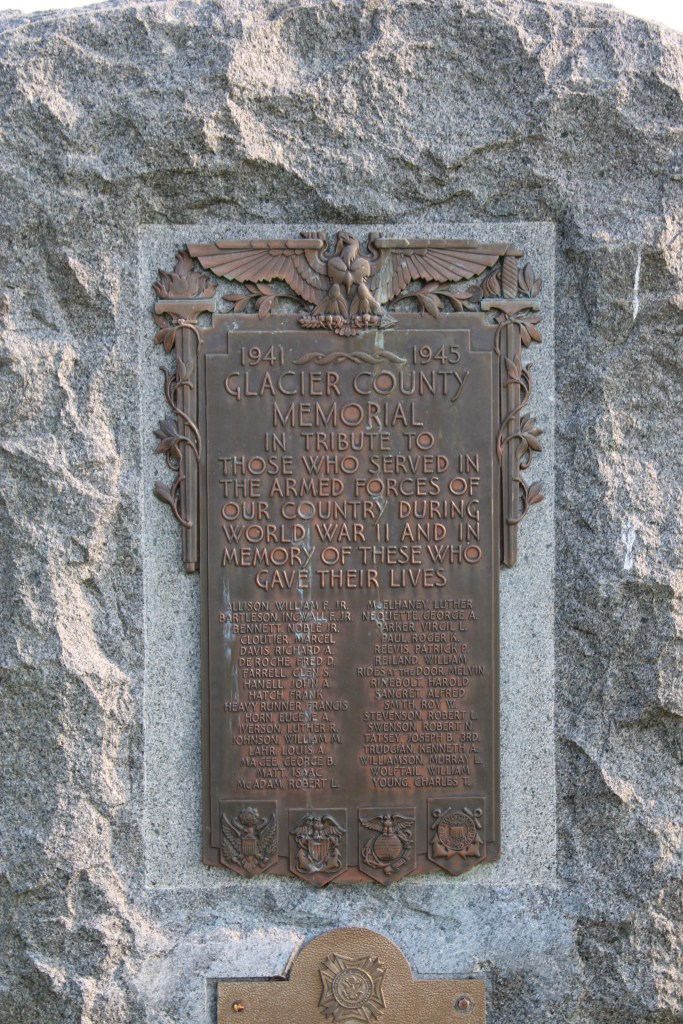
Another important marker is the veterans memorial from World War II. Cut Bank played a significant role as a satellite air field for the Great Falls Army Air Base. In 1942-43 pilots trained here in flying the B-17 Flying Fortresses. In 1948 the army conveyed the base to the town for civilian use.

Perhaps an unattended consequence of the military air base is that winter temperatures at Cut Bank was regularly available to national media, which played up the mage of Cut Bank as the coldest place in the lower 48 states. Cut Bank embraced the image, as this bit of roadside sculpture below attests. It stands at the eastern entrance into town on US Highway 2.

Crown Hill Cemetery is one of the oldest properties in Cut Bank open to the public. The cemetery is well maintained, well manicured and a testament to the respect and dignity local residents give to their past.

Crown Hill Cemetery in Cut Bank

Standard histories tell you that Cut Bank, the seat of Glacier County, dates to 1891. But significant numbers of permanent settlers did not arrive until the first years of the 20th century, following a major investment by the Great Northern Railroad to build a huge steel bridge and railroad offices, shops, and a roundhouse. The Fort Benton River Press on February 12, 1901, reported that “Cut Bank is rapidly assuming a metropolitan appearance.”

The initial railroad boom soon slowed until the homesteader movement brought new growth. In 1911 town officials agreed to discuss the creation of a permanent town cemetery with state officials. Between 1911 and 1914 citizens formed the Crown Hill Cemetery Association and the first documented burials in the local newspaper took place in 1914.

Entrance to Crown Hill Cemetery

Located north of town the cemetery is on a slight rise and has an impressive view of Cut Bank to the South. A small lake is the focus of the cemetery plan.

See the grain elevators to the south.

Otherwise the cemetery contains long rows in a rectangular manner and there are few huge grave markers, instead many dignified and subtly designed markers cover the grounds.

There are several interesting markers and many note a fraternal lodge association.

The Thomas marker is one of the oldest.
1936 marker with Art Deco styling

The Halvorson marker dates to be death of Mrs. Harry Halvorson who died in 1924. At that time her funeral was the largest ever held in Cut Bank. The Midland Empire of April 22, 1924 reported that 650 attended the funeral and that 77 cars went from the town Masonic Hall to the cemetery. A member of the Rebekah lodges in both Cut Bank and Shelby, Halvorson’s funeral attracted other lodge members from Shelby, Conrad, Valier and Browning. Her husband was the senior member of the Halvorson mercantile company, which started in 1901.

Another important marker is the veterans memorial from World War II. Cut Bank played a significant role as a satellite air field for the Great Falls Army Air Base. In 1942-43 pilots trained here in flying the B-17 Flying Fortresses. In 1948 the army conveyed the base to the town for civilian use.

Perhaps an unattended consequence of the military air base is that winter temperatures at Cut Bank was regularly available to national media, which played up the mage of Cut Bank as the coldest place in the lower 48 states. Cut Bank embraced the image, as this bit of roadside sculpture below attests. It stands at the eastern entrance into town on US Highway 2.

Crown Hill Cemetery is one of the oldest properties in Cut Bank open to the public. The cemetery is well maintained, well manicured and a testament to the respect and dignity local residents give to their past.

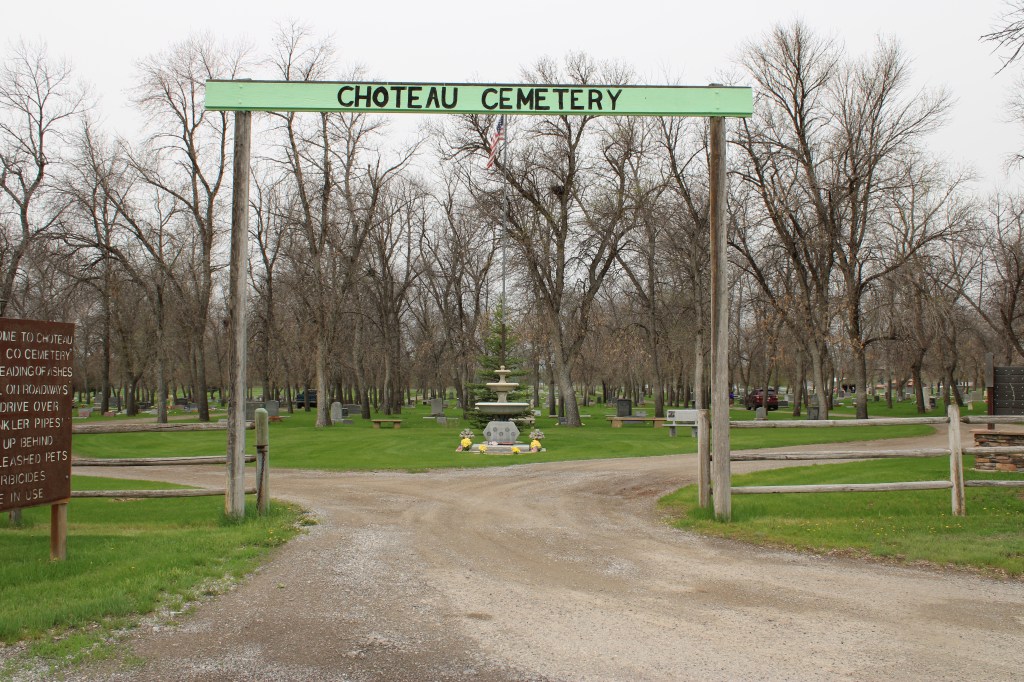
Choteau Cemetery, Teton County

Choteau Cemetery is one of the oldest public spaces in Teton County as it dates to the platting of the town itself in 1883.

The beautiful, well manicured grounds of today did not always exist. For the first four decades the county “kept” the cemetery but merely as a burial ground for residents and the poor (the county bought 10 plots for indigent burials in 1895).

In 1927, during a decade of beautification efforts happening in towns, schools, and ranches across the country, city officials decided to introduce a levy to pay for the irrigation of the cemetery and the planting of a beautiful grove of trees to further dignify this community place.

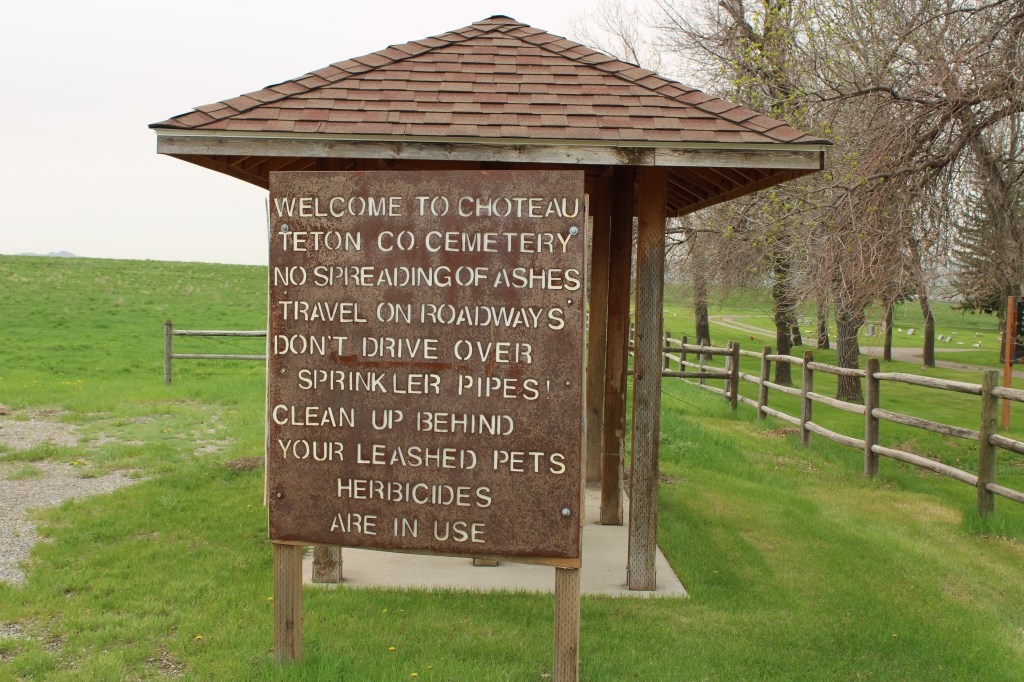
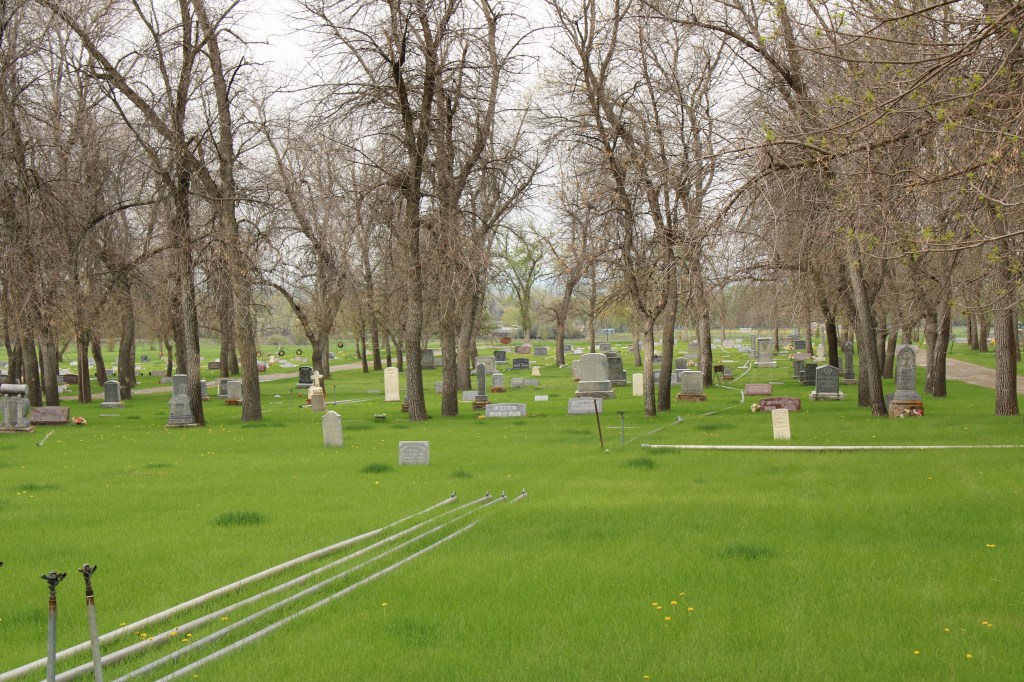
A sign reminds everyone not to drive over the pipes, which can be clearly seen throughout the cemetery (see below).

In 1928 the city purchased lawn seed and acquired the first set of saplings to plant. Thoughtfully maintained ever since, even when with some controversy cemetery leaders removed 70 diseased trees in 2015, the Choteau Cemetery is an impressive sight, and worth a thorough investigation as it approaches its 100th year as an irrigated public property.

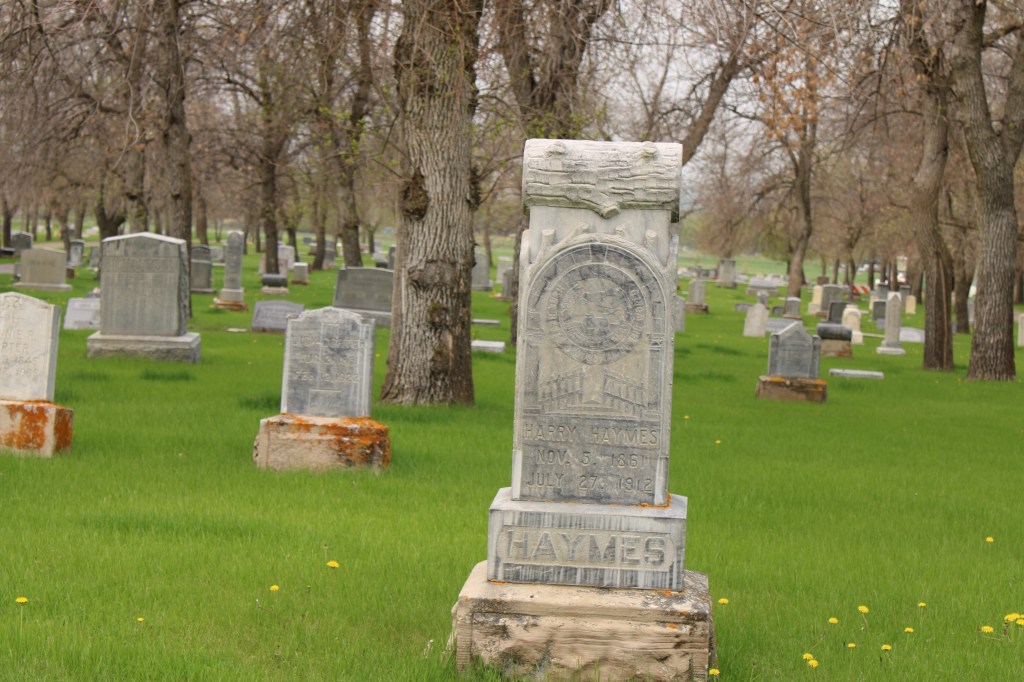
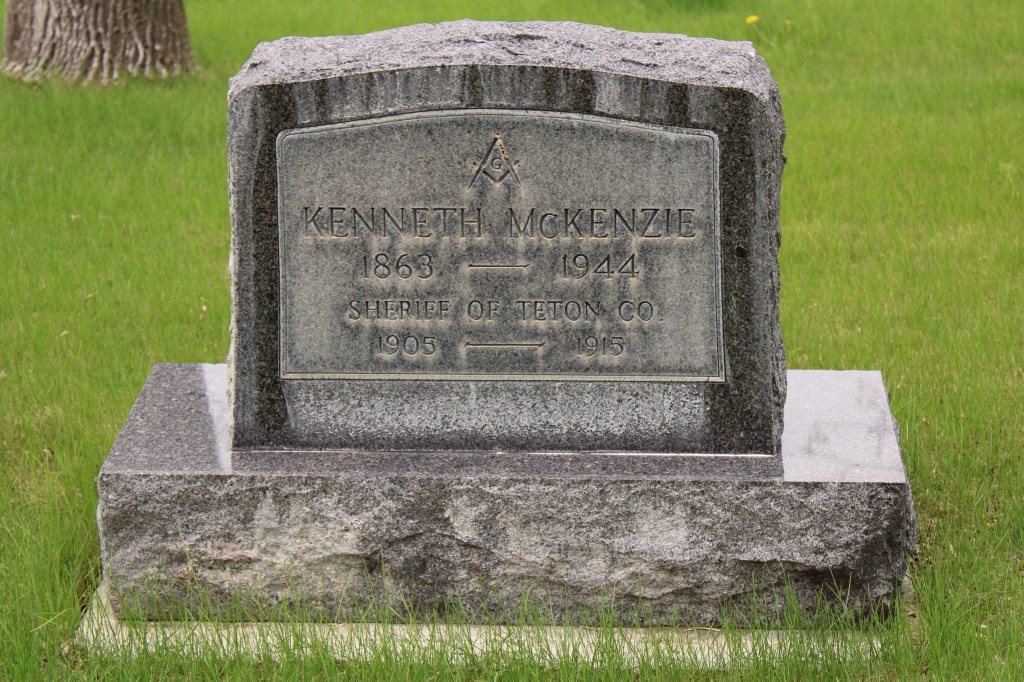
There is a range of fraternal markers from the early 20th century.

Woodmen of the World marker for Harry Haynes
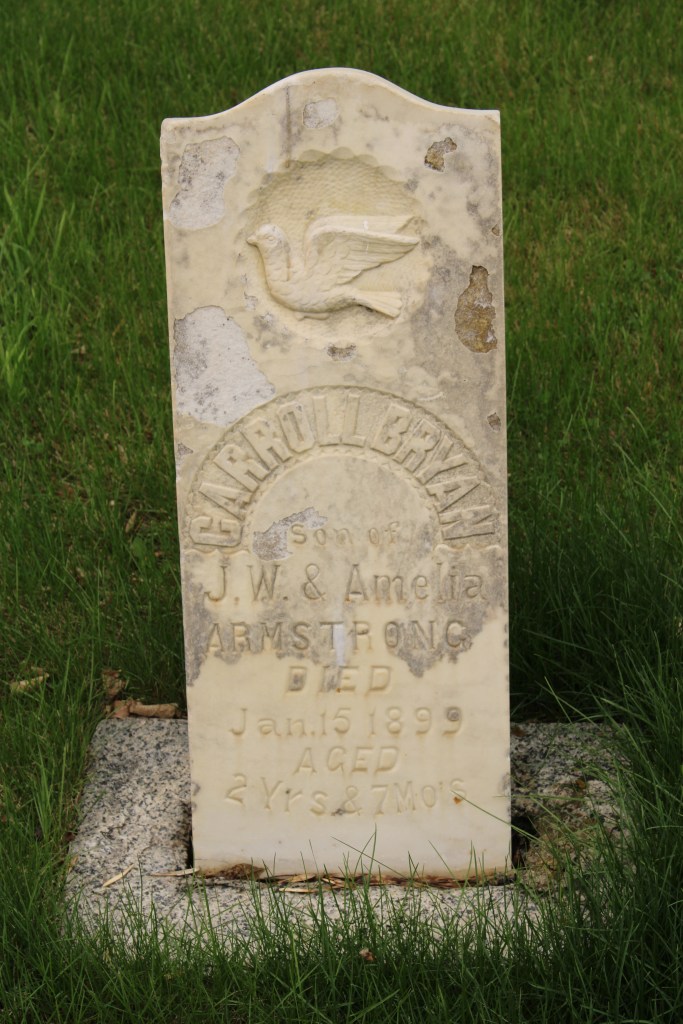
Women of Woodcraft marker for Amelia Armstrong
Masonic marker for former sheriff Kenneth McKenzie

There are delicately carved stones in Victorian themes reflective of the Civil War era.

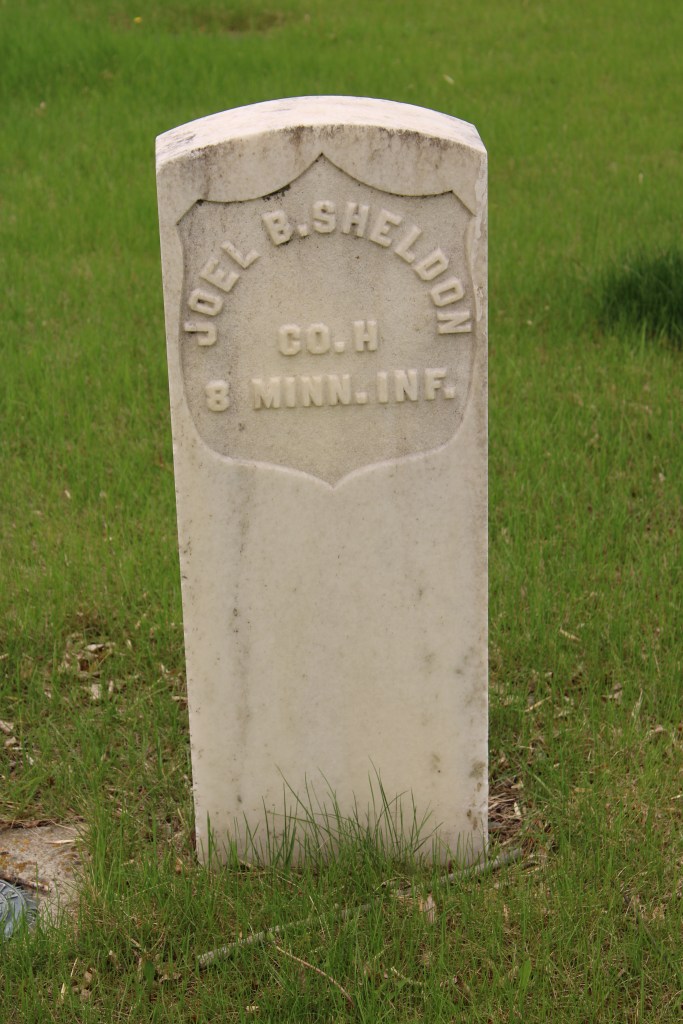
And as you expect there are veterans of the US Army from the Civil War and all subsequent wars buried here.

Then there are those markers that hint at a bigger story and you miss you knew more, such as this blending of the pillow and heart motifs for Mary McDonough and erected by Minnie Reese.

The cemetery is large but not overwhelming. Its straight forward linear design and rectangular shape are common. But the evident care and commitment of today’s residents to the past is commendable and worthy of note.

Deer Lodge’s Hillcrest Cemetery

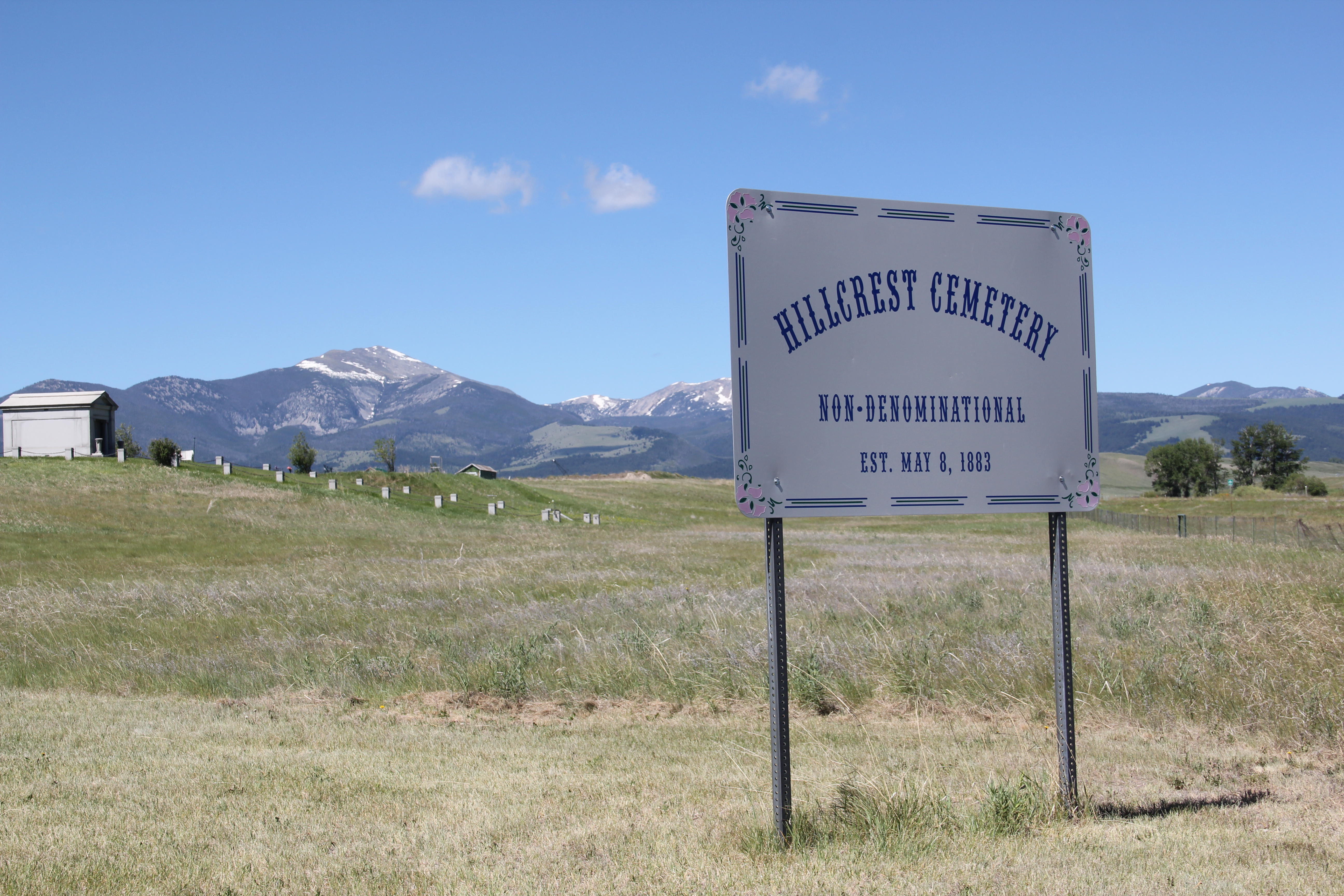
Hillcrest Cemetery, established in 1883, is not only one of Deer Lodge’s oldest community institutions, it is also one of its most compelling and beautiful nestled as it is west of the town within the Deer Lodge Valley. Burials here date to at least 1872 (the earliest legible death date I found on a marker). The general layout of the cemetery comes from a map provided by the City of Deer Lodge on its website.

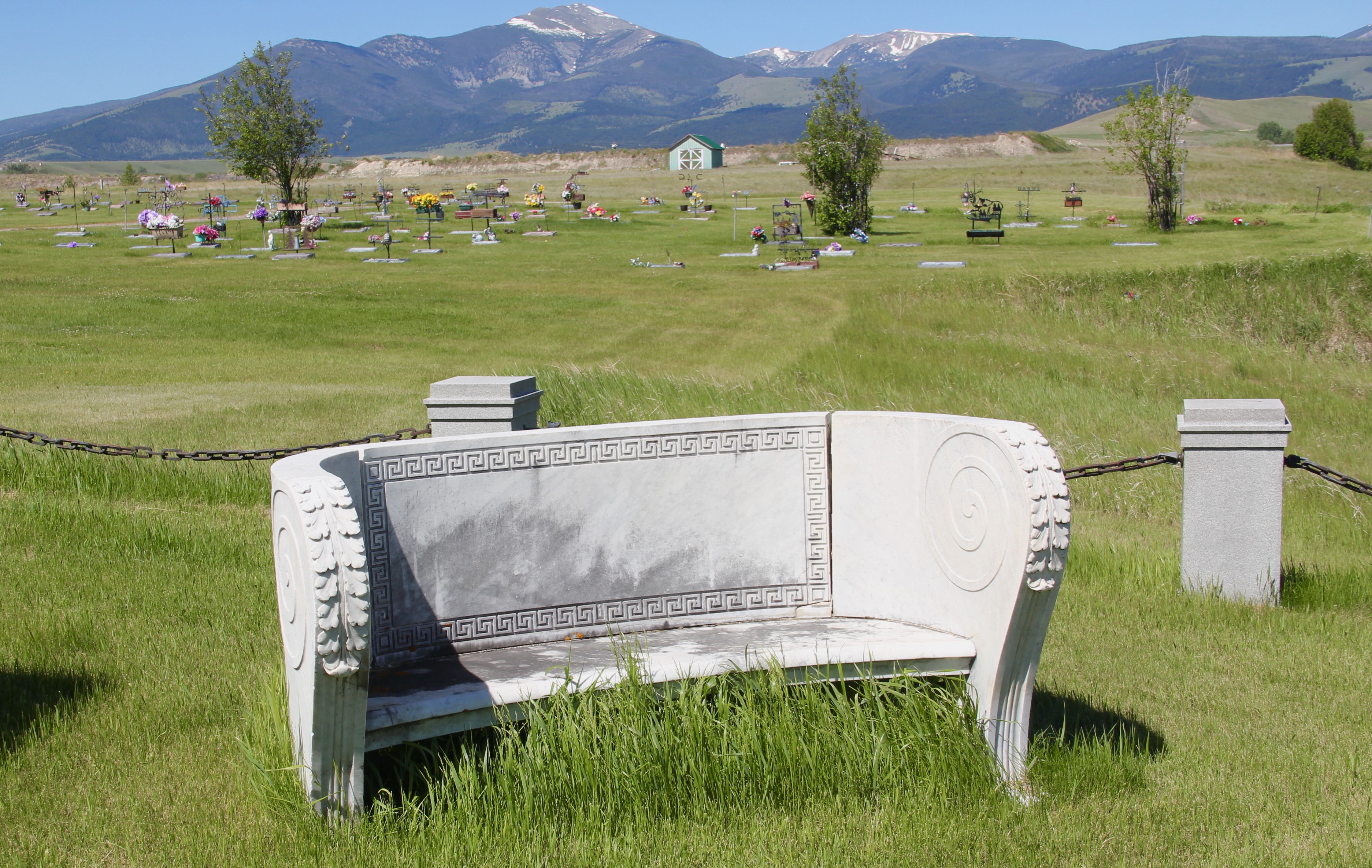
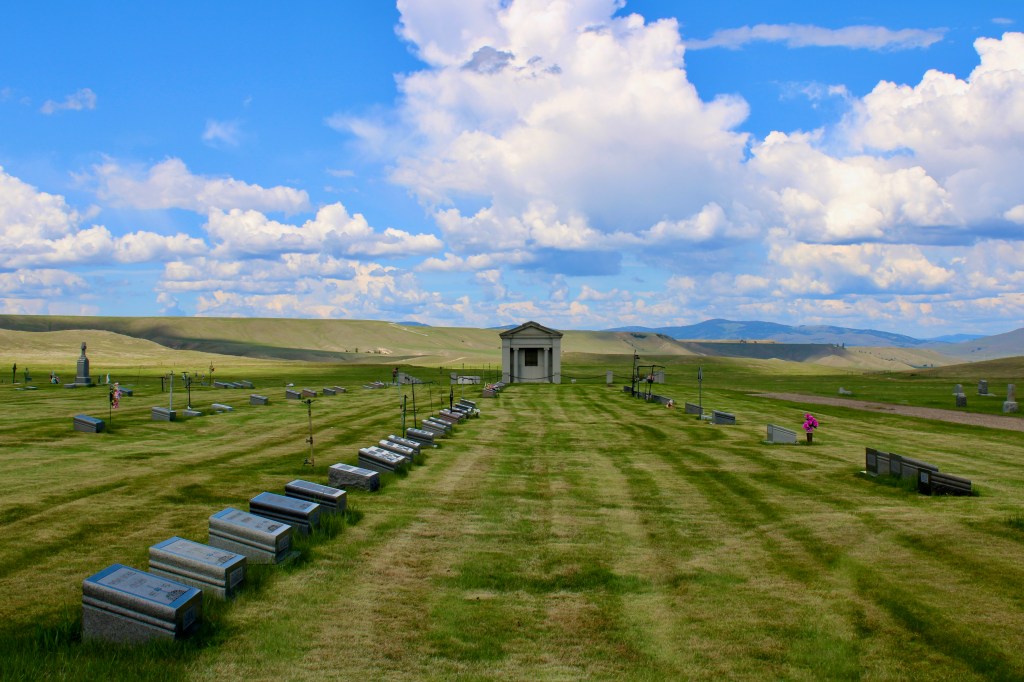
The diversity of its grave markers adds to the beauty and rich stories found at Hillcrest. The classical mausoleum for the John Morony family commands the northern end of the cemetery, with its low square posts linked by chain defining a spot that is within the cemetery but also outside of it. John Morony was a Montana native who gained great wealth as the managing director of the Amalgamated Copper Company in addition to several banks from Great Falls to Anaconda, Missoula, and Dillon and as a major investor with the Montana Power Company.

Classical styled cemetery “furniture” within the chain fence of the Marony mausoluem
The Marony mausoleum facing north, May 2023

South of the Marony mausoleum is most of the cemetery’s burials, with the well maintained grounds marked by large trees, various ornamental plantings and drives that crisscross the cemetery allowing you easy access to its different sections.

The ethnic diversity of those buried here is striking, reminding us that Deer Lodge was more than the location of the state prison (a very important fact) but also a place that the railroads shaped, with the Utah Northern, then the Northern Pacific, and finally the Milwaukee Road laying tracks through the valley. The latter had the most impact as the Milwaukee made Deer Lodge a division point with roundhouses and other buildings, which stood in the 1980s but are now largely gone.

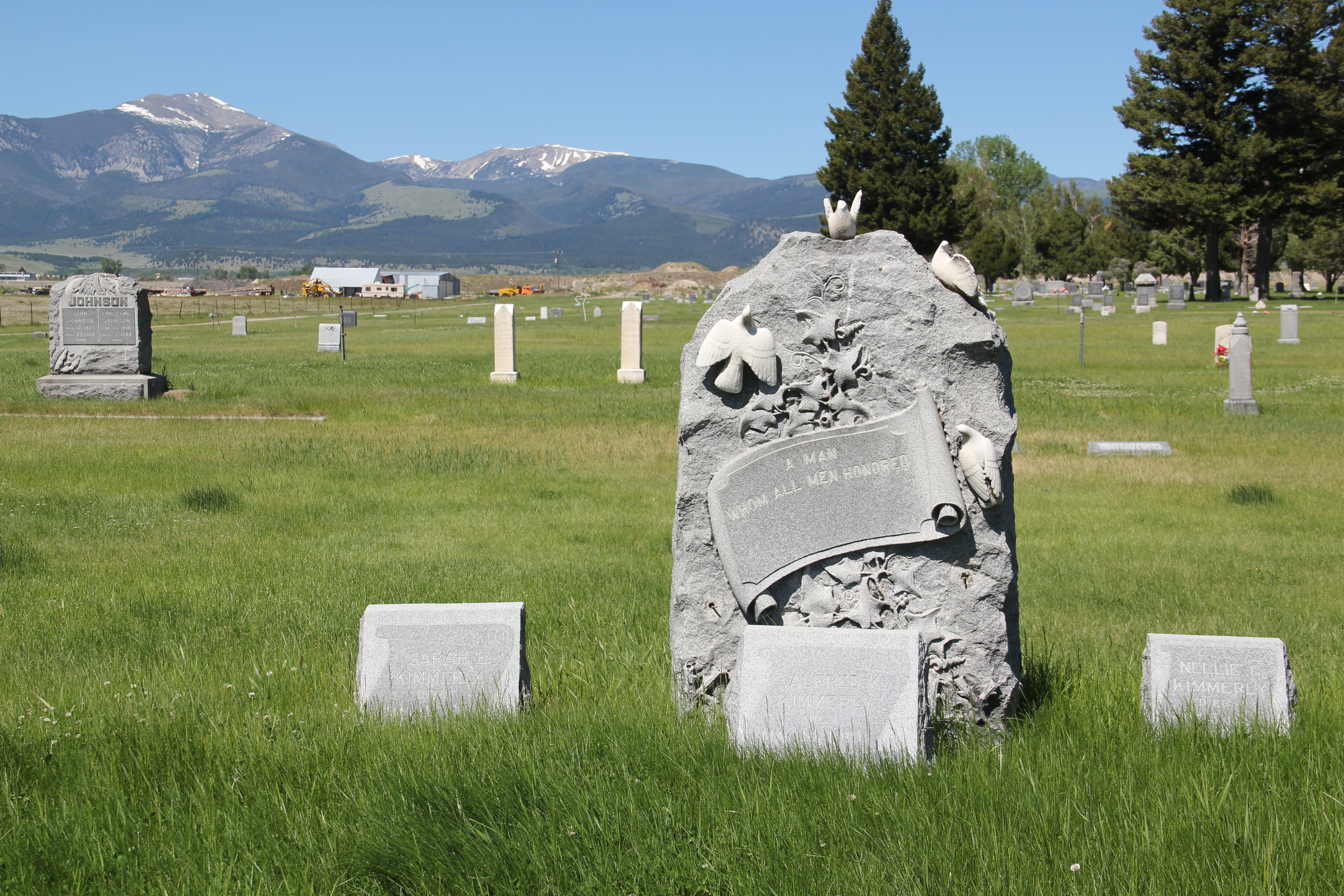
There are many markers of artistic value, from formal, carved stones rich in symbolism and architectural detail to those of a more vernacular design origins, which can even be difficult to translate today.

The Kimmerly Family Plot grave marker with carved doves.
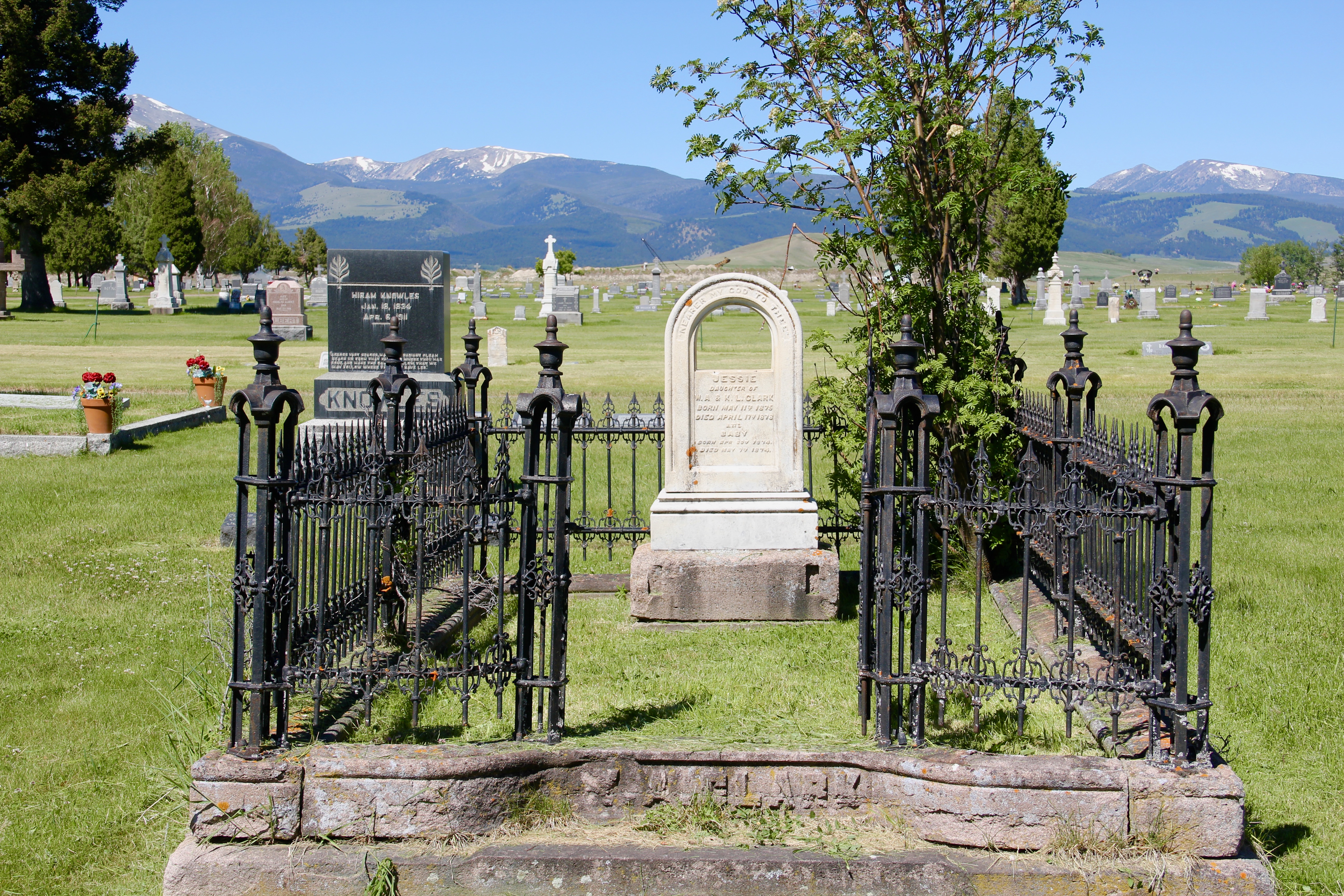
A Victorian fence and gate sets aside the graves of Jesse Clark (d. 1878) and a baby (d. 1874), children of copper magnate W. A. Clark and his wife Katherine L. Clark
A rare concrete block grave marker.

Hillcrest Cemetery also has grave markers that reflect patterns found in other Montana community cemeteries in those that mark fraternal lodge memberships and service in the U.S. armed forces.

Exceptional Woodmen of the World marker for Carl O. Stav (c. 1901).
The Grand Army of the Republic erected this marker to commemorate U.S. army veterans from the Civil War who are buried in this section of the cemetery. There are many other veterans from the armed forces buried at Hillcrest.

The cemetery also has early pioneers buried here, including Conrad Kohrs, whose historic ranch, the Grant-Kohrs Ranch, is a National Historic Site, administered by the National Park Service not far from the cemetery.

The grave markers above are just a few of the many at Hillcrest Cemetery worthy of acknowledgement and fuller study. This historic place is one of the most interesting community cemeteries I have encountered in Montana.

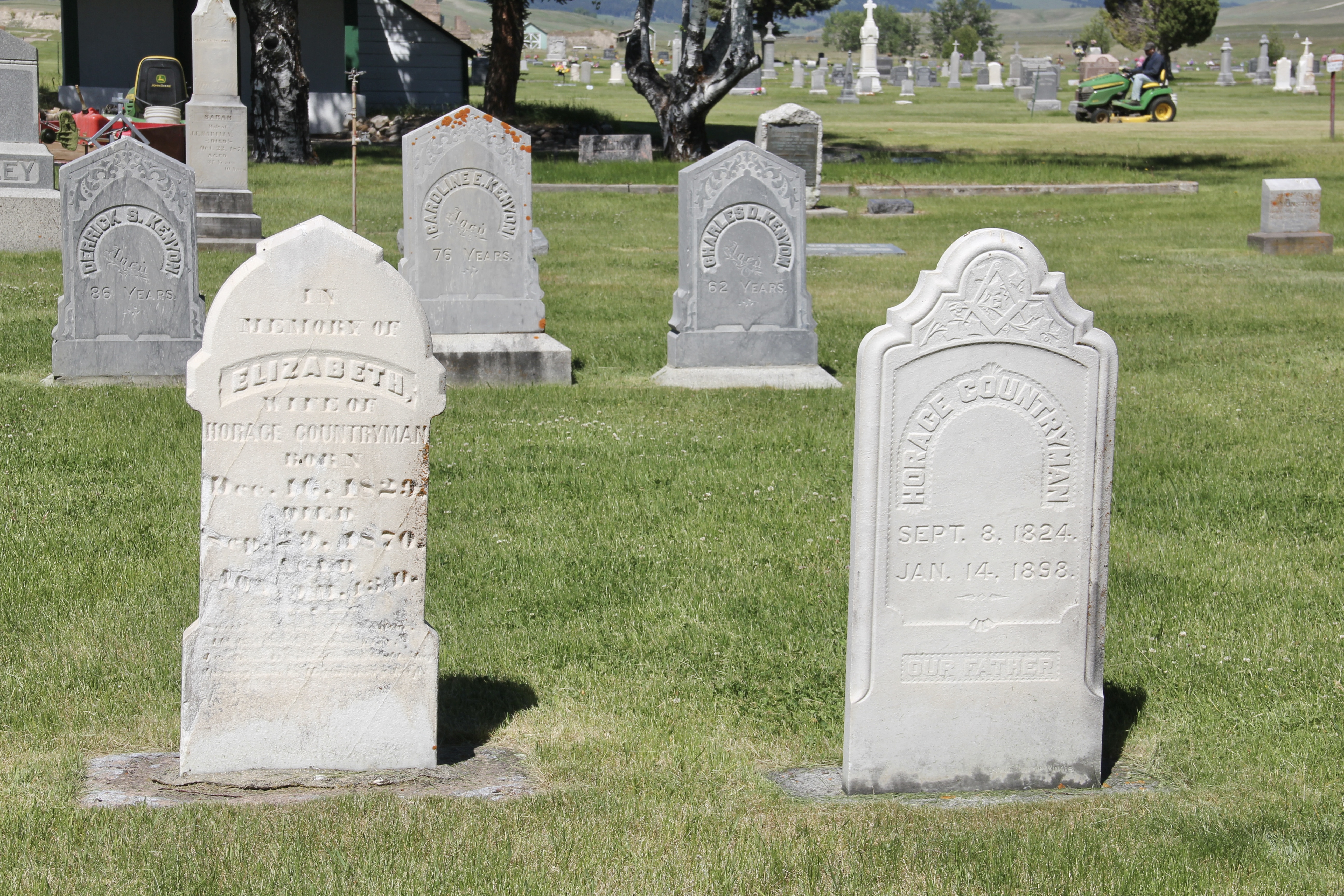
Horace and Elizabeth Countryman were influential pioneers in eastern and western Montana. Note the Masonic association at the top of Horace’s stone.

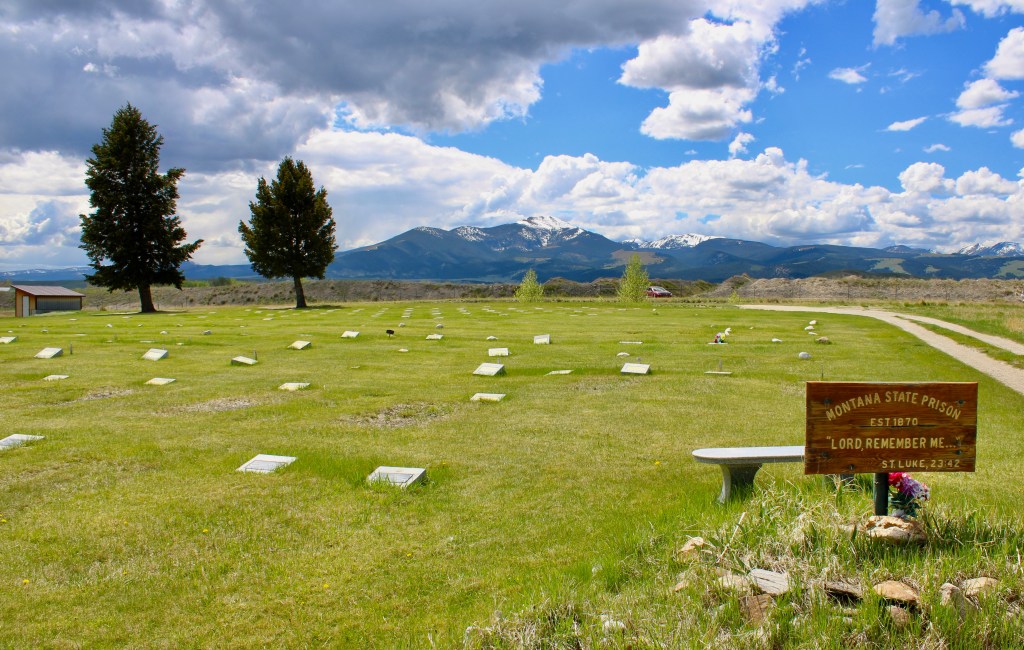
At the East rear of the cemetery is one of the oldest sections, reserved for inmates who died at the Montana territorial and then state prison. Separate from the the other sections, the prison cemetery is a somber experience.

Prison cemetery

Red Lodge Cemetery, Carbon County, Montana

As you leave downtown Red Lodge on Montana Highway 78 heading towards Roscoe, you find the Red Lodge Cemetery high on the bluffs overlooking the town, and not far from the gateway to the county fairgrounds. The cemetery is remarkable. A few years ago residents worked with the Montana State Historic Preservation Office to place the Red Lodge Communal Mausoleum, from the 1920s, in the National Register of Historic Places. The impressive Classical Revival styled building is certainly the centerpiece of the cemetery.

Red Lodge Mausoleum

But as the grave markers in the front of the building document, the cemetery itself makes a powerful statement of the ethnic diversity of Red Lodge, especially during its coal mining era from the late 1880s into the middle of the 20th century. Twenty years ago Bonnie Christensen’s book on the ethnic groups who worked in and around Red Lodge, mostly in coal mines but not always, documented how local history went against the stereotypes of the mythic West. A walk through this cemetery, with grave markers from residents who came from the United Kingdom and Ireland or Central Europe or the Mediterranean and especially from Scandinavia, makes history books like that of Christensen become jarringly real.

Two of the more interesting markers bookend the mausoleum and mark the lives of immigrants from Italy who were also members, judging from the markers’ form and style, of the Woodmen of the World.

The mausoleum is not the only crypt. Located behind the mausoleum and facing the mountains to the west is the Powers grave house, built of concrete.

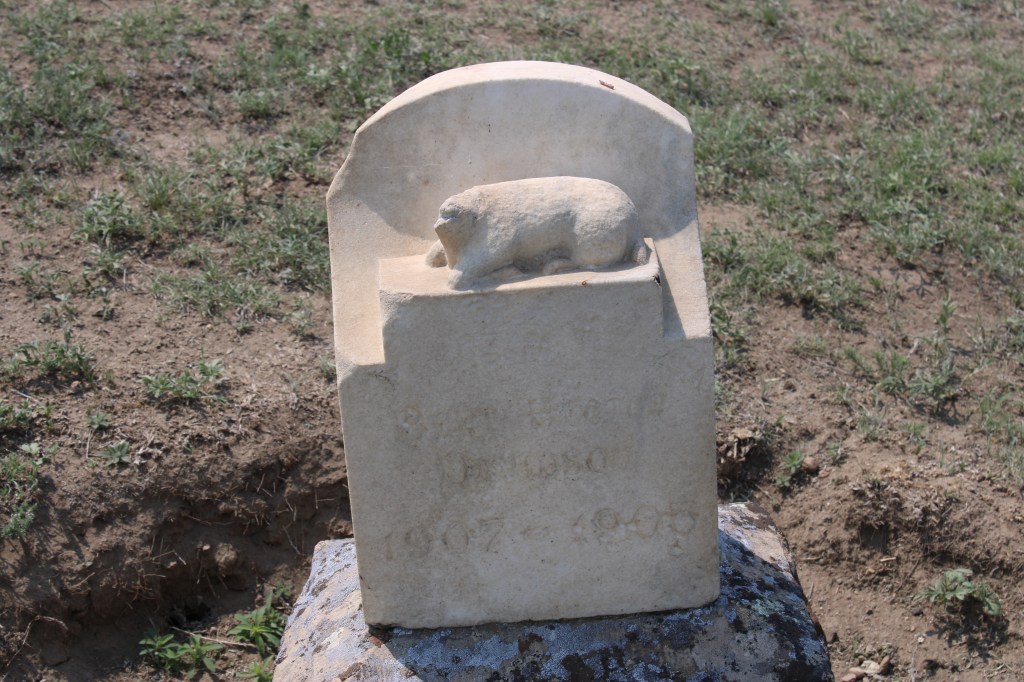
Scattered throughout are child grave markers from the early 20th century, perhaps none more poignant that the hand-scripted concrete marker for Angjelka Grubisic who died not even one year old in 1923.

The concentration of ethnic markers around the mausoleum and to the north of the building is the central pattern of the cemetery. But to the southwest of the mausoleum is the veterans section, marked by an American flag, which documents the long tradition of military service from the 20th century, and 21st century, residents of Red Lodge and Carbon County.

The veterans section in the center of the cemetery is a powerful reminder of what the United States is about. We are a nation of nations–here that reality is loud and clear–but when faced by the enemy, we bind together and sacrifice for the good of the country.

Back on the Hi-Line: Culbertson

The Hi-Line is Montana’s major northern transportation corridor–first carved by the St. Paul, Minneapolis and Manitoba Railway in the 1880s and then extended by the Great Northern Railway a decade late.  Today most travelers use U.S. Highway 2, which largely parallels the railroad, to traverse the Hi-Line.  The first place you encounter of more than 500 people is Culbertson, established in the 1880s and named for Alexander Culbertson, who was once the factor (the manager) of the Fort Union fur trading post at the confluence of the Missouri and Yellowstone rivers.

Roosevelt Co Culbertson GN depot

The Great Northern depot at Culbertson

Earlier in this documentary blog on the Montana landscape, I discussed Culbertson as part of the landscape of oil and fracking then taking place in the region.  Today I want to share images of community institutions that link the town’s more than 130 year history to the present.  Historic churches are a good place to start.

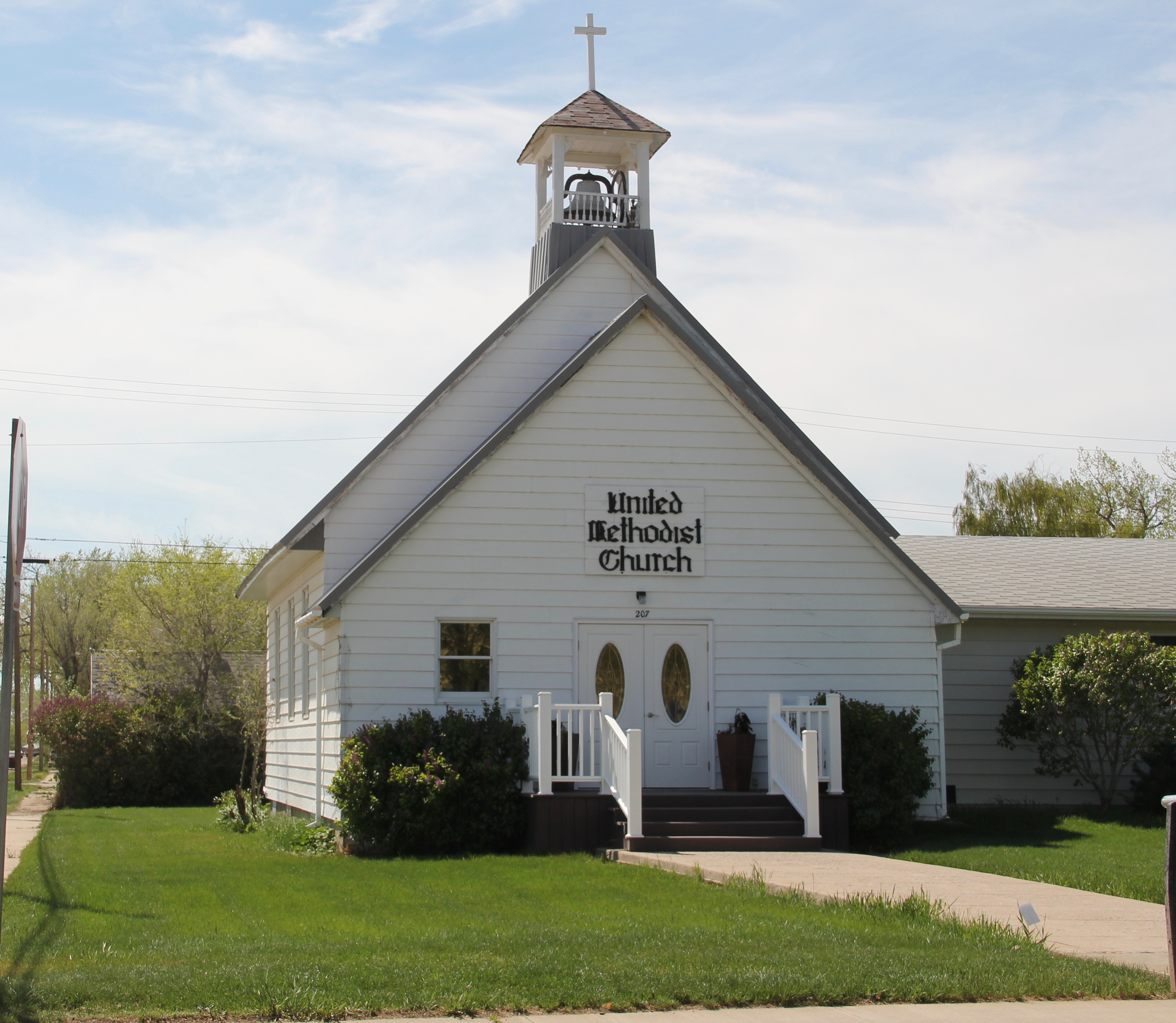
Roosevelt Co Culbertson 1st UM Church

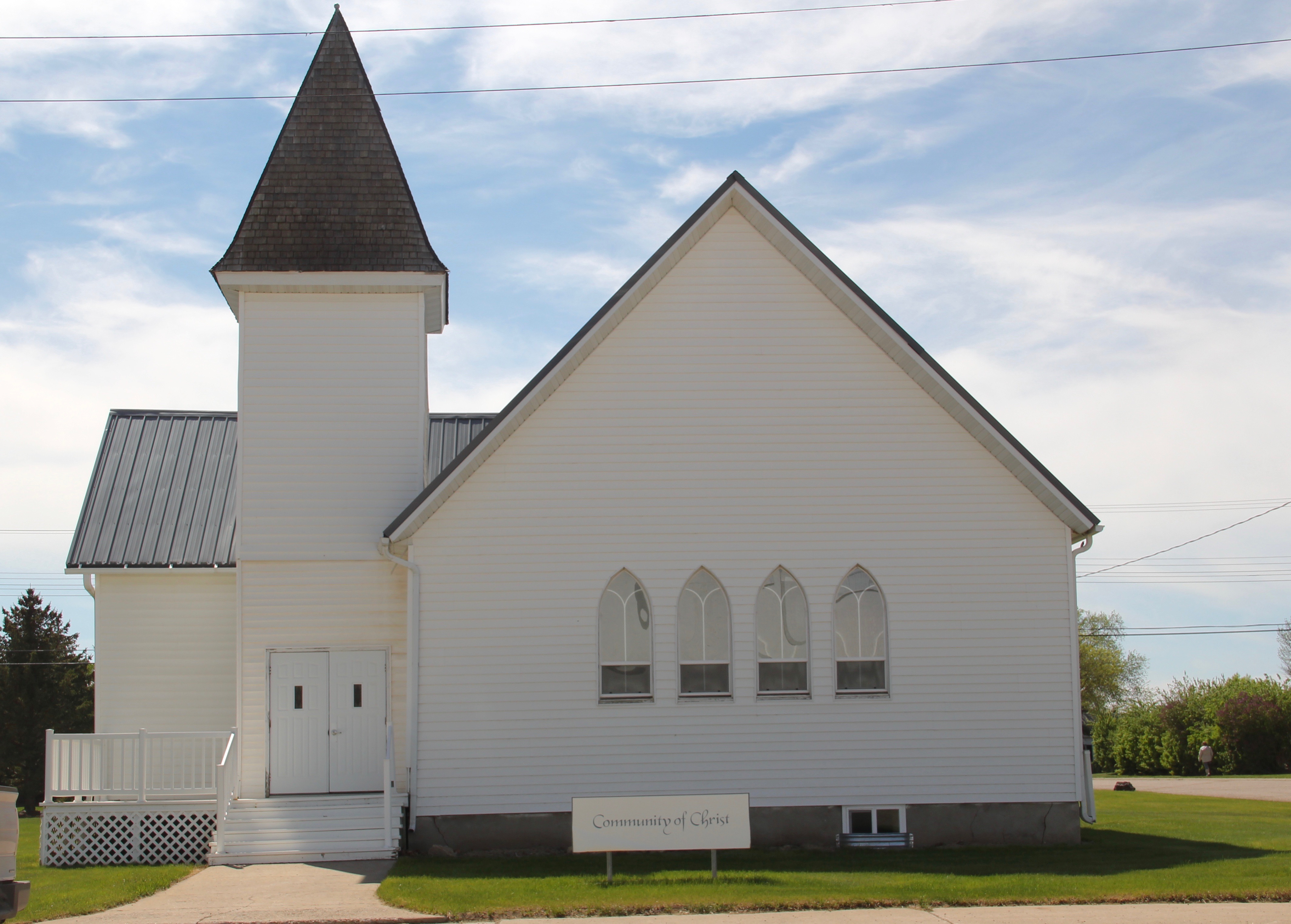
The United Methodist Church reflecting a vernacular Gothic type that can be found all across the northern plains in the late 19th and early 20th century.  The Community of

Roosevelt Co Culbertson 11

God Church shares that similar vernacular Gothic style and retains its bell tower.  Mid-20th century modern style can be found in St. Anthony Catholic Church.  As regular readers of the blog may recall, I have explored the diocese’s choice of mid-century Roosevelt Co Culbertson St Anthony Catholicmodern style for many Catholic churches in eastern Montana.  The Culbertson church is a good example of that pattern.  Another church that belongs to the modern design era of the 20th century is Trinity Lutheran Church, especially as this distinguished building expanded over the decades to meet its congregation’s needs.
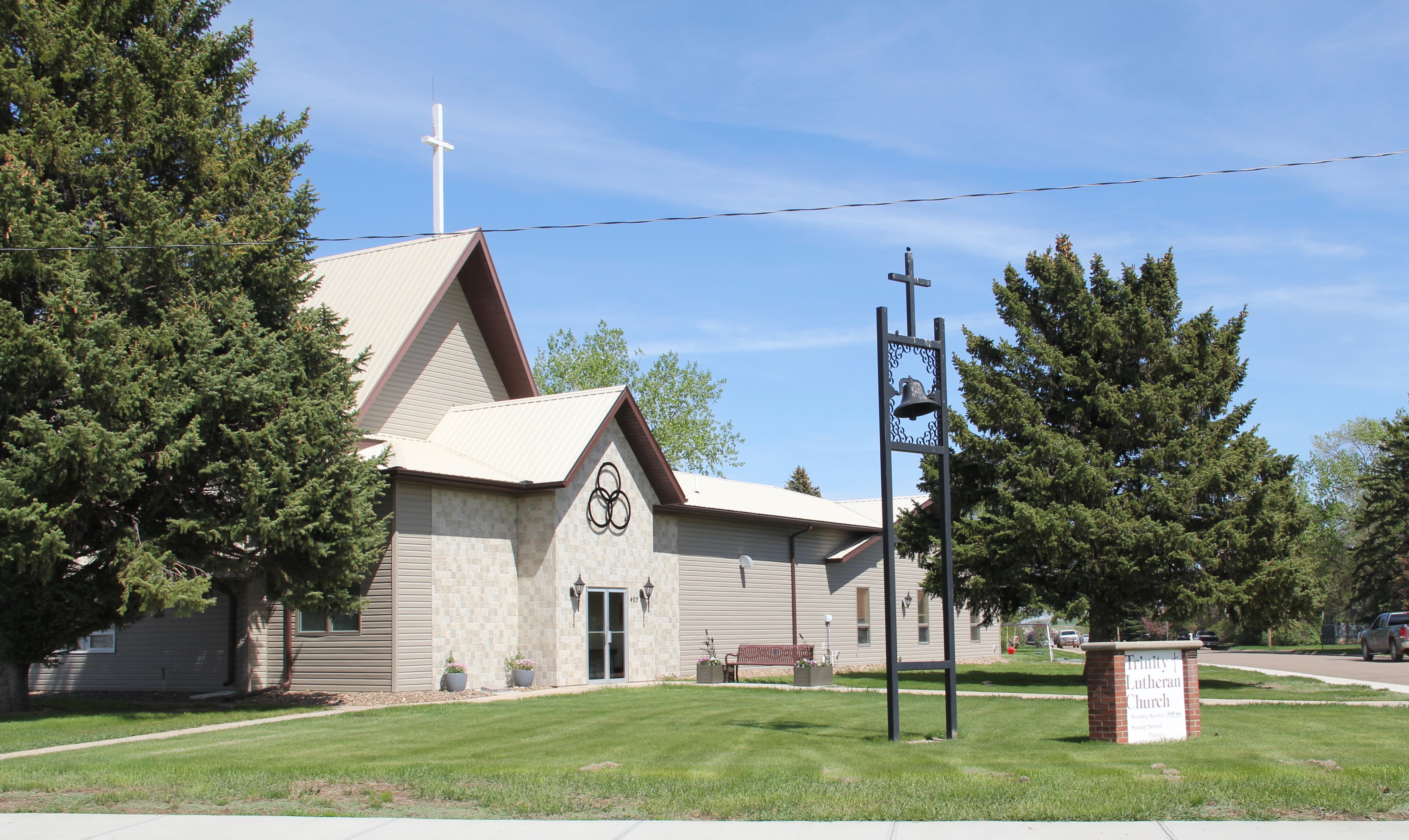
Roosevelt Co Culbertson Trinity Lutheran

Roosevelt Co Culbertson armory 2

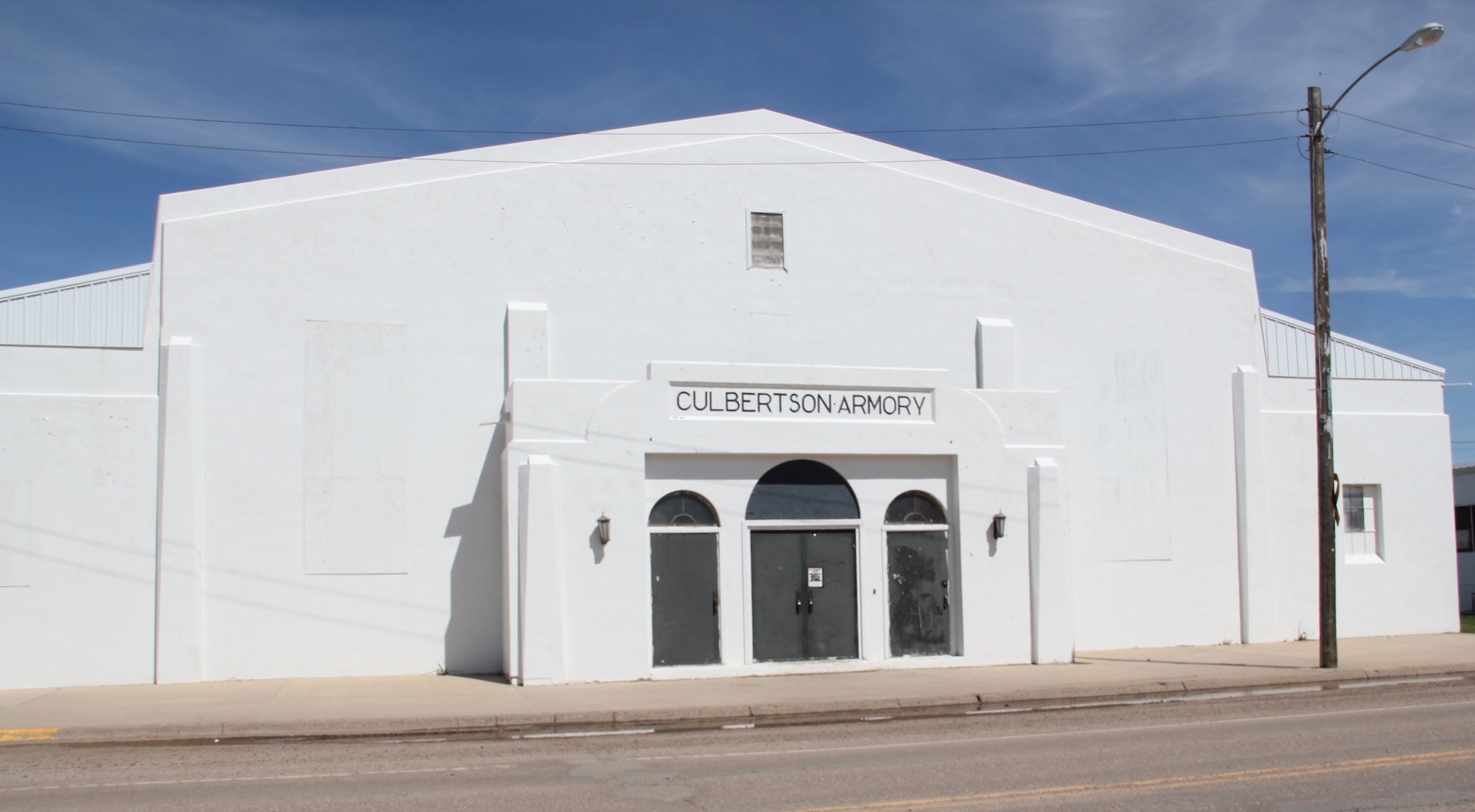
One of the most interesting buildings in Culbertson is the Armory, part of the significant impact that New Deal agencies had on the built environment of Roosevelt County in the 1930s.  Justified as part of the nation’s war preparedness efforts in the late 1930s, so many armories across the country have found second life as public buildings, serving local government and community events.

Roosevelt Co Culbertson armory New Deal

In my earlier post about Culbertson I should have focused more on surviving commercial buildings from the early 20th century–the time of the homesteading boom.  The beautiful cast-iron cornice on the Moen Building (1908) is impressive, one of the best examples of that Victorian commercial style still extant on the Hi-Line.

Roosevelt Co Culbertson 7 C.S. Moen Block 1907

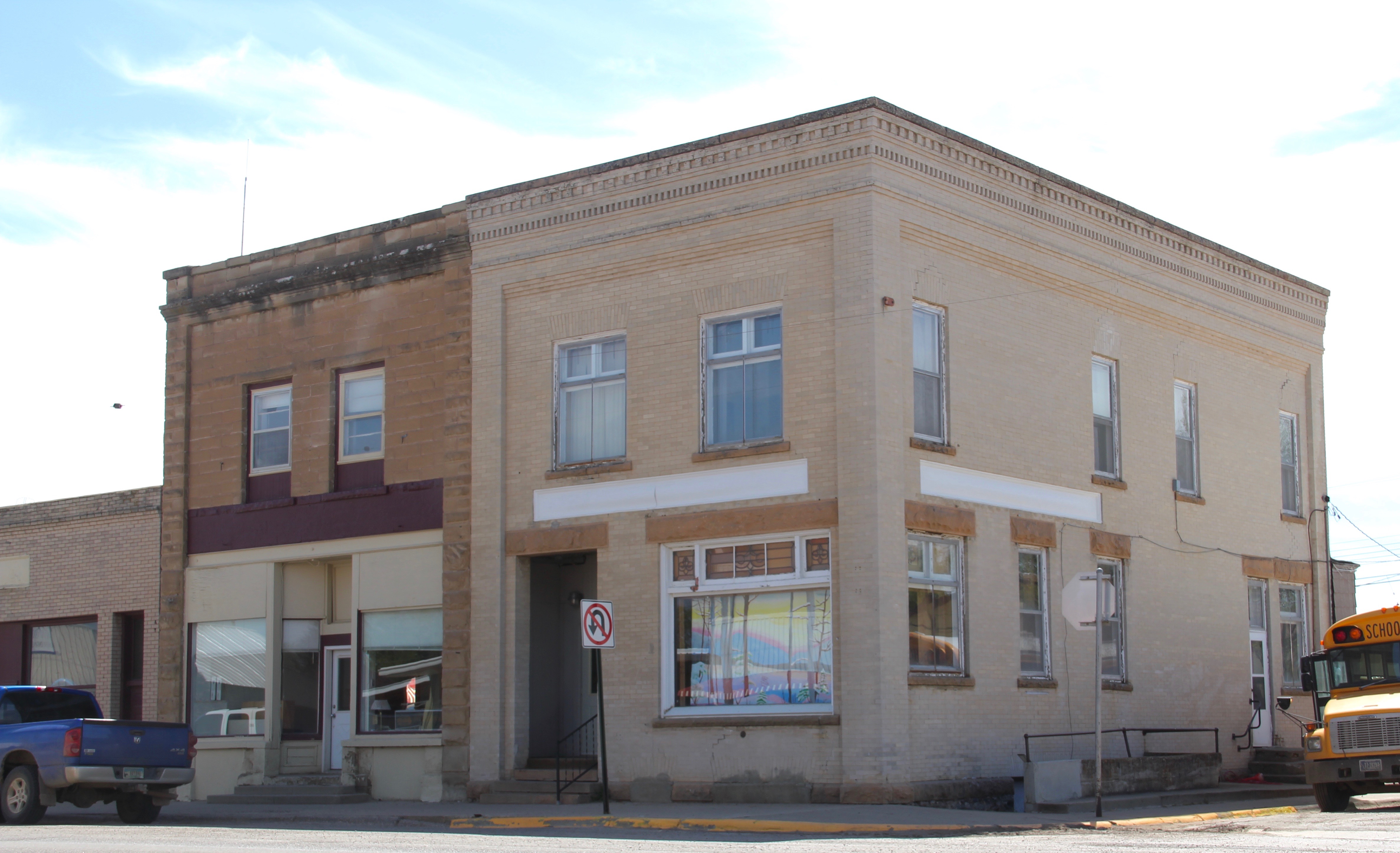
Some of the extant two-story commercial buildings from the homesteading boom show some architectural styling, like the two below, but then a former town bank is impressive in its detail and masonry as any in the region.  Culbertson had high hopes in the 1910s.

Roosevelt Co Culbertson 6

Roosevelt Co Culbertson 4

On either side of the town center are two additional important institutions.  The Culbertson Museum serves as a community heritage center but also as a visitor center for travelers entering Montana.  Its outdoor sculpture of the Lewis and Clark Expedition is a reminder to all travelers that traces of the Corps of Discovery can be found along so much of the Hi-Line.

Roosevelt Co Culbertson museum 1

Roosevelt Co L&C sculpture Culbertson museumOn the west side of town is its historic cemetery, the Hillside Cemetery.  At first glance, it seems unimposing, more quaint that important.  But the cemetery is the oldest historic

Roosevelt Co Culbertson cemetery

Roosevelt Co Culbertson cemetery 3

Roosevelt Co Culbertson cemetery  2

Roosevelt Co Culbertson cemetery 7

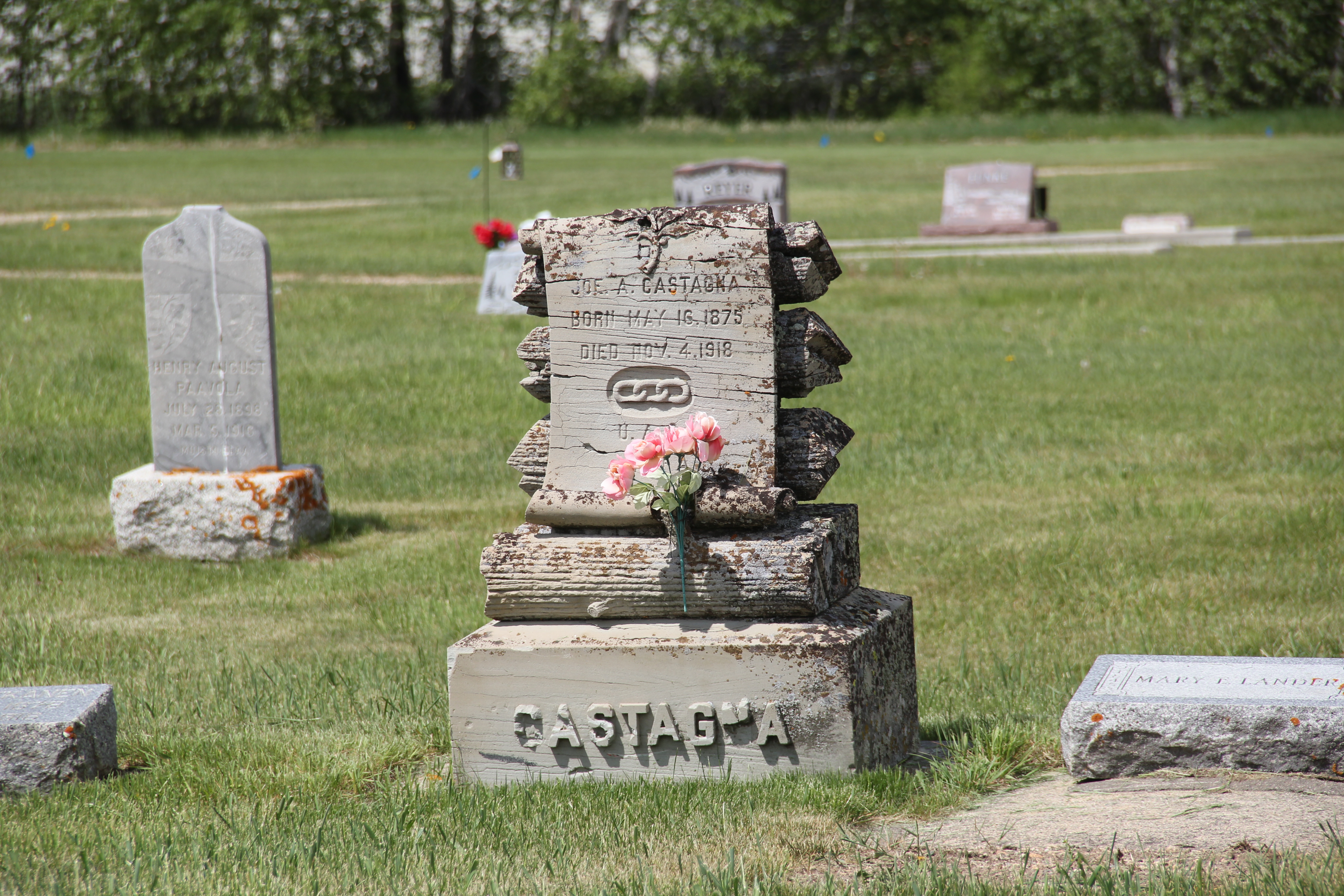
resource in Culbertson, and in fact is the the burial place of two former Union soldiers, one from Illinois and one from Minnesota, who fought in the Civil War.  The markers are a reminder that the mid-19th century roots of Montana are never far away, even at the small town of Culbertson.