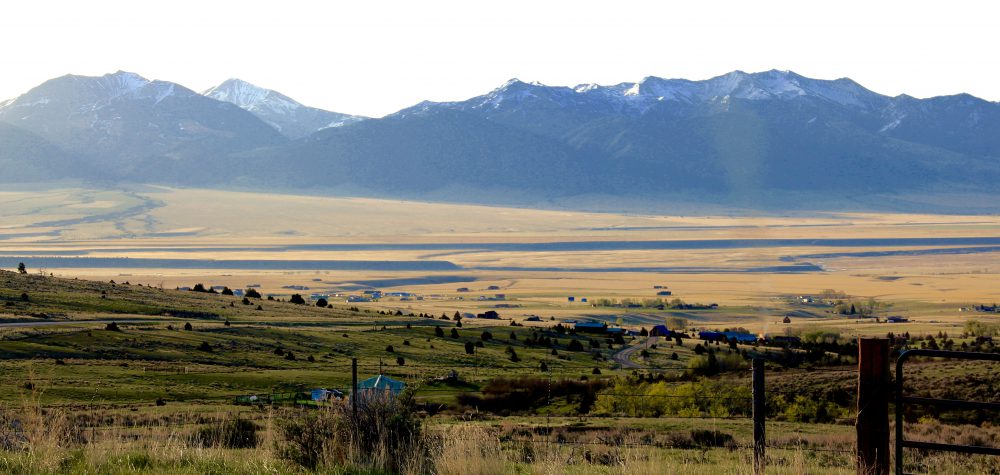
The City Cemetery is one of Missoula’s oldest extant public properties, if not the oldest since it dates with a year of the arrival of the tracks of the Northern Pacific Railroad in the early 1880s. Recent news stories have spoken of surplus land and new development. I hope that as those plans for change are implemented that city officials also consider listing the cemetery in the National Register of Historic Places. It is one of the most interesting public cemeteries I have encountered in Montana. The cemetery also meets the criteria for eligibility of the National Register.
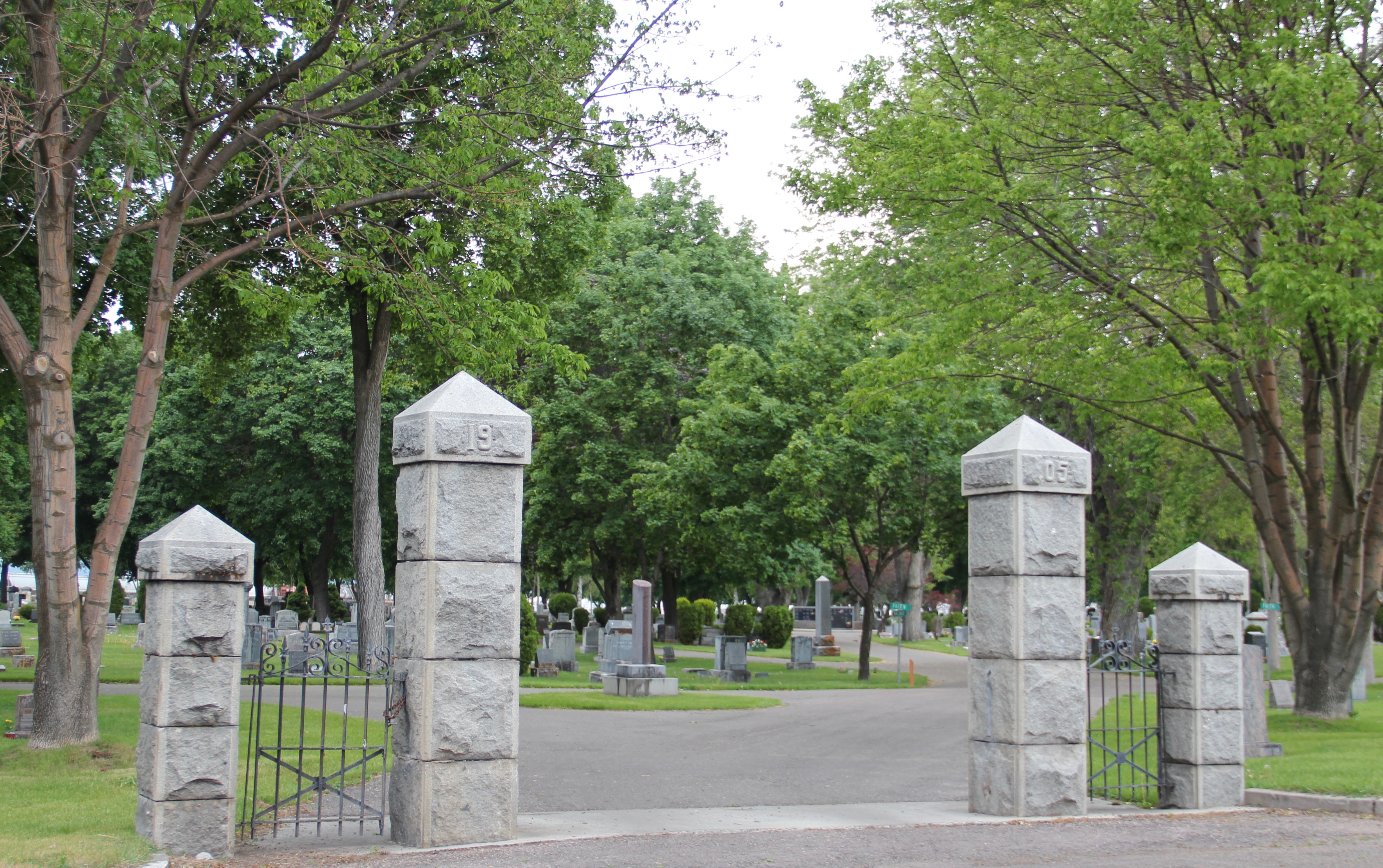
One of the best ways to document a cemetery for the National Register is to explore its historical significance. In the case of the Missoula cemetery, it dates to c. 1883-1884 as a public institution and represents an important way that early town officials began to build the public infrastructure for the city to come. Also the cemetery has several important markers that commemorative key groups and events in local history.


For example, this section of early graves of the Montana Pioneers at the cemetery, marked initially by the large cross, has been memorialized by a recent (1982) commemorative tablet.

This large obelisk marker dates to 1919 and refers to the effort of a once large and significant women-led group, the Women’s Relief Corps, who initially led the commemoration of Union dead from the Civil War, as an auxiliary organization to the Grand Army of the Republic. The WRC stayed active through the Spanish-American War and World War I and this marker recognizes veterans from all of those conflicts.

Fraternal organizations were very important in Missoula’s late nineteenth and early twentieth century history. Their membership is well represented throughout the cemetery; here are images of the Order of the Eastern Star and then a strategically placed Masonic monument at one of the cemetery’s crossroads.


The image above speaks to the cemetery’s overall design, a reflection of the mid-nineteenth century Rural Cemetery Movement, which perceived a well designed cemetery serving almost like a city park, with curvilinear drives, landscaped grounds, and lots of ornamental plantings, from boxwoods to large, expressive trees. The Missoula City Cemetery, as the next images show, has all of the traits of a Rural Cemetery Movement property.


 These images speak to the cemetery’s architectural significance, another point of emphasis for a National Register nomination. The cemetery has several elaborate grave markers, a virtual sculpture garden that also speaks to the city’s artistic expressions.

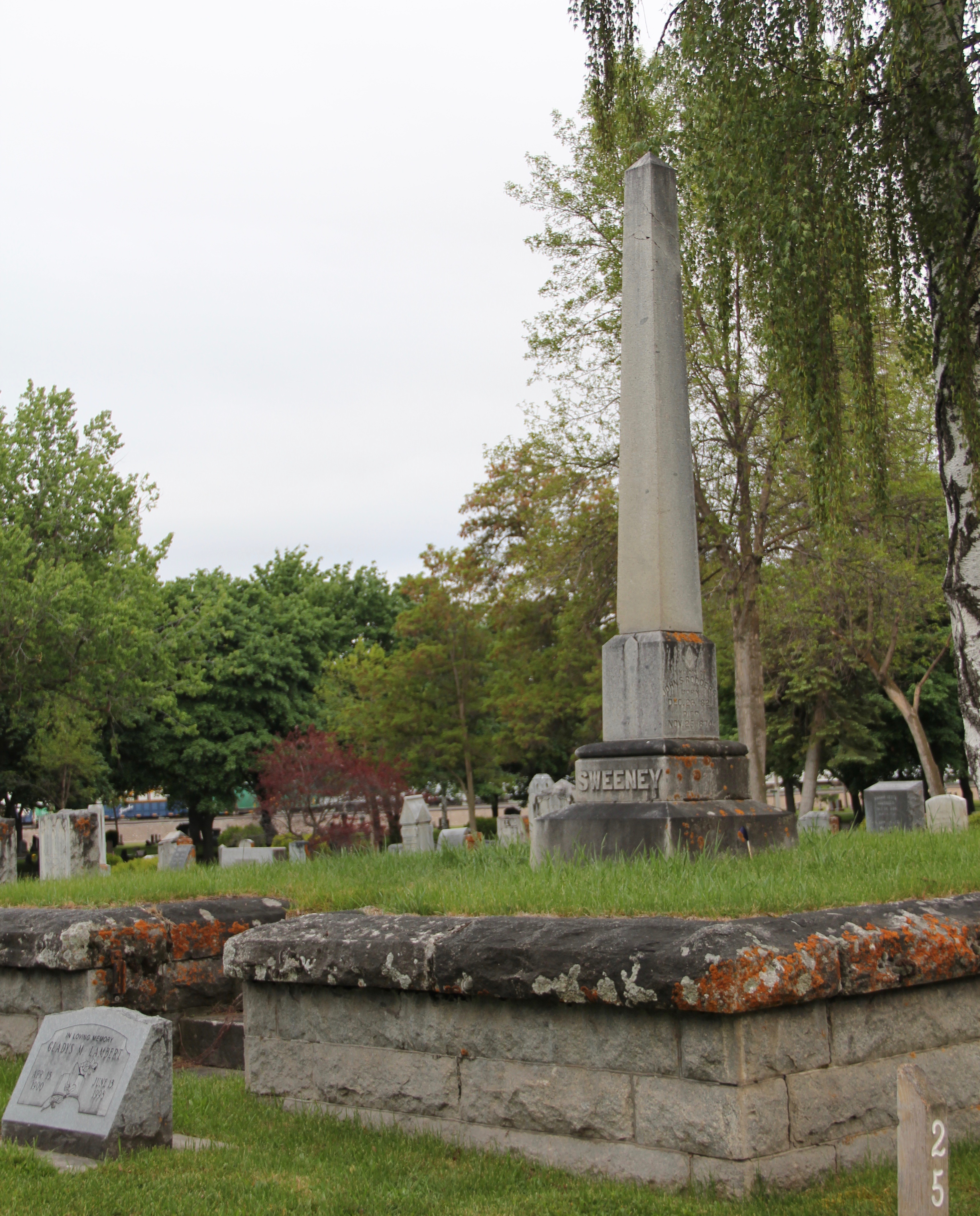
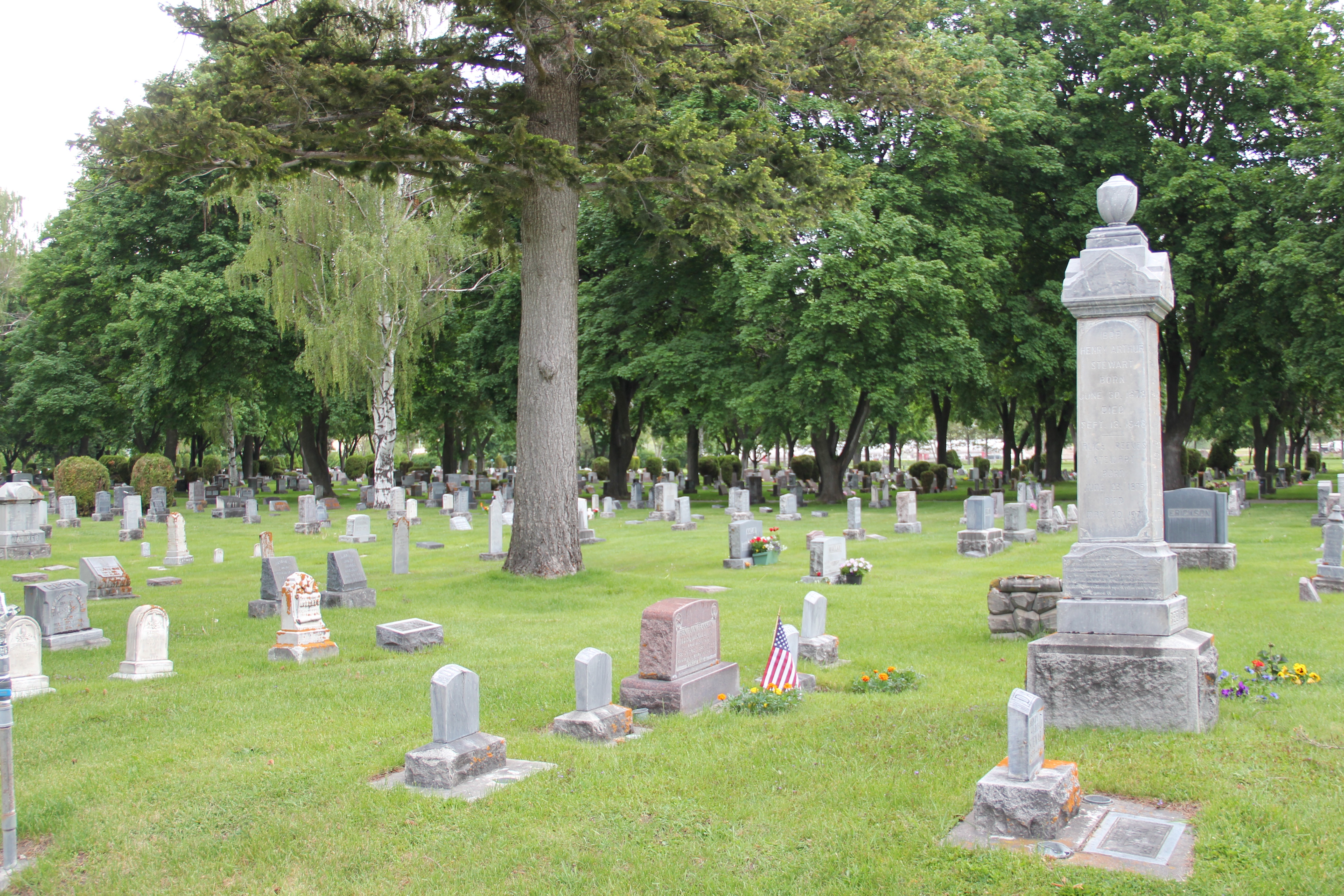
Yet as the image directly above suggests, the cemetery also represents the community and many of its grave markers are small and largely unadorned, reflective of a working to middle-class centered place as Missoula was for so much of its first 75 years.


Nestled as it is south of the Northern Pacific mainline, the cemetery is a relaxing but noisy environment at many times. Let’s hope that its new future reflects the importance of its past and this urban cemetery is not surrounded by high-rise buildings and development that transforms what has been an urban oasis for over 130 years into a mere dead end.

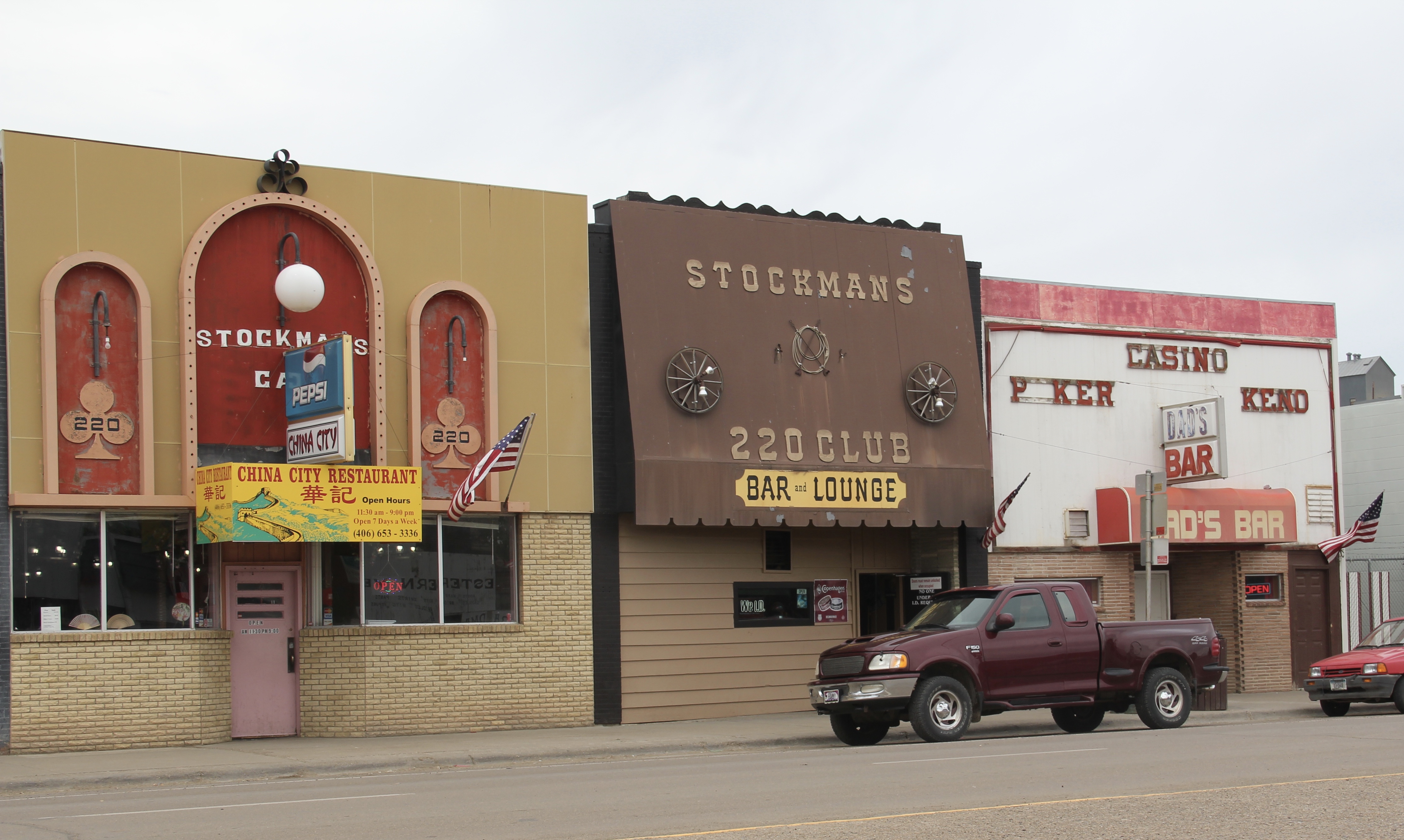
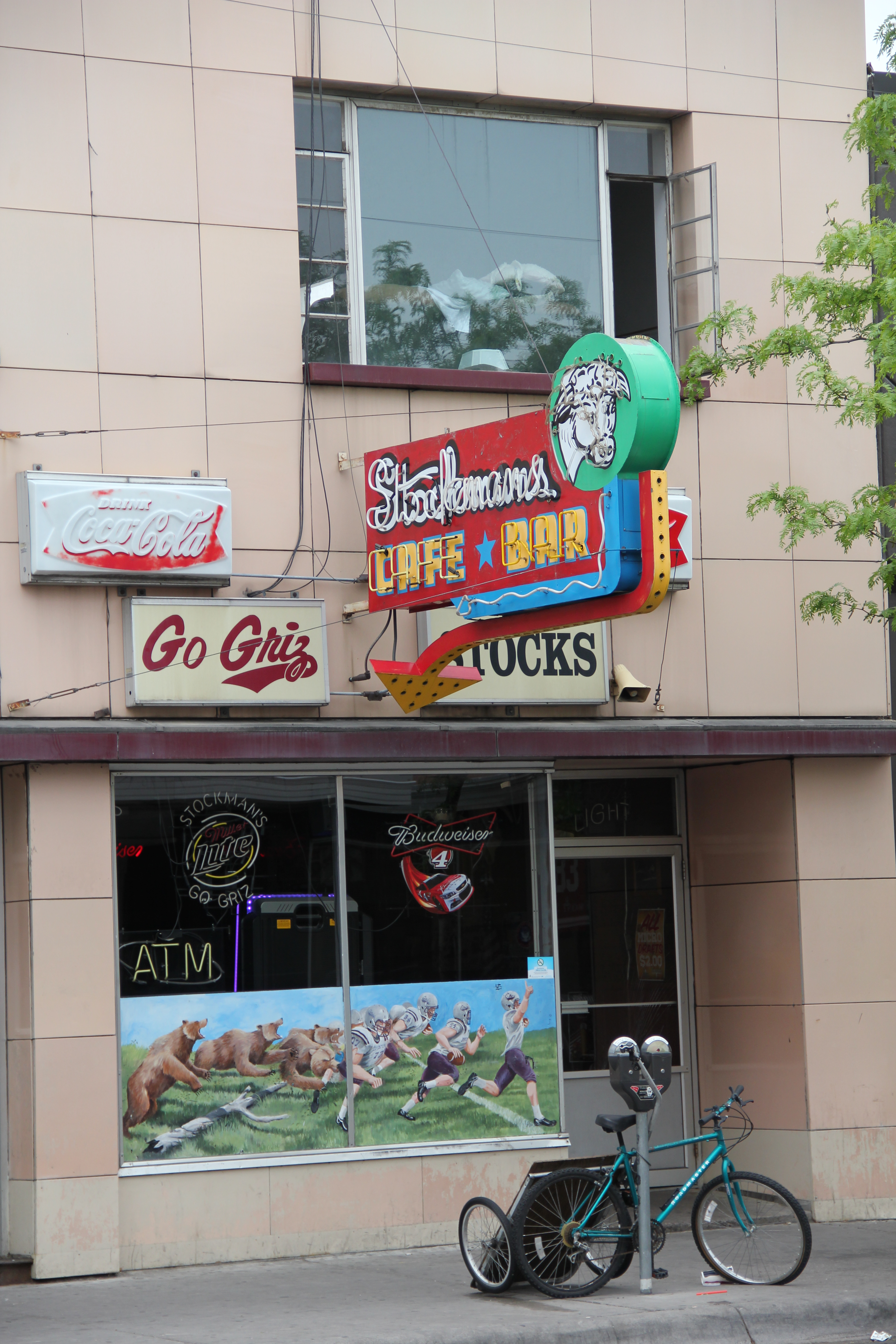 entertained generations of Grizzly students and fans–note the window mural. But it is just one of several favorite Stockman’s Bars I have encountered in my Montana fieldwork. My top choice is actually on the other end of the state–almost in North Dakota in fact–the Stockman’s Bar in Wibaux.




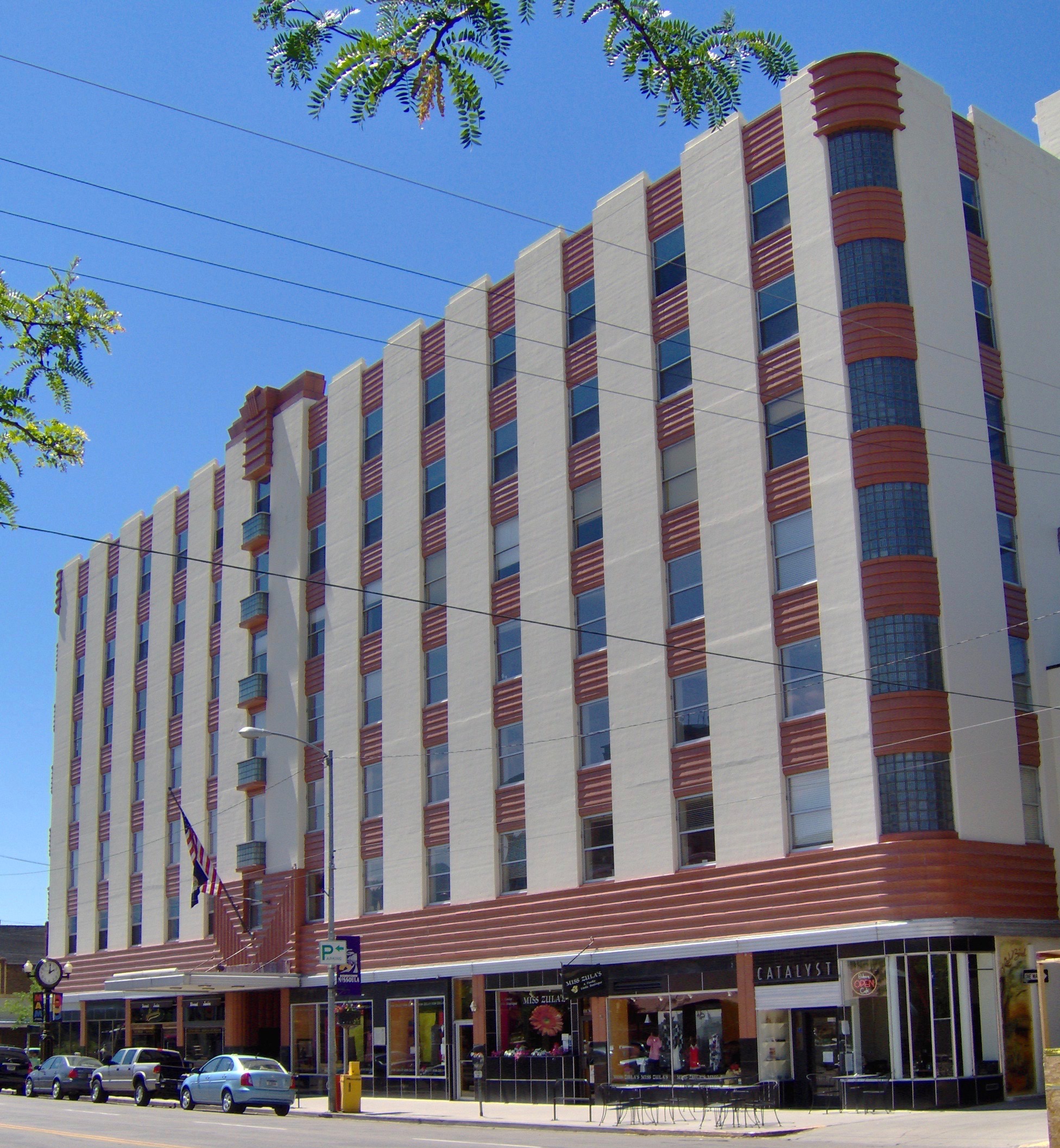 Downtown Missoula’s architectural wonders make it a distinctive urban Western place. Let’s start with my favorite, the striking Art Moderne styled Florence Hotel (1941) designed by architect G.A. Pehrson. Located between the two railroad depots on Higgins Street, the hotel served tourists and residents as a symbol of the town’s classy arrival on the scene–it was the first place with air-conditioning–of a region transforming in the 1940s and 1950s.
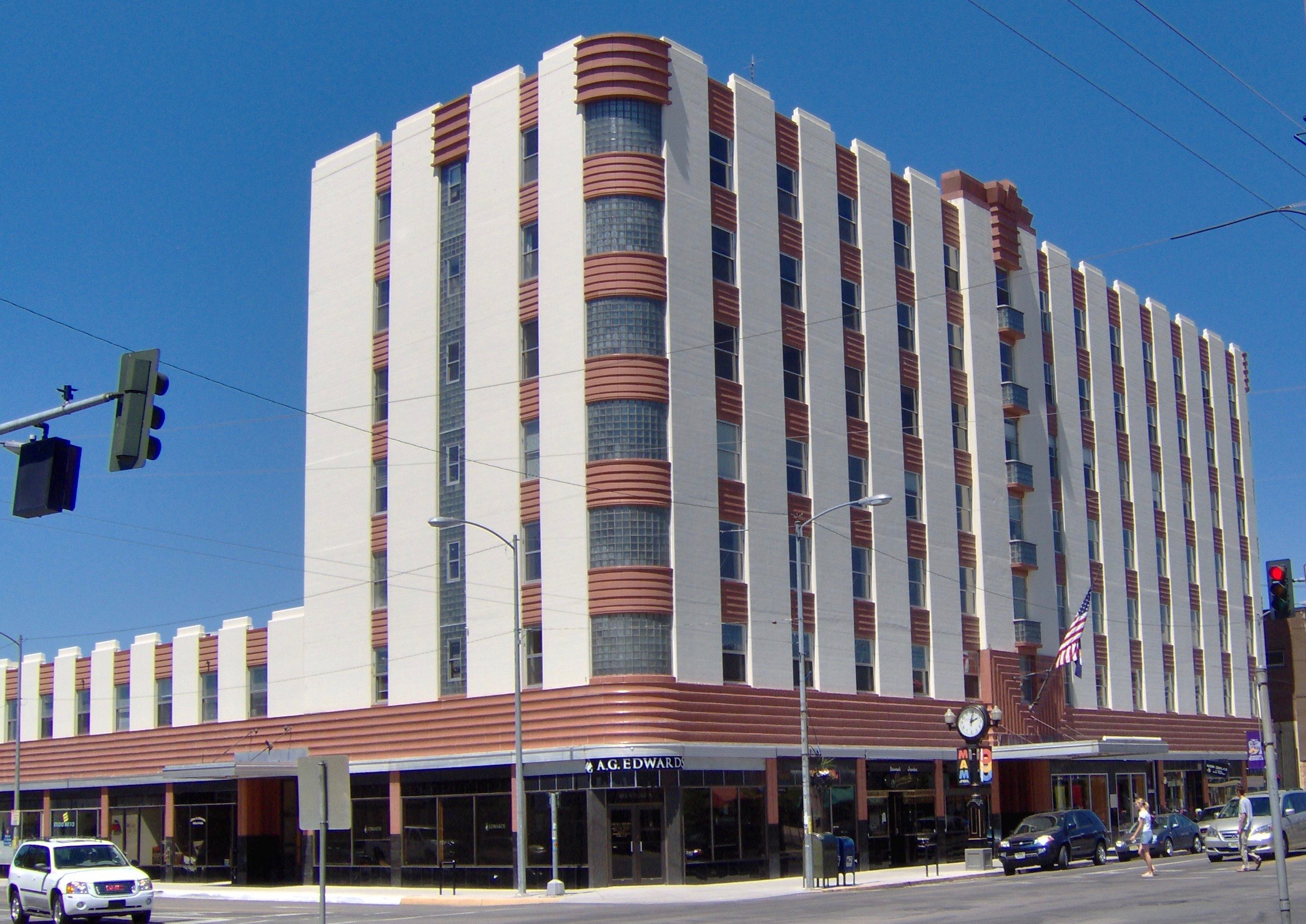 With the coming of the interstate highway in the 1970s, tourist traffic declined along Higgins Street and the Florence Hotel was turned into offices and shops, a function that it still serves today.
 Next door is another urban marvel, the Wilma Theatre, which dates to 1921 and like the Florence it is listed in the National Register of Historic Places. The building was the city’s first great entertainment landmark (even had an indoor swimming pool at one time) but with offices and other business included in this building that anchored the corner where Higgins Street met the Clark’s Fork River. Architects Ole Bakke and H. E. Kirkemo designed the theatre in the fashionable Renaissance Revival style, with a hint towards the “tall buildings” form popularized by architect Louis Sullivan, the building later received an Art Deco update, especially with the use of glass block in the ticket booth and the thin layer of marble highlighting the entrance.


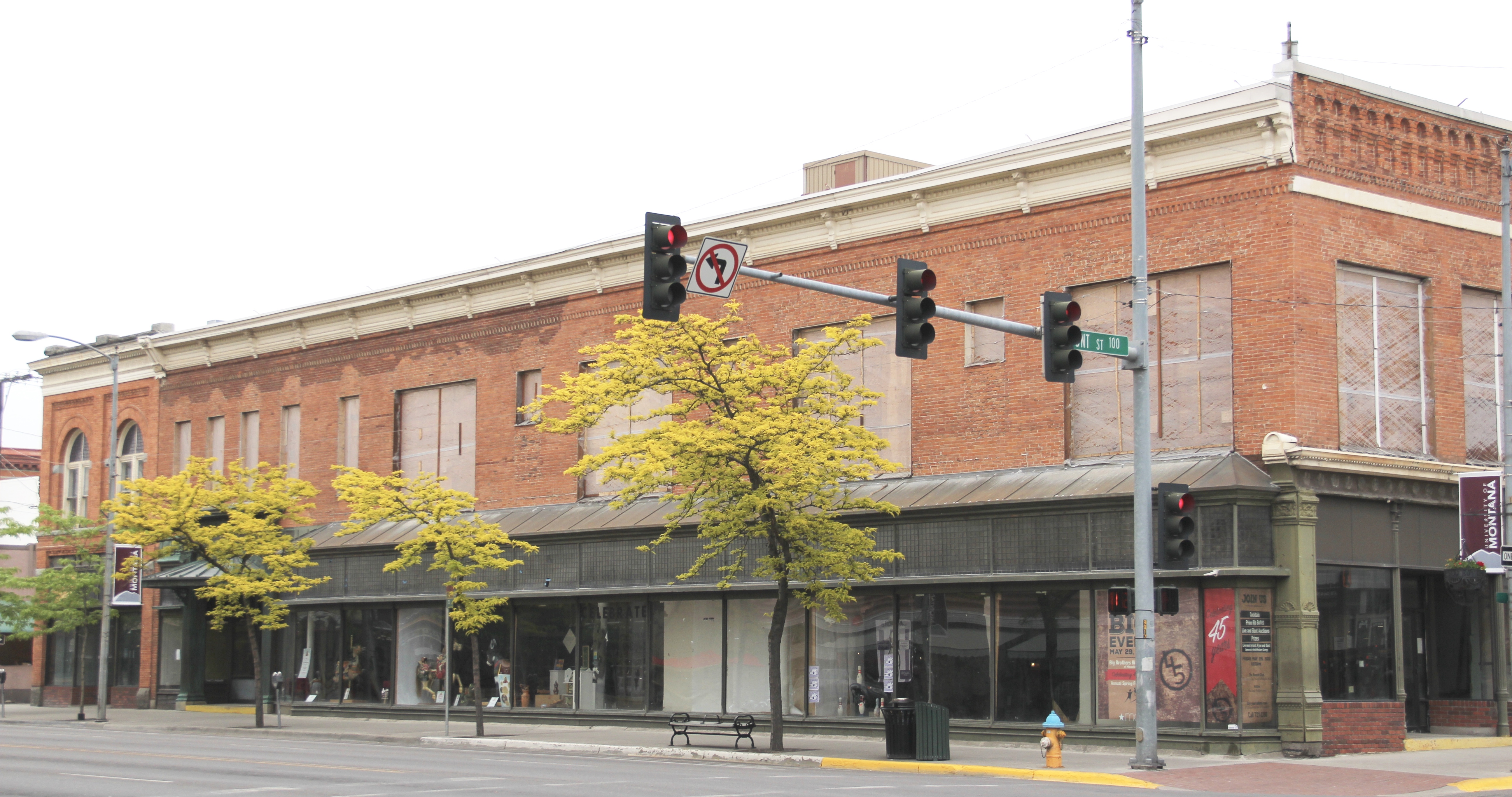
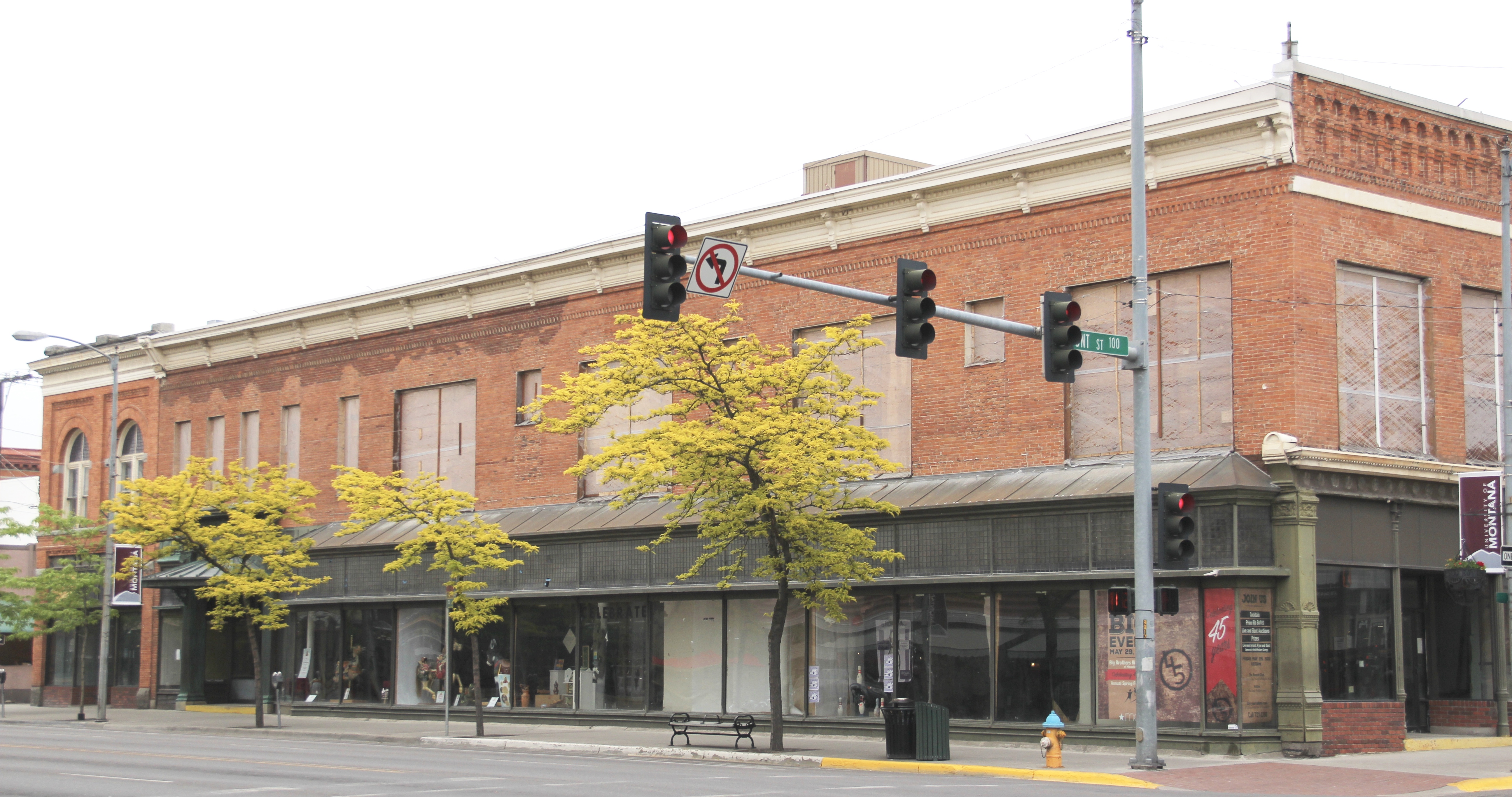 Missoula’s first major department store and entrepreneurial center. The late Victorian era architectural styling of the two-story building also set a standard for many other downtown businesses from 1890 to 1920. These can be categorized as two-part commercial fronts, with the first floor serving as the primary commercial space and the second floor could be offices, dwelling space for the owner, or most common today storage space.


 Gibson, the building is one of the state’s best examples of what is called “Beaux Arts classicism,” a movement in the west so influenced by the late 1890s Minnesota State Capitol by architect Cass Gilbert.

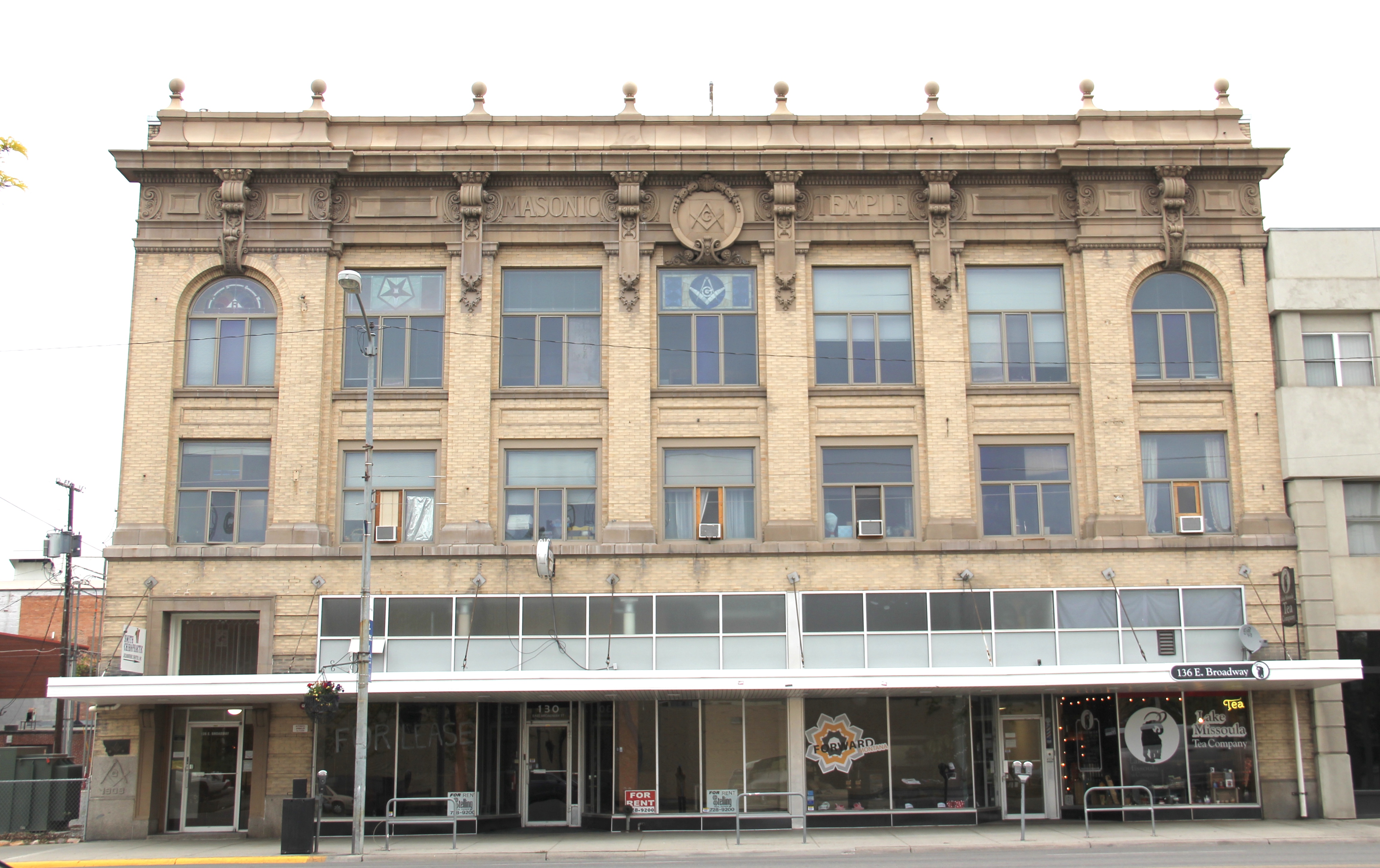 Just as impressive, but in a more Renaissance Revival style, is the Elks Lodge (1911), another building that documents the importance of the city’s working and middle class fraternal lodges in the early 20th century.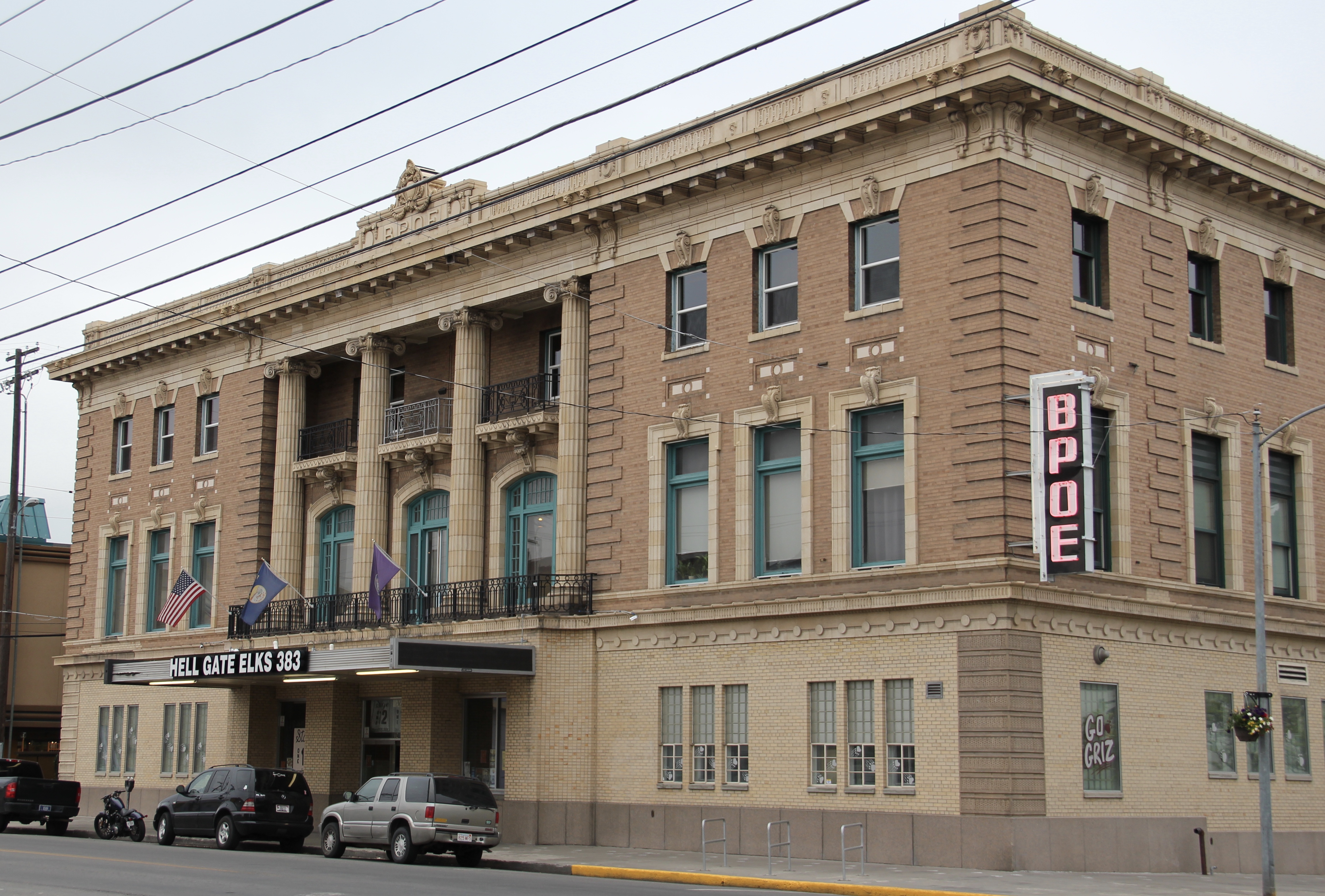


 Of more recent construction is another federal courthouse, the modernist-styled Russell Smith Federal Courthouse, which was originally constructed as a bank. In 2012, another judicial chamber was installed on the third floor. Although far removed from the classic
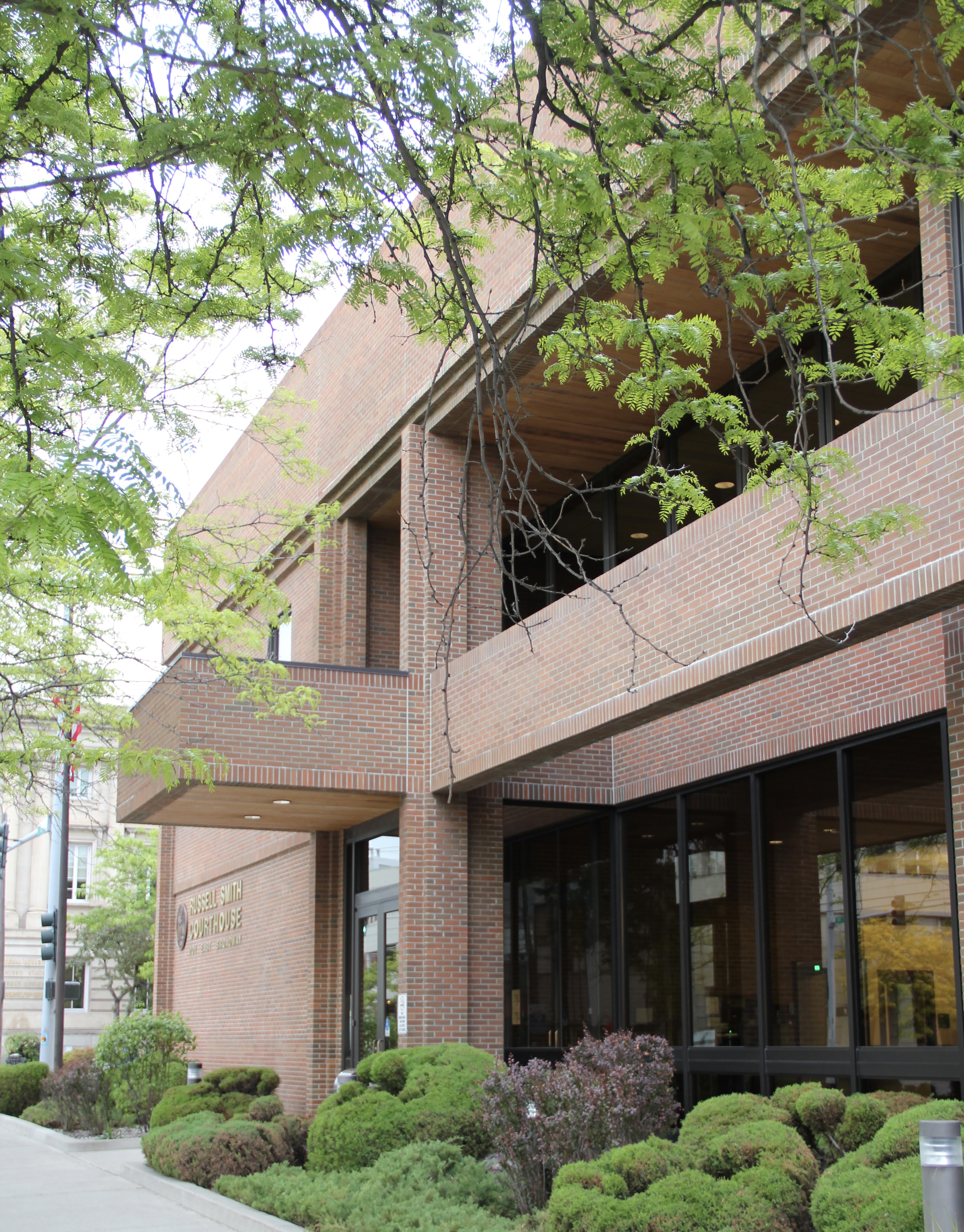 look, the Russell Smith Courthouse is not out-of-place in downtown Missoula. There are several other buildings reflecting different degrees of American modern design, from the Firestone building from the 1920s (almost forgotten today now that is overwhelmed by its neighbor the Interstate Bank Building) to the standardized designed of gas stations of
 1930s and 1940s, complete with enamel panels and double garage bays, standing next to the Labor Temple.
 Modernism is alive and well in 21st century Missoula, with a office tower at St. Patrick’s Hospital, a new city parking garage, and the splashy Interstate Bank building, which overwhelms the scale of the adjacent Missoula Mercantile building–which had been THE place for commerce over 100 years earlier.


 The Silver Dollar, like the Double Front, were meccas not just for railroad workers but also travelers weary of life on the rails and looking for a bit of liquid refreshment. It remains a drinkers’ bar today.
 I realize that Missoula now has a wide range of downtown establishments–even a wine bar for a good measure–and I wish them well. But give me the Ox, the Double Front, or the Club any day, any time.
 The Clark’s Fork River and transportation through the valleys and over the Rocky Mountains lie at the core of Missoula’s early history. Captain John Mullan blazed his road through here immediately before the Civil War, and a Mullan Road marker is downtown.
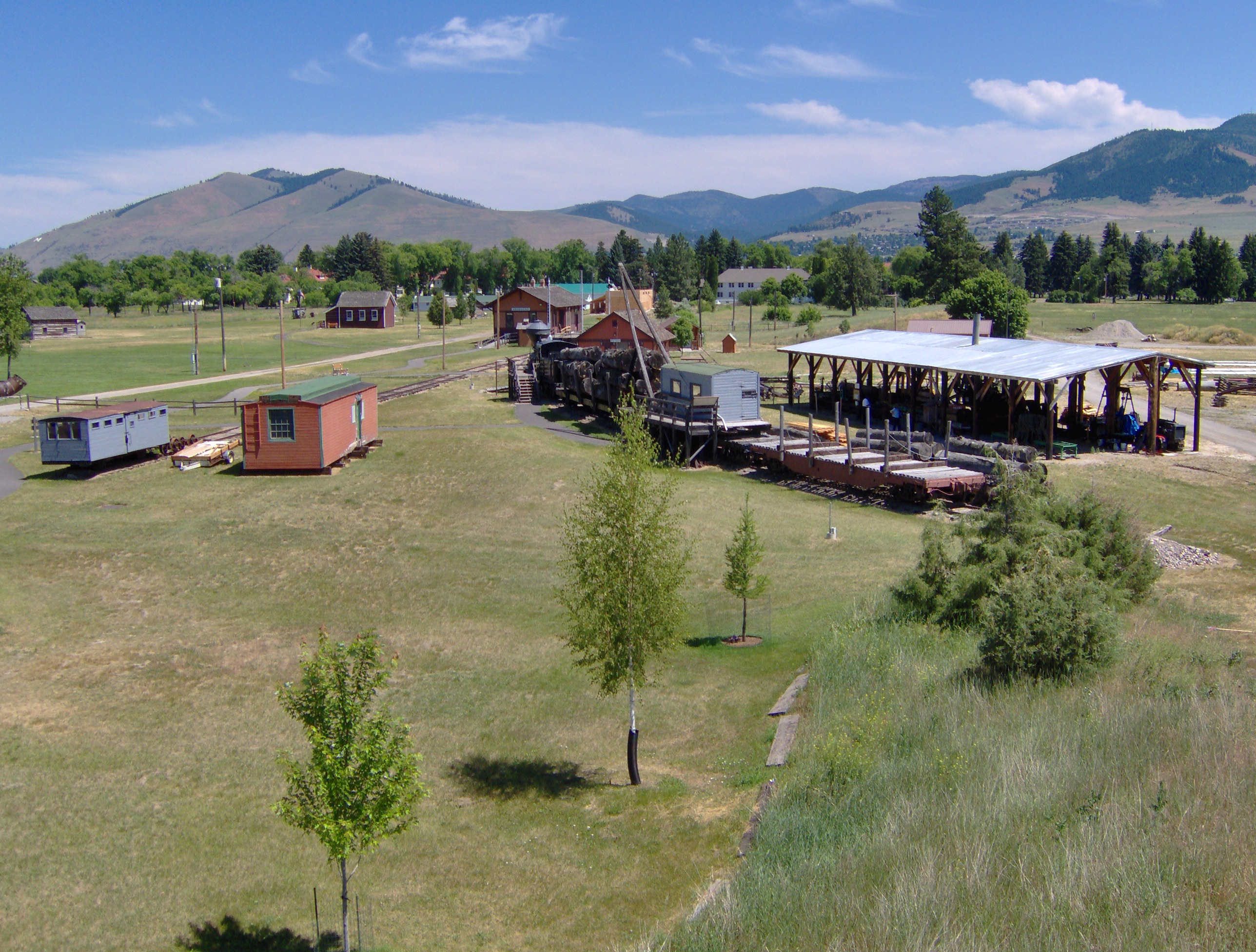
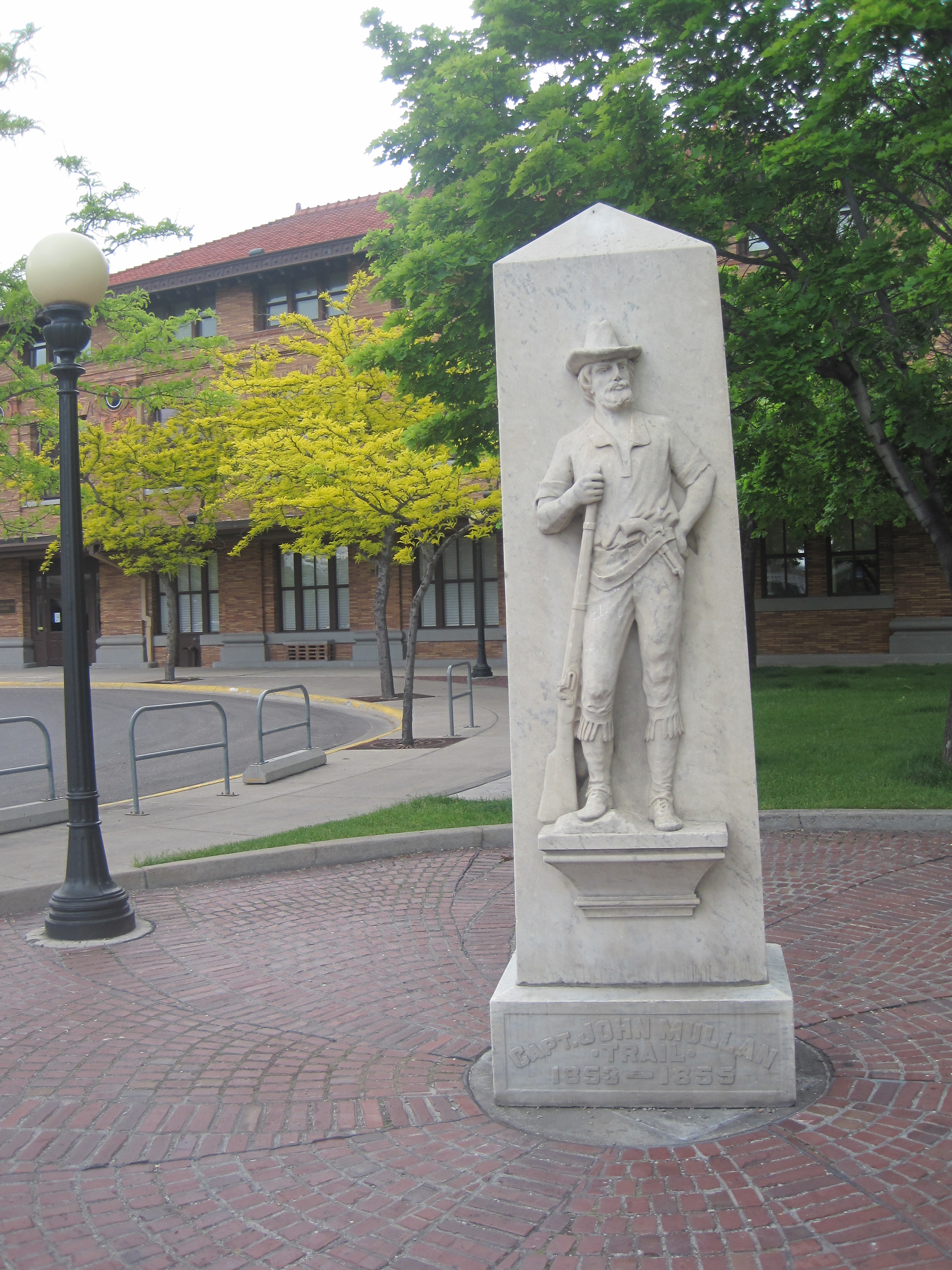 White settlement first arrived in the initial territorial years and a sawmill was the first major business. As a river crossroads town, Missoula grew, and then became a permanent dot on the federal map with the arrival of Fort Missoula, established in 1877. The fort, largely neglected when I conducted my work for the state historic preservation plan in 1984, is now a regional heritage center.
 Built in 1901, the Northern Pacific passenger station is an impressive example of Renaissance Revival style, designed by the architectural firm of Reed and Stem, and symbolized the turn of the century dominance of the railroad over the region’s transportation and the importance of Missoula to the railroad as a major train yard. The station, listed in the National Register of Historic Places in 1985, stands at the historic “top” of downtown Missoula, which at its bare bones has the classic T-plan of a railroad hub of the late 19th century. The Northern Pacific tracks and related railroad warehouses are the top of the “T” stretching in both directions with Interstate I-90 crossing the river bluffs to the northeast. Two reminders of the historic railroad traffic are adjacent to the station–a steam Northern Pacific engine and a diesel Burlington Northern engine.

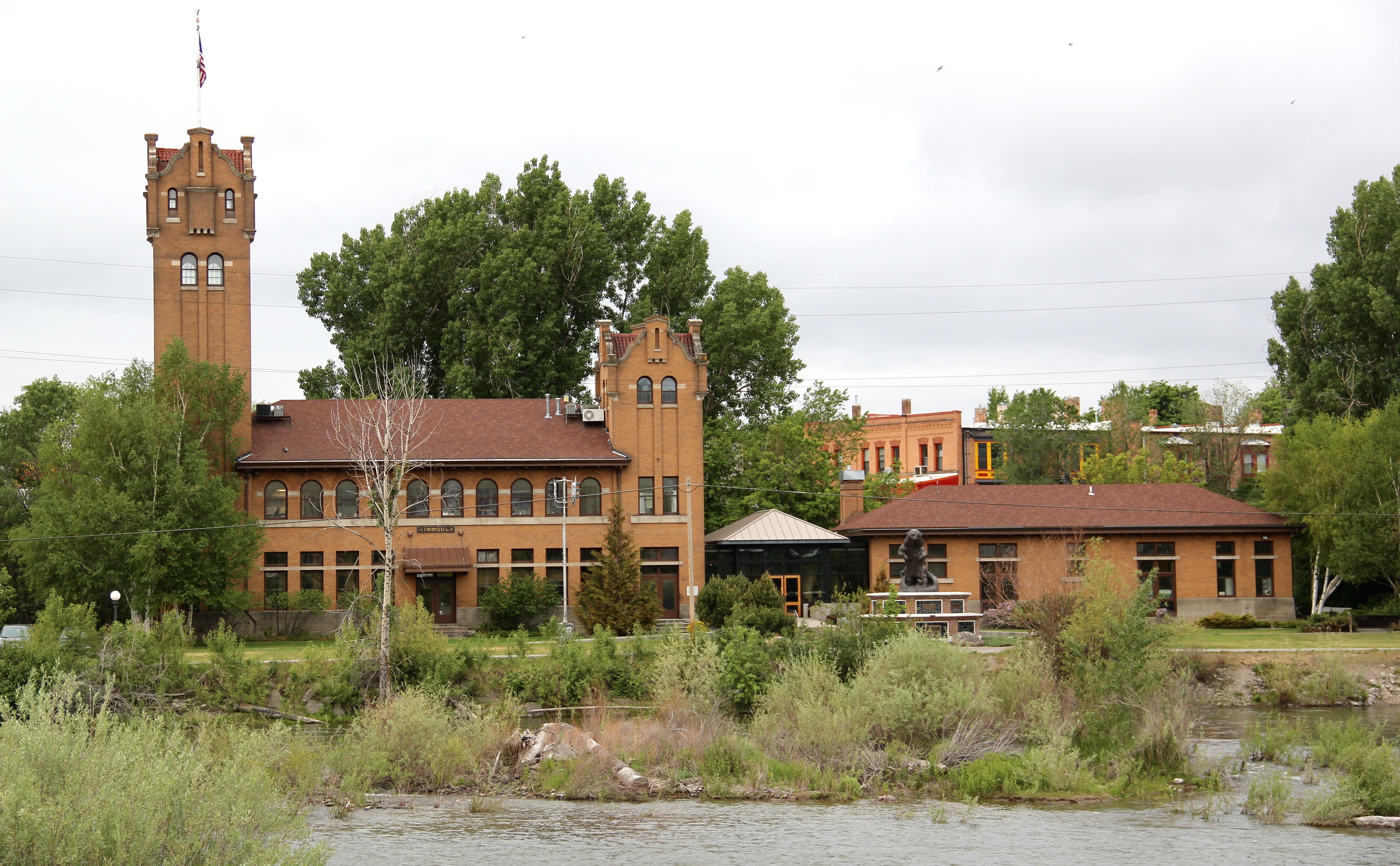 The Milwaukee was not to be out-done by the Northern Pacific when it arrived in Missoula in 1908. Railroad architect J. J. Lindstrand gave the line a fashionable Misson-style passenger station and offices, which opened in 1910. It too is listed in the National Register. Like the company’s stations in Great Falls and Butte, built approximately at the same time, the station has a tall tower that commanded the city’s early 20th century skyline, and made the depot easy to find. Located dramatically along the Clark’s Fork River, the arrival of the railroad and the construction of the depot led to a new frenzy of building on South Higgins Street, and a good many of those one-story and two-story buildings remain in use today.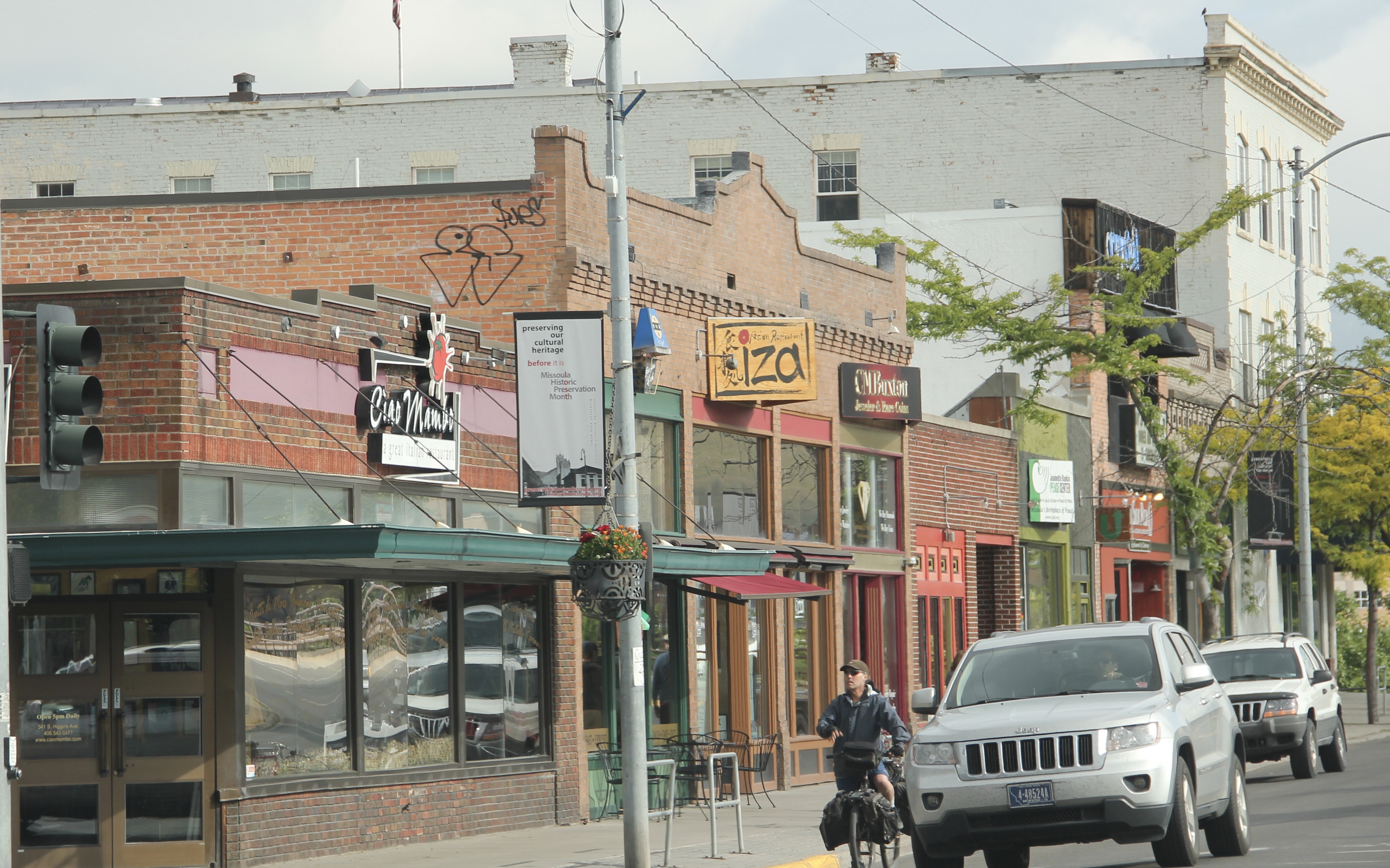
 Montana's Historic Landscapes