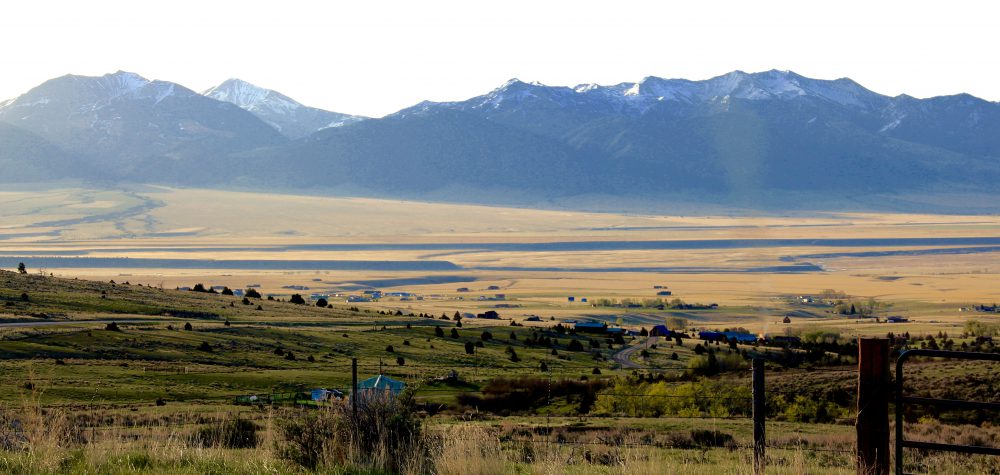
 Somehow it is most appropriate that my 300th post for Revisiting the Montana Landscape would find me back at Glacier National Park, especially the west side or Flathead County part of the park. From the first visit in 1982, Glacier always intrigued me–at first because of the tie between park creation and railroad development, then the Arts and Crafts/Chalet architecture associated with the park, and then high mountain Alpine environment. In the years since, I have eagerly grabbed a chance to get a cabin by Lake McDonald and just re-charge for a few days.
 For the 1984-1985 state historic preservation plan work, however, I did not visit the west side of the park–the bulk of the travel took place between mid-February to mid-May 1984, meaning only the lower elevations such as Apgar Village were accessible. But already the state historic preservation office was aware that a major effort was underway to identify and nominate key properties within the park to the National Register of Historic Places, and by the end of the decade that process was largely complete. The National Park Service identified a range of historic resources from the turn of the 20th century to the Mission 66 program of the National Park Service during the 1960s–Glacier became one of the best studied historic landscapes in all of Montana.


Going-t0-the-Sun Road is an engineering marvel from the early automobile age in the park, straight and safe in the lower reaches but as you climb into the mountains it is narrow and dangerous–for those who refuse to follow the rules of the road.

View of Lake Shelburne, east side of park, Glacier County, from Going-to-the-Sun Road.
On the west side of the Going-to-the-Sun Road, Lake McDonald Lodge is listed as a National Historic Landmark for its significance in and influence on the Arts and Crafts/Chalet style within the national park.
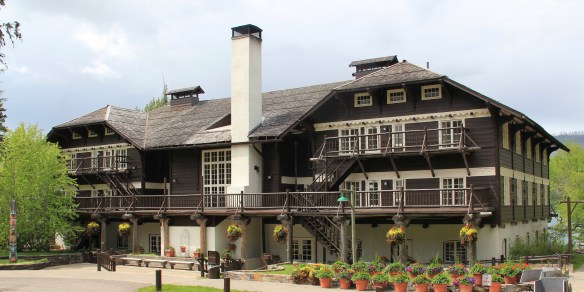
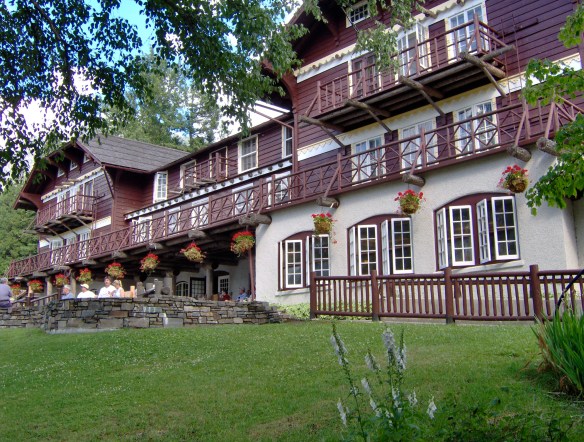
Built initially as the Lewis Glacier Hotel for Great Falls businessman John Lewis in 1913, architect Kirkland Cutter’s design reflected his earlier work at the Belton Chalet, but his interior design was a step above, especially in how he incorporated local materials, the mountain goat symbol of the Great Northern Railway, and Native American motifs to create an environment that was both of the outdoors but also of the deep cultural meaning of the mountains. The hanging lanterns are more recent, being reproductions added in the 1960s from originals at the Prince of Wales Hotel in Canada. Their original designs are attributed to Kanai artists.


In 1957, the property changed its name to the Lake McDonald Lodge and soon various new buildings were added, in part to meet the demand for increased visitation but also to meet the tastes and expectations of suburban Americans who came to park not by train but by automobile. The Lake McDonald Lodge Coffee Shop (1965) has been listed in the National

 Register as an excellent example of Mission 66-associated architecture within the park. Burt L. Gewalt of the Kalispell firm Brinkman and Lenon was the architect.
 Great Northern officials considered the lodge to be the center of the mountain experience on the park’s west side. From there visitors could take overnight hikes to two other facilities, shown below, the Granite Park Chalet to the northeast or the Sperry Chalet to the southeast of Lake McDonald, both of which are also listed in the National Register.


When I knew of my new position at the recently created MTSU Center for Historic Preservation in the summer of 1985, my wife and I made a quick last trip to the chalets, the lodge, and Glacier National Park. Perhaps that decision, moreso than my words, show what the park and its built environment has meant to my understanding of landscape, design, and escape in the Big Sky Country.
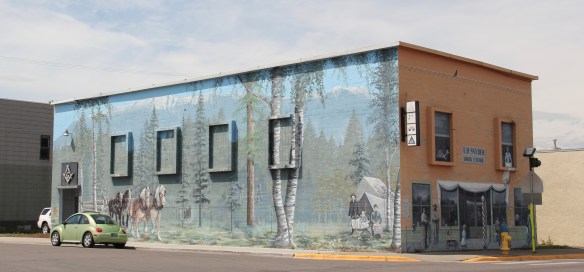
 City as one large tourism funnel. After spending a good part of 2006-2007 working with local residents and the Great Smoky Mountains National Park about the heritage and preservation of Gatlinburg, Tennessee–one of the most notorious gateways into any national park–I learned to look deeper than the highway landscape and find some real jewels in each of these Glacier National Park gateway communities.


 At Hungry Horse, however, I did leave the highway and explored the marvelous landscape created by the Hungry Horse Dam and Reservoir, a mid-20th century project by the U.S. Bureau of Reclamation. The agency justified the dam as a hydroelectric power project for a growing Flathead County and as a boost to local irrigation. The irrigation side of the project–the real reason the agency exists–never happened and Hungry Horse today is an electric power and recreational project.
 I appreciated the vastness of the concrete arch dam–the 11th largest concrete dam in the United States–as well as the beauty of Hungry Horse Reservoir, an under-appreciated tourism asset as anyone in Flathead County will tell you. But again, I let just the size and impact of the dam distract me from some of the details of its construction that, today, are so striking.


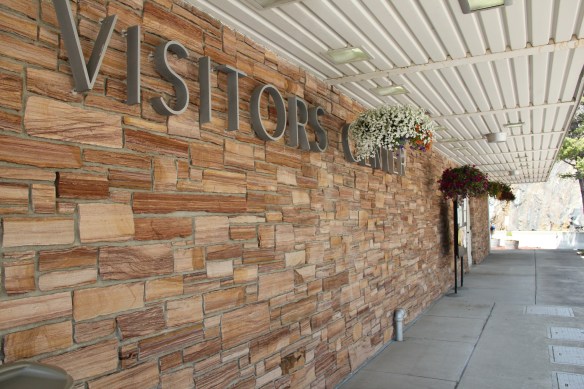

 I am concerned, however, about news in September 2015 that Reclamation has contracted for updates and renovation at the Visitor Center–let’s hope that the classic 1950s look of the property is not sacrificed.


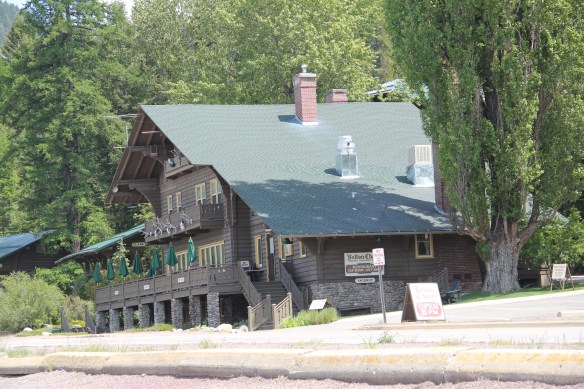 Architect Kirtland Cutter of Spokane was the architect and the chalet design was actually just a smaller scale and less adorned version of the Idaho State Exhibition Building that he had designed for the 1893 World’s Fair in Chicago. Cutter is one of the major figures of the Arts and Crafts Movement in the American Northwest and we will look at another of his buildings for the railroad and Glacier in the next post about Lake McDonald Lodge.




 Montana's Historic Landscapes