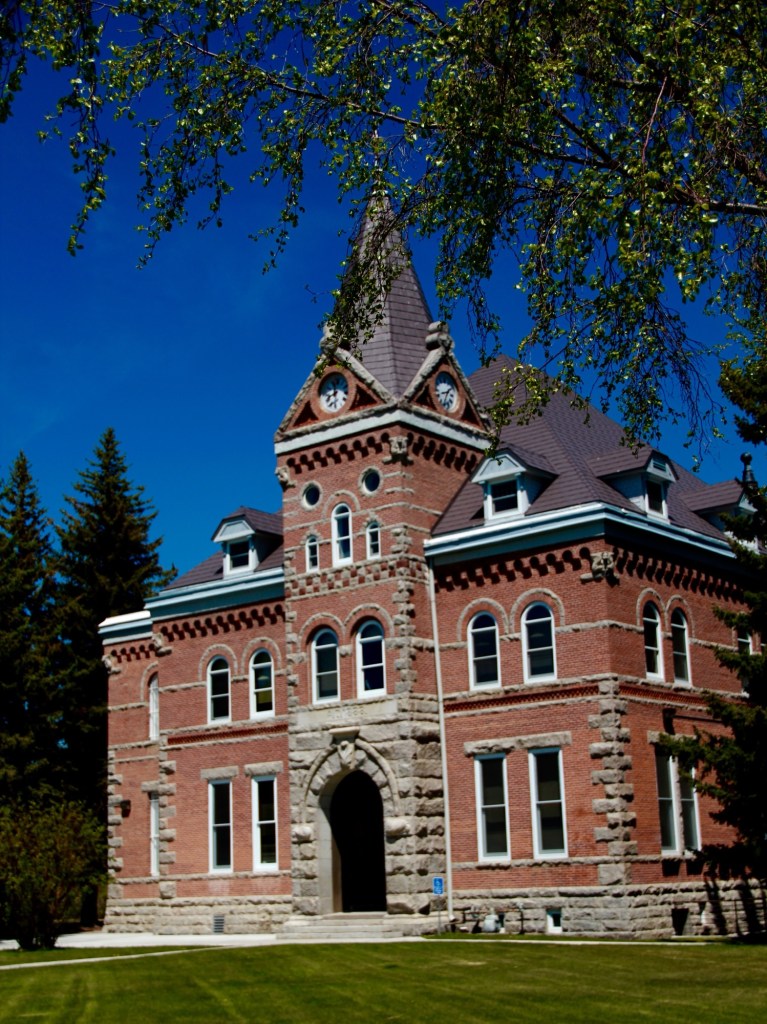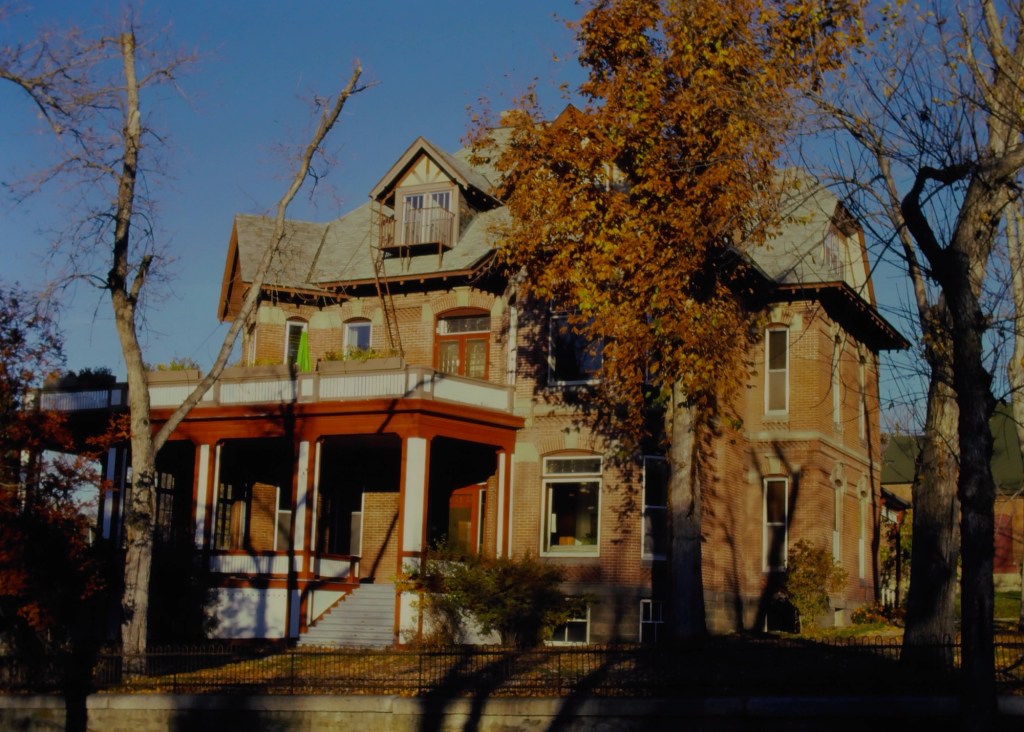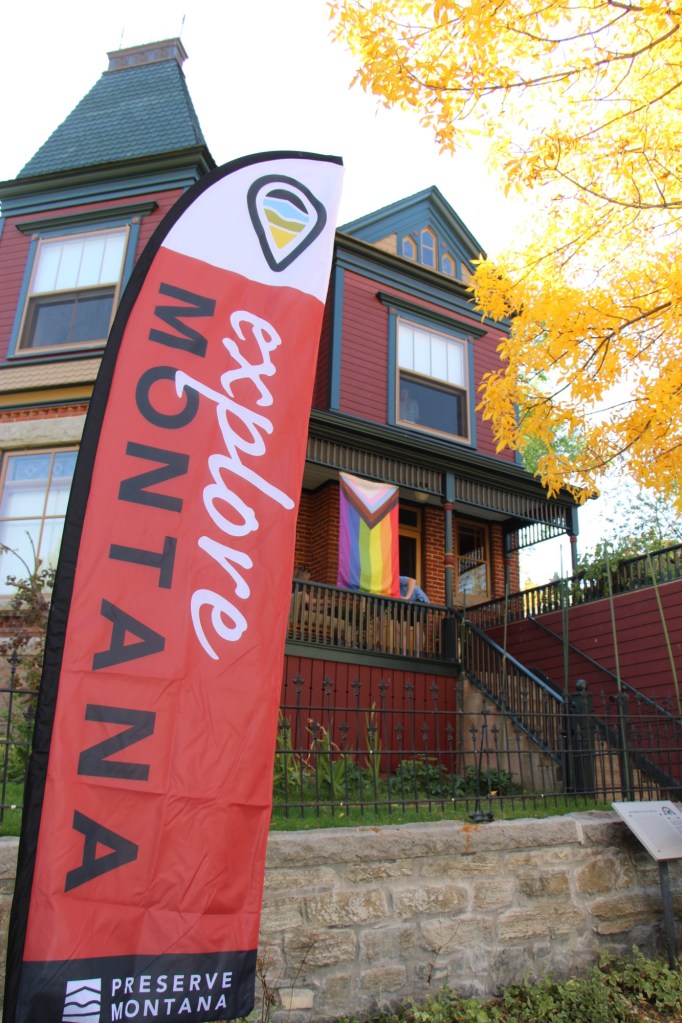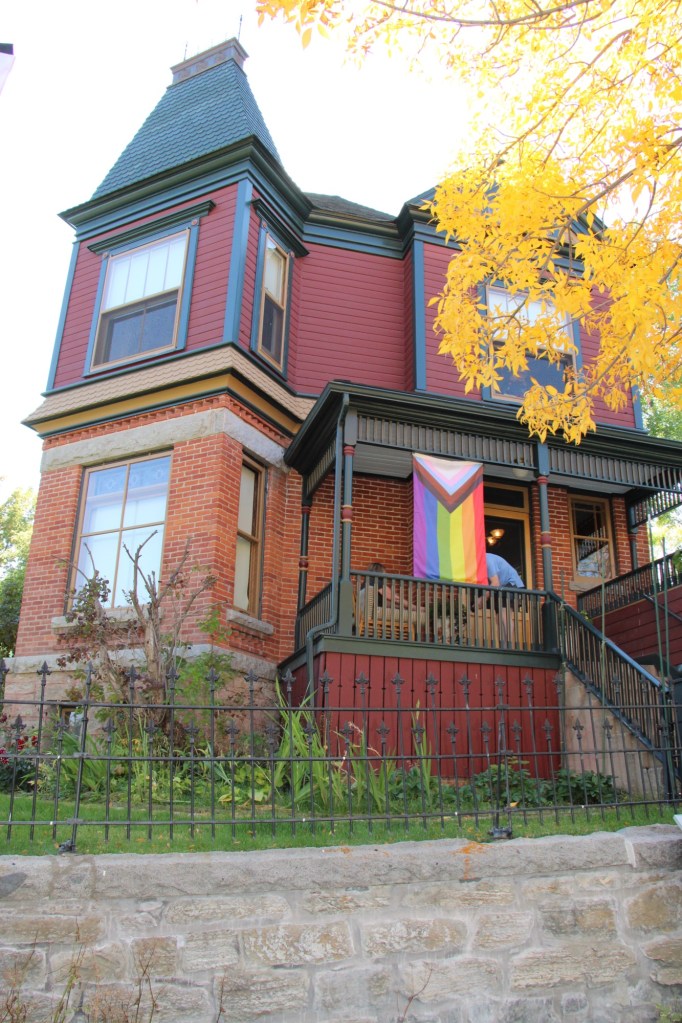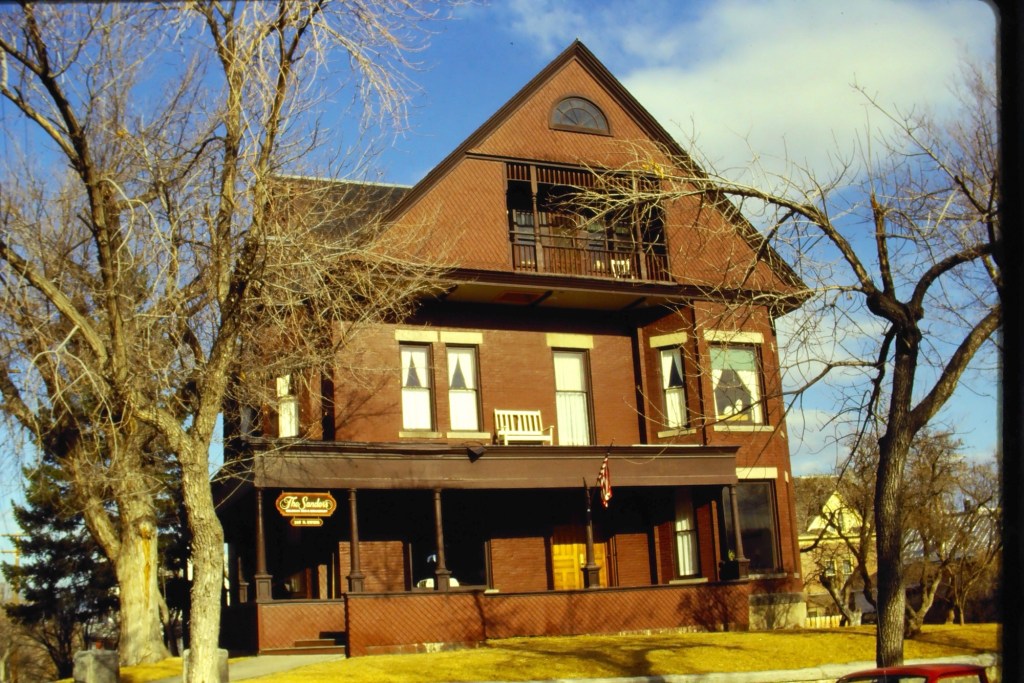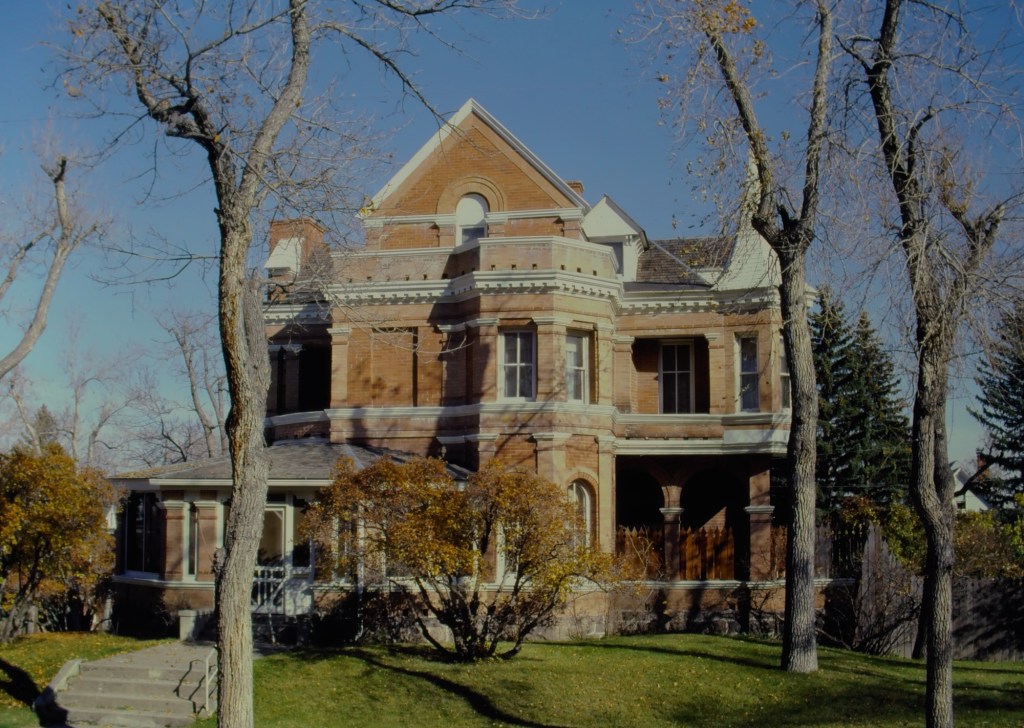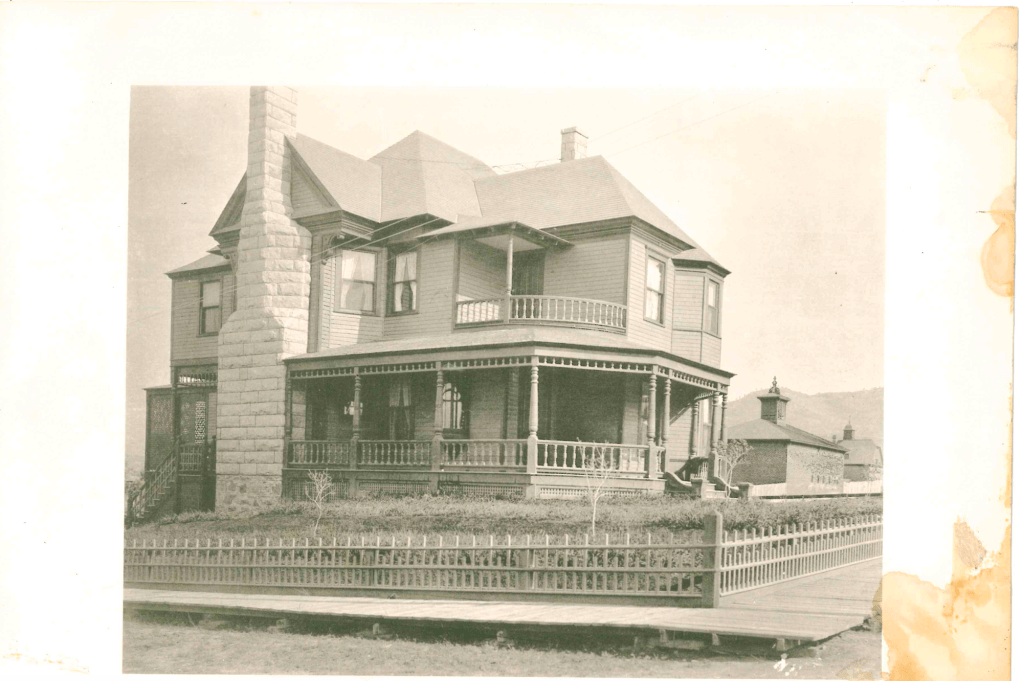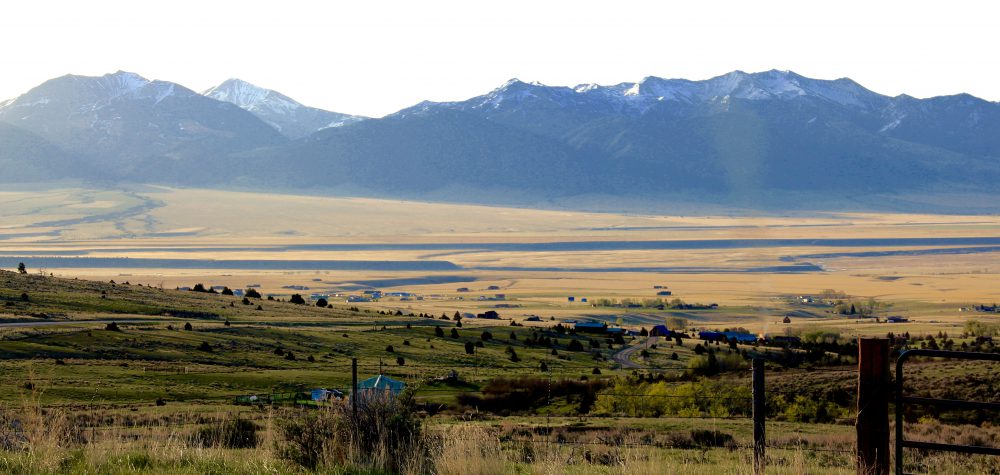
The Helena Trail Riders Club House

Preserve Montana makes many wonderful contributions to Montana, from history to trades education to heritage tourism. In late September 2025 I had the opportunity to attend its fun fall event, the Hidden Helena tour.

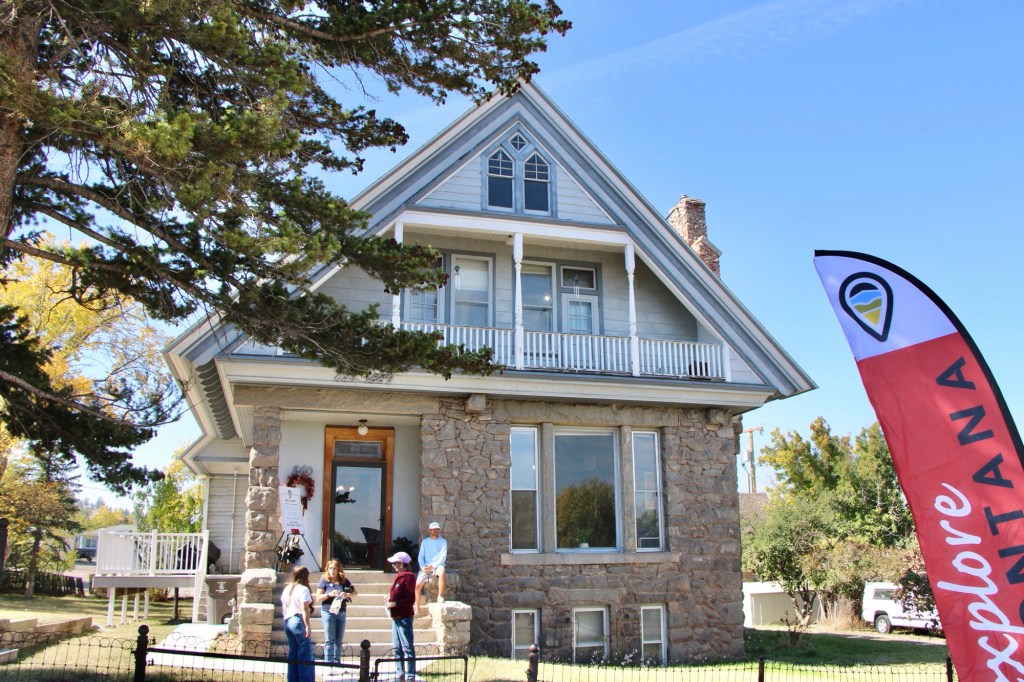
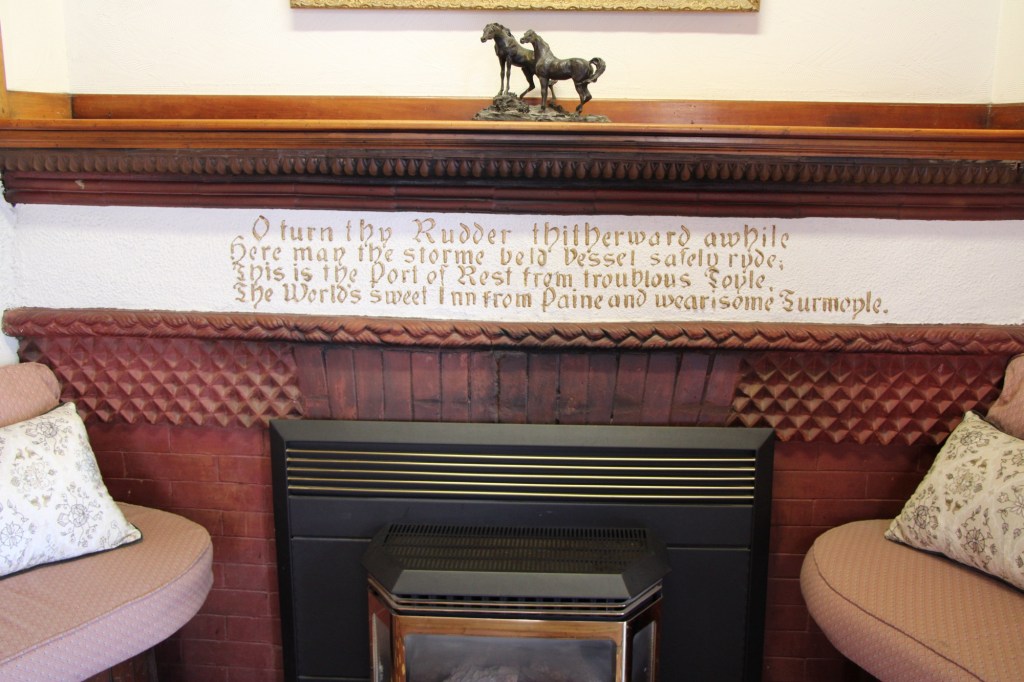
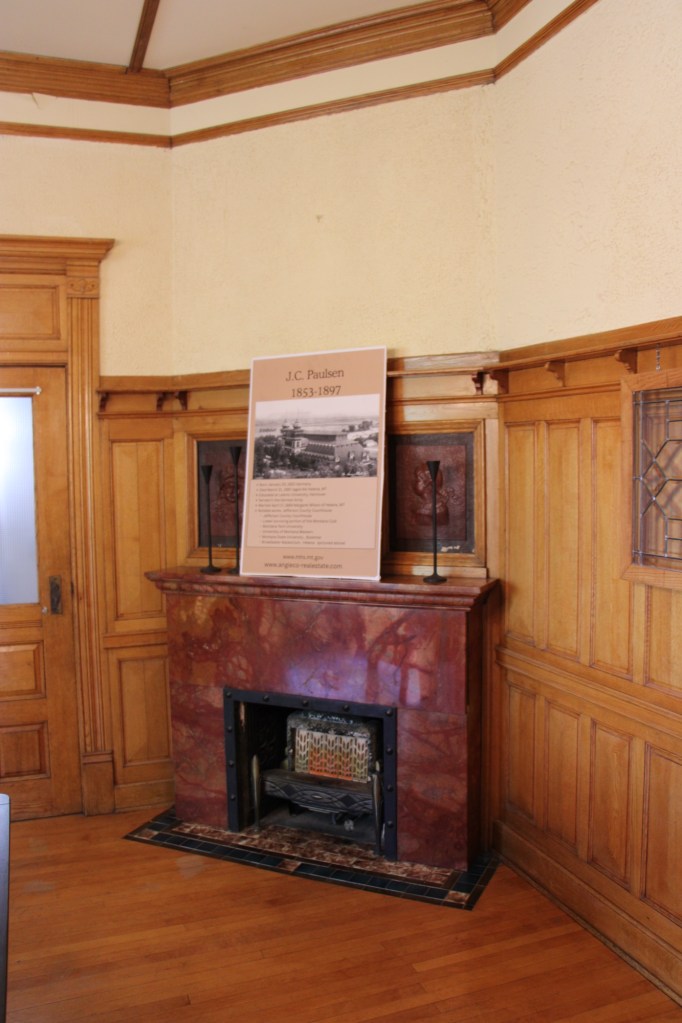
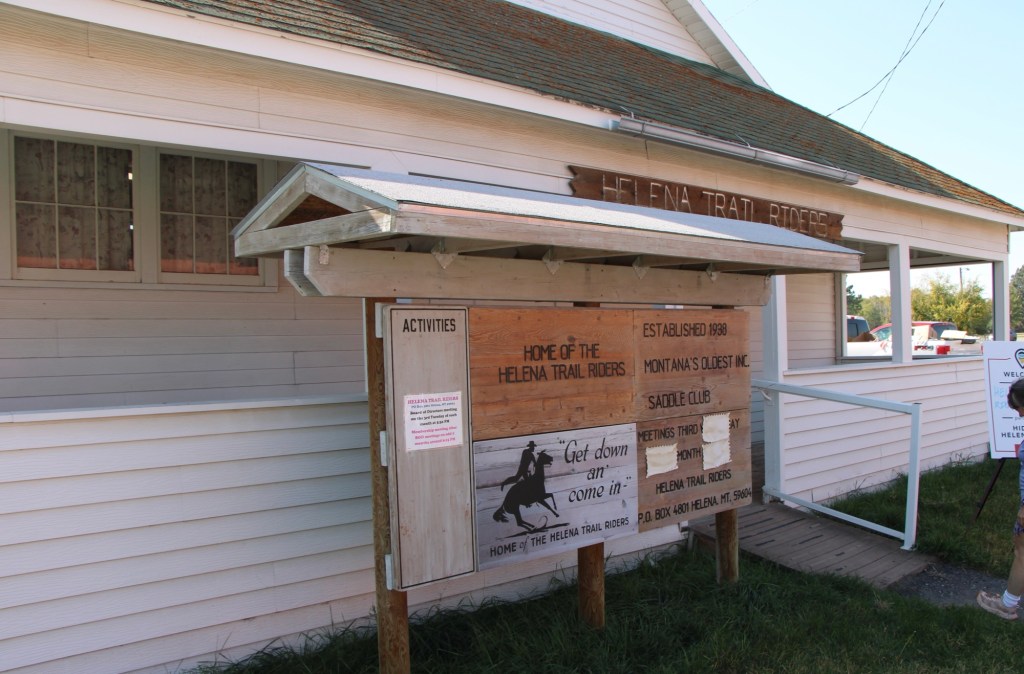
Helena trail riders club house

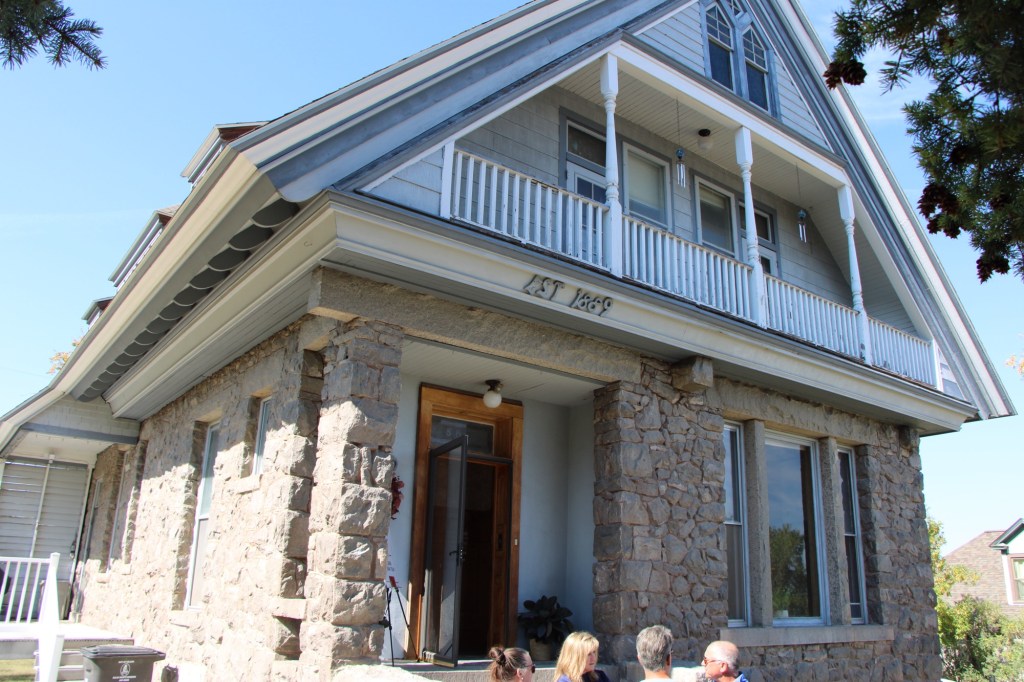
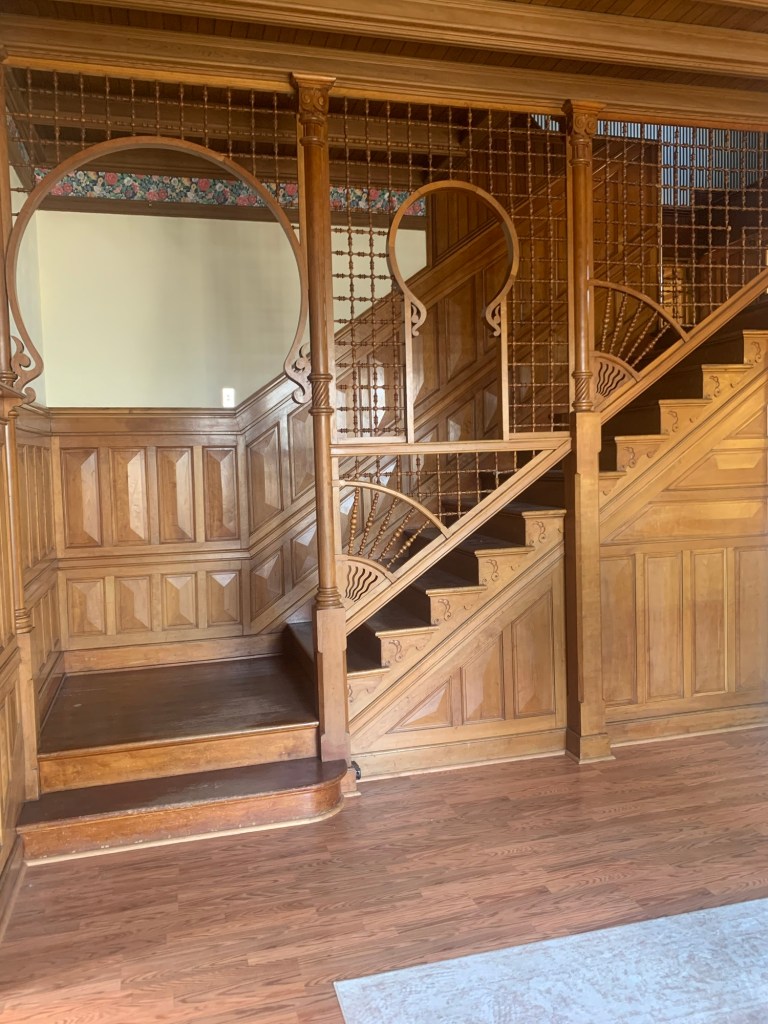
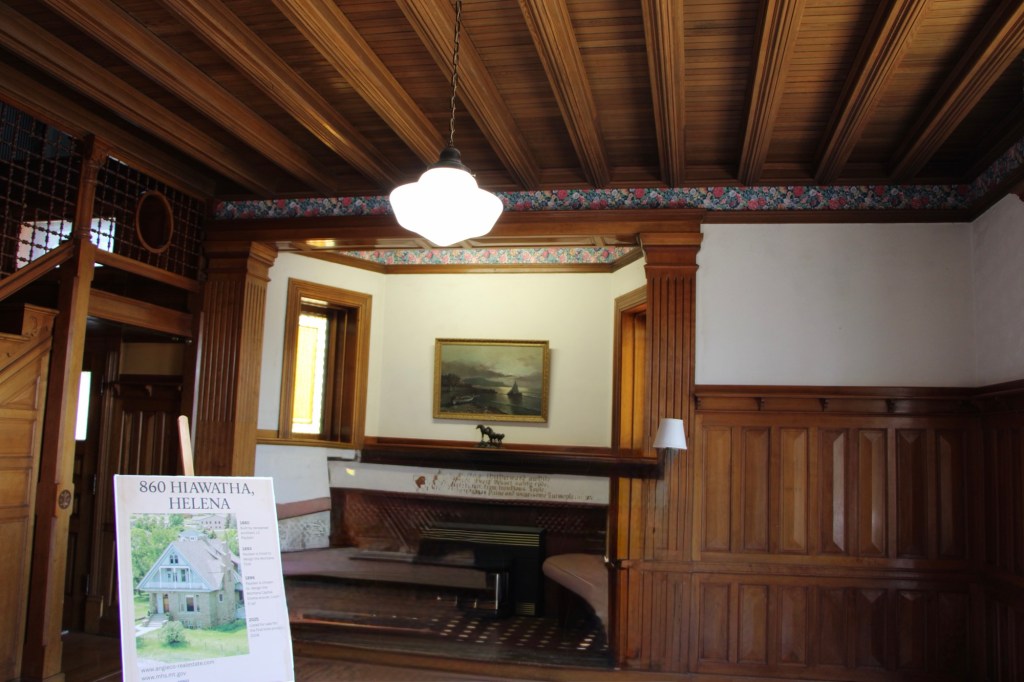
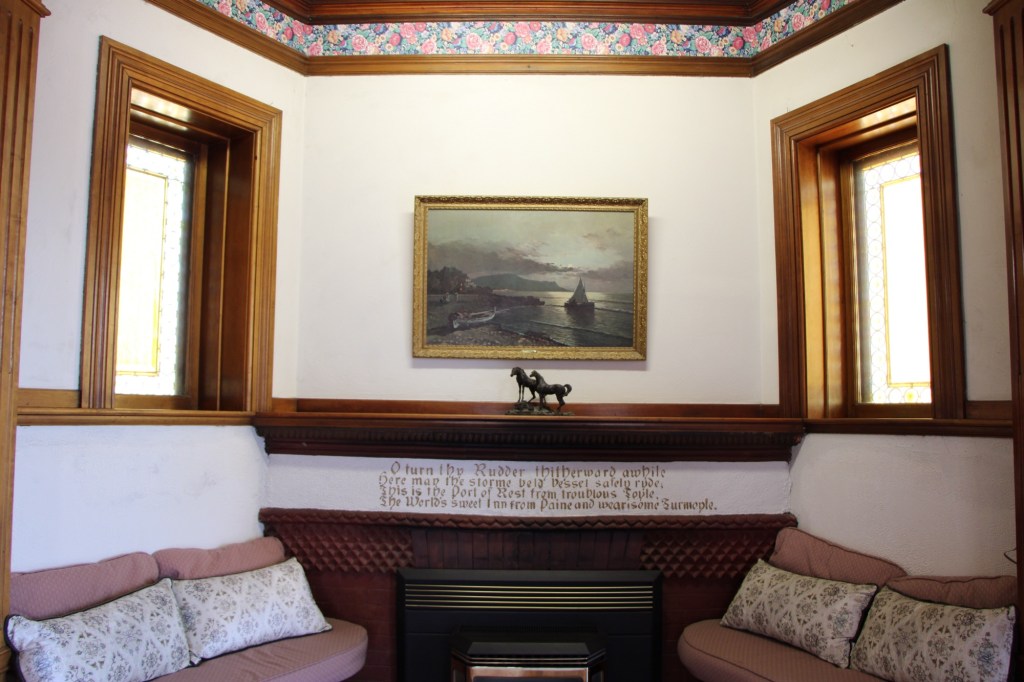
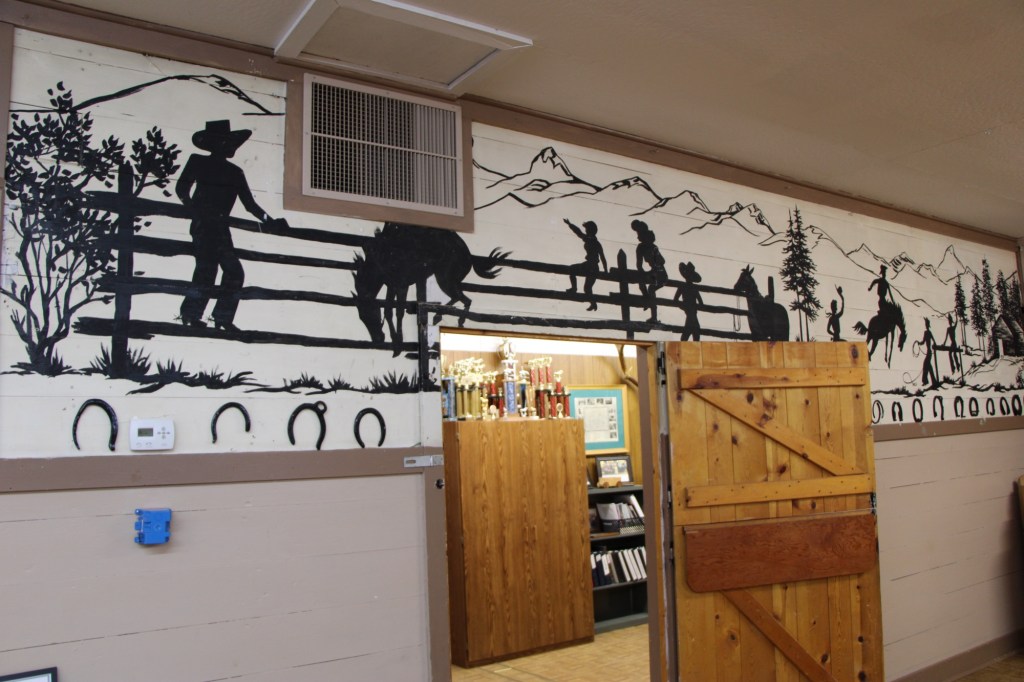
There were many jewels to explore that day but my favorite was certainly the Helena Trail Riders club house at what was once the State Fairgrounds but now the Lewis and Clark County Fairgrounds.

The group began in 1939 and within a decade it had built a loyal membership and a strong regional following through its annual riding competitions. It is recognized as the state’s oldest saddle club.

The first president was the Montana artist Shorty Shope, whose imaginative depictions of the Old West became known to millions of visitors through the decorative frames on Montana Highway Historical Markers that he developed for the state department of transportation in the 1940s and 1950s.

Original Shope frame design, 1983

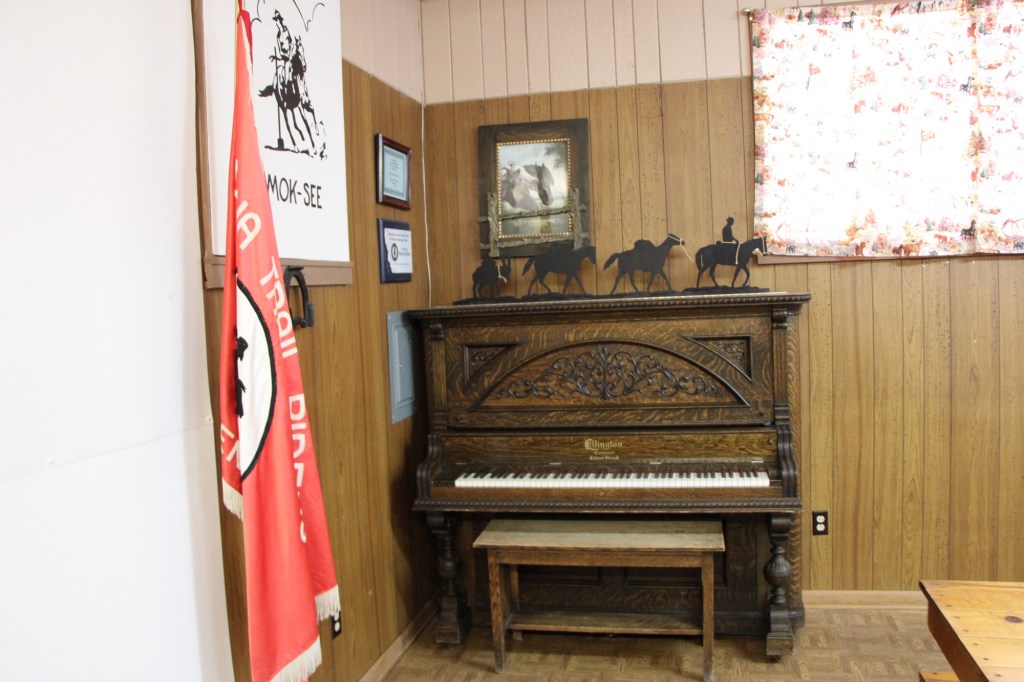
The Club house preserves several of Shope’s works, from metal castings to the covers of scrapbooks.

The most impressive work by far is the mural Shope created for the clubhouse wall. What an expressive example of his eye as an artist!

This clubhouse confirms my bias about most things Montana—you find the best stuff in the most unassuming places.

The new state history exhibit: looking to the future but feet planted firmly in the present.

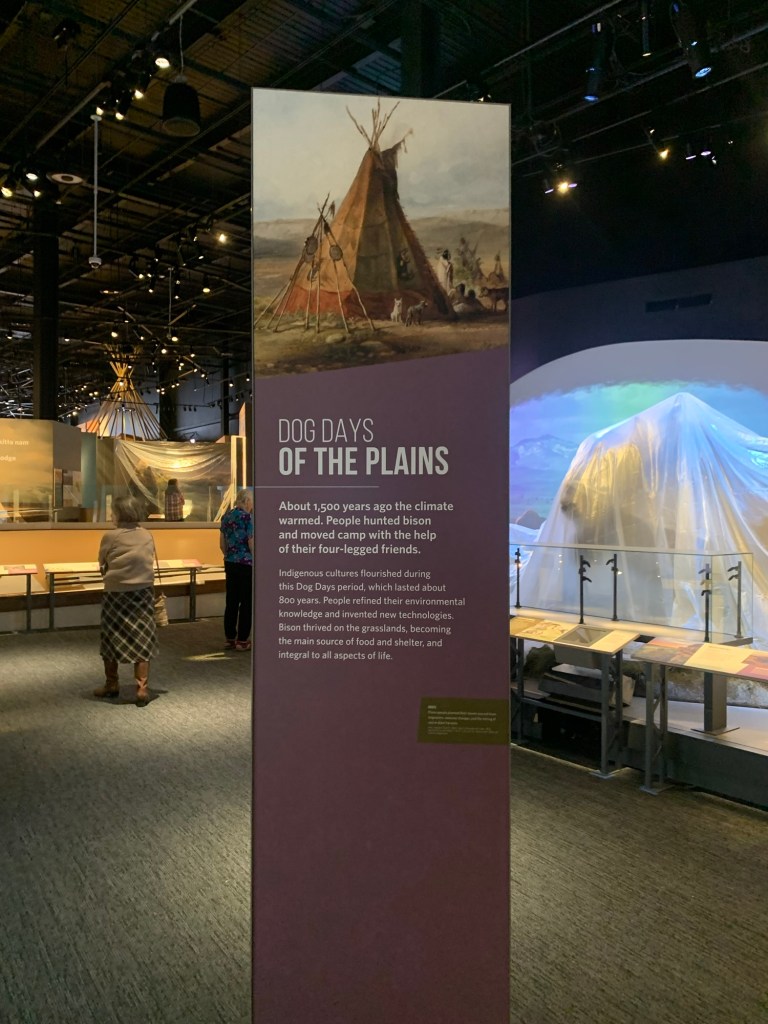
Like hundreds of others who crowded into the new wing of the Montana Historical Society to get a sneak peek of the new state history exhibit, titled Montana Homeland, I expected to be dazzled. After all it had been 40 years since MHS had last updated its primary history exhibit.

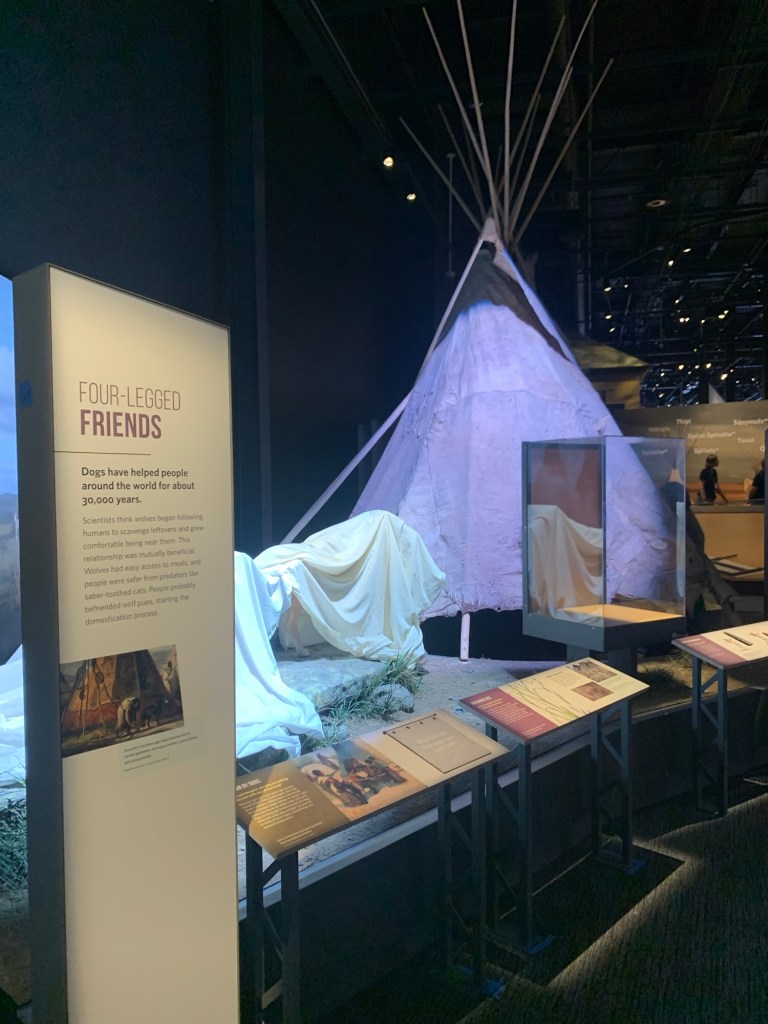
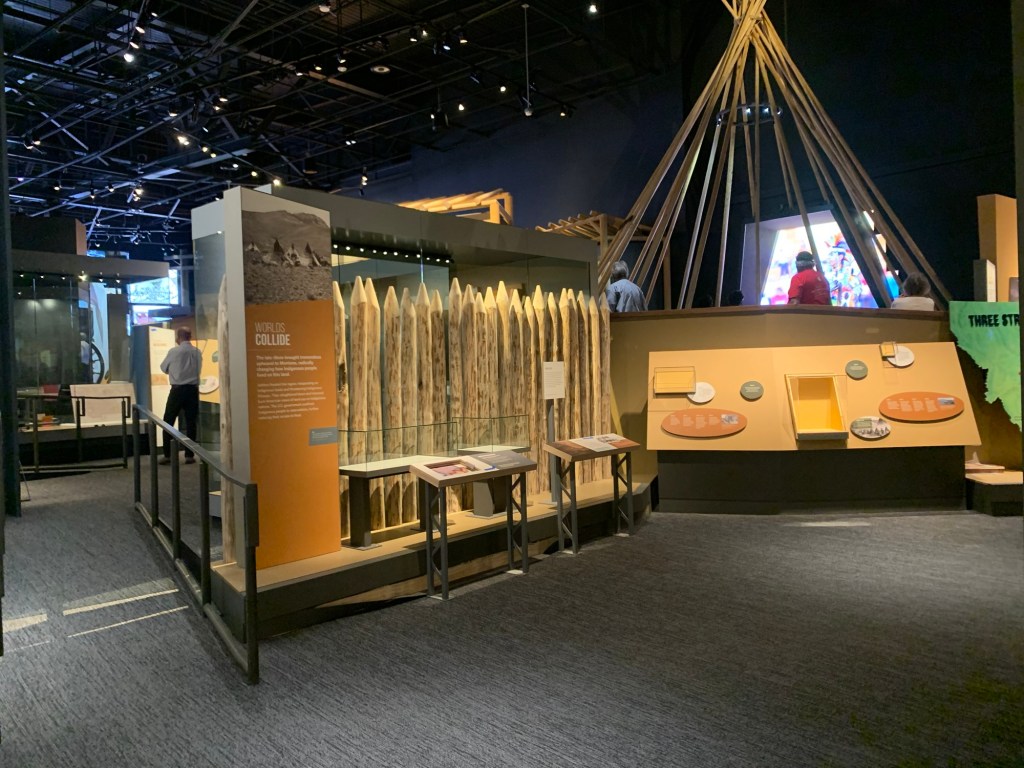
The architects gave the exhibit designers a huge lofty space and there are tipis galore, their height dominating everything around them, challenged only by a reproduction headframe.

The headframe is in a corner and fades into the background unlike the tips which literally command most views within the exhibit, even at the end.

The message of the exhibit team is not subtle—Indigenous people dominate the past of the lands that today comprise Montana—but the hand of people in the last 100 years also dominate the built environment. The exhibit is missing the one lofty structure that is still found everywhere, representing a property type that also ties together so much of the state’s history—the Grain Elevator. Wish there was one in these lofty spaces. It helps to explain the impact of agriculture, the homesteading era, railroad lines, and town creation.
20th century Montana is thus far greatly underrepresented in the exhibit, almost as if the attitude was that nothing matters that much after the homesteaders—let’s wrap this baby up!

But by so doing you downplay the huge impact of the engineered landscape on the homeland, especially the federal irrigation programs that produced mammoth structures that reoriented entire places—Gibson Dam comes right to mind, and then there’s Fort Peck.

Irrigation also is central because of the diversity of peoples who came in the wake of the canals and ditches. Not just the Indigenous, not just the miners but the farmers and ranchers added to the Montana mosaic. A working headgate—would that help propel the story?

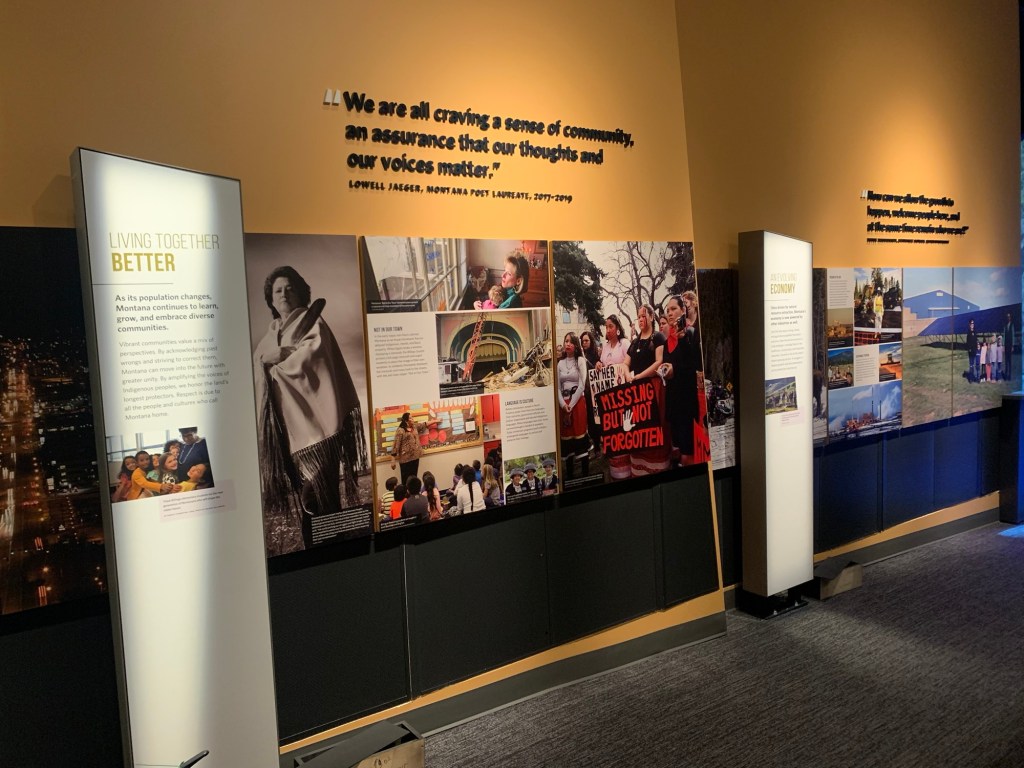
Right now the answer is no. There are many, many words in this exhibit, and, as people seem to want to do nowadays, the words are often preachy. I wondered about the so 2020s final section, where visitors are implored to live better together by accepting diverse peoples.

Montana is nothing but a melding of diverse peoples, from 14 tribes, the 17-18 ethic groups at Butte, the Danes of the northeast, the Finns of the Clark’s fork, and the Mennonites of the central plains, etc etc. if they had started challenging character of the actual Montana landscape had been front and center, then let history unfold to show how many people of all sorts of origins and motives tried to carve a life from it—you would have a different exhibit and one not so preachy.

Let’s hope the Final Cut has many less words, many more objects and a greater embrace of the state’s 20th century transformations.

Transforming State History: the new Montana Historical Society museum

At the state history conference in Helena next month, the almost complete new museum at the Montana Historical Society will be unveiled. (The completed museum will have its full public opening in December.) while we won’t be able to see everything yet I’m still looking forward to a peak behind the curtain.

It will be a transformational change for state history—a new platform to explore, interpret and preserve the state’s past. Why do I have such confidence—I was already part of such a project in the creation of a new Tennessee State Museum from 2016-2018. The new museum in Nashville has created a huge new platform for all types of activities in state history and everyone is benefiting, especially the state’s robust heritage tourism industry.

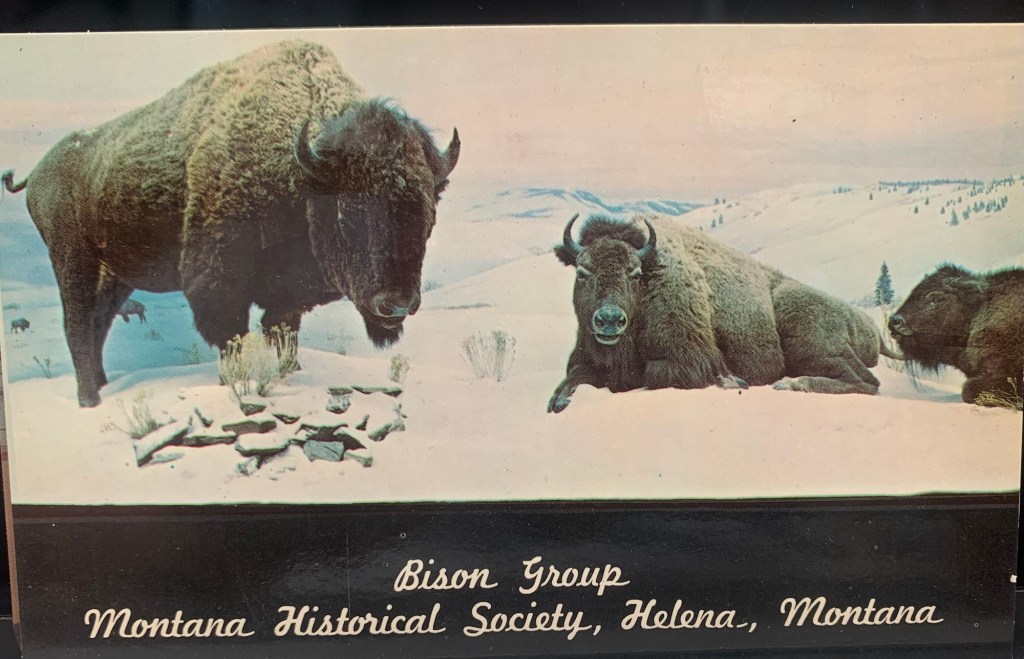
But before we get too excited about the future, let’s remember how this new change at MHS is just the latest chapter in how this amazing institution has served Montana. For this post I’m using some photographs but mostly postcards that I collected in Montana in the 1980s.

The Veterans and Pioneers Memorial Building dates to 1953. Here are two views, one emphasizing the Liberty Bell installation from the Bicentennial and the second reminding us how the tour train, established in 1954, started its tours there and connected visitors to downtown.

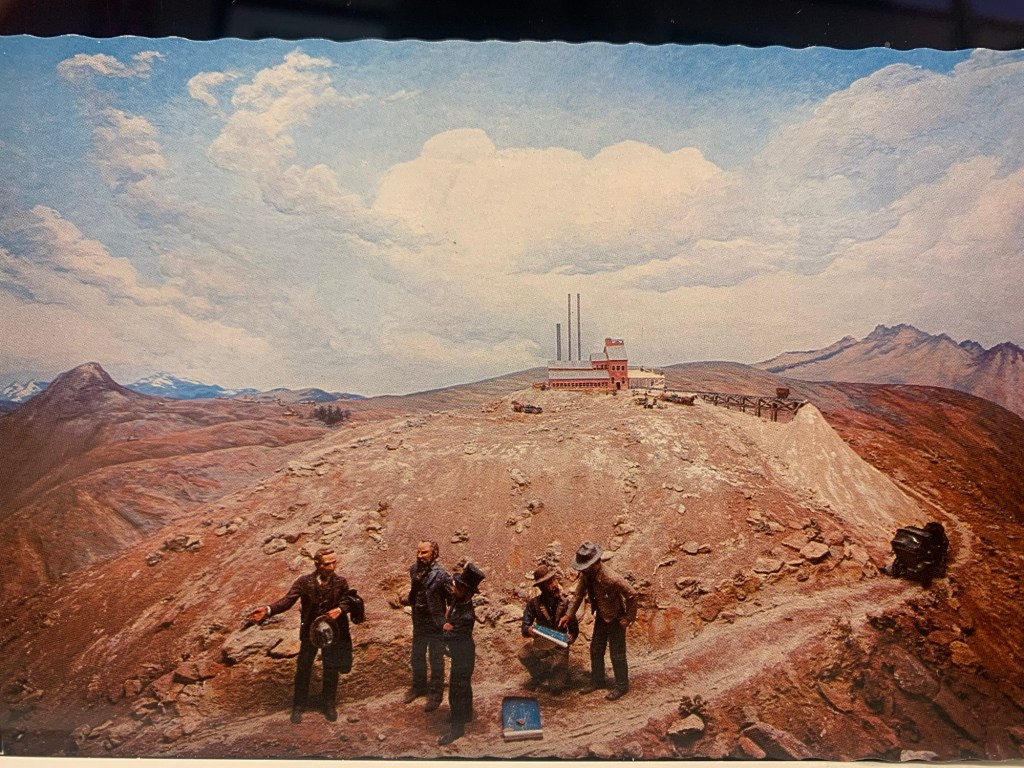
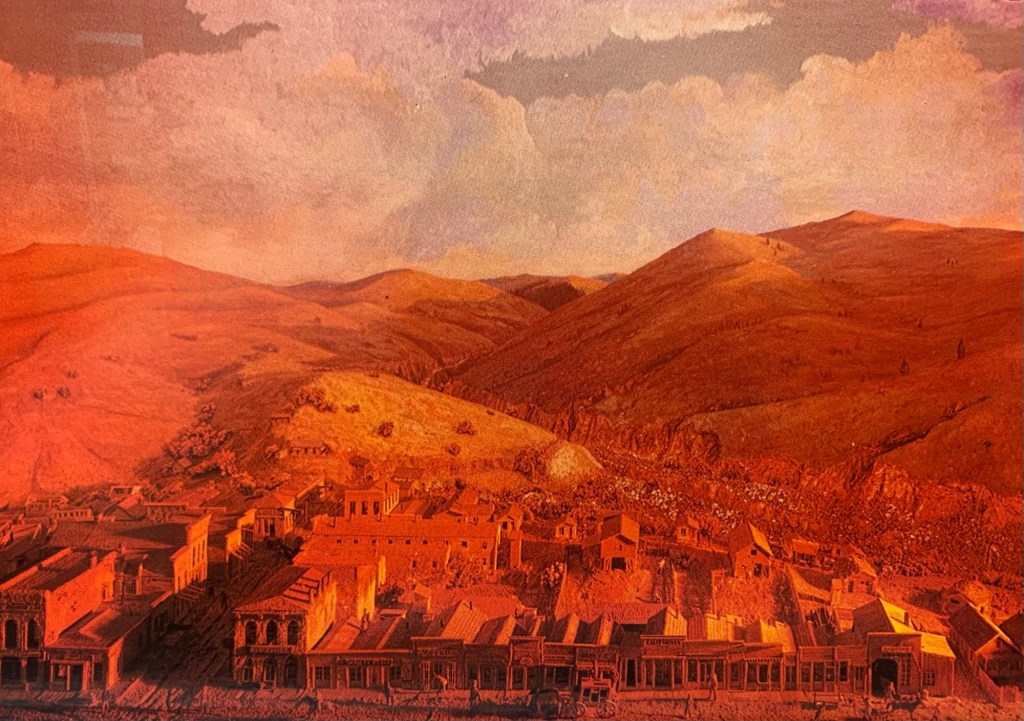
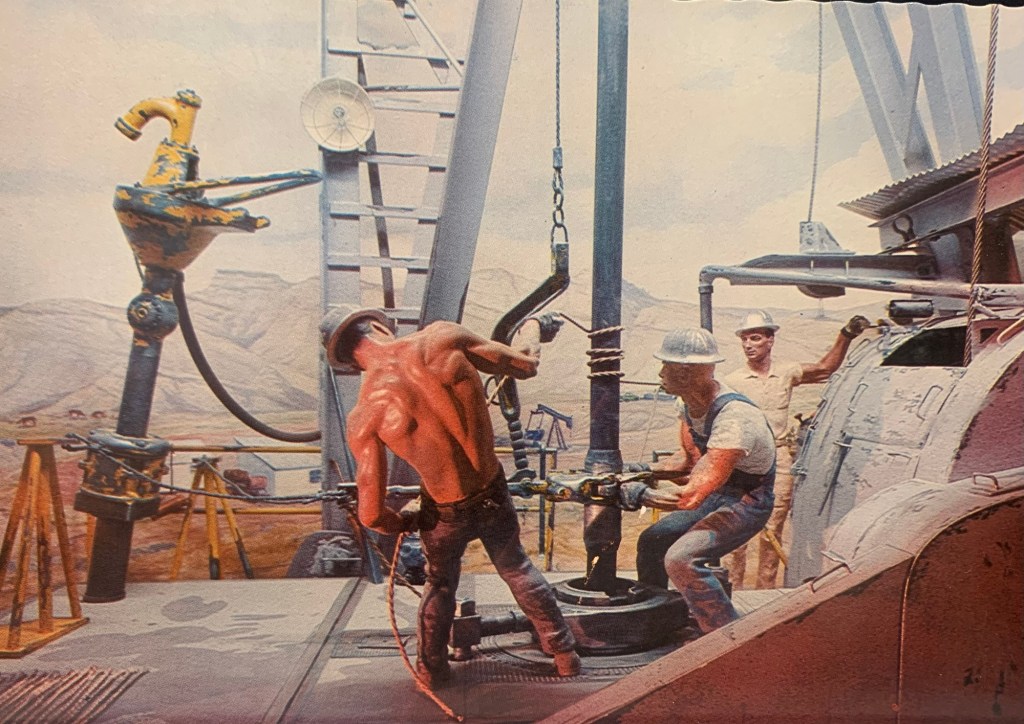
Some of us are old enough to remember the early exhibits—and the dominance of dioramas, dioramas, dioramas!

“The richest hill on earth”
Virginia City
Oil in Eastern Montana
Power lines on the plains
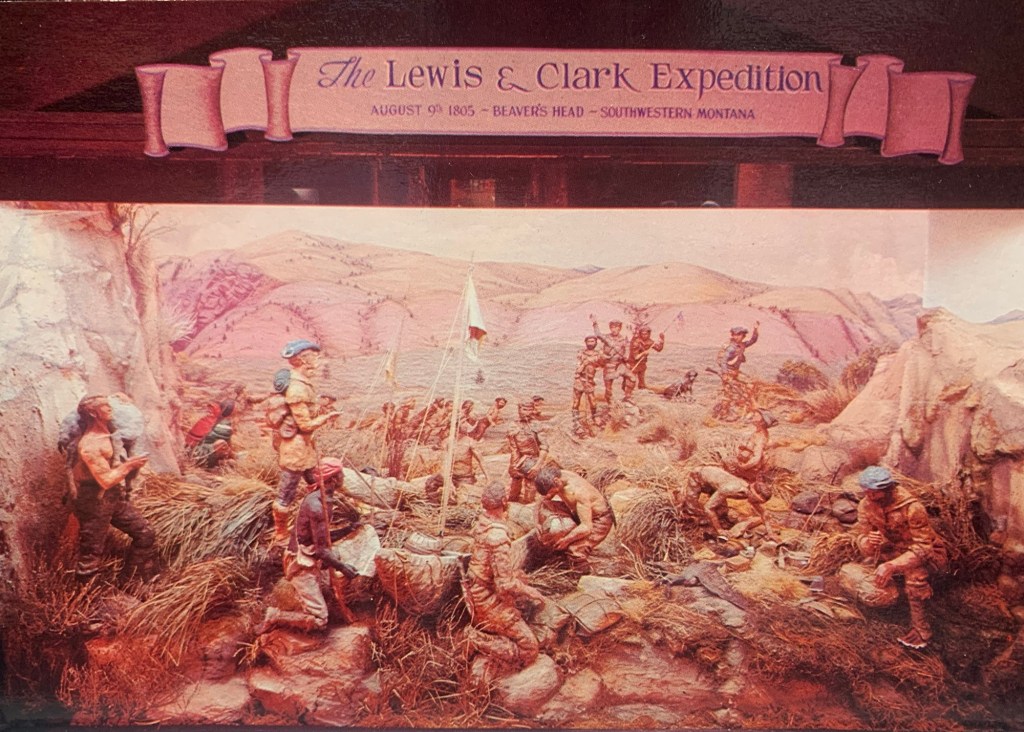
Lewis and Clark diorama, the museum opened during the 150th anniversary of the expedition
That diorama has had a second life at the Beaverhead County Museum in Dillon. Rudy Autio, the famous art potter associated with the Archie Bray Foundation and University of Montana, was the sculptor.

The highlight of the collection, then and now, was the Charles M. Russell gallery, although his work seemed out of sorts with the modern style of the building.

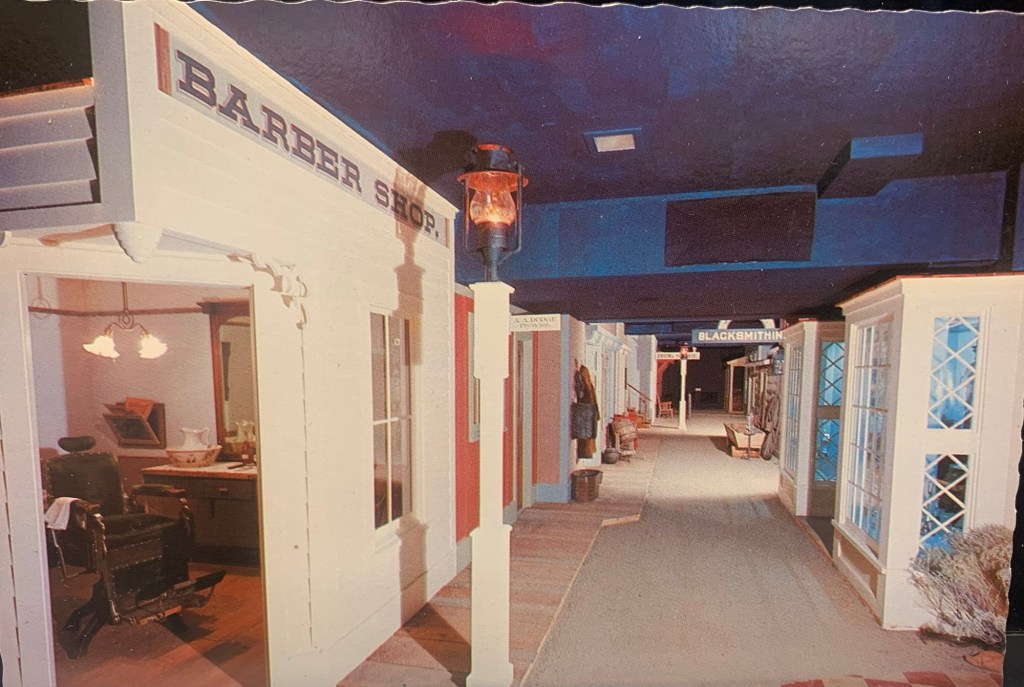
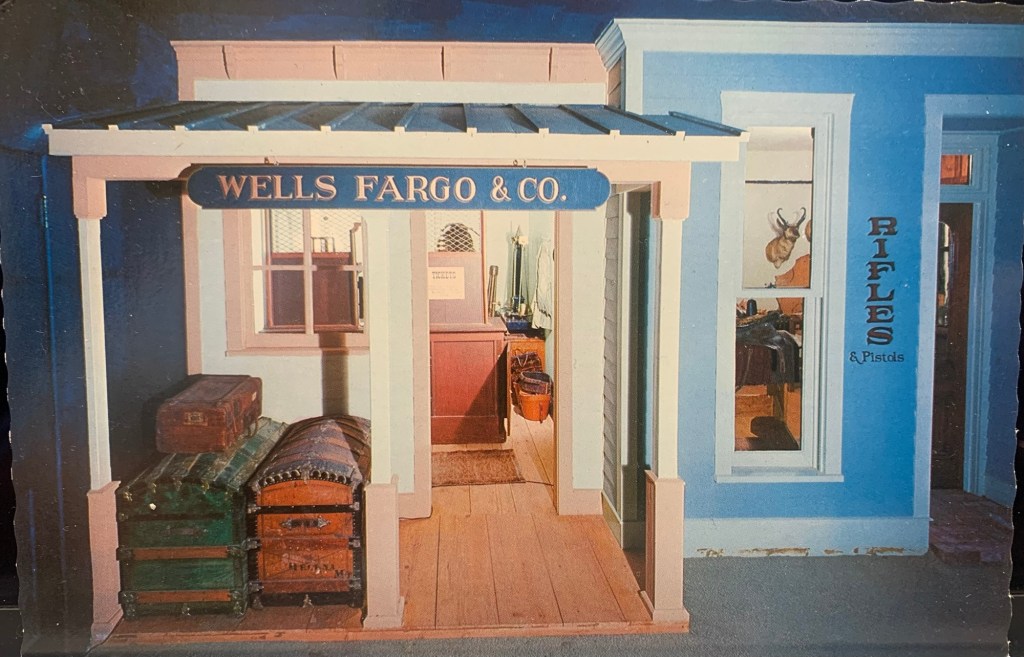
Then in the 1970s came the first transformation—placing Territorial Junction in the basement, a series of period rooms themed to a certain business or activity.

This installation had a tremendous influence on the many county museums that were built in the 1970s and 1970s as so many had their own territorial junction sections.

Mondak Heritage Center , Sidney, 2013

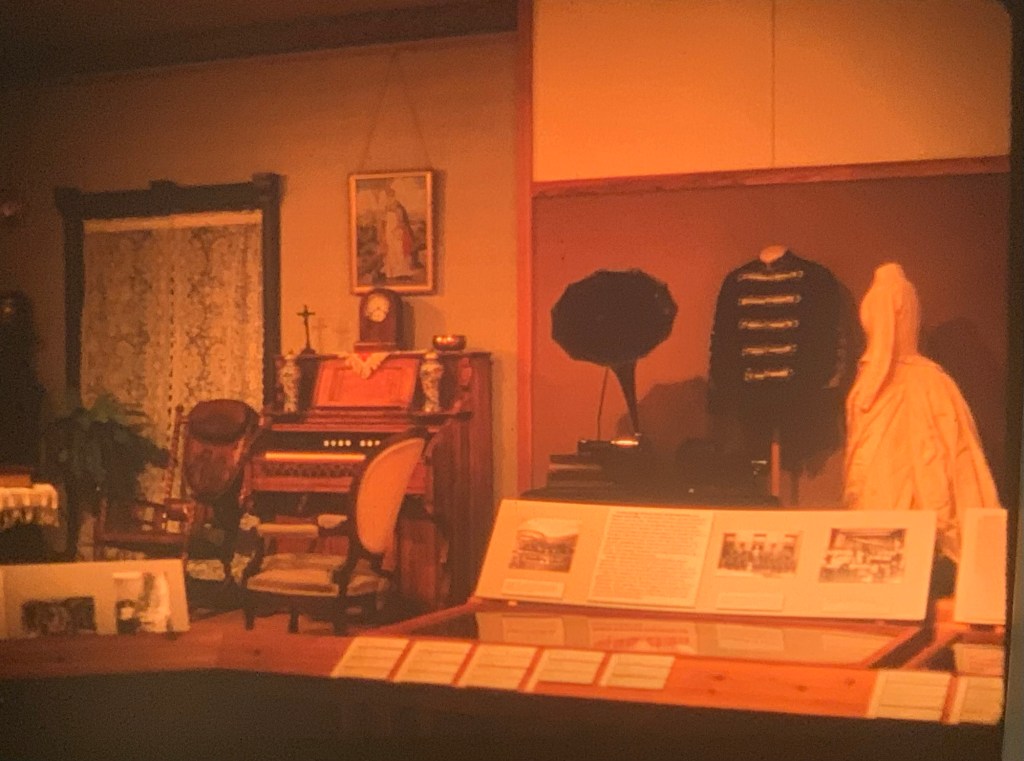
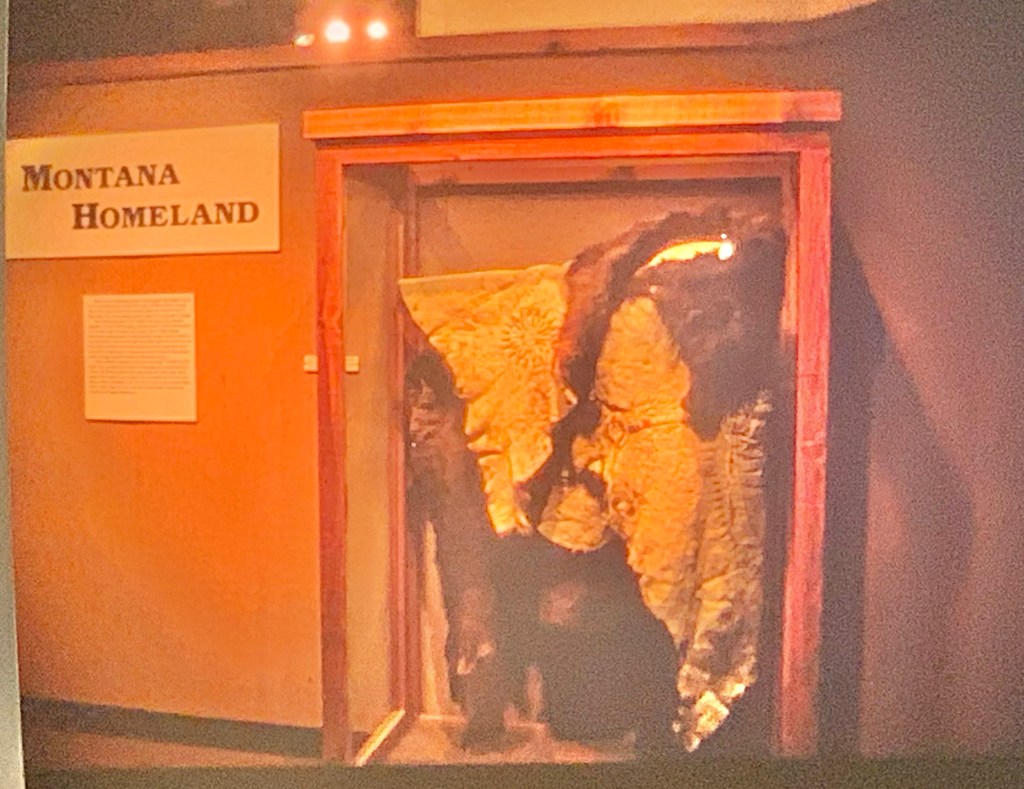
In the mid-1980s MHS staff planned and installed a new history gallery, named Montana Homeland. I visited it in 1988 and took a few slides—and in the dark light my images aren’t great but there’s enough to see how the approach had changed.

The new exhibit highlighted objects from the extensive and valuable MHS collections on Native American history.

Everywhere, from the sections on steamboats to the Victorian era to a 1930s kitchen, objects dominated the senses. It was a visual feast, an approach that I expect the new museum to continue but probably in a much more interactive way.

Yes, no doubt I will miss the old MHS museum but I’m pumped about the new one. What an opportunity! I will report more on this topic after September’s conference.

A Historic Pause: Montana Club, Helena

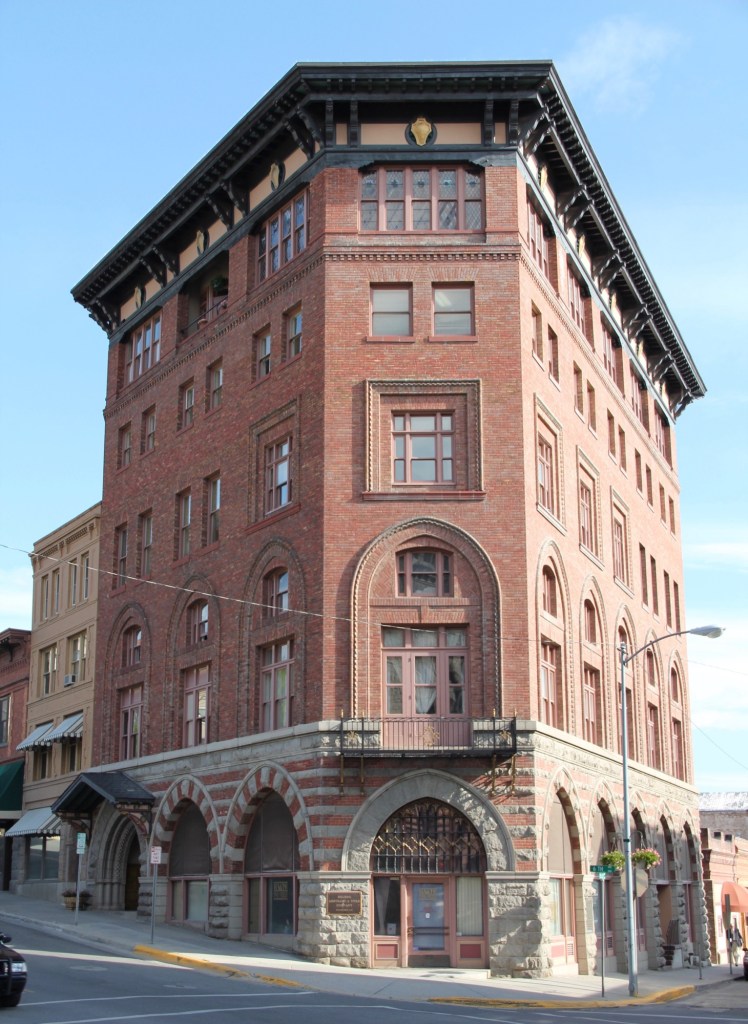
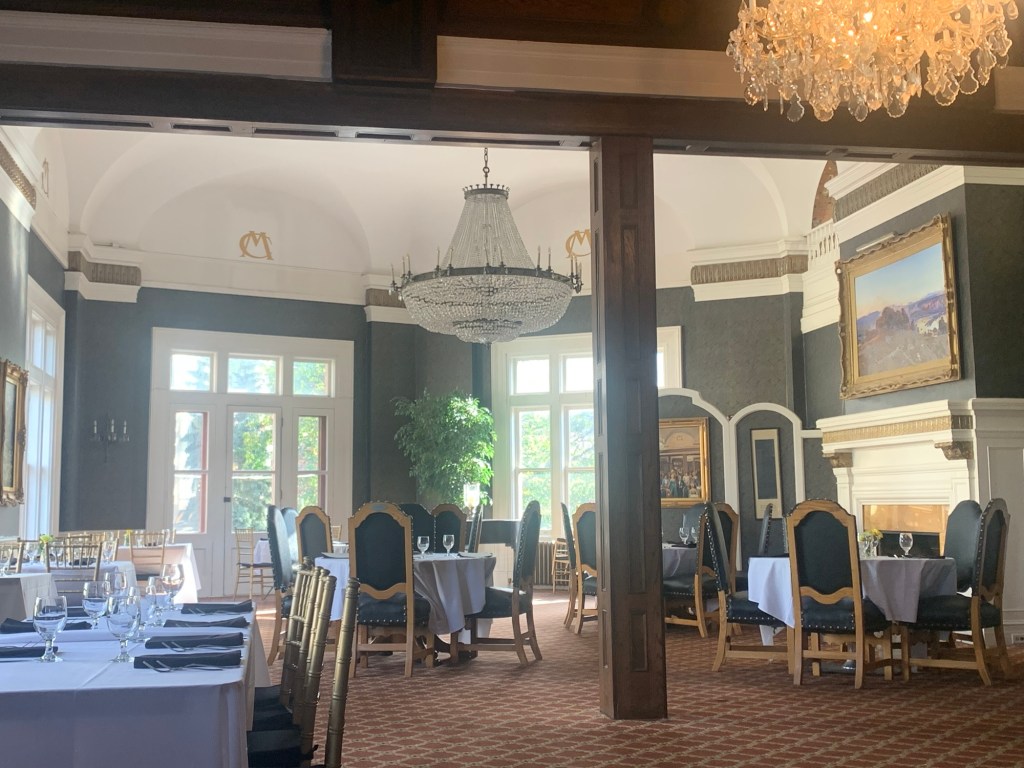
On Friday, March 29, 2024, the Montana Club closed its doors to patrons. Let’s hope it was a pause and not a terminal event in this 100-year old Helena landmark, which is listed in the National Register of Historic Places.

And landmark it is, with the original design by one of the nation’s preeminent turn of the 20th century architects, Cass Gilbert. The design cam early in his career but it’s a magnificent example of the Renaissance Revival style, in keeping with Gilbert’s love for classical forms. He ended his career with the remarkable classical-style Supreme Court building in our nation’s capital. I have long thought folks in Helena did not appreciate this Cass Gilbert building as one of the state’s great architectural statements.

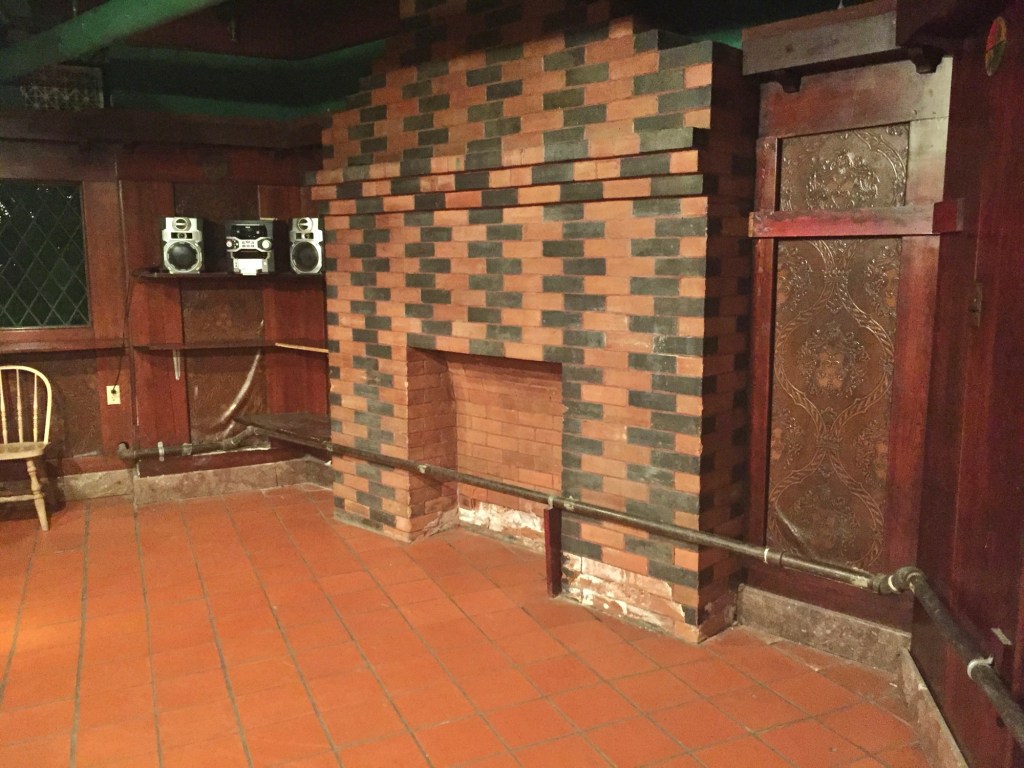
The Montana Club has delightful public spaces. The basement Rathskeller is a fun Arts and Crafts style room. I probably have had a few too many there.

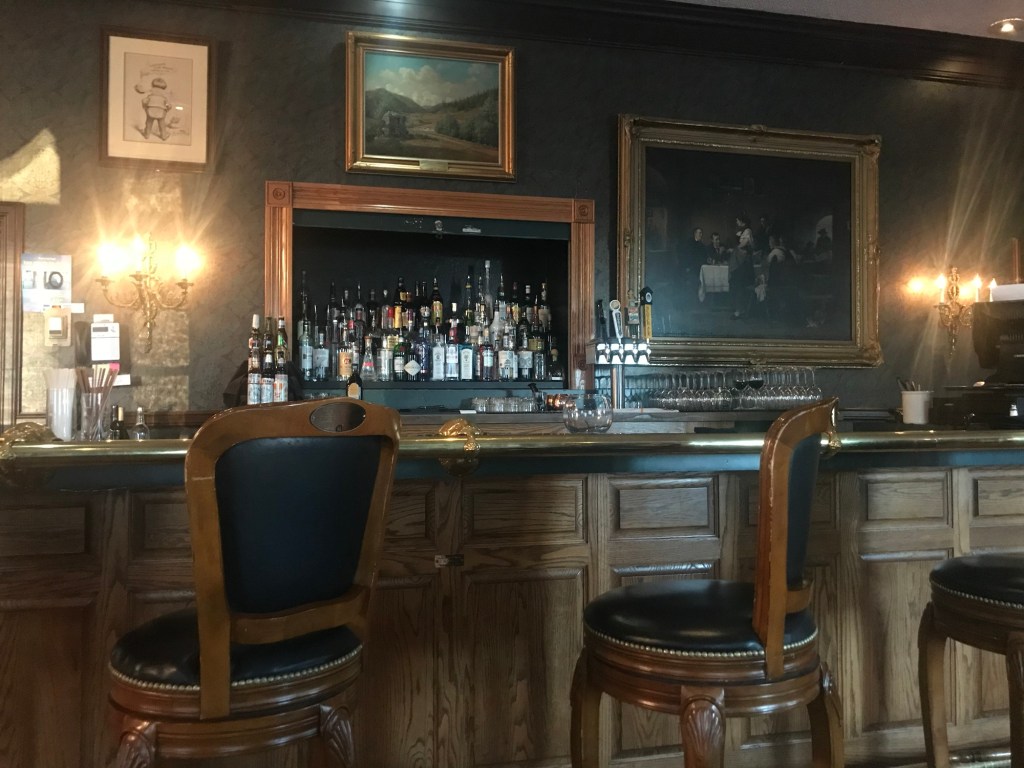
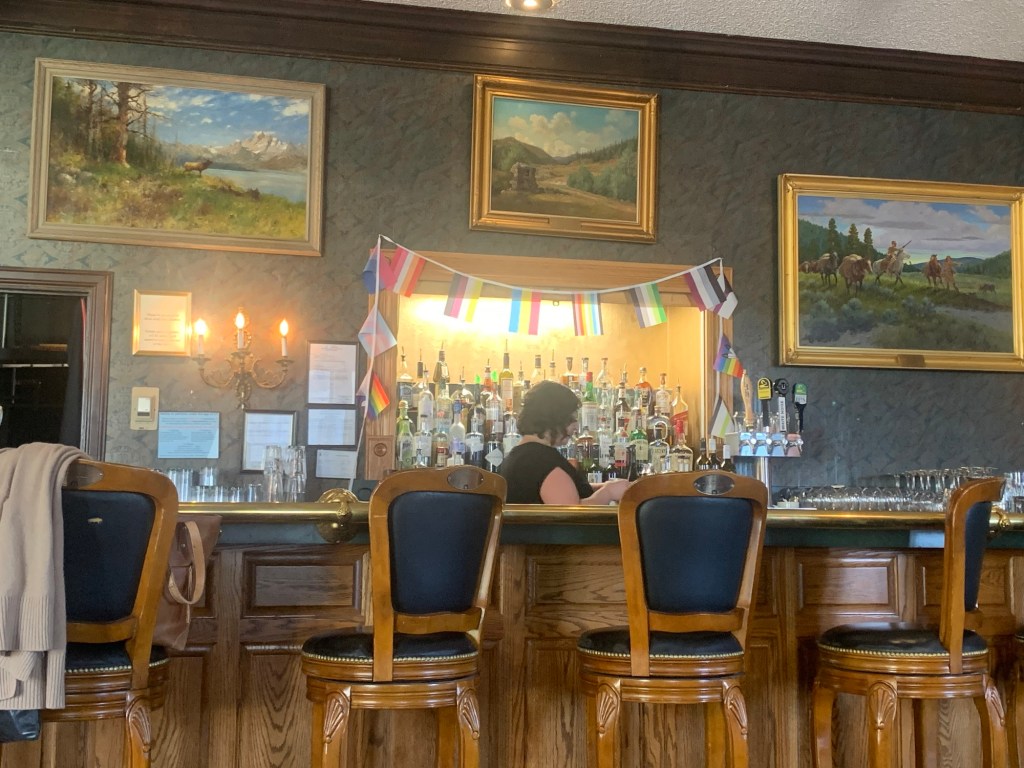
I know I have had a few too many at the wonderful second floor bar, where generations of skilled bartenders practiced their craft, from which we all benefited.

The adjoining main dining room is gorgeous, and its huge windows allow for stunning views of the city.

Indeed the building is full of bold, imaginative and inspiring spaces. It’s a real jewel in the capital city. Let’s hope its doors don’t stay closed for long.

Transformations in Helena

St Mary’s Catholic Church became a 6th Ward landmark upon its opening in 1910 and a recent renovation will keep the building in community service for another generation.

The sixth ward in Helena in the late nineteenth century was a focal point for the new capital city of Montana. The arrival of the Northern Pacific Railroad and the location of its railroad yards some mile and a half southwest of Last Chance Gulch created a new part of the city with plenty of bars and cafes for rail workers and travelers but also a historic neighborhood that often gets forgotten.

The historic block o& commercial buildings facing the depot
Hap’s has served customers for decades along this commercial block.
Nationally recognized railroad architect Charles Reed of the St Paul firm Reed & Stem designed a new modern passenger station for the Northern Pacific in 1904.
Northern Pacific depot’s clock tower. The passenger station is the centerpiece of the neighborhood’s National Register-listed historic district

The architecturally expressive Northern Pacific passenger station of 1903-1904 led to new investment of brick buildings in the neighborhood but many small vernacular dwellings remained in use and today the neighborhood retains a railroad workers’ feel.

Hap’s Beer Parlor transformed from a rail workers’ hangout to a neighborhood institution. It was a popular place when I lived in Helena almost 40 years ago—it remains legendary.

In 2016 the city of Helena established the Railroad Urban Renewal District which encouraged new investments in the neighborhood and its immediate environs, such as the Vanilla Bean coffee shop and bakery. Another key addition was the Sixth Ward Garden Park, an impressive example of the community garden movement.

The changes in the neighborhood are promising but also challenging as new businesses such as Headwaters brewery move to the outskirts. Let’s hope the modern does not crowd out the historic in Helena’s Sixth Ward.

The new Headwaters brewery

Arriving in Montana, 1981

It is difficult to believe that it has been 39 years since I first arrived in the Big Sky Country. I came with my newlywed wife’s job. She had been born in Billings; her dad was an oil geologist. She had lived everywhere but was eager to start her new position with the Montana Historical Society.

You could say I was being taken for a ride: exactly the sentiments of my family and friends in Tennessee. But what a ride it turned out to be. I was eager to see this land that I had read about—not studied; I was not then a “western” historian. That tag only came as I learned from the people, communities and landscape of Montana.

The Big Sky floored me as did the sense of true ruralness. My family never cared one whit my comment, hey Tennessee doesn’t have rural spaces compared to Montana. (They got it once they visited.)

Wildlife dominated here, back in 1981, adding to the sense of the wild, the untamed. And I knew that history was here. Like every other white schoolboy I had heard of and read about George Armstrong Custer. The first place I stopped in Montana was then known as the Custer Battlefield National Monument. Like hundreds of thousands before, I took my first image of a Montana historic site—the last stand hill.

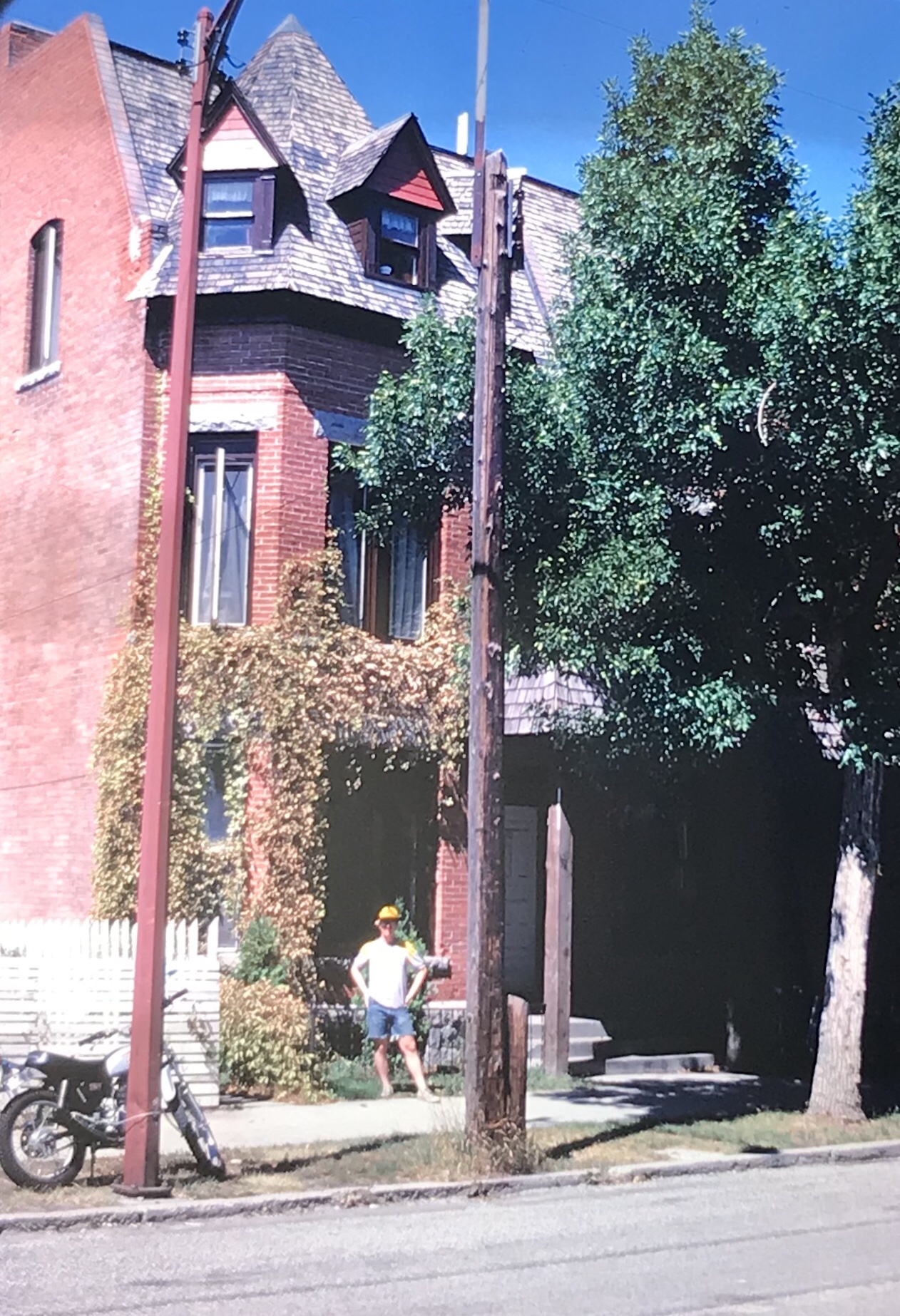
Soon thereafter we arrived in Helena, moving into a second floor apartment in a historic brownstone, the Chessman Flats from the late nineteenth century. The vernacular Victorian style of the building was my second Montana historic site. Little did I know that the vernacular, the commonplace of western history, rather than the well worn stories of old, would capture my eye, and chart a course I never had imagined possible.

Helena’s Archie Bray Foundation, 1988

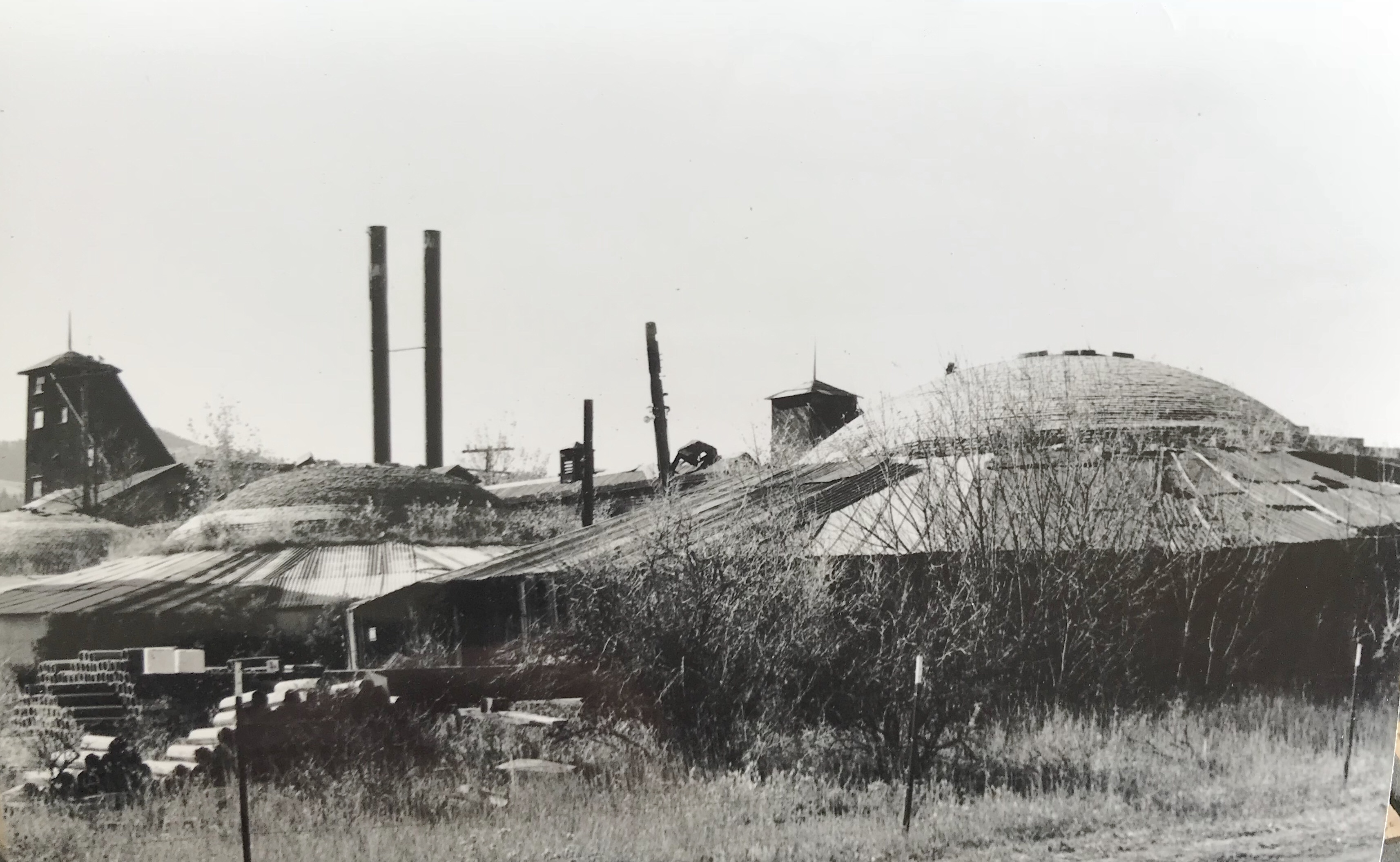
Over the last few years, several colleagues have asked–what images from the 1980s do you have of the old western clay works where the Archie Bray Foundation set up shop?

I have just recently rediscovered these three images. Over the next weeks I hope to dig out more. The Bray has had such a major impact on the arts not just in Montana but in the world. But in its early decades the Bray worked from these decaying industrial ruins. Perhaps its story is the state’s best example of adaptive reuse.

Montana State Capitol: update

49D25B44-AC7D-4CE9-9EE2-97B9307692D1

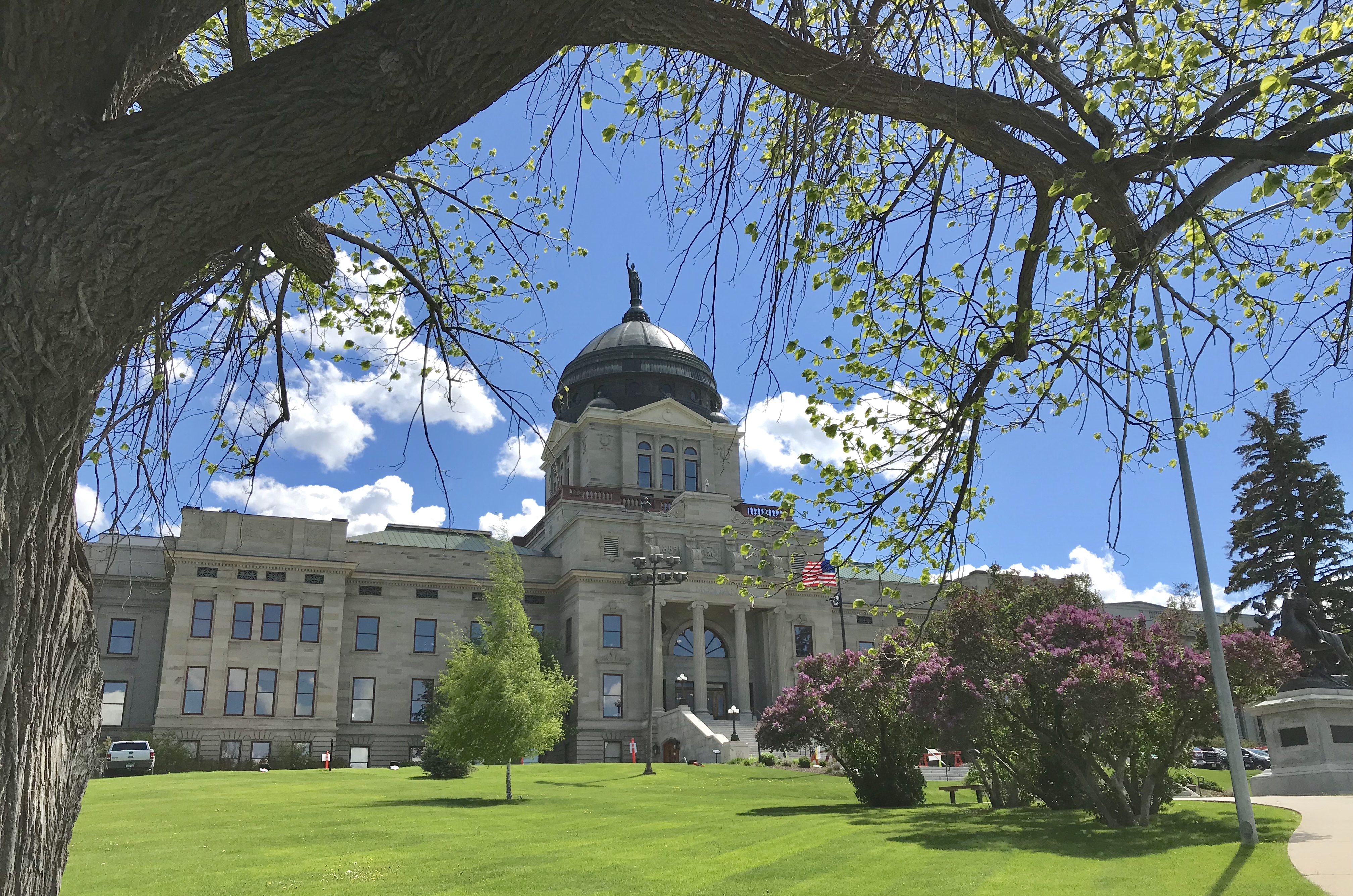
In 1982, two years before I began my survey of all 56 counties for the state historic preservation office, I took on a very meaningful and fun assignment—developing an interpretive tour of the recently restored Montana State Capitol.  Jim Mc Donald’s firm in Missoula had developed a comprehensive study nd they and the many partners and contractors restored the grand spaces of this turn of the twentieth century building.

CF95909C-7A8E-4D2F-9B2E-2F2C265CE99C

97627929-9957-45C4-AE81-27C80D537145

6938503A-89AF-4803-B88D-C41F82675AD9

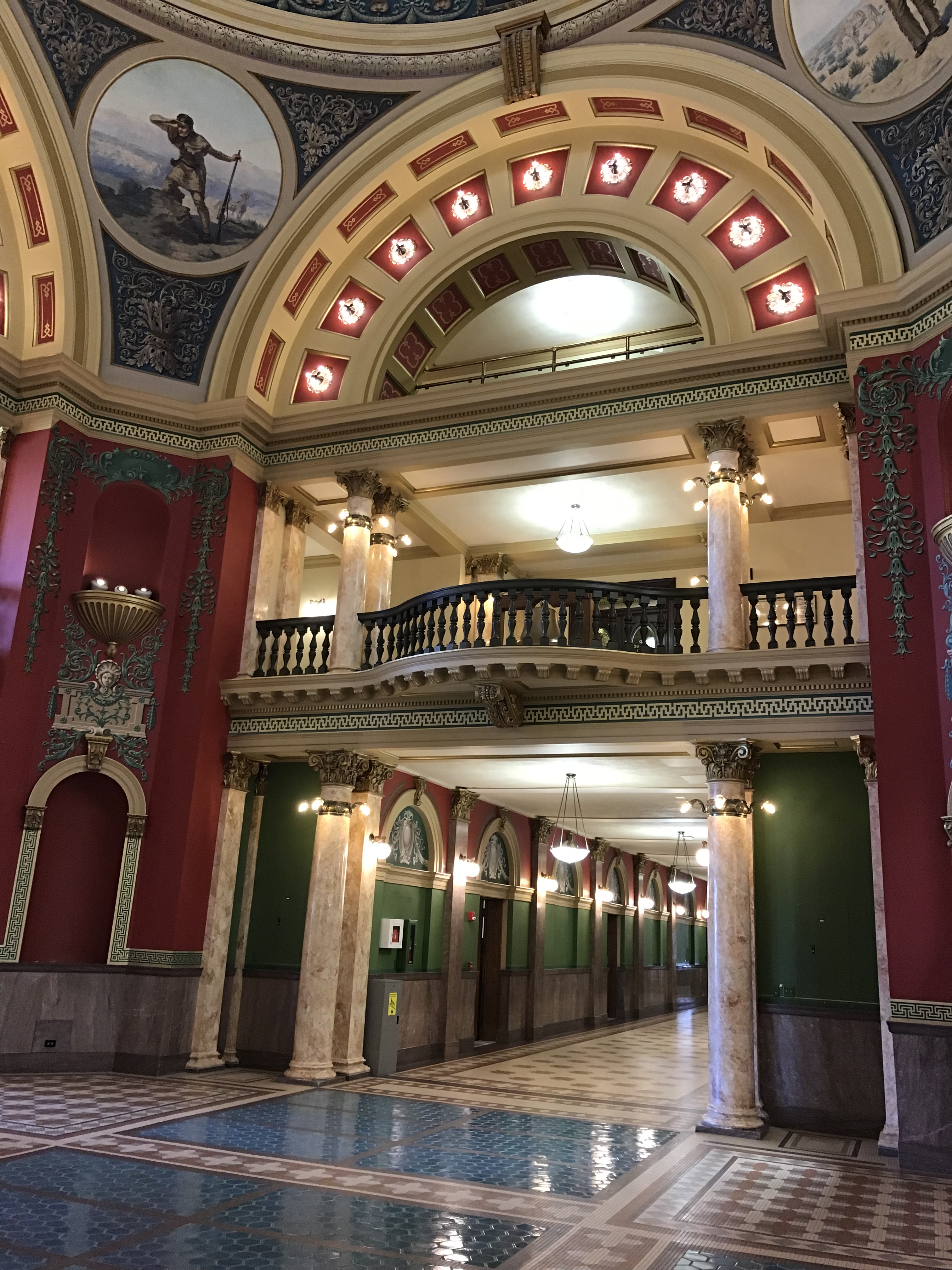
Designed by the firm of Bell and Kent, the Capitol is a jaw-dropping public space, which spoke of the state’s dreams and ambitions at its beginning. No matter how jaded you might be about politics and politicians today just a walk through the corridors of grandeur, and power, of the Capitol will remind you that democracy does matter and we the people continue down the demanding path of making ourselves rise up to democracy’s promise.

4FFADCF5-F5CD-4286-9F8C-ED493EA1AF4B

Plus the 1982 project was just a great learning experience. I worked most closely with Jennifer Jeffries Thompson, then the education curator at the Montana Historical Society, plus it became a way to meet and learn from the SHPO staff then, led by Marcella Sherry, and the architect Lon Johnson and architectural historian Pat Bick.  Governor Ted  Schwinden and his staff were great and I always appreciated the interest shown by Senate Republican leader (and future governor) Stan Stephens.  Senator Stephens always wanted me to lead his groups through the building, but I never knew if that was because he thought I had something to say or that everyone always liked to hear me say it, with my southern accent echoing in the chambers and hallways.

91B8EF64-EFDF-4735-BFF5-8116A944041C

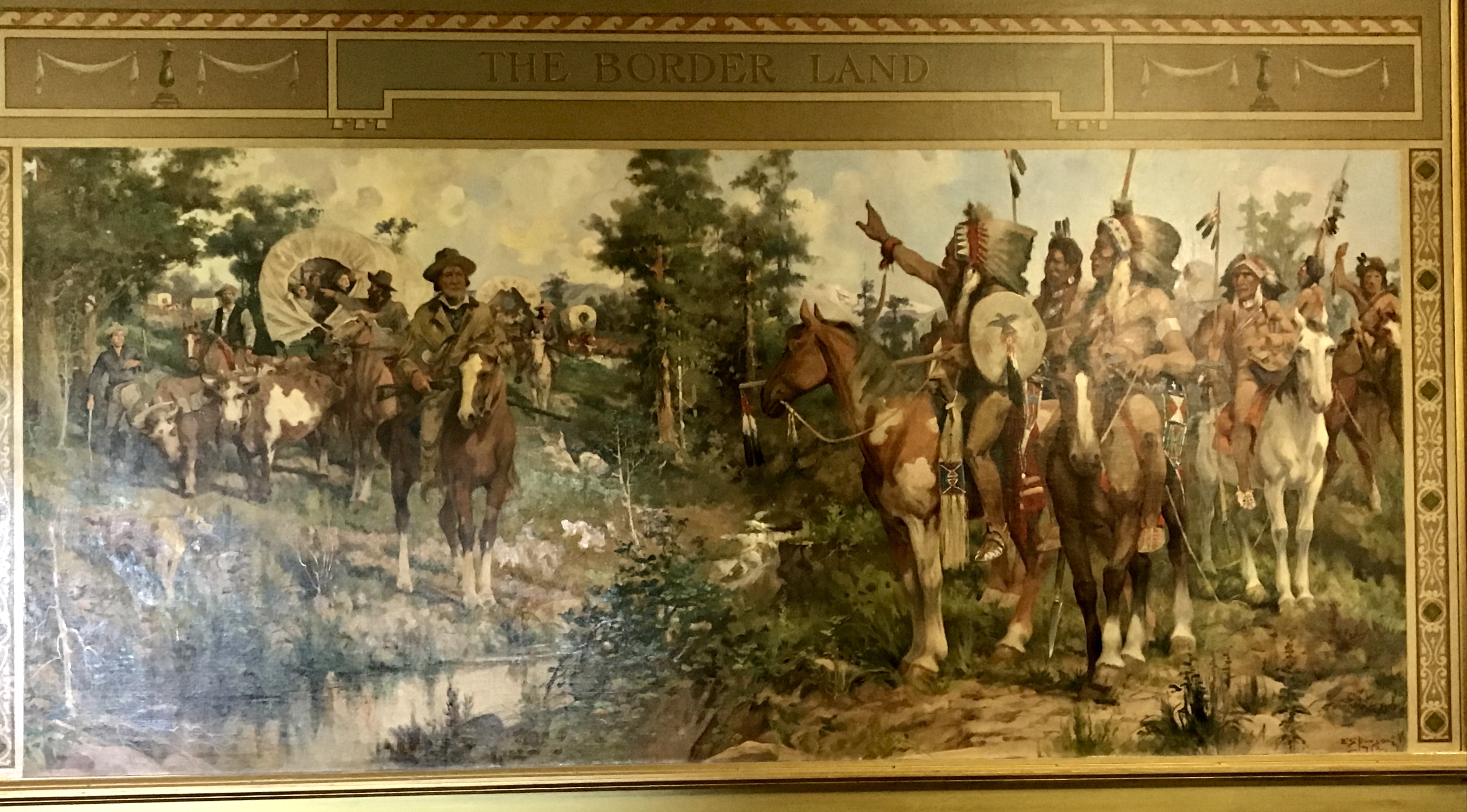
I learned so much because the Capitol was full of magnificent western art depicting pivitol moments in state history, as understood by state leaders one hundred years ago.  Everyone (my celebrities included actors Clint Eastwood and Robert Duvall) wanted to see Charles M. Russell’s depiction of the Lewis and Clark expedition at Ross’s Hole in the House chamber.  My favorites however were the series of historical paintings by Edgar Paxton in the legislative lounge and office area.

0B9E4521-BA6C-4B0E-AC74-59FF71094305

74B6AA6E-ECF2-4BCC-AC17-82C7BB269E27

Paxson’s portrayal of Sacajawea showing the way at Three Forks—artistic license acknowledged—was always a favorite teaching opportunity for in a painting of 100 years ago Paxton depicted a reality—the presence and importance of a Native American woman and an African American slave, York—at a time when historians of the west had difficulty even acknowledging their existence in history.

I also liked the scope of Paxton’s narrative and the prominence of the Native American stor..u even to the surrender of Chief Joseph, which would have been fairly recent history when Paxton carried out his work.

BB43DDD3-D65E-4E16-9973-A1FF32C44BEC

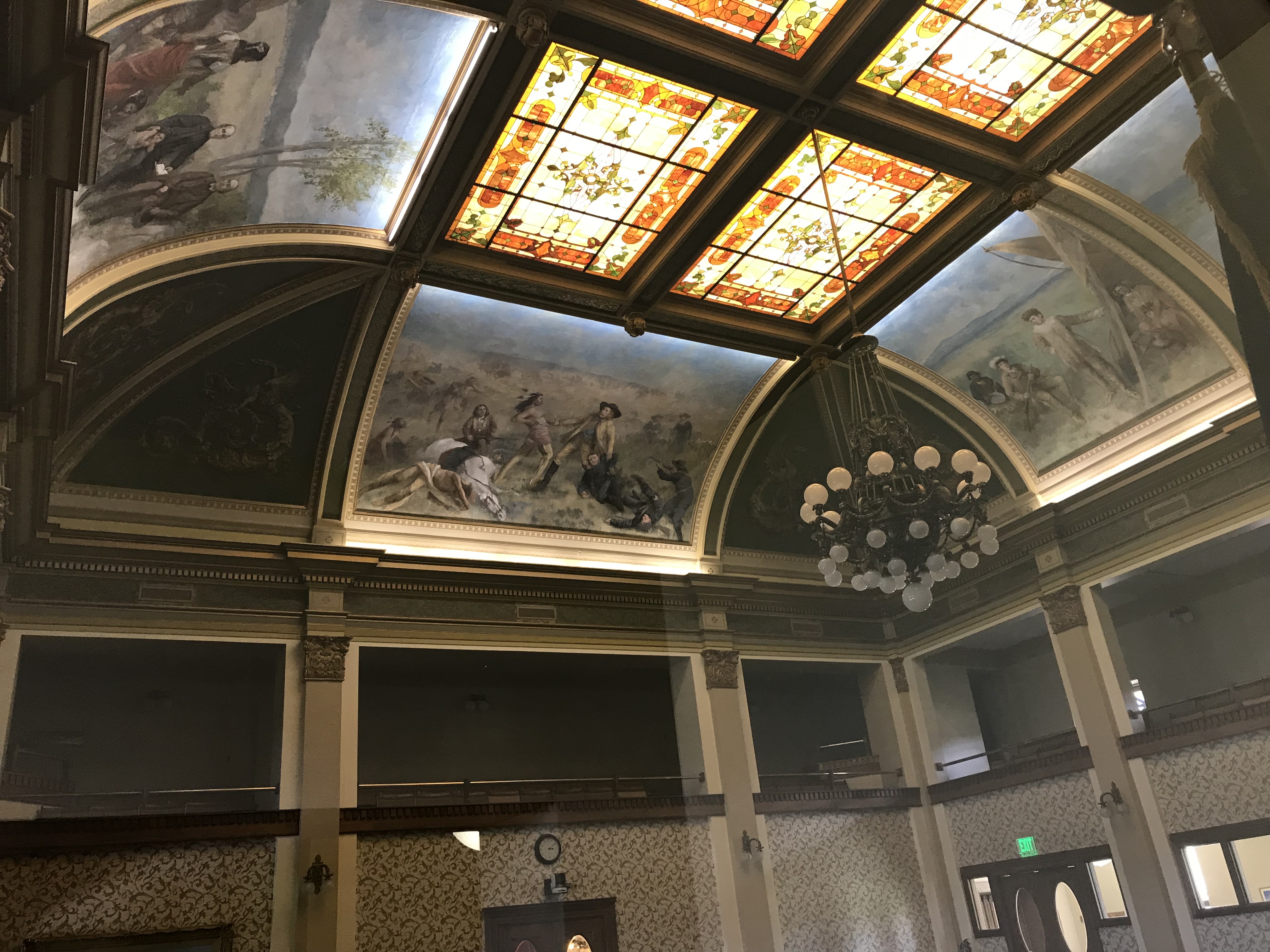
The Senate Chamber taught other stories, from the process of voting and government to the story of the three Georgians who left the South in the midst of the Civil War to find riches in Last Chance Gulch, now Helena, and on to the massive Sioux and Cheyenne victory over George Armstrong Custer’s Calvary at the Battle of Little Big Horn.

11F0BD12-157E-40C0-AA7B-8458DE4B2196

5013052A-BA26-4673-BEDF-8B299F0A4694

While I had stopped in at the Capitol several times in the last decade, I did not really explore. My trip this summer found many more history lessons throughout the building.

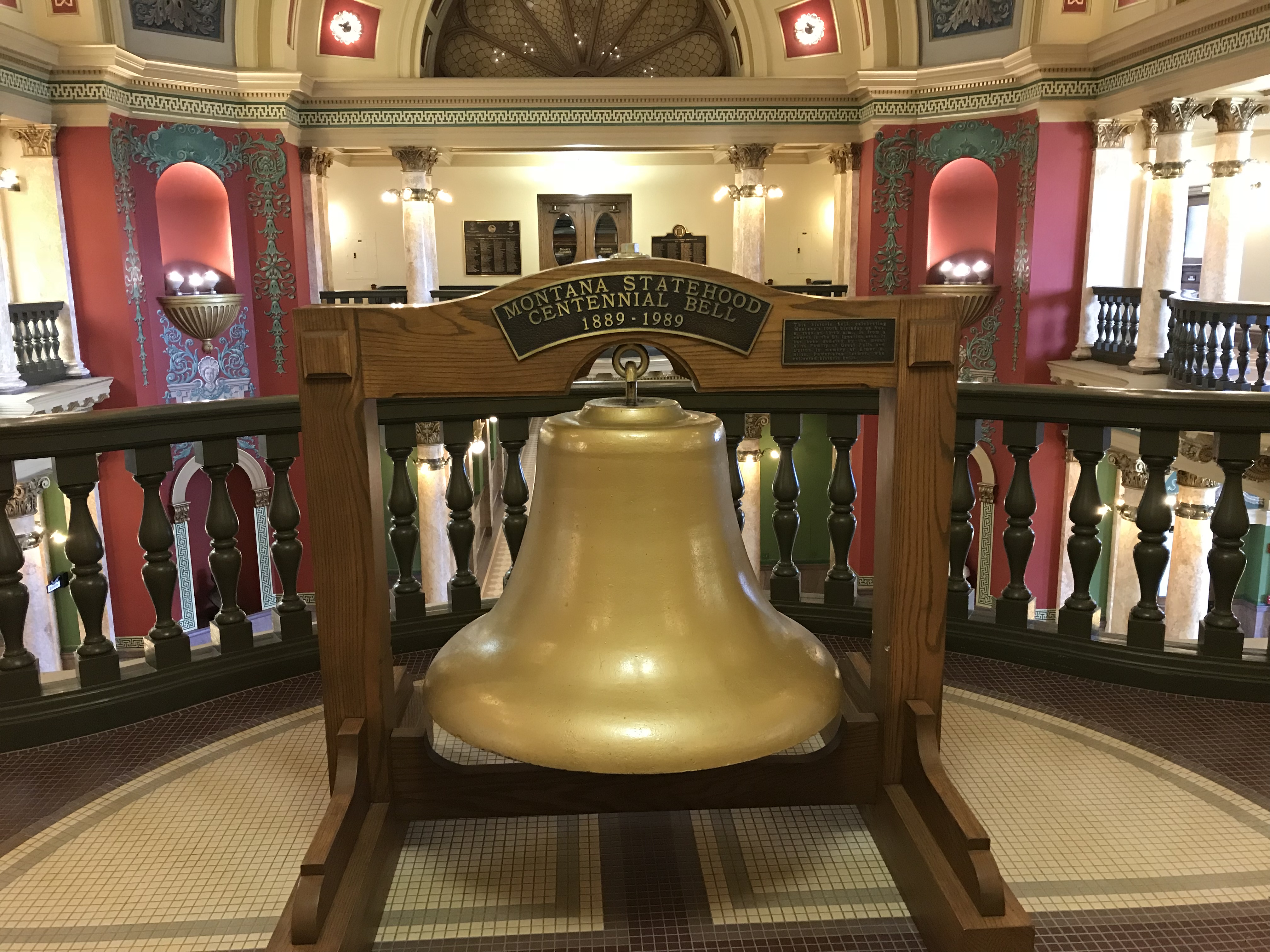
The statue of the Mansfields were an effective complement to the earlier statues for Wilbur F. Sanders  and Jeanette Rankin, which had booth stood in the Capitol when I worked there in 1882 and 1983. I also really like the bronze bell added in honor of the state’s centennial.  Both the Mansfields and the bell allow you to take visitors into Montana’s late twentieth century history.

18C8CB72-63F5-4E83-AC4F-5DFA77BDDB33

558622DC-8817-4A4B-8350-4B580AFE9B42

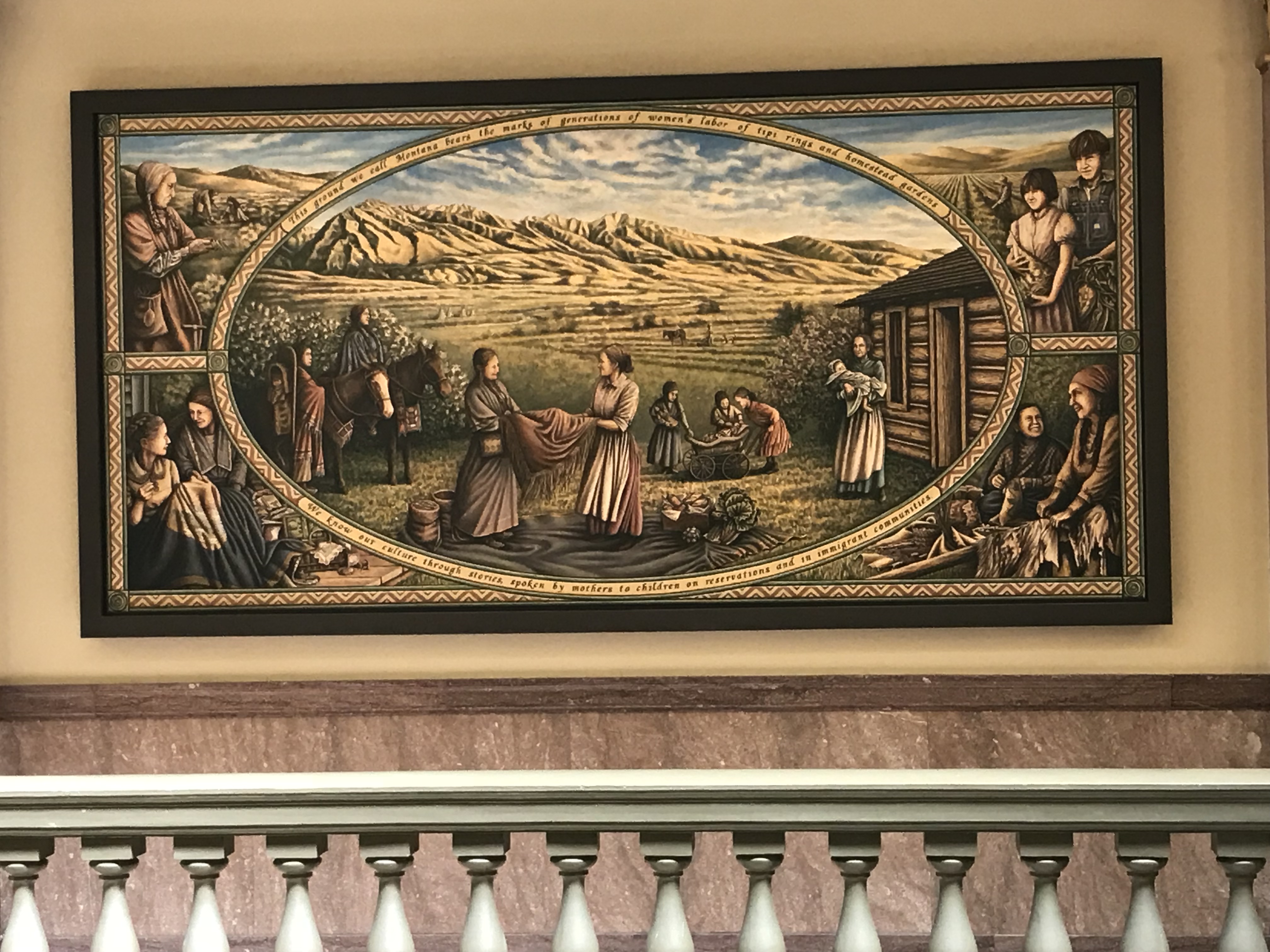
Then the women history murals, titled Women Build Montana, are just delightful, and inspiring.  Installed in 2015 the murals by Hadley Ferguson add new layers of history and meaning to the grand old Capitol. Of course there is much more to the art and architecture of the State Capitol than what I have highlighted here. The Montana Historical Society maintains an excellent website that gives you all of the details you would ever need. But I hope that you do will visit the Capitol if you haven’t recently.  Some 36 years after I first discovered its history, art, and architecture it still has many lessons to teach.

Helena”s Odd Fellows Cemetery

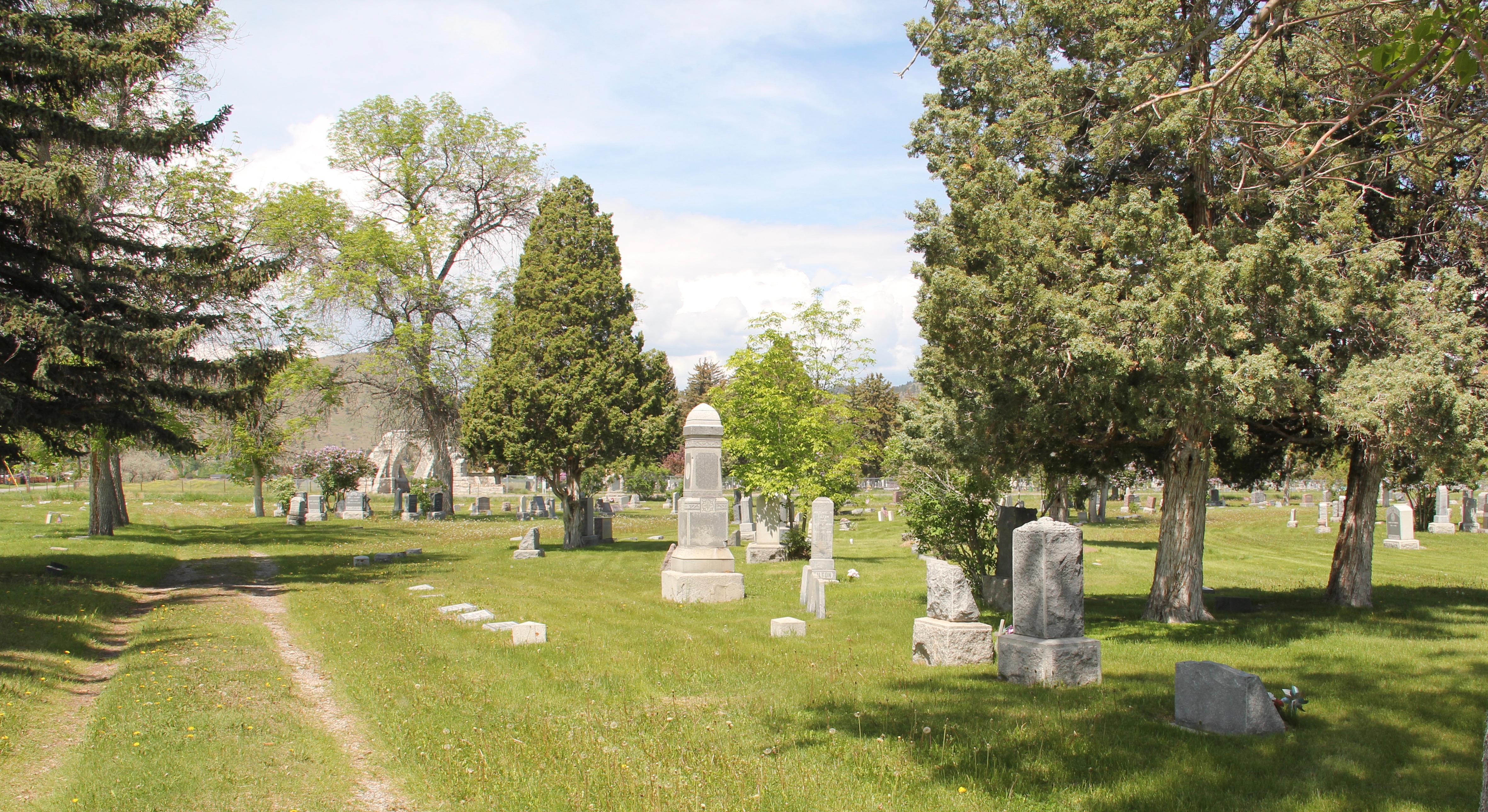
MT Lewis and Clark County Helena Odd Fellows Cemetery 4Standing quietly next to Forestvale Cemetery is Helena’s Odd Fellows Cemetery, formed in 1895 when several local lodges banded together to create a cemetery for its members.  Most visitors to Forestvale probably think of this cemetery as just an extension of Forestvale but it is very much its own place, with ornamental plantings and an understated arc-plan to its arrangement of graves.

MT Lewis and Clark County Helena Odd Fellows Cemetery 3

MT Lewis and Clark County Helena Odd Fellows Cemetery 6


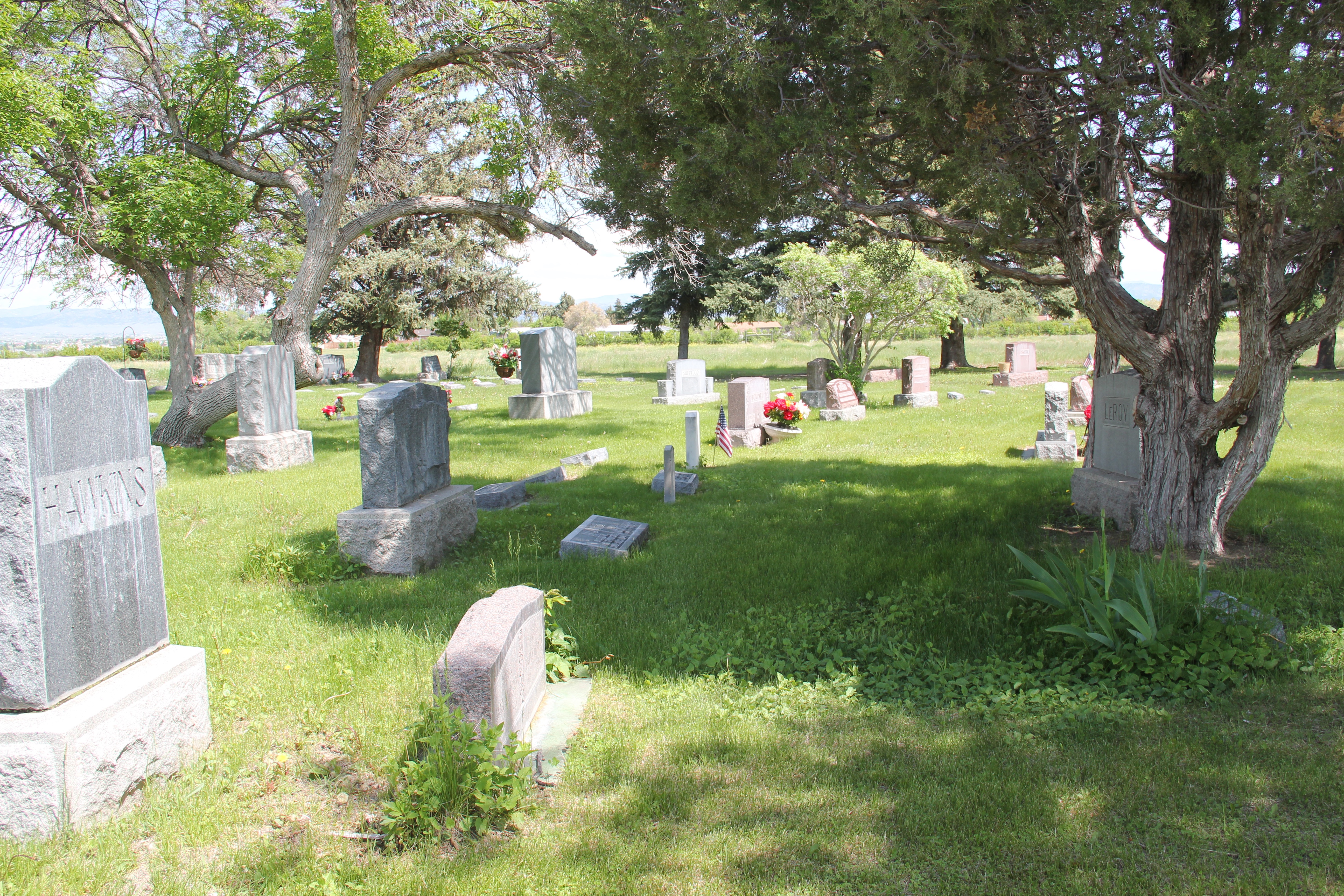
MT Lewis and Clark County Helena Odd Fellows Cemetery 2Compared to Forestvale, there are only a handful of aesthetically imposing grave markers, although I found the sole piece of cemetery furniture, the stone bench above, to be a compelling reminder of the reflective and commemorative purpose of the cemetery.

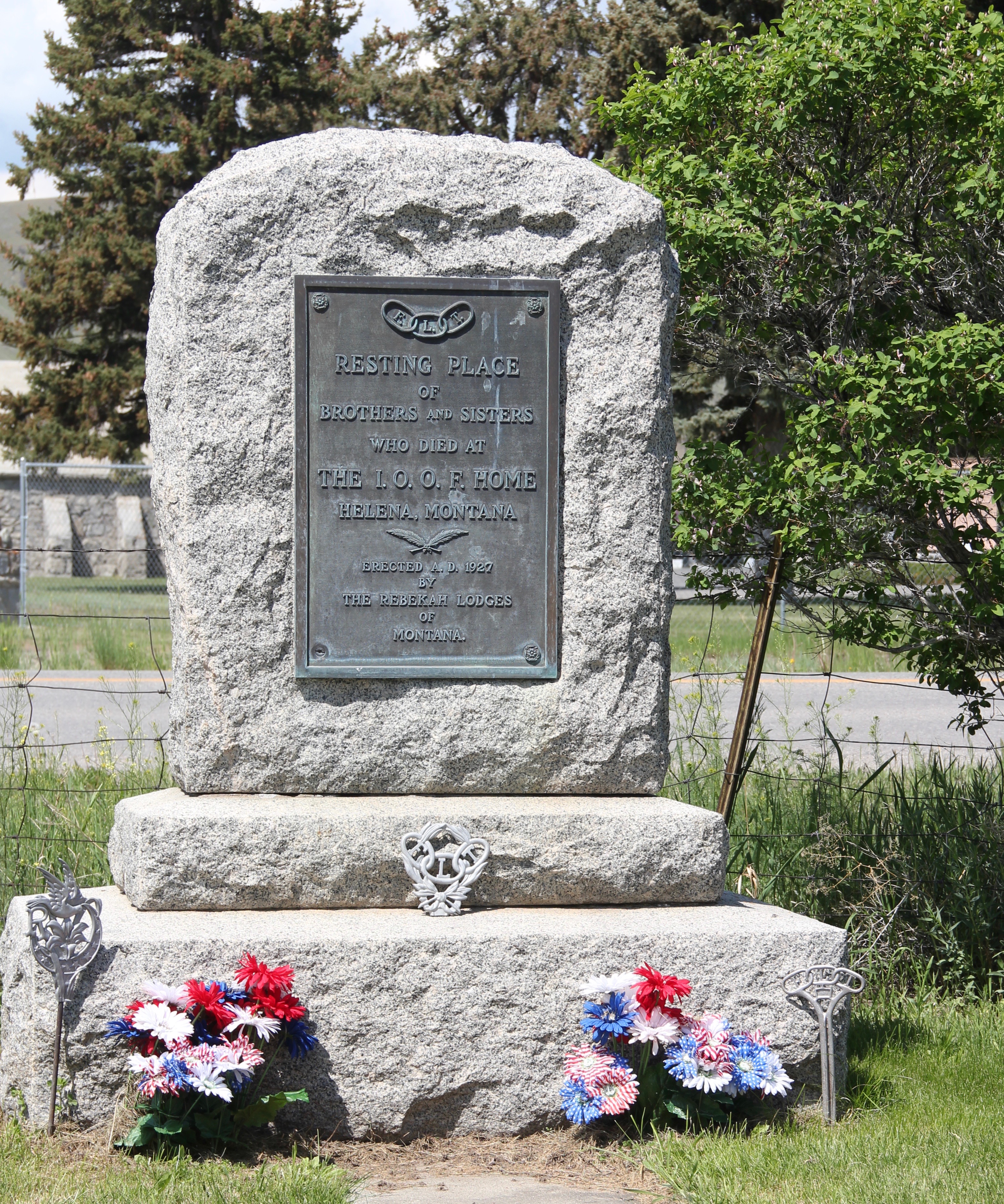
MT Lewis and Clark County Helena Odd Fellows CemeteryOne large stone monument, erected in the 1927 by the Rebekah lodges (for female members) of the town, marks the burial lot for IOOF members who died in Helena’s Odd Fellows Home, a building that is not extant.  The memorial is a reminder of the types of social services that fraternal lodges provided their members, and how fraternal lodges shaped so much of Helena’s social and civic life in the late 19th and early twentieth century.  Helena’s Odd Fellows Cemetery is a significant yet overlooked contributor to the town’s and county’s historic built environment.

MT Lewis and Clark County Helena Odd Fellows Cemetery 5


Helena’s Resurrection Cemetery (1908)

IMG_4389

Dominated by the monumental Cruse family mausoleum, Resurrection Cemetery has been a Montana Avenue landmark for over 100 years.  It is not the first Catholic cemetery in Helena–the original one was nearer the yards of the Northern Pacific Railroad and was closed c. 1906-1908, when Resurrection Cemetery was under development.  The first cemetery became abandoned and many markers and crypts were not removed until the late 1940s and 1950s.  Then in the 1970s, the city finished the process and turned the cemetery into Robinson Park, where a small interpretive marker still tells the story of the first Catholic cemetery.

IMG_4381

IMG_4390

Resurrection is a beautifully planned cemetery, with separate sections, and standardized markers, for priests and for the sisters, as shown above.  Their understated tablet stones mark their service to God and add few embellishments.  Not so for the merchant and political elite buried in the historic half of Resurrection Cemetery.  “Statement” grave markers abound, such as the Greek Revival temple-styled mausoleum for the Larsen family, shown below.

IMG_4375

IMG_4376

An elaborate cross marks the family plot of Martin Maginnis, an influential and significant merchant and politician from the early decades of the state’s history (but who is largely forgotten today).  Nearby is the family plot for one of Maginnis’ allies in central Montana and later in Helena, T. C. Power.

IMG_4383

Joseph K. Toole, a two-time Governor of Montana, is also buried with a large but not ornate stone marker, shown below. Former senator Thomas Walsh is nearby but what is

IMG_4377

most interesting about the Walsh family plot is the striking Arts and Crafts design for his

IMG_4385

IMG_4386

daughter Elinor Walsh, who died as a young woman.  I have not yet encountered a marker similar to hers in all of Montana.

IMG_4387Another compelling marker with statuary is that of another young woman rendered in marble, a memorial to James and Catherine Ryan.

IMG_4380

Thomas Cruse, who struck it rich with the Drumlummon mine at Marysville, had no qualms about proclaiming his significance and the grandest cemetery memorial in Montana bears his name.  Cruse already had put up at least one-third of the funding for the magnificent High Gothic-styled St. Helena Cathedral in downtown Helena.  At Resurrection, Cruse (who died in late 1914) was laid to rest in a majestic classical-style family mausoleum where his wife and his daughter were also interred (both proceeded Cruse in death).  The Cruse mausoleum is the centerpiece of Resurrection’s design.
IMG_4392

But the monuments for the rich and famous at Resurrection are the exceptions, not the rule.  In the historic half of the cemetery, most markers are rectangular tablet types.  The cemetery also has a separate veterans section.  IMG_4373

IMG_4372