Coffee Creek: More than a Romance Novel

IMG_9870

Coffee Creek, Montana, located on the high plains of northeastern Fergus County, is undoubtedly best known today as the backdrop for a series of Harlequin romance novels. The setting and the starkness of the landscape is probably not what you envision in a romance novel but it does convey the reality of what Coffee Creek was, and is, today.

IMG_9878

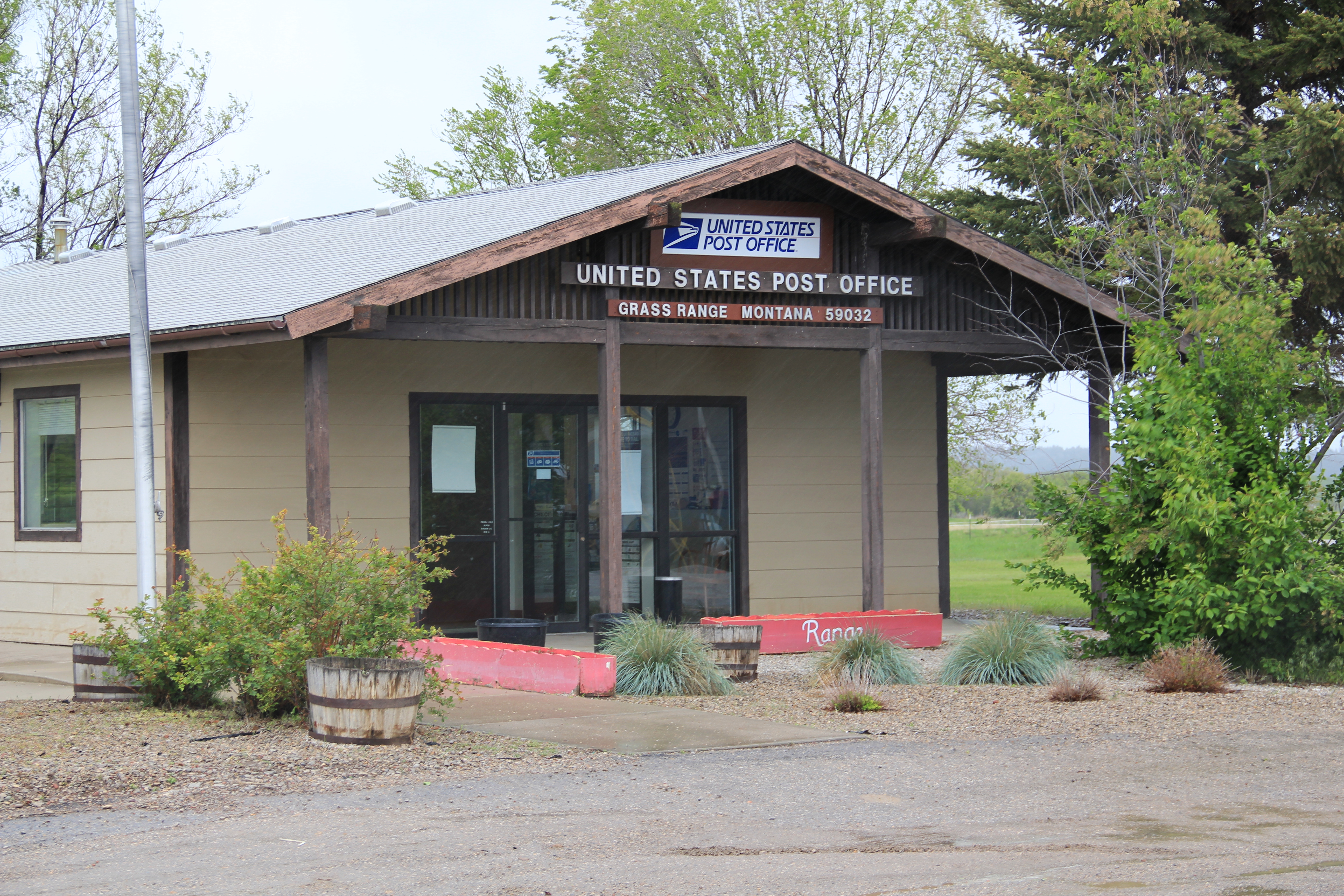
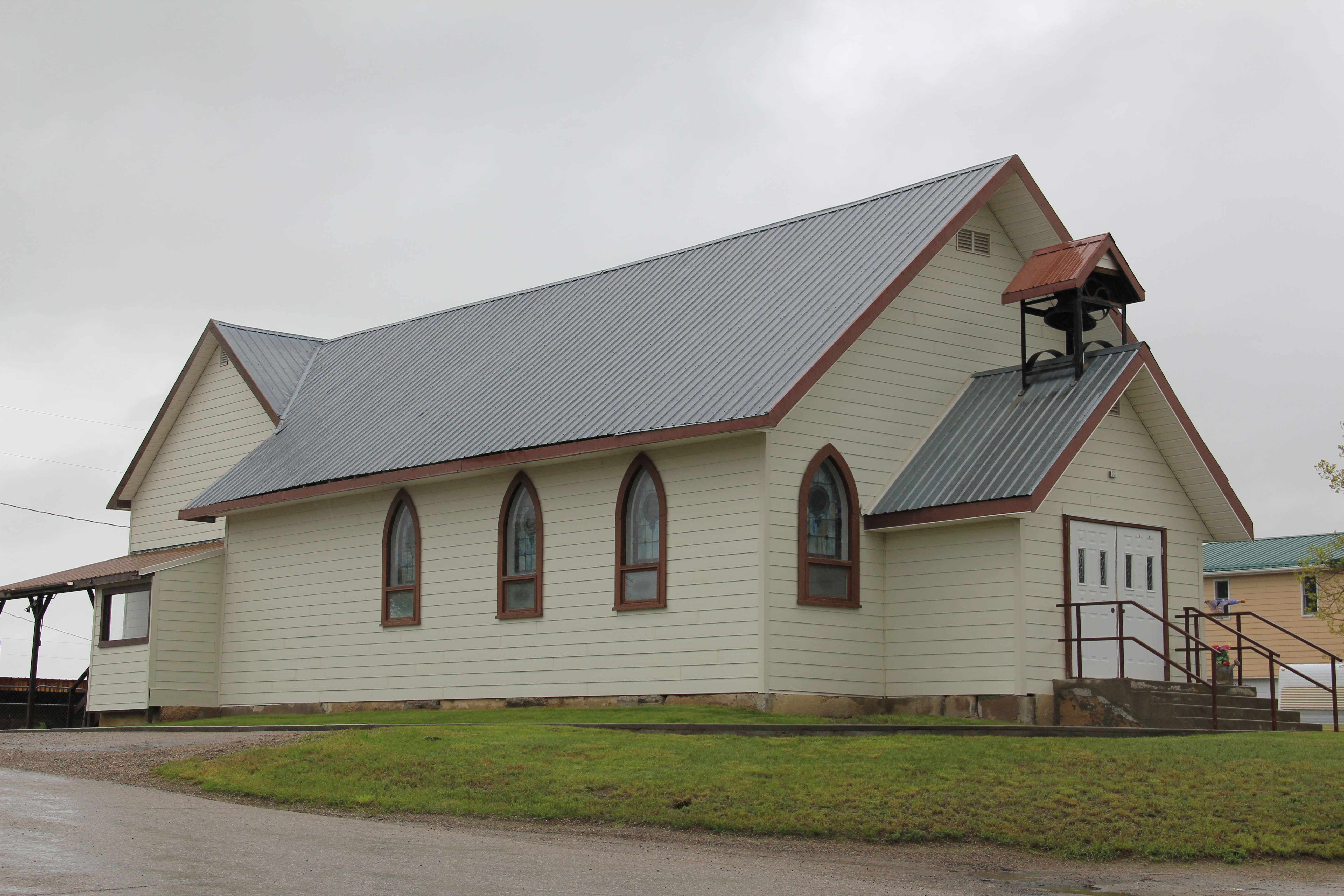
Coffee Creek was a railroad town, established in the same year as many of its neighbors, in 1913.  Unlike Denton to the east or Stanford to the south, Coffee Creek never grew beyond its booster beginnings.  Like the others it had a state bank, a post office, school, churches.  Today the post office remains–one of the best rural historic post offices of the region–but most everything else is closed.  The church is a well-kept example of early

IMG_9875

20th century vernacular Gothic design, but it no longer holds regularly scheduled services. It remains a community landmark.

IMG_9872

Another community landmark is the building above, which I believe is a Community Hall from the 1920s or 1930s.  Throughout rural Montana in the 1920s a movement began to build structures where the homesteaders who stayed could gather and have events, play basketball, or dance the night away.  New Deal agencies in the 1930s built many more, like the one this blog has already recorded in Sanders, Montana.  This building in Coffee Creek reminds me of the Sanders community hall–hopefully someone reading this blog can add details about it.

IMG_9874

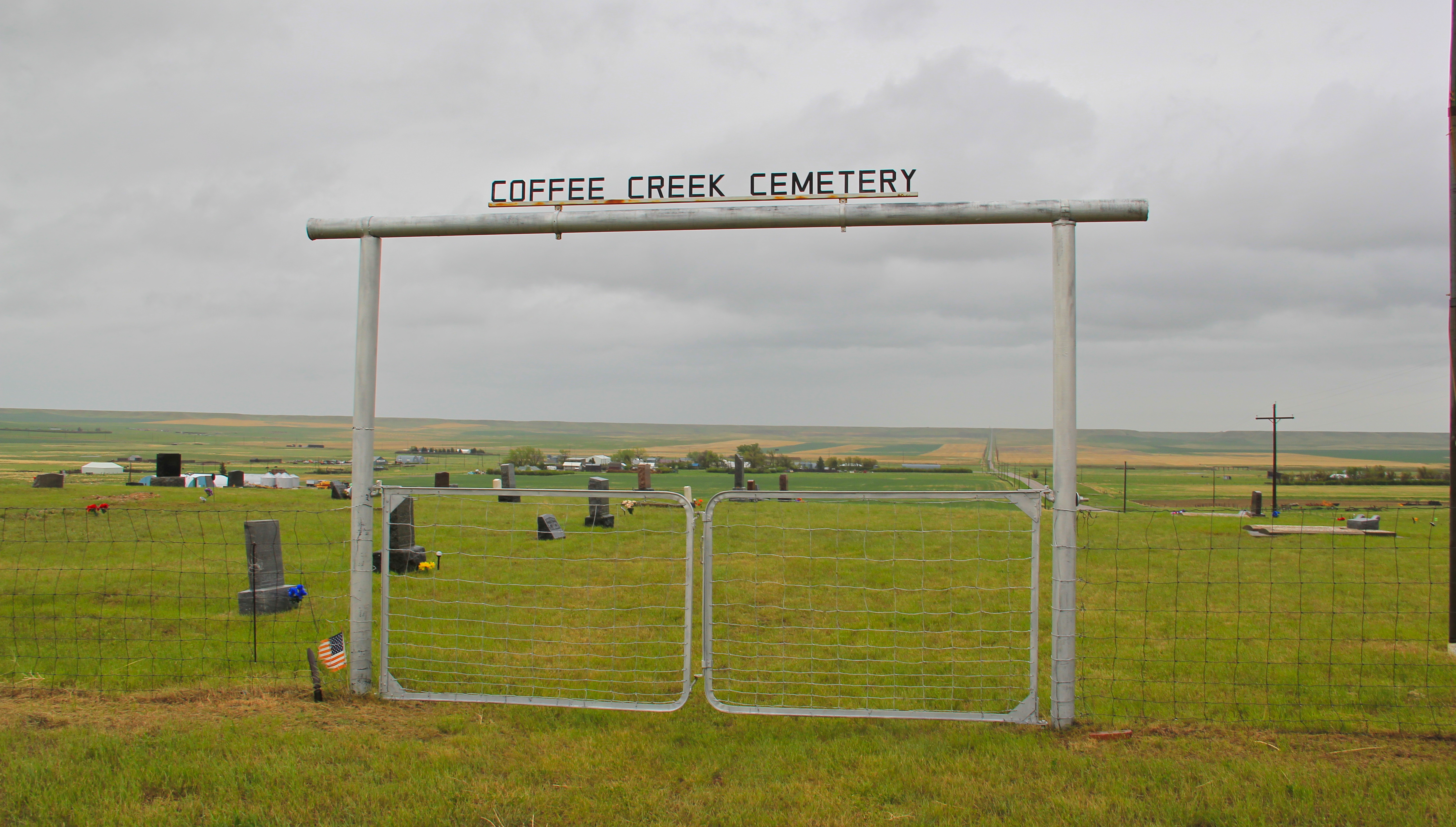
The volunteer fire hall, like the post office, is one community institution still in service to local residents and surrounding ranches as is the town cemetery, perched to the north, high on a hill overlooking the town, Highway 81, and ranches as far as you can see.

IMG_9871

As the buildings of Coffee Creek fade away, here the cemetery will record the names of those who staked out this place as their home, while those who return to pay their respects will keep the memories of this disappearing place alive for as long as they remember to return.

Denton: Fergus County’s Agricultural Trade Centers

IMG_9892

Fergus County, with Lewistown as the county seat, lies at the heart of Central Montana.  Although gold and other precious minerals were found at Maiden and other sites in the early years, the region grew once the railroads came at the turn of the century.  More than a dozen substantial agricultural trade centers, all connected to Lewistown by the rails, soon surrounded the county seat.  When I surveyed the region in the 1980s, the continued vitality of these towns impressed–and they still deserve a close look today.

Denton Fergus Co

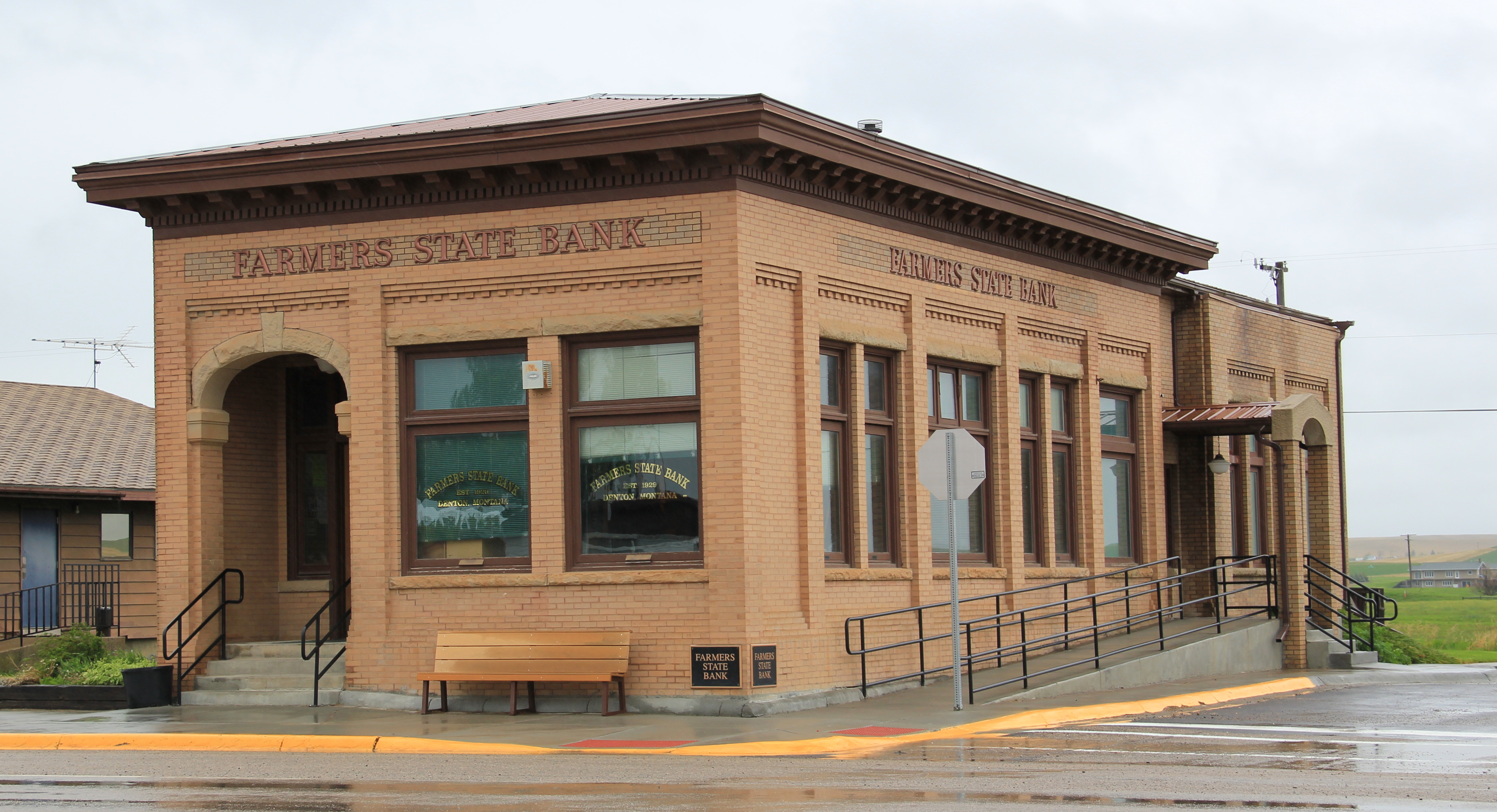
In 1984 I came looking for railroad depots, frankly, but was blown away by the Farmers State Bank, one of the best “strongbox” style of small town banks I had encountered anywhere in Montana.  The town then was in a pattern of slow, steady decline, from a high of 435 residents in 1950 to 356 in 1980.  That rate in most Montana country towns meant that the bank was long gone–but here it remained and stood proudly along Highway 81.

IMG_9884

Thirty years later, the bank building still made its statement of permanence in materials (brick) and in style along the highway.  Indeed, the town’s population had continued to slip downward, especially in the last 20 years, reaching a mere 255 residents in the last census.  But the bank remains–and even has a new addition to the rear of the building.

IMG_9885

I passed by this iconic Fergus County building in late May of this year, just weeks after the completion of its merger with Dutton State Bank (another great building to be discussed later).  All was well: it remained one of Denton’s anchors.

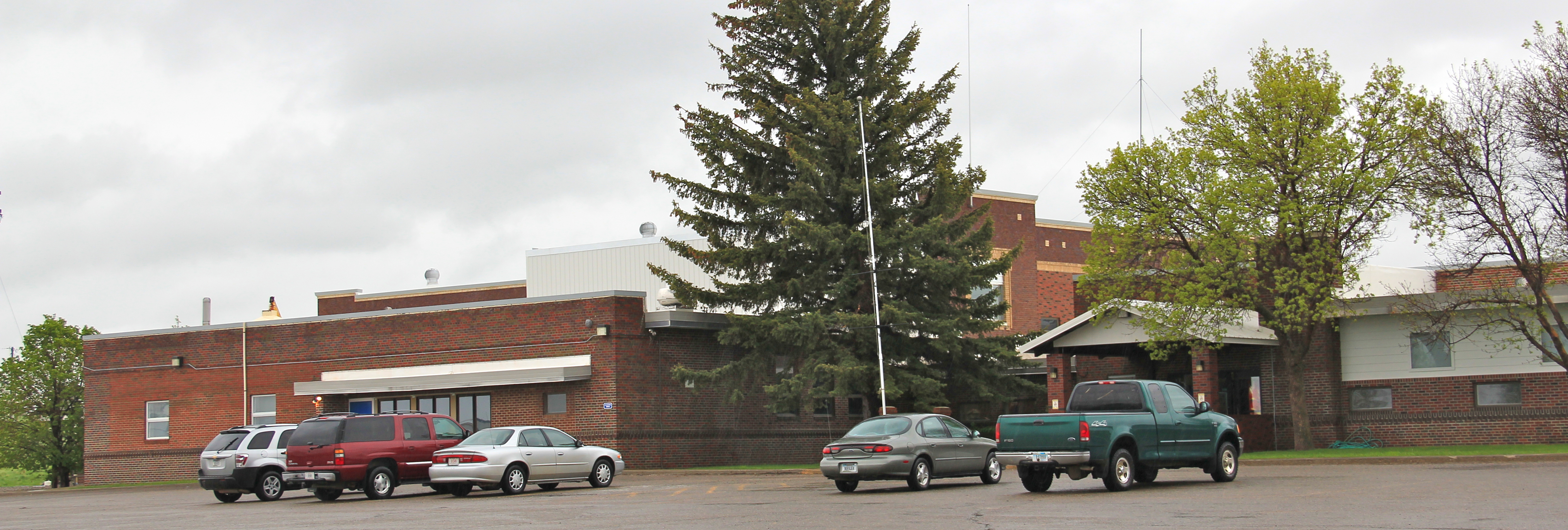
IMG_9896The town’s schools are another important anchor.  The football field (see the first image) serves as the eastern gateway to Denton; the schools are bunched together as though they grew organically from that spot one hundred years ago and have evolved ever since.

IMG_9880

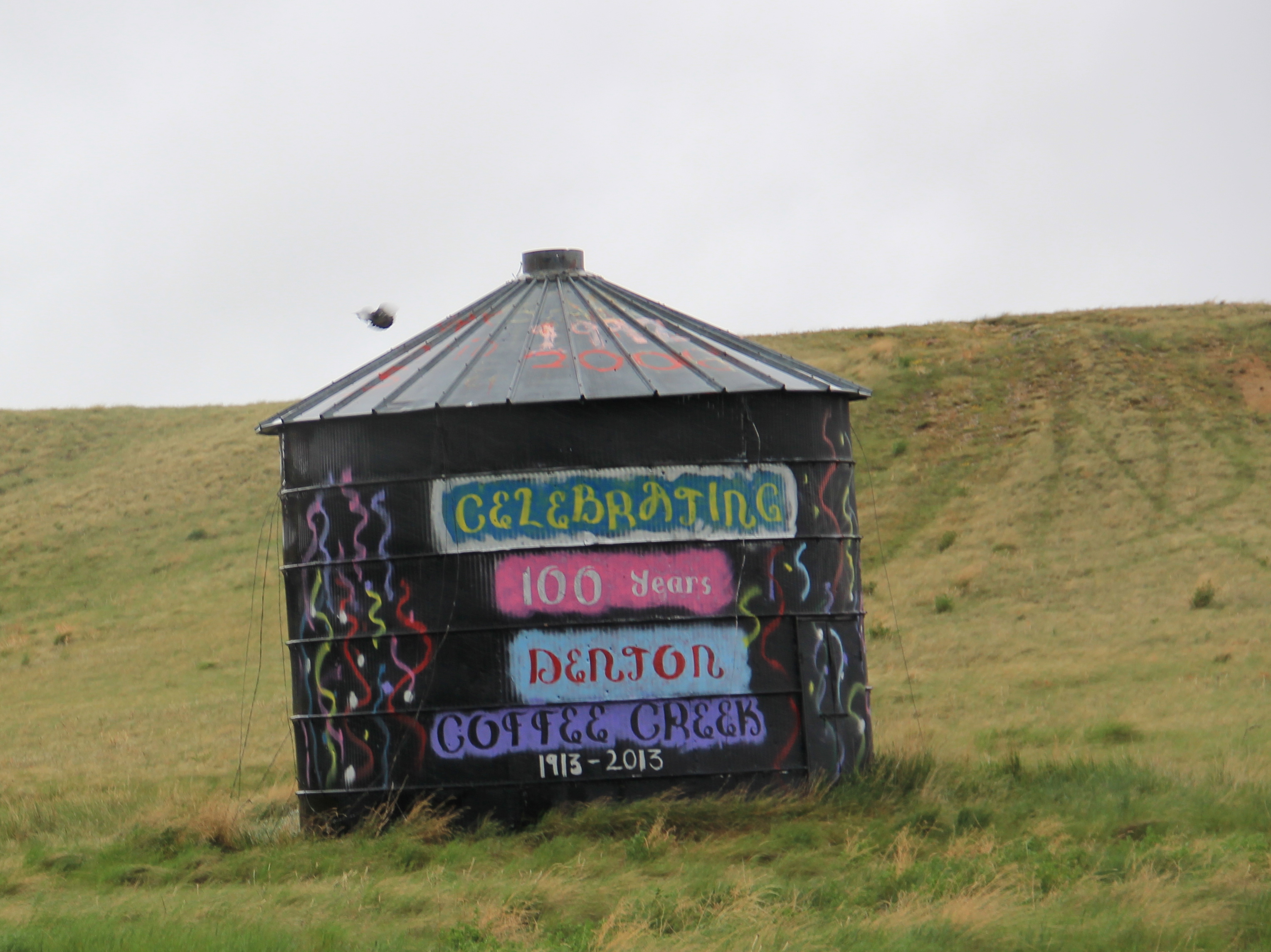
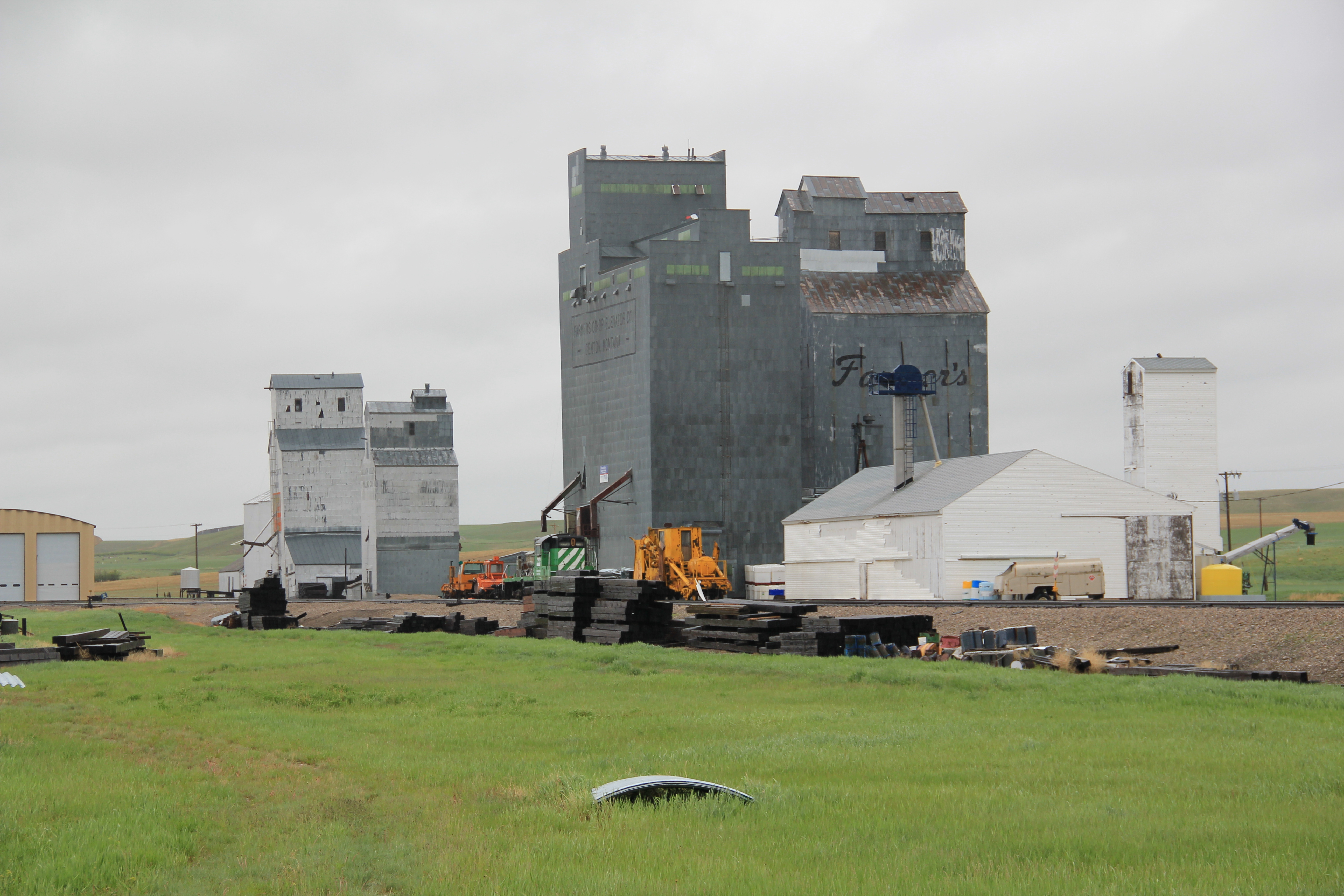
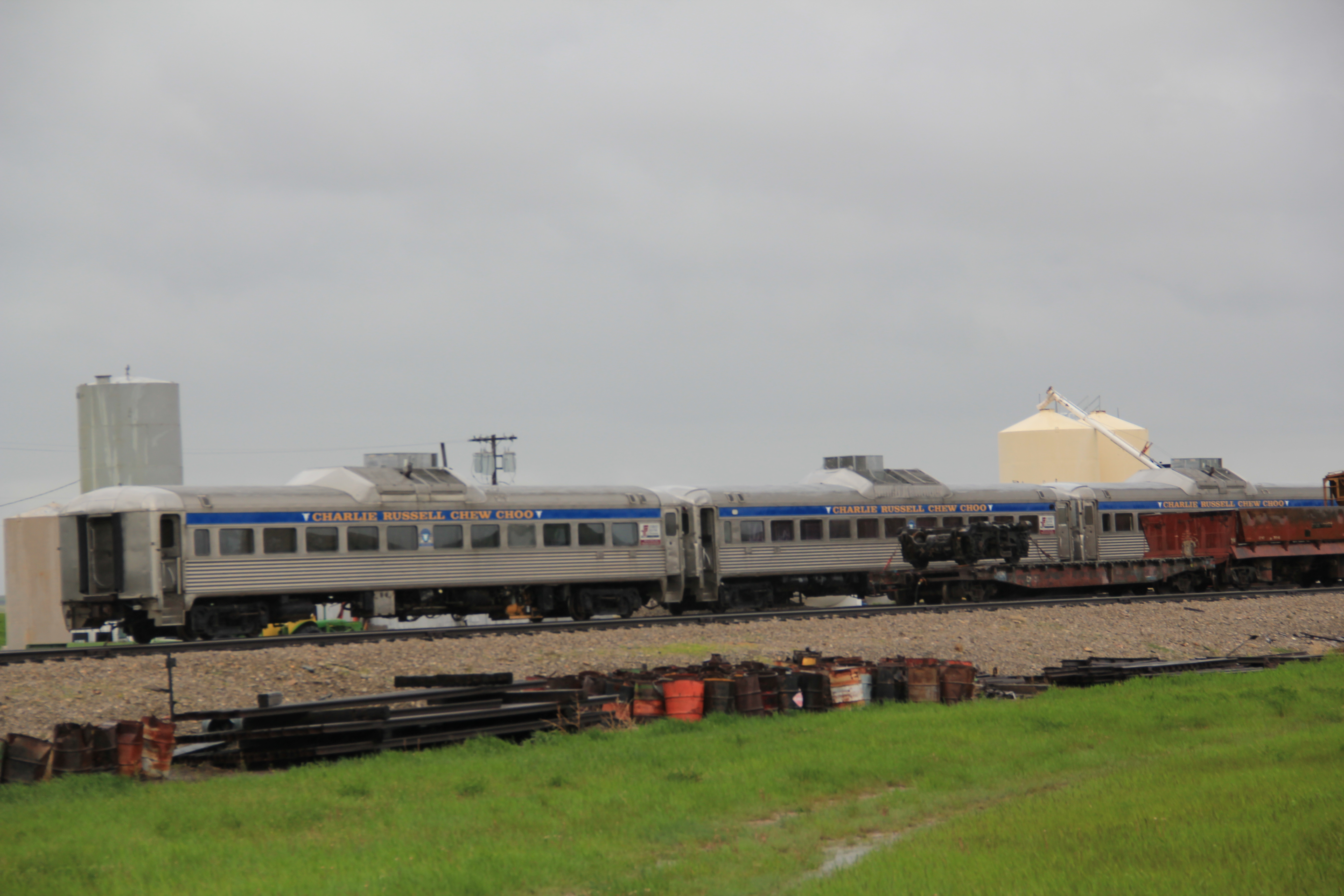
True, Denton and its neighbor to the west Coffee Creek celebrated their centennials in 2013.  And it was appropriate that a granary announced this fact since grain is king here. The elevators standing along the old Milwaukee Road line still boldly state the importance of agriculture to Denton. Even after the Milwaukee ceased operations in 1980 state officials worked with local governments and ranchers to create a new Central Montana line, which kept the elevators running, and in more recent times, has made Denton the western terminus of the popular Charlie Russell Choo-Choo excursion train.

IMG_9881

IMG_9882

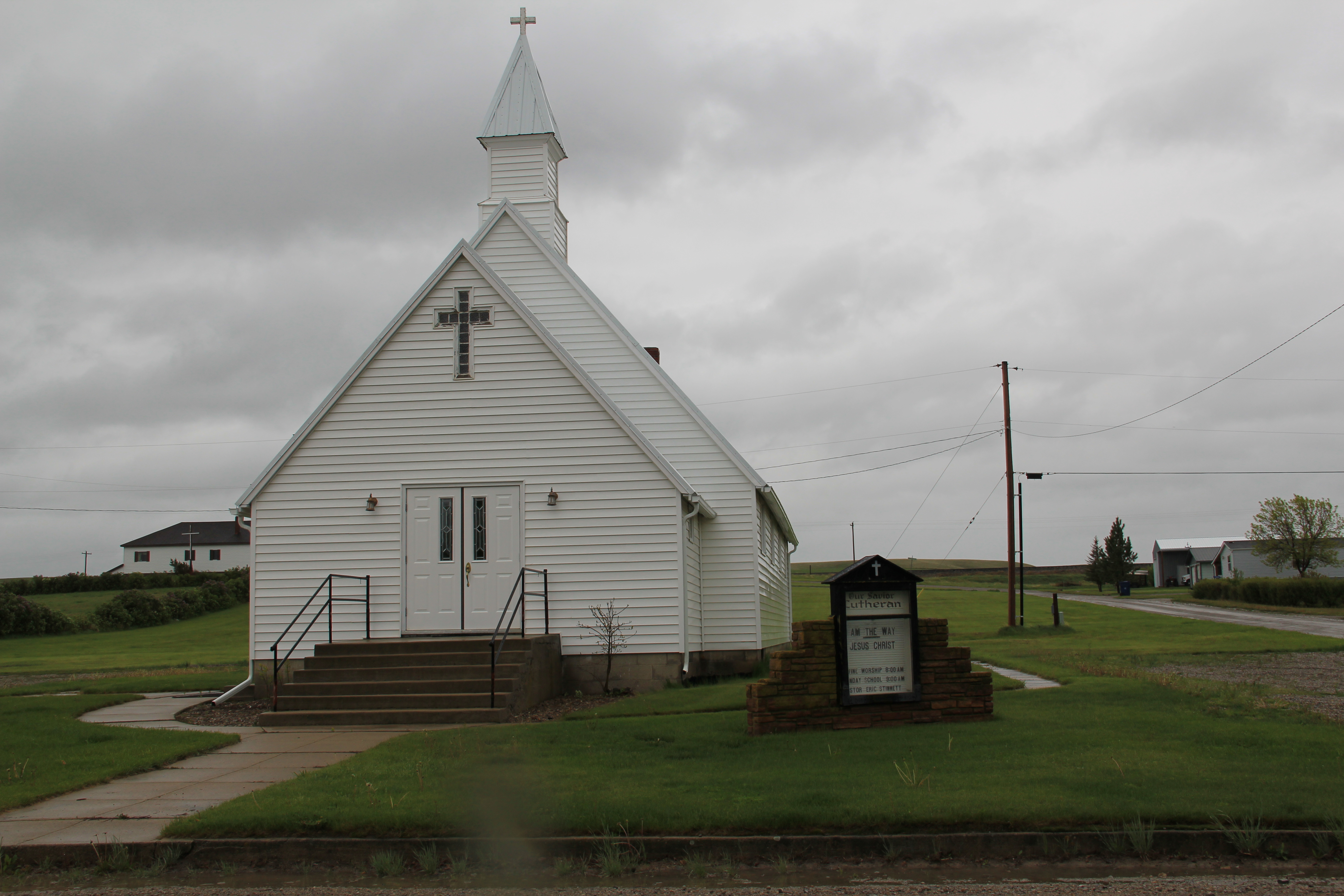
Schools, a bank, and grain elevators are anchors but Denton also has maintained vibrant cultural institutions from its town library, housed in a brilliant c1960 building, and churches such as the historic Gothic-styled Our Savior Lutheran Church and St. Anthony Catholic Church.

IMG_9887

IMG_9897

IMG_9898

Residents also have kept the local Masonic Lodge in operation, housed in the 2nd floor of the post office building, which, due to its overall neoclassical style-appearance and corner lot setting, was probably a bank building built shortly after Denton became a town in 1913.

Fergus Co Denton post office and masonic hall  - Version 2