Whitetail: almost another Soo Line ghost town in northeast Montana

Town sign 2013

I last visited Whitetail ten years ago. Established along the Canadian-based Soo Railroad line a century earlier, the town was in a free fall, from a height of 500 c. 1920 to a handful of families in 2010. Then the Canadian, then the U.S. government closed the border crossing between 2011 and 2013. Now the town is down to a population of nine in 2020. God bless those still there, doing what they can.
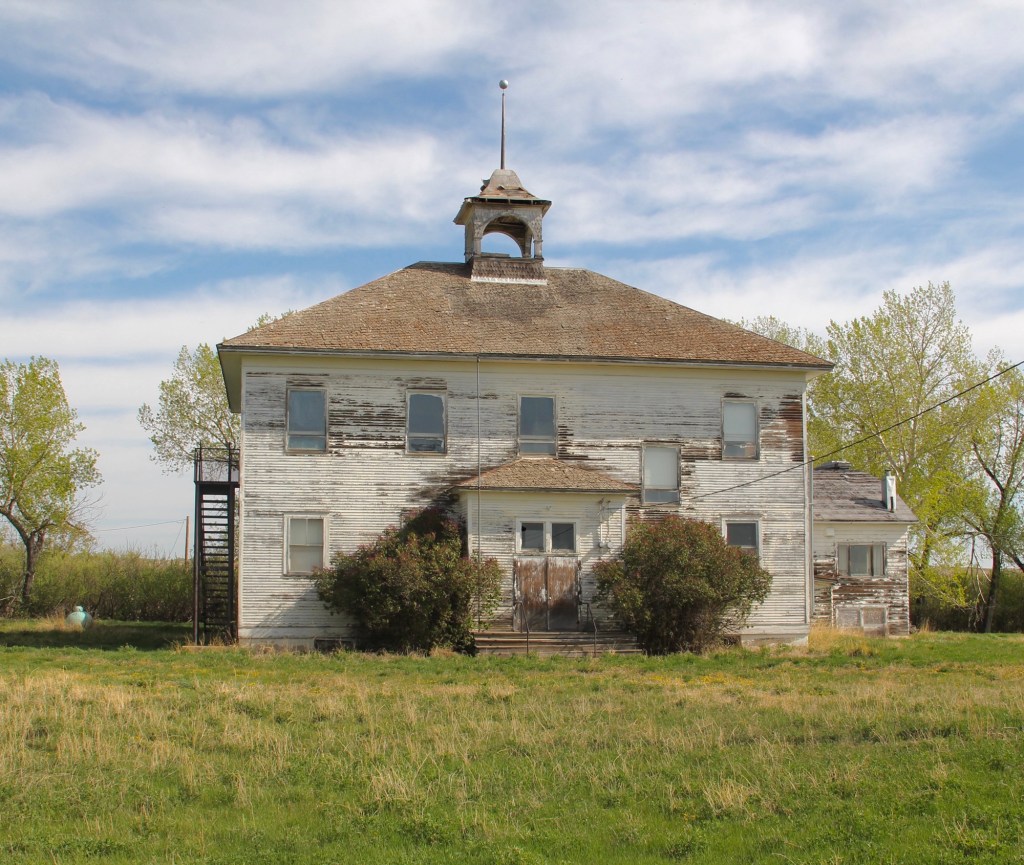
The school building tells much of the story. Built when hopes for the town were high in the 1920s, it’s two-story height and bell cupola made it a landmark in the flat open terrain. I hope when I visit next, the school is there, a silent statement of the dreams with which our high plains were settled.

Secure in its concrete base, the old school bell, removed 50 years ago, is still there to ring, or so I can hope.

The community church, still a gathering place or has it gone the way of the Catholic Church, moved to the Daniels County Museum in Scobey?

Grain Company Building
Gas station and Garage, 2013
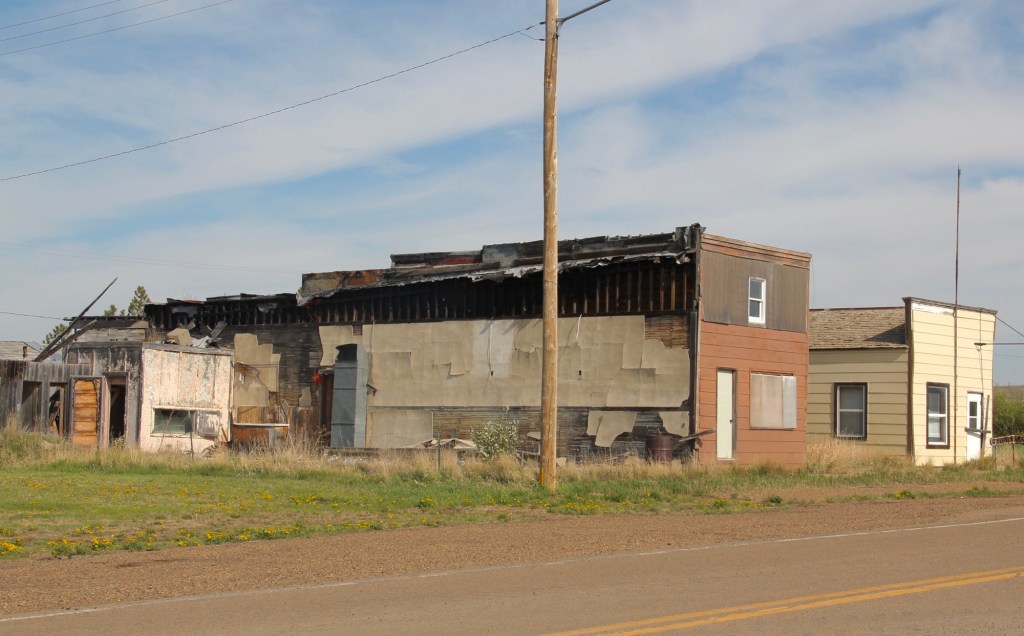
Abandoned businesses, 2013
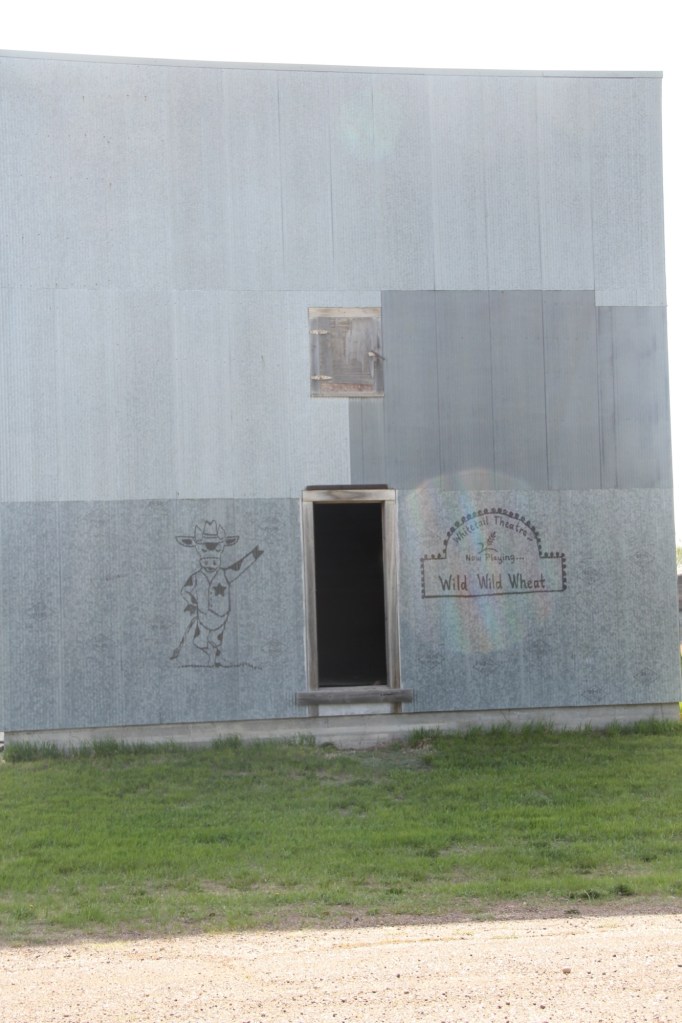
A metal facade and open door marked what was left of the Whitetail Theater.

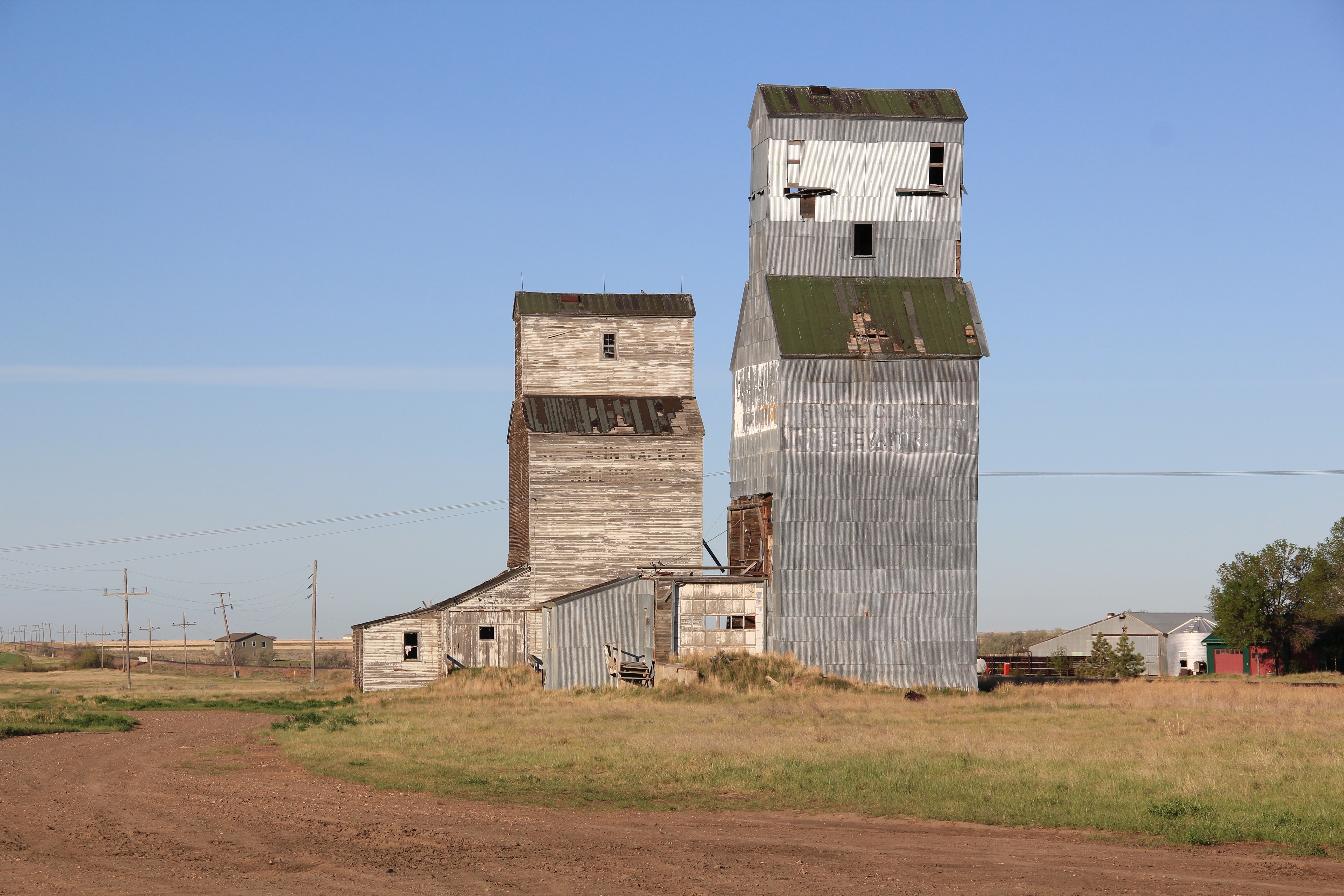
Businesses were largely gone ten years ago. But the post office and grain elevators remained. I bet the elevators are still there serving ranch families but you wonder about the post office.

Whitetail in Montana’s northeast corner is as far removed from Whitefish in Montana’s northwest corner as two places could ever be. They both began as railroad towns. One didn’t make it; the other thrives.

Abandoned home at Whitetail

But what’s been lost at Whitetail tells as much about history as what has been gained in Whitefish. You cannot understand Montana history without both.

Soo Line corridor at Whitetail

Grain Elevators in the Northern Plains of Montana

Toole Co Kevin elevators

Kevin, Montana

When I began my explorations of Montana’s Big Sky Country in the early 1980s one structure particularly captivated me–the grain elevator.  Certainly I had encountered these in the east, but in Montana, particularly in the high country of eastern Montana, the looming presence of grain elevators marked settlements both past and present. The elevators might be old and abandoned, like the one above at Kevin in Toole County or concrete and vibrant like the sets below from Glasgow.

glasgow.jpg

But wherever they were located, they spoke of the promise of the homesteading generation and the very different reality of modern corporate agriculture of the second half of the 20th century into the 21st century.  Thus, this post does not promise much analysis–I have tackled the topic in other posts–but it does include some of my favorite images of Montana elevators from my field study of 2012-2015.

Hill Co Laredo elevators

Laredo, Hill County.

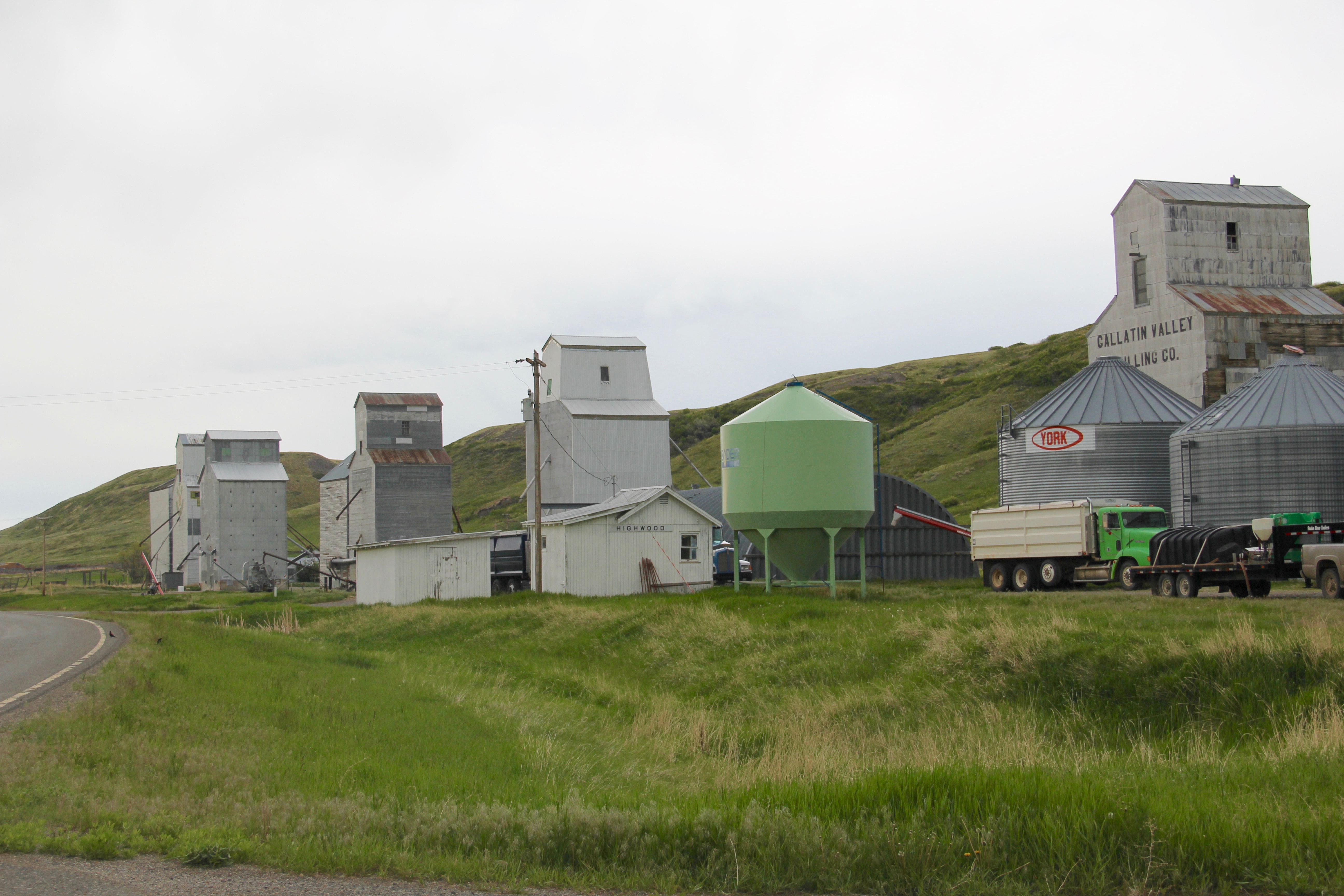
Chouteau Co Highwood elevators

Highwood, Cascade County.

Liberty Co Joplin elevators 1

An elevator canyon in Joplin.

Daniels Co Madoc elevators

Made, Daniels County.

Sheridan Co Reserve 13 elevators

Reserve, Sheridan County.

Chouteau Co MT 80 Square Butte elevator 1

Perhaps my favorite image–Square Butte elevators just before a hail storm.

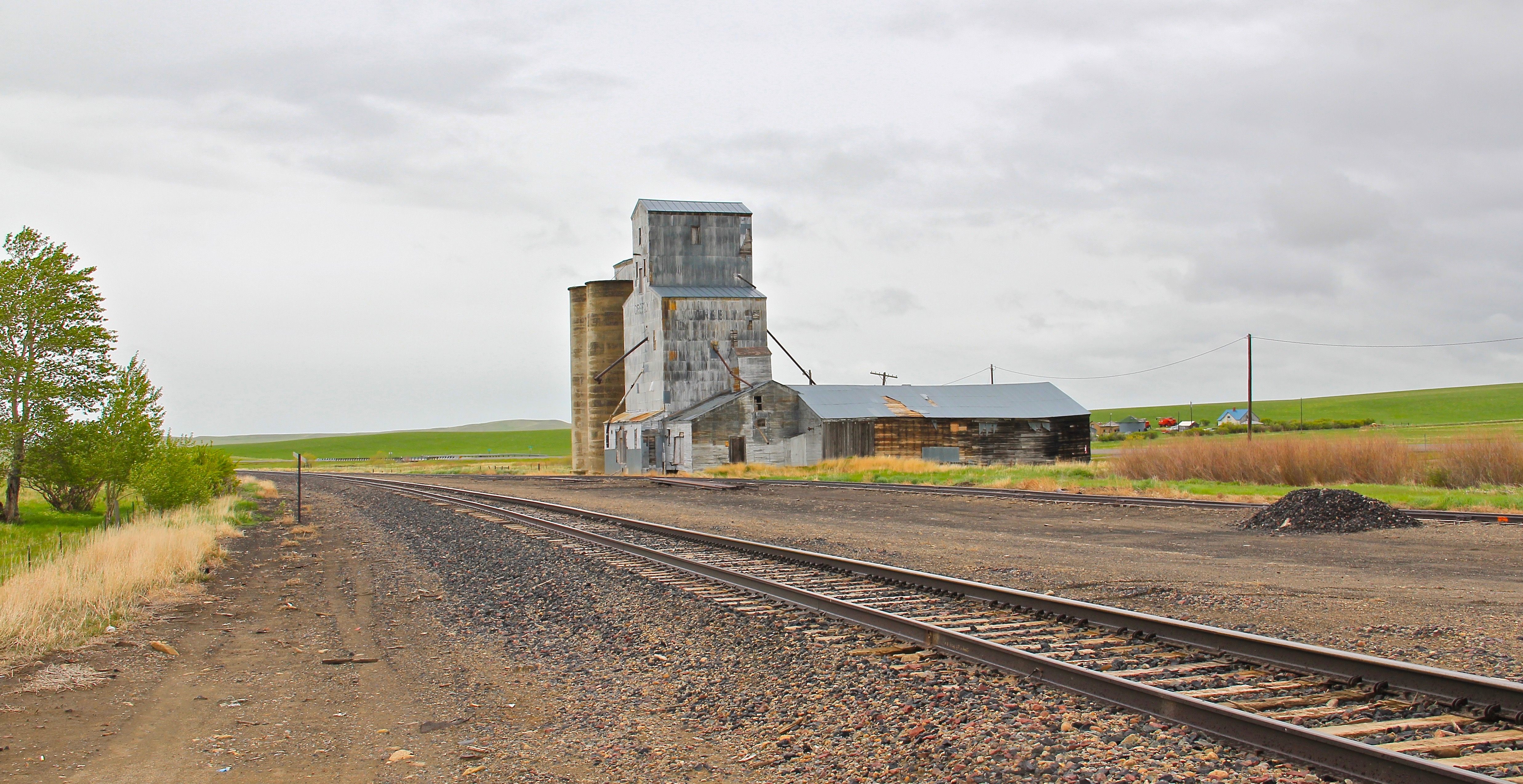
Daniels Co Whitetail elevators Soo Line corridor

Whitetail on the Soo Line Corridor near the Canadian border.

Judith Basin Co Windham elevators corridor  - Version 2

Windham, Judith Basin County