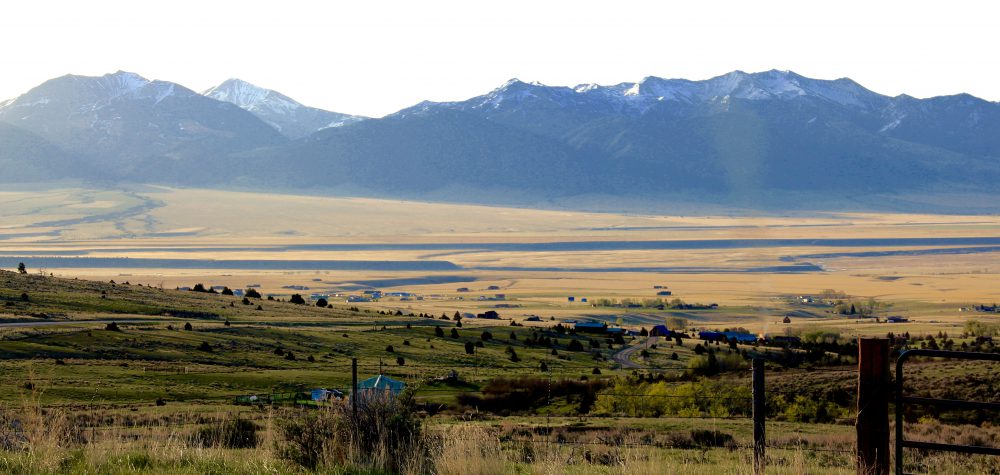
The state basketball tournaments have been all of the talk in Montana newspapers and communities over the last three weeks, and in places like Belt, in Cascade County, they are celebrating state championships this March morning.
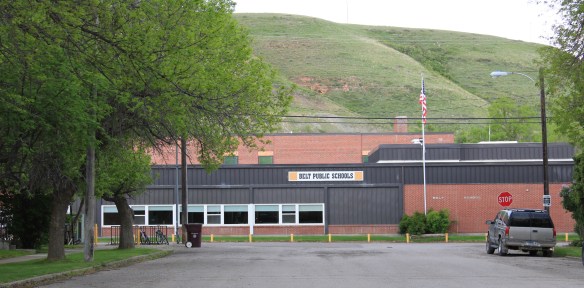
Gyms were not on my mind particularly when I carried out the 1984-1985 historic preservation plan survey for the Montana State Historic Preservation Office, but even then I picked up on some of the community gyms created by the WPA during the New Deal, such as the one in Virginia City, an unassuming building if there ever was one, and then

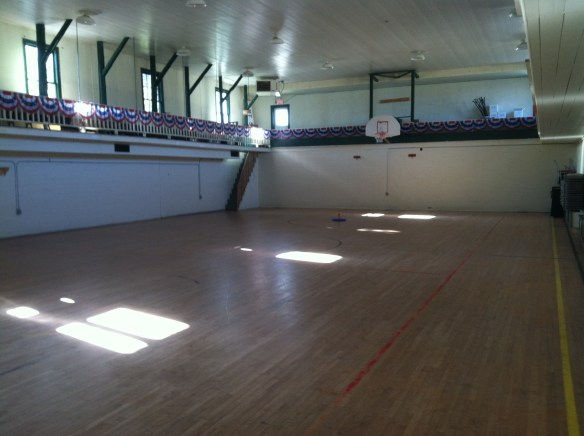
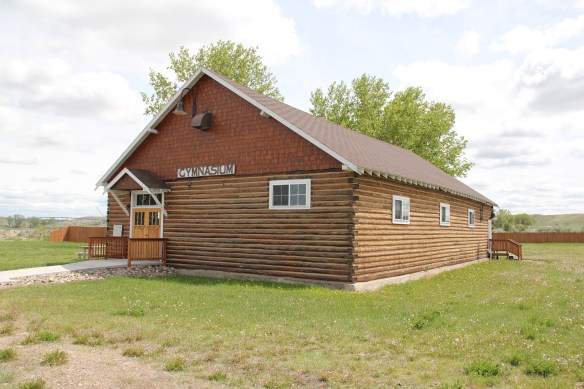
the tiny log construction gym for Sanders, a tiny community in Treasure County, seen below. Both the Virginia City and the Sanders gyms are listed in the National Register of
Historic Places, but the state has dozens of other worthy community gyms, that are very much at the center of recreational, sports, and social life in these towns and counties. Some await new fates and new futures, such as the gyms in Pony, Madison County, also on

the National Register, and the more architecturally distinct Craftsman-styled community gym built for Whitehall in Jefferson County.

Others date to mid-century and their more modern styles reflect their function–the half-barrels roofs–but they also dominate the one buildings around them, such as the high school gym in White Sulphur Springs, Meagher County, seen below.

Then there is the frankly spectacular modern-style gym of Twin Bridges, in the state’s southwest corner, with its sweeping overhanging roof.

But wherever you encounter community gyms, you can tell from their location and maintenance, these are buildings of local pride and achievement, and places necessary to community life when so much else is scattered and disconnected.
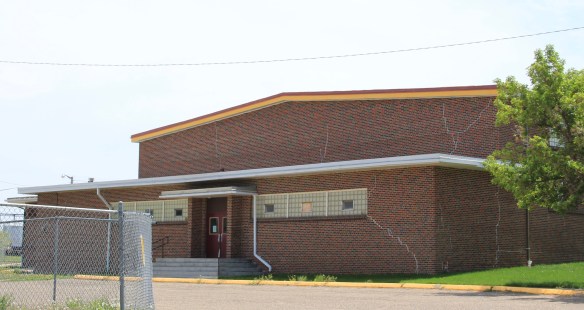
Gymnasium in Circle, McCone County.
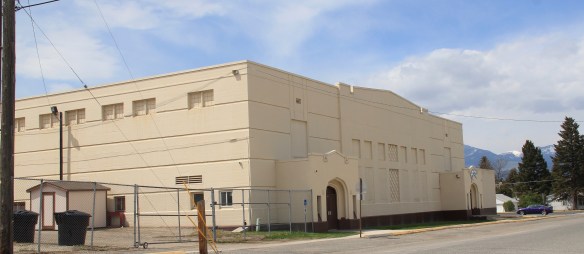
Powell County High School Gym, Deer Lodge.
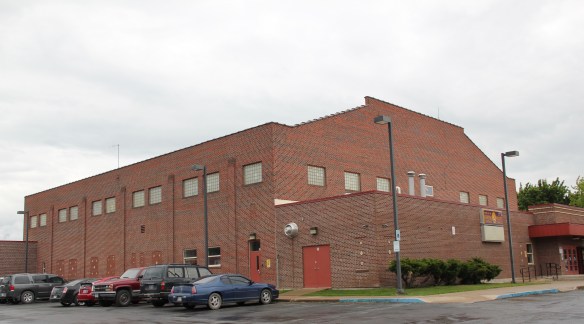
High School Gym, Polson, Lake County.

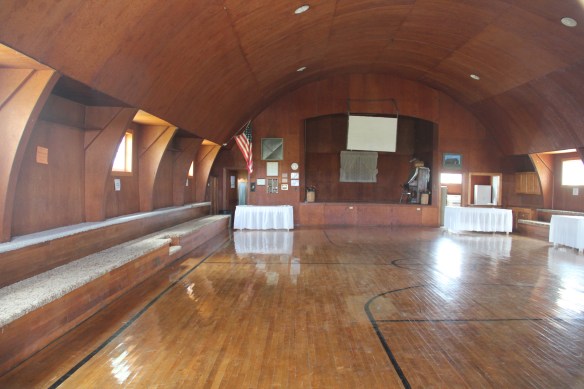
The “Old Gym” in Malta, Phillips County
Communities across Montana are clearly proud of their gyms, and even when new ones come along, they find new uses for the stately buildings, like the conversion of the old gymnasium below, located in Boulder, into a fine arts theater, which is just one example of this type of adaptive reuse project in the state.
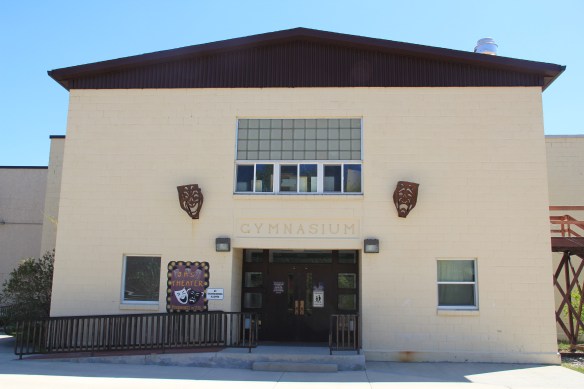
Here’s to new futures, grounded in meaningful pasts, for these community, and often times architectural, landmarks across the Big Sky Country. As a group, they are powerful reminders of the importance of community spaces in the counties, both urban and rural, of Montana.

Art Deco styled gymnasium, Kalispell, Flathead County
 Pony, as a gateway into the Tobacco Root Mountains, may be categorized as a ghost town in much of today’s literature about Montana, but it certainly has a lot of real people hanging around to be a ghost town. Established during the gold rush decade of the 1860s, mines here stayed in operation until World War II, and consequently, a wide range of historic buildings remain in the town today.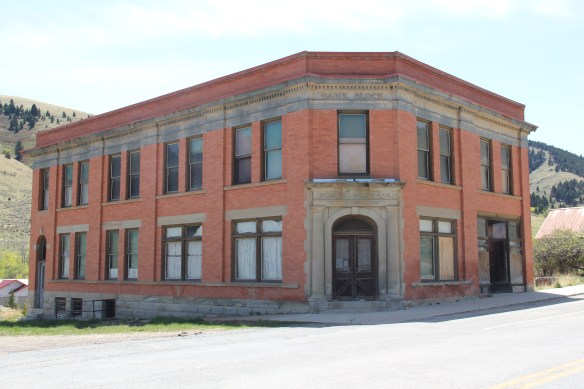


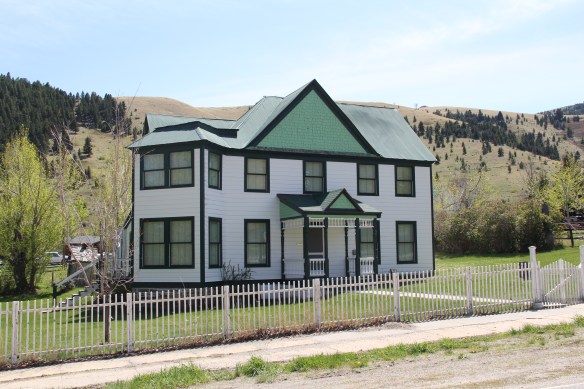 Yes, Pony has a park, another of positive developments since my work in 1984-1985. The park is not only community space, but it also has various artifacts and machinery from the mining era, along with public interpretation of the district’s history and of the artifacts within the park.

 Montana's Historic Landscapes