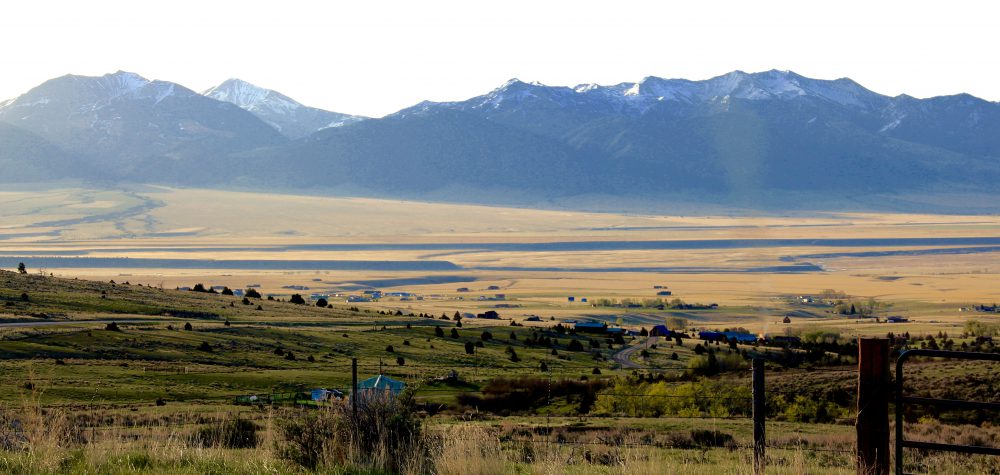
Highland Cemetery, established in 1911, is a private, perpetual care cemetery that serves as the primary burial ground in the city. Located south of the city, the cemetery’s many trees and irrigated grounds make the place a shady park-like oasis in an otherwise barren prairie.

Paris Gibson (d. 1920), the civic capitalist who founded and nurtured the city, is buried not far from the gates. Like with most ventures in Great Falls, Gibson had encouraged the creation of a new, privately administered cemetery adjacent to the original Highland Cemetery (now known as Old Highland Cemetery).

His grave marker, a tall chiseled stone, is different than most. Low rectangular, regularly sized and spaced markers characterize the cemetery in almost every direction you look.
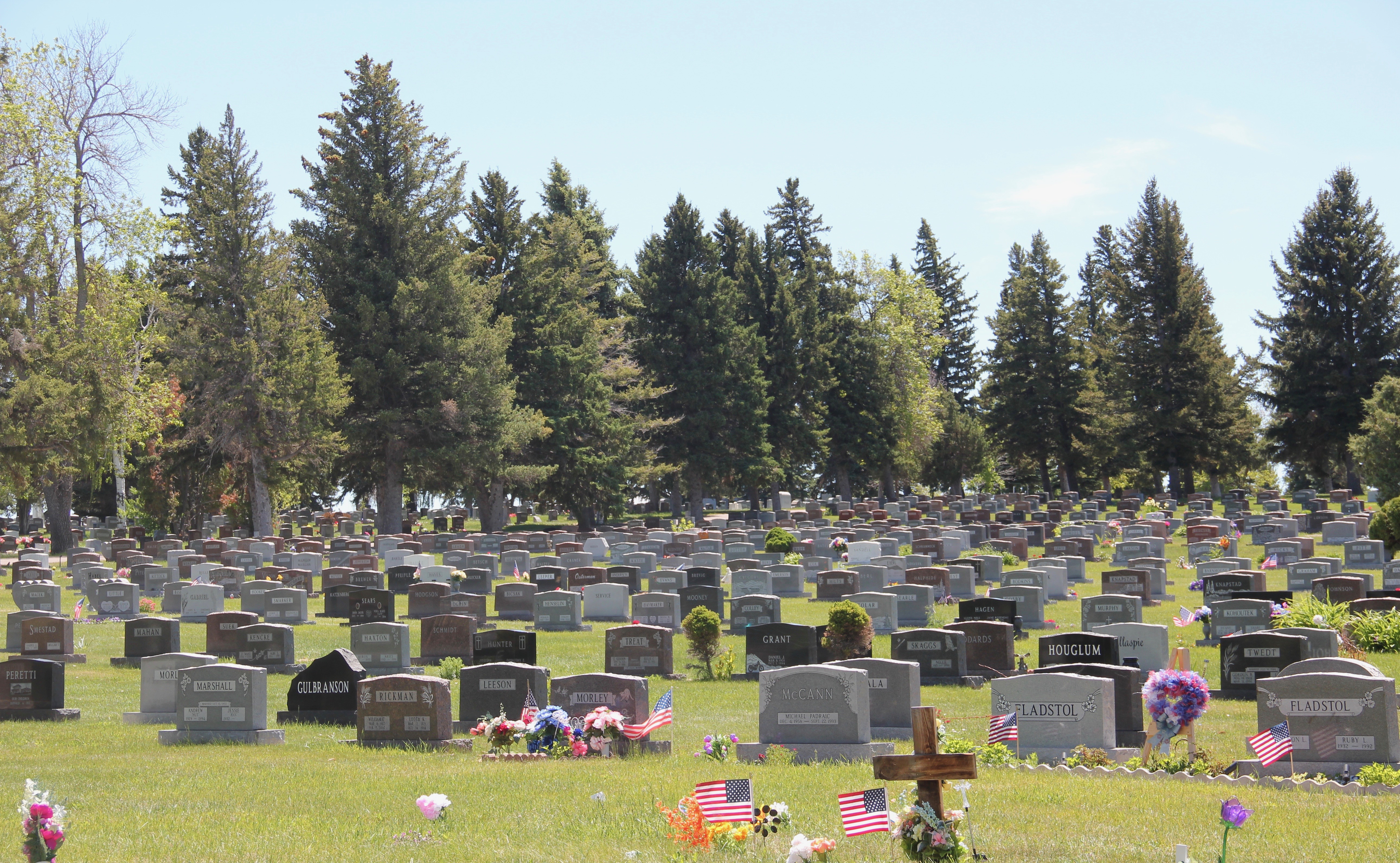
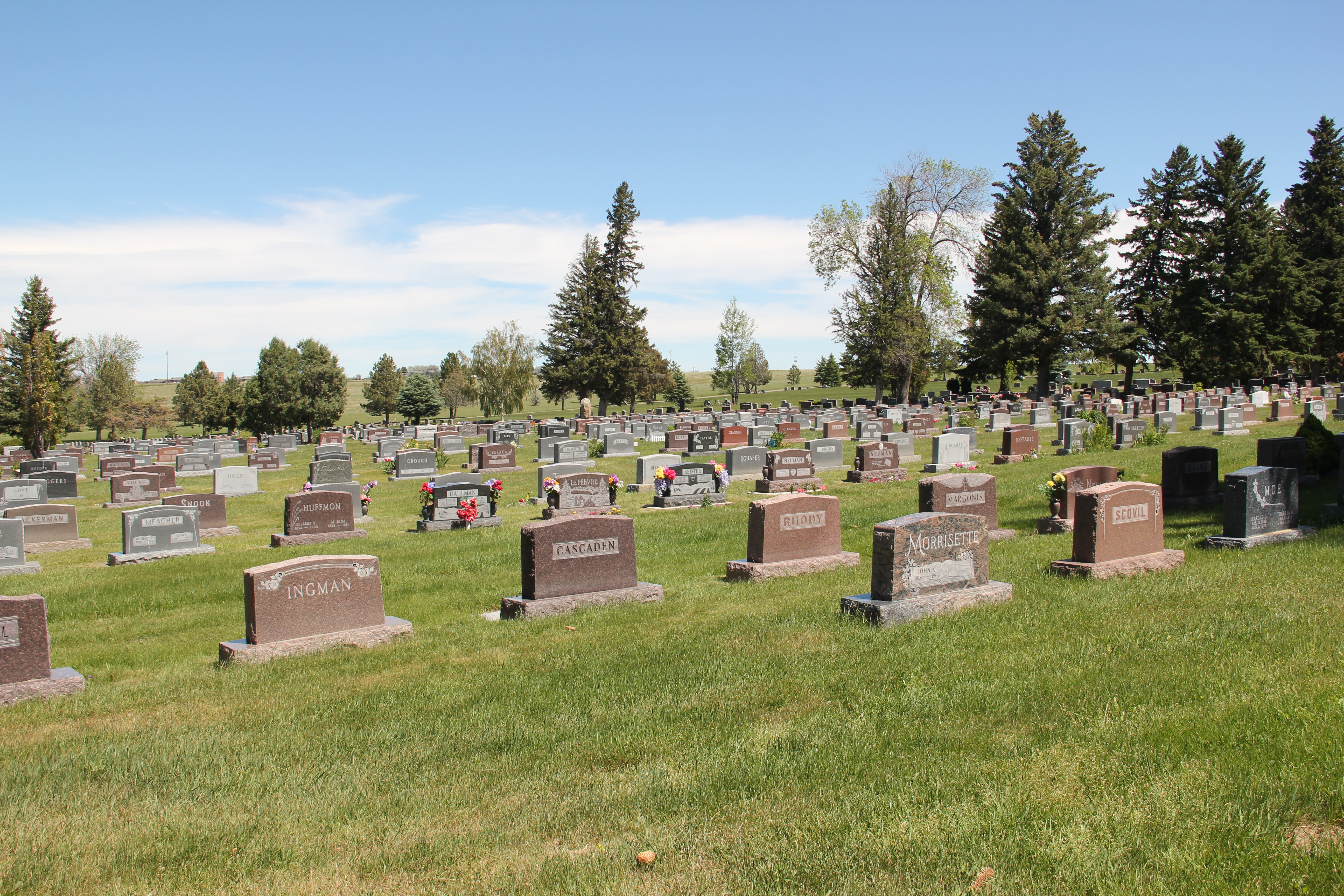


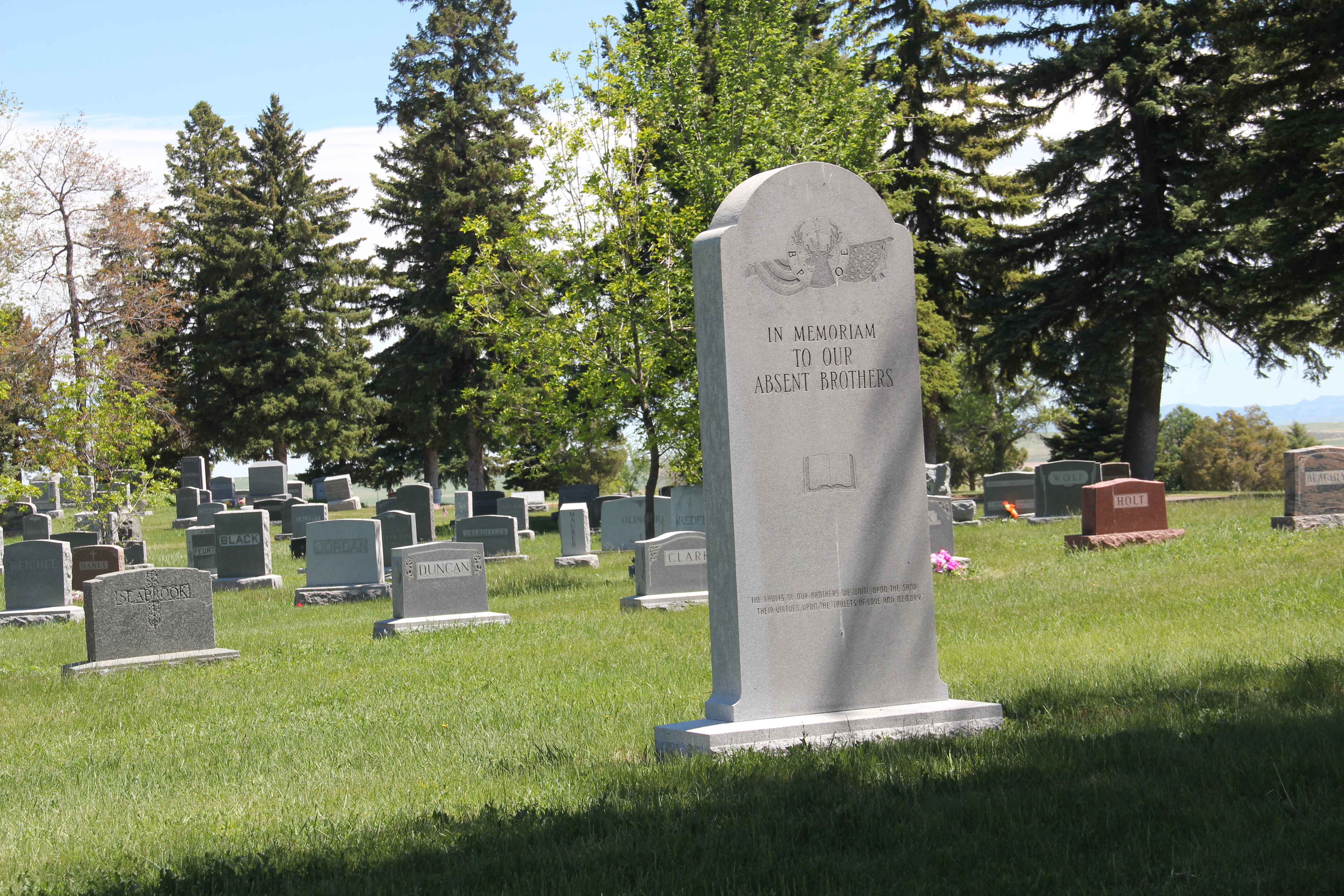
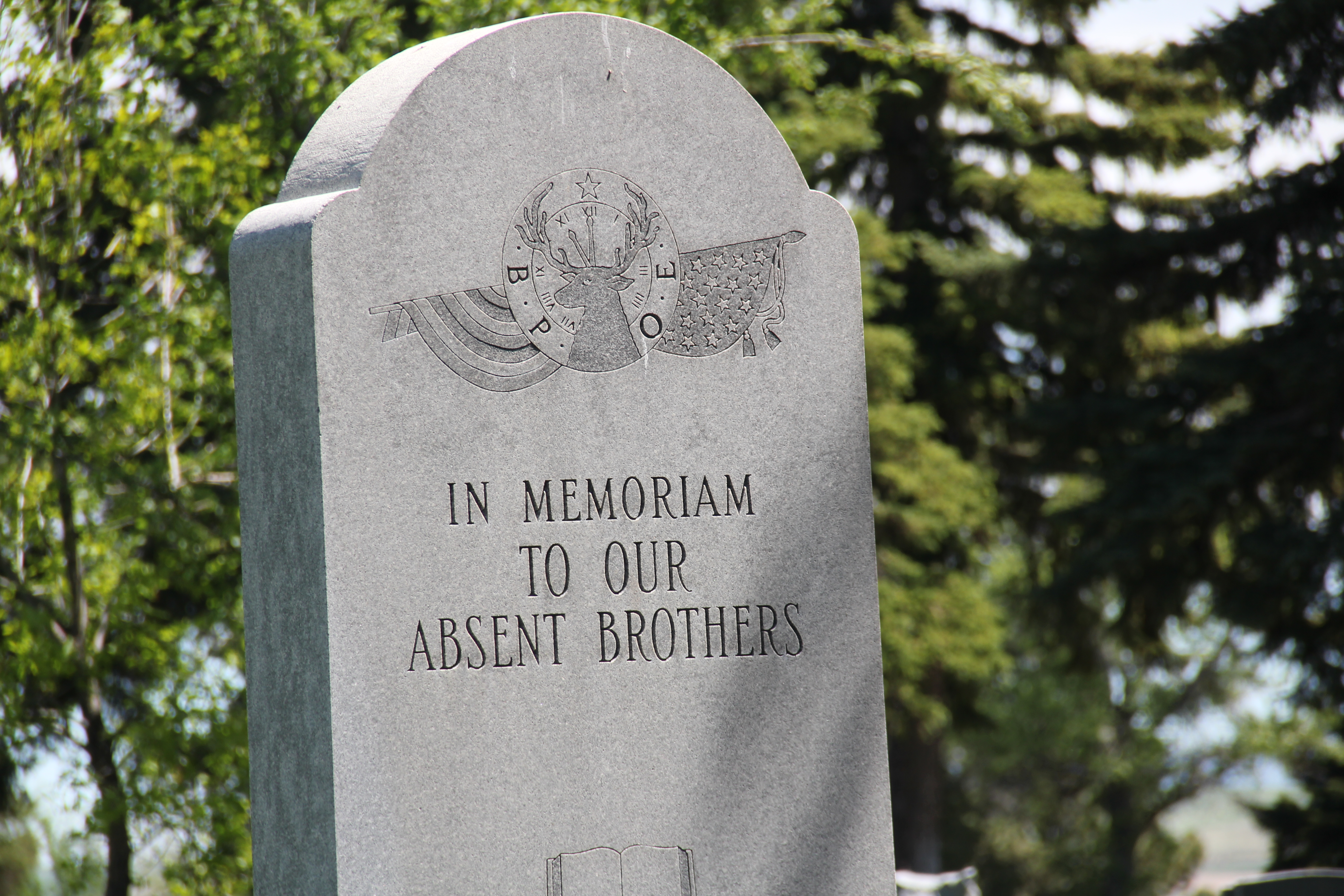
As is the case with many Montana cemeteries from over 100 years ago, you will find sponsored sections for fraternal organizations, such as the monument identifying members of the Elk Lodge, see below, as well as members of the Masons and Woodmen of the World.

The cemetery’s opening coincided with the 50th anniversary of the beginning of the American Civil War. A centerpiece of the cemetery is a large, expansive veterans section, centered on a mounted Columbiad cannon, given by New York City to the Sheridan camp of the Grand Army of the Republic in Great Falls. U.S. soldiers, and some Confederate soldiers, are buried in a circle facing the cannon and the flag. The massive stone base for the cannon tells its story and adds on a side panel “In Memory of the Boys Who Wore Blue, 1861-1865.” It is the most compelling Civil War monument in a Montana cemetery.


Famous individuals besides Paris Gibson have been buried at Highland Cemetery. Governor Edwin Norris (d. 1924) is represented by a tall obelisk marker.

Television and movie actor George Montgomery (d. 2000), who was once married to actress and singer Dinah Shore, is also buried here, represented by a full sized metal statue, dressed in cowboy gear. It might seen odd, at first glance, for a Hollywood star to be buried at Highland, but Montgomery was born in the small town of Brady in Pondera County. By being interred at Highland, Montgomery in a sense had come home.


The most famous Montanan to be buried here is Charles M. Russell, who, like Gibson is represented by a chiseled stone boulder, with his trademark initials in a metal plaque affixed to the stone. Nearby is the grave for his wife, and manager, Nancy Russell. A scholar of Russell’s art and life, Frederic Renner (d. 1987), is also buried nearby. Speak of devotion to your subject!


 Many heritage areas in the eastern United States emphasize the relationship between rivers, railroads, and industrial development and how those resources contributed to national economic growth and wartime mobilization. Great Falls can do that too. Situated on the Missouri River and designed by its founders to be a northwest industrial center, entrepreneurs counted on the falls to be a source of power and then on the railroads coming from Minnesota, especially the promising Manitoba Road headed by James J. Hill, to provide the transportation.
 Paris Gibson, the promoter of the Electric City, allied his interests to two of most powerful capitalists of the region: Marcus Daly, the baron of the Anaconda Copper Company interests and James J. Hill, the future rail king of the northwest. Their alliance is embodied in several different properties in the city but the most significant place was where the Anaconda Copper Company smelter operated at Black Eagle until the last decades of the 20th century. When I surveyed Great Falls for the state

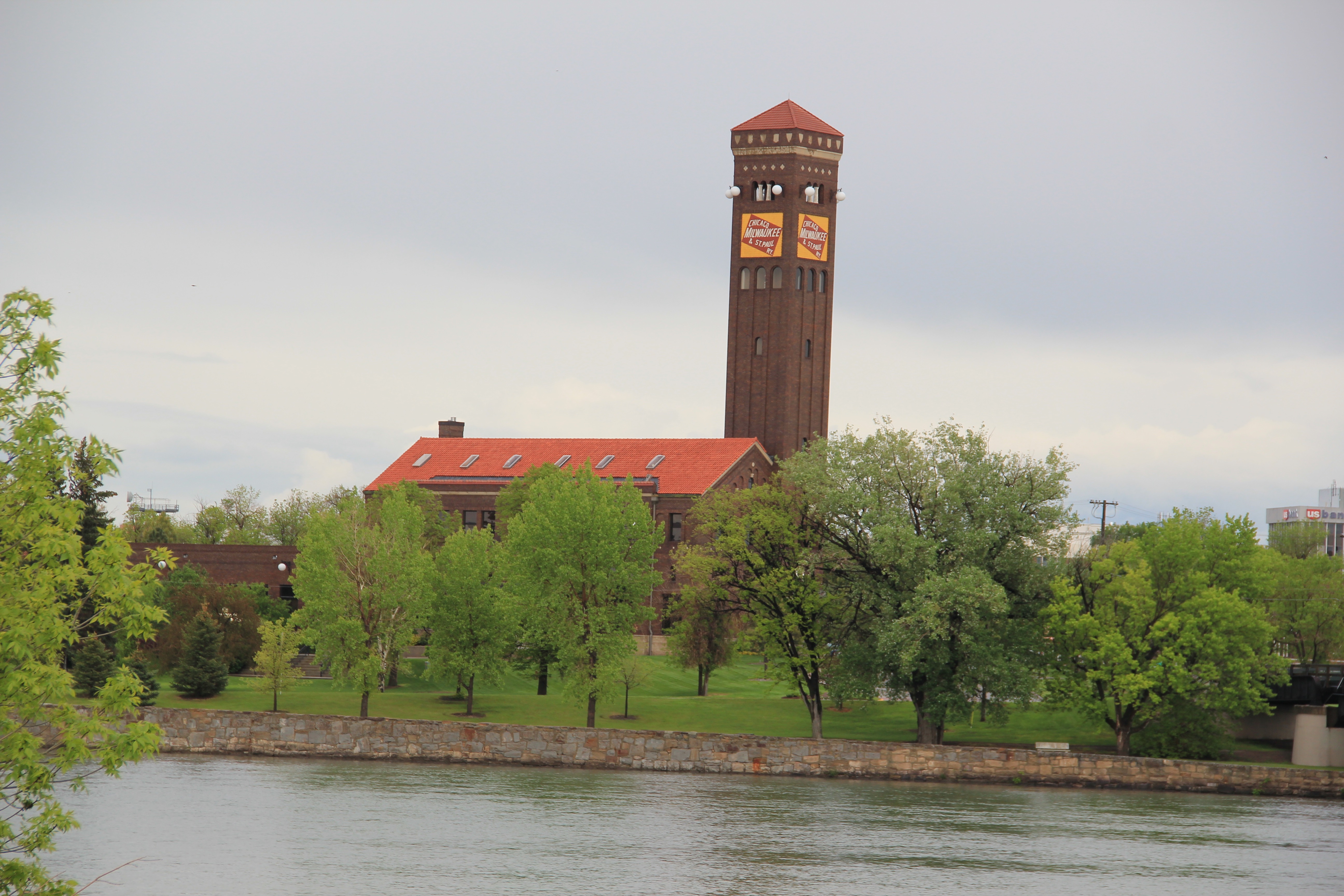 decade of the 20th century and soon erected its tall tower depot right on the Missouri River. But wherever you go along the river you find significant buildings associated with the Great Northern and its allied branch the Montana Central Railroad, especially the downtown warehouses. Some are still fulfilling their original function but others


 Along the Missouri River is Paris Gibson Park, deep in the heart of Great Falls, Montana. Gibson was one of the classic civic capitalists of the late 19th century who understood that as the community prospered he too would achieve this dream of building a great western empire, with his town of Great Falls as the center. Almost 100 years after his death, in 2015, residents, preservationists, historians, and economic developers began discussions on establishing a heritage area, centered on Great Falls, but encompassing the Missouri River as the thread between the plains and mountains, that has shaped the region, and the nation, for hundreds of years. I strongly endorse the discussion and will spend the next several posts exploring key resources in Cascade County that could serve as the foundation for a larger regional story.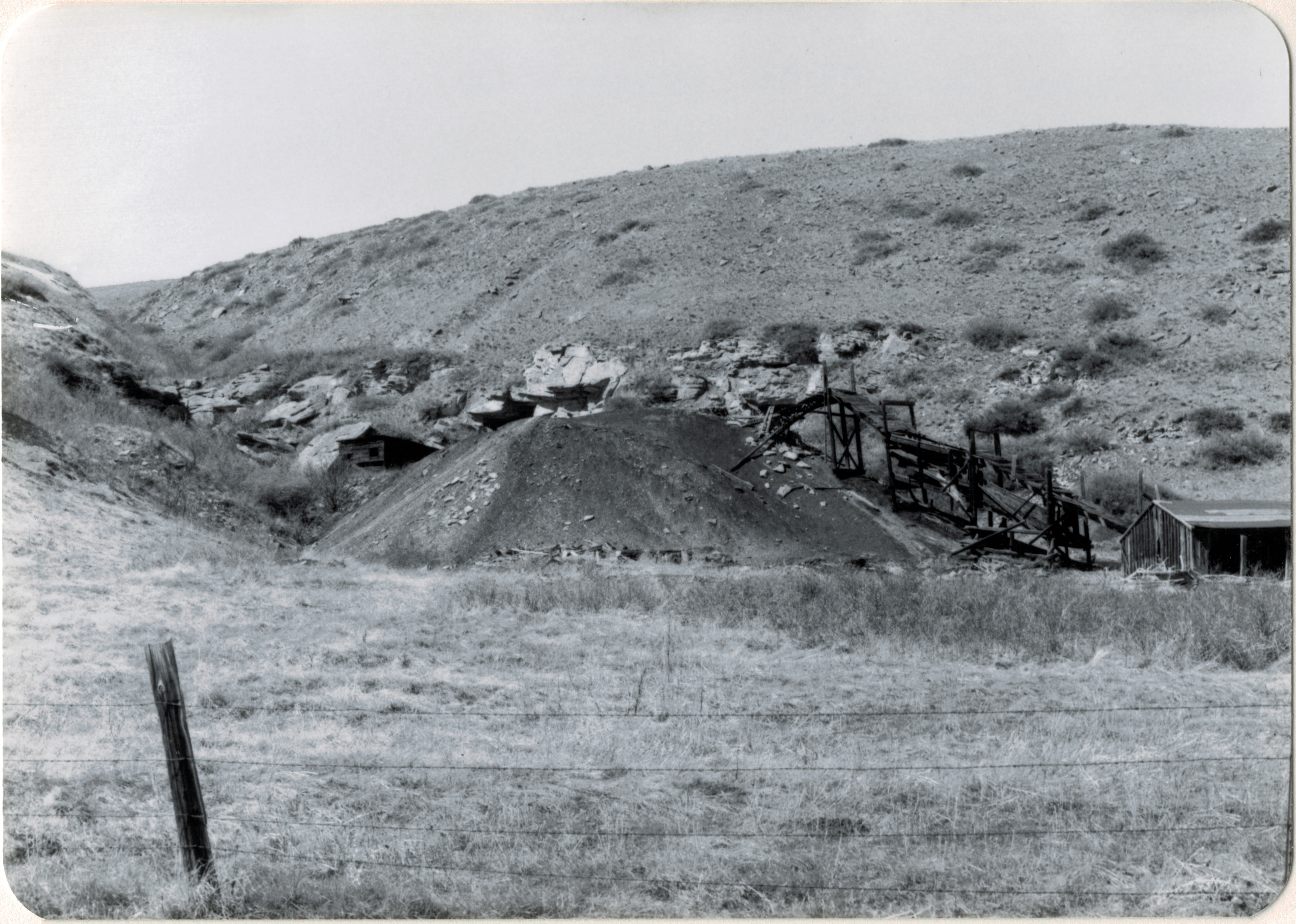
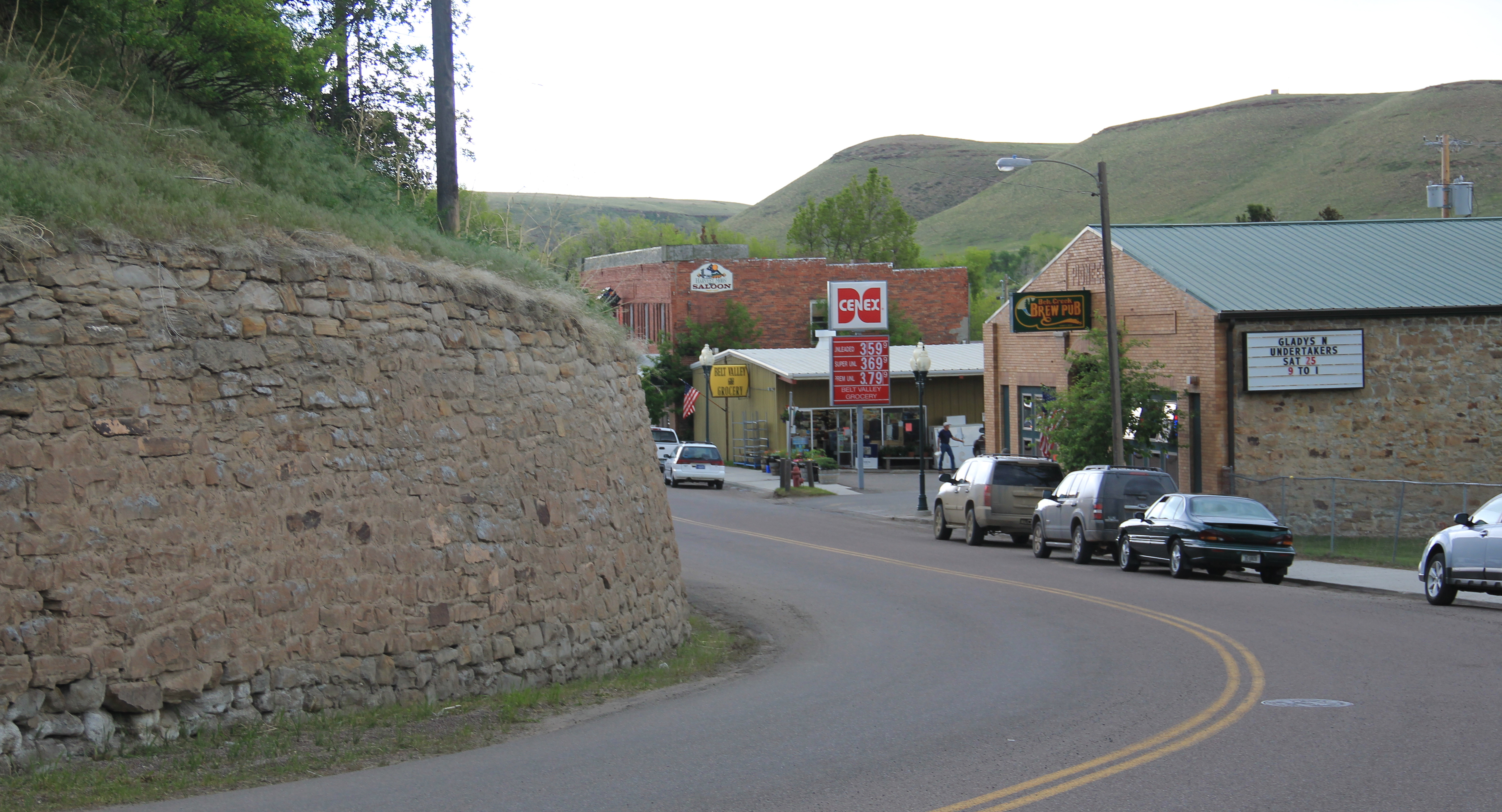
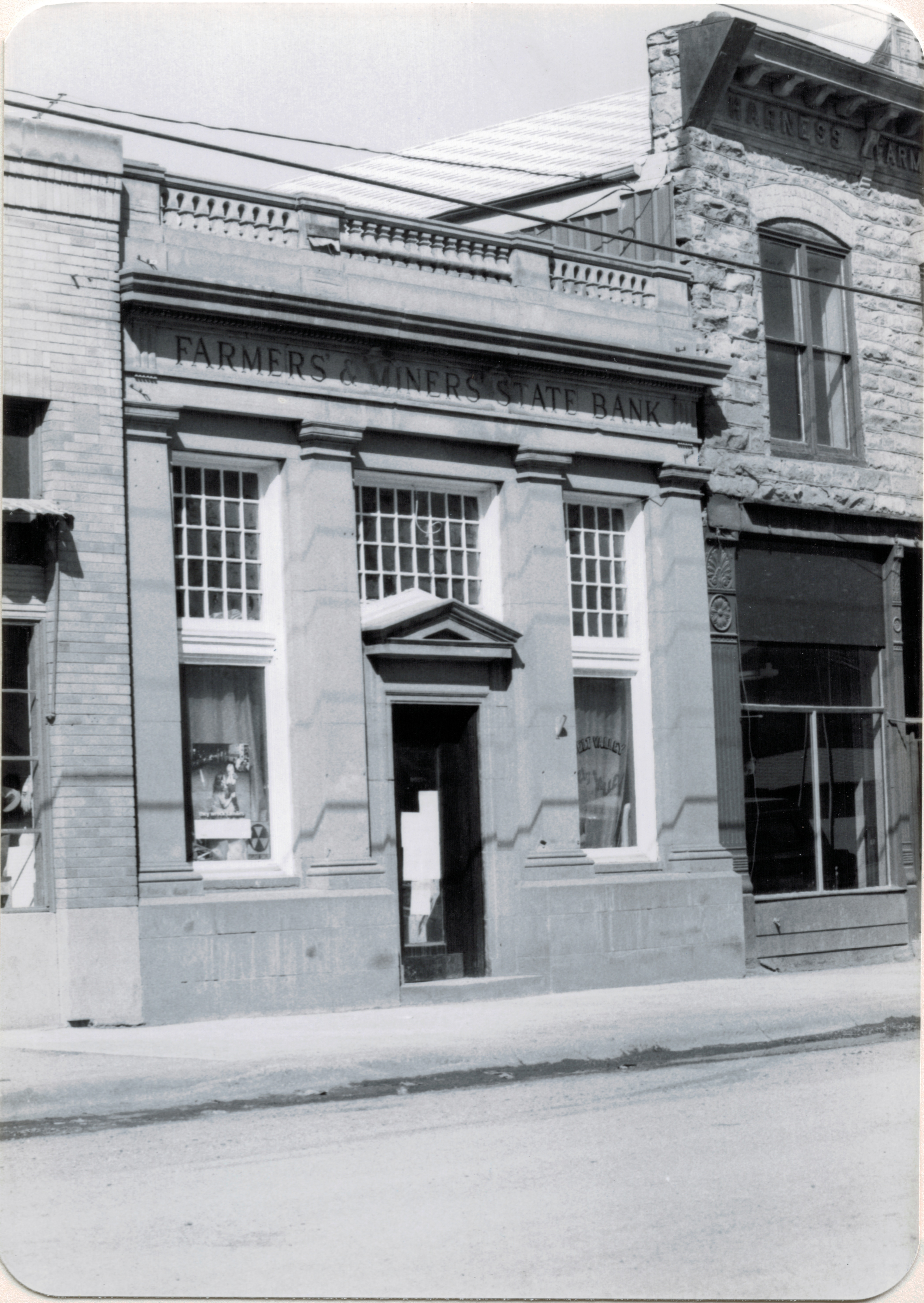
 Thirty years later, Belt’s population had bottomed out, declining to under 600 by the time of the 2010 census. But both times I have stopped by, in 2013 and 2015, the town has a sense of life about it, and hope. The town’s two historic taverns, the Harvest Moon Tavern and the Belt Creek Brew Pub, as well as the Black Diamond Bar and Supper Club attract visitors from nearby Great Falls and elsewhere, giving the place a sense of life at evenings and weekends.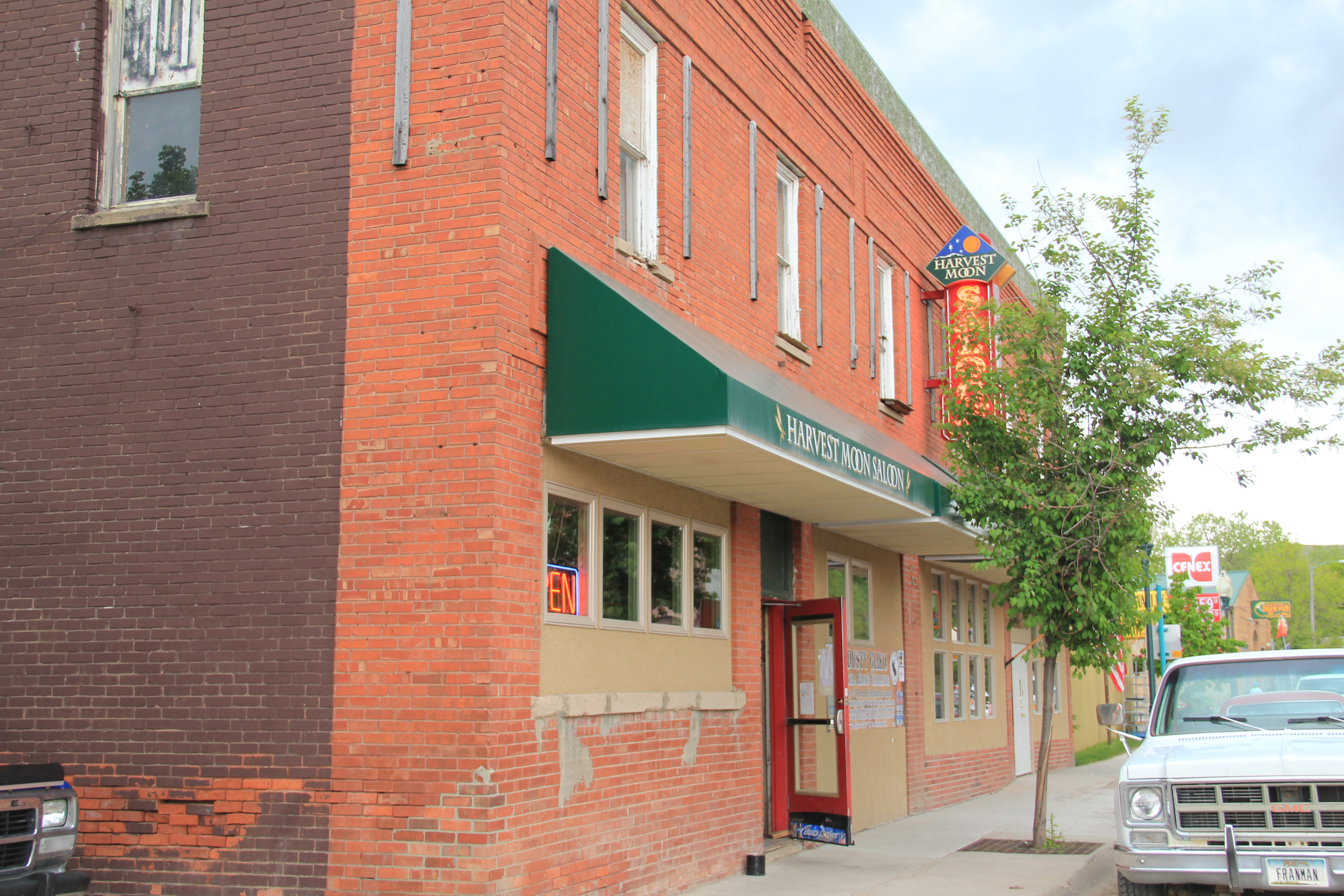
 When planners talk about heritage areas, they often focus on the contributions of local entrepreneurs who take historic buildings, like the Pioneer above, and breathe new life into them. Throughout small town Montana and urban commercial districts, new breweries and distilleries are creating such opportunities.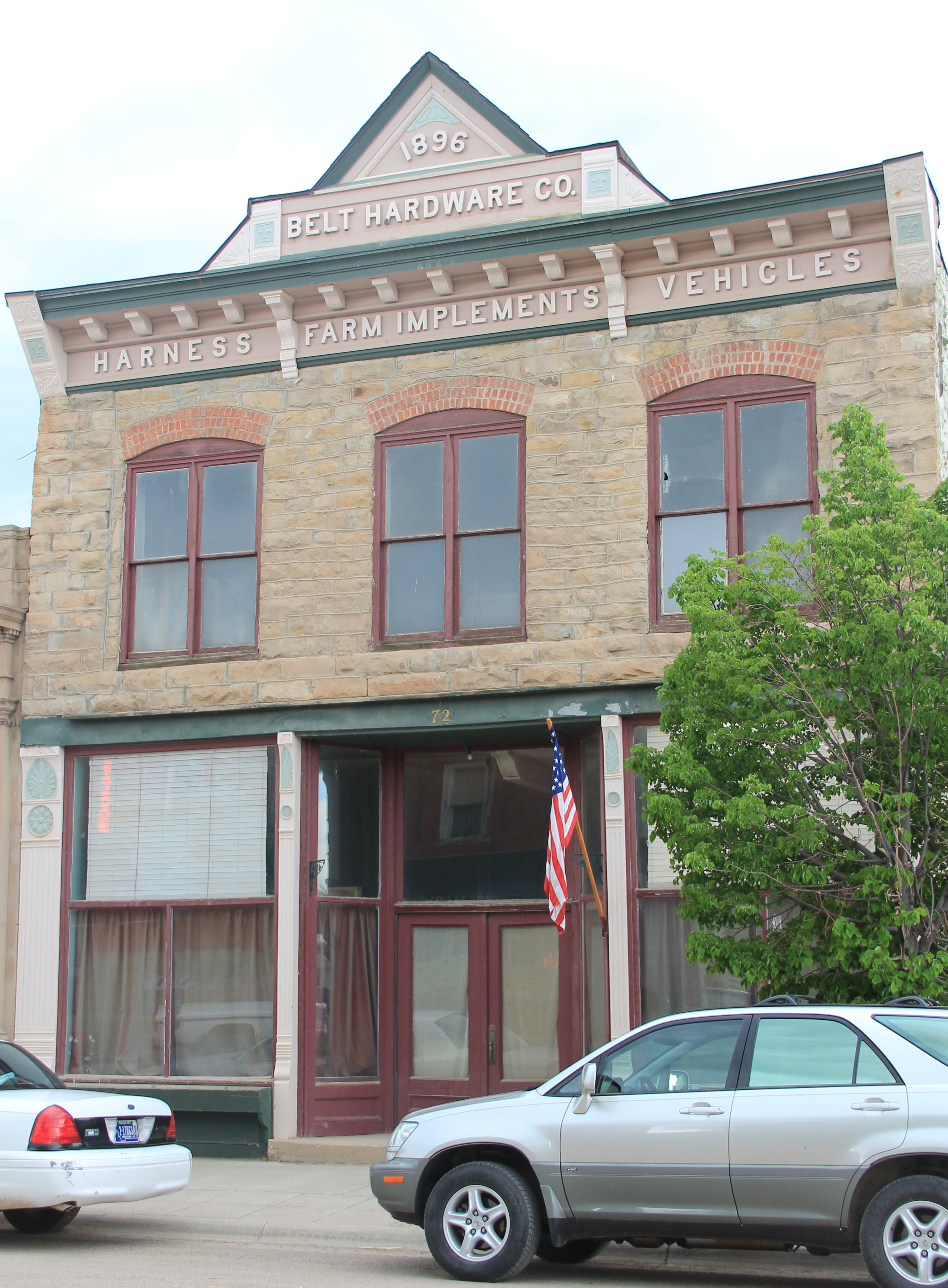
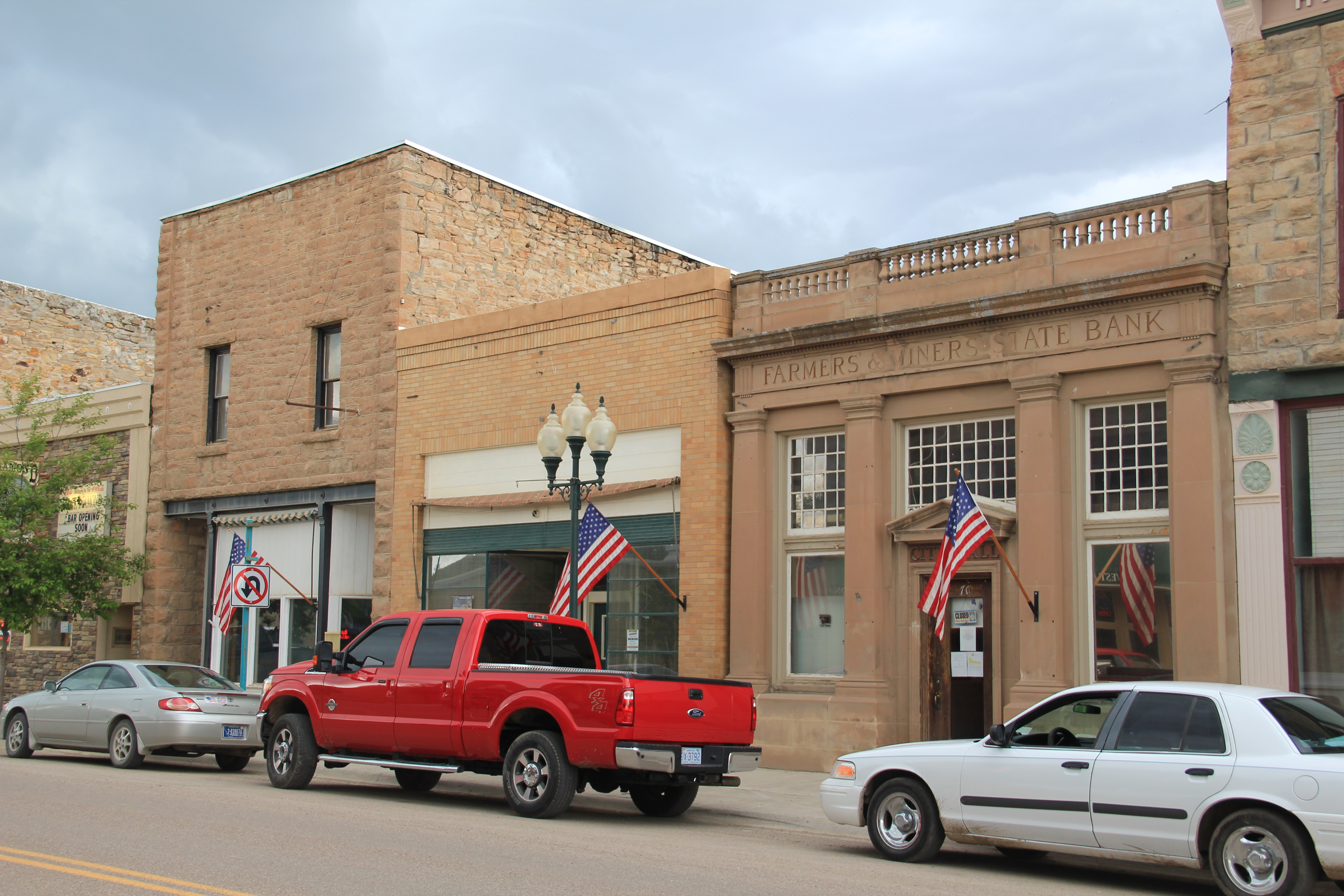
 Belt has a range of historic buildings, mostly of vernacular two-part commercial style that speak strongly to the boom of 1900 to 1920. The Victorian-styled cornice of the Belt Hardware Store (1896) speaks to the town’s origins. The Knights of Pythias Lodge of 1916 has been restored as a community theater, another reason for visitors to stop and explore.
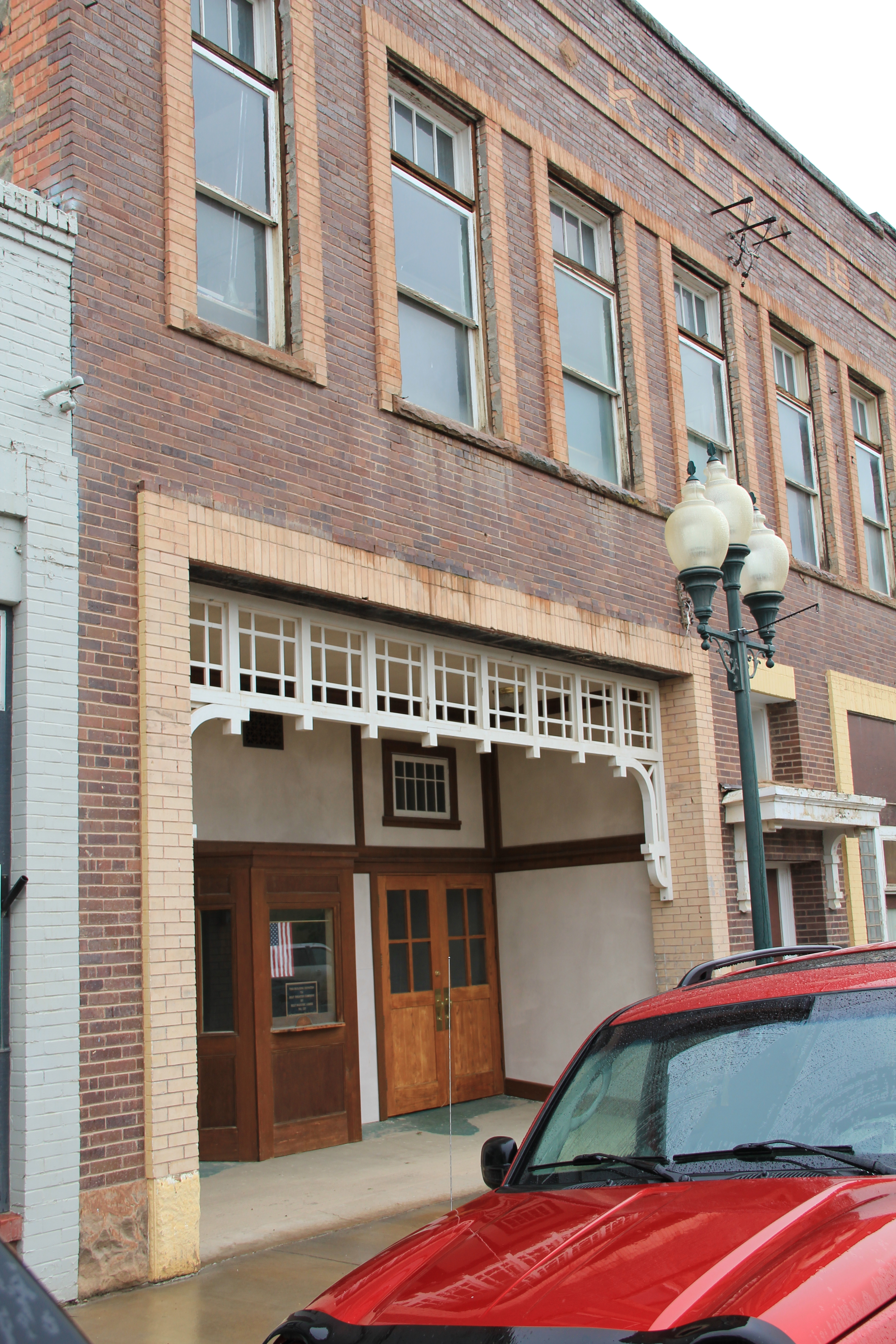 The result is a living cultural experience, since nothing in Belt is over-restored or phony feeling. It is still a gritty, no frills place. That feel is complemented by the Belt museum, which is housed in a historic jail on road down into town and within sight on a railroad trestle, a reminder of what literally drove the town’s development, coal for the railroads.
 During the 1984 survey, I gave the jail a good bit of attention since this stone building spoke to the craftsmanship of the era, the centrality of local government as the town developed, and the reality that this building was the only thing in Belt listed in the National Register of Historic Places. But in 2004 the state historic preservation office approved the Belt commercial historic district, and that designation has done much to drive the town’s recent revival. Belt is just the first place that speaks to the promise of the Great Falls heritage area concept.
 Montana's Historic Landscapes