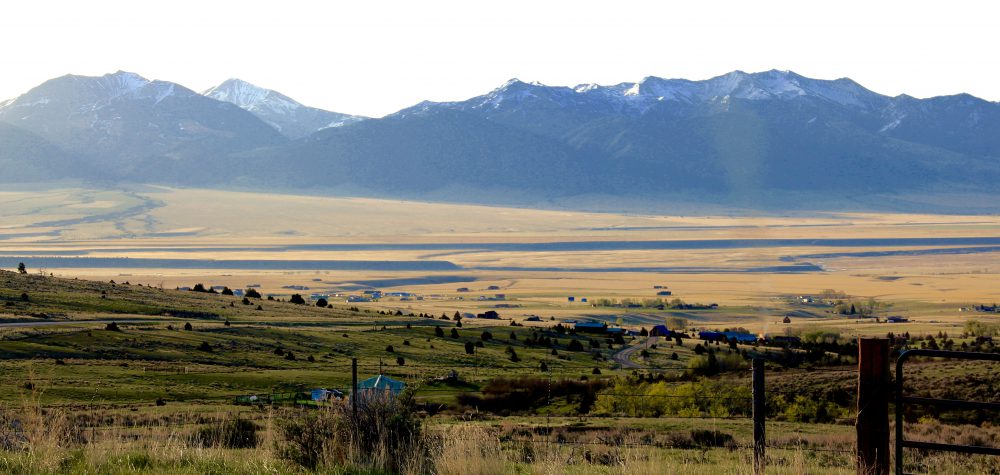
Virginia City in the 19th century was a living, breathing place, and continues so today. After all it is not all a recreated outdoor museum, it is the location, still, of the Madison County Courthouse and is the seat of Madison County. The courthouse is one of the great 19th century public buildings of Montana.
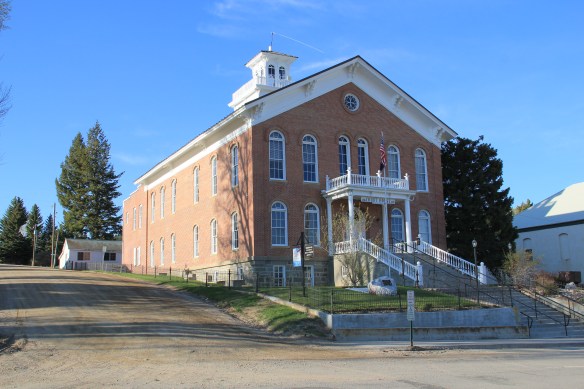 In restoring Virginia City, the Bovey family thus worked within a local government context. The Montana Heritage Foundation also works within that context today.
Nevada City, just a stone’s throw away, was and is different. Here stood the historic Gothic Revival-styled Finney House, built c. 1863-64, along with about a dozen or so other historic buildings.
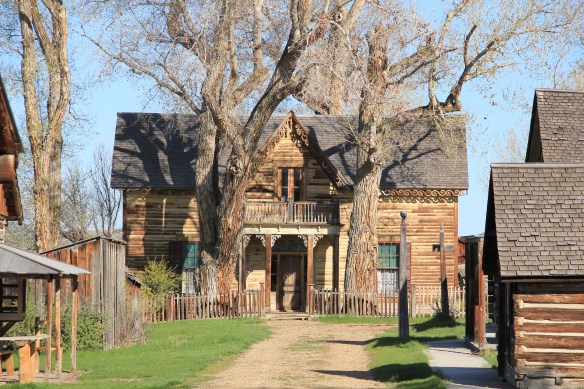 There was no living community here to speak of. It presented the opportunity for the Boveys to acquire and save other buildings from the area, however. The Finney property became the historic foundation of one of the state’s first “building zoos”–a collection of historic buildings moved together to tell a local history story. In 1984, when I was surveying Montana for the state historic preservation plan process, I paid little to no attention to Nevada City–here, I thought, was fake western history, with a bunch of moved buildings, which by definition are rarely eligible for the National Register.


Today I think about Nevada City differently. As a historic district of related buildings, placed here in a coherent plan c. 1959-1960 that was designed to convey to the public a range of the western experience during the northern Rockies gold rush era, and to serve smack dab on the side of Montana Highway 287 as a heritage tourism resource, Nevada City is due a re-assessment. These once scattered buildings have established a new context over the last 30 years. And, like in Virginia City, the Montana Heritage Foundation is doing what it can to repair and conserve this unique built environment.
 Nevada City tells multiple stories. One of the most apparent is how heritage tourism has shaped the late 20th century historic preservation movement. The lodging and restaurant at Nevada City is part of the general sustainability plan for the entire operation. The authentic environment and ease of highway access are major draws for tourists.

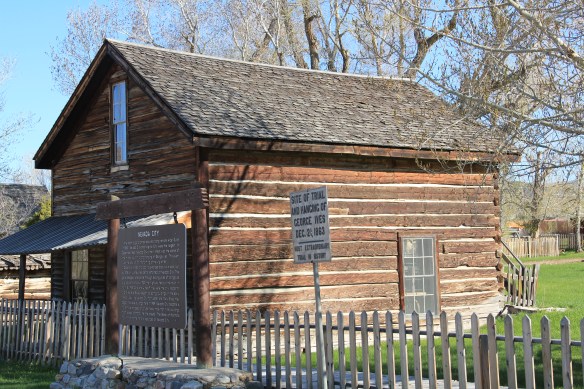
Behind the fenced barriers of the outdoor museum (unlike several building zoos in the state this place is just not open without barriers for tourists to visit), you can encounter significant properties associated with the vigilante movement, such as this spot associated with the hanging of George Ives in 1863.
Another theme is vernacular architecture on the gold rush frontier, and how even the mundane false front style of so many buildings at that time could be more elaborate, and expressive. The craftsmanship of the original buildings would need to be carefully assessed to determine whether what you see today reflects 150 years ago or the craftsmanship of restoration 50 years ago.
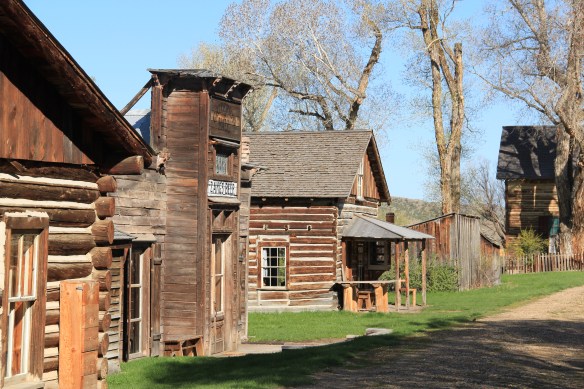

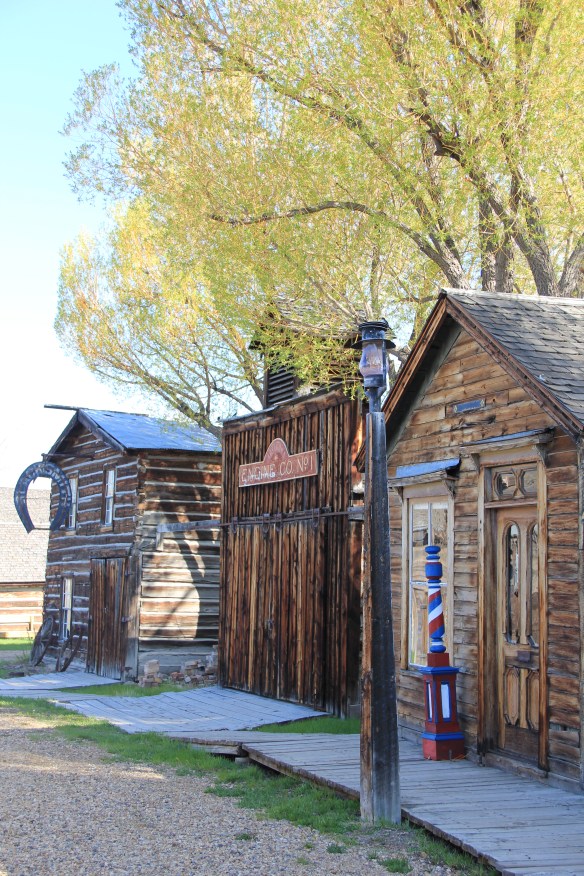 Another way to consider Nevada City is how heritage tourism ideas of the 1960s–especially the idea of excursion passenger trains–impacted the built environment. What is now known as Alder Gulch Railroad started c. 1964, a way of attracting visitors to stop in Nevada City where then they could take the short ride to Virginia City.


Therefore, when in 1984-1985 I made the decision to give Nevada City little more than a nod, that was ok–the restored village effort was then only 20-25 years old. Not very historic, although the buildings came from history. Thirty years later, my thoughts have changed dramatically. Nevada City is much more than a passing interest. In fact, it is a
 telling example of how historic preservation worked in the West, a true public-private partnership, in the years immediately before the passage of the National Historic Preservation Act in 1966.


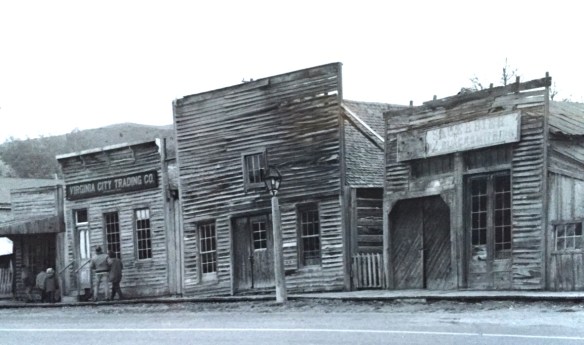 Virginia City was Montana’s first effort to protect a large district of buildings, and it took place through private initiative. In the late 1980s, out of the earlier fieldwork that decade, I was preparing an article on Montana’s preserved landscapes, and eventually the piece appeared in a book on historic preservation in the West published by the University of New Mexico Press. Virginia City had always intrigued me, because of how the Bovey family admitted to anyone who would listen that their encouragement came from the success of Colonial Williamsburg, in Virginia, where I had began my career.

 “The Bovey family lost interest in the project during the 1990s and at one time it appeared that many of the valuable collections would be sold and dispersed. The State of Montana and thousands of interested citizens stepped forward and raised the money to acquire the


 I am speaking instead of the very interesting historic city cemetery, just a bit to the north. It has a wide of grave markers, that show the confluence of folk burial practices of the mid to late 19th century with the more popular, and mass produced imagery of Victorian burial markers. There are, just as in southern cemeteries, family plots marked by Victorian cast-iron fences. Or those, in a commonly found variation, that have a low stone wall marking the family plots.


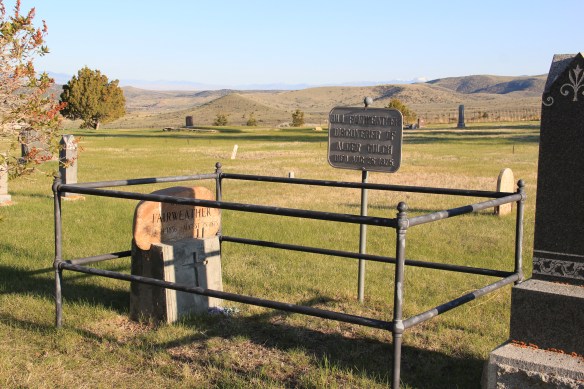
 Callaway’s grave is one of several of individuals significant in the territorial era. Thomas J. Dimsdale, the chronicler of the vigilante movement, is buried here as well as a more elaborate grave site for Bill Fair-weather, which includes a marker that describes him as the discoverer of Alder Gulch.


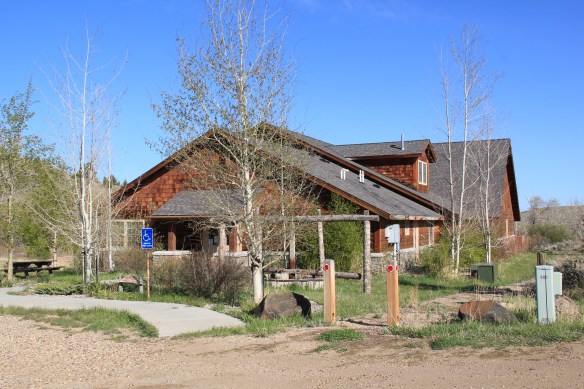 The impact on the buildings, and the constant efforts of repair and restoration, is very clear today. Virginia City is far from a sanitized outdoor museum environment. Residents still work and live here, but the historic built environment is in better shape than at any time in the early 1980s, as the images below attest.


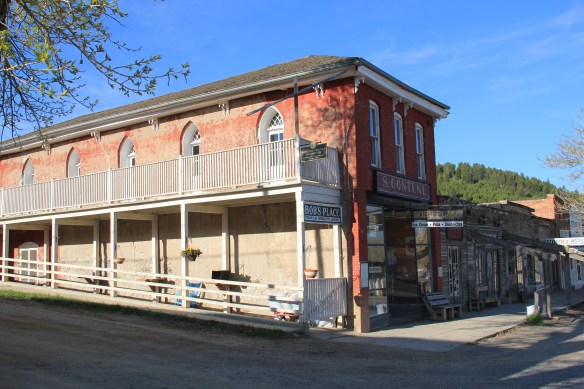 Save America’s Treasures funding has been leveraged with private donations and state funding to shore up the most significant properties. There is also a much greater, and more accurate, public interpretation found through the historic district. Visitors get much


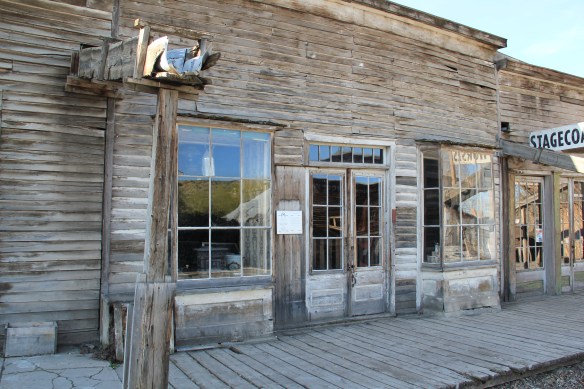 As the image above of the Smith Store attests, there is no need to paint too rosy of a picture about the future of Virginia City. This National Historic Landmark will always need a lot of care, attention, and funding if it is to survive another century. During the national hoopla of the Civil War sesquicentennial in the first half of this decade, the same sesquicentennial of the gold rush to the northern Rockies (Bannock, Virginia City, Helena, etc.) has passed by quietly. But both nation-shaping events happened at the same time, and both deserve serious attention, if we want to stay true to our roots as a nation.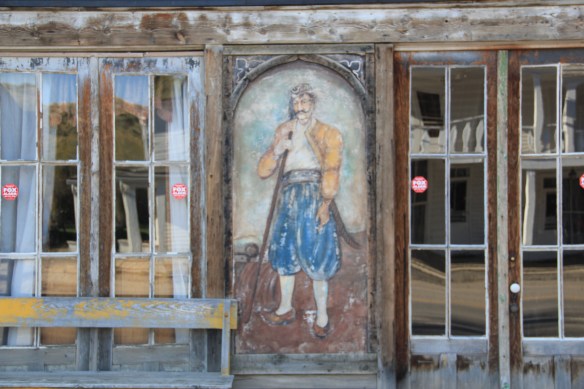


 Montana's Historic Landscapes