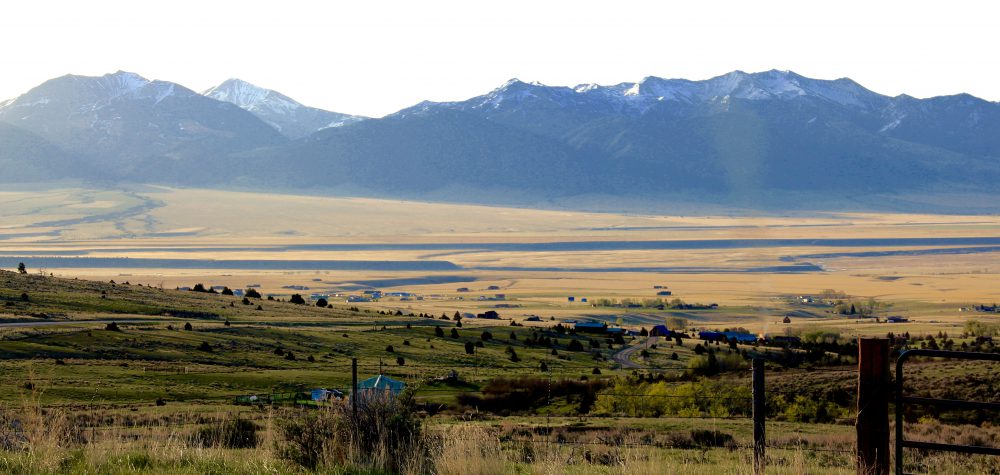
Great Northern Towns in west Hill County, Montana

In my 1984 fieldwork, Havre was a base for quite a bit of travel along the Hi-Line.  One of the most compelling landscapes, and among my favorites for the state, were the little towns, regularly spaced about every eight miles, west of Havre.

Image

At the time, my understanding of this landscape was heavily influenced by recent works by the American Studies scholar John Stilgoe (Metropolitan Corridor: Railroads and the American Scene) and the historical geographer John Hudson (a series of articles that culminated in the book Plains Country Towns.) Stilgoe reminded me that railroads in the late 19th century not only defined towns and urban design but impacted American culture in how small, tiny spaces became part of urban, metropolitan life through the steel tracks.  Hudson explain why towns existed every six to seven miles or so throughout the plains (these were often single track lines so trains needed places to pull over for passing, and places where water and fuel could be acquired as necessary).  Hudson explained differences between railroad division points, where shops and offices would be located, and “country towns,” where typically a combination depot carried out all of the railroad’s corporate functions.

Image

This arrangement of space, and the ennobling of railroad culture in larger towns, was exactly what I saw in Havre and Hill County.  Ever since 1984, this has been among my favorite places in Montana.  In a posting last year I discussed the “disappearing depots” along the Hi-Line, focusing on west Hill County.  I want to revisit those same places today, with a deeper view on what was there in 1984 and what you find today.
Image

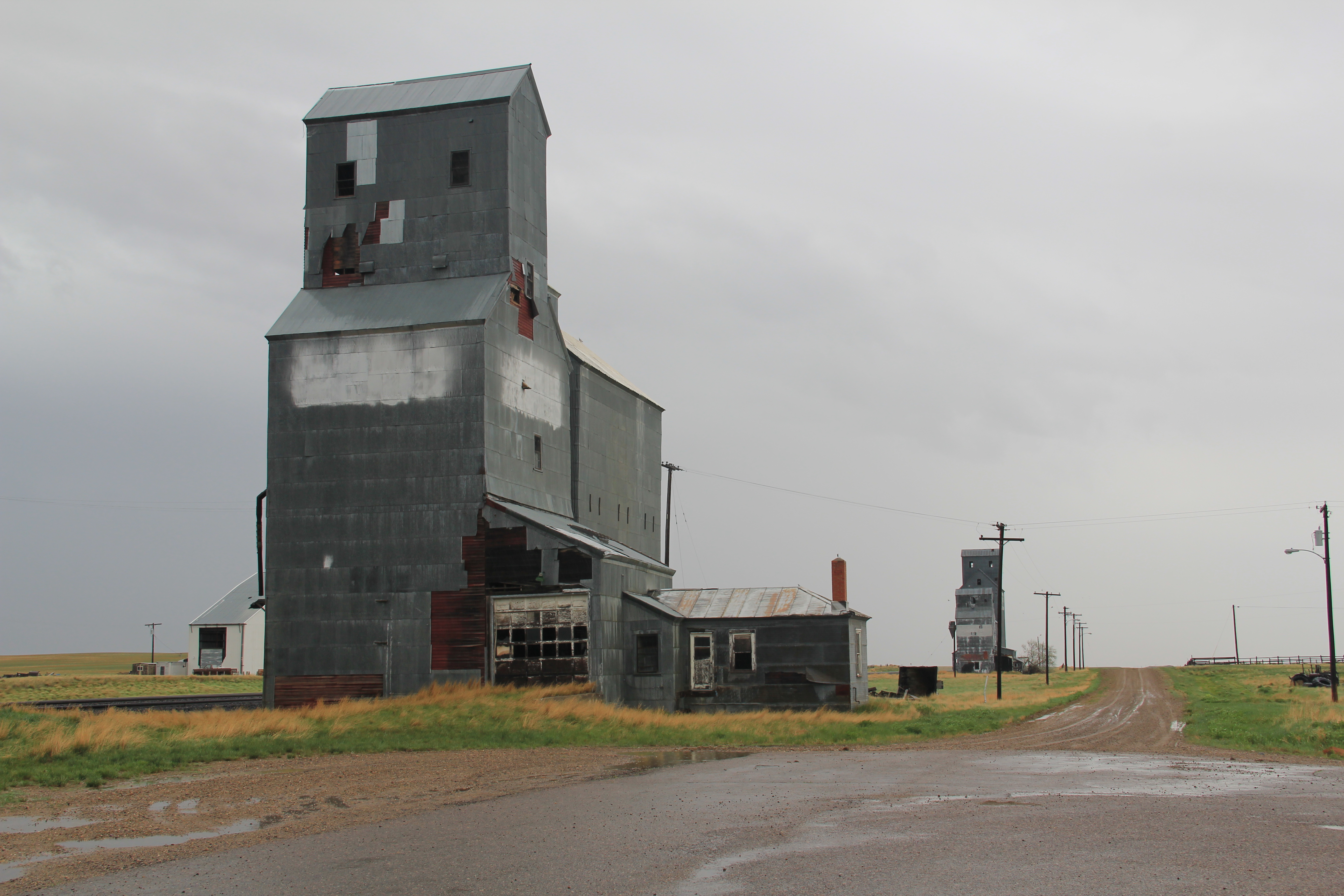
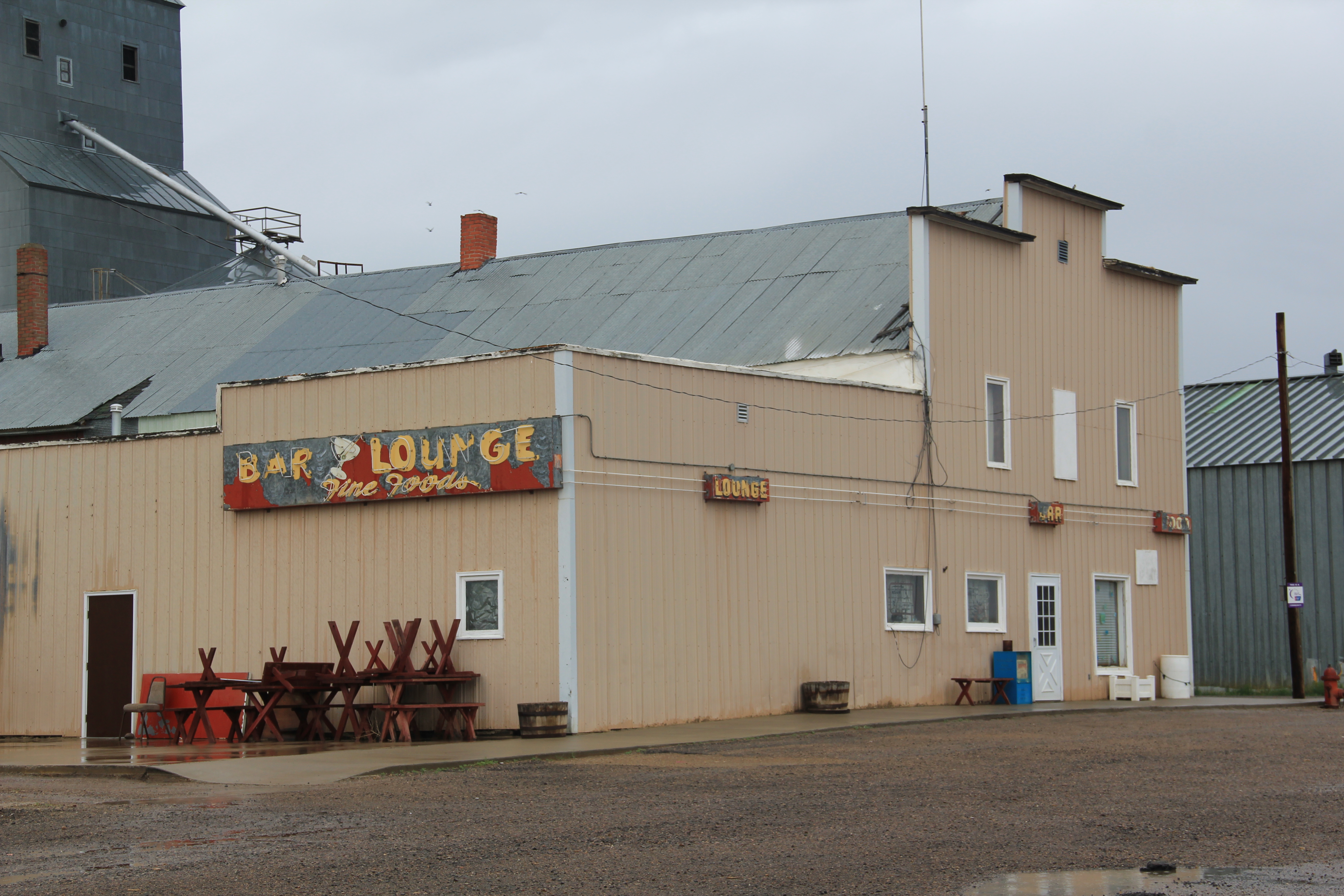
Inverness, established c. 1909, was the first place I stopped but spent little time there because already in 1984 its Great Northern depot was gone.  But in 2013, I was looking for beyond the Stilgoe-Hudson way of understanding plains country towns.  Inverness in 2010 had 55 residents, but still held several early settlement landmarks, such as its early 20th century elevators along the railroad, a National Register-quality c. 1920 store/gas station, and two large two-story frame blocks–the historic Inverness Hotel (most recently Inverness Supper Club) dates to the second decade of the 20th century.

ImageImage

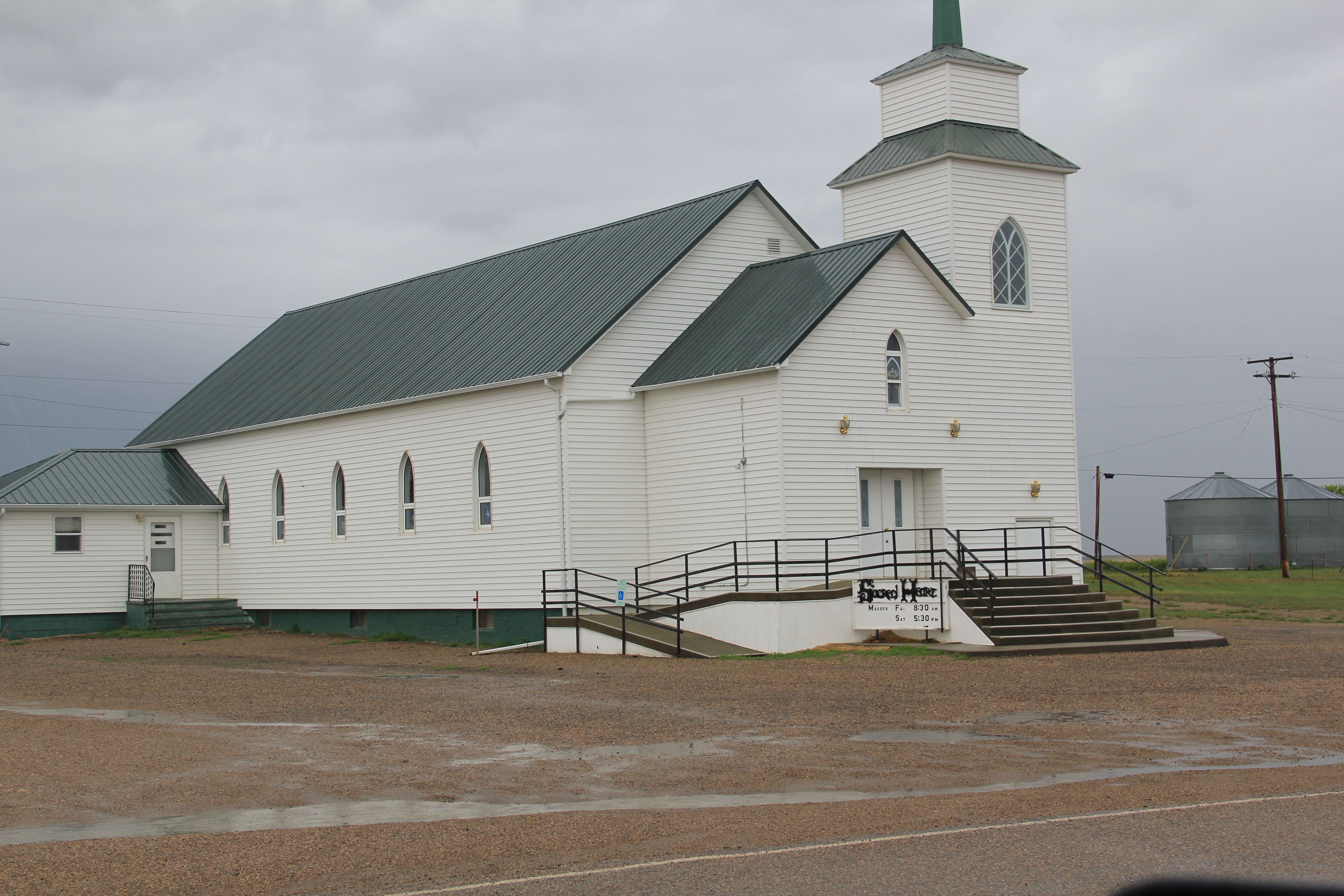
The Sacred Heart Catholic Church dates to the town’s beginnings, but a brick school from 1931 with 1952 additions closed in the early 21st century.
Image

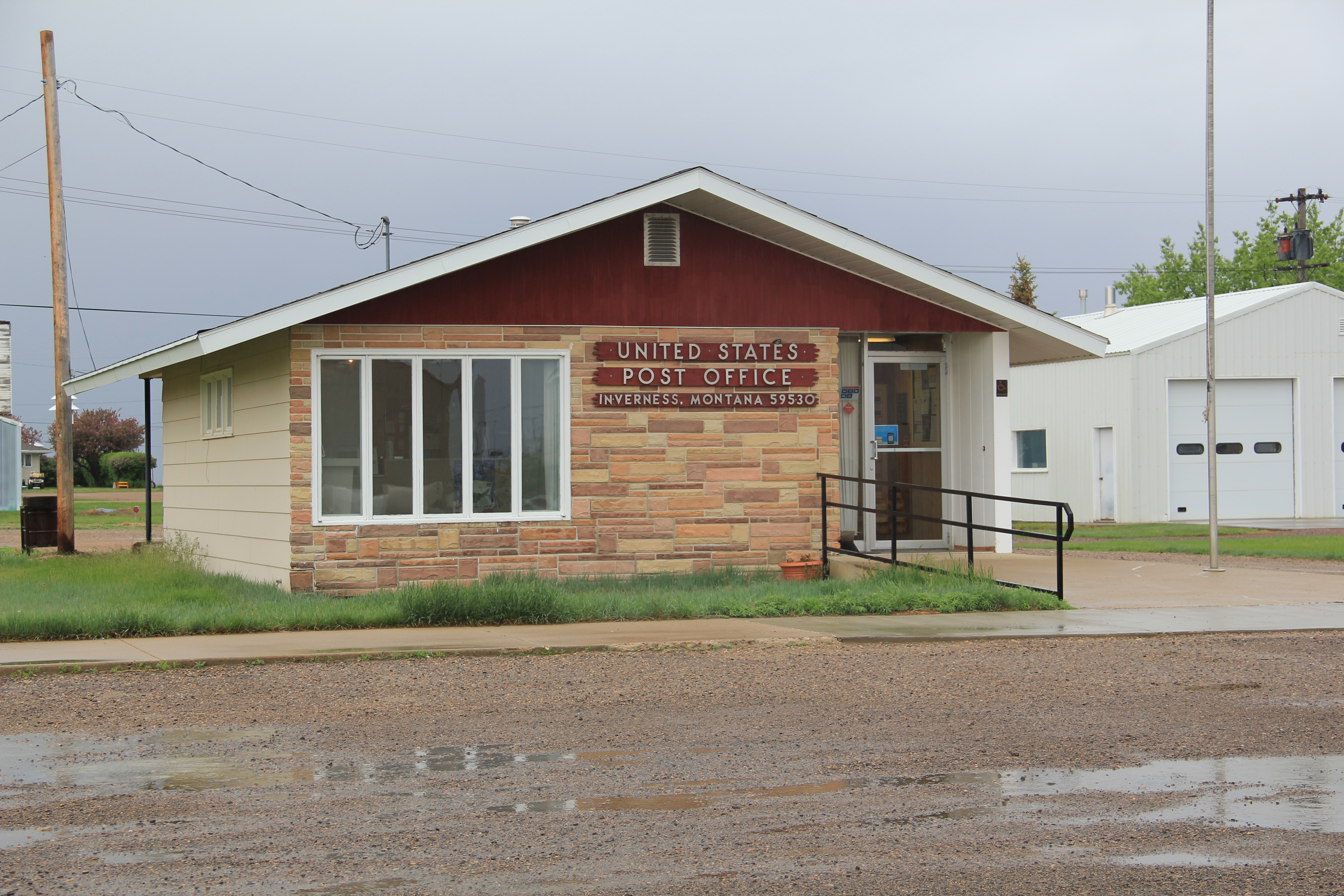
Inverness’s c. 1960 post office is a great example of stone-faced standardized design that the postal service used in small towns across the nation in that decade. It was one of the offices threatened with closure in 2011.
Image

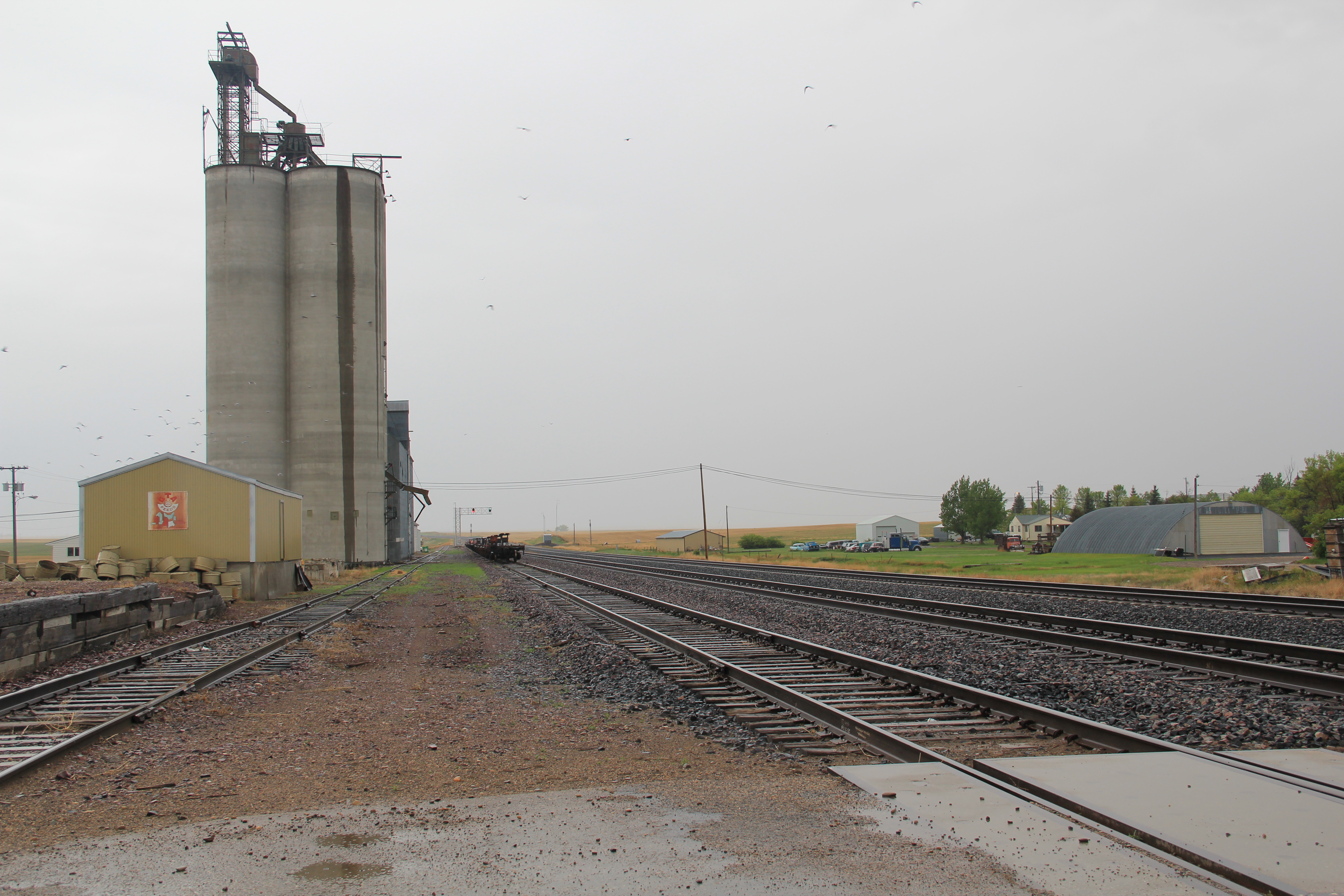
Rudyard, established 1909, was the largest of the west Hill County towns, about 500 people in 1980 but now with only 258 residents according to the 2010 census.  Its prominence in the second half of the 20th century is reflected in two buildings:  the tall concrete grain elevators along the railroad and the contemporary-styled Wells Fargo bank building on the prominent town corner facing the tracks and Reed Street.

Image Image

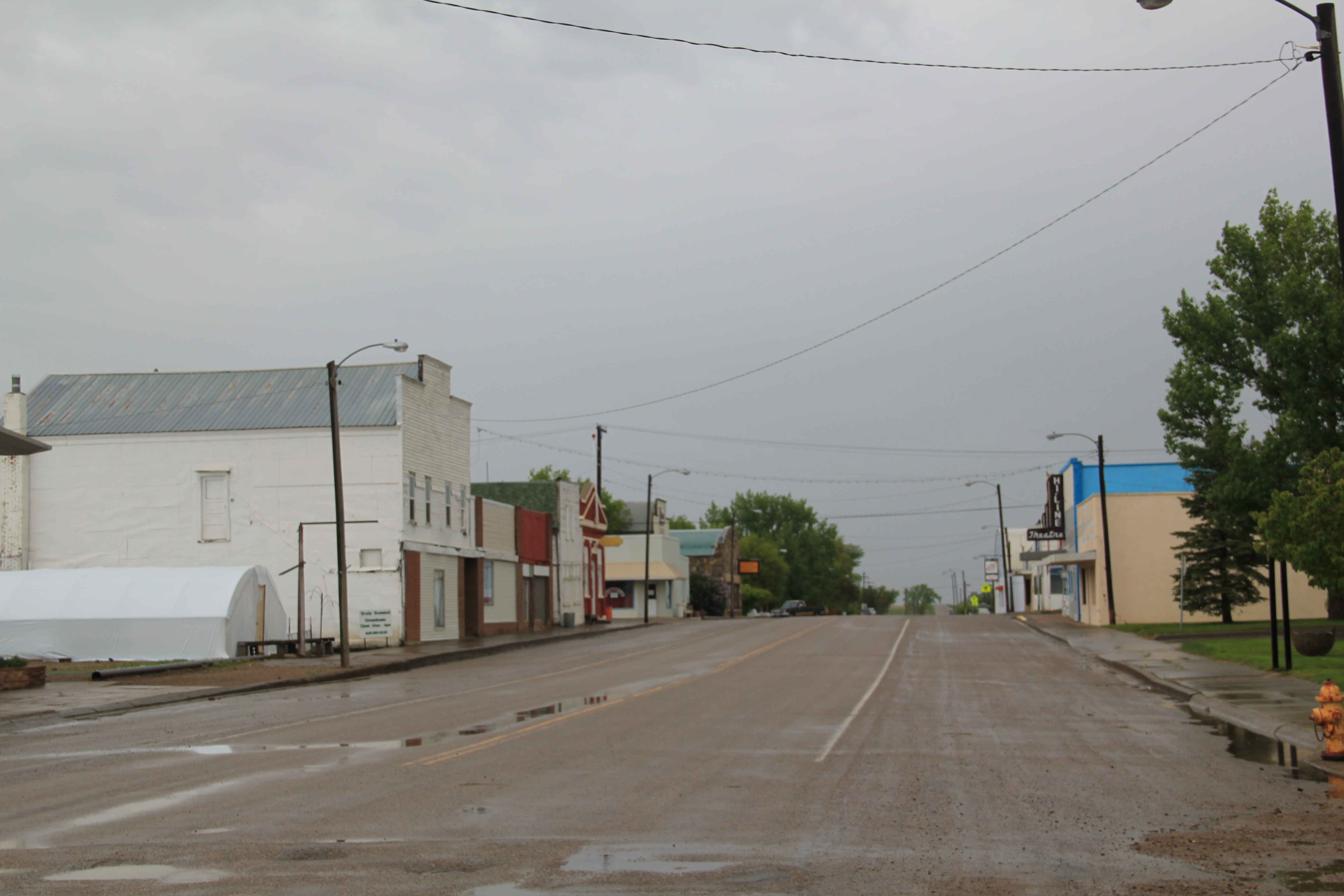
Thirty years ago, as the construction of a modern bank building attests, several stores and the Hi-Line Theater were hubs of activity; today most businesses are closed.

ImageImage

Image

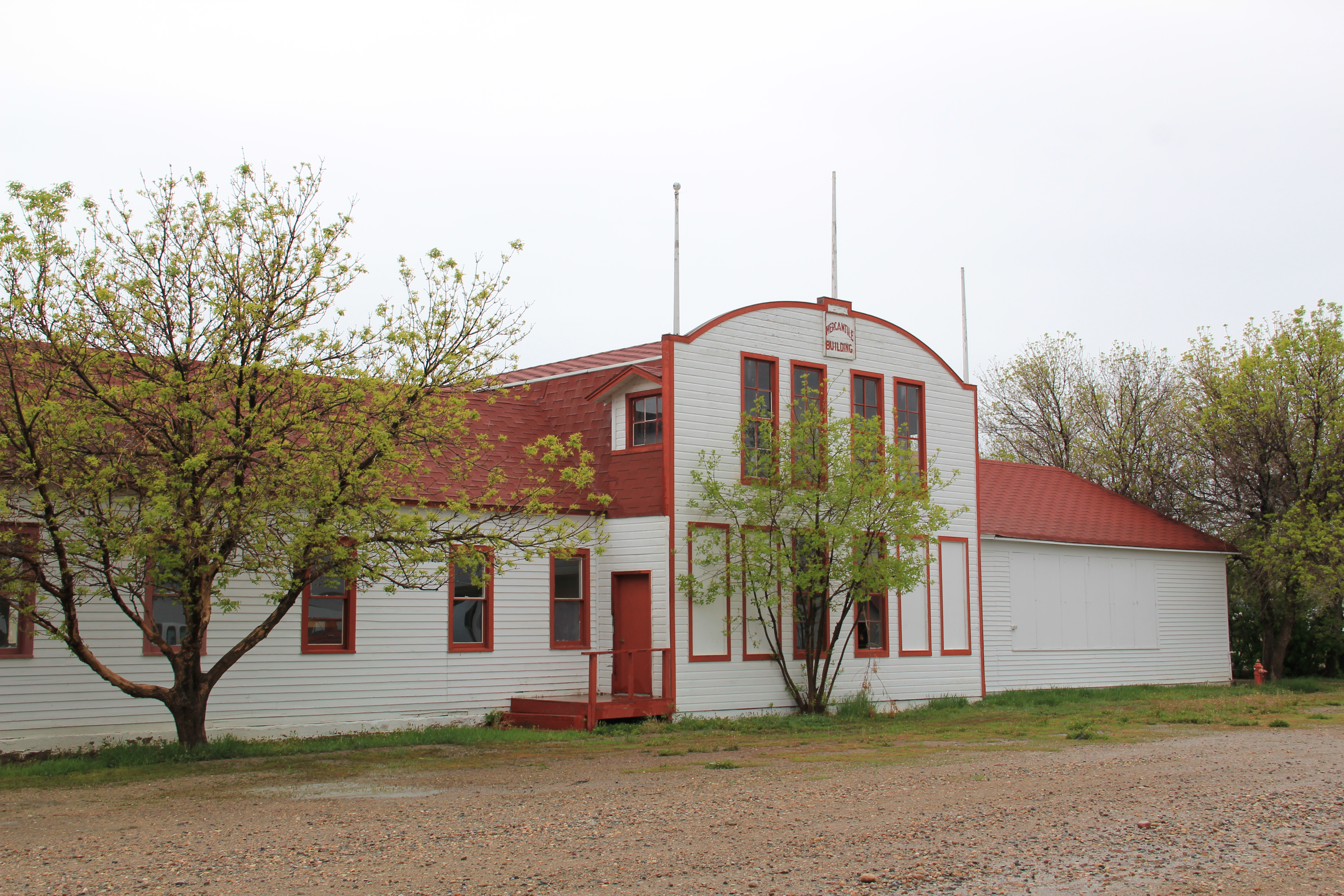
Museums now abound–with the moved depot forming a small building zoo while an early 20th century stone building has become an auto museum.

Image

Image

Rudyard also has one of the highway’s most famous town signs–boasting of a population now greatly diminished but the old sorehead remains–at the Sorehead Cafe in the heart of the four block long commercial district.

Image

Image

One hundred years ago, Hingham (1910) seemed to be the town that would make it. From the railroad corridor several blocks of commercial businesses were filled in the next decade.

Image

There was a town square featuring a city park in the midst of it all.

Image

Here the town’s Commercial Club hosted the Hi-Line Fair, which “presented farmers and ranchers with an opportunity to exhibit their grain and livestock and to exchange ideas with people from other points along the Hi-Line.”

Image

While the buildings, outside of the brick neo-classical brick bank (1913-14), were frame, town boosters were confident these were only the initial businesses. But the second decade of the 20th century proved to be the town’s high point, and frame buildings still define local businesses.

Image

In 1930 they defined the town with a large, handsome two-story brick school at its south end (near U.S. 2, a recognition of the highway’s importance in getting students to and from Hingham).

Image

The Our Lady of Ransom Catholic Church is a modernist landmark, and one of the most architecturally important buildings of the Hi-Line, part of the Great Falls diocese effort to improve and modernize its churches in the mid-20th century.  A much earlier frame Methodist Church remains, and has most recently served as a community chapel.

Image Image

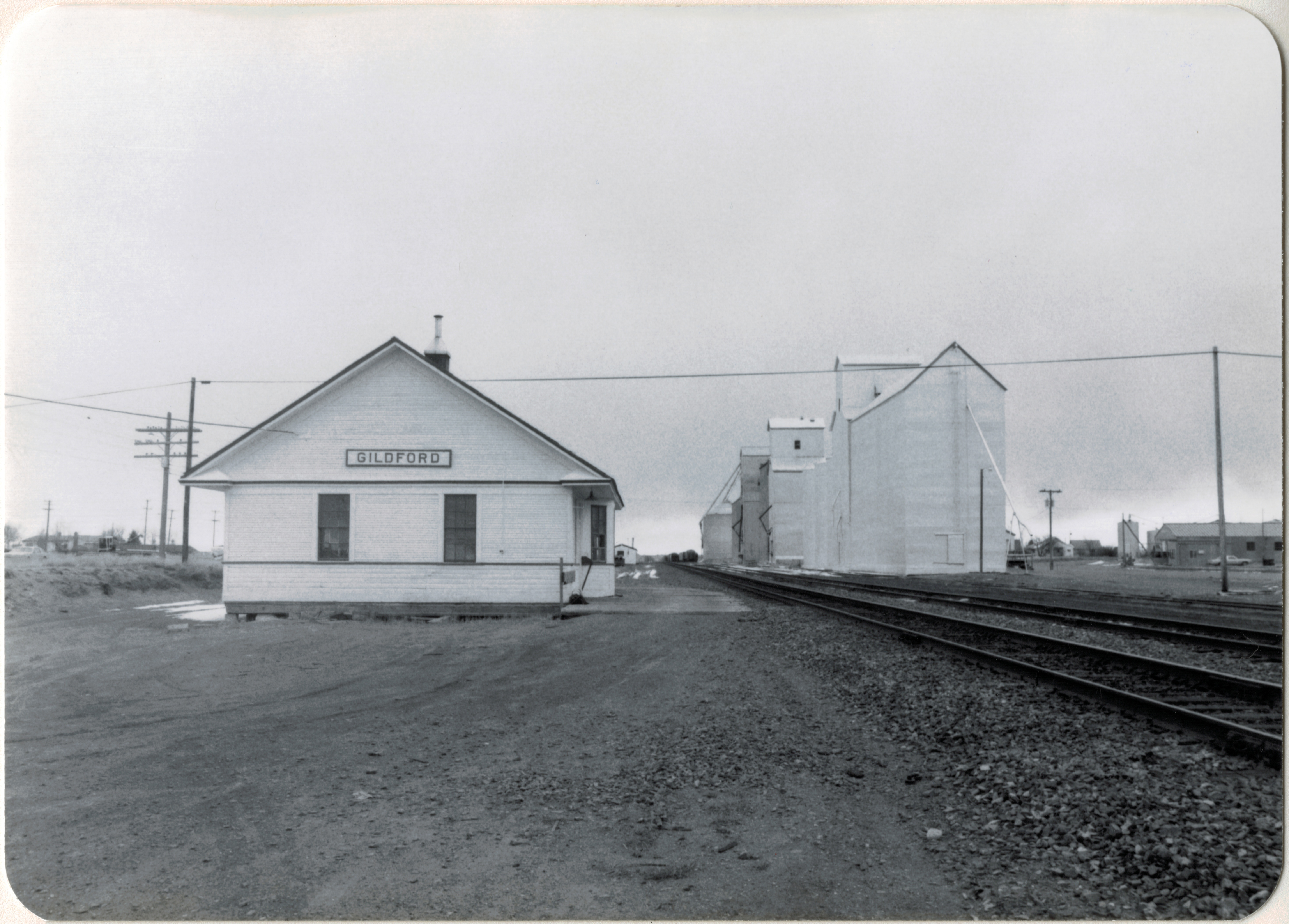
The boosters of Gildford also had high hopes in 1910 and the homesteading boom brought a full fledged town into existence by 1915-16.

Image

Image

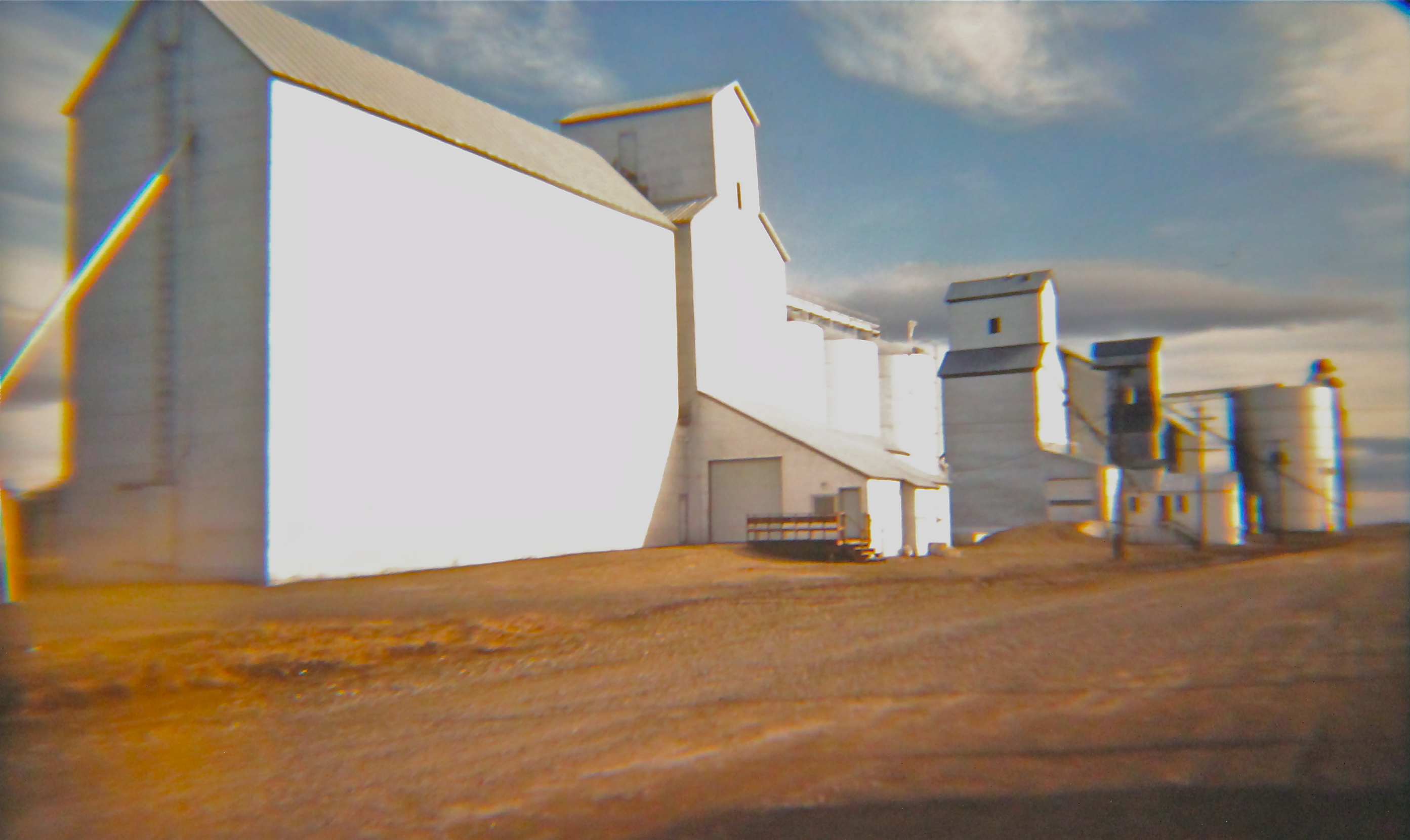
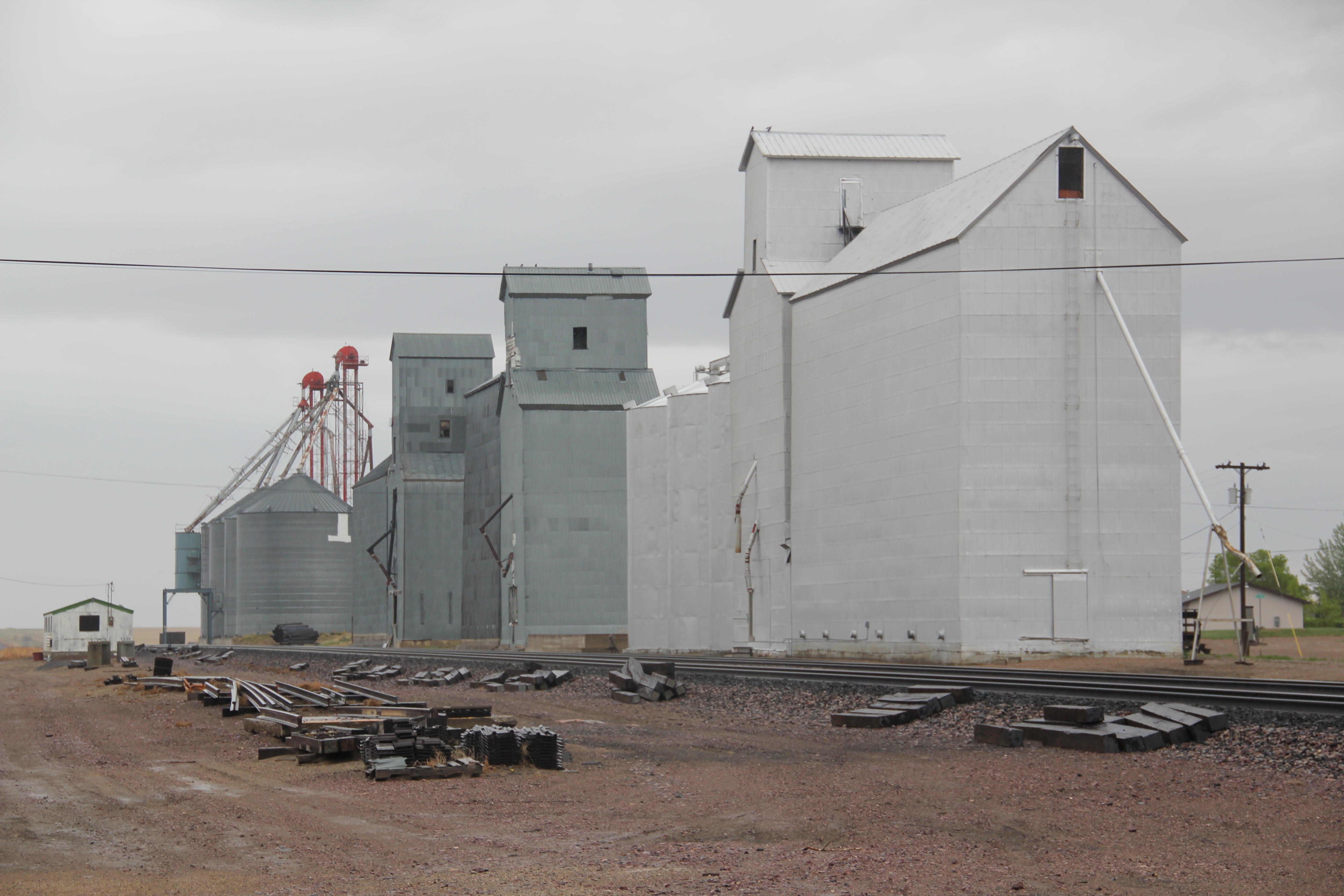
Image Elevators in 1985

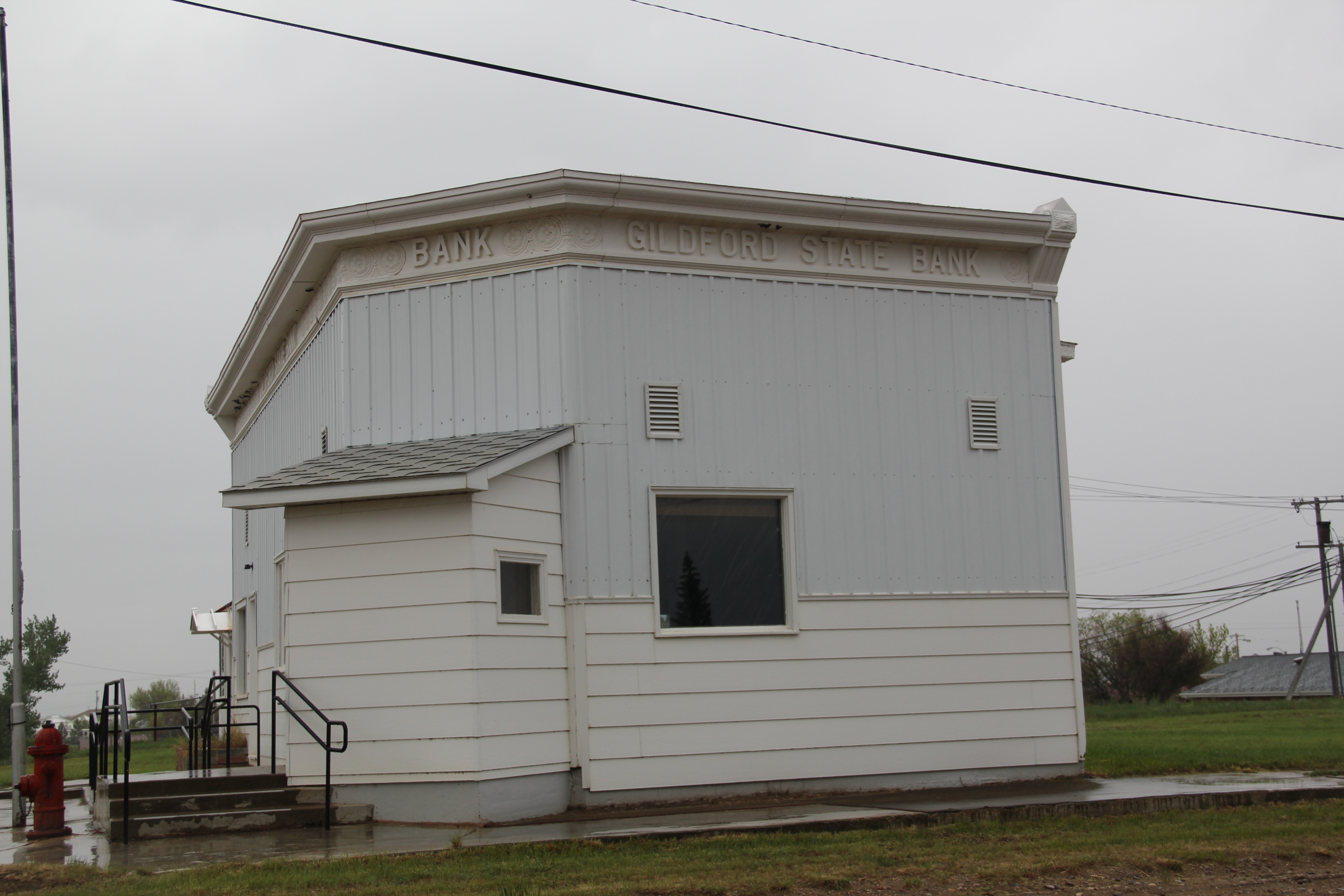
The boom decade is marked by the extant Gildford State Bank (1914), which also served as the town’s post office when I first visited in 1984.  The town also had an early industry, the Mundy Flour Mill.

ImageImage

Kremlin acknowledges its distinct name with its highway town sign.

Image

Settlement began in 1909, with a plat from land agent K.C. Farley, focused on the Great Northern section house, later replaced by a standardized depot, all of which is gone from the railroad corridor today.

Image

IMG_8903

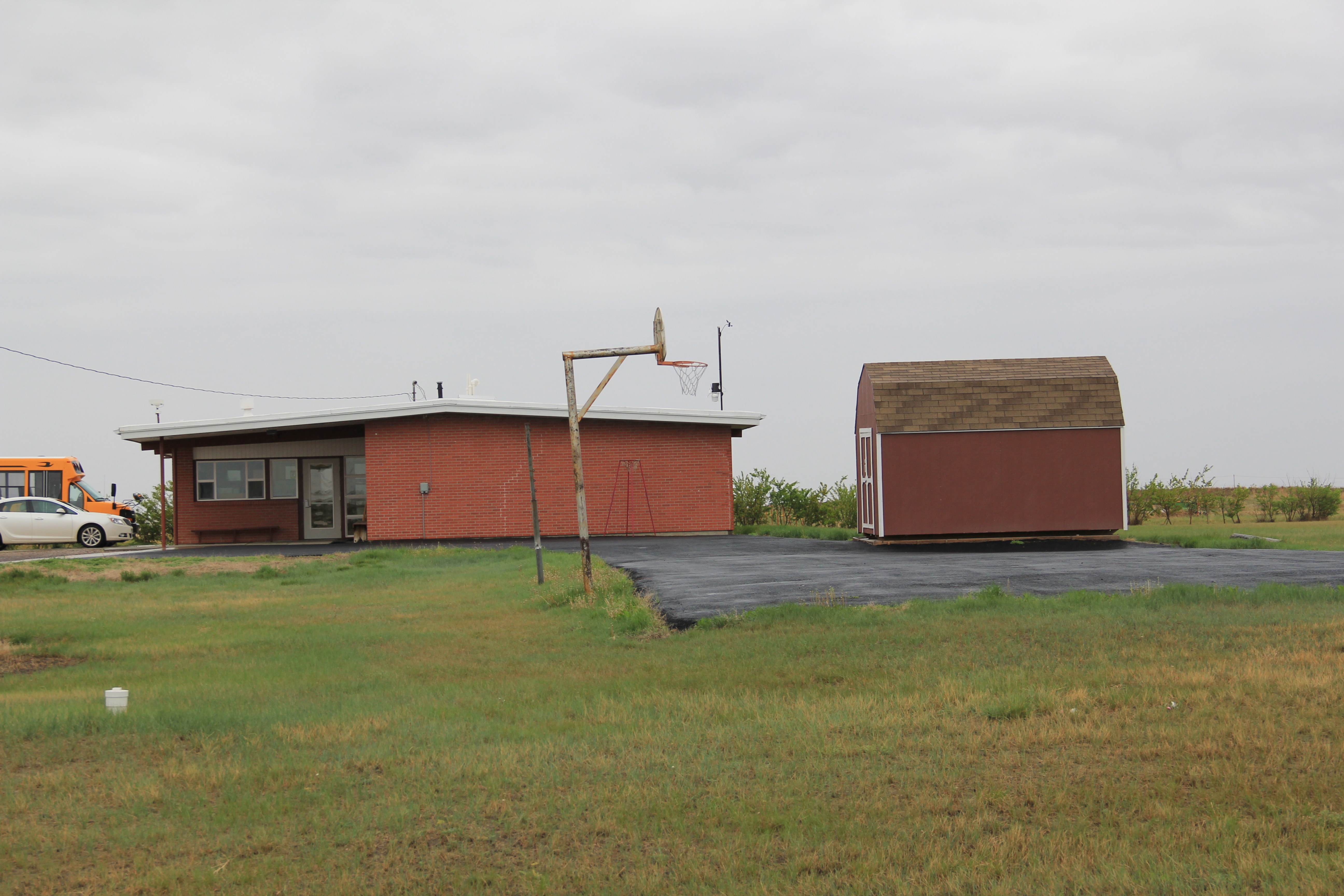
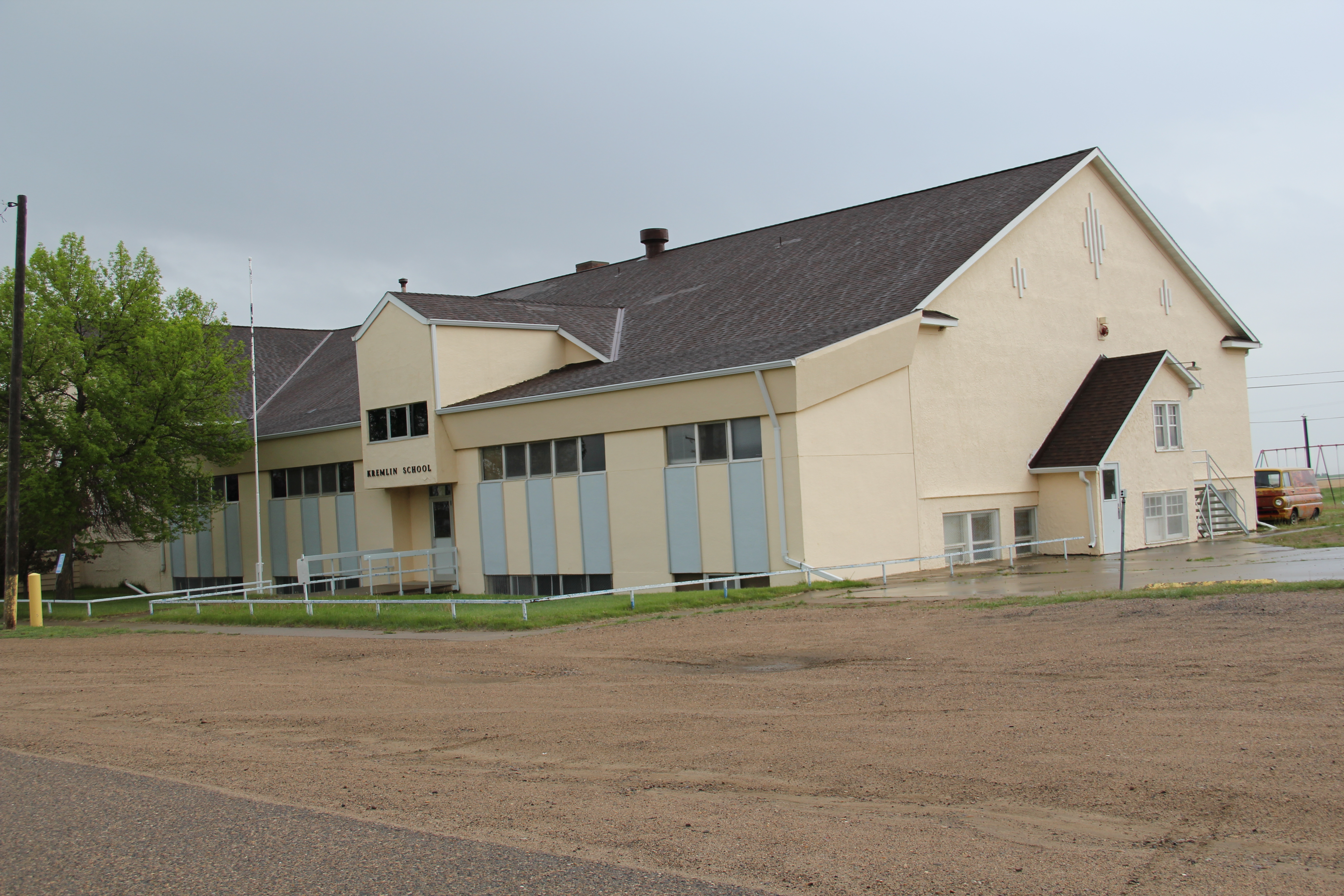
The WPA built a new high school in 1938, which remains a central landmark for the community, a symbol of the future, and a good way to end this posting.
IMG_8913 IMG_8912

Toole County, 1984 and Now: to the east along U.S. Highway 2

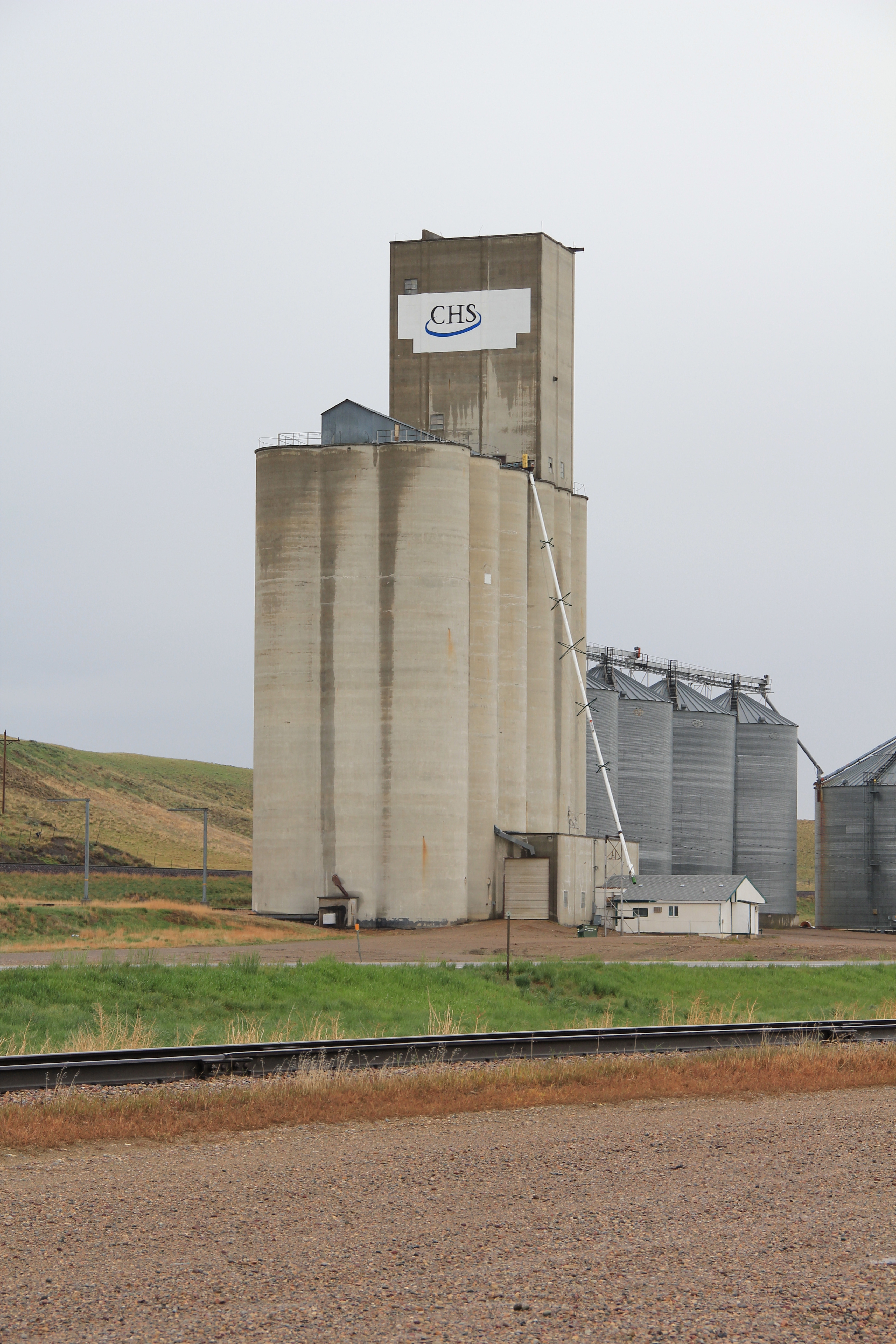
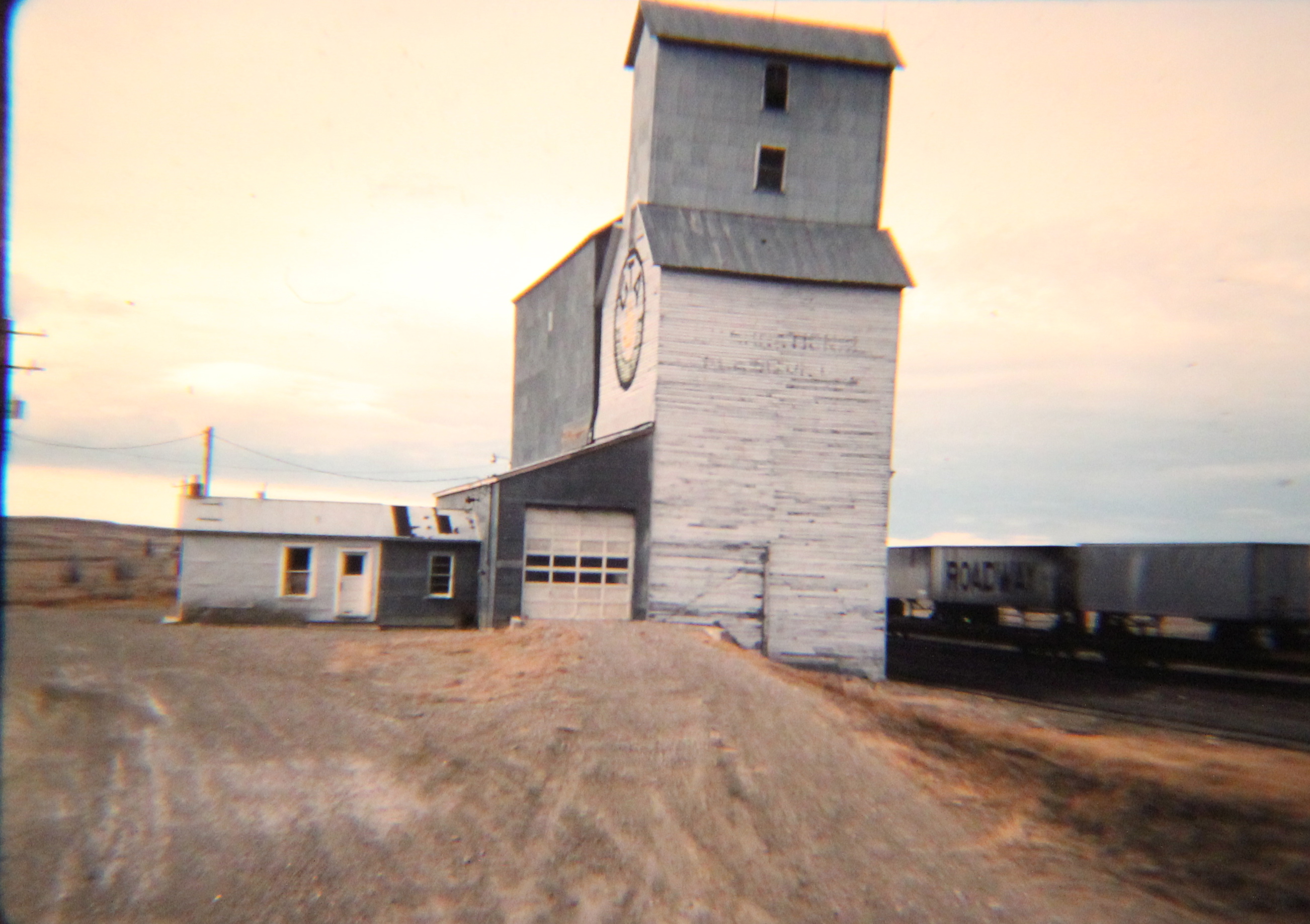
As soon as you move east of the historic Shelby visitor center on U.S. 2, you encounter the landmarks that physically mark the region’s agricultural character.  On the north side of the highway, immediately adjacent to the tracks are complexes of grain elevators. Here at Shelby there is a tall concrete group of elevators run by CHS–the appearance of concrete elevators always mark a town that has experienced economic growth in the second half of the twentieth century.  Many of the smaller Hi-Line towns have the classic frame elevators of the homesteading era.  Grain elevators thus become a physical barometer of a place’s economic prosperity and development.

Image Image

On the south side of the highway in Shelby is the second crucial agricultural institution, the county fairgrounds and rodeo arena.  Livestock is not only important to the economy but maybe even more important to the culture of the region.  The Marias 4 County Fair, held the third week of July, is a regional gathering of no equal.  Thousands attend, and they do so at a fairgrounds with an impressive collection of historic buildings.

Image Image

Image

In 1984, I noted this east side of Shelby as I left the town, but my eyes and camera were focused on the small railroad towns that I would next encounter, along with two important historic sites I wanted to document.

Image

Whoop-Up Trail site, U.S. 2, 1984 

The first was the Whoop-Up Trail remnant, a site first documented by state archaeologists in 1968 and among the handful of historic properties then identified in Toole County (another section of the trail near Kevin is listed in the National Register).  In 1984 the location along the highway was well marked, with a series of stones marking the trail and encouraging visitors to go to the property edge and look into the Marias landscape where this historic route between Fort Benton and Fort Whoop-Up in Canada once passed.  

 Image In fact to the south of U.S. 2, a county road still crosses the Marias near the old trail crossing:  it was a somber, beautiful place in 1984. In 2013, the Whoop-Up Trail site is still maintained, put the line of stones to mark the path has either been taken up or covered by growth.  

 Image

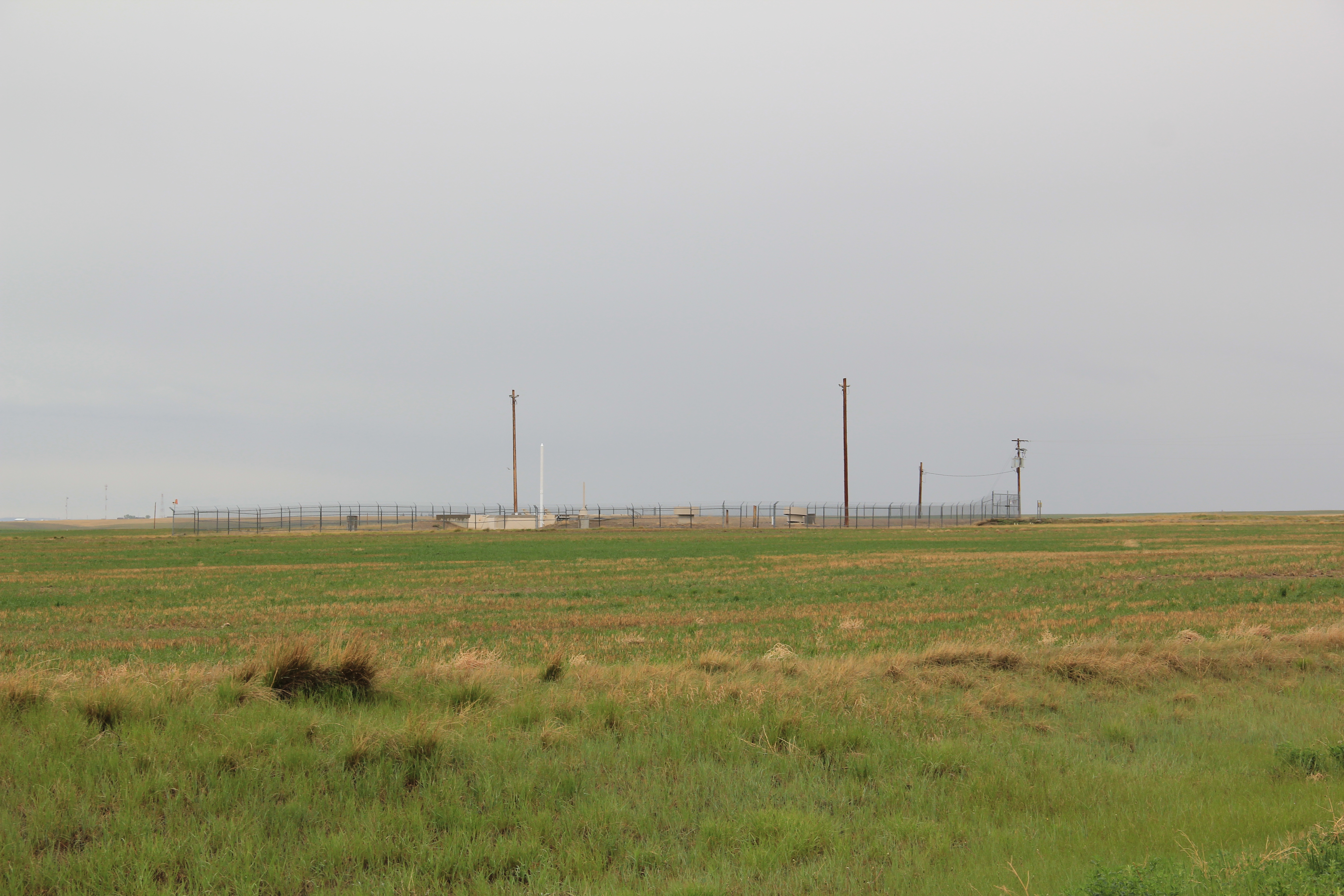
Across the highway remains another key landmark of the Hi-Line and Central Montana region:  a nuclear missile silo. These military bases are everywhere it seems, and sometimes in the most unlikely places.  By 1984 I had become somewhat accustomed to their presence–coming from the South I had no idea of the role Montana played in our nation’s defense.  

 Image

But the missile silo was a surprise:  what I really was seeking was something on the Marias River–or Baker–Massacre, one of the most horrific events of Montana’s early territorial period.  The site is east of Shelby and south of U.S. 2 on private ranch land–and the family has been excellent stewards of this place.  No need for me to tred on such sacred ground, but there is a need to intepret that story, and to tell visitors and residents that here in this seemingly peaceful beautiful countryside a group of territorial citizens murdered Blackfeet women, children, and elderly in some sort of mindless bloody search for revenge.  That story wasn’t told in 1984 but a long text marker does so now. It strikes the right message: that the massacre “profoundly impacted the Blackfeet people and is very much alive in tribal memory.”  A small bouquet of flowers at the marker’s base in 2013 testifies to the truth of this simple memorial.

 Image

Dunkirk, the first of a trio of Toole County railroad villages east of Shelby, was too close to Shelby itself to ever maintain its own identity for long.  Its Frontier Bar was long a worthy roadside stop for thirsty travelers.  Outside of the Westermark Grain Corporation elevators, the bar was the only reason to even give Dunkirk a glance.
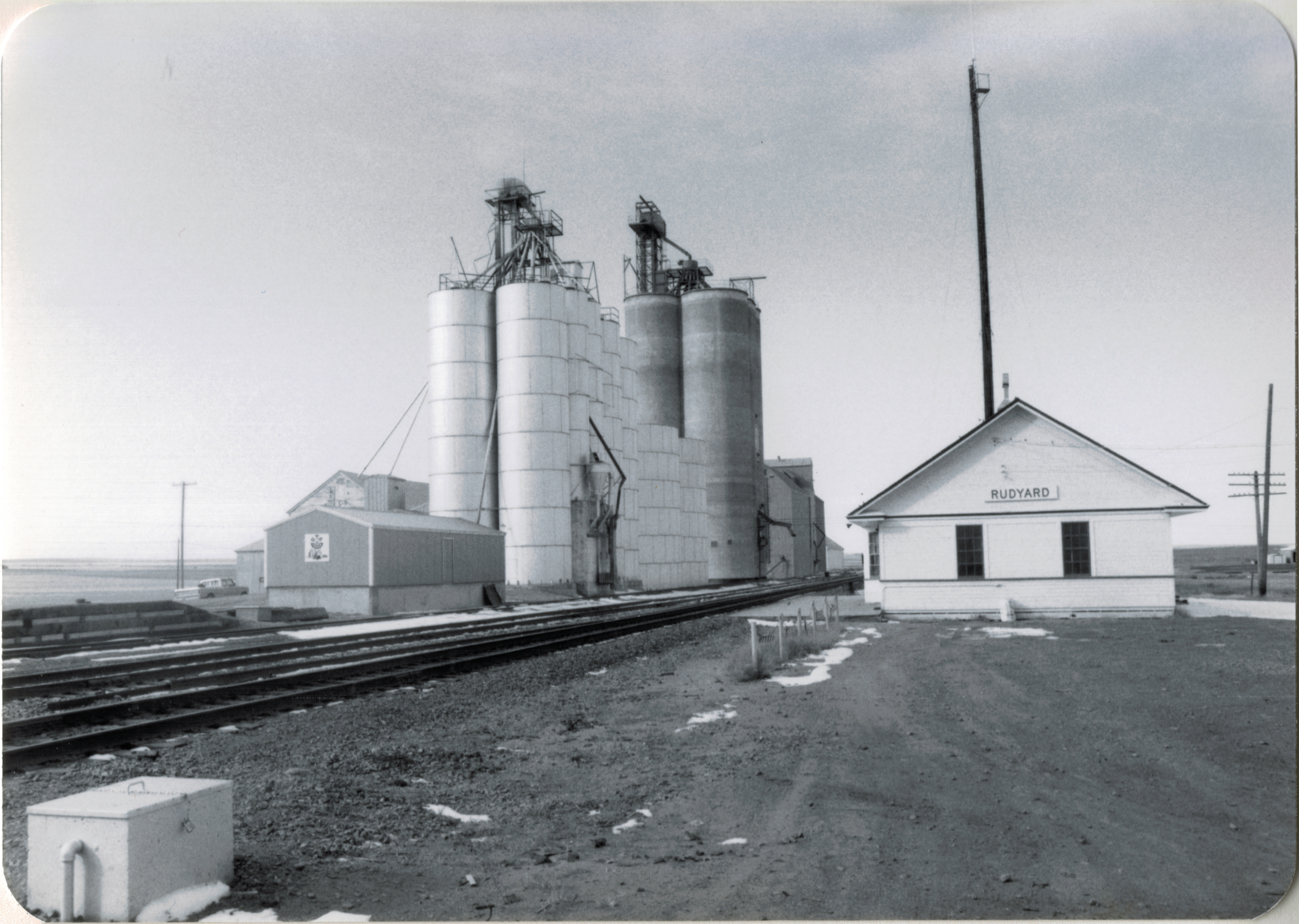
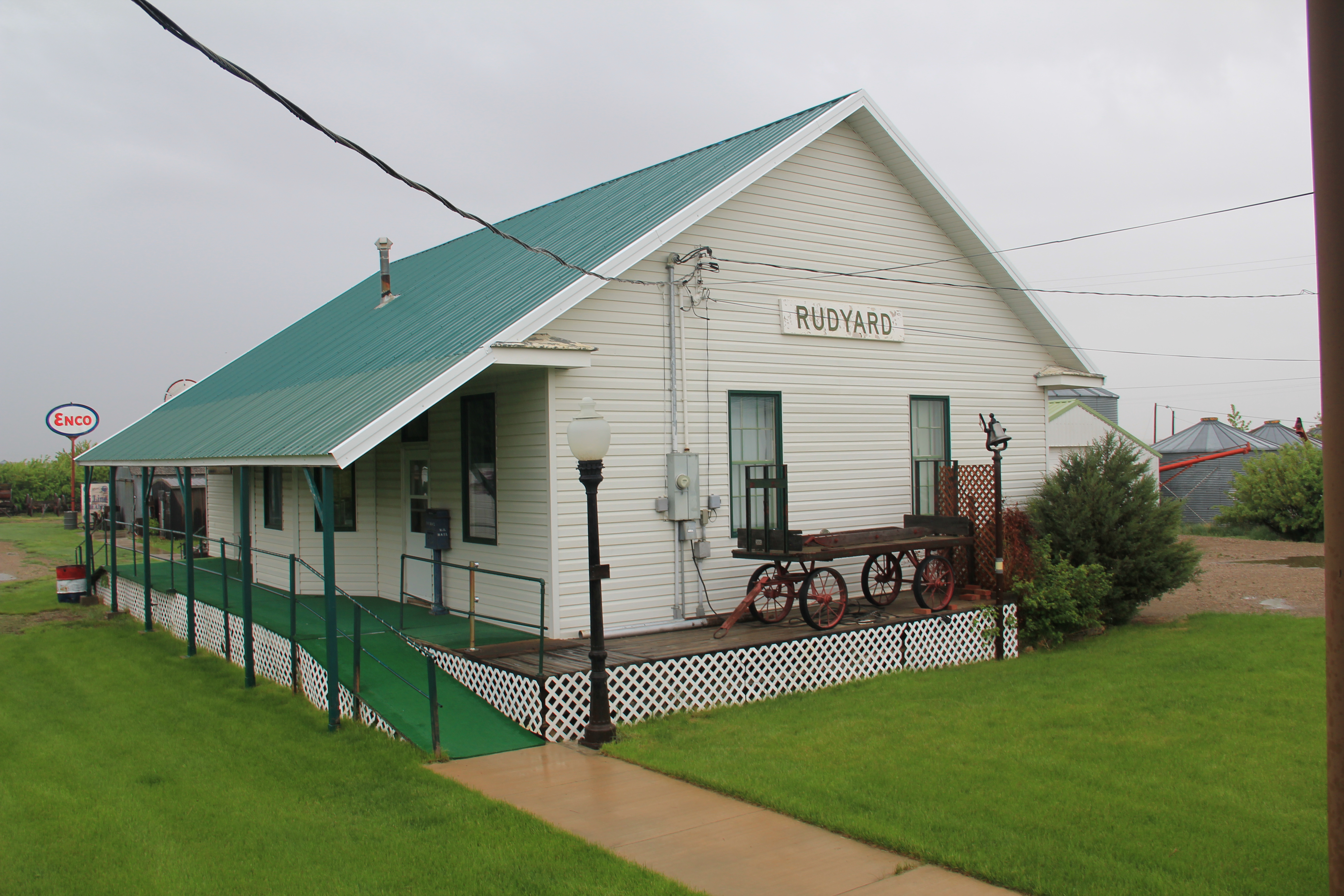
 Image Image

Devon is a plains country town on the Great Northern Railway that was the first “prairie ghost town” of the 1984 survey.  Numerous false-front frame buildings from the 1910s and 1920s existed in 1984:  30 years later several of these were gone. 

Image


Image

Devon streetscape, 1984


Image

Devon, Montana, 1984

Image

Devon grain elevator, 1984

Yet I must admit that Devon now had more to it than what I recalled from 1984.  Certainly the old brick bank building had been abandoned, and the town community hall appeared shuttered, but the contemporary-styled Devon Lutheran Church spoke to persistence, even after decades of economic change. The grain elevators that were prominent in 1984 also had persisted, and stood as three sentinels on the plains.

Image Image

 Image


Image

Galata, established in 1901, is another Great Northern Railway stop, with its corridor landscape speaking to its isolation and agricultural dependence.  It is a T-town plan town, where the main street forms the stem of the T while the railroad tracks form the top of the T.Image

 In the latter half of the 20th century, Galata had actually reached beyond its T-town plan and out to the highway.  Its Motel Galata is a classic piece of roadside architecture, and its huge highway sign of a Montana frontiersman with cowboy hat waving his car keys beckoning travelers to stop.

 Image

Galata also has kept its post office–a classic 1960s standardized design.  But the real key is the strength of its community institutions, churches, American Legion lodge hall, and especially the

Image Image

school.  The school campus contains two eras:  the classic frame country school of the homesteading era, with additions, and then the more ranch-styled flat roof school building common in American suburbs in the 1950s and 1960s.

 Image Image

As discussed earlier in this blog, Hi-Line residents also make their presence known by signs, even if they are a little worn or emblematic of the loss of other community buildings.  Galata is no exception.

Image

Image 

The Hi-Line’s disappearing railroad depots

Earlier in the summer I discussed the rather shocking (to me at least) discovery that most of the small town railroad depots–most following a standardized design developed by the Great Northern in the early 20th century–were gone, and that seemed like a devastating loss of historic fabric along U.S. highway 2.

Today’s posting looks solely at group of towns west of Havre in Hill County–and provides a 1984 and 2013 comparison.

Image

Kremlin, 1984 and 2013

Image

Image

Hingham, 1984 and 2013

Image

Image

Gildford, 1984 and 2013

Image

Image

IMG_8953

The Rudyard depot was one of my favorite images from 1984, and I used it in A Traveler’s Companion to Montana History book a later article on the Great Northern Corridor for Montana: The Magazine of Western History.  Depots served both an aesthetic and purely corporate function for the Great Northern–their standardized design helped to brand the line and helped to define the traveler’s sense of place.  They also served as a corporate outpost–the administrative center–for distance, tiny places, like these towns in Hill County.  The Rudyard community has preserved the depot, moving it several blocks away from the railroad line, but for the other towns a crucial link to the past has been lost.

Image