Another win in Helena

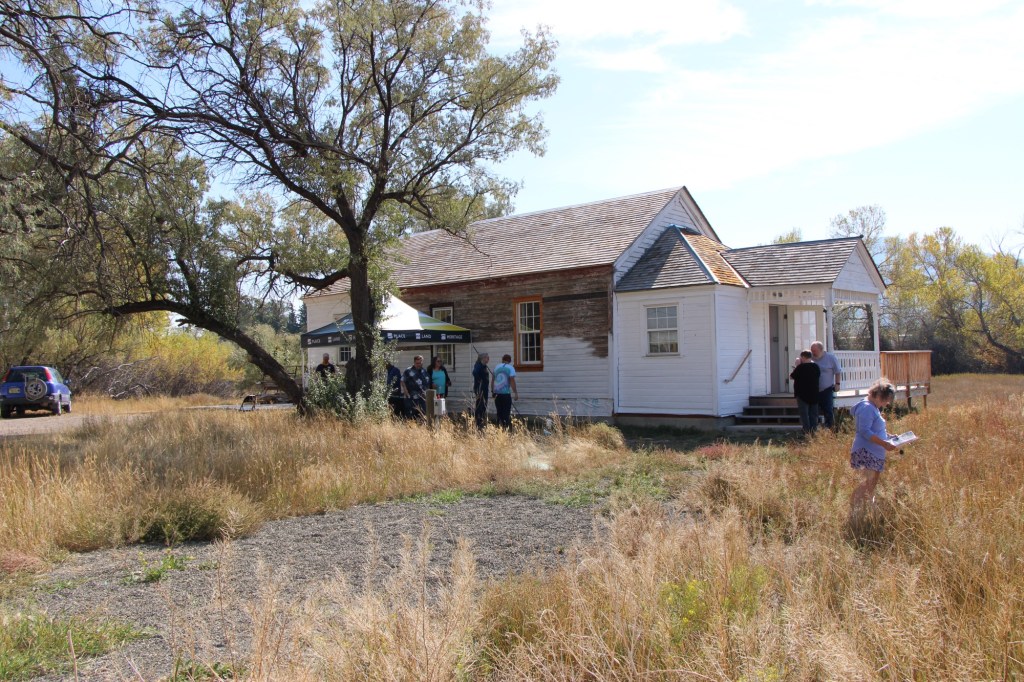
This year’s grants of the Foundation for Montana History are supporting many worthy projects across the state. One that I have been watching for some time, about 7 years, is the progress made in the restoration and reuse of the historic Baxendale School outside of Helena.
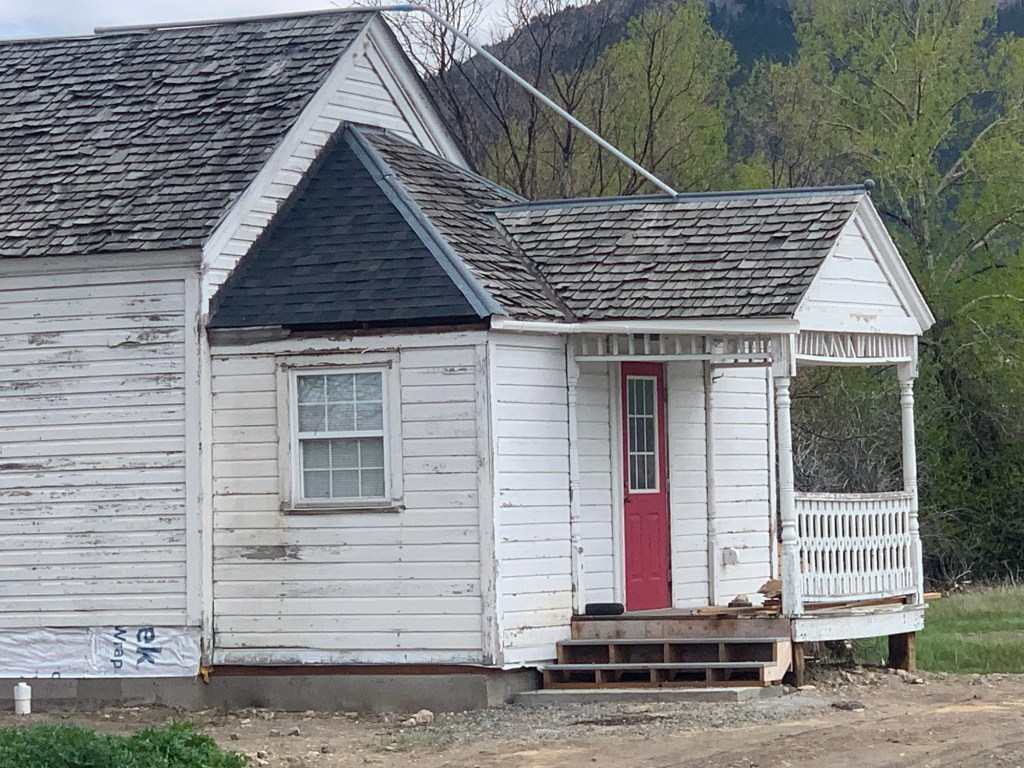
Built in the 1890s, it served as a one-room school in rural Lewis and Clark County until the mid-29th century. Luckily no one tore it down over the following decades. About 15 years ago Preserve Montana (then called the Montana Preservation Alliance) carried out a study of the state’s one room schools and convinced the National Trust for Historic Preservation to list Montana’s rural schools as one of the nation’s most threatened historic resources.
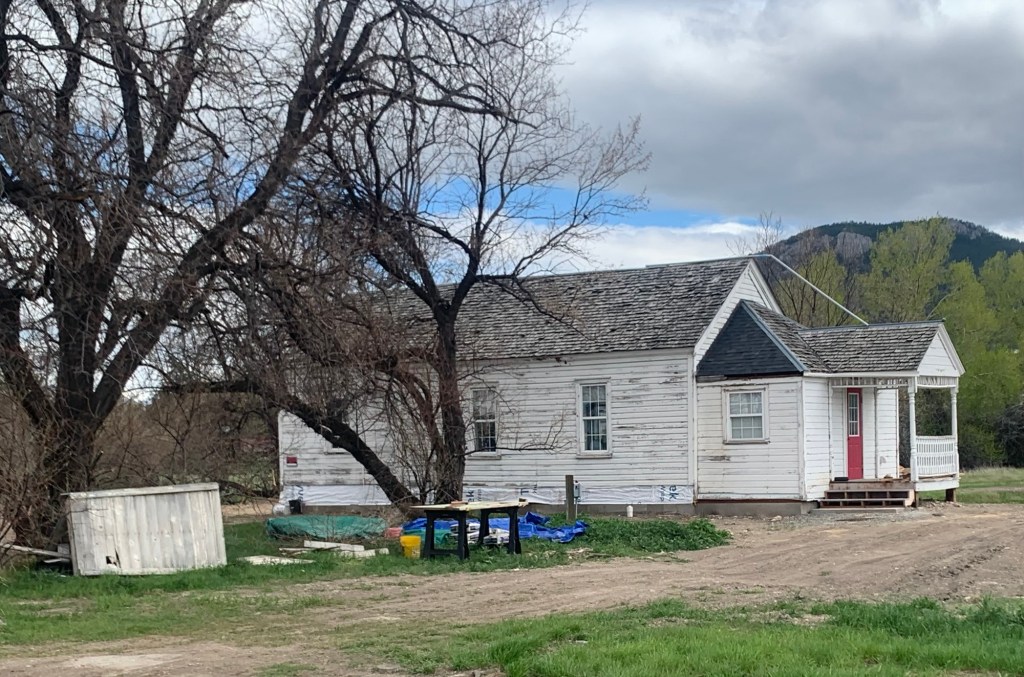
But Preserve Montana wanted to do more than advocate for preservation. I wanted to demonstrate how to give these buildings new lives. In 2019 it acquired the Baxendale School, moved it to the outskirts of Helena, and began to use it as a hands-on training center for the repair of older buildings.
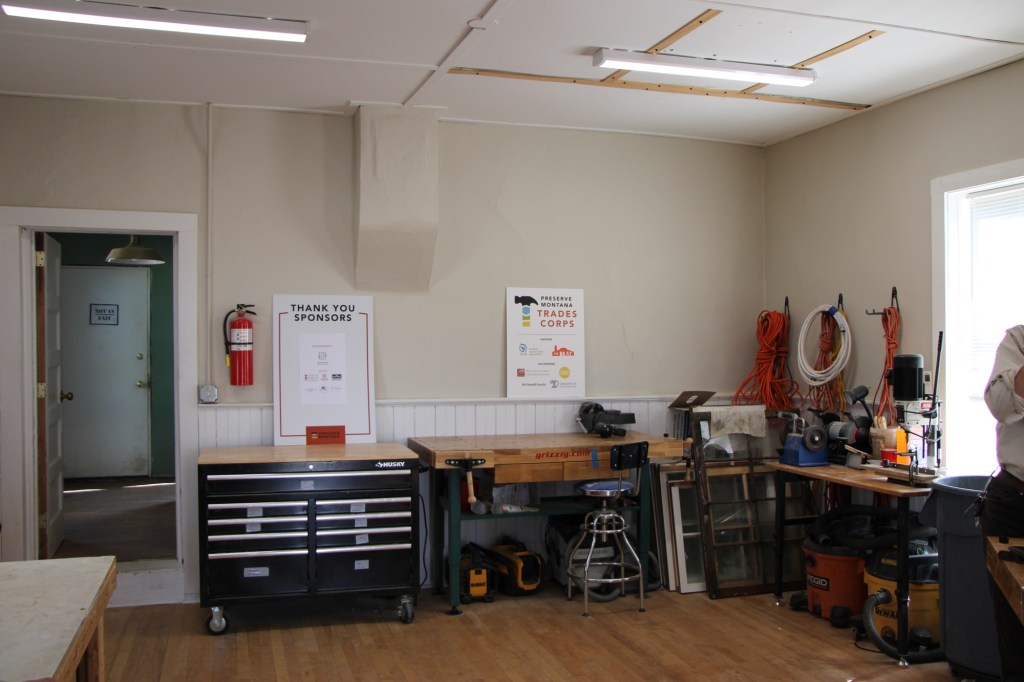
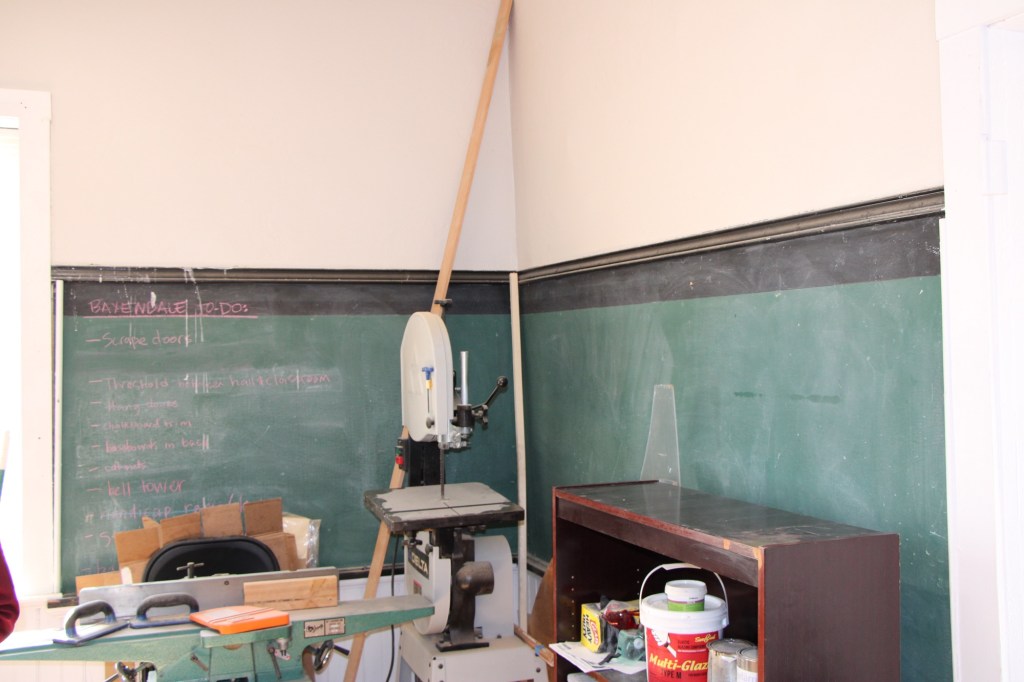
School interior in 2025
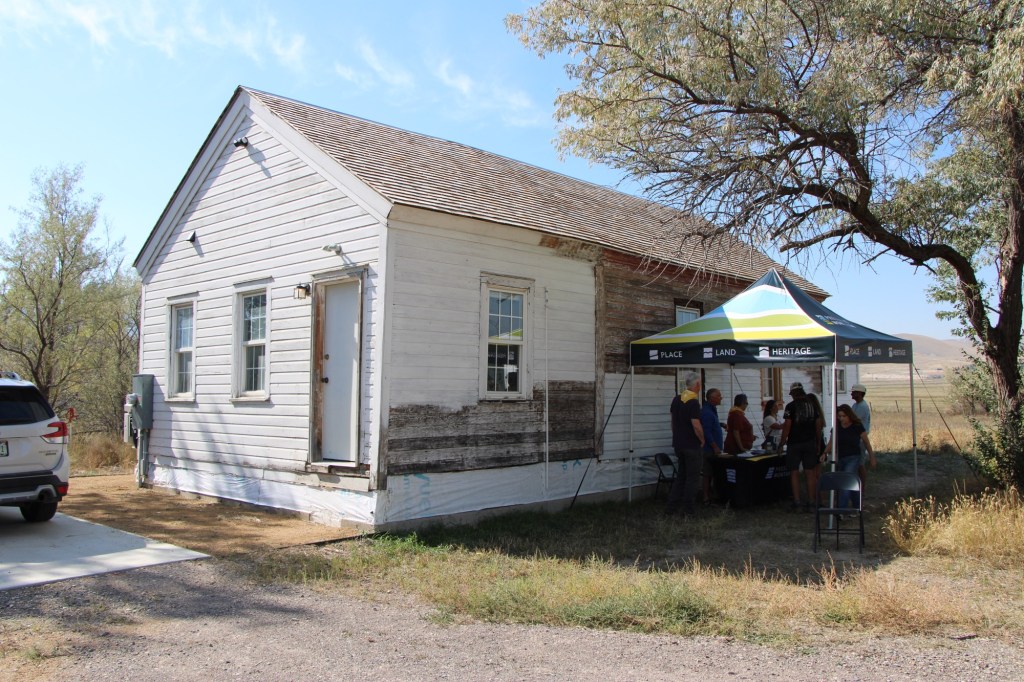
School in 2025

I was able to see the progress up close in the fall of 2025, and came away impressed with the progress and plans for next steps.
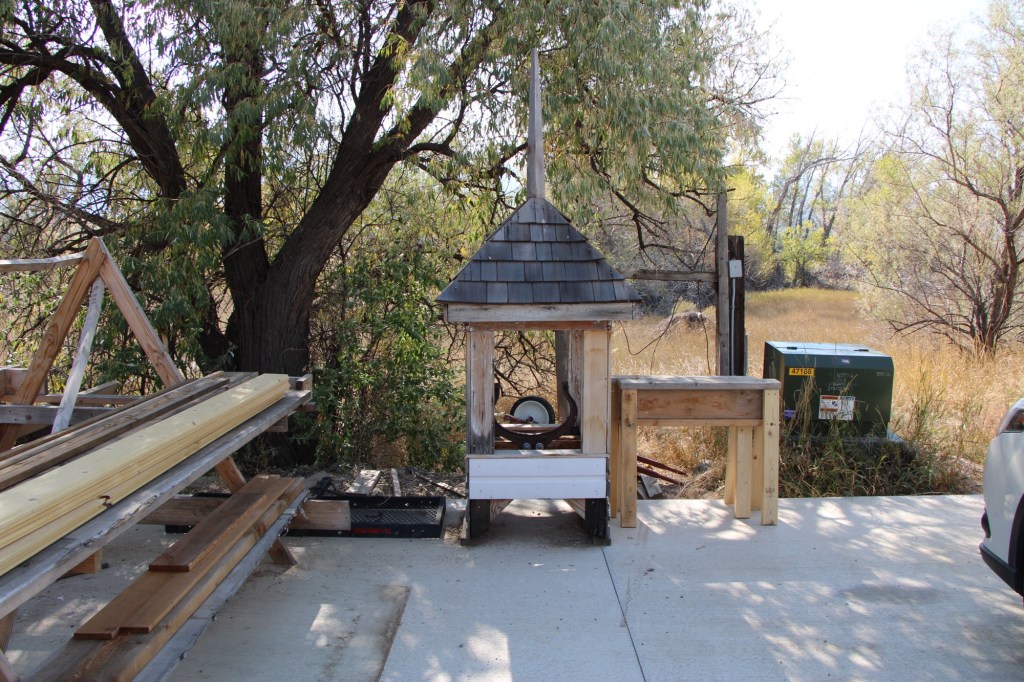
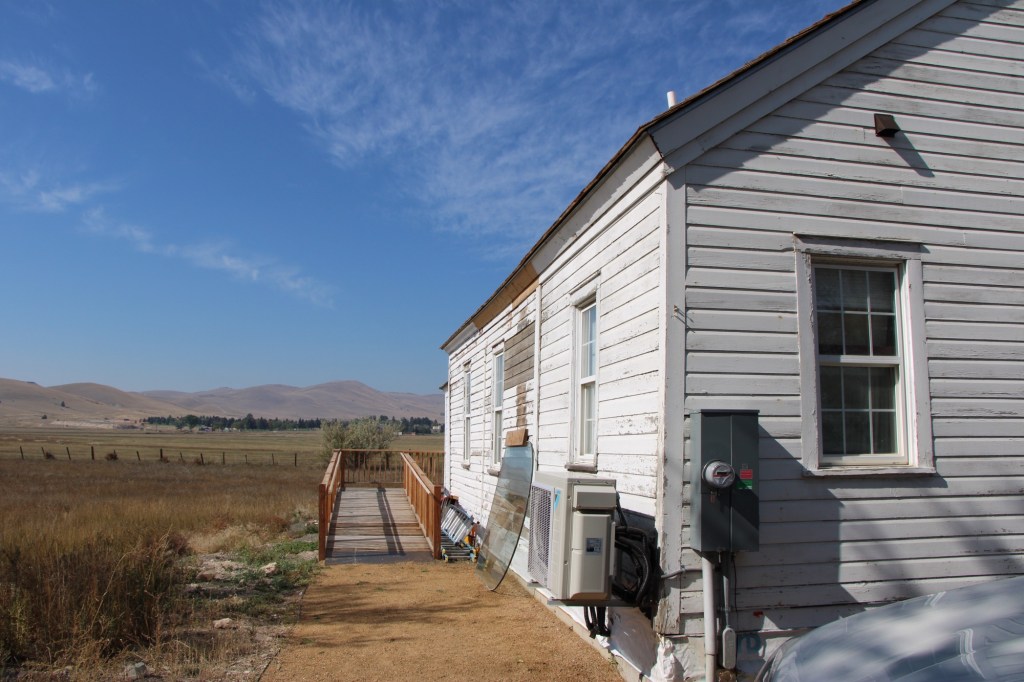
The support from the Foundation for Montana History will help complete the exterior restoration. What a productive partnership between the Foundation and Preserve Montana!
Good news in Billings

The Foundation for Montana History does many good things across the Treasure State. The Foundation announced its new round of grant awards and I was extremely happy to learn of the grant for a preservation study for the Westetn Heritage Center.

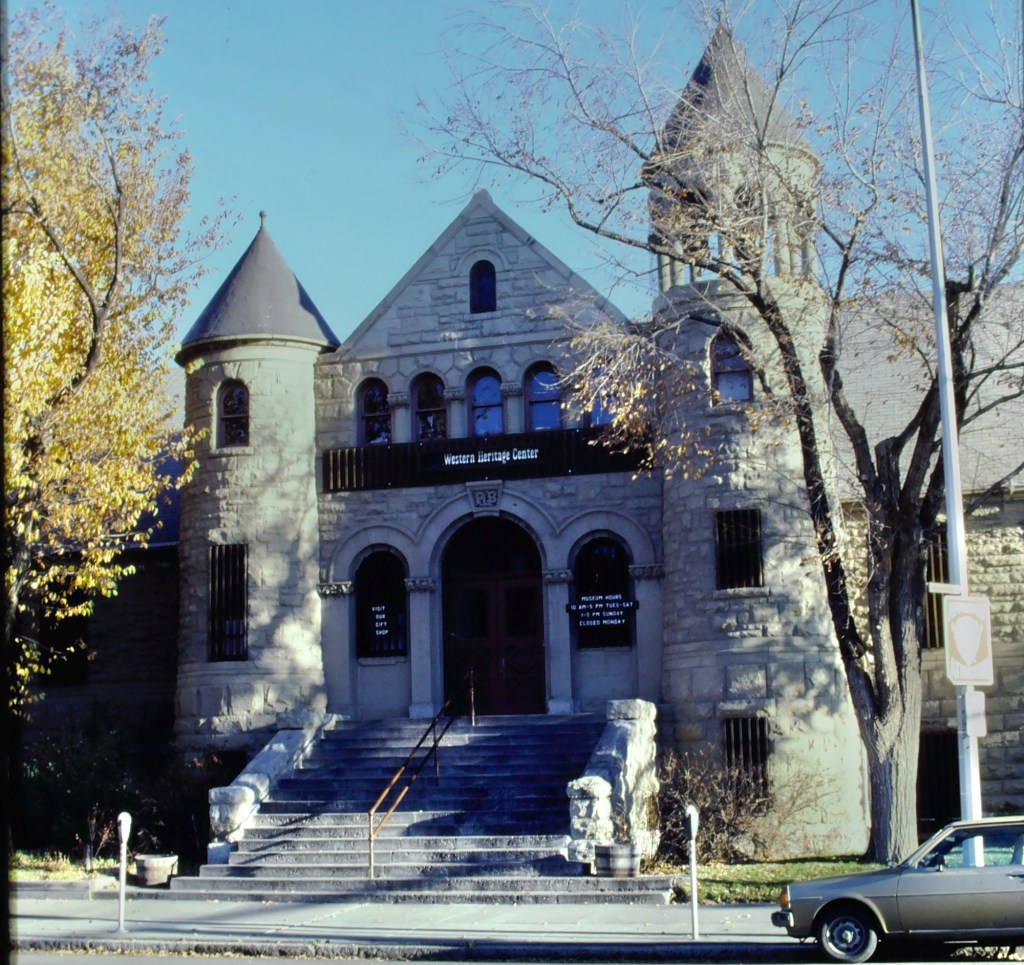
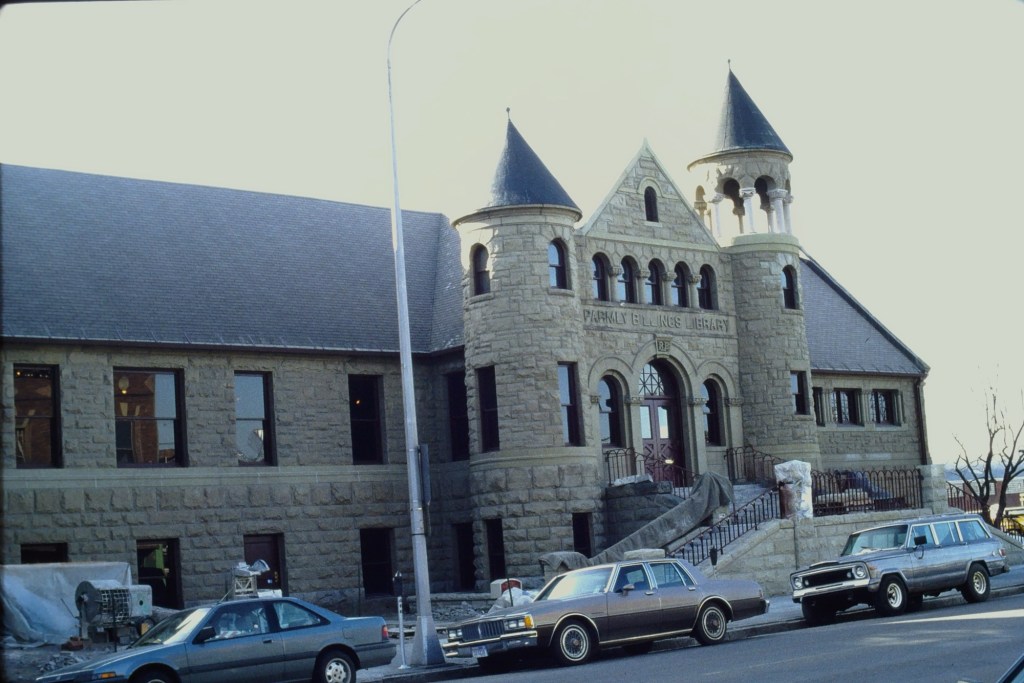
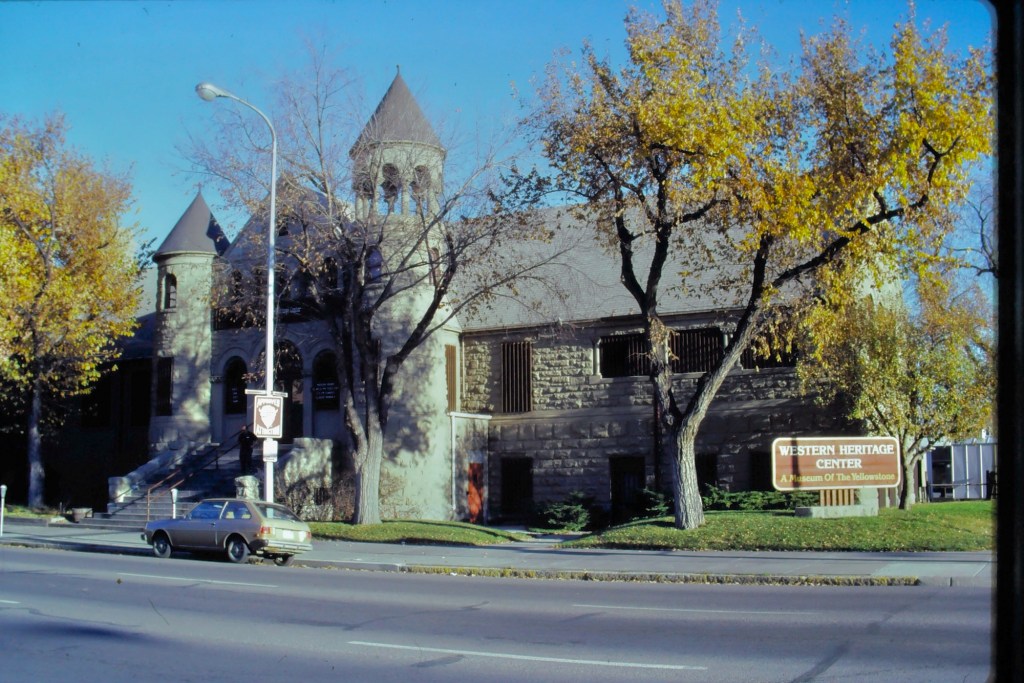
WHC in 1986

The WHC has been an outstanding regional museum for decades and my professional relationship with the museum is almost 45 years in duration.

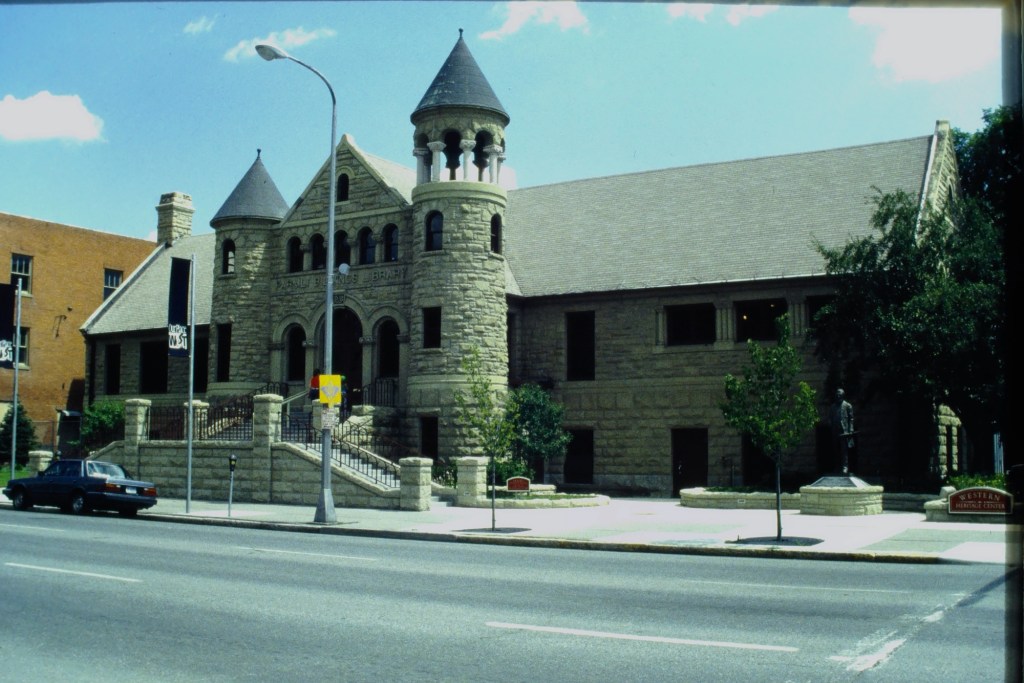
WHC in 1986

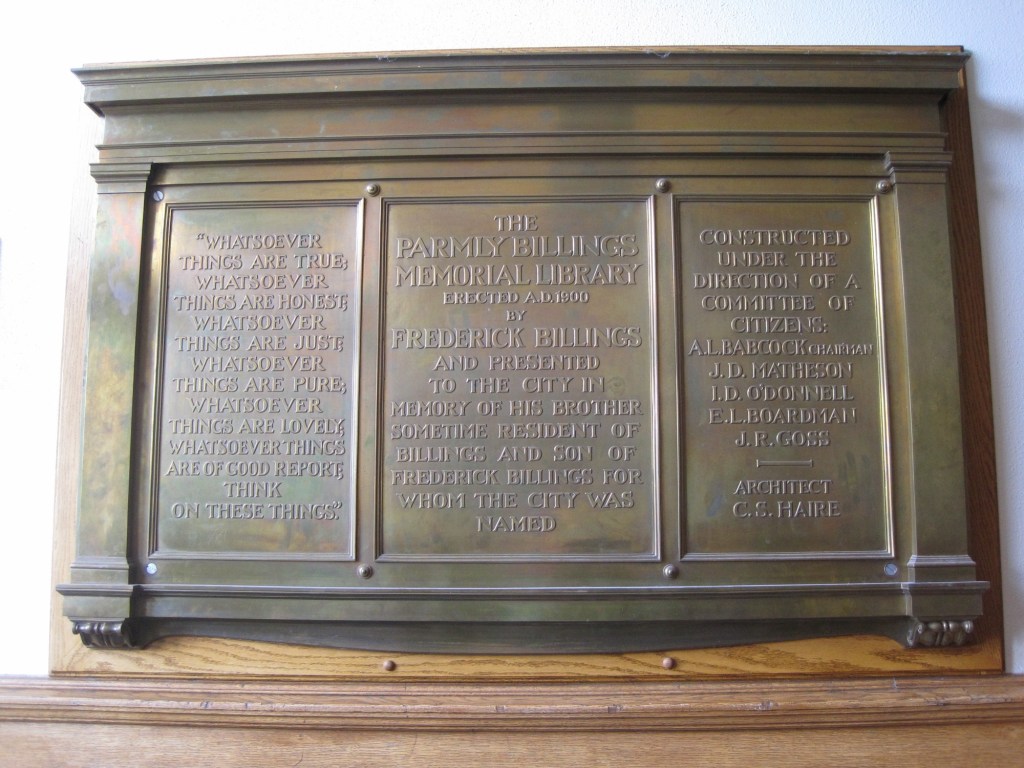
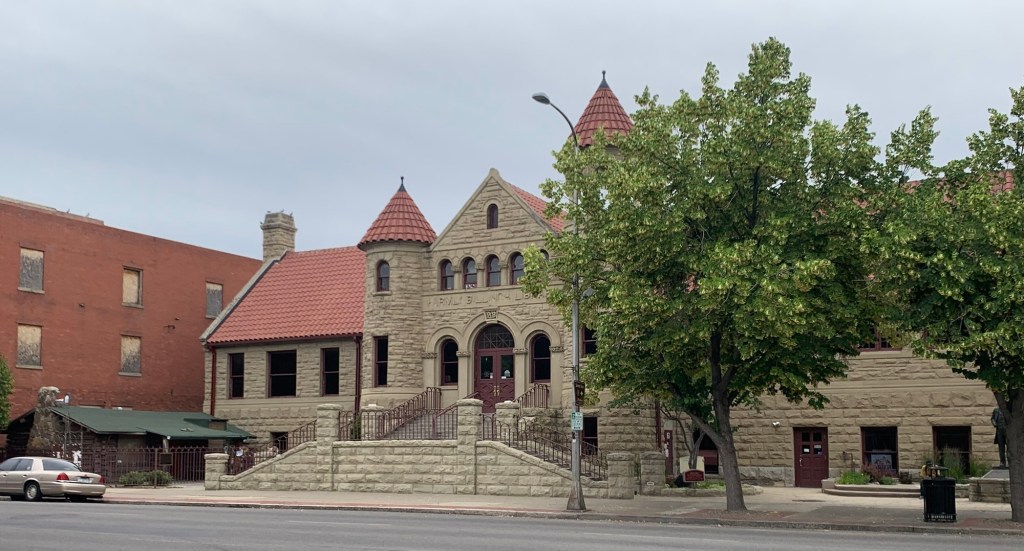
The building was constructed at the turn of the century in honor of Parmly Billings, a pivotal figure in the city’s early development. He was the son of Frederick Billings, the city’s founder and namesake. Parmly’s brother, Frederick, Jr., donated funds for the building to be the Parmly Billings Memorial Library. Montana architect Charles S. Haire designed the library in a Richardsonian Romanesque style. Supervising the project were several leaders of Billings including Albert Babcock and I.D. O’Donnell, who had been a good friend of Parmly.

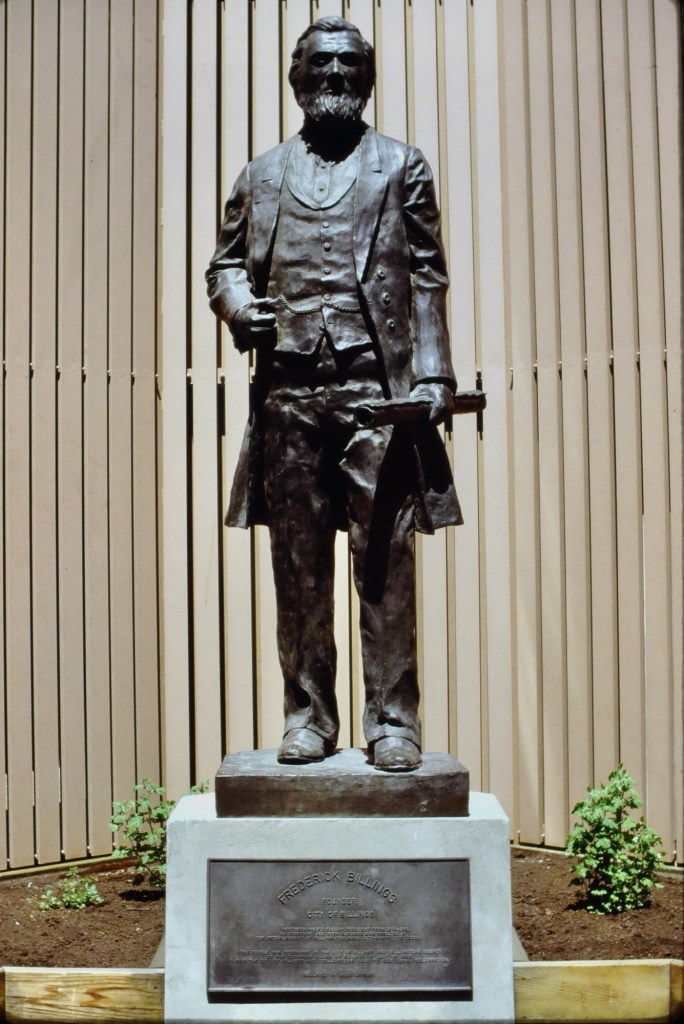
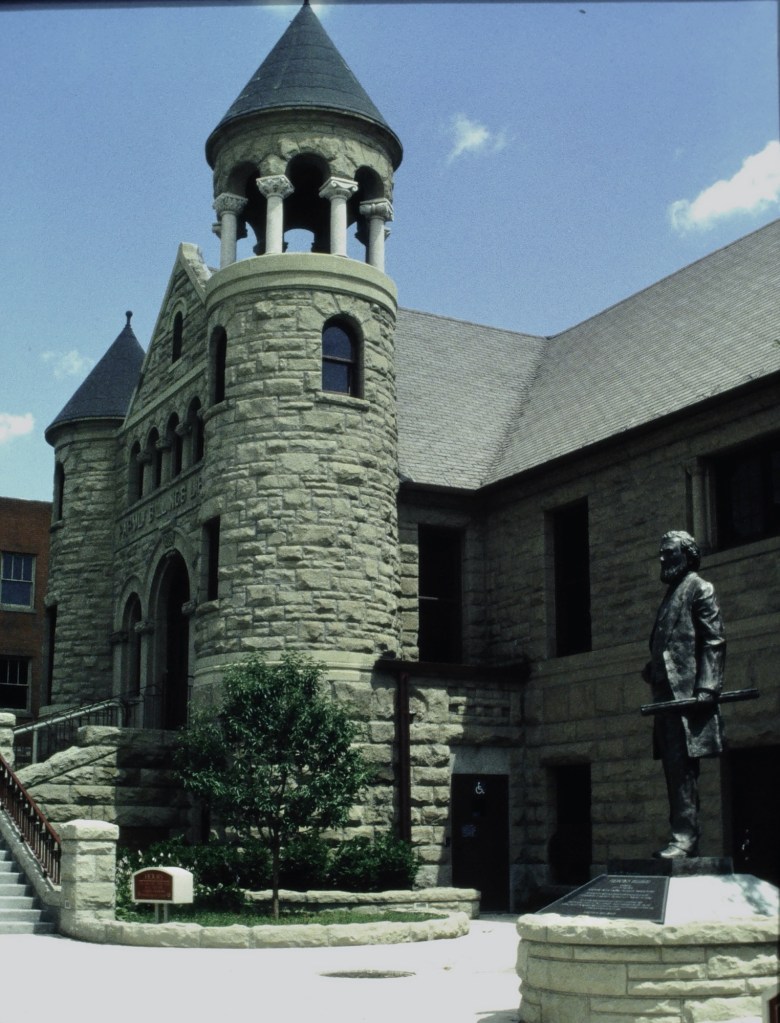
In the early 1990s visionary WHC director Lynda Bourque Moss reconnected the museum with the Billings heirs and they helped to fund a renovation that restored the original entrance and name and also reorganized the landscape so that a statue of Frederick Billings, which had stood alone in front of a city parking garage, could stand in front of the building.

The Billings statue at the city parking garage 1988
WHC in 1993
WHC in late 1993 with Billings statue
WHC in 1993

I was involved with the museum both for the research of my book Capitalism on the Frontier: The Transformation of Billings and the Yellowstone Valley (1993) and an award winning exhibit on the valley’s history that was created in 1990s.

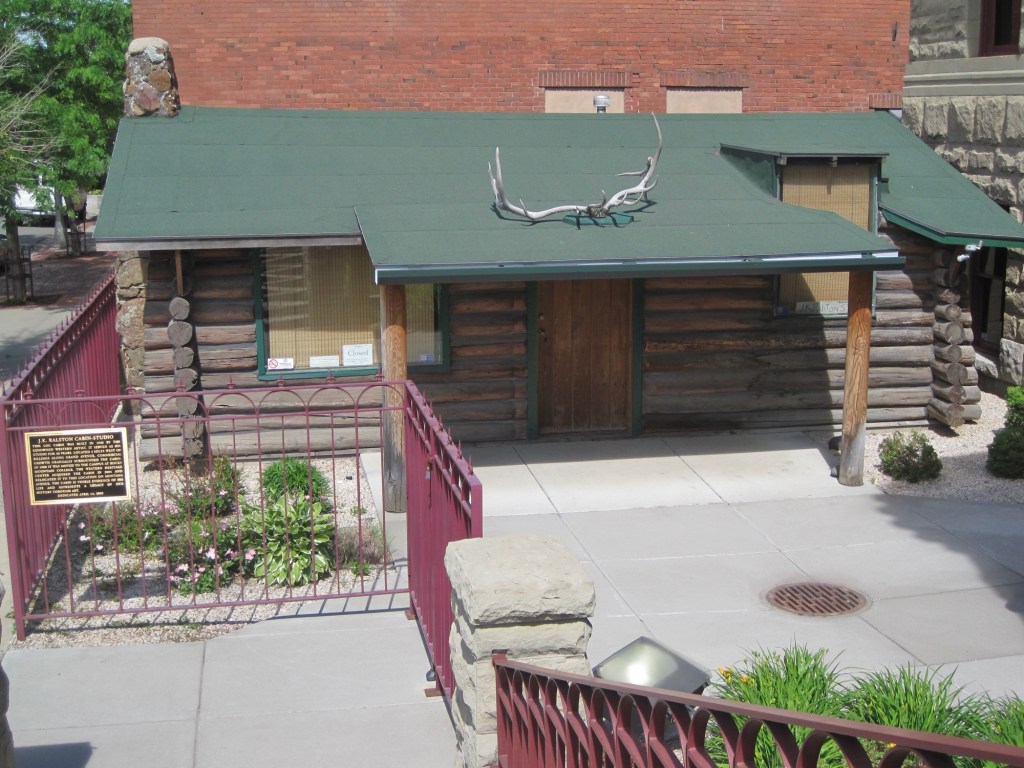
Since then I have of course visited the museum on numerous occasions. In the new century, the museum accepted the donation of the J.K. Ralston studio to the east corner of the property.

WHC in 2011
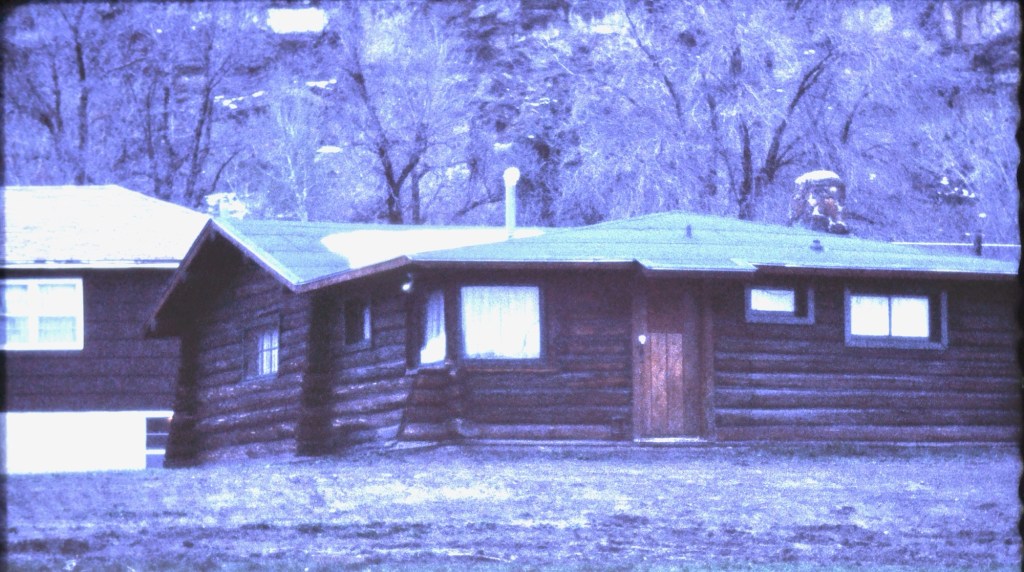
Ralston cabin at Rocky Mountain College 1991
Ralston cabin installed at WHC, 2011

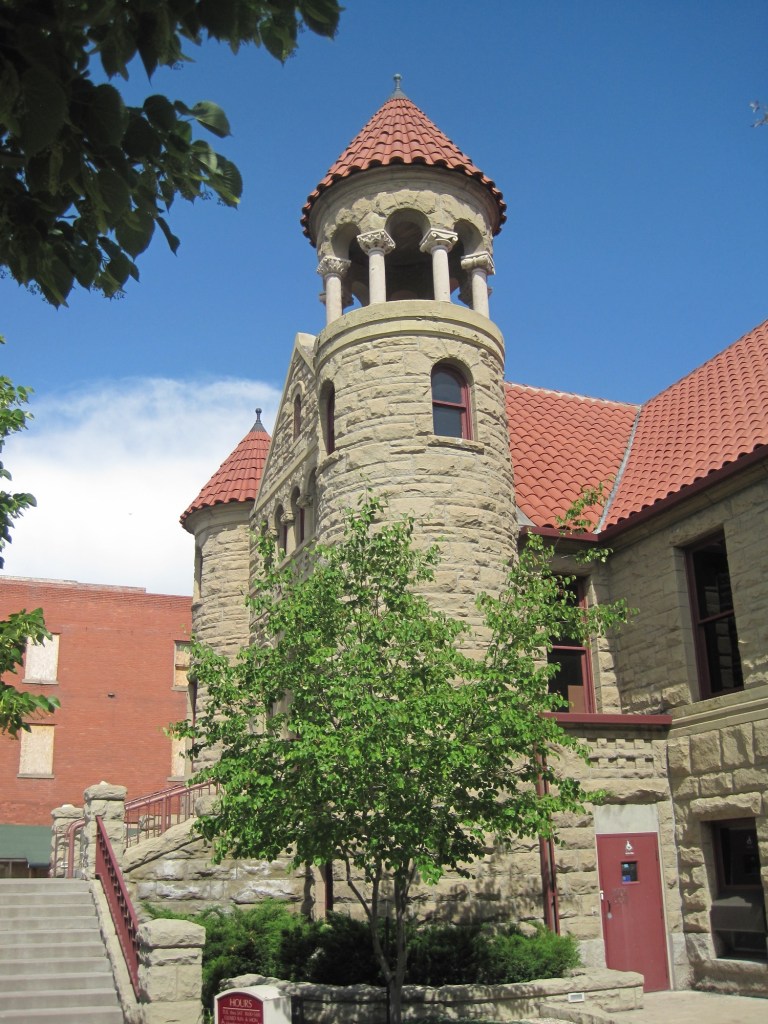
it has been over 30 years since the mid-1990s renovations and so it’s time for a new preservation assessment of this very significant building. Congrats to the Foundation for Montana History for making it happen!

WHC in 2025