St Gabriel’s and Kuper Cemeteries: Sacred Grounds in Chinook, Montana

North of Chinook are two adjacent late 19th centuries. The earliest is the Kuper Memorial Cemetery, originally known as the Chinook Cemetery. From newspaper accounts, burials there date to at least 1894 when former Canadian lumberman Gilbert McIntosh was laid to rest. Chinook newspapers also note that St. Gabriel’s Catholic Cemetery, immediately south of the city cemetery, dates to 1898 when prominent Catholic civic leader Thomas O’Hanlon was the first person to be buried in the new Catholic cemetery. The Chinook Opinion of February 17, 1898, called O’Hanlon “practically the founder of this little city and its interests have been his own for eight years passed [or 1890].”

St Gabriel’s Cemetery entrance
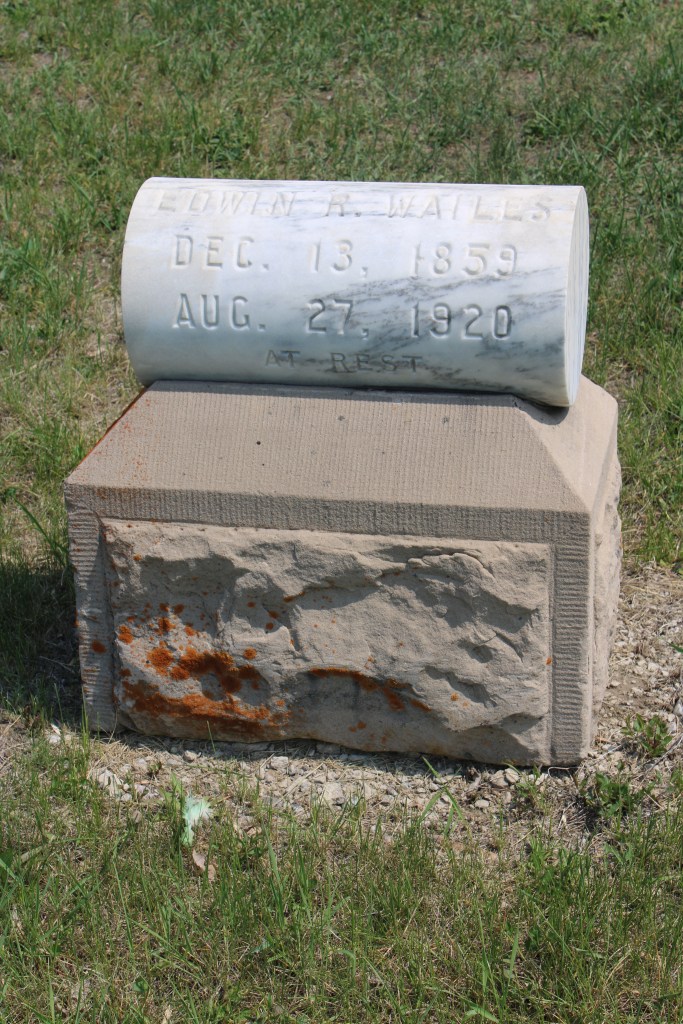
Isome Harve Harris, 1895, is another early burial in the Kuper Cemetery

For its first generation the two cemeteries lacked water and regular upkeep. Chinook women tackled the problem first. In 1910 a Ladies Cemetery Committee formed to raise “money for the Cemetery fund which is to be used in beautifying the Chinook cemetery grounds.” [Chinook Opinion 11/3/1910] The women served meals on Election Day, charging 50 cents a meal. “The bill of fare will consist of chicken pie, mashed potatoes, salads, pickles, cake, bread and butter, pie and coffee.”

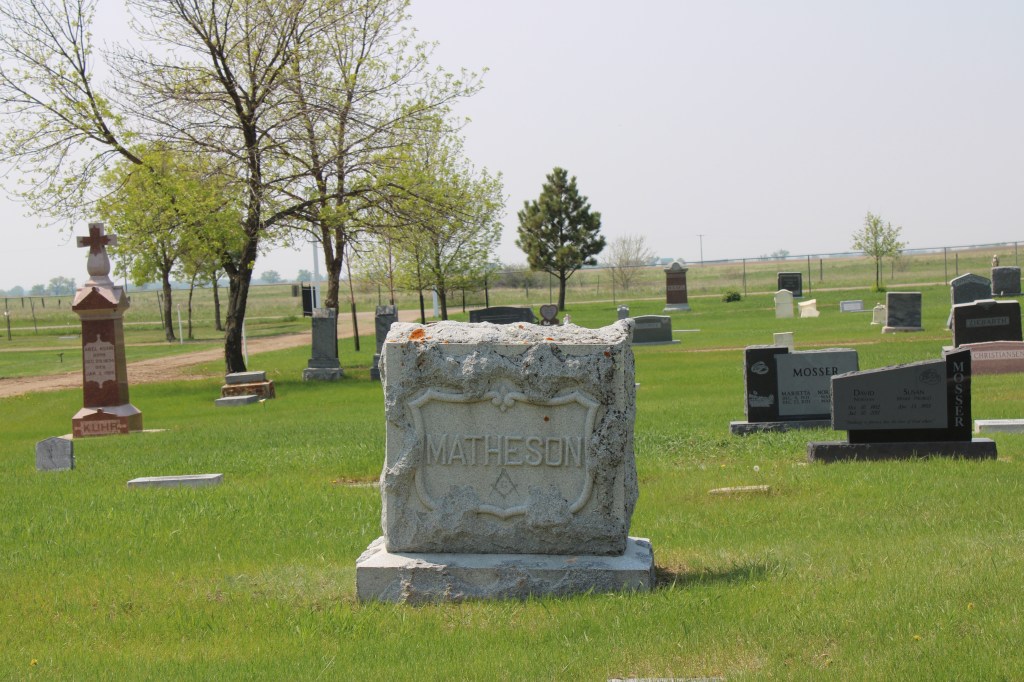
The grave markers below reflect the different types found in the cemetery by 1910.
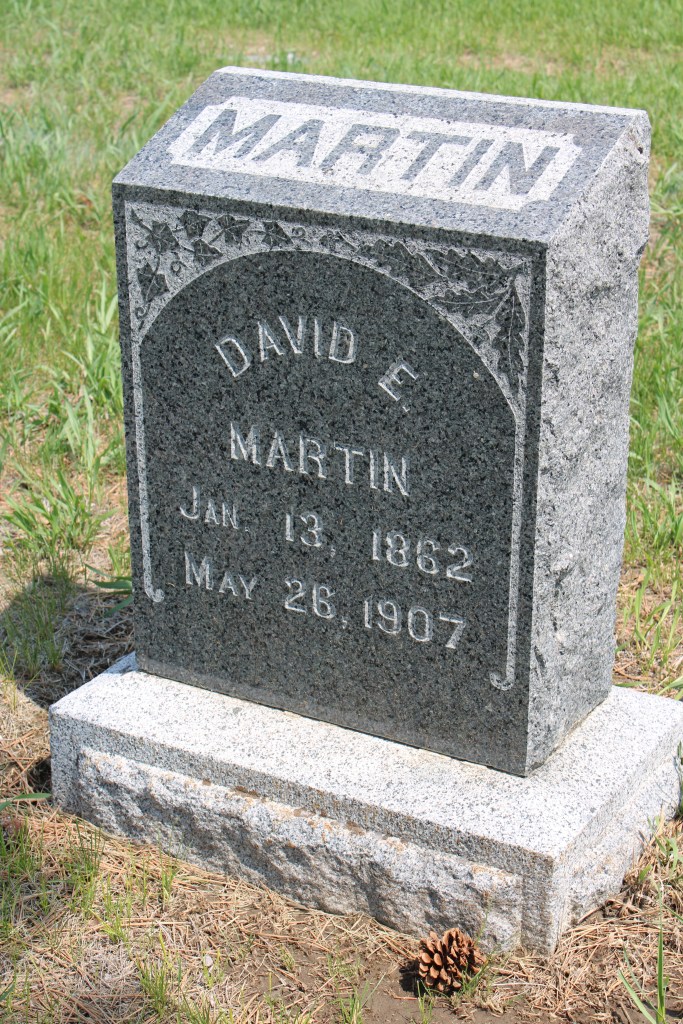
The following year Chinook women hosted a recital by Mrs. Riggs to raise funds for the city cemetery. By the fall of 1911 the Chinook Cemetery Association had formed, informally. The group discovered that the “plat of the Chinook Cemetery has never been filed for record.” [Chinook Opinion 1/23/1913]. By the summer of 1913 the Chinook Cemetery Association had filed its articles of incorporation with the Blaine County Clerk. The Chinook Opinion of 8/14/1913 explained: “The association was incorporated in order to provide a legal body that could take over the management of the local cemetery and make the needed improvements as fast as money can be raised for them. The town does not care to do anything with the management of the cemetery but there has been no legal body to whom the council could turn the care of the funds and the grounds over.”
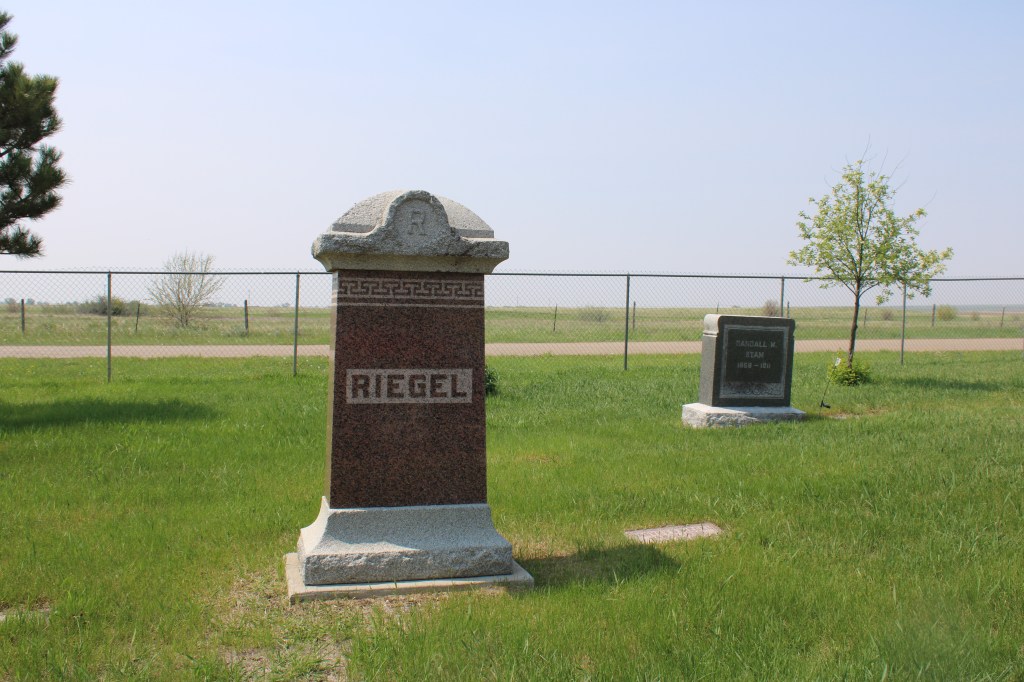
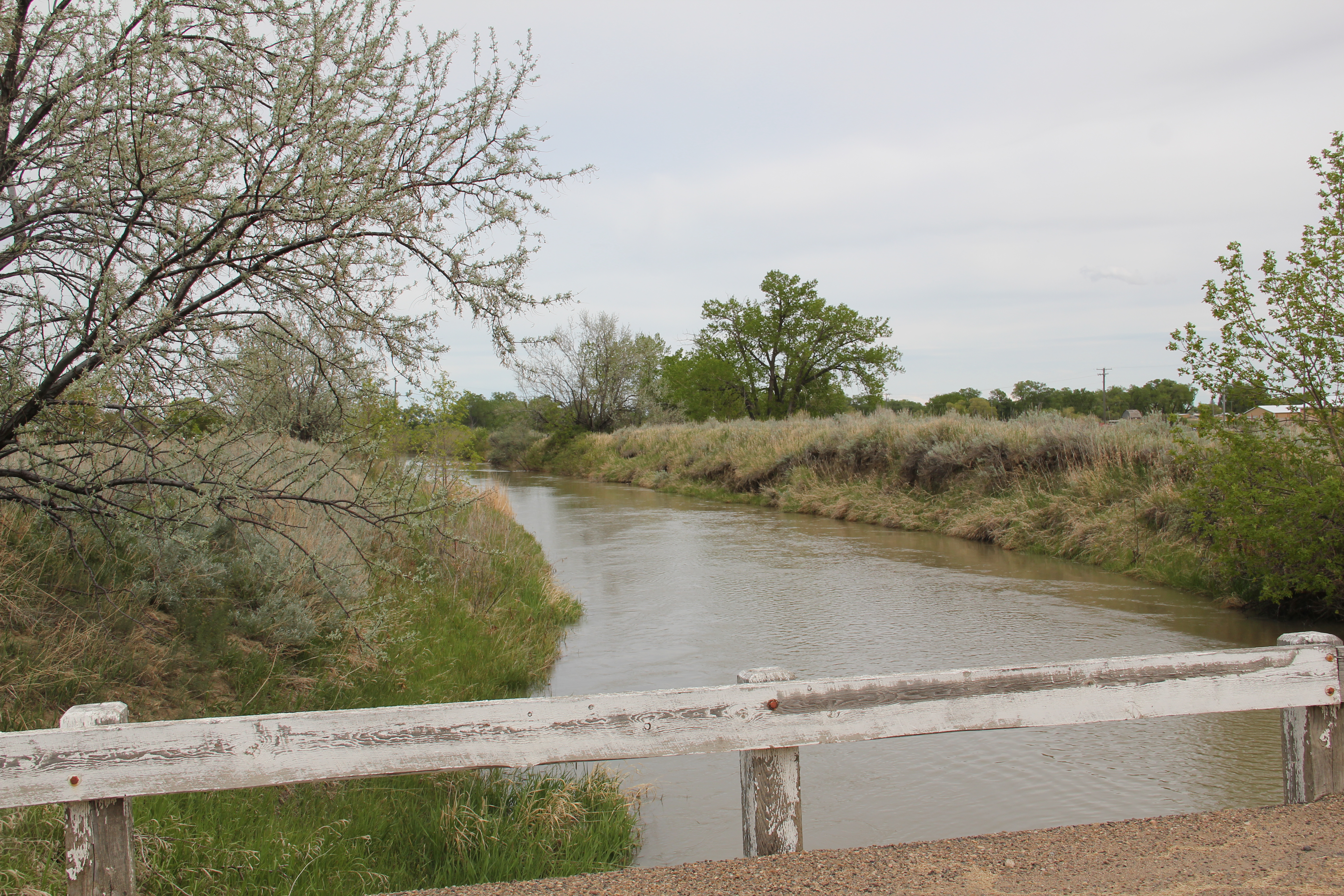
But the beautiful appearance of both cemeteries didn’t come about until the 1920s. The construction of a new irrigation canal through the unfenced St. Gabriel’s cemetery brought Catholic Bishop M. Lenihan to Chinook in 1923 to discuss the matter. The Belknap irrigation district got its way: a canal defines the southern boundary of the Cemeteries.

Then in 1927 the Chinook Lions Club pledged support and funds to install a permanent water supply and irrigation system to the city cemetery, with the water coming from the Belknap canal.
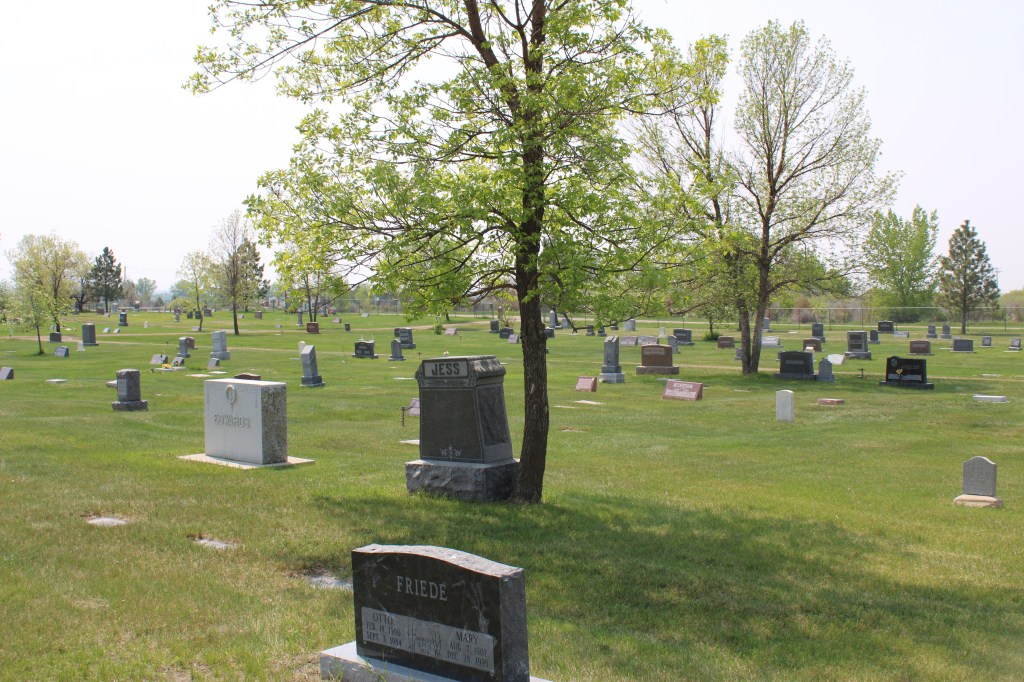
Once the water supply was secured, the Lions Club planted 180 trees throughout the grounds.

By May 1927 Catholic leaders had decided to join the effort to irrigate both cemeteries and Lions Club together with American Legion members began to make preparations to plant trees. Over the years a large memorial section for local veterans was developed at the northeast corner of the property.

The Chinook Opinion of May 5, 1927 asserted: “The improvement of the barren and desolate looking grounds is an improvement of considerable merit and the two boards and committees in charge are being generally commended for the success they have had in working out the plans.”
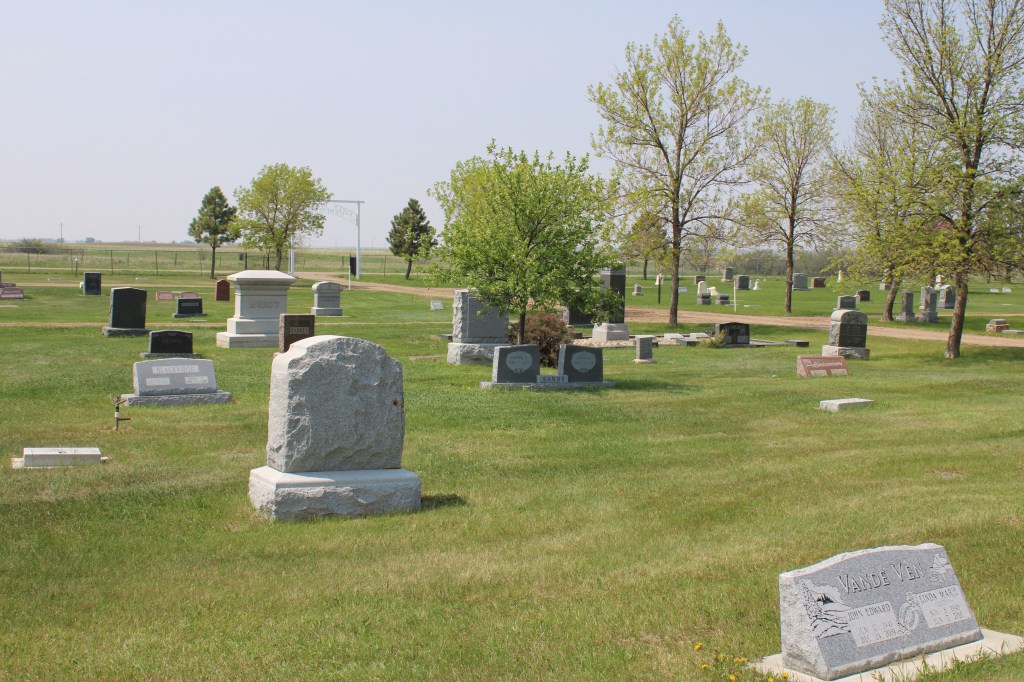
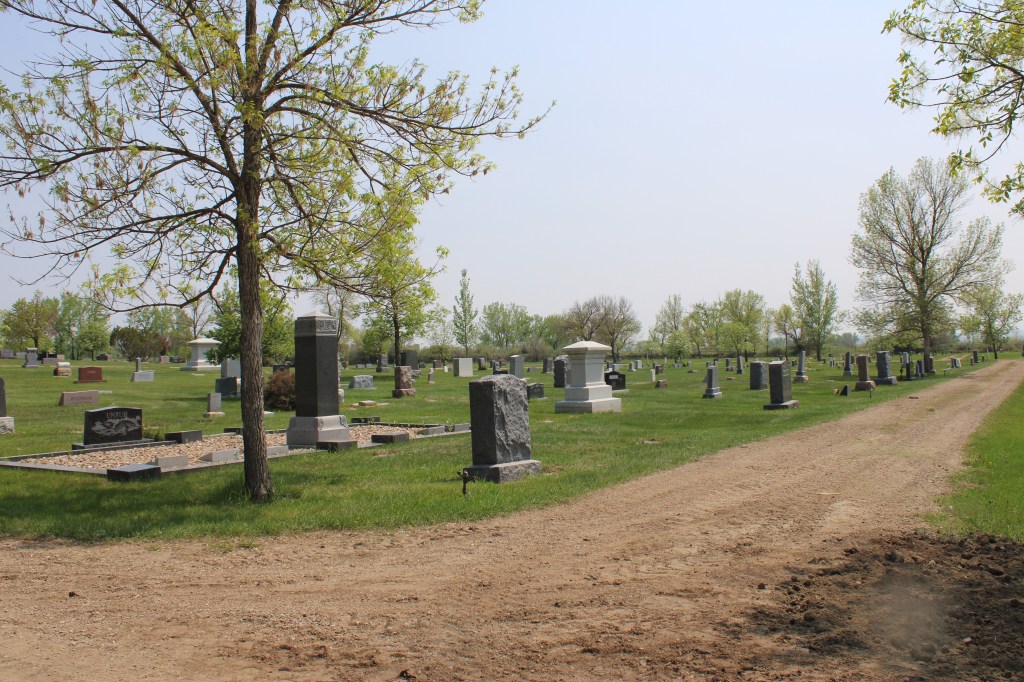
A couple of years later a new undertaker in Chinook, Herman H. Kuper, began a fundraising campaign to have a caretaker for both cemeteries. He argued that the cemeteries could be planted with trees, flowers, and other ornamental plantings, then mowed regularly. For almost 100 years ever since the Chinook Cemeteries have been well maintained.
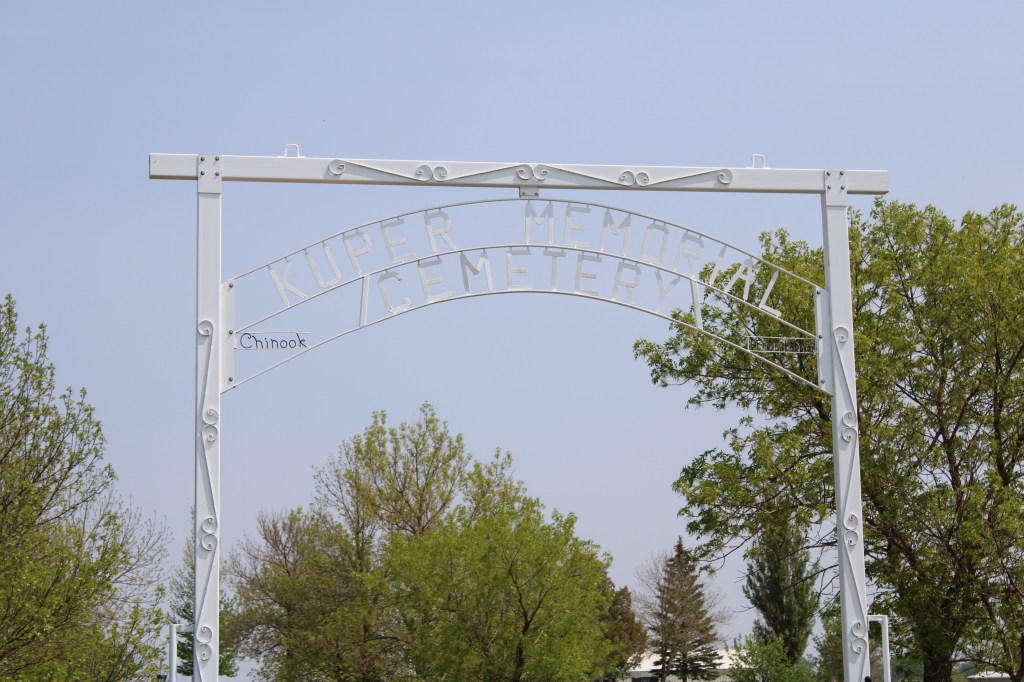
Thus it comes as no surprise that in c. 1978-79 the city cemetery changed its name to the Kuper Memorial Cemetery. Kuper (died 1978) not only was a successful businessman, he served the city as an alderman and as Chinook mayor.

Mint Bars of Montana

img_9982

Now that I fulfilled the original goal of this effort to document the Montana historic landscape 30 years after my first attempt in 1984-1985, I want to have fun with many blogs to come, covering themes and places that help to define the Big Sky experience.  After covering all 56 counties, there are many ways to start, but the most natural to me is bars and taverns, those community gathering spots that I learned to love, and learn from, all across Montana.

Gallatin Co Belgrade 5 – Version 2

Belgrade, Montana.

Let’s first just look at and recall Montana’s Mint Bars–they are in every region, and to every taste.  Why so many mints–this is far from Mint Julep territory of Kentucky and Virginia.  Who cares–I never found one that wasn’t welcoming, and fun.

img_7096

Townsend, Montana.

Lincoln Co Libby Mint Bar

Libby, Montana.

img_7151

White Sulphur Springs, MT.

The Mint Bar in Livingston, above, remains one of my favorite of the “brand” and is part of the downtown Livingston historic district.

montana-2007-040

Martinsdale–maybe why I like U.S. 12 is that it has 3 Mint Bars.

The rejuvenation of the Mint Bar in Lewistown, above, is a very pleasant change over the last thirty years.

img_9102

The Mint in Shelby is just one of the classic bars along the town’s main street.

img_8546

Always a fan of the Mint Bar in Big Sandy.

img_8385

Chinook, MT, part of the National Register-listed Lohman Block.

img_7708

Opheim, Montana.

img_7443

And last, but not least, the Mint Bar of Froid, up in the northeast corner of the state, in Roosevelt County.  Why I like Froid so much, I cannot explain, but I always like going there.


The Chief Joseph Battleground in Blaine County


Image


In 1984 I was very eager to see the Chief Joseph Battleground, as many historians and residents called it 30 years ago.  Here in 1877 Chief Joseph of the Nez Perce surrendered to the U.S. Army, which had pursued Joseph and his followers across most of Montana, starting in Beaverhead County in the southeast corner, extending as far east along the Yellowstone as present-day Laurel, and then striking north for the Canadian border.  They made it as far as this wind-swept prairie 15 miles south of Chinook.
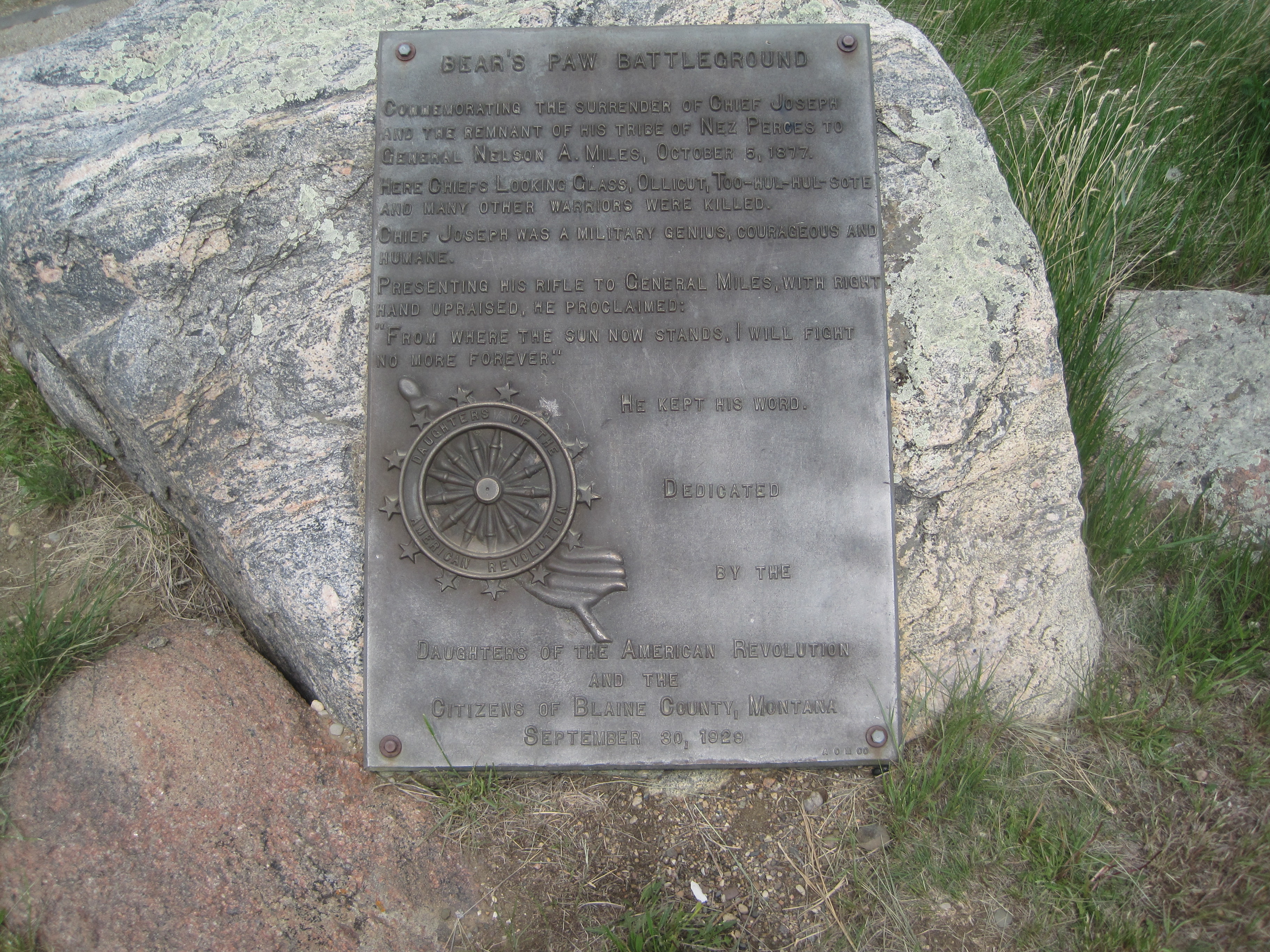
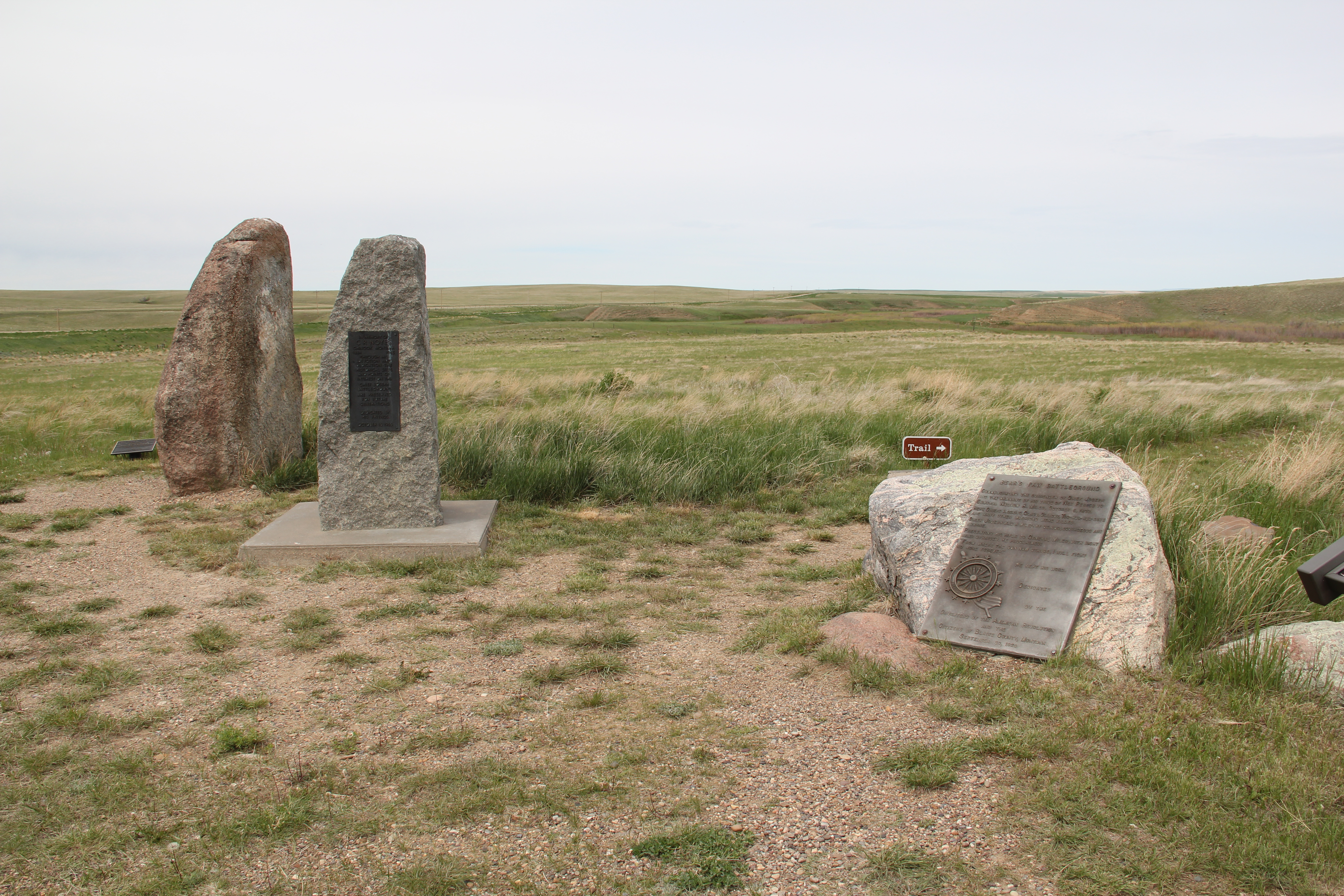
In 1984, on a cold winter morning, the site was spectacular and I gave a tip of my hat to the local residents who had made the effort to preserve the site–and acquire enough land that you could gain a strong sense of place, and of destiny.  The level of interpretation at the battleground was disappointing.  There was a mounted bust of Chief Joseph (not full-sized; it looked lost on the vastness of the space) which has since been moved.  There were metal plaques noting Chief Joseph’s surrender to Gen. Nelson Miles, erected by the DAR and the citizens of Blaine County in 1929 and by Congress in 1930. And most recently, a 1966 marker to C. R. Noyes, the local 


Image    Image

rancher who had played the key role in saving the battleground.  There was not much else to explain the significance of the Nez Perce campaign nor what happened there in the fall of 1877.  When I next visited in 1988, the story was the same.

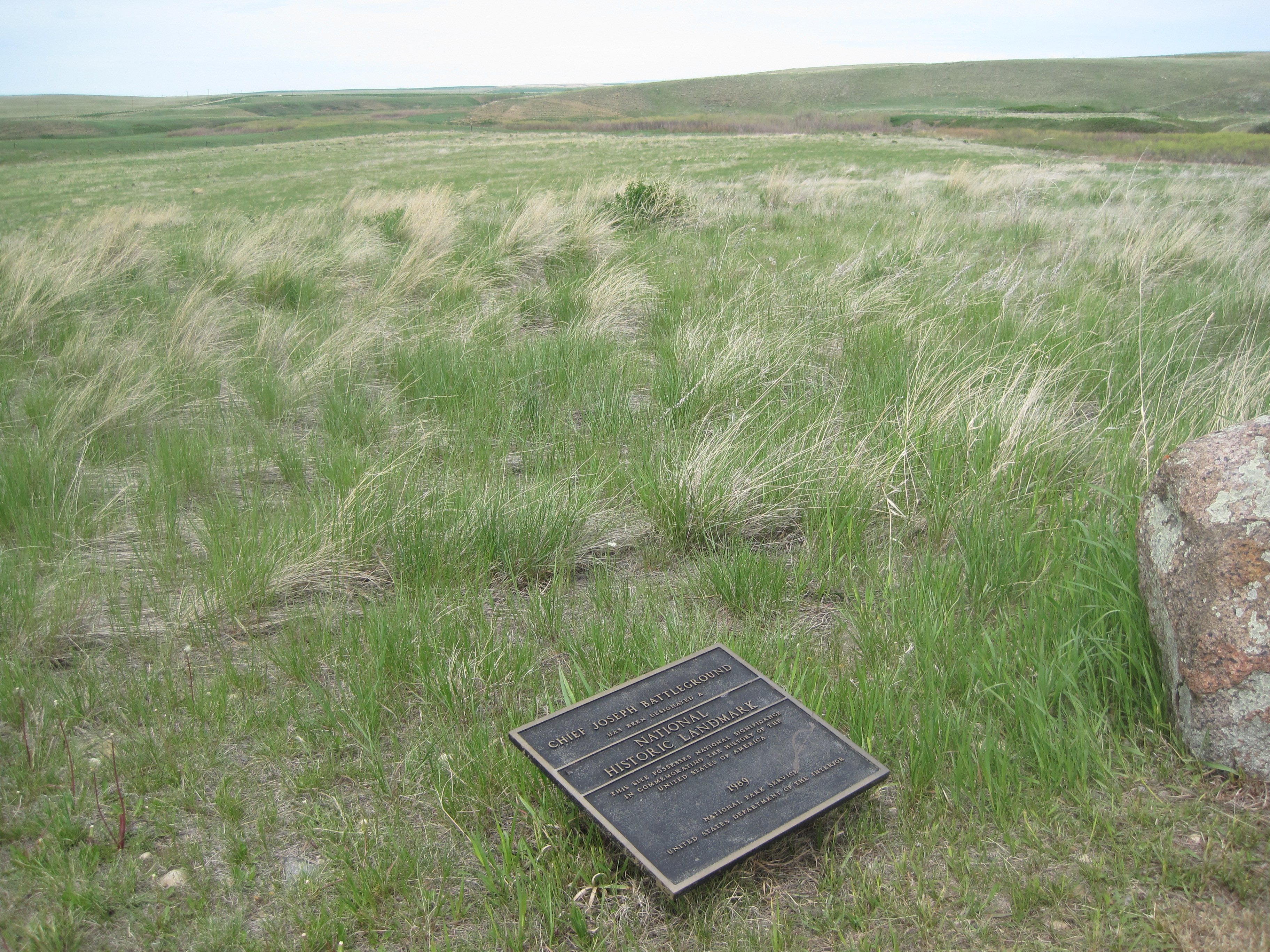
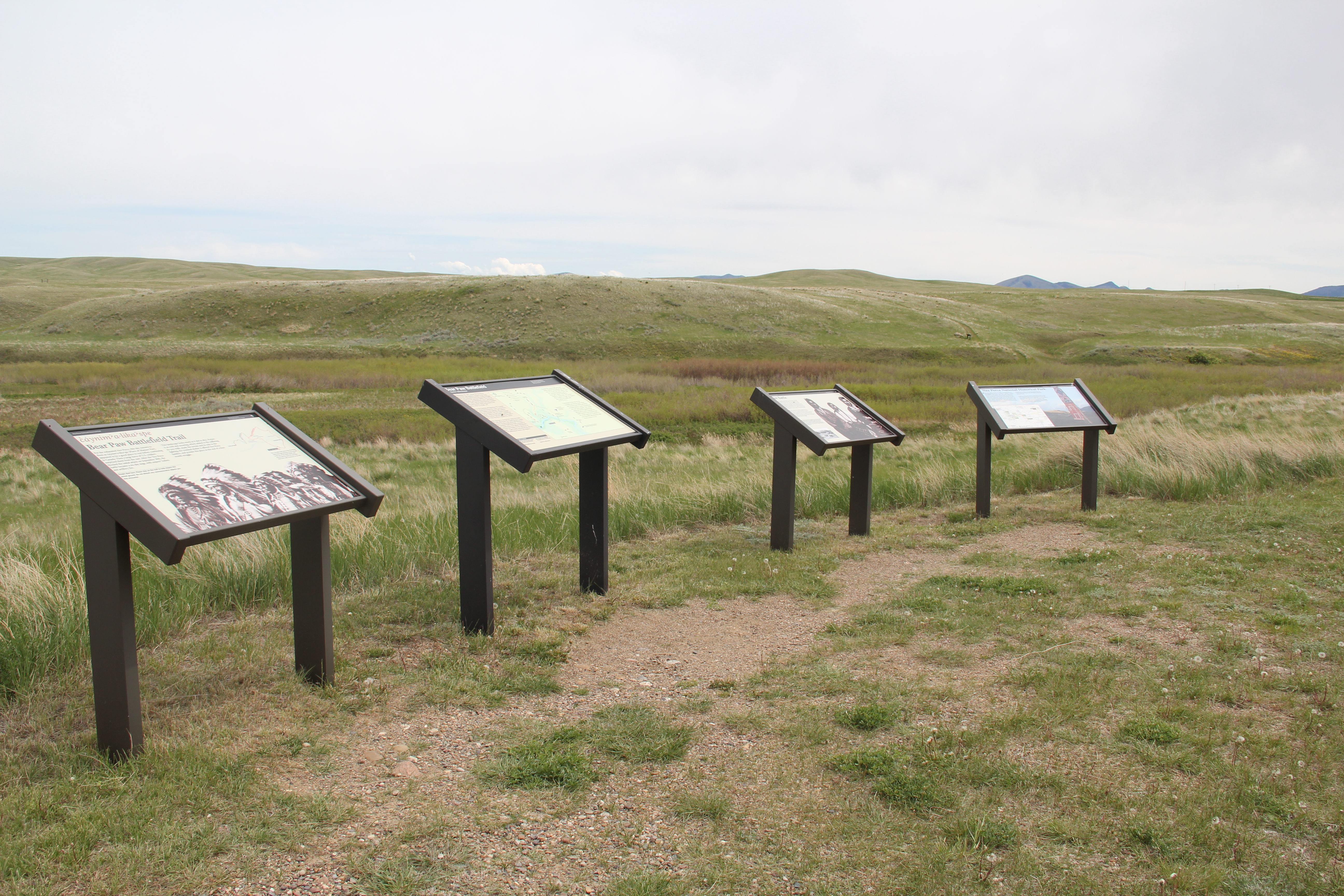
In 1989 the National Park Service designated the Chief Joseph Battleground as a National Historic Landmark–the first step in a new future for the park.  Then it became a key property in the Nez Perce Historical Park, which has units from Idaho to Montana.  New interpretive trails and interpretive markers are the most recent additions, telling a much broader story than the old metal markers were capable of doing.  

Image


The experience today is far different than 1984.  There is still no visitor center–the new one at Big Hole Battlefield in Beaverhead County is superb however–and the Blaine County Museum in Chinook still carries that burden of interpreting the story.  But there is truth in the landscape now, as never before.  The trails, markers, and landscape combine to create a deeper understanding of why the Nez Perce stopped here, why it was difficult to escape the U.S. army, and what that trek and all of those stories might mean today.

ImageImage


The two layers of interpretation–that of the early 20th century and that of the 21st century–co-exist within a special place.  Here is one preservation success in the last 30 years that deserves to be better known.

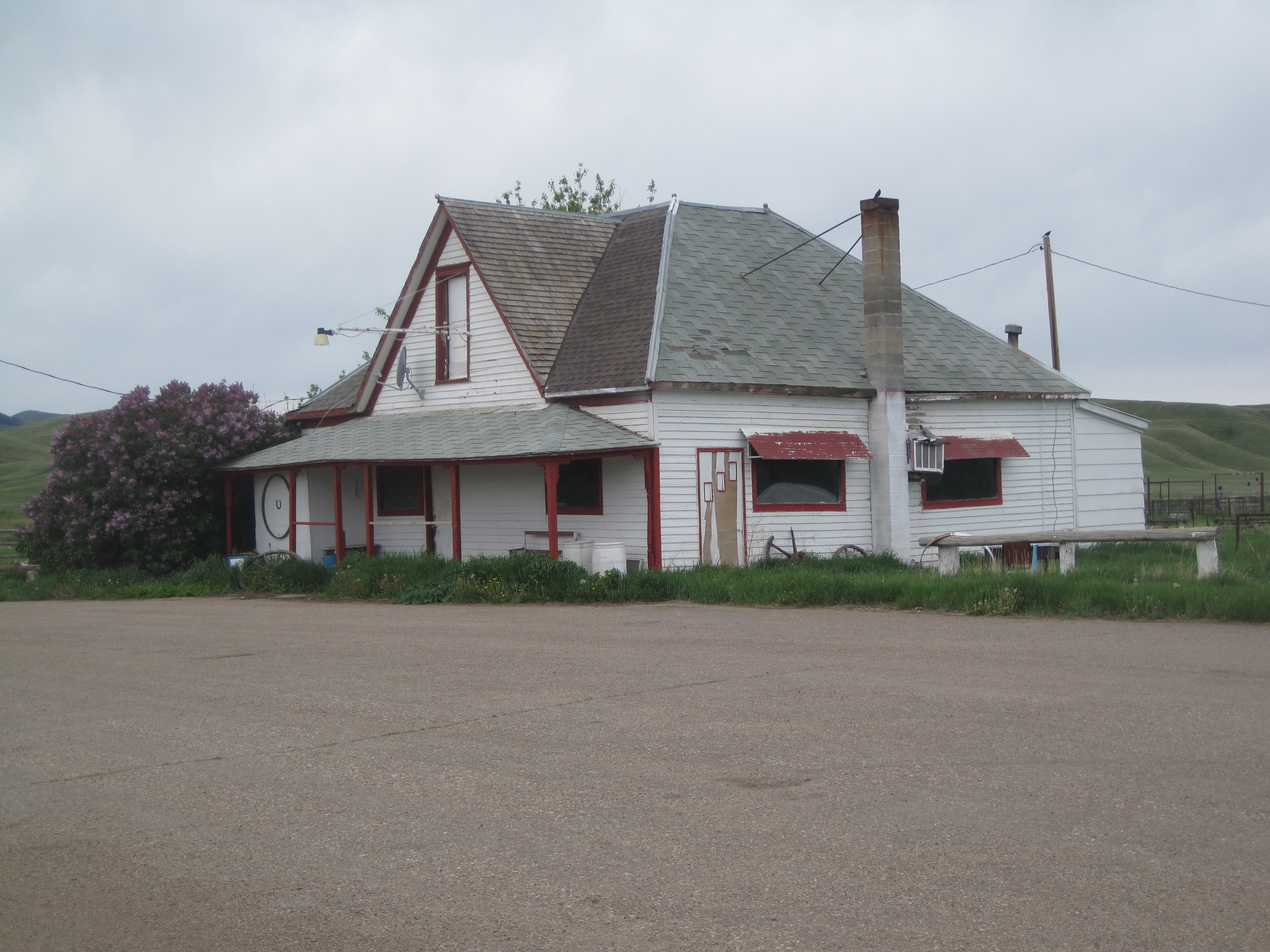
A bit farther down the road is Cleveland.  In my time in Montana, it hosted one of the most famous (or was it infamous) local rodeos around.  Its bar/cafe/post office spoke still to the first part of the 20th century.  People there in 1984 were friendly, and it was a good place that I looked forward to revisiting.  But the doors were shuttered in Cleveland.  The corrals were still there, sorta.   And there was no Cleveland Bar.  Wish I could have been here one more time before it went away.

Image

Image

Image

Image


Chinook and the Sugar Refinery

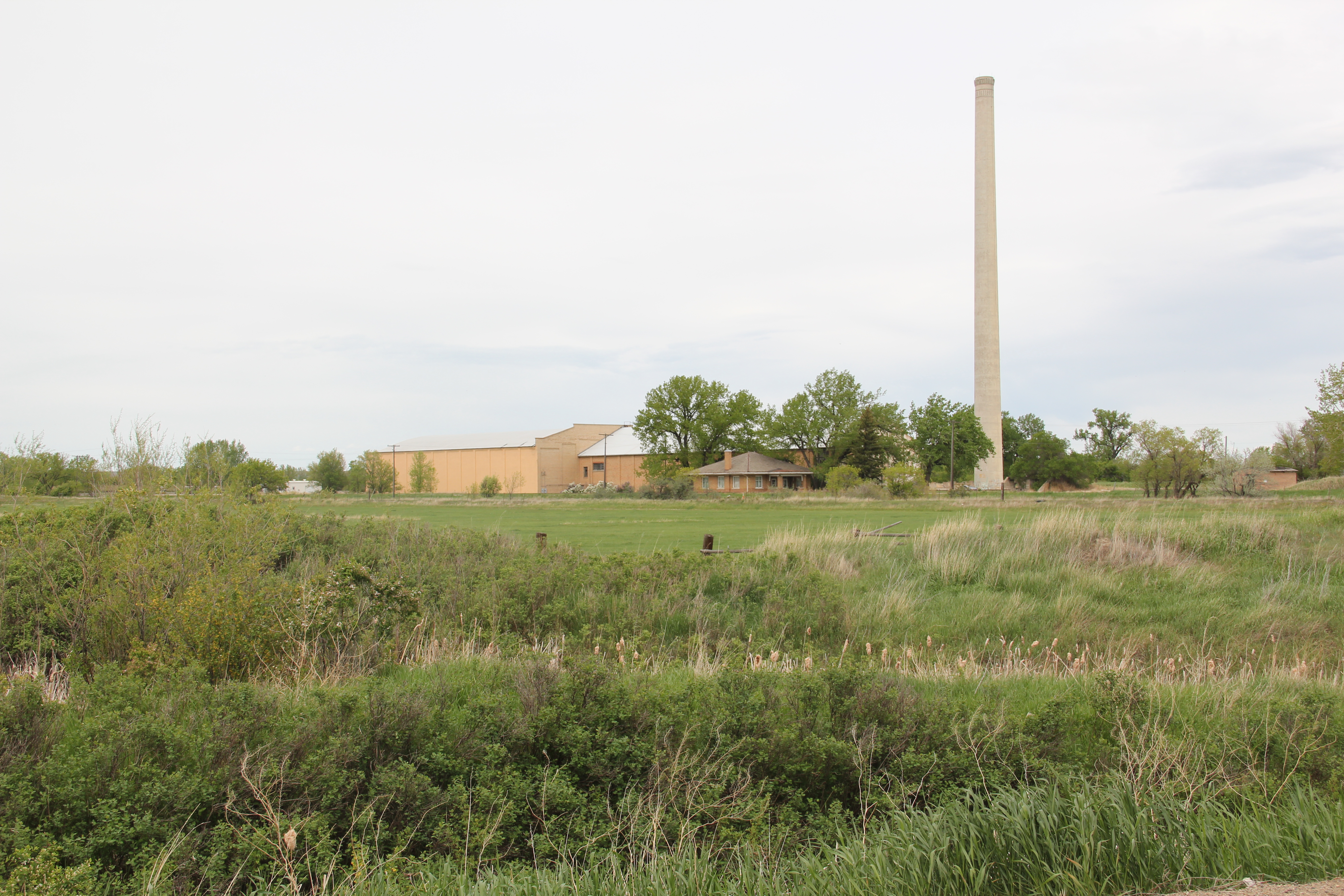
The last post ended with a rather pastoral image of the Utah-Idaho sugar refinery in Chinook with promises to add a few comments on how the town changed after the refinery.  Let’s begin with a dose of reality–the image of a stack looming over the prairie is compelling but misleading.  The WPA Guide to Montana tells us that the factory began in 1925, was the state’s fourth largest by the late 1930s, and that the “shacks” of Mexican and Filipino workers crowded around the factory.  Other sources record how at this same time

Image

other communities down river complained of the foul discharge of the company directly into the Milk River.  The lesson here:  later day architectural photos can sometimes obscure rather reflect historical reality.

Within Chinook, there are many reminders of the prosperity brought by beet farming and the refinery.  The town has an interesting array of 1920s and 1930s domestic architecture, from the revival craze to the modernism of the International style.

Image


Image


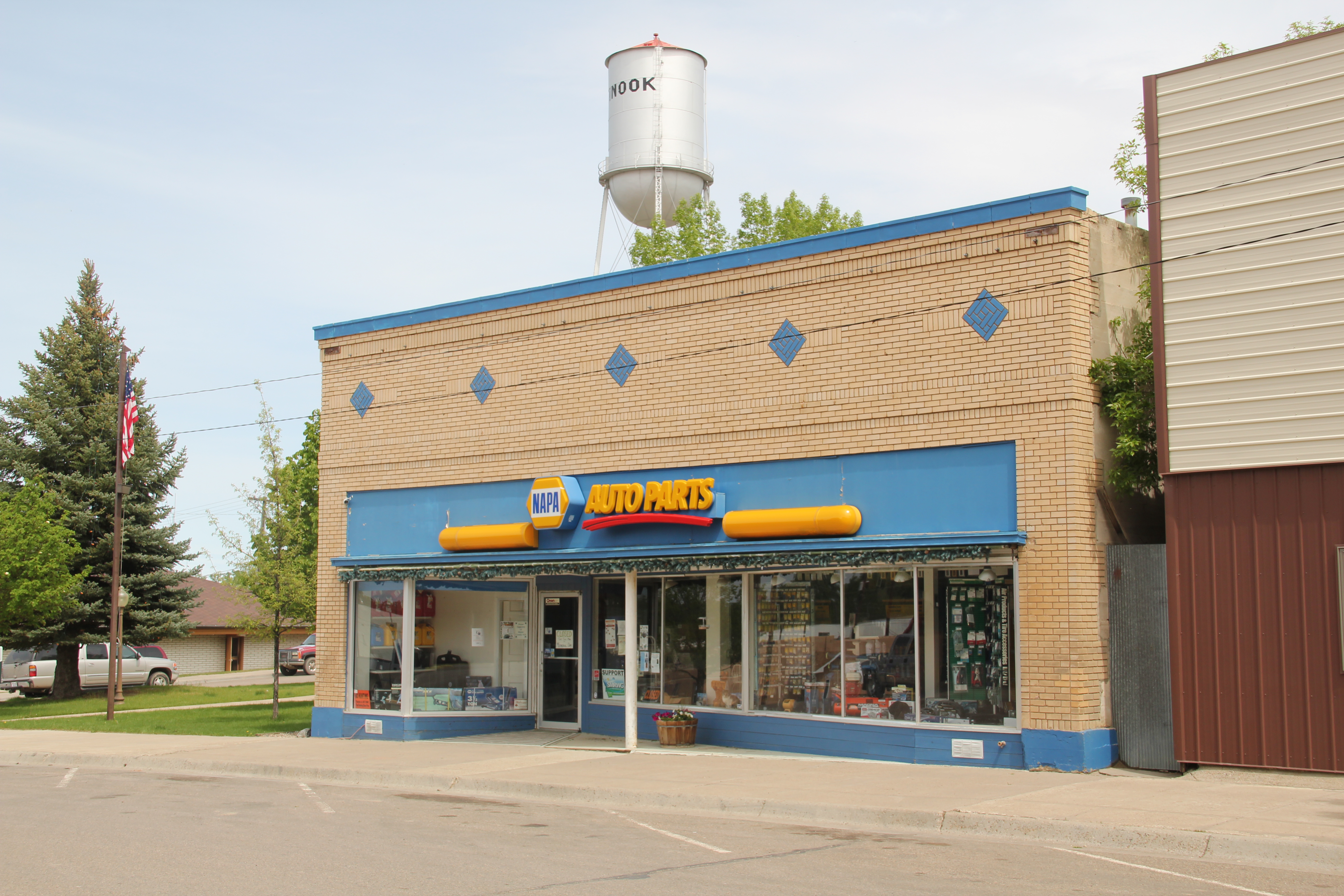
Business owners also took the new styles of the Jazz Age–like Art Deco–and added facades that gave a new look to their stores.

Image


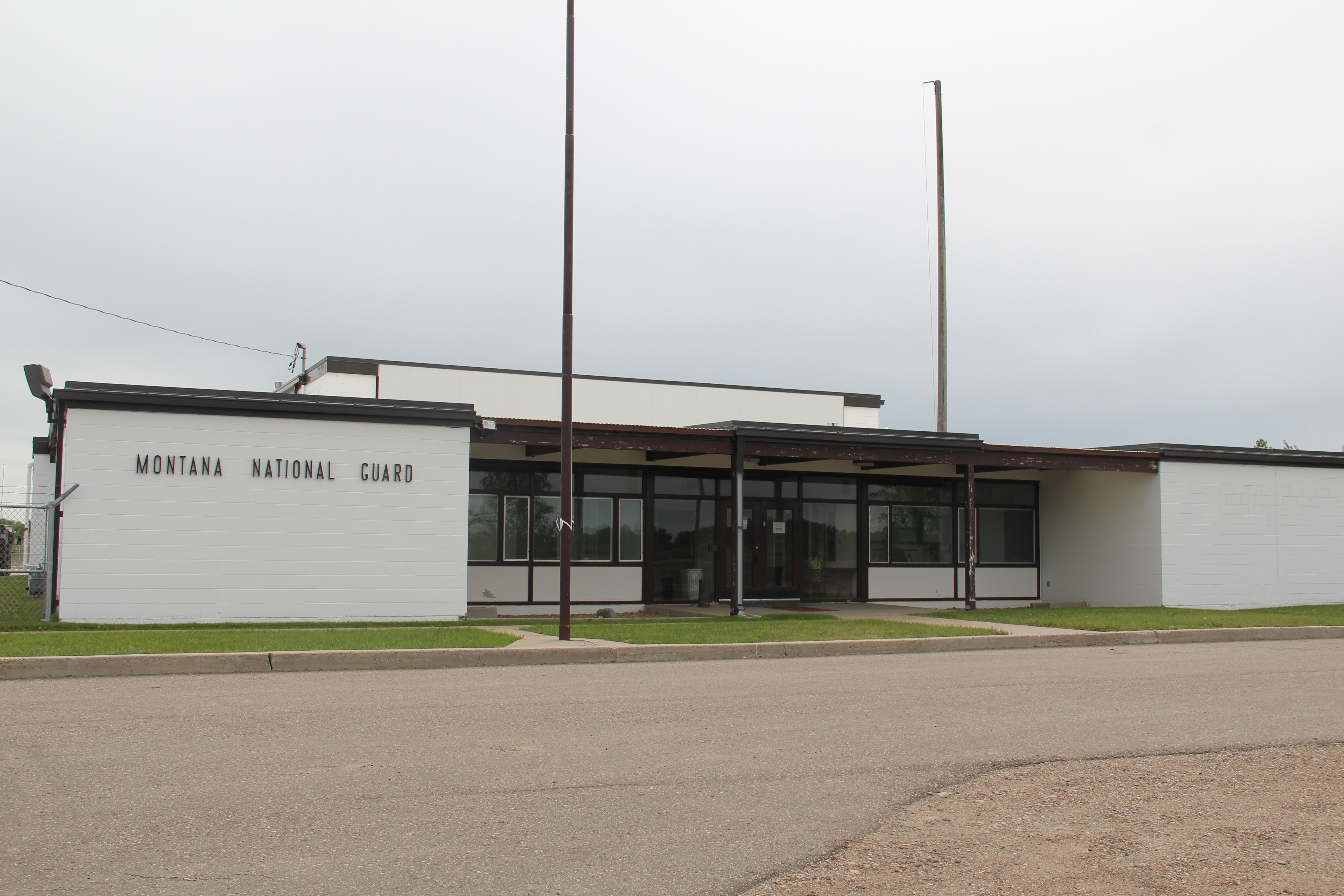
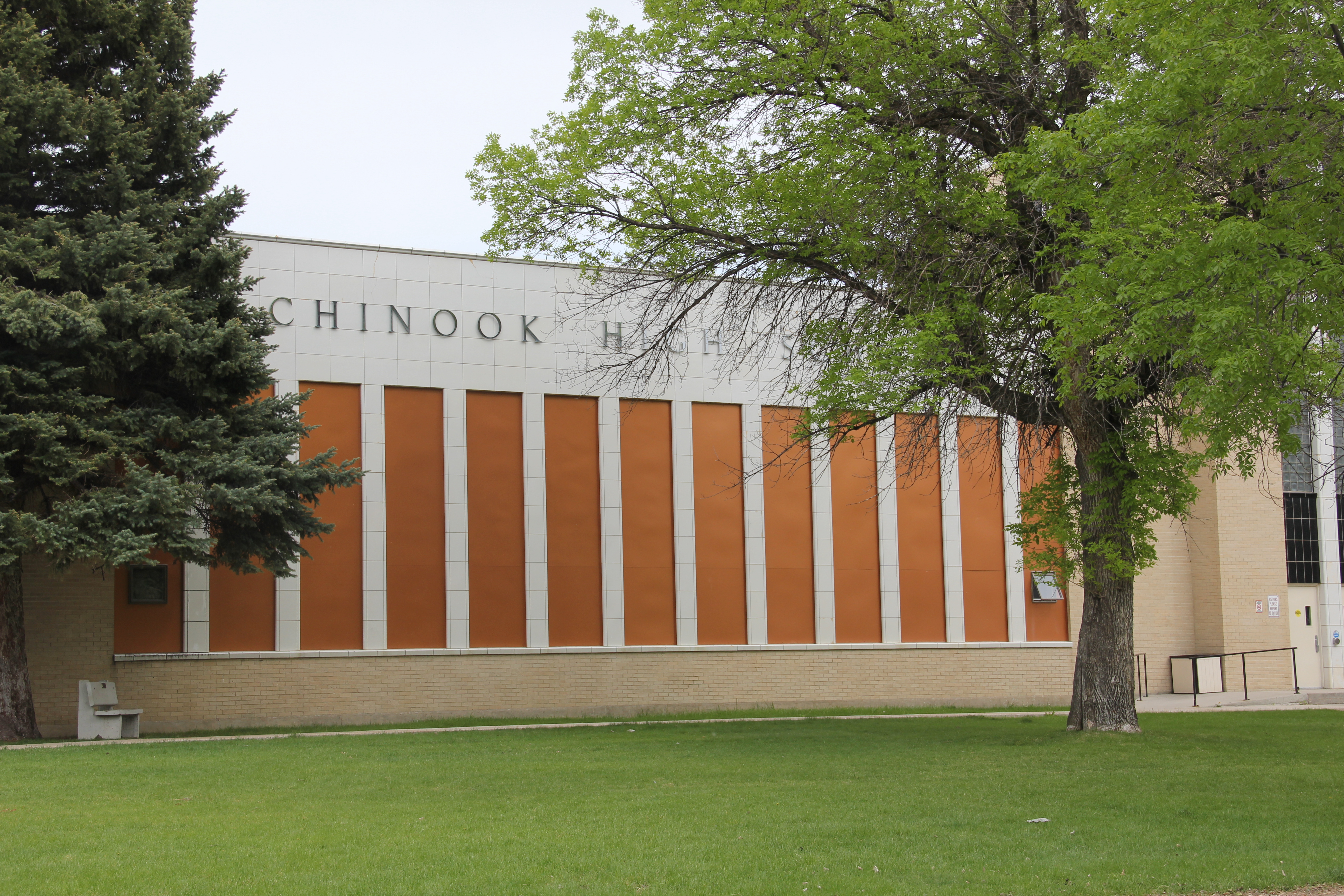
After the impact of New Deal modern design in the new Chinook High School in the 1930s, Chinook embraced post-World War II modernism, such as the expansion of the high school in the 1950s, a dazzling International style National Guard facility out near the Image 

Image

sugar refinery, and a new International Harvester dealership, part of the architectural legacy of industrial designer Raymond Loewy.

Image

The sugar refinery brought a new era to Blaine County and it gave Chinook a two-sided look:  one, a railroad town along U.S. 2, and two, a modern plains town that emerged agriculture and industry in the mid-20th century.

Back on the Hi-Line at Chinook: a town that got it

Image

Chinook, the seat of Blaine County, has long been among my favorite Hi-Line towns.  Certainly there is the Elk Bar, with its cowgirl in the champagne glass neon sign,–is there a better bar sign in the Big Sky Country?  But then Chinook is most definitely a railroad town of Great Northern vintage.  Then it is part of U.S. highway corridor, and I loved staying at what was then a Mom and Pop Bear’s Paw motor lodge on the west side of town in 1984.  And it is irrigation country, and the impact of the federal Milk River Project in the early 20th century.  Railroads, highways, irrigation, bars–throw in that the town is also the gateway to the Bear’s Paw National Battlefield and the end of the Nez Perce National Historic Trail:  little wonder I stayed there for 3 days in 1984 exploring a wide swath of the region.

Image

This post is subtitled “a town that got it” for the simple reason that when I visited in 1984, outside of the battlefield (which was little more than preserved ground with a few early 20th century markers not the more fully interpreted landscape you find today) and the local museum (which was since grown considerably) the words “historic preservation” were new, and somewhat foreign.  Nothing was happening–30 years later however you can see a range of preservation work, along with some exciting adaptive reuse projects.  Chinook treasures its past and sees it as an asset for the present, and future.

Image

A U.S. 2 service station converted into a great ice cream stop in Chinook

What didn’t I “see” in 1984:  the New Deal imprint on the town.  Frankly put, the Chinook High School is one of my favorite New Deal buildings in the state–perhaps its slick International modernism made it hard to grasp 30 years ago but today its powerful statement of 1930s aesthetics can’t be missed.

Image Image

Image

That’s not all the New Deal left the town–it also energized public buildings with a new City Hall and an annex to the county courthouse, both somewhat subdued architectural statements.

Image Image

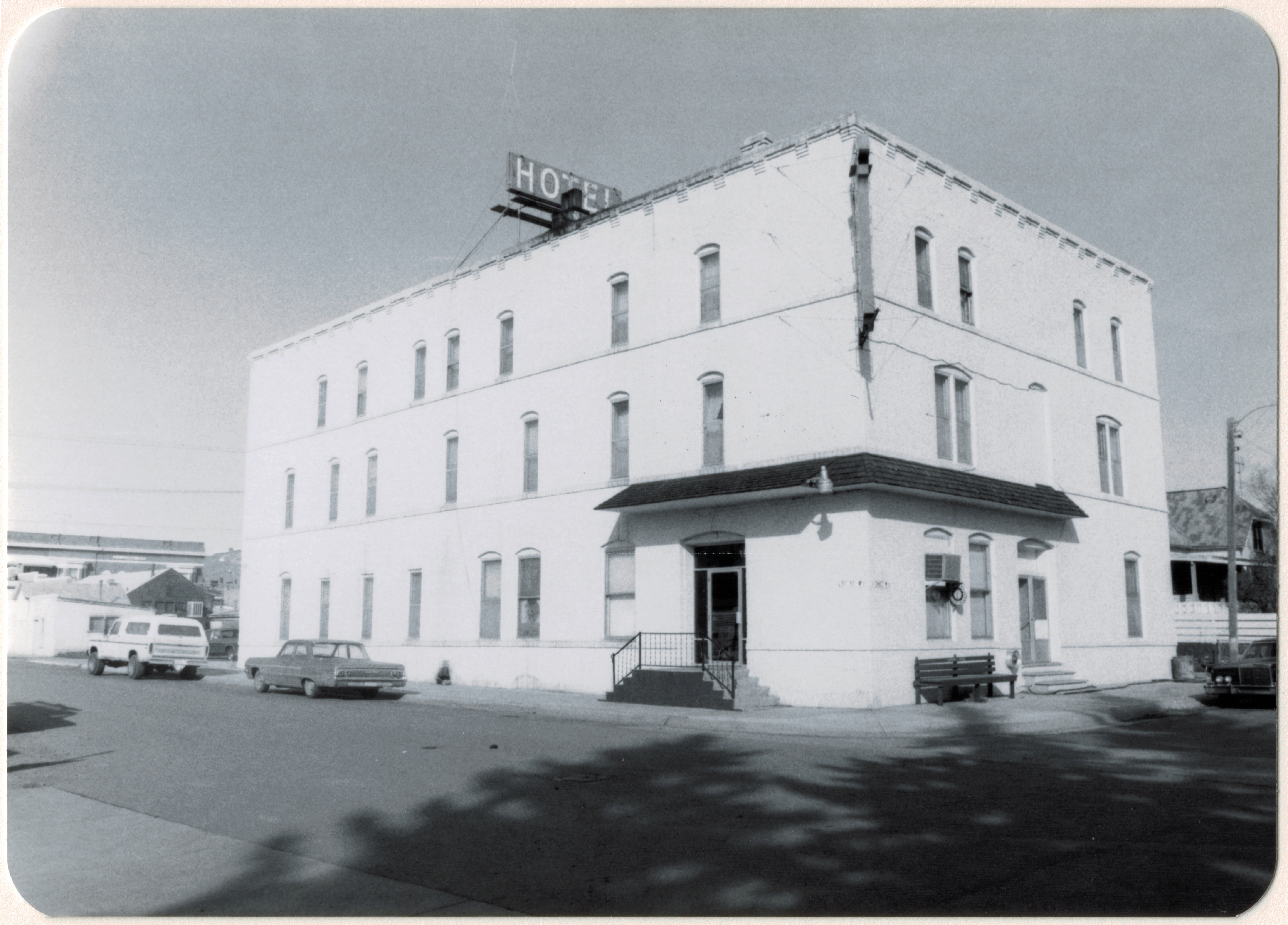
I did a better job of understanding the transportation corridors and how they impacted Chinook.  Most prominent to my mind was a three-story brick hotel, serving both railroad passengers and newly arriving homesteaders.  In 1984 it looked as if only minor changes had occurred since first construction-it still looks that way 30 years later with a few more windows filled-in, and general hard times apparent.

Image


Image

The Great Northern depot was another focus of my work but somehow I missed a great 1920s gas station that has been restored and converted into new uses by a local financial institution–it is now on the National Register of Historic Places and good example of how the roadside architecture of the 1920s can find new uses in the 21st century.

Image Image

Another big miss was the Sugar Refinery–especially considering the role that Chinook played in the Milk River project, both in its origins, the nationally significant case of Winters v. United States at the turn of the century (see Beth LaDow’s epic study The Medicine Line (2001), and then the impact of this major federal project from 1911 to the present.  Not to mention that the high school nicknameImage

was the Sugarbeaters, surely one of the GREAT names in high school sports.

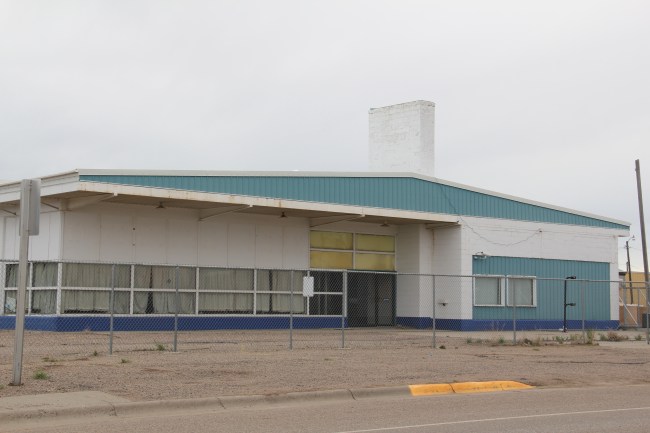
You cross a major ditch on the way to the refinery, on the outskirts of town.  A good bit of the property remains, with the tall stack speaking strongly to the merger of homestead and factory on the northern plains.  The refinery began an new era in the town’s history–a theme worth exploring in the next post.

IMG_8358