When Billings was established in 1882, there were two primary streets: Montana Avenue on the north side of the Northern Pacific Railroad tracks and Minnesota Avenue on the south side of those tracks. The street names came from the Minnesota and Montana Improvement Company, which developed the town.
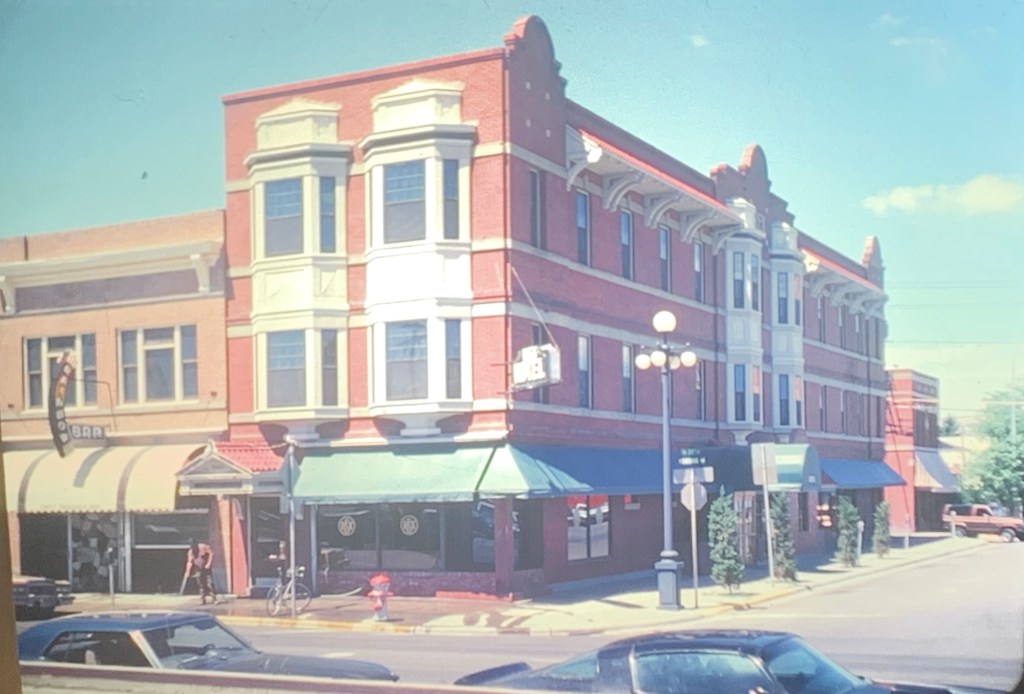
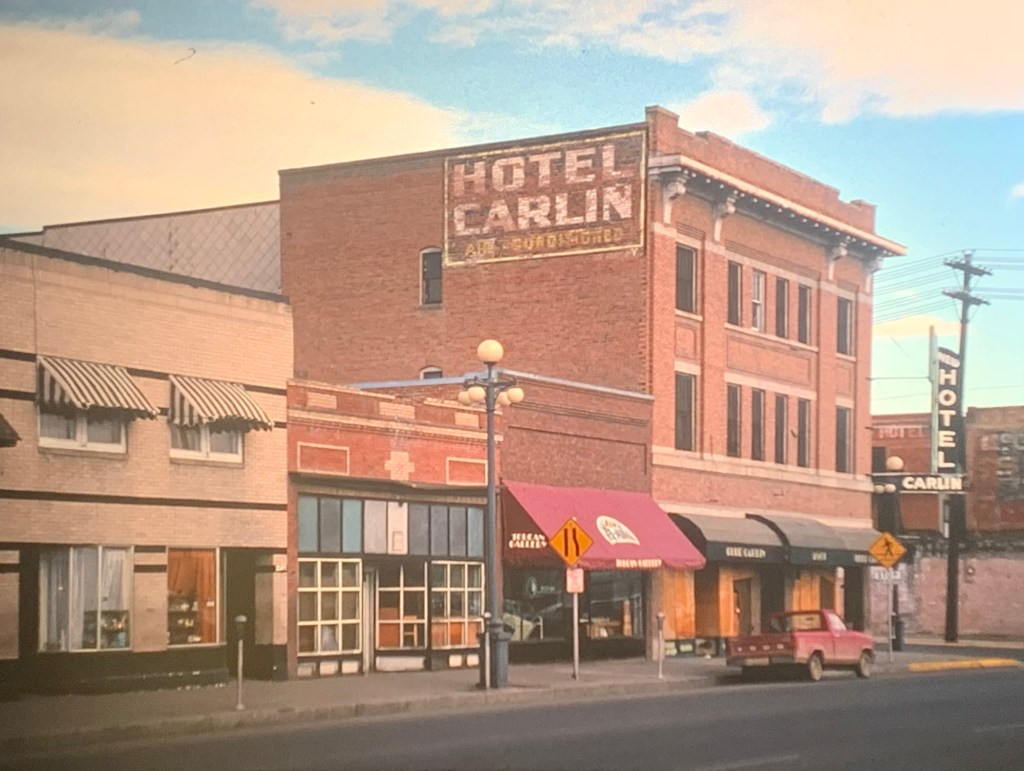
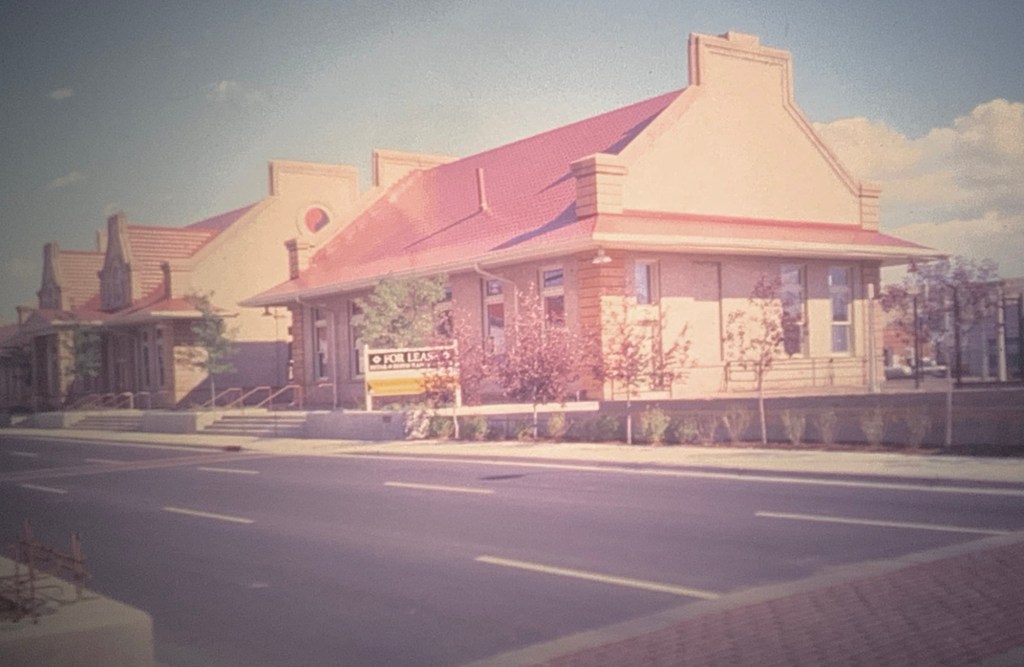
By the turn of the 20th century Montana Avenue had become the dominant corridor and has never looked back. Still, in 1990, Minnesota Avenue still had a bit of its railroad past as a row of bars and flophouses faced the tracks.
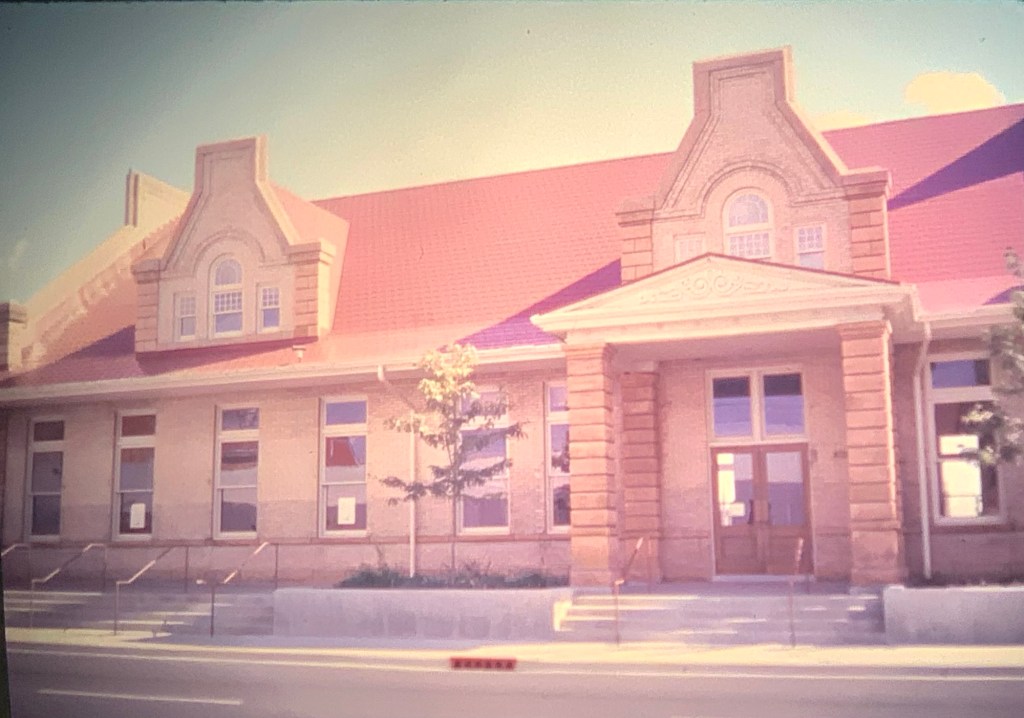
I took these 3 slides (including the cover slide) in 1990–and today this block has changed dramatically. But boy do I miss the neon!
At the state history conference in Helena next month, the almost complete new museum at the Montana Historical Society will be unveiled. (The completed museum will have its full public opening in December.) while we won’t be able to see everything yet I’m still looking forward to a peak behind the curtain.
It will be a transformational change for state history—a new platform to explore, interpret and preserve the state’s past. Why do I have such confidence—I was already part of such a project in the creation of a new Tennessee State Museum from 2016-2018. The new museum in Nashville has created a huge new platform for all types of activities in state history and everyone is benefiting, especially the state’s robust heritage tourism industry.
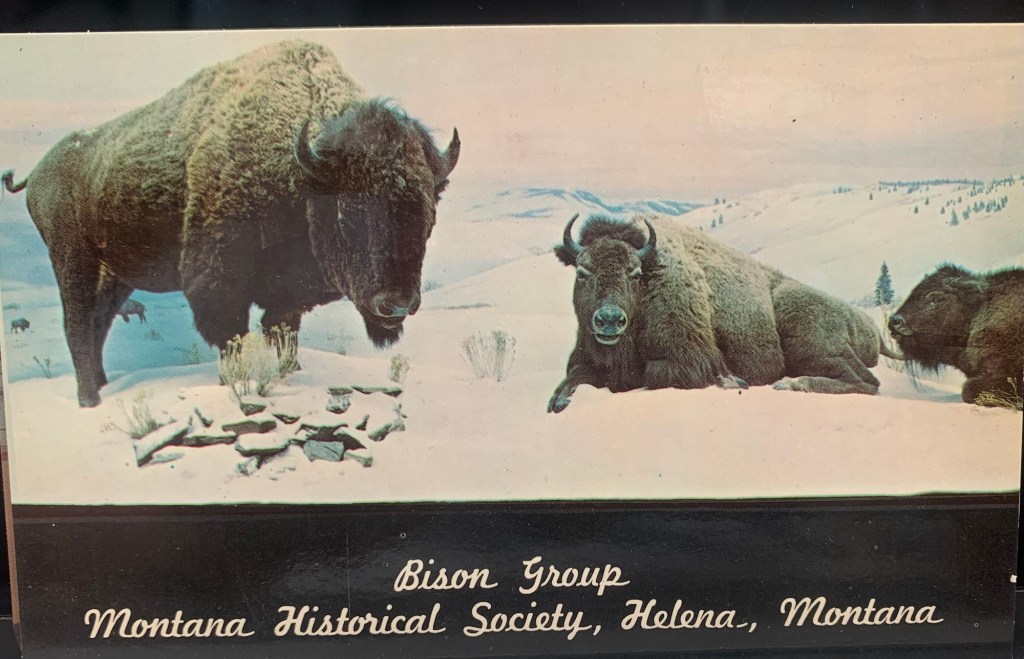
But before we get too excited about the future, let’s remember how this new change at MHS is just the latest chapter in how this amazing institution has served Montana. For this post I’m using some photographs but mostly postcards that I collected in Montana in the 1980s.
The Veterans and Pioneers Memorial Building dates to 1953. Here are two views, one emphasizing the Liberty Bell installation from the Bicentennial and the second reminding us how the tour train, established in 1954, started its tours there and connected visitors to downtown.
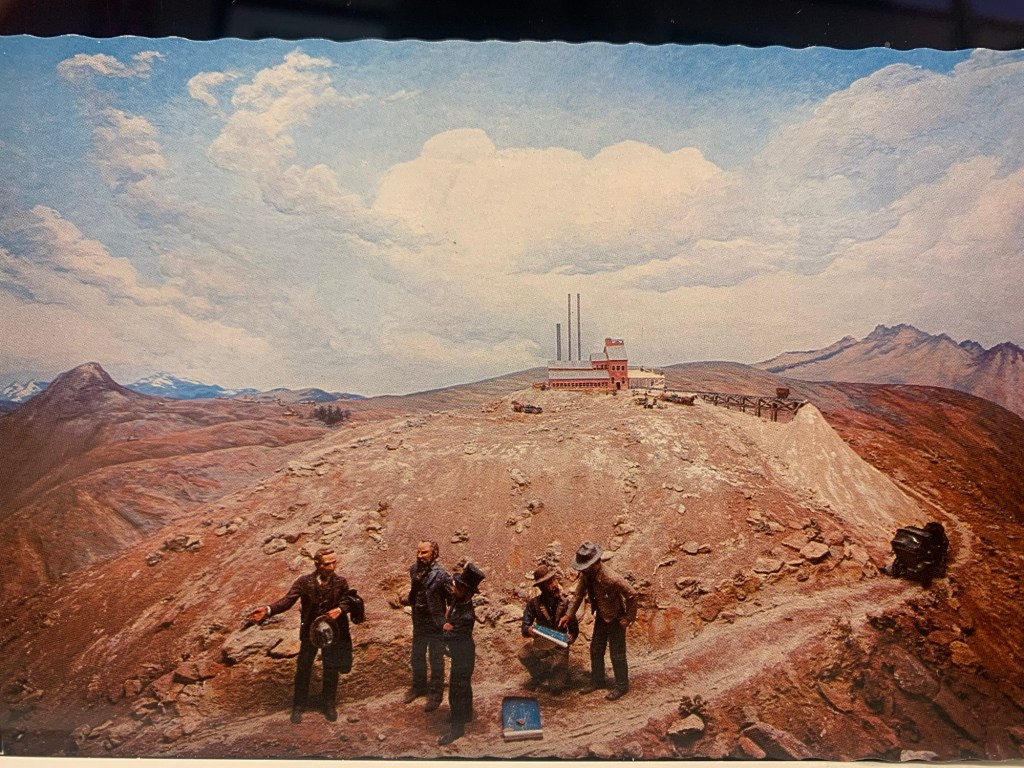
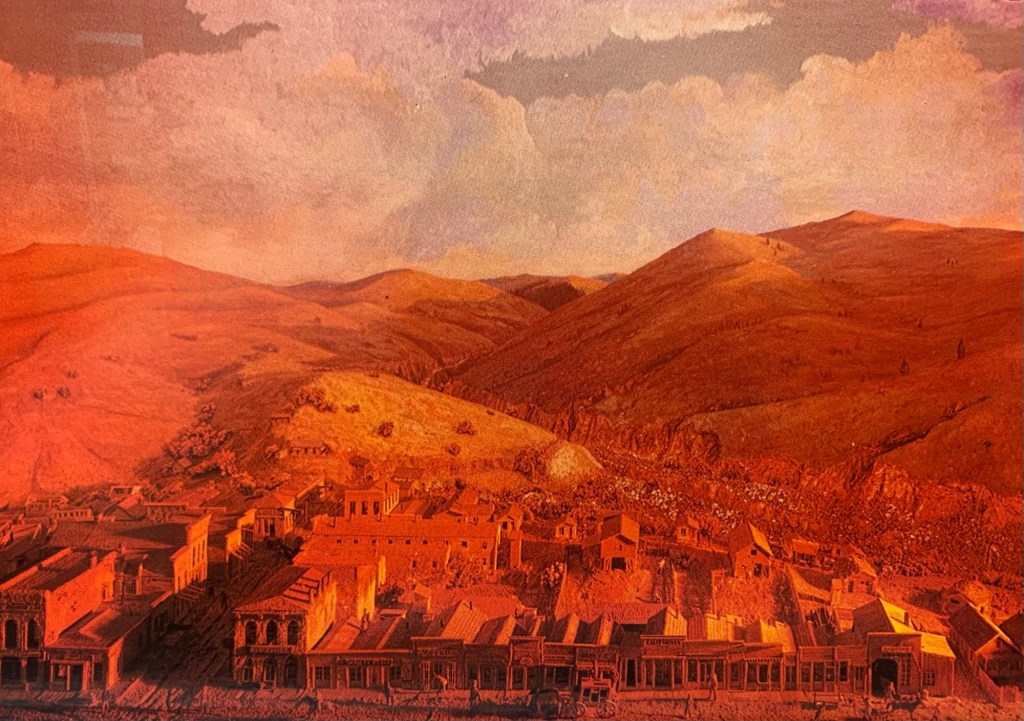
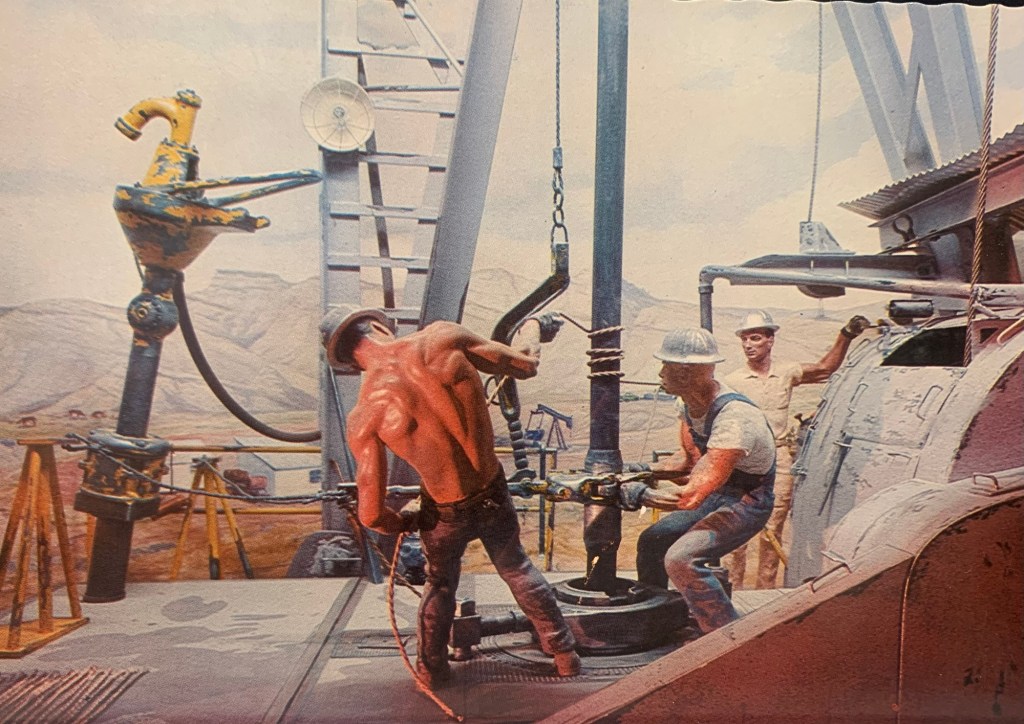
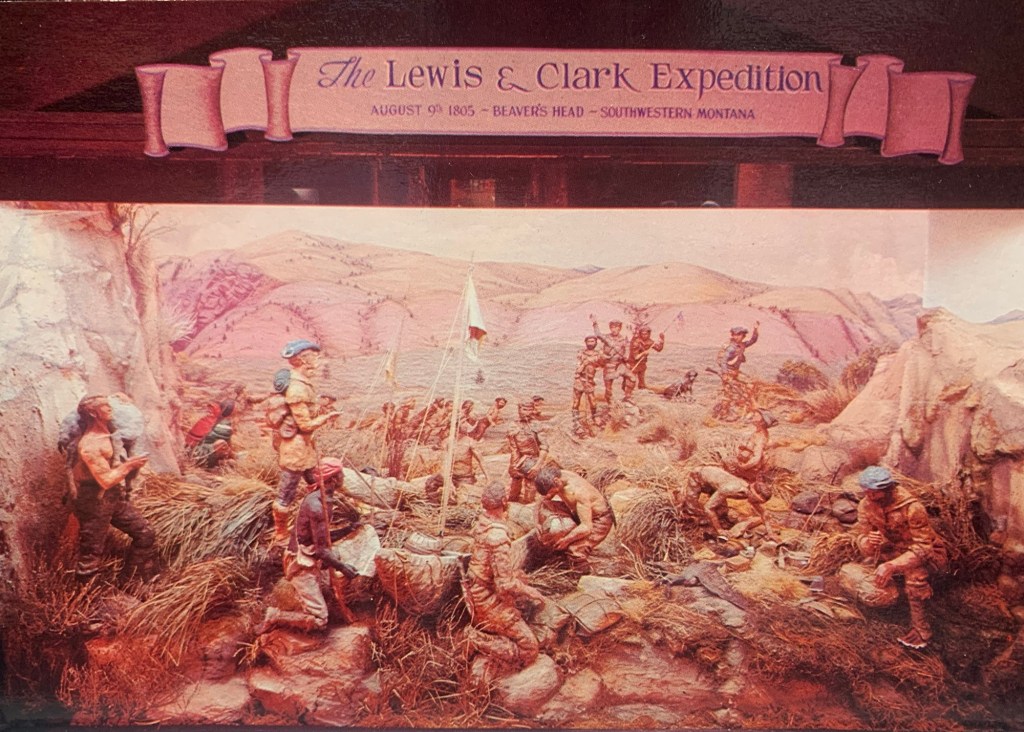
Some of us are old enough to remember the early exhibits—and the dominance of dioramas, dioramas, dioramas!
“The richest hill on earth”Virginia CityOil in Eastern MontanaPower lines on the plainsLewis and Clark diorama, the museum opened during the 150th anniversary of the expedition That diorama has had a second life at the Beaverhead County Museum in Dillon. Rudy Autio, the famous art potter associated with the Archie Bray Foundation and University of Montana, was the sculptor.
The highlight of the collection, then and now, was the Charles M. Russell gallery, although his work seemed out of sorts with the modern style of the building.
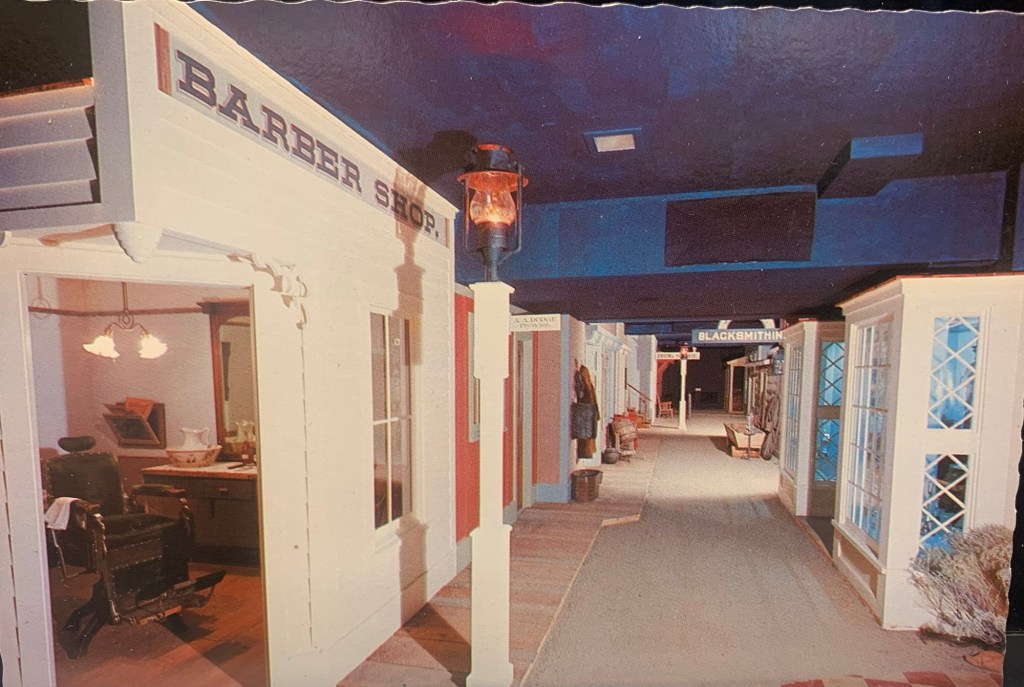
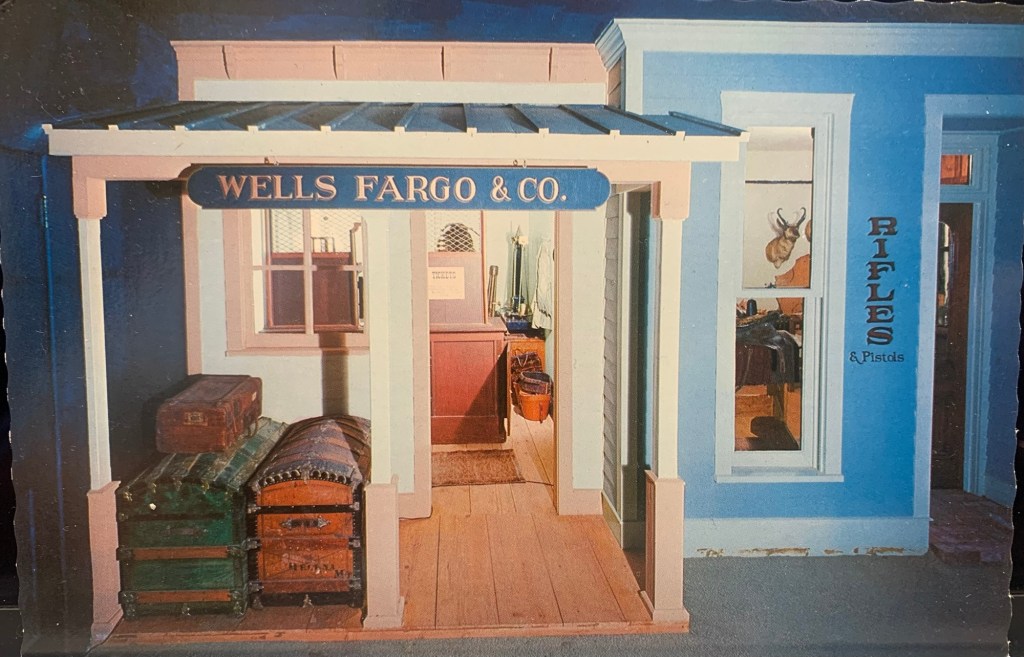
Then in the 1970s came the first transformation—placing Territorial Junction in the basement, a series of period rooms themed to a certain business or activity.
This installation had a tremendous influence on the many county museums that were built in the 1970s and 1970s as so many had their own territorial junction sections.
Mondak Heritage Center , Sidney, 2013
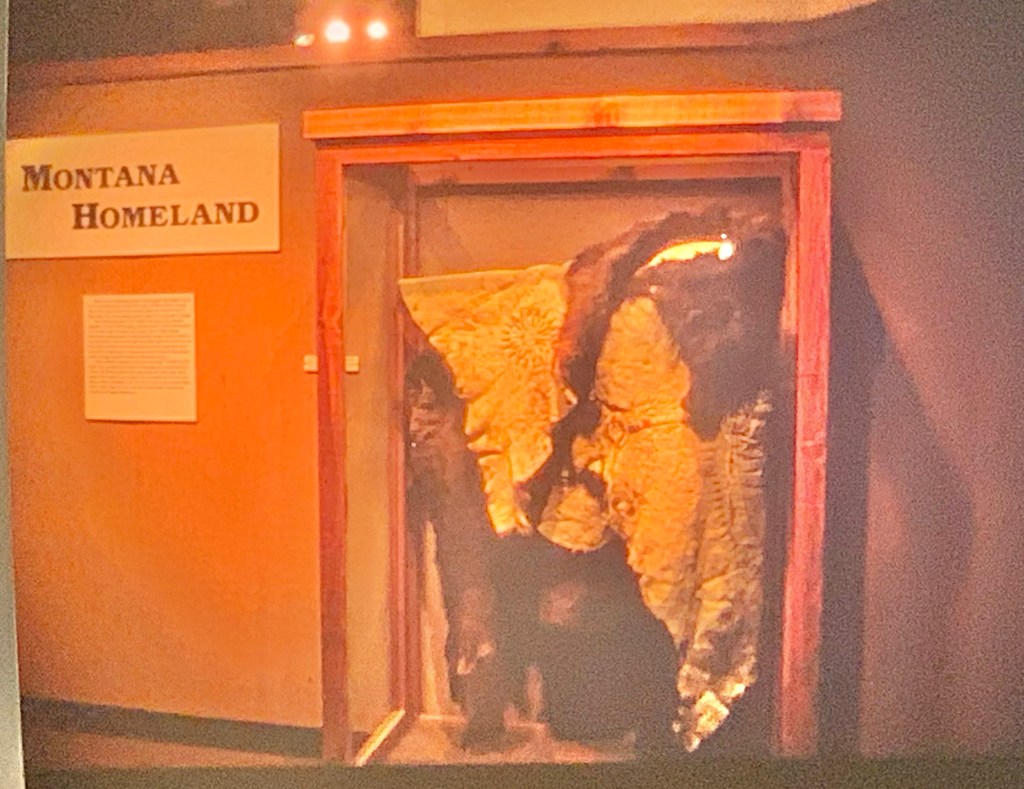
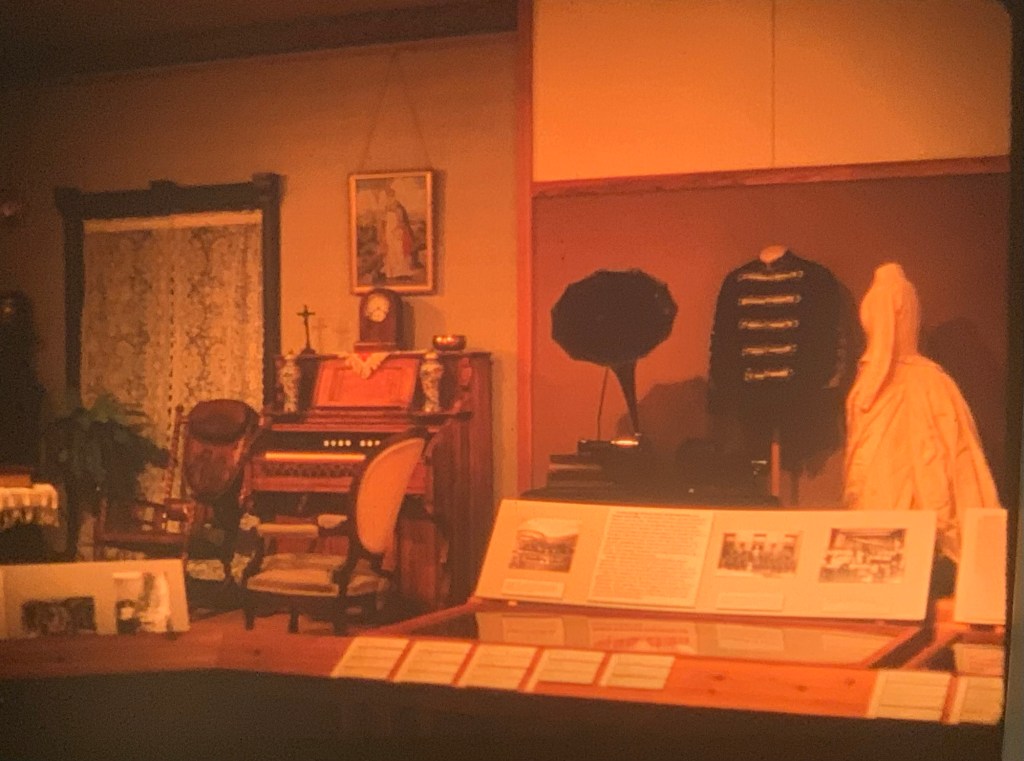
In the mid-1980s MHS staff planned and installed a new history gallery, named Montana Homeland. I visited it in 1988 and took a few slides—and in the dark light my images aren’t great but there’s enough to see how the approach had changed.
The new exhibit highlighted objects from the extensive and valuable MHS collections on Native American history.
Everywhere, from the sections on steamboats to the Victorian era to a 1930s kitchen, objects dominated the senses. It was a visual feast, an approach that I expect the new museum to continue but probably in a much more interactive way.
Yes, no doubt I will miss the old MHS museum but I’m pumped about the new one. What an opportunity! I will report more on this topic after September’s conference.
I was last in Billings in early July and, as usual, I immediately walked around Montana Avenue to see what was going on—doing that walk has been a tradition for me for over 40 years.
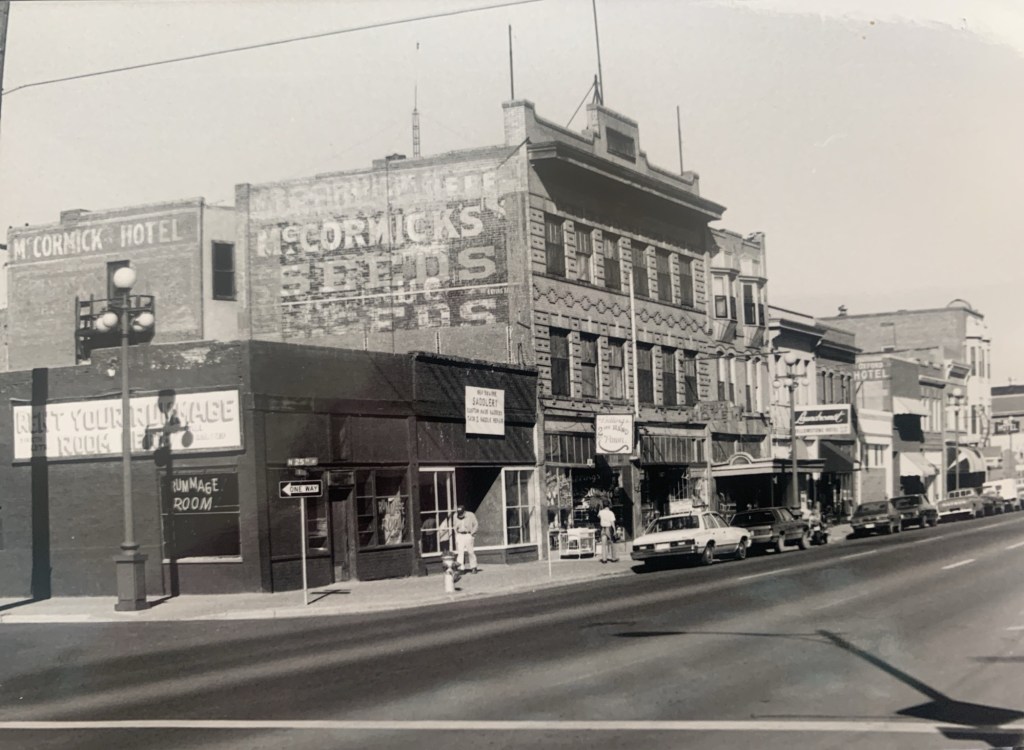
Do you remember what Montana Avenue was like in 1985–well here’s two views if you don’t recall, or were even around in 1985. It was a mix of second hand, rummage, stores, “antique” stores, flophouses, and an emerging galley scene, led by Toucan Gallery.
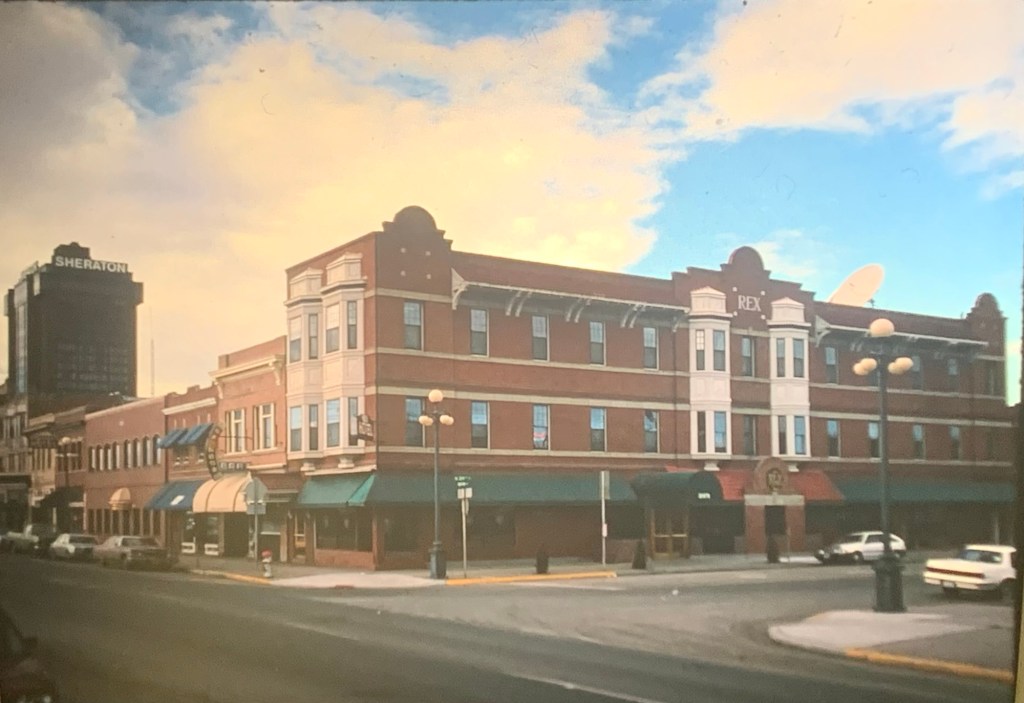
Rex Hotel 1985
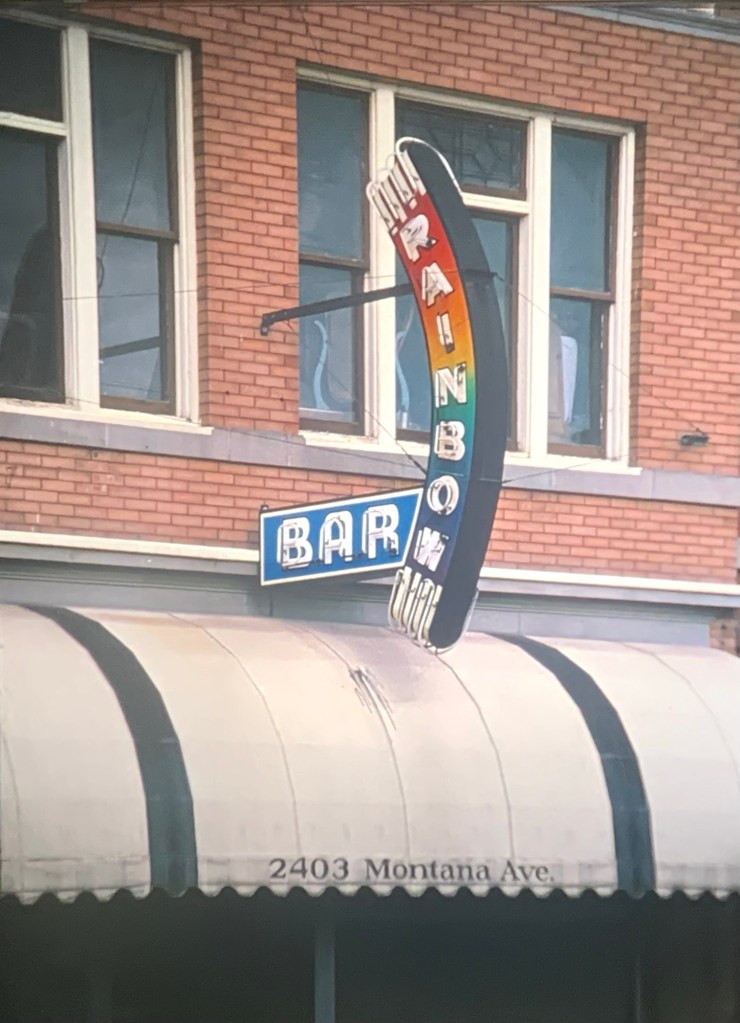
There was an oasis—the restored Rex Hotel, with one of the city’s best restaurants, and next door, the Rainbow Bar, an oasis of a far different type. Thankfully both businesses, with some changes, remain anchors to the district today.
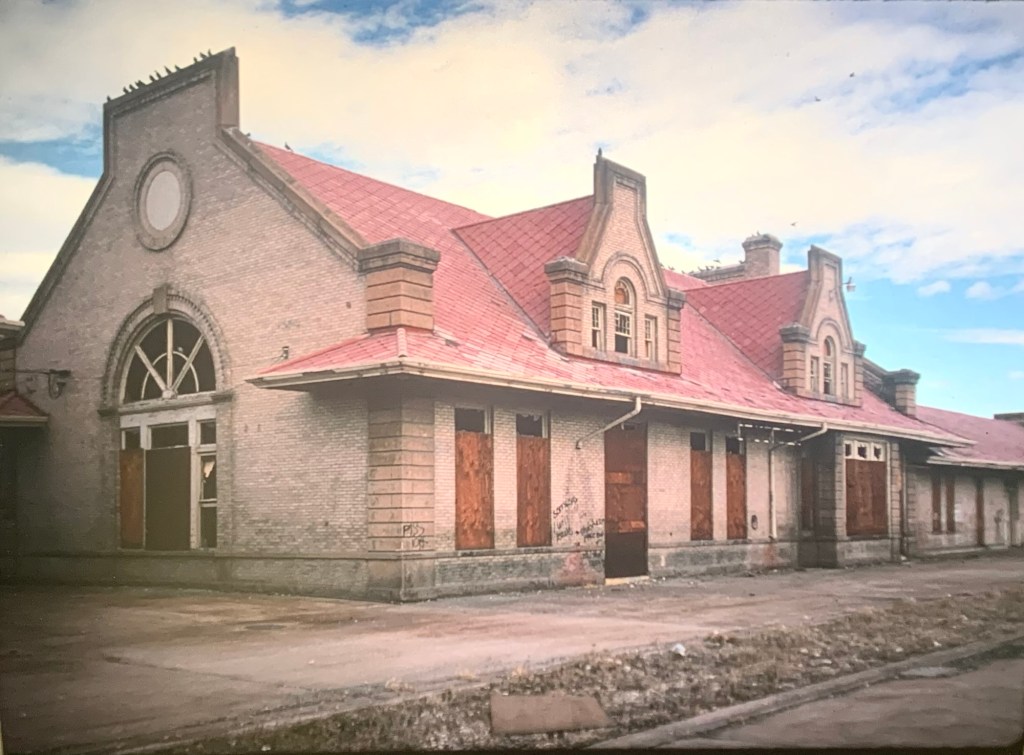
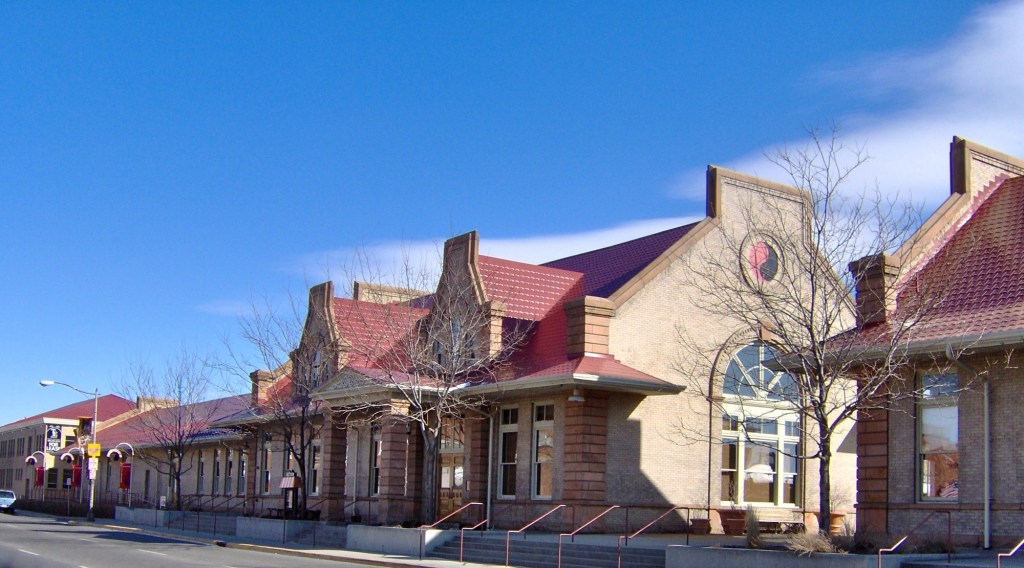
On the opposite side of the street—despair. The imposing 1907 Northern Pacific Railroad depot was boarded up, forgotten and deteriorating. The reality was a puzzle to me because already in Great Falls and Missoula investors had restored and reopened historic Milwaukee Road depots. Why not Billings?
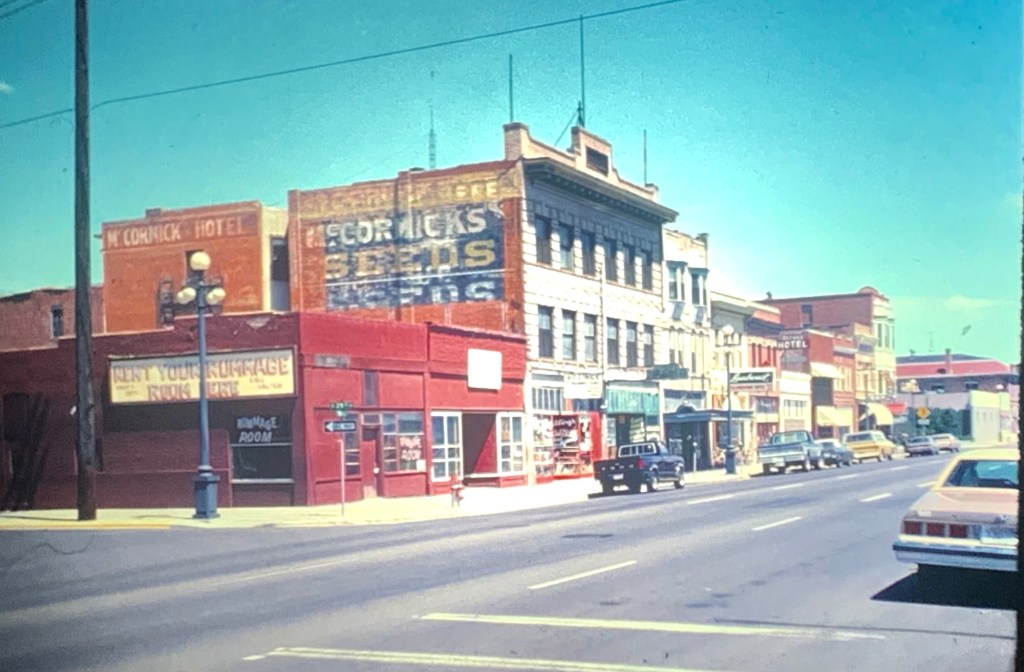
Five years later, 1990, it had gotten worse instead of better at the depot. When graffiti begins to mark a historic building the end is often near. On the other side of the street, however, new investment kept the historic buildings moving forward.
Rex Hotel and Montana Avenue 1990Rainbow Bar 1990Hotel Carlin block, 1990McCormick Block, 1990
Changes were afoot at the McCormick Block where two adjacent one story 100 year old buildings had been torn away to create a parking lot.
And the district had a new east end, with the conversion of a 20th century building into the Coulson Bar. I loved the reference to the river town that was a precursor to Billings.
The 1990s was when the historic preservation movement transformed Montana Avenue. The Montana Avenue Historic District was listed in the National Register of Historic Places, thanks to the vision of property owners supported by the city and the State Historic Preservation Office and the work of Chere Jiusto.
When I next visited in 1998, I found the depot, finally, restored and serving as a new anchor.
The new courtyard at the Rex was quite the place to be and be seen. I even saw Hollywood stars there in 1998. the 21st resurgence of Montana Avenue was ready to begin.
How many of you used the Internet cafe at the McCormick Block? I did in 2000 when I took the image above.
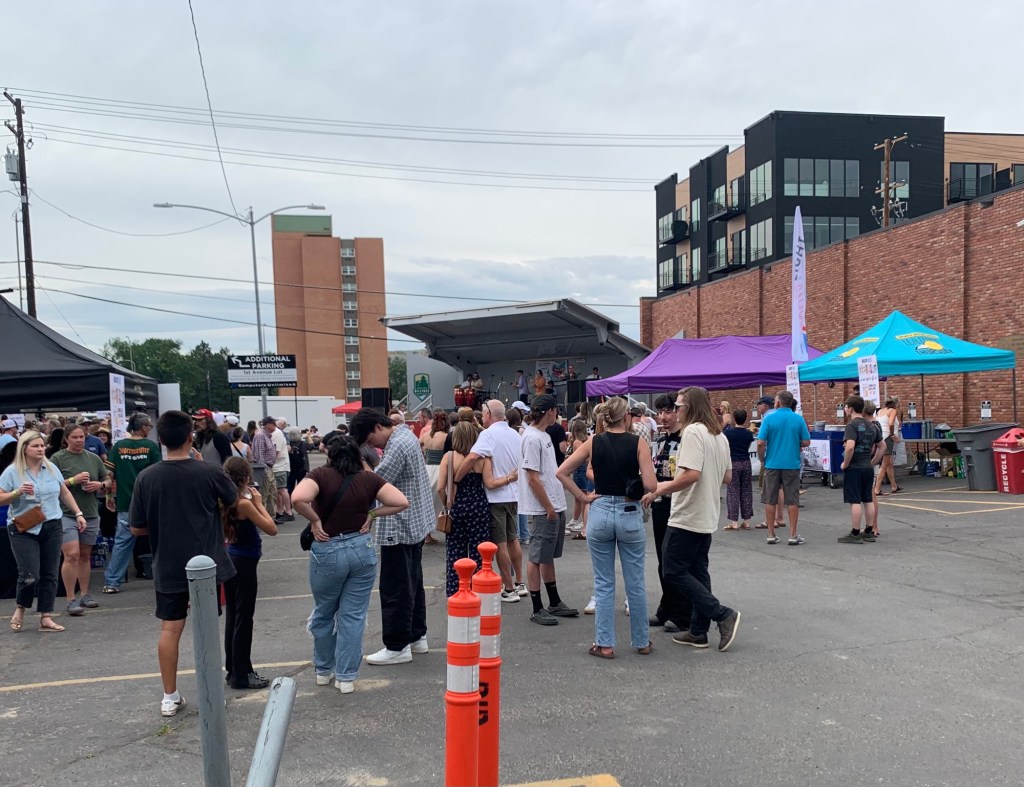
Fast forward to July 2025. The once neglected district is a city downtown hub, hosting a street event and businesses booming. What a change from 1985.




















 Montana's Historic Landscapes