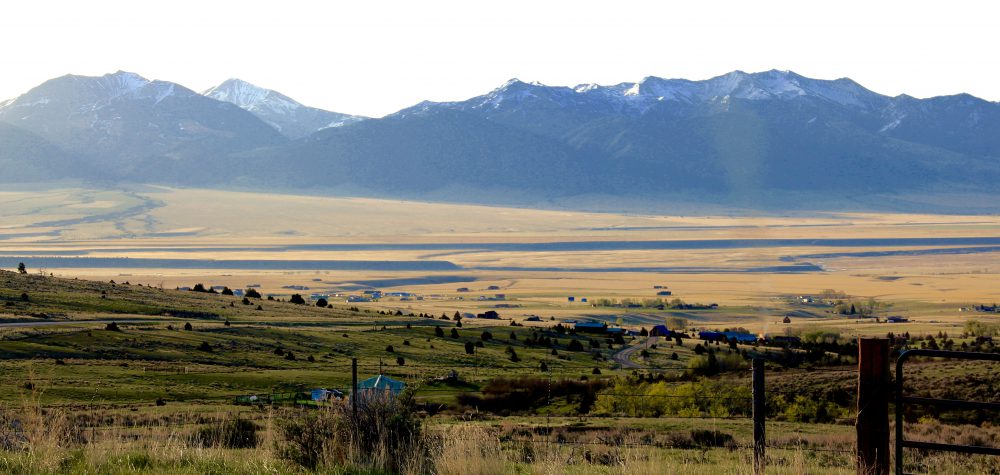
Repeat visitors to this blog about historic places in Montana quickly see that the focus is very much on the era of 1860 to 1960. But I have taken time to also record the modern past. This brief detour into northeast Montana (Roosevelt, Sheridan and Daniels counties) shares commercial, public, and religious buildings from the late 20th and early 21st century.

The Montana State Bank (now in 2024 the Bank of Plentywood) in Plentywood has its business roots in earlier bank in the railroad town of Reserve. Its echoing of classical columns in a modern setting makes it my favorite modern style bank in the region.
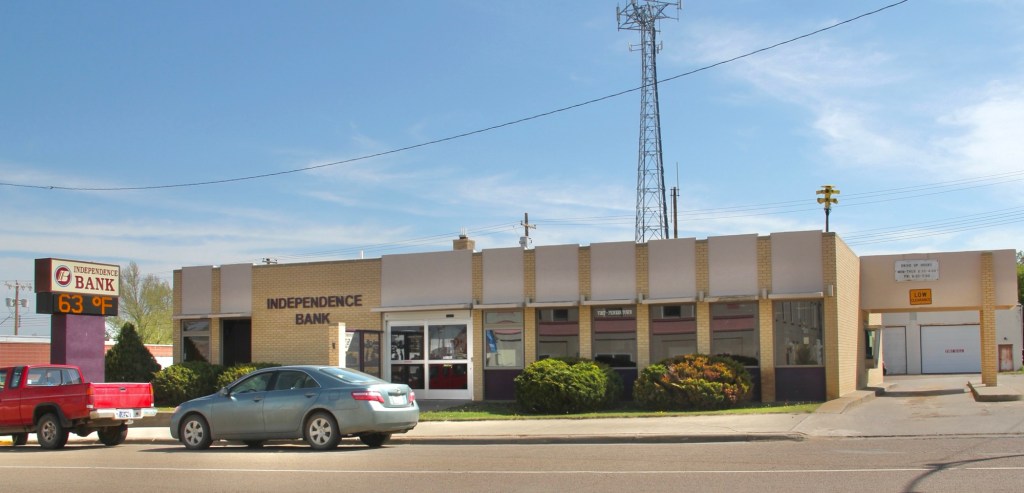
Not far behind is the Independence Bank in Scobey, built in 1972. After the First Security bank of Havre acquired the bank in 1998 it changed the name to Independence in 2000.
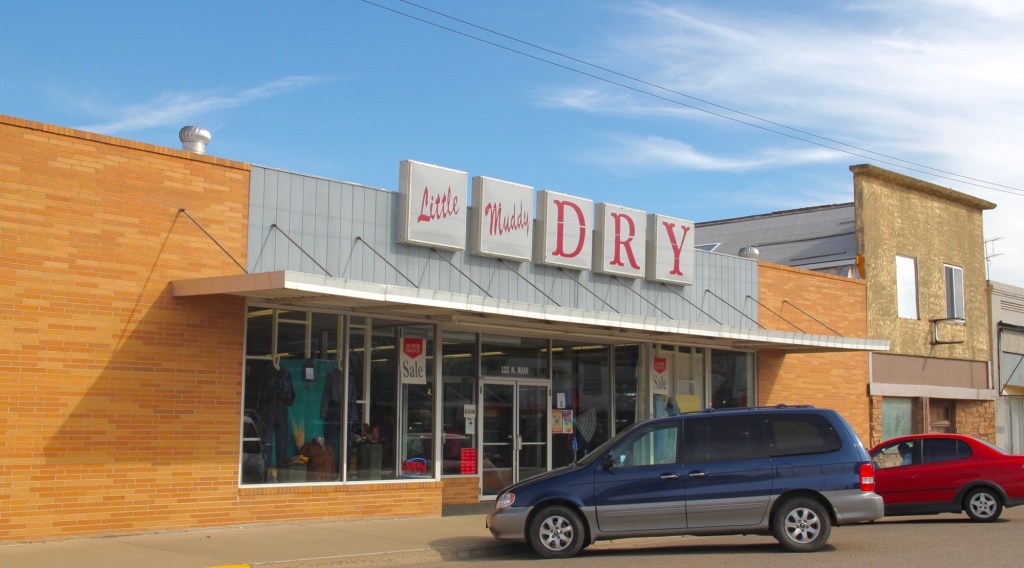

Colorful metal sheathing over old storefronts helped owners update their businesses from the 1960s into the 1980s, enabling downtown locations seem more like shopping centers. The top example is from Plentywood while the bottom, Bryan’s, is from Wolf Point.
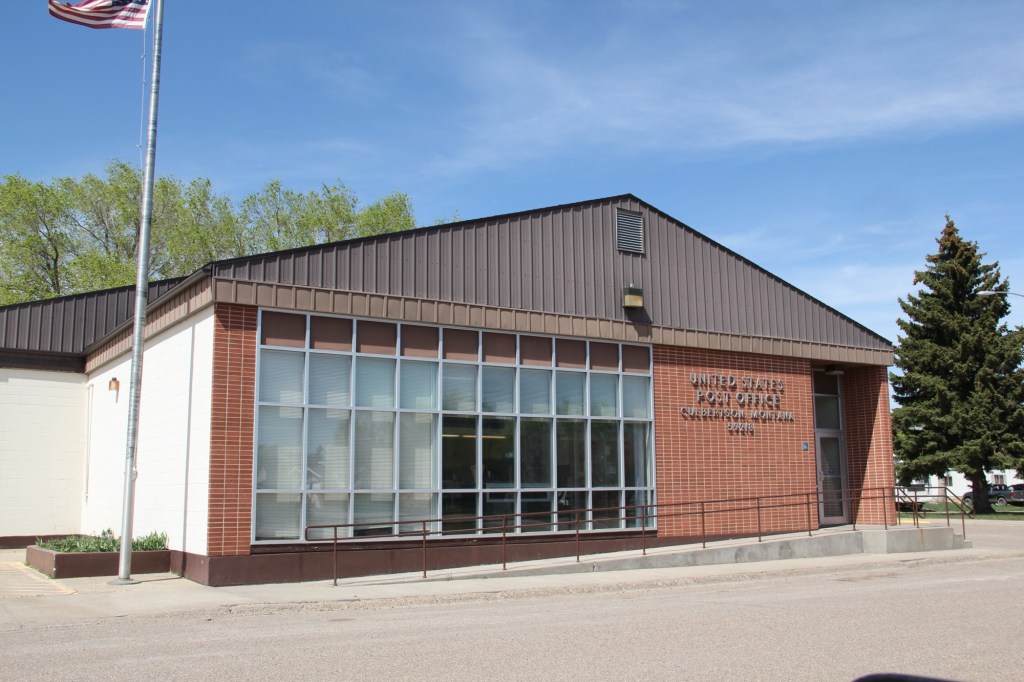

The design of U.S. post offices moved away from the preference for Colonial Revival styles in the first half of the 20th century and embraced a modern look as shown in Culbertson (top) and Scobey (bottom).


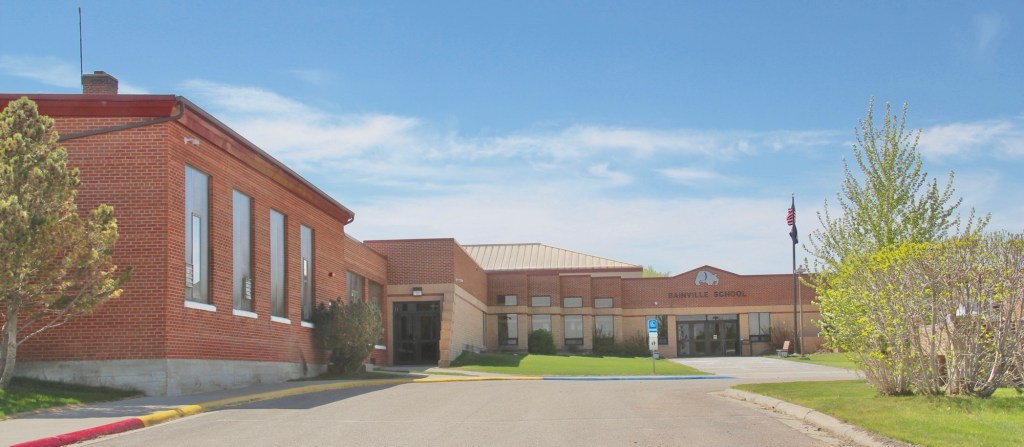
Fort Peck Community College in Poplar has significantly expanded its campus after achieving accreditation in 1991 and the gaining land-grant status in 1994.


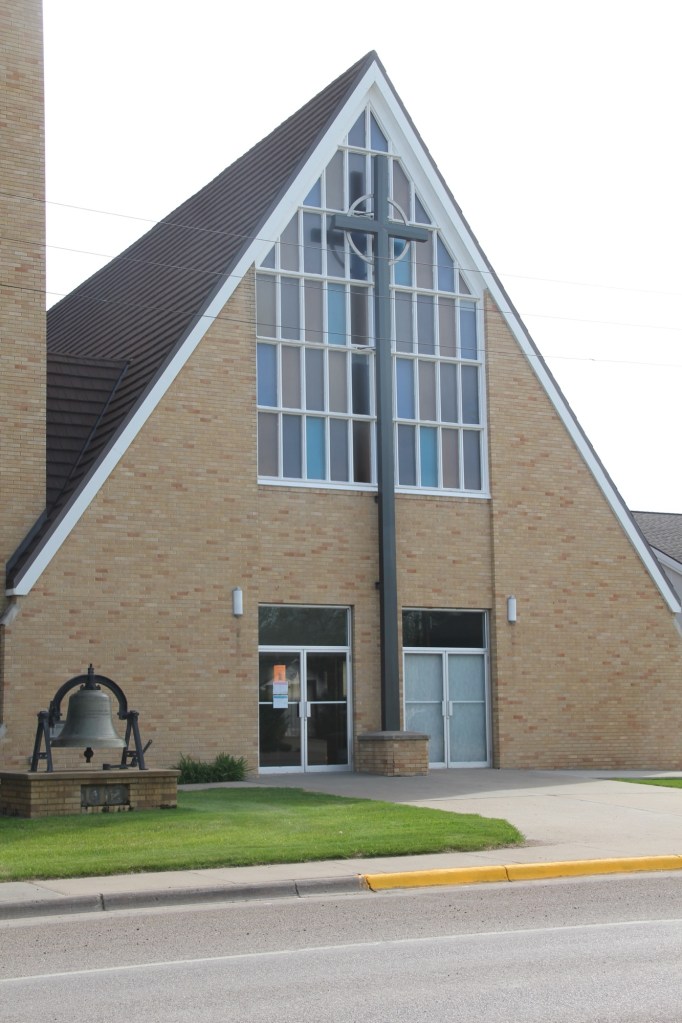
Lutheran churches in Plentywood and Wolf Point are also modern landmarks. Plentywood Lutheran ELCA dates to c. 1957-1960 while the Trinity Lutheran Church is a late 19th century congregation that worships in a 1960s building.


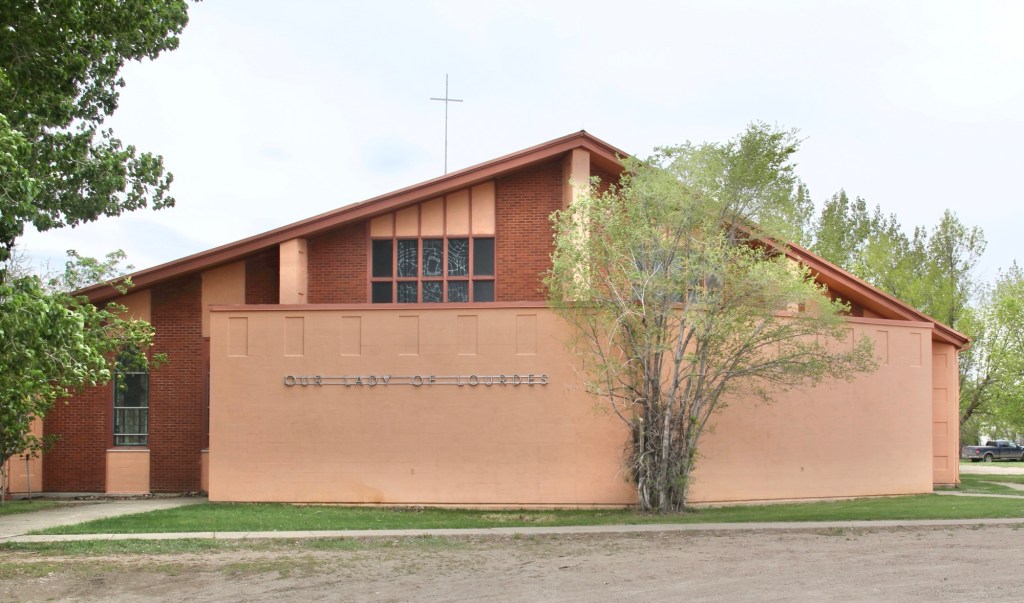
Our Lady of Lourdes Catholic Church, a 19th century congregation, in Wolf point ends our regional tour of Montana modernism. the building reflects the diocesan decision to build contemporary style churches in towns large and small through eastern Montana in the 1950s and 1960s.

 Montana's Historic Landscapes