Judith Landing over 40 years

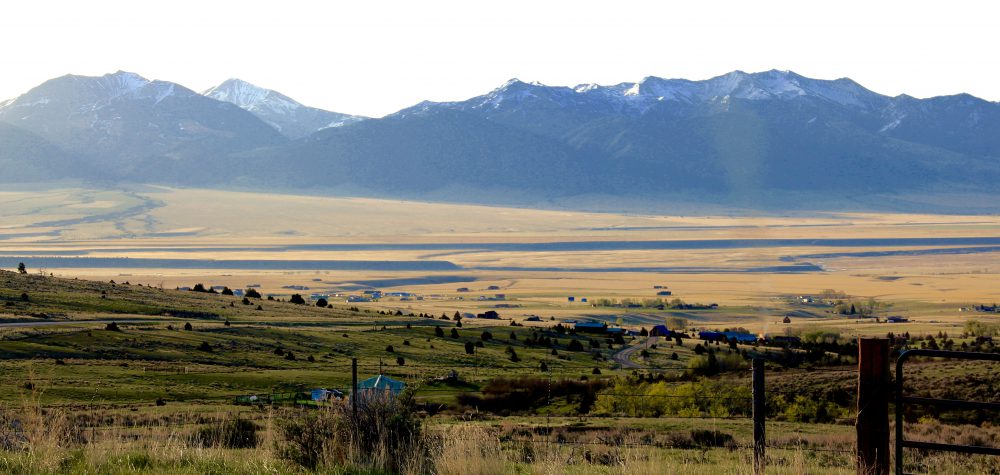
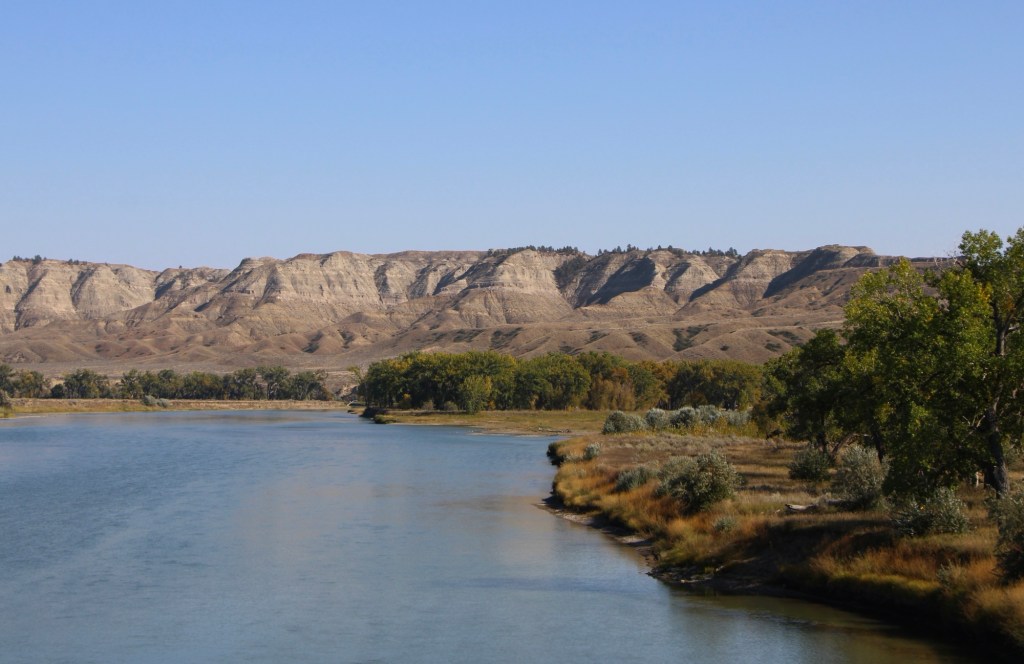
There are few places in the nation more important than the broad river valley at the confluence of the Judith and Missouri rivers in central Montana, a place only accessible by historic gravel roads. When I first visited in 1984, I came from the Fergus County side through Winifred.
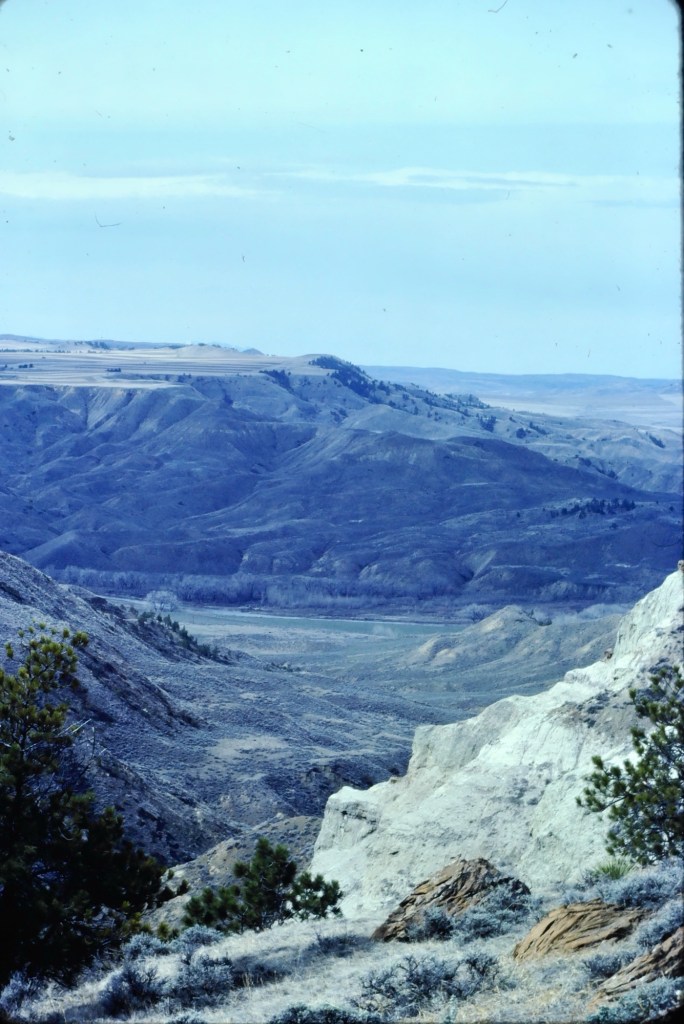
View from MT 236 north of Winifred, 1984

Why is Judith Landing so important? It was a vital and frequently used crossroads for Northern Plains tribes for centuries. Then in 1805 as Lewis and Clark traveled on the Missouri, they camped at the confluence (private property today). In 1844, The American Fur Company established Fort Chardon, a short-lived trading post.
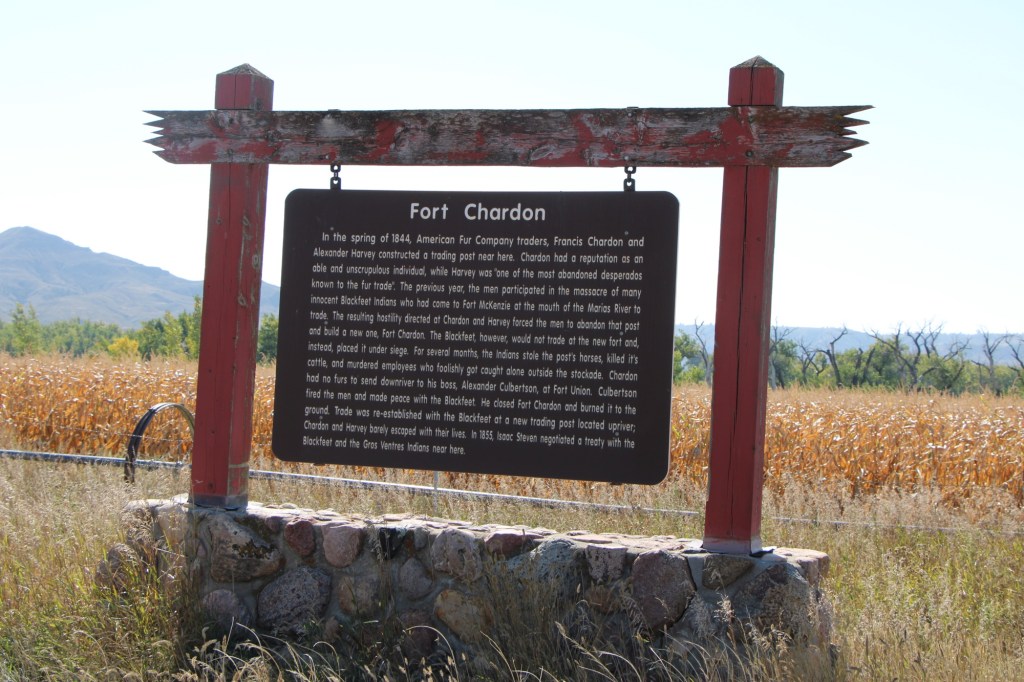
In 1846 Indigenous leaders of several tribes met at Council Island to discuss relations between the Blackfeet and other northwest tribes. In 1855 leaders from the Blackfeet, Salish, Pend d’Oreille, and Nez Perce returned to Council Island to negotiate the Lame Bull treaty, which established communal hunting areas and paved the way for white settlement in the late 1860s and early 1870s.
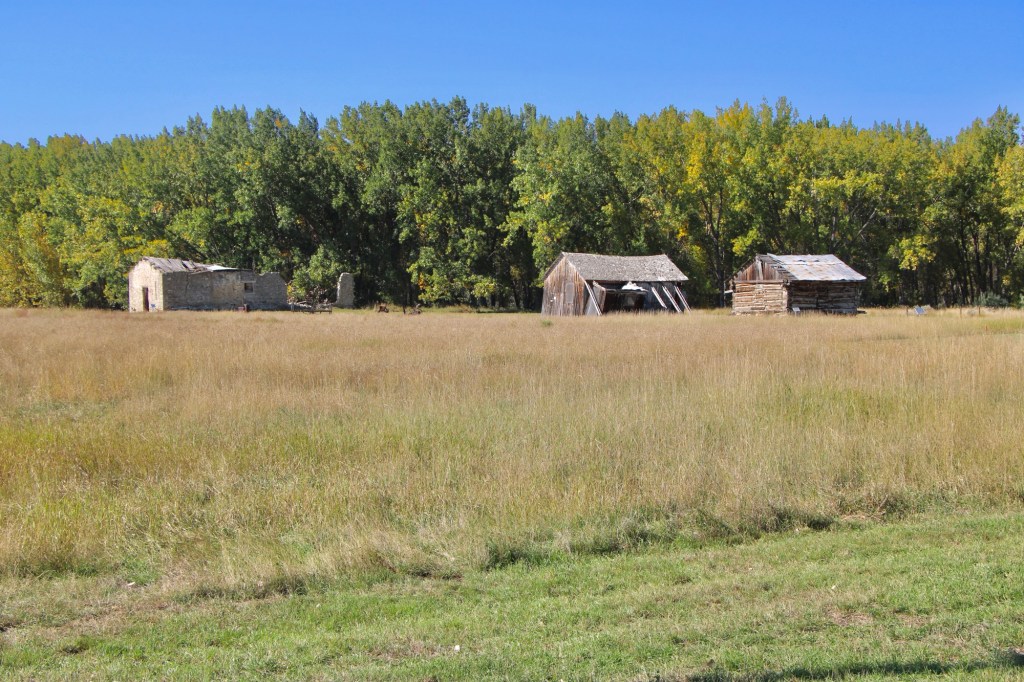
Settlement first came with trading posts, serving a nearby army base, Camp Cooke (1866-1870) and connecting steamboat traffic on the Missouri to nearly mining camps (like Maiden). When the U.S. government moved the base, Fort Benton merchant T.C. Power developed his own businesses and post at Judith Landing and established “Fort Clagett” to the immediate west. In the 1880s he partnered with Gilman Norris to create the famous PN Ranch from the remnants of these early settlement efforts.
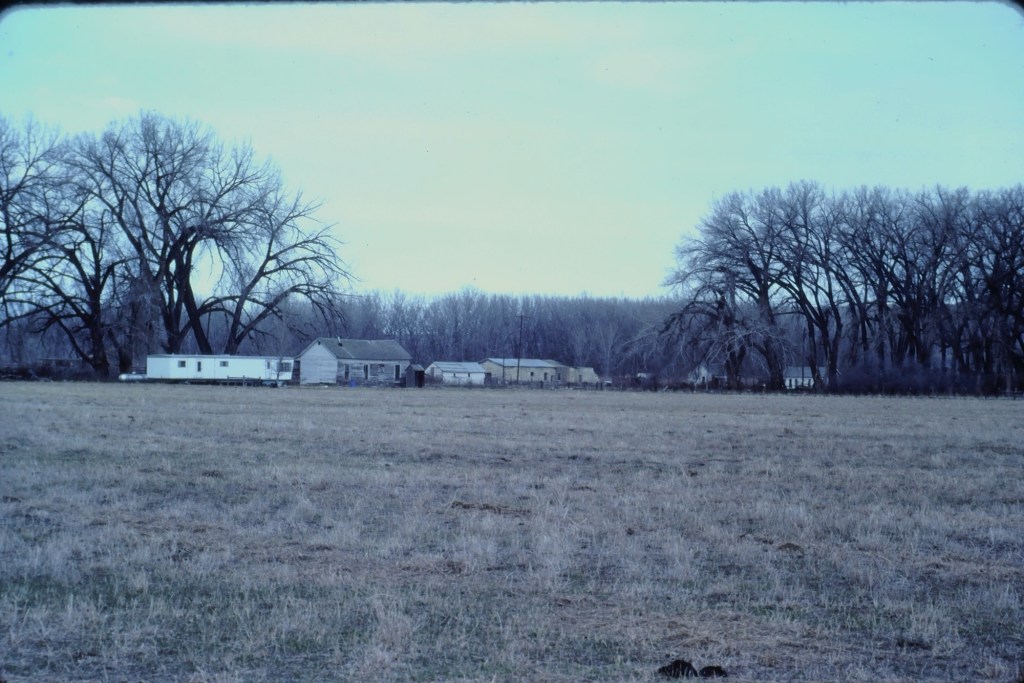
Visiting this place was a major goal of the 1984 historic preservation plan survey. At that time the ranch was still operating as a ranch and the one slide that I took shows several of the historic and new ranch buildings, yes from a distance because in the work I always respected private property boundaries.

Over the next 40 years I worked in Montana many times but never made a return to Judith Landing. I knew that the historic buildings of the PN ranch were there and that a National Register district existed affording some protection. Then in late 2024 came the news that Montana State Parks was acquiring 109 acres of the historic property and would create the Judith Landing State Park. I couldn’t wait to return and visited in late September 2025.
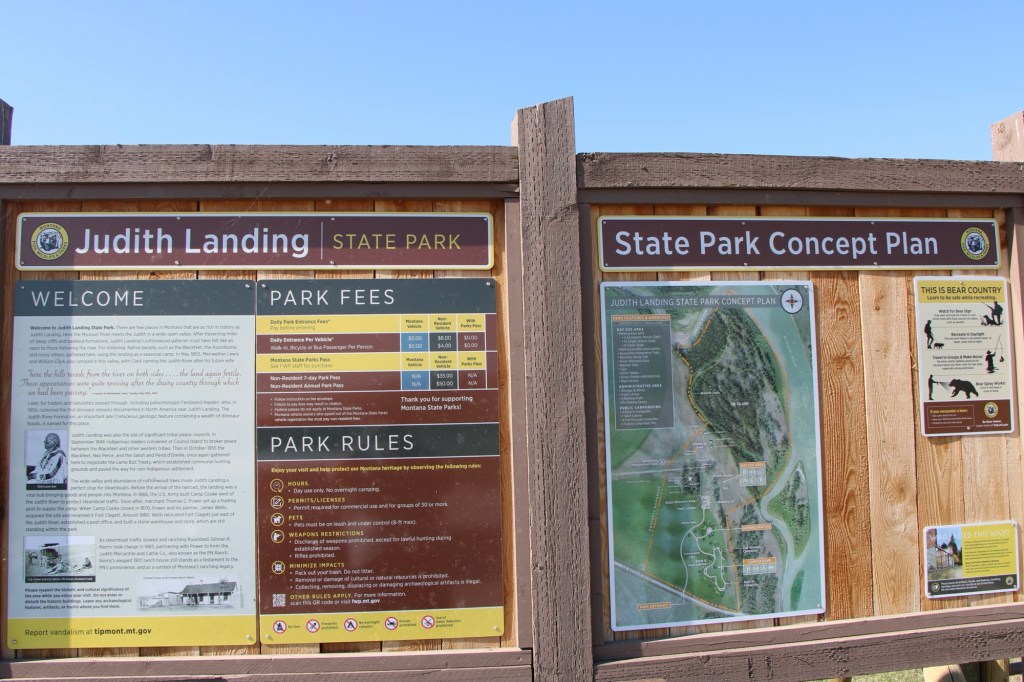
Interpretation and maps at the parking area
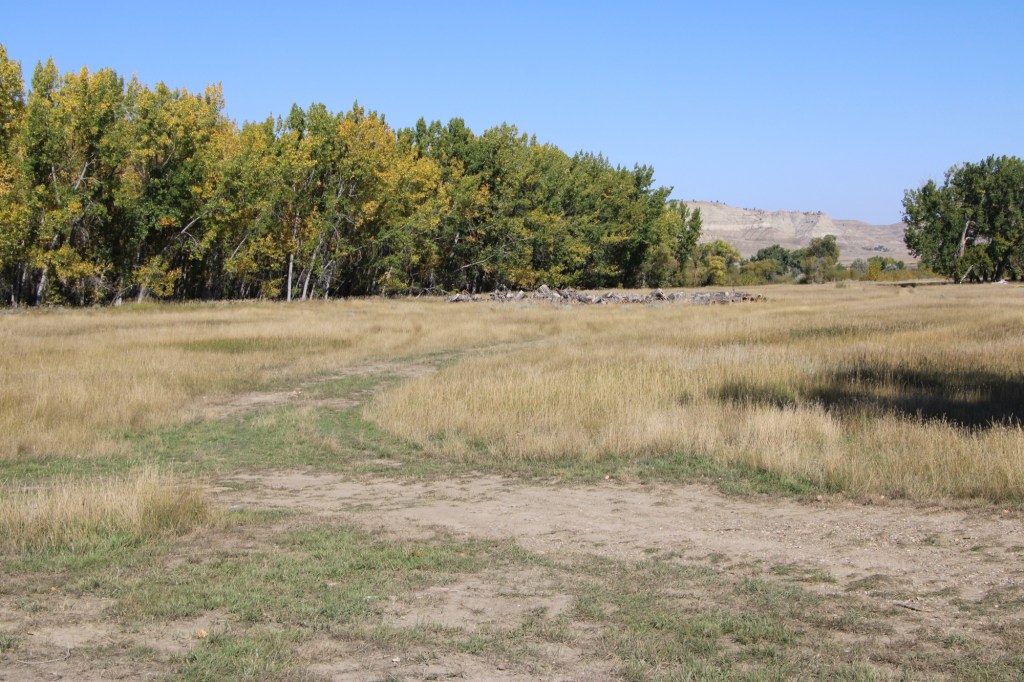
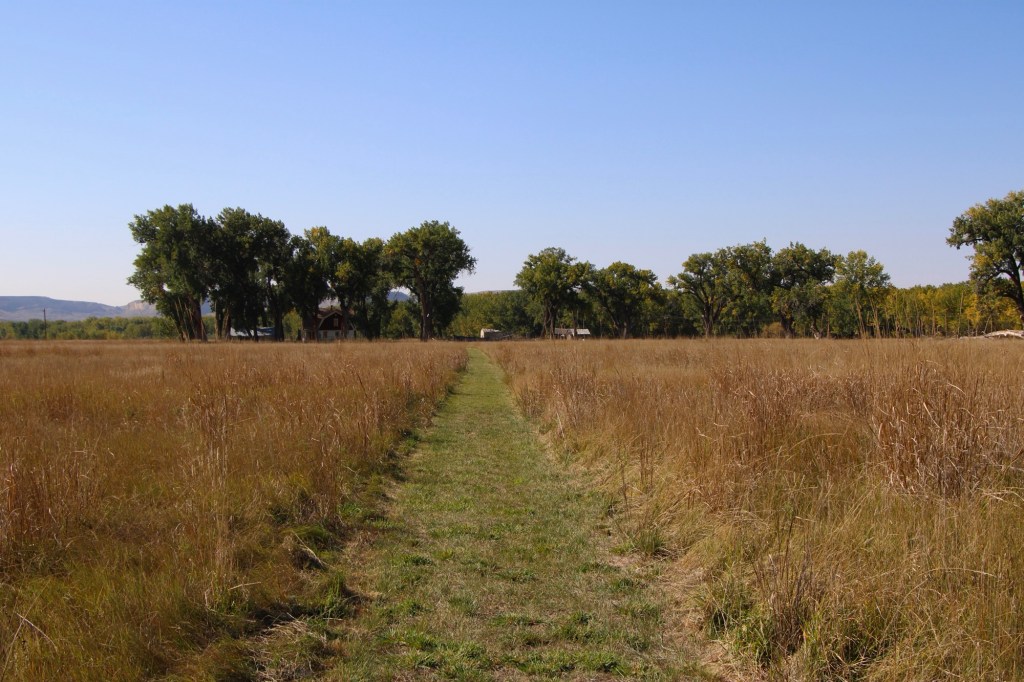
Path to the park buildings

At that time there had been little in the way of “park development.” I hope it largely stays that way because the sense of time and place conveyed by the rustic, rugged surroundings is overwhelming. You can be lost in history.
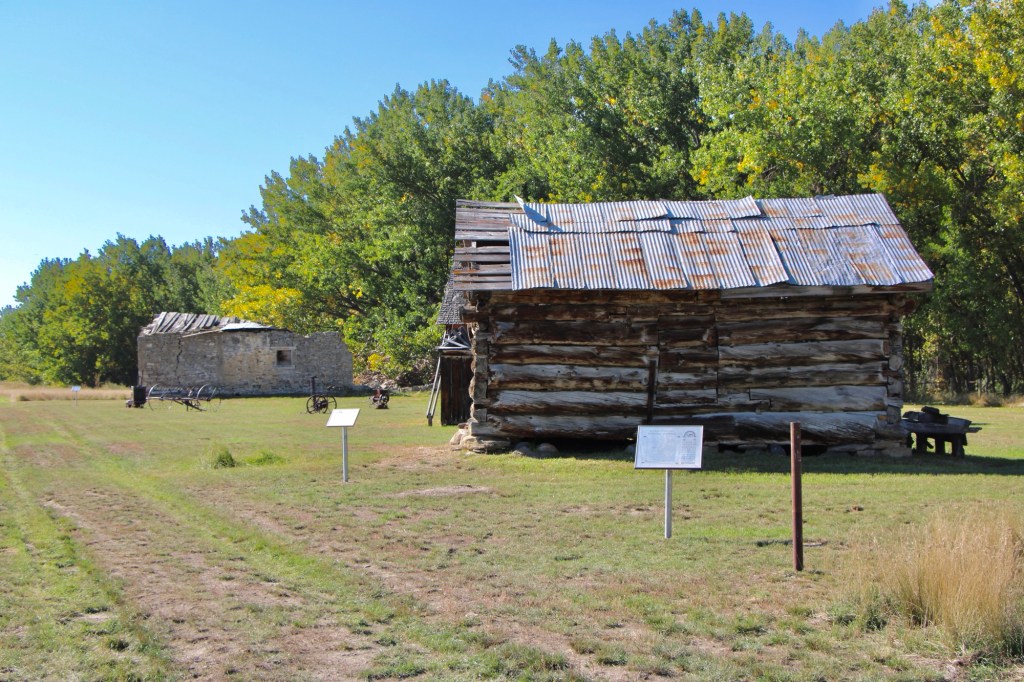
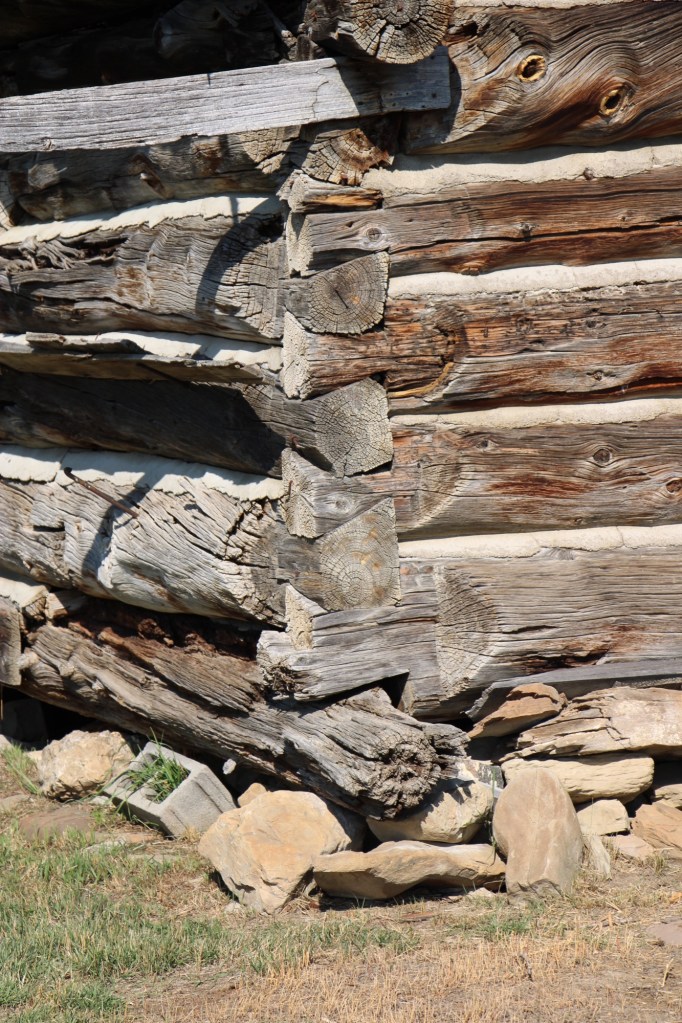
The half-dovetail “mail barn” was moved to its location on the ranch about 1890. It continued to serve as a post office until 1919.
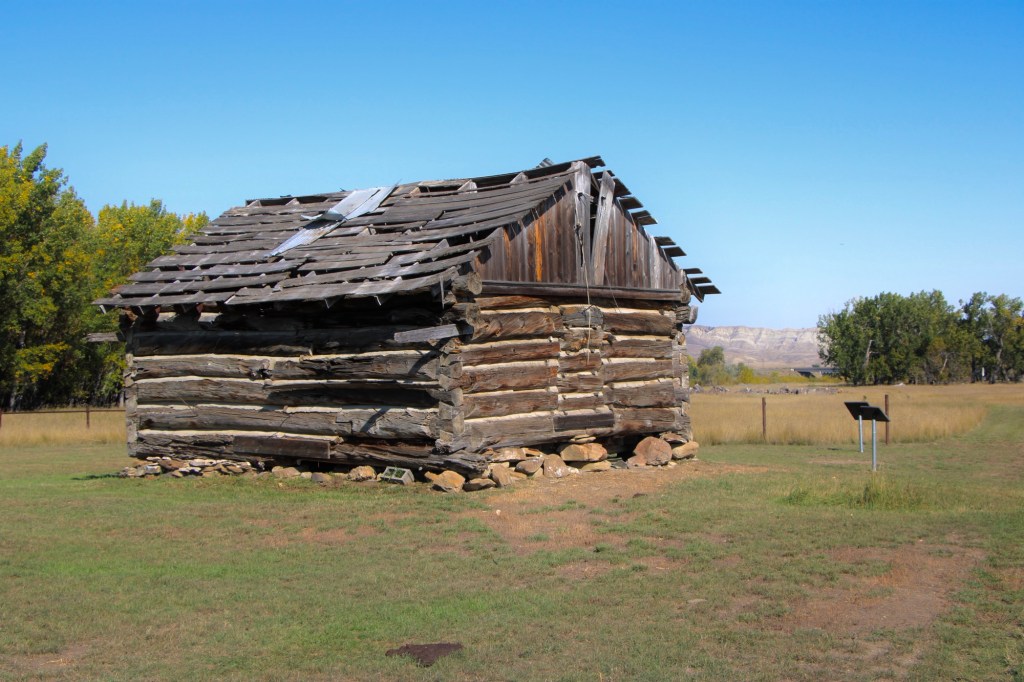
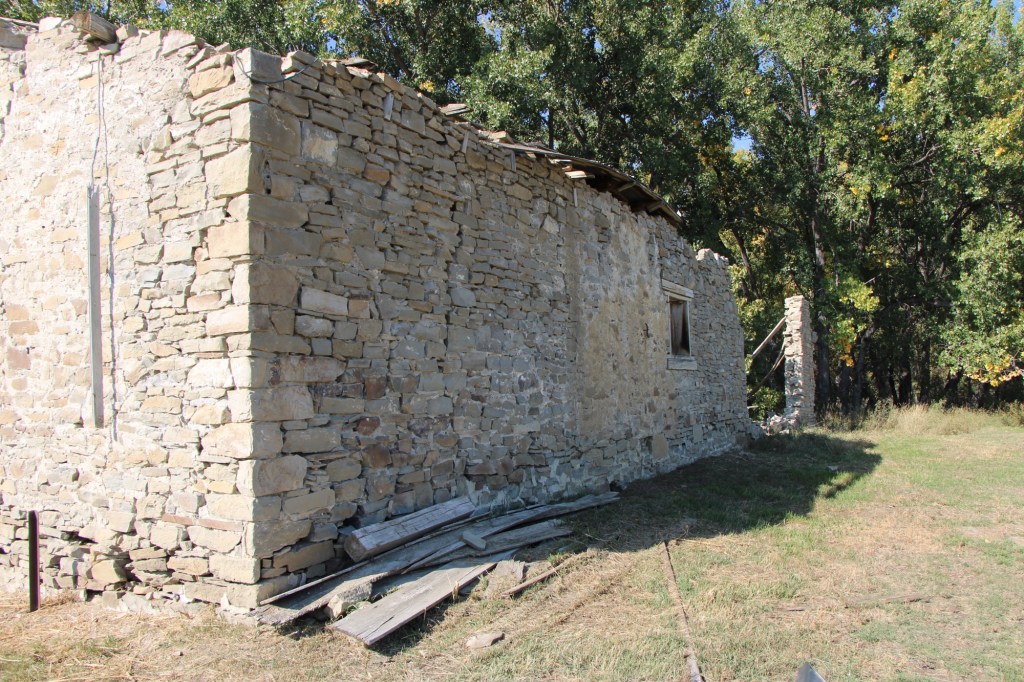
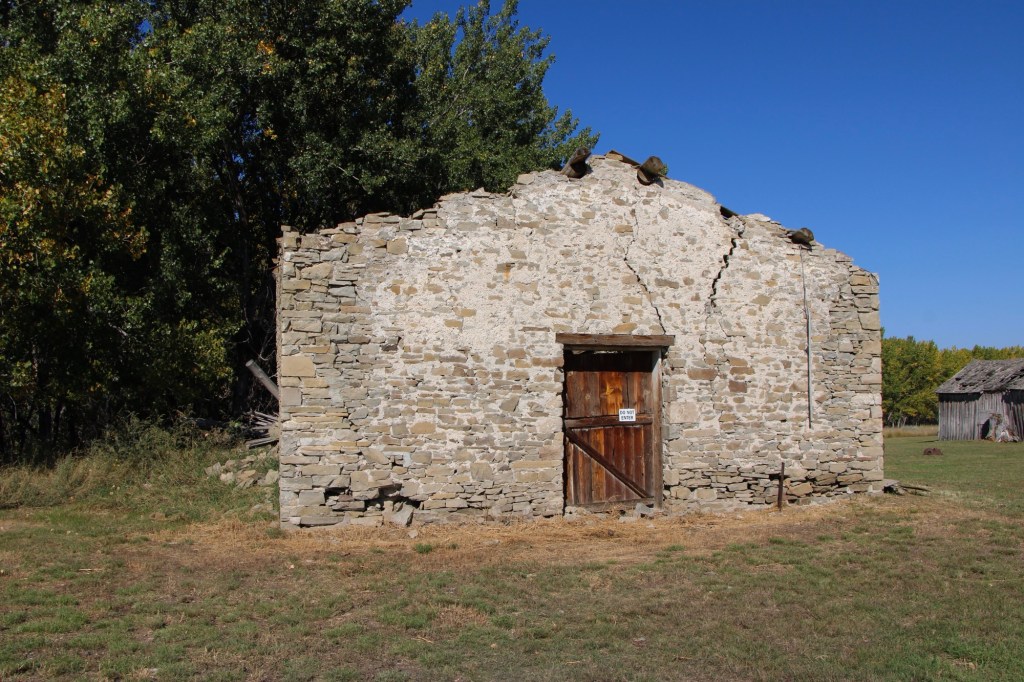
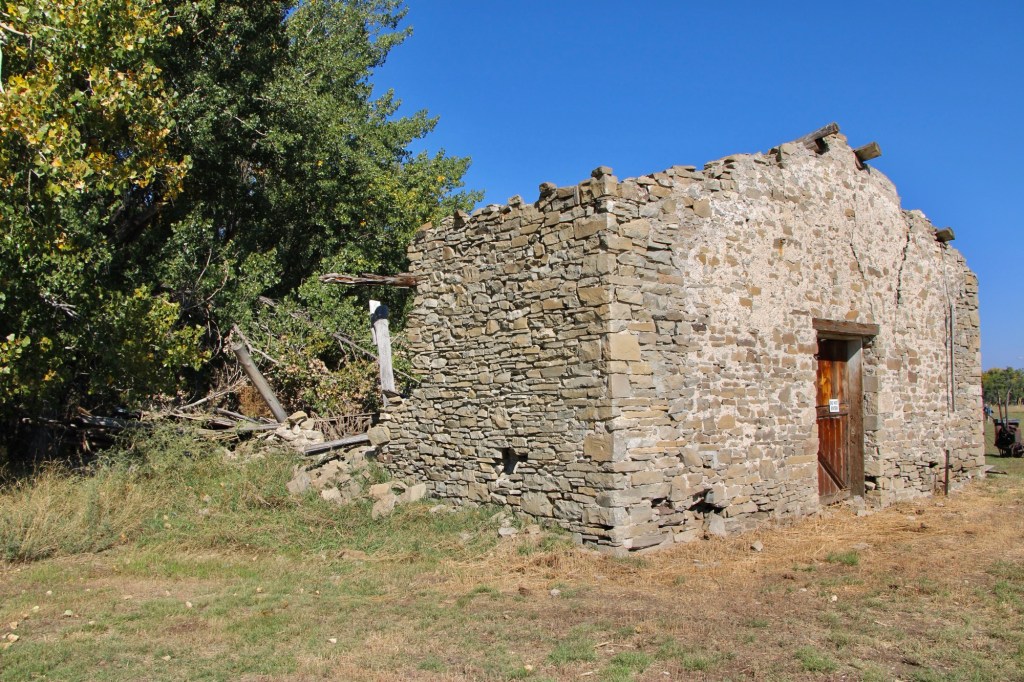
The stone warehouse was severely damaged in a flood 50 years ago—but it is hanging on, and indicates how important trade and commodities were here 150 years ago. It operated as a store until 1934 and then became a barn for the next 40 years until the flood of 1975.
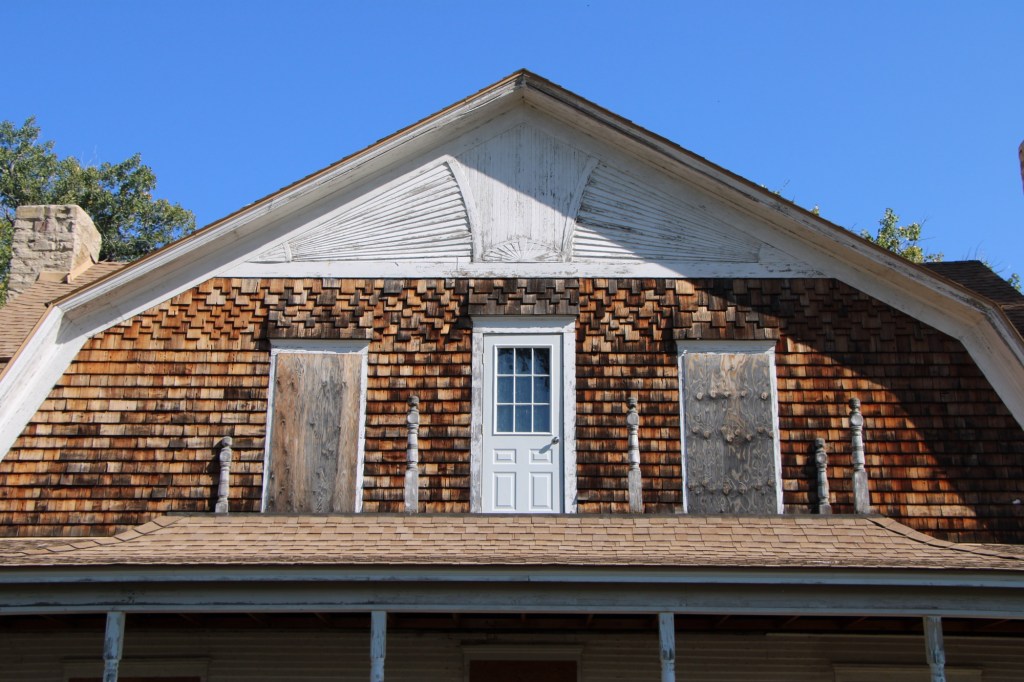
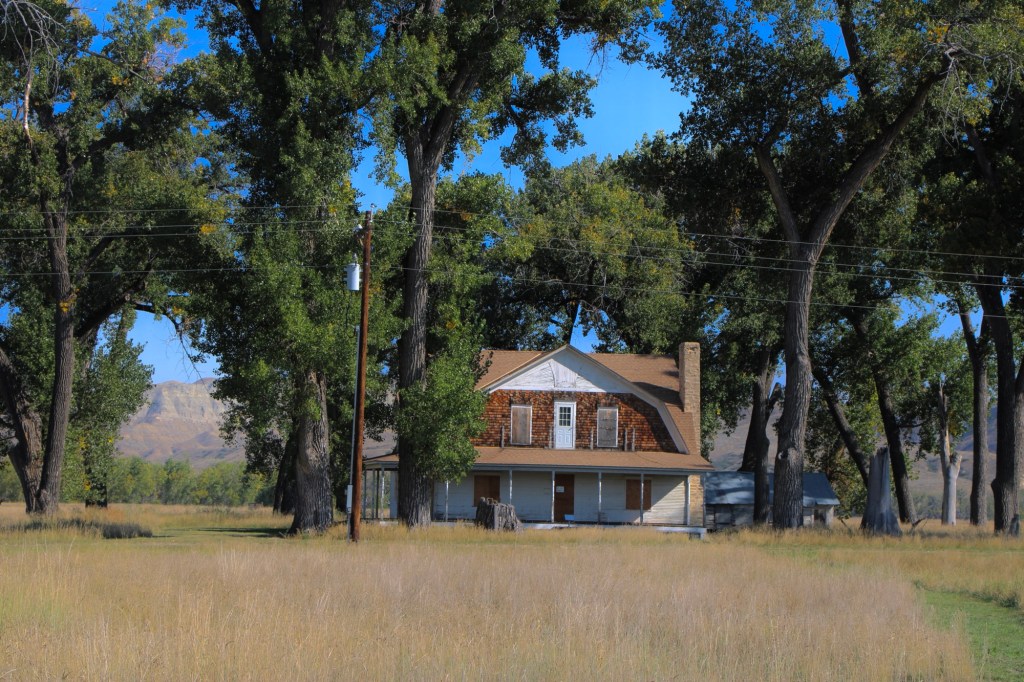
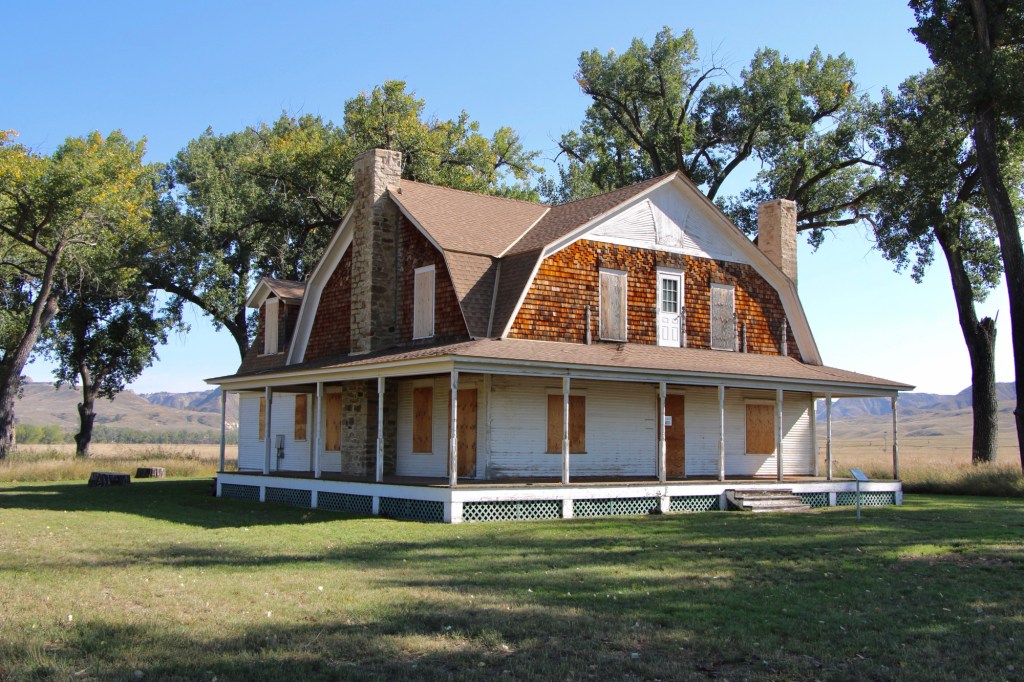
Gilman and Pauline Norris’s own ranch house, a turn of the twentieth century Shingle-style beauty, speaks to the ranch’s success. perhaps it can be restored as a future park interpretive center, open in the summer.
Historic path/road down to the river landing from the front of the ranch house.

The important point is that, now, finally, Judith Landing is a state park, conserving one of the most remarkable places of the northern plains.
The Power Building, Lewistown: Update

IMG_9992.JPG

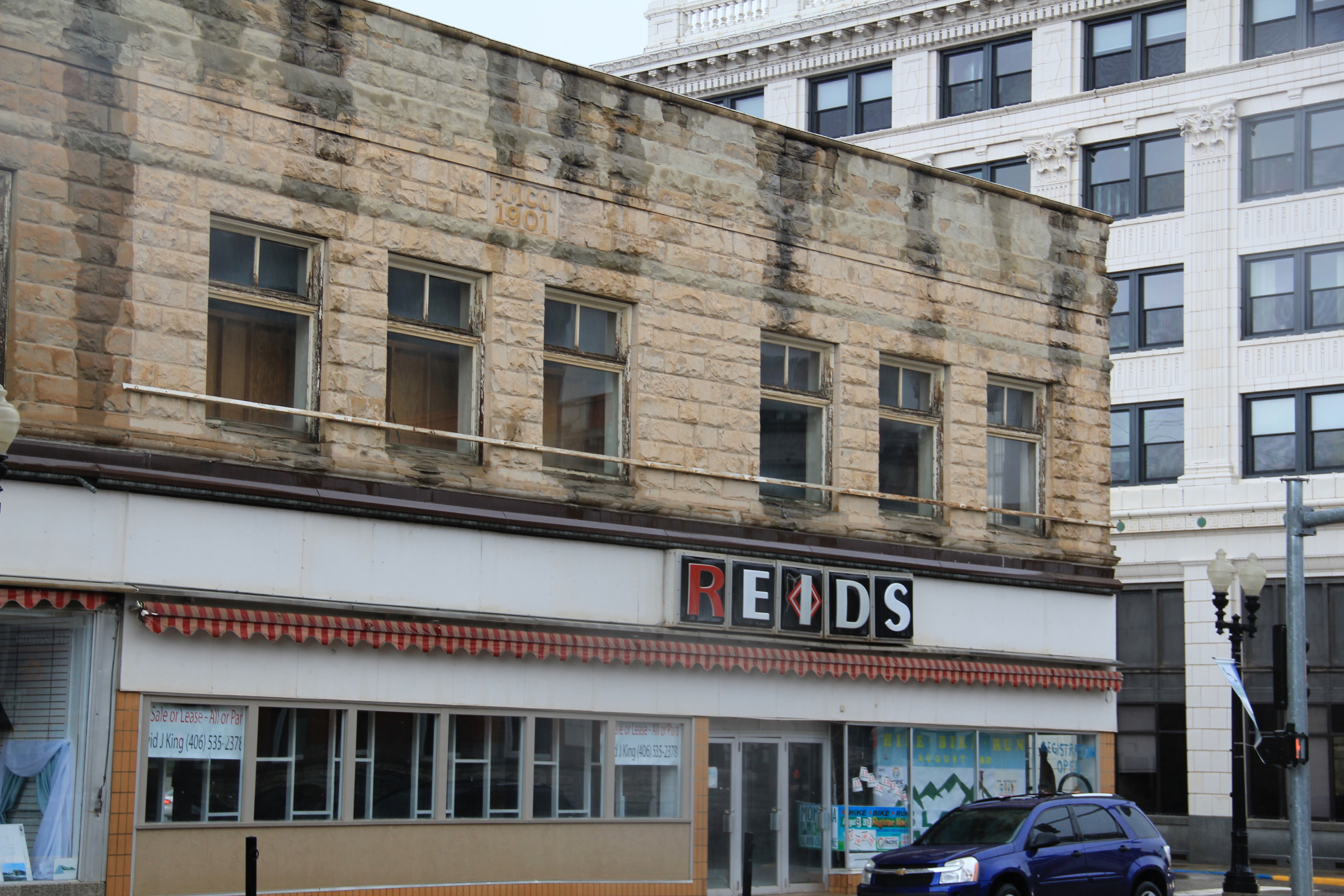
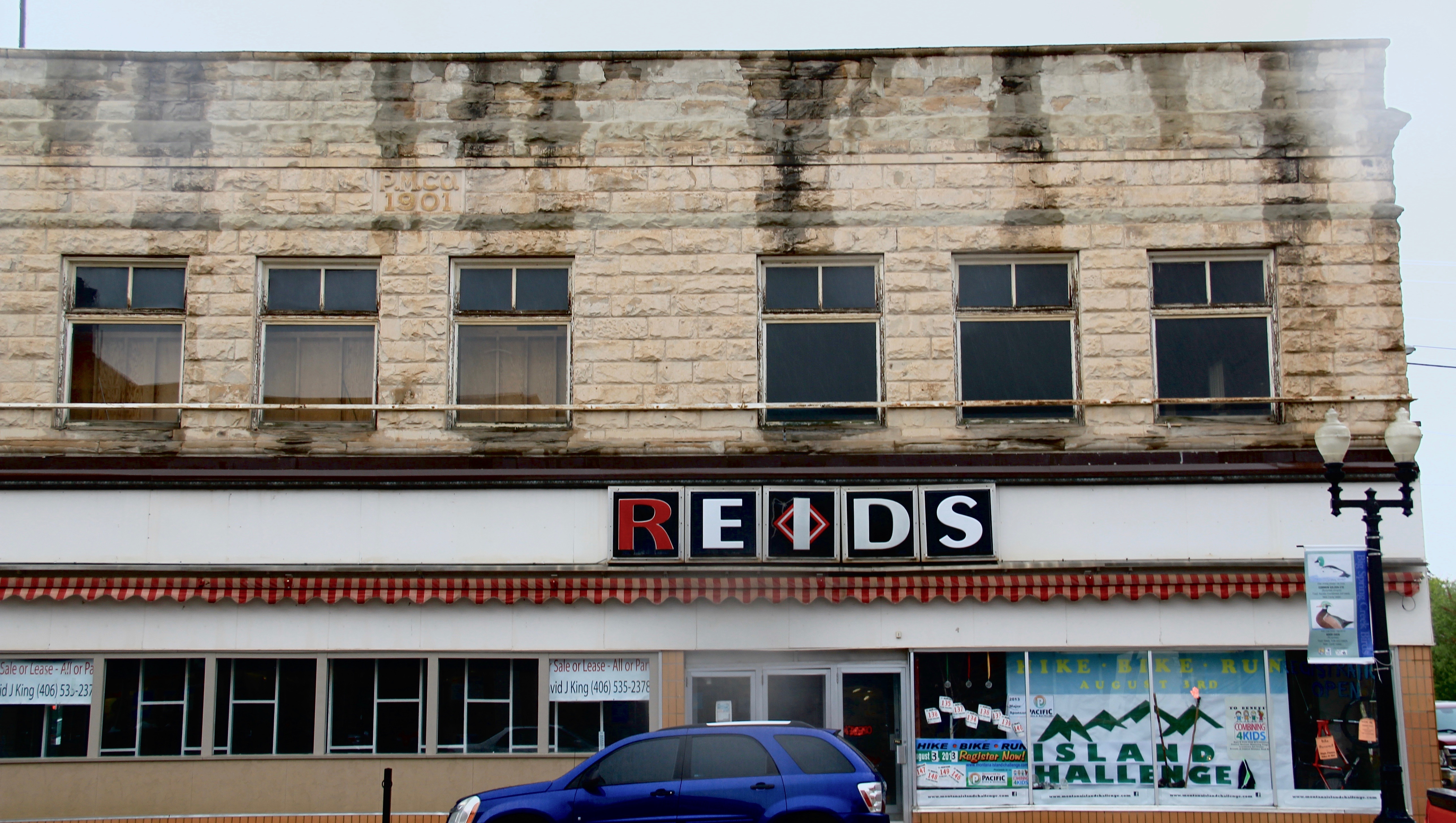
The two-story, cut-stone Power Mercantile Company building in Lewistown is a foundational business for the town, and for central Montana.  T. C. Power was a very significant pioneer entrepreneur in Montana, and this stone building, built by Croatian immigrants to Lewistown in 1901, served his mercantile and ranching interests in the area.  Standing in the heart of the downtown historic district, across the street from the mammoth classical styled First National Bank, the Power building has served Lewistown in many ways over the last 100 years, but when I visited last in 2013, the Reids department store had closed and the building was up for lease.

IMG_9989.JPG

This week’s Great Falls Tribune, however, had the exciting news that the American Prairie Reserve, which already had acquired Power’s famous PN Ranch at the confluence of the Judith and Missouri rivers, had purchased the Power Mercantile Company Building to serve as its future National Discovery Center, a downtown visitor center/museum.  This adaptive reuse project will spur heritage tourism, recreational tourism, and economic development in Lewistown, linking the town and beautiful landscapes to the north along the Missouri River.

IMG_9989.JPG – Version 2

I applaud Lewistown for the vision of having preserved this historic mercantile building until the right time for a new use, and new generations of service to the city.  This story, compared to what happened in another Montana city to the west, is yet another demonstration of how Montanans can build new futures from the built environment of their distinguished past.


Helena’s Resurrection Cemetery (1908)

IMG_4389

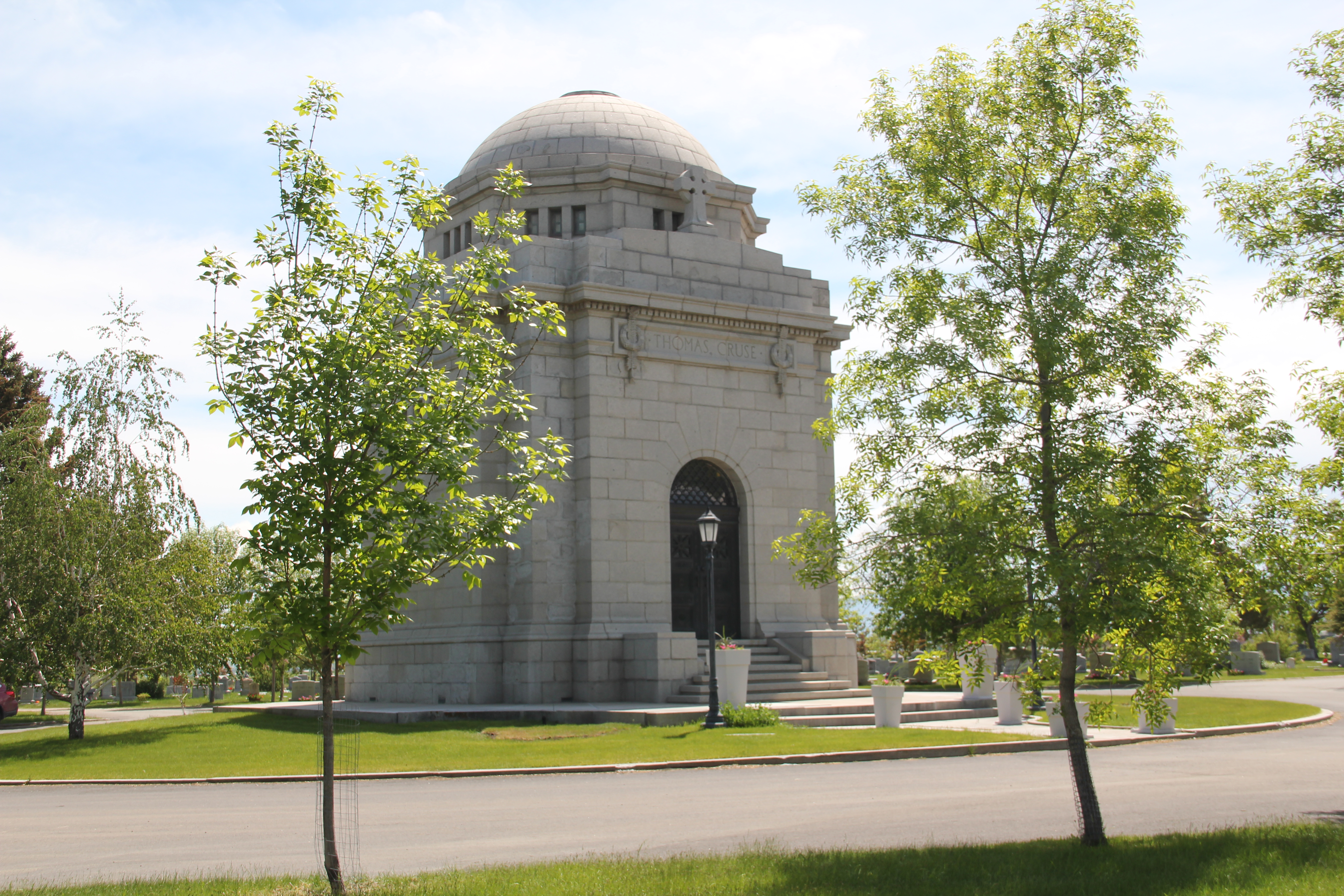
Dominated by the monumental Cruse family mausoleum, Resurrection Cemetery has been a Montana Avenue landmark for over 100 years.  It is not the first Catholic cemetery in Helena–the original one was nearer the yards of the Northern Pacific Railroad and was closed c. 1906-1908, when Resurrection Cemetery was under development.  The first cemetery became abandoned and many markers and crypts were not removed until the late 1940s and 1950s.  Then in the 1970s, the city finished the process and turned the cemetery into Robinson Park, where a small interpretive marker still tells the story of the first Catholic cemetery.

IMG_4381

IMG_4390

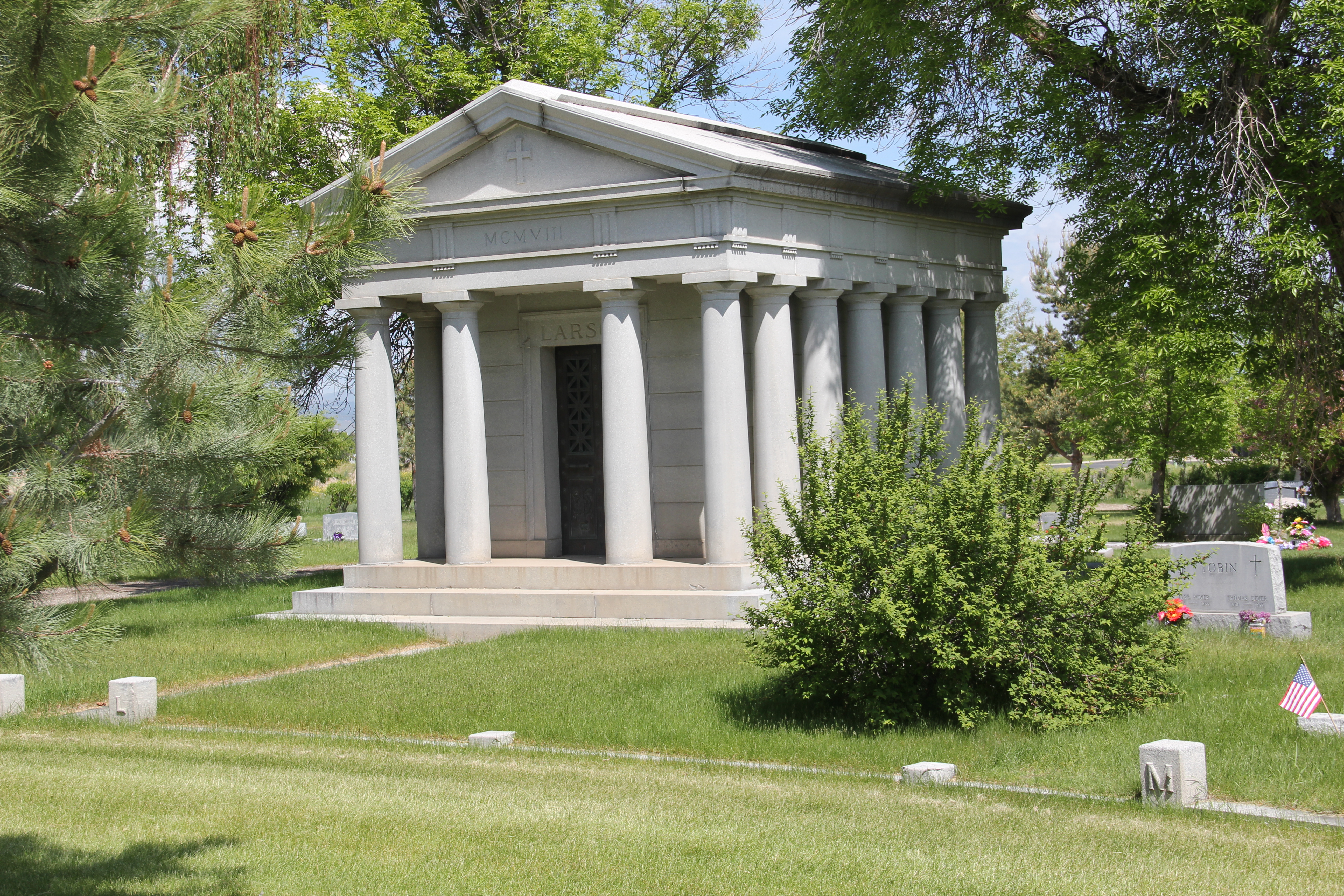
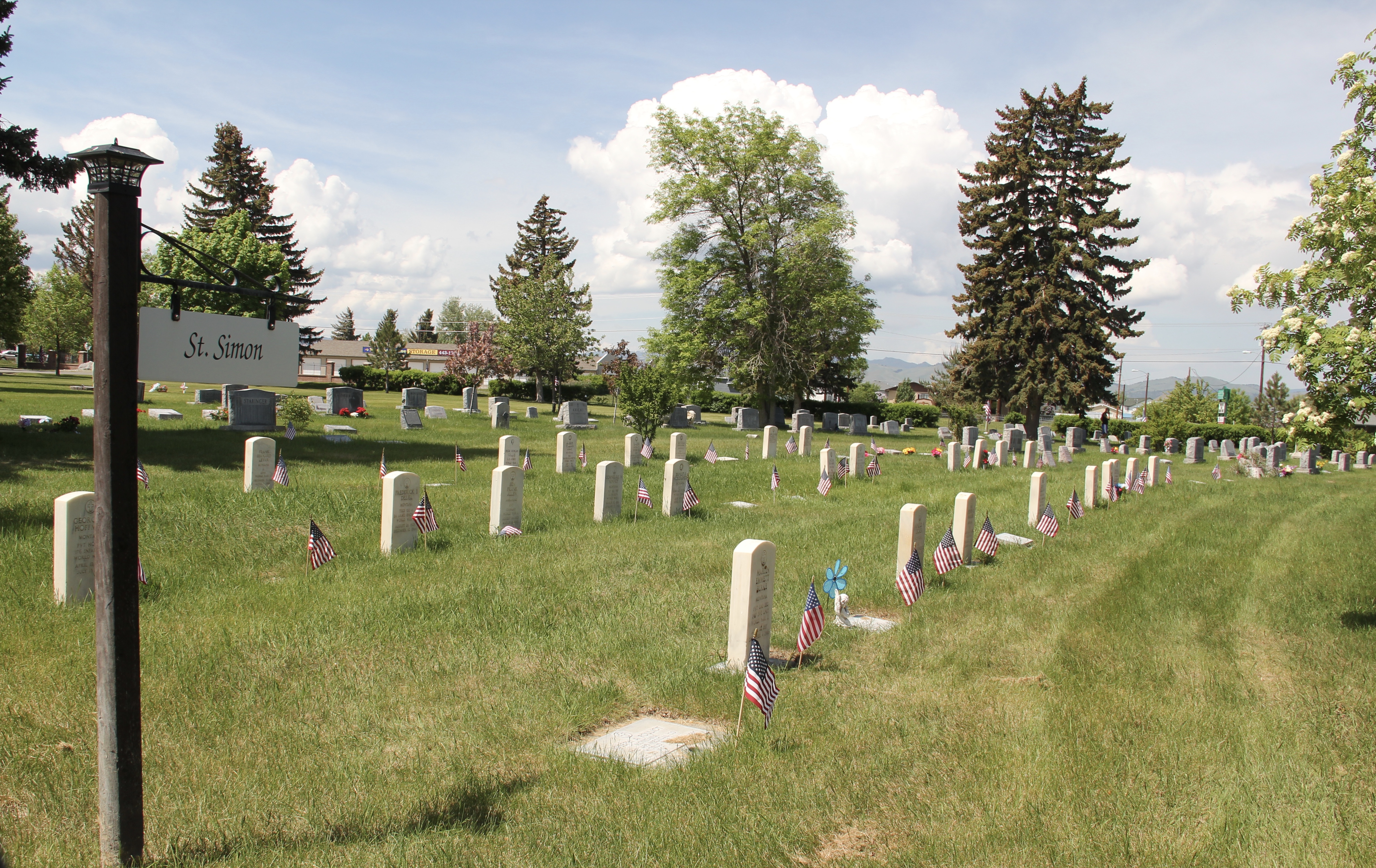
Resurrection is a beautifully planned cemetery, with separate sections, and standardized markers, for priests and for the sisters, as shown above.  Their understated tablet stones mark their service to God and add few embellishments.  Not so for the merchant and political elite buried in the historic half of Resurrection Cemetery.  “Statement” grave markers abound, such as the Greek Revival temple-styled mausoleum for the Larsen family, shown below.

IMG_4375

IMG_4376

An elaborate cross marks the family plot of Martin Maginnis, an influential and significant merchant and politician from the early decades of the state’s history (but who is largely forgotten today).  Nearby is the family plot for one of Maginnis’ allies in central Montana and later in Helena, T. C. Power.

IMG_4383

Joseph K. Toole, a two-time Governor of Montana, is also buried with a large but not ornate stone marker, shown below. Former senator Thomas Walsh is nearby but what is

IMG_4377

most interesting about the Walsh family plot is the striking Arts and Crafts design for his

IMG_4385

IMG_4386

daughter Elinor Walsh, who died as a young woman.  I have not yet encountered a marker similar to hers in all of Montana.

IMG_4387Another compelling marker with statuary is that of another young woman rendered in marble, a memorial to James and Catherine Ryan.

IMG_4380

Thomas Cruse, who struck it rich with the Drumlummon mine at Marysville, had no qualms about proclaiming his significance and the grandest cemetery memorial in Montana bears his name.  Cruse already had put up at least one-third of the funding for the magnificent High Gothic-styled St. Helena Cathedral in downtown Helena.  At Resurrection, Cruse (who died in late 1914) was laid to rest in a majestic classical-style family mausoleum where his wife and his daughter were also interred (both proceeded Cruse in death).  The Cruse mausoleum is the centerpiece of Resurrection’s design.

IMG_4392

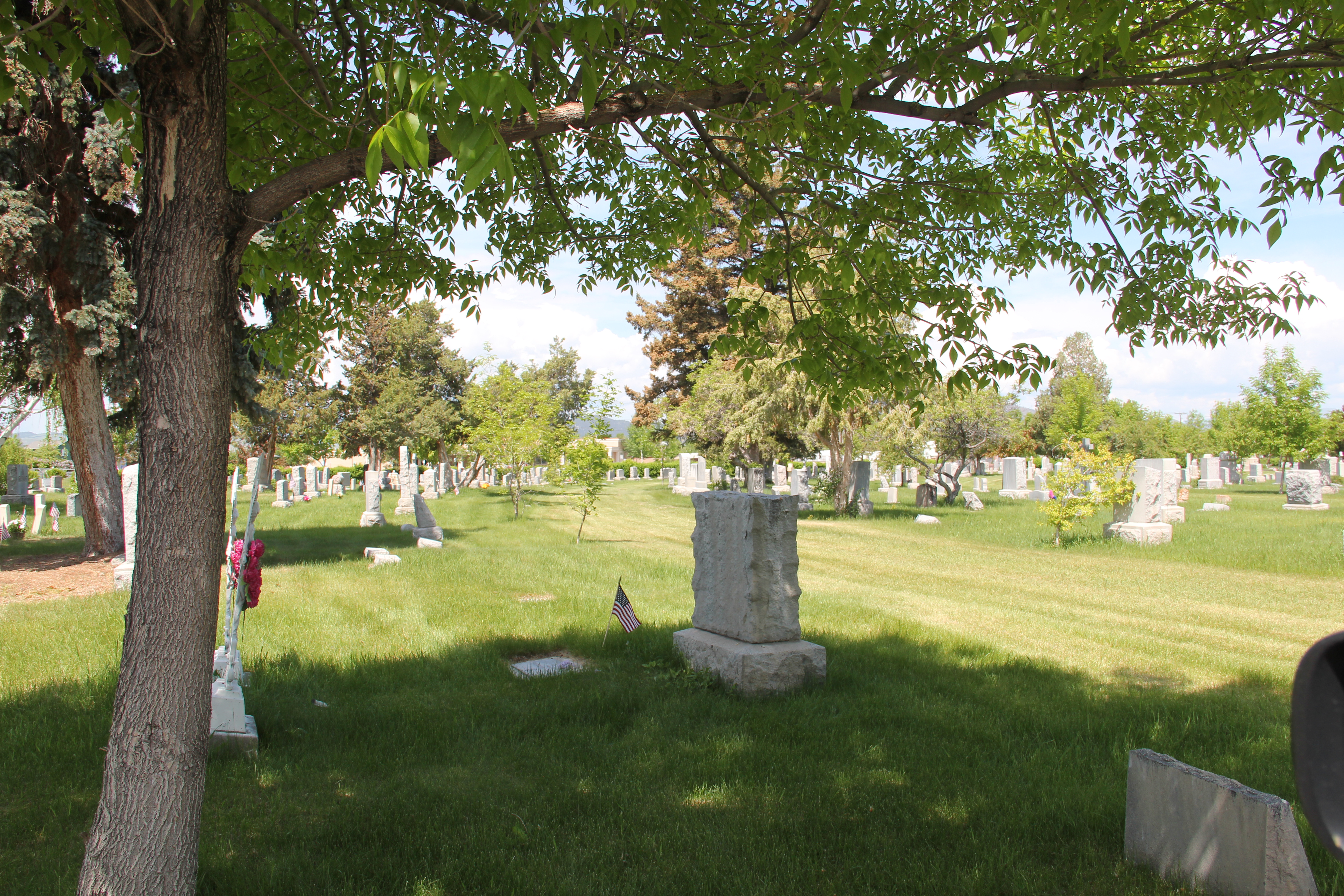
But the monuments for the rich and famous at Resurrection are the exceptions, not the rule.  In the historic half of the cemetery, most markers are rectangular tablet types.  The cemetery also has a separate veterans section.  IMG_4373

IMG_4372