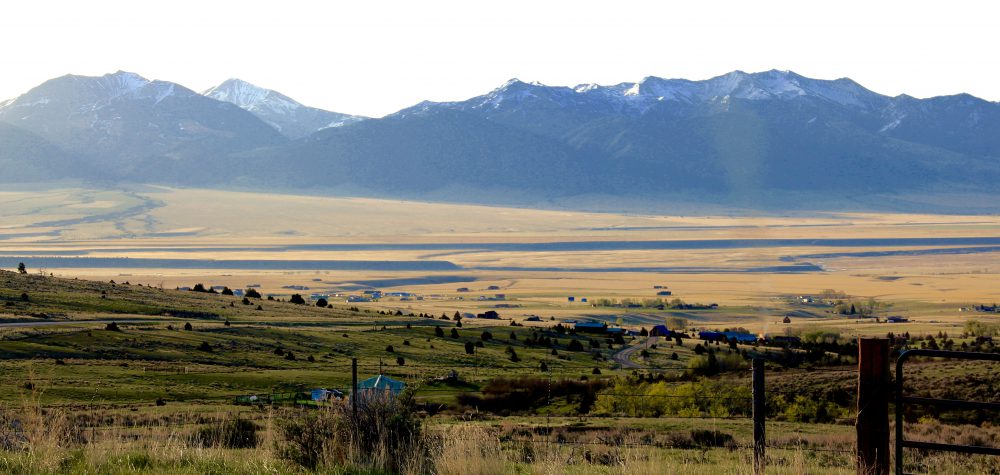
One of the most important late 19th century architects in Montana was German-born and -trained John C. Paulsen (1853-1897). He arrived in Helena in 1887 and soon joined with contractor Noah McConnell to establish the firm of Paulsen & McConnell, which existed until its dissolution in 1891.
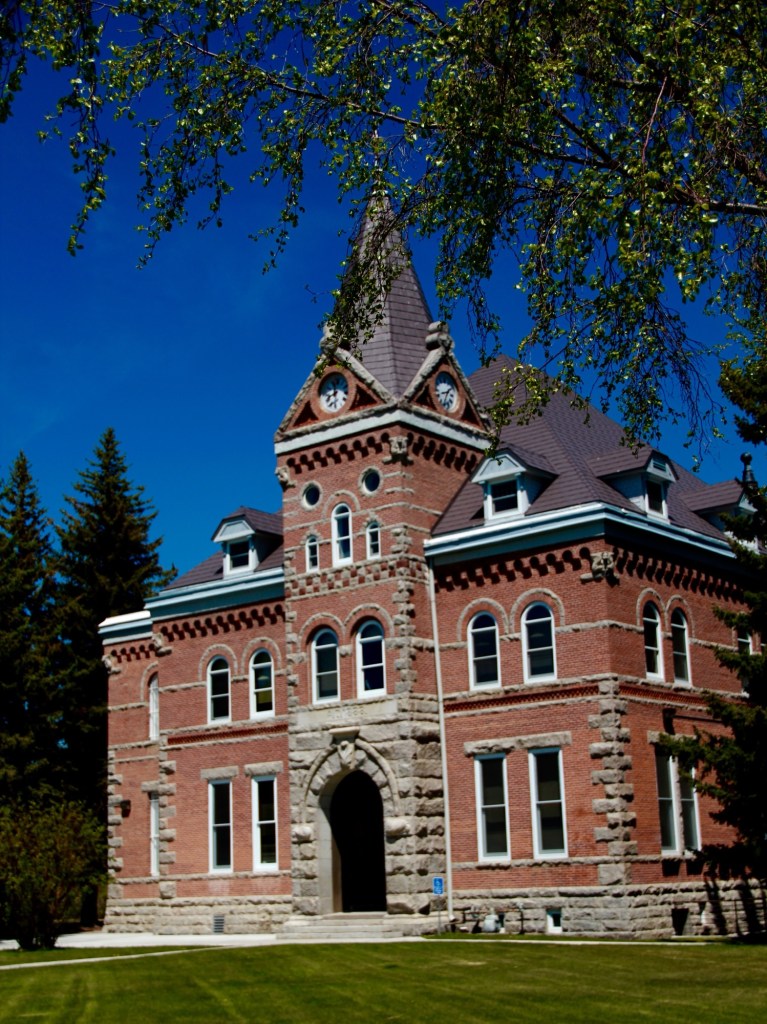
One of the firm’s early commissions, the Jefferson County Courthouse in Boulder, enhanced its reputation for public architecture. its stately mix of brick and stone, dominated by a central tower with a commanding arch entry makes it one of the state’s most impressive Late Victorian era designs.
The firm had many significant commissions for private homes in Helena in the years 1887-1890. A select few that are listed in the National Register of Historic Places are shown below:
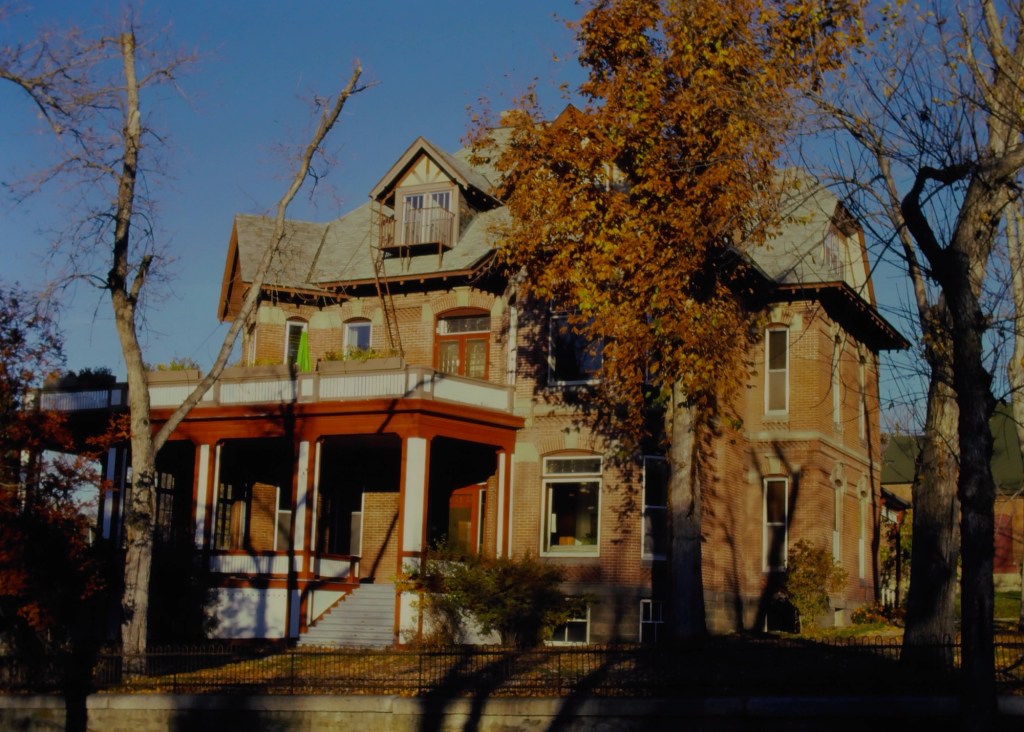
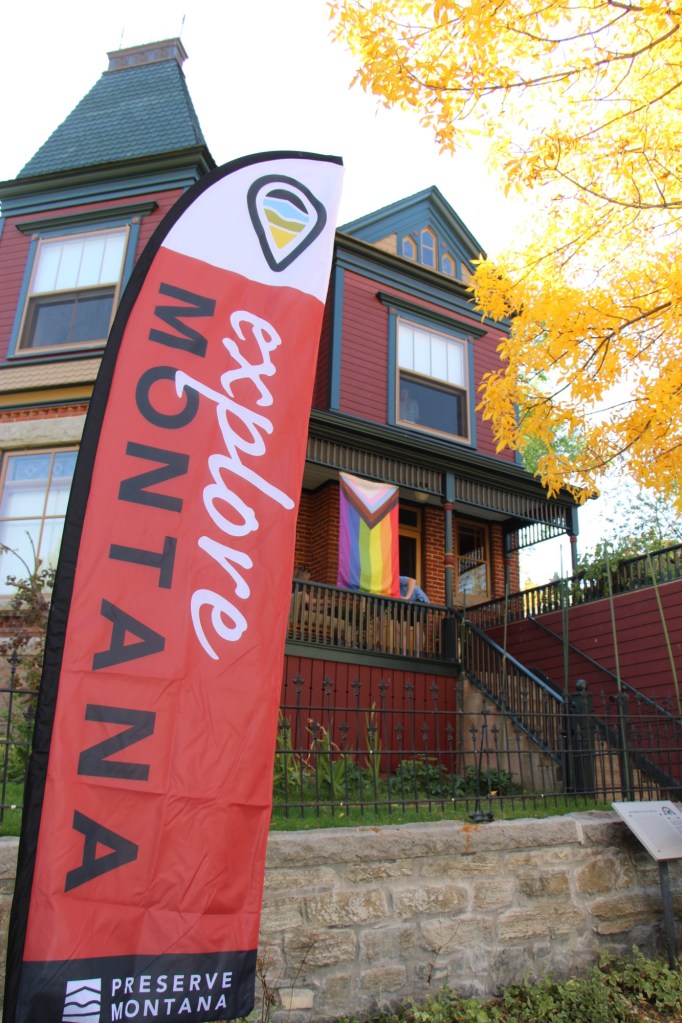
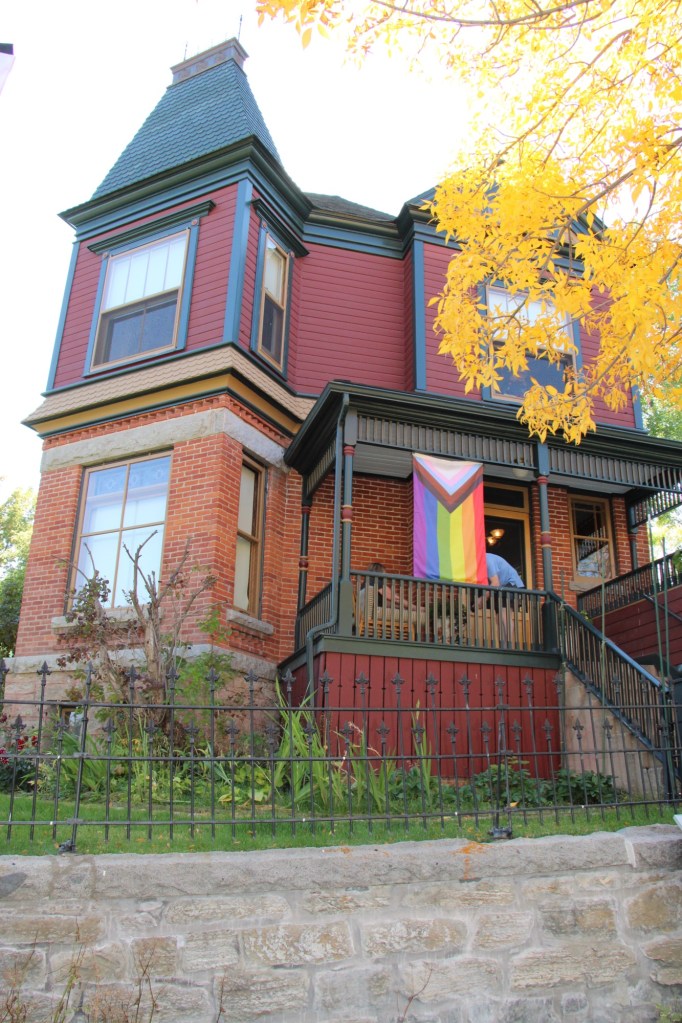
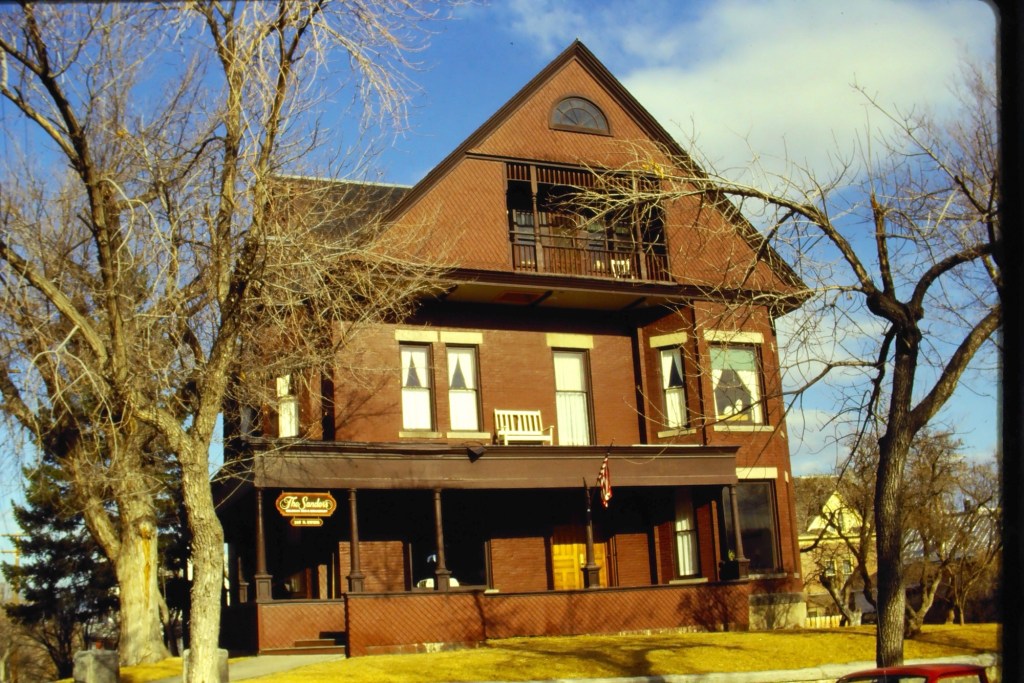
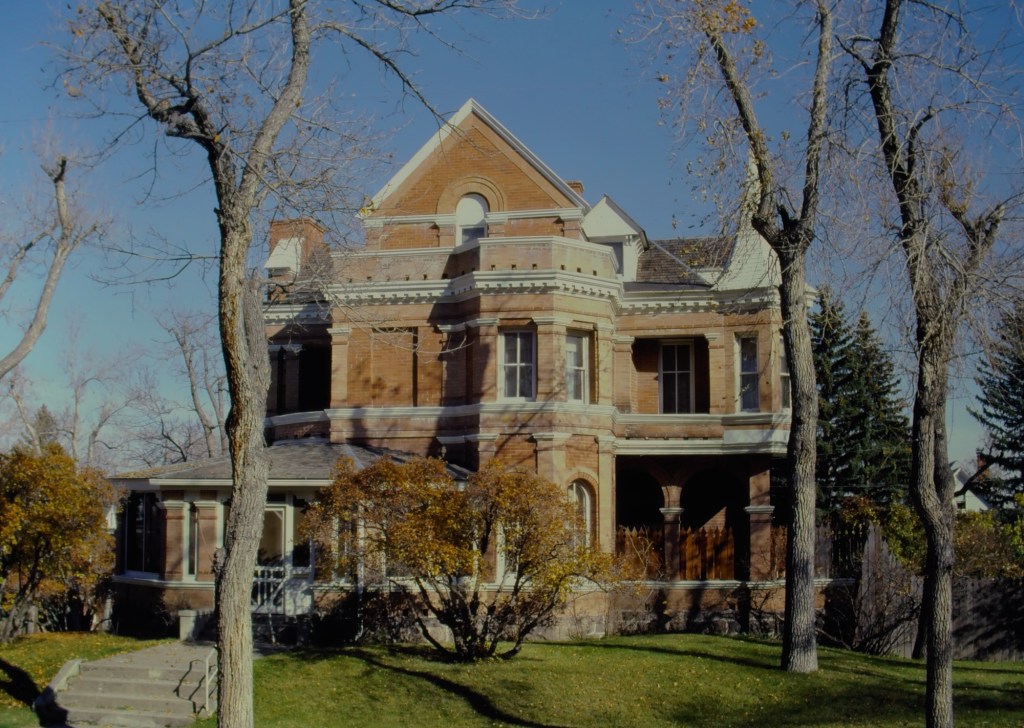
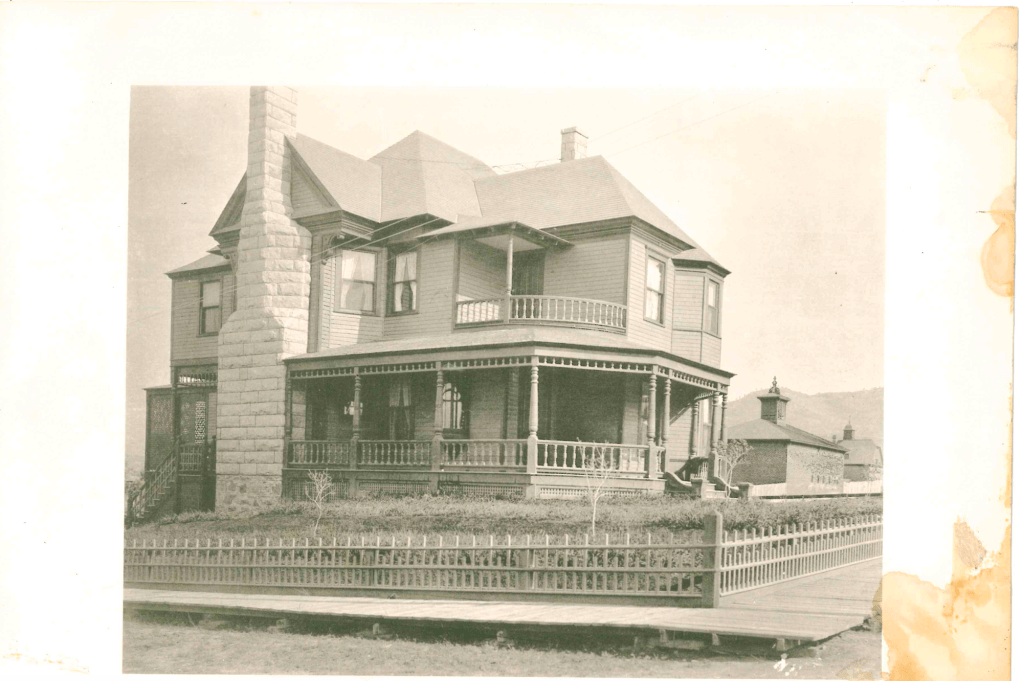
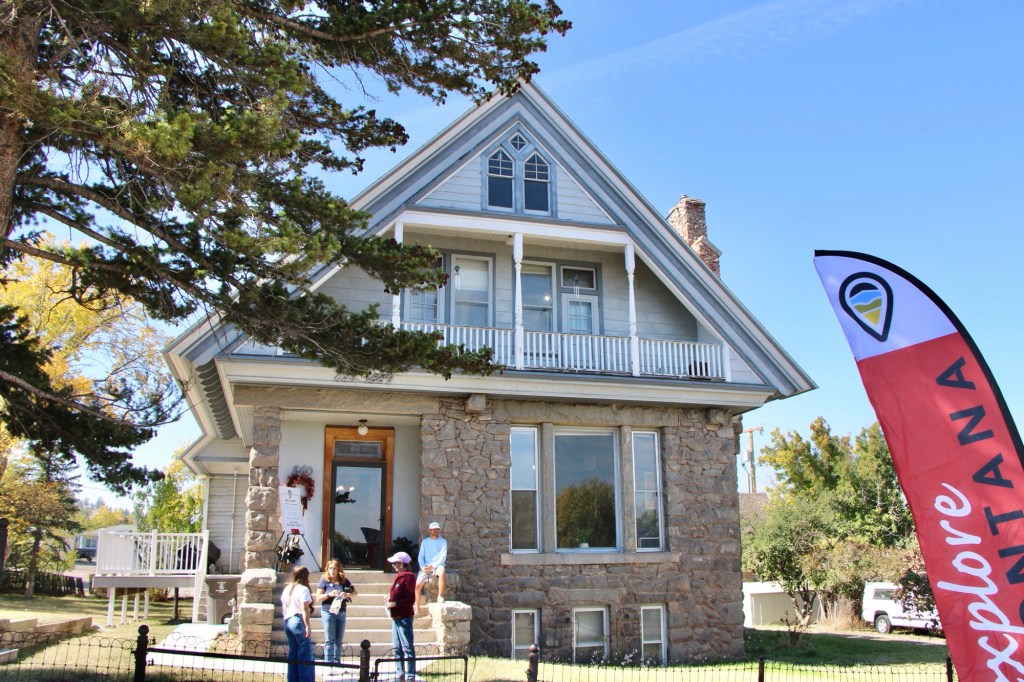
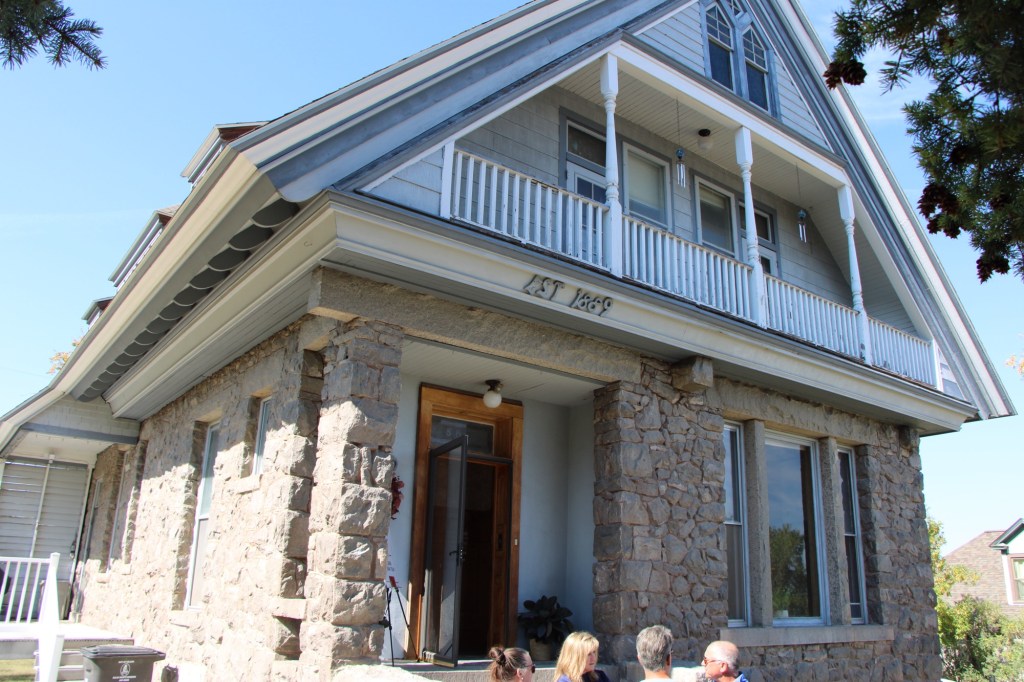
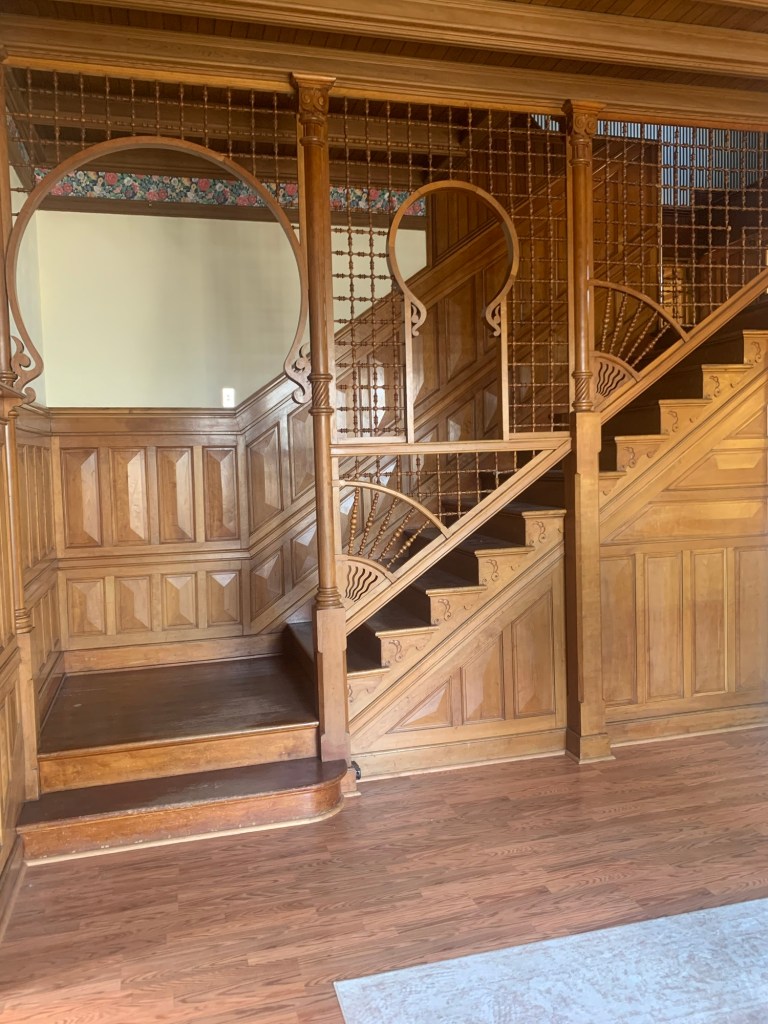
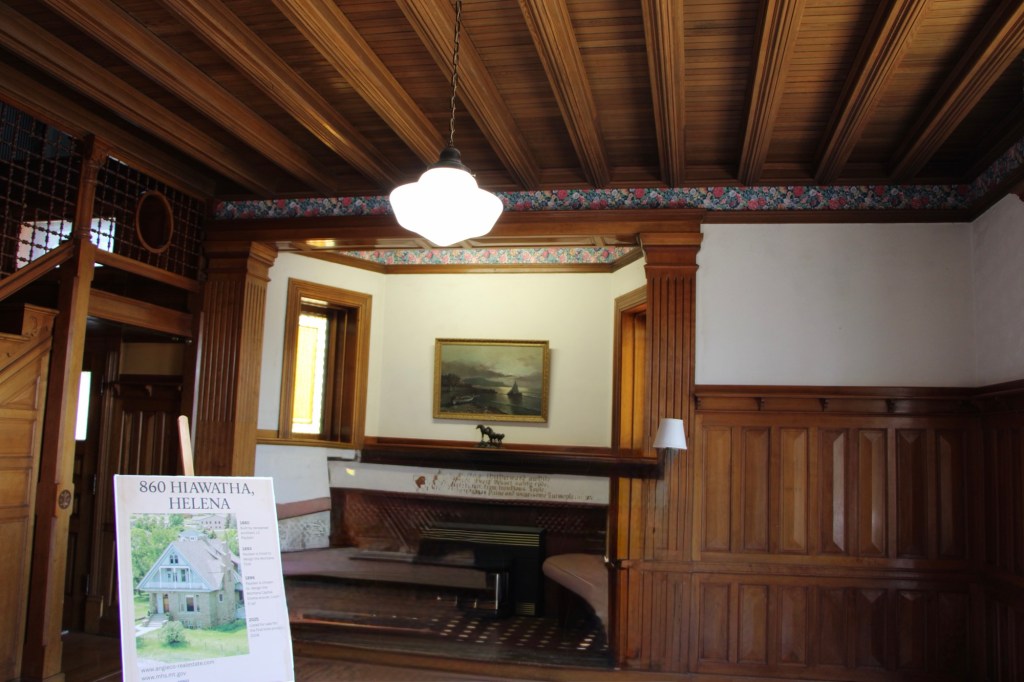
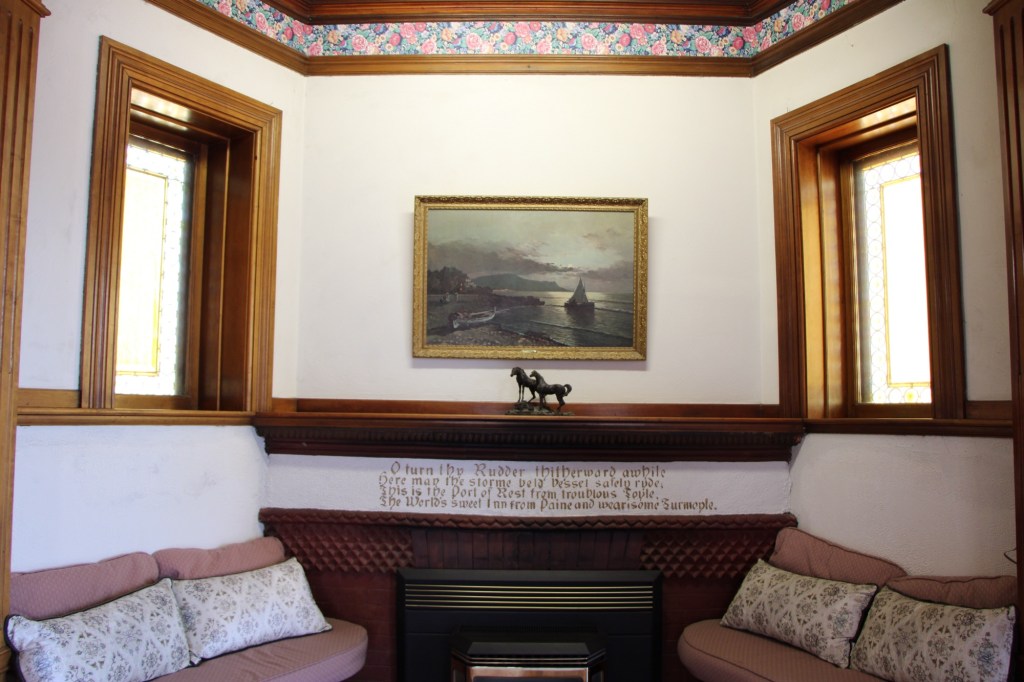
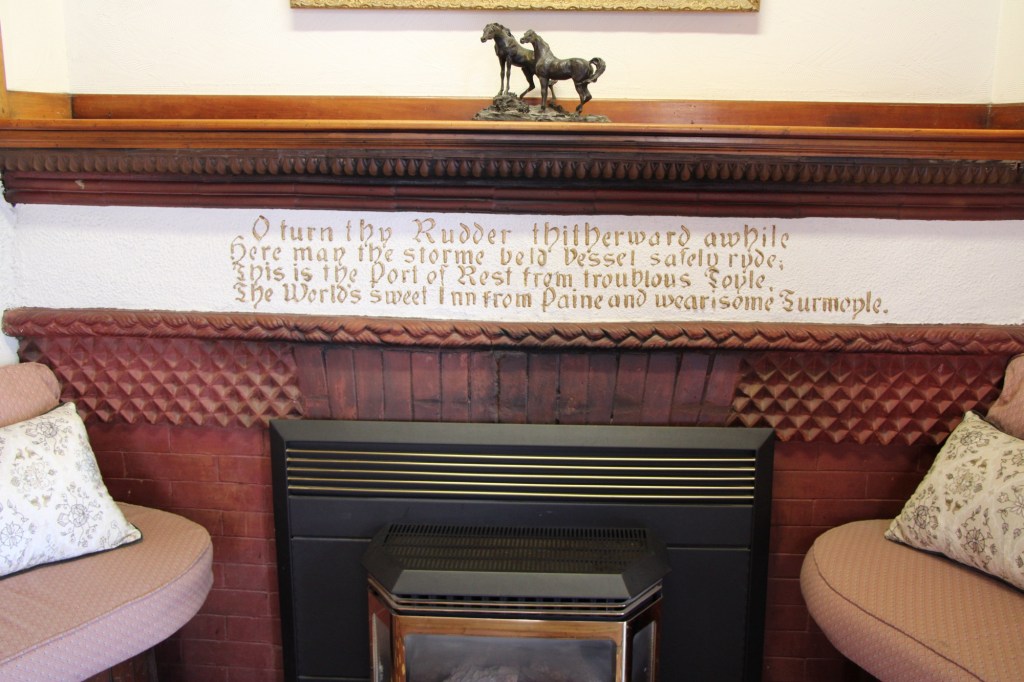
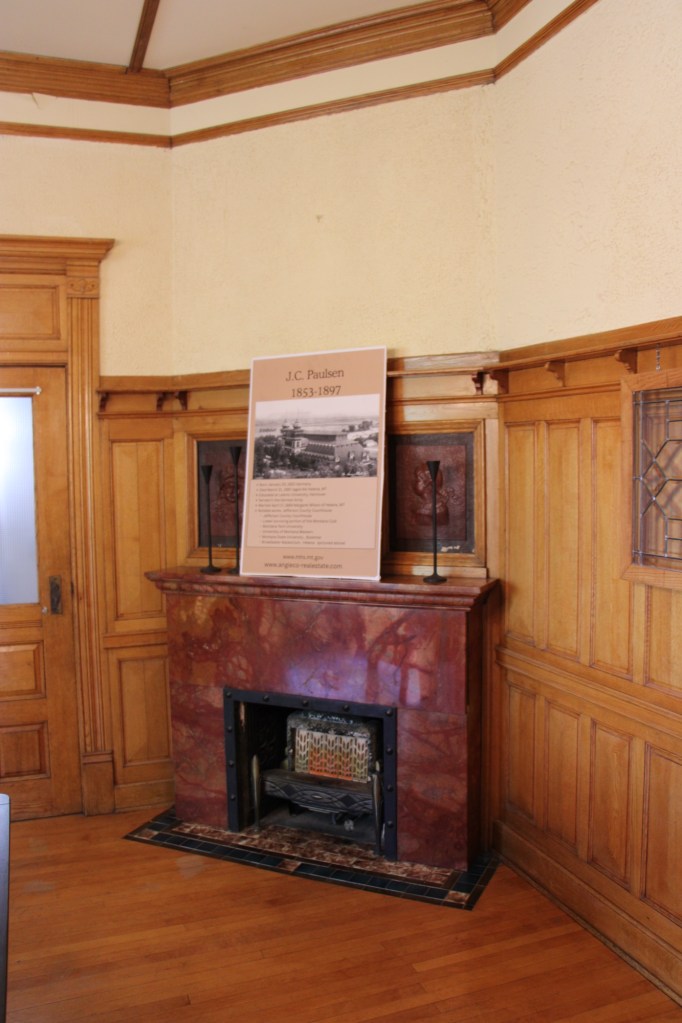
Perhaps most importantly there was Paulsen’s own home on the west side of town, which was built in 1889 and featured in the Hidden Helena 2025 tour. From the exterior the home doesn’t seem too splashy but the interior is one of the city’s best Arts and Crafts styled interior designs..
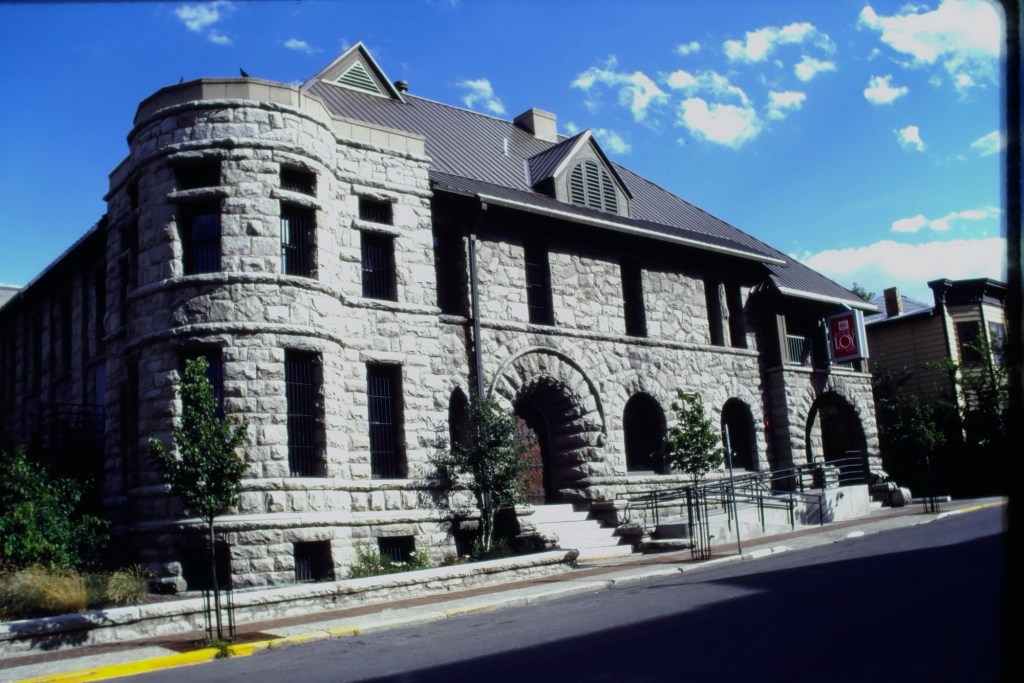
Another Helena landmark attributed to Paulsen is the Lewis and Clark County Jail, which was converted about 100 years later to the Myrna Loy Theatre.
One of Paulsen’s commercial buildings in Helena still stands, altered at an unknown date, on east Broadway.
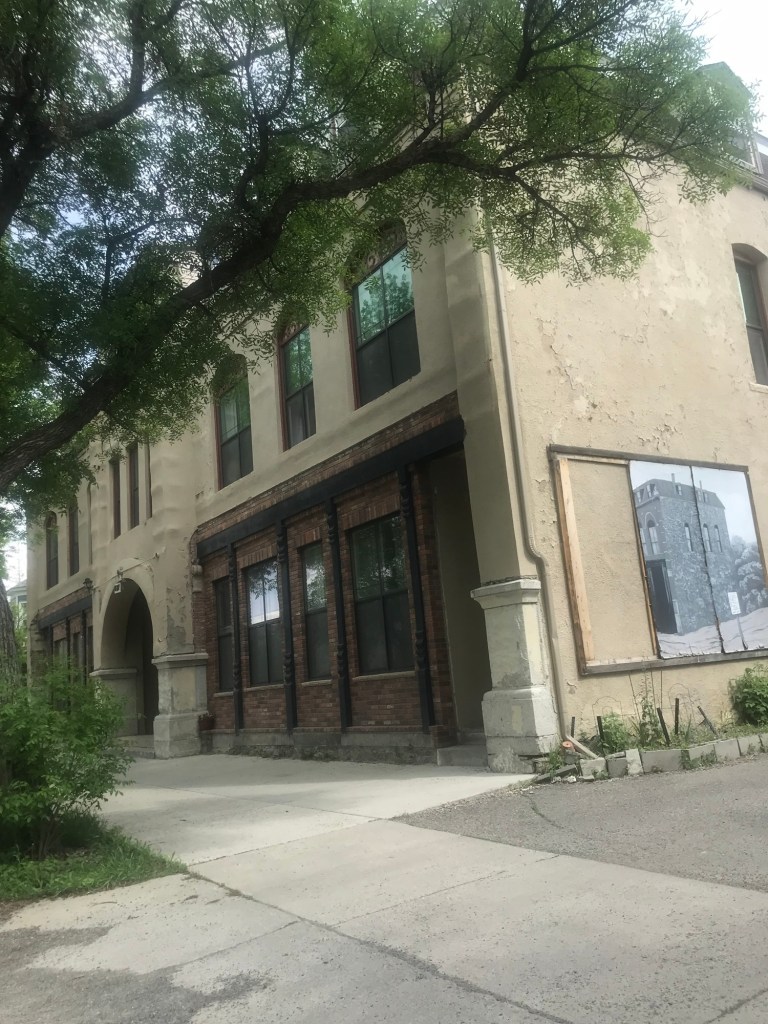
With John Lavalle as a partner, Paulsen also designed the downtown Montana Club but after a fire and major redesign by Cass Gilbert, nothing remains of Paulsen’s design outside of some of the stone, perhaps, reused on the first floor.
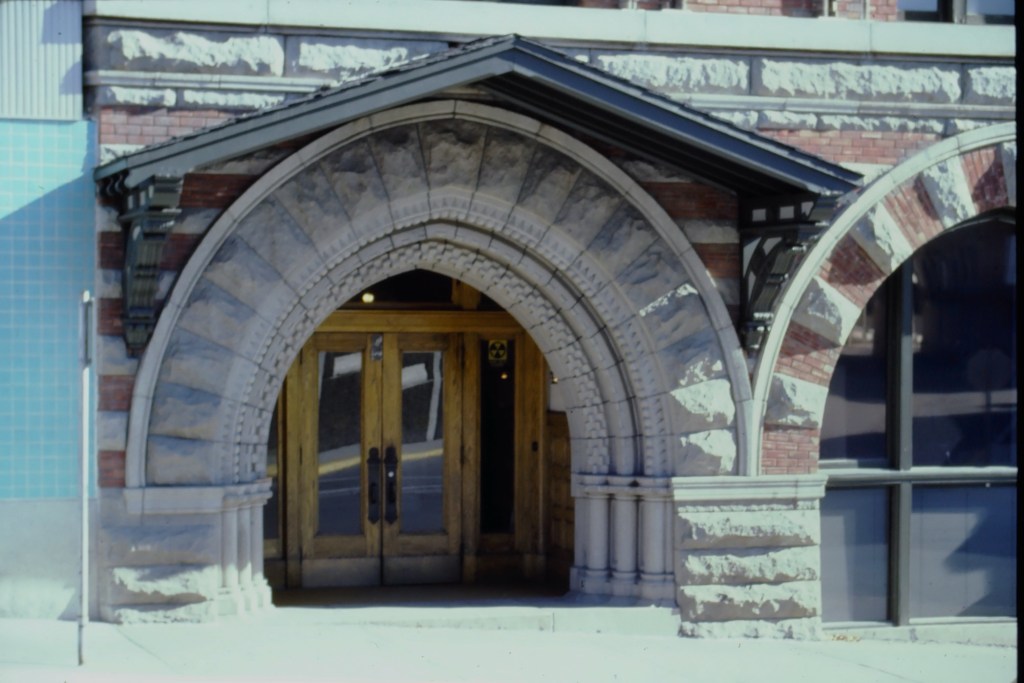
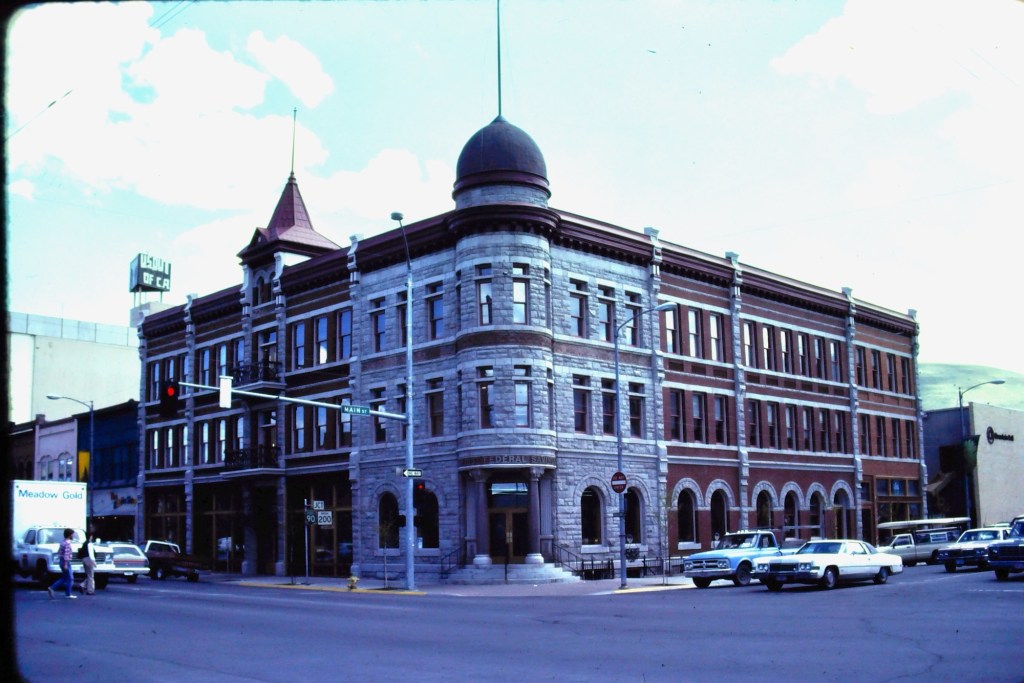
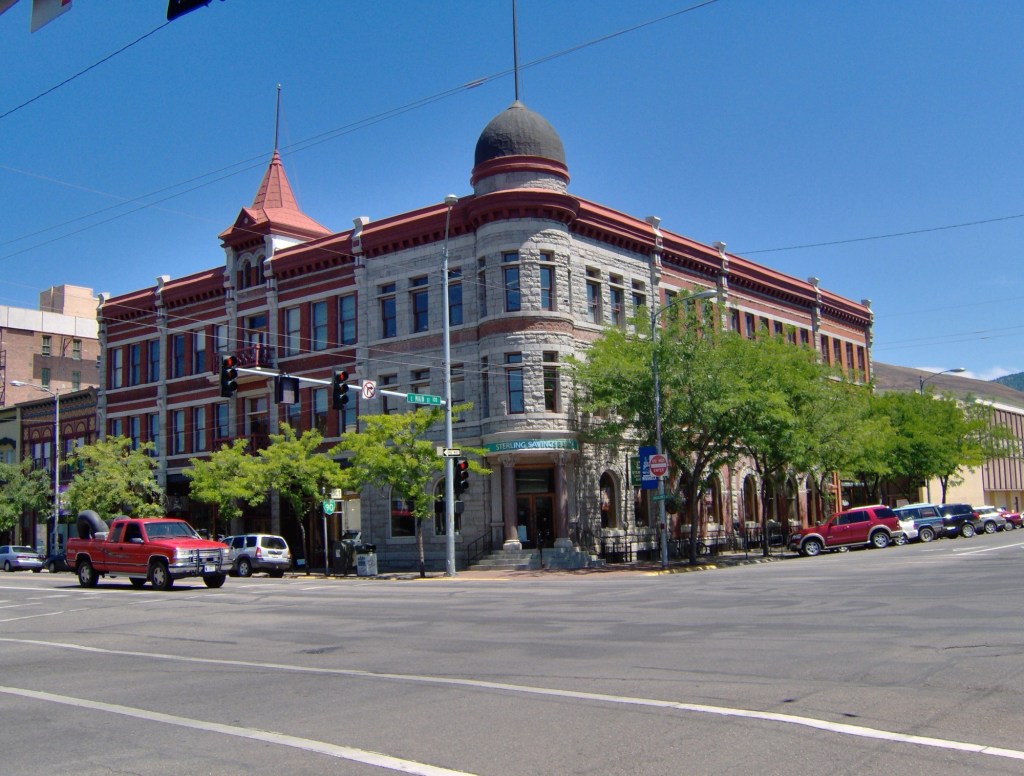
A much more intact example of Paulsen’s commercial designs is the landmark Higgins Block in downtown Missoula, another National Register building associated with Paulsen’s work.
In 1895, Paulsen was appointed State Architect and several of Montana’s best known turn of the 20th century public buildings are from his designs.
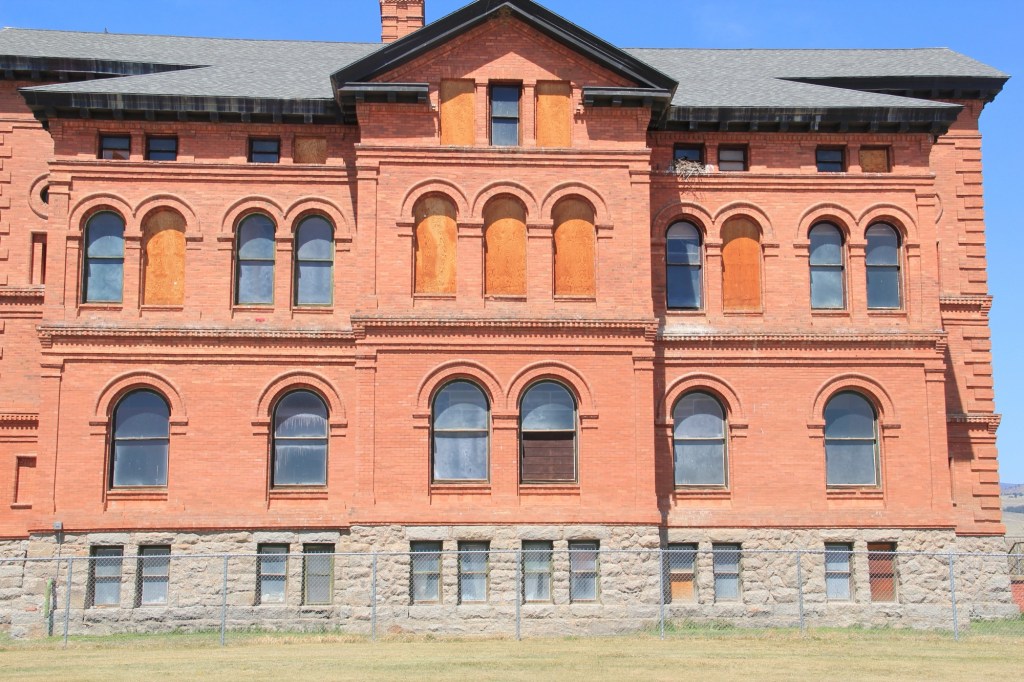
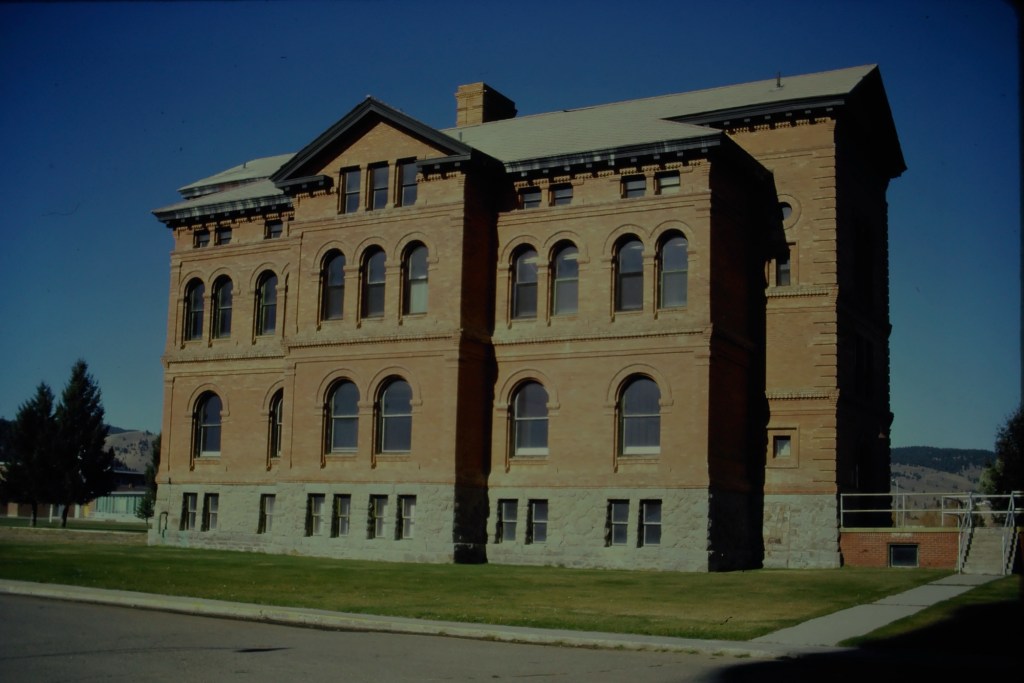
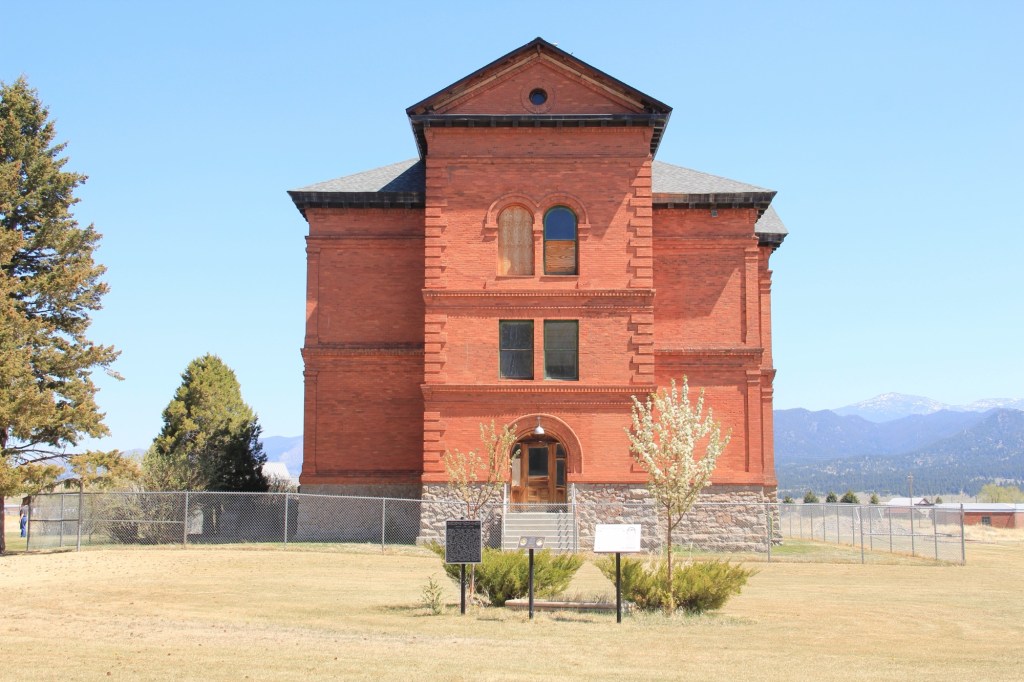
First the Montana Deaf and Dumb Asylum in Boulder (images from 1986 to 2021):
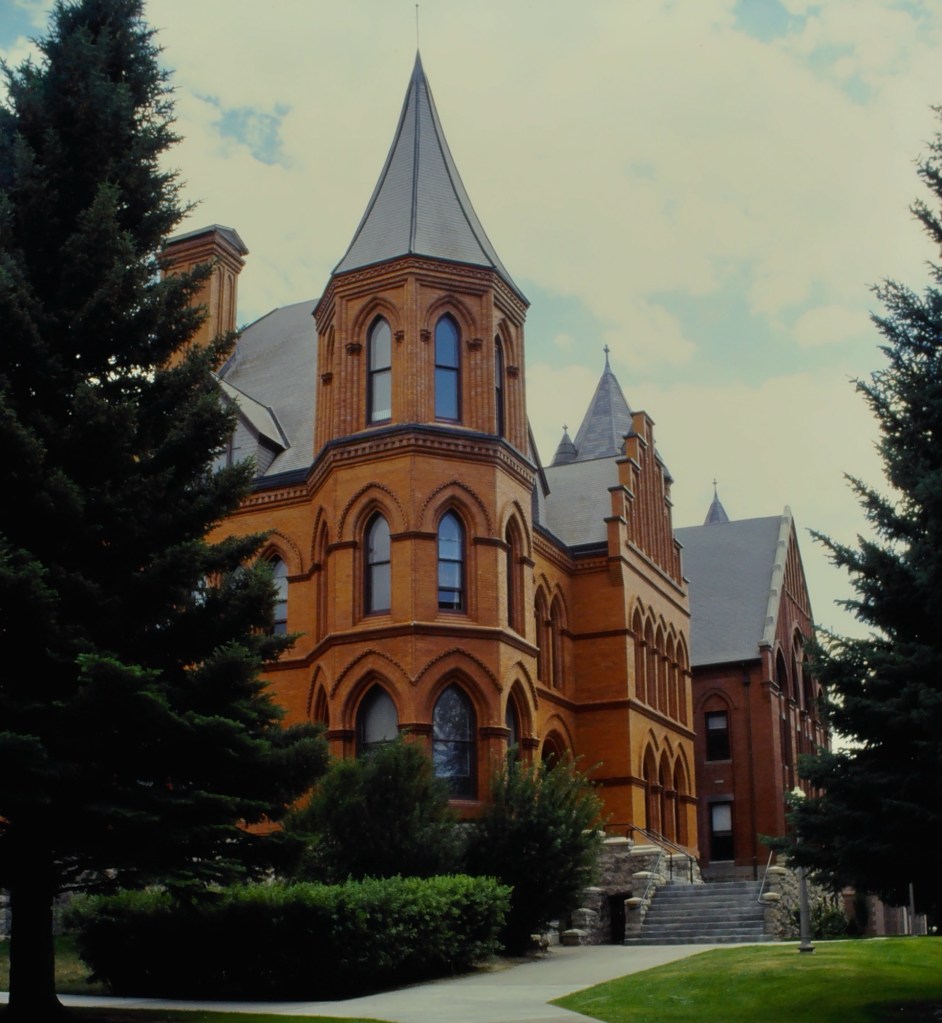
One of my favorites, the original building for Montana Western College (now Montana State University Western) in Dillon:
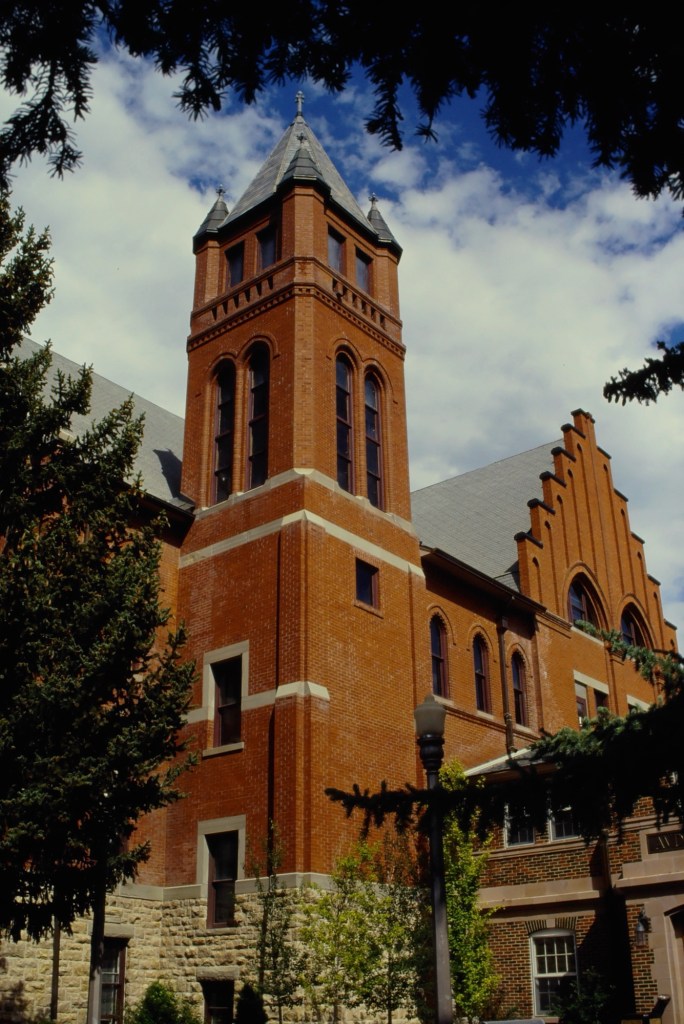
The Butte landmark Main Hall at Montana Tech University
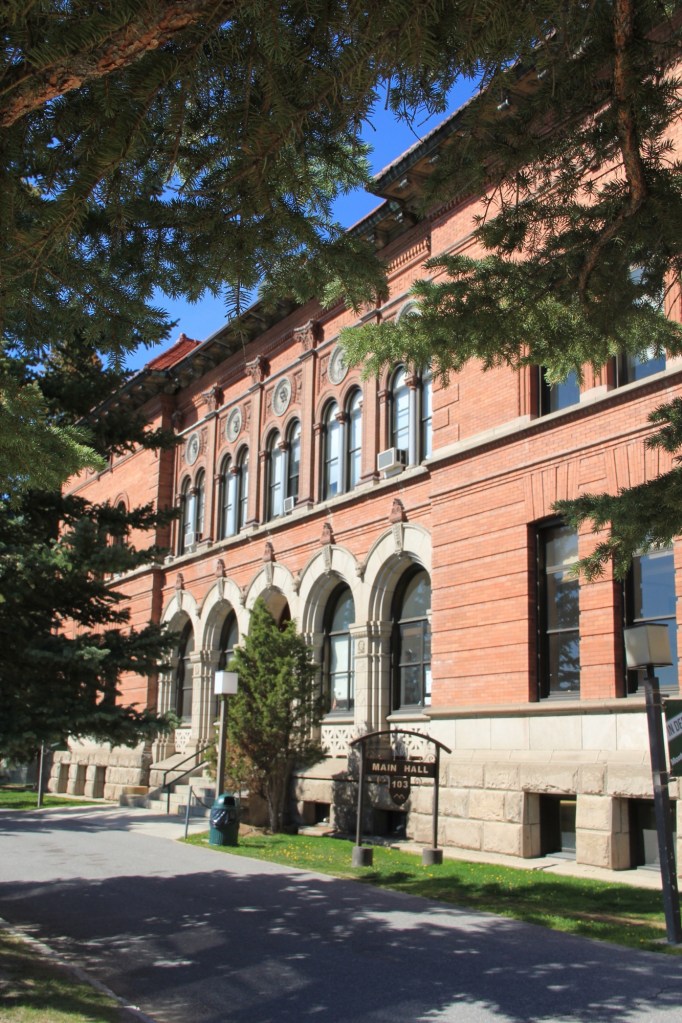
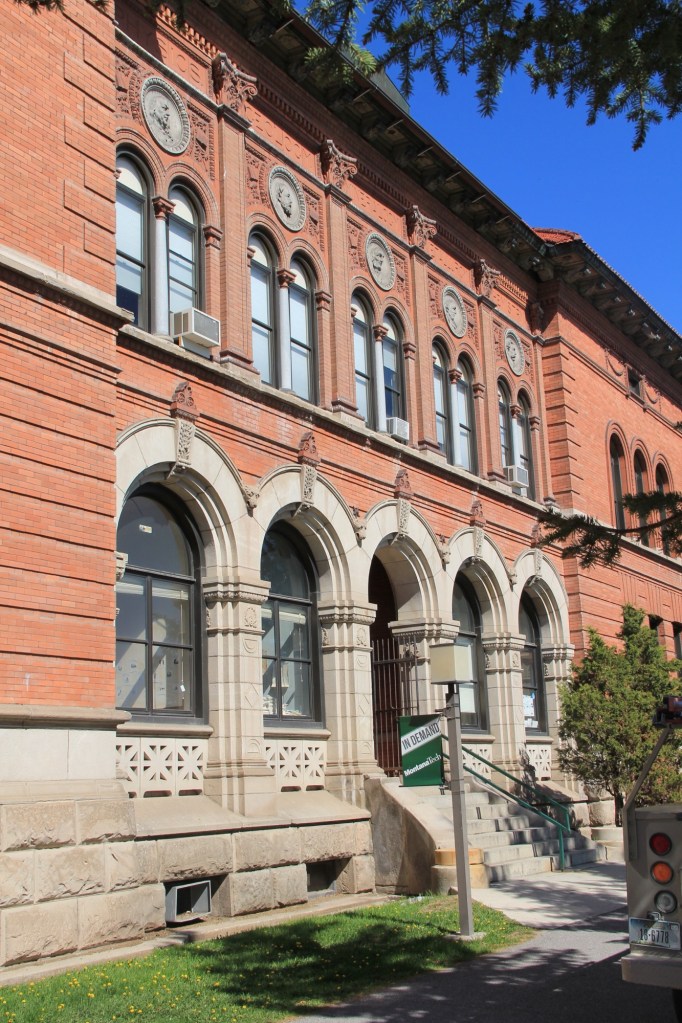
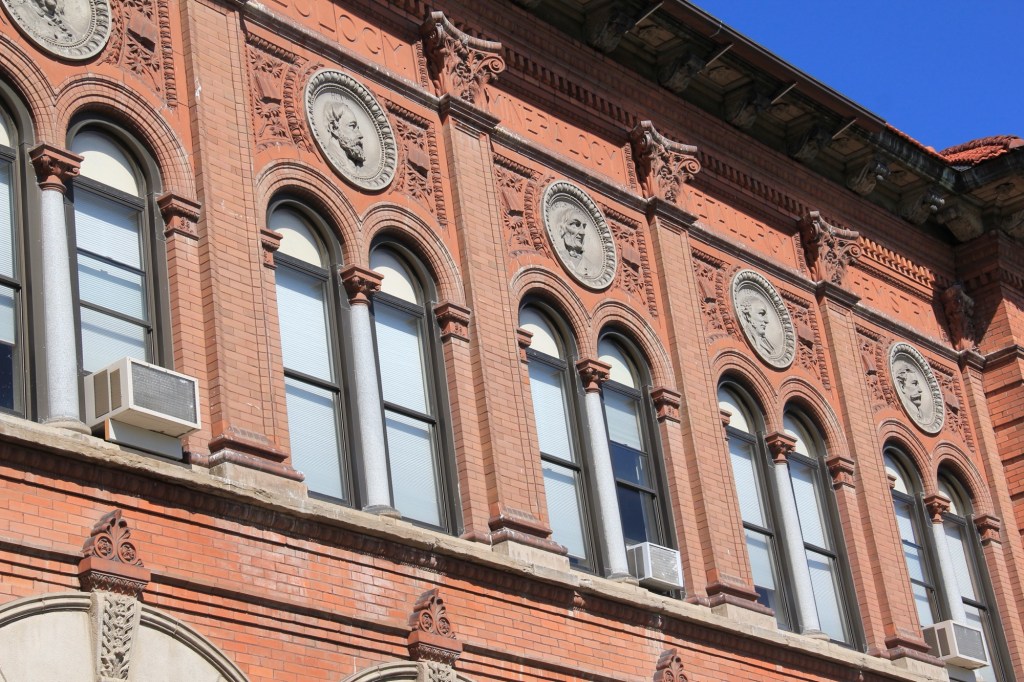
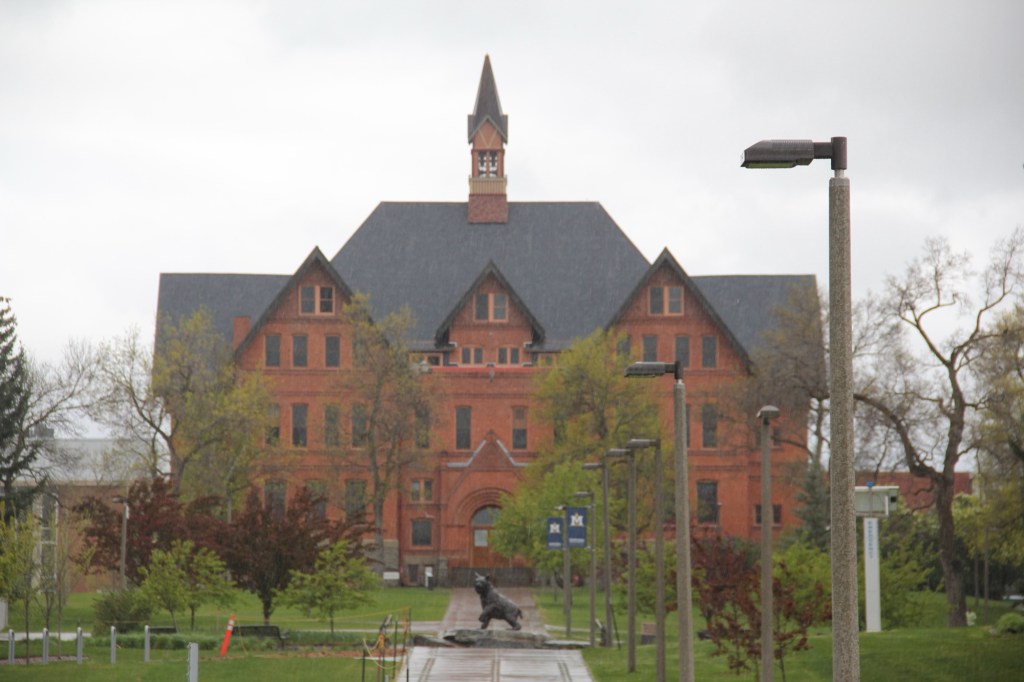
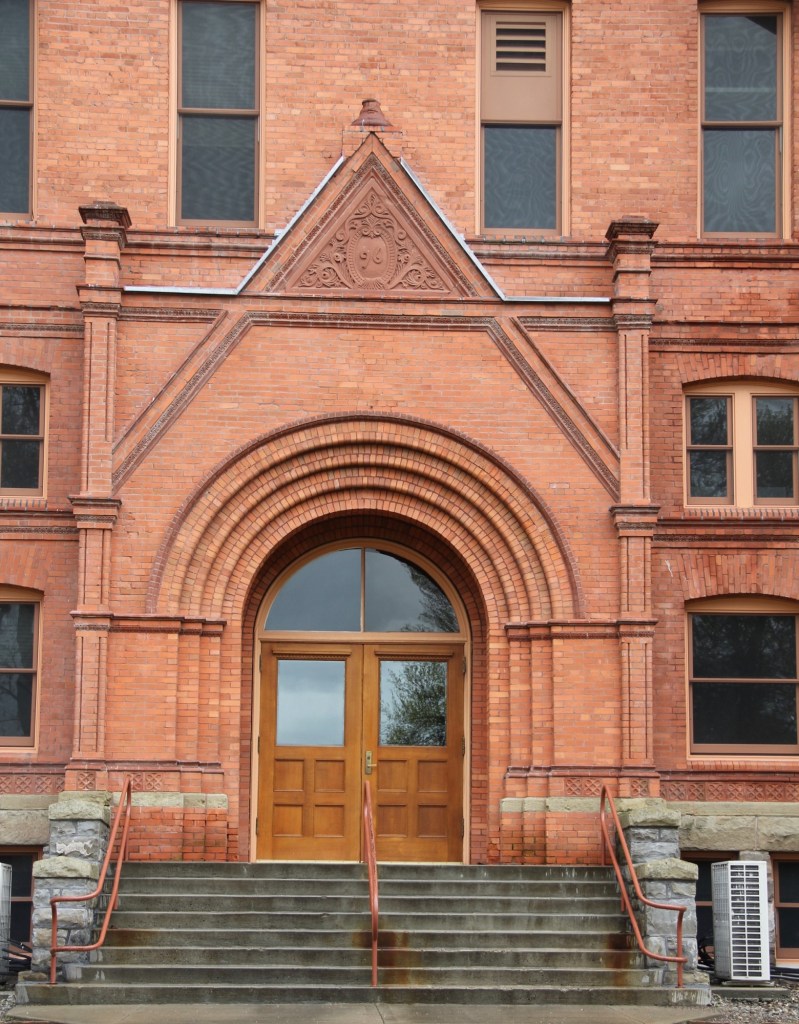
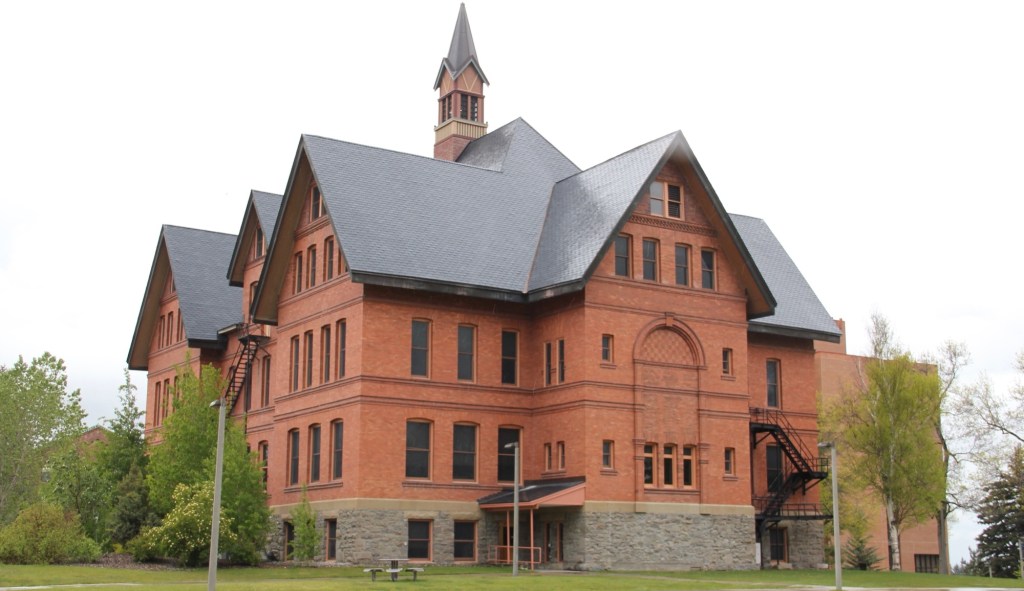
And Paulsen’s best known building, the iconic Main Hall of Montana State University in Bozeman.
Paulsen’s career became mired in controversy over the design of the new state Capitol building in Helena. After grand jury investigations in 1897 Paulsen allegedly had a nervous breakdown that led to heart complications and he died in Helena. Yet his late Victorian designs for many home and public buildings remain as a reminder of his imprint on the state’s built environment.





 Montana's Historic Landscapes