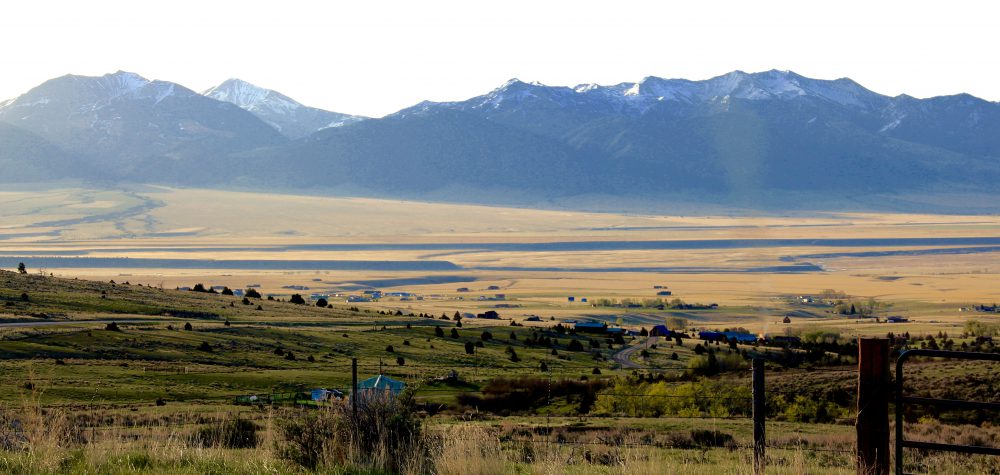

Dillon is one of my favorite towns in western Montana, and a big reason why is the university. It’s a beautiful campus, donated by the Gothic Revival style of Main Hall (1895-1897), designed by John C. Paulsen.
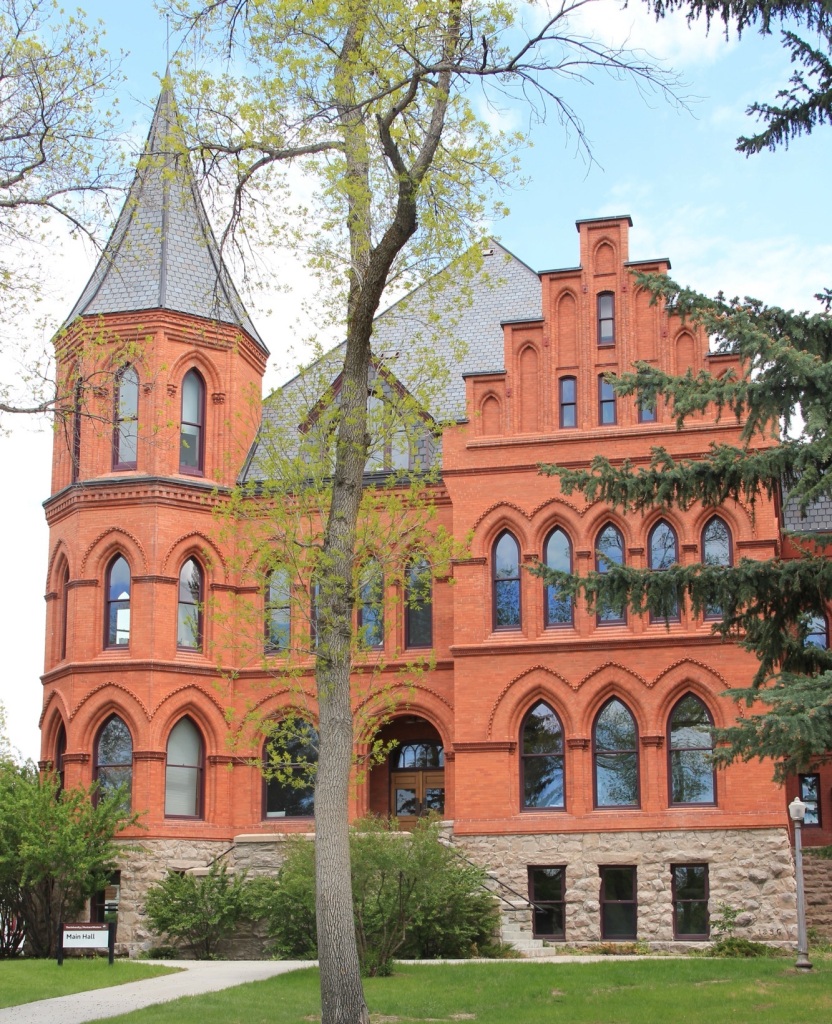
I’m a huge fan of Paulsen’s with across late 19th century Montana and Main Hall of what was originally the Montana State Normal School is one of his best designs.
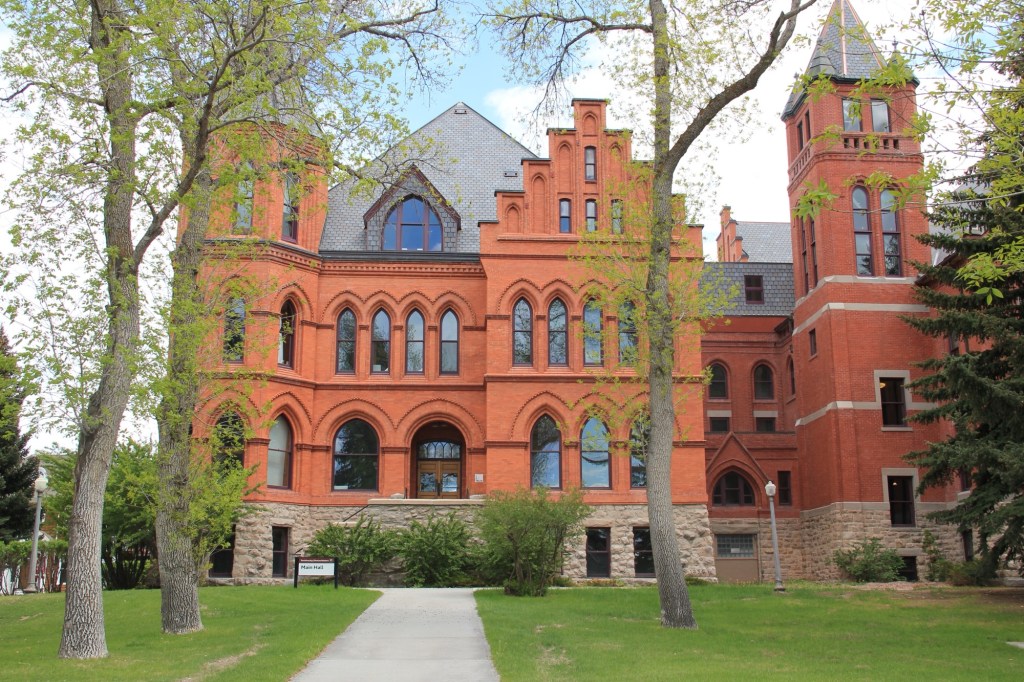
With the homesteading boom of the early 20th century, the college began to expand. Its name changed to the Montana State Normal College in 1903, and soon thereafter the one huge building was not enough. The state made the first addition in 1907, which included an auditorium.


Soon another building was added and a long rectangular, quasi Craftsman style wing was built to hold more classrooms. if I read the internet sources correctly, Billings architect Charles S. Haire was the designer, but the completion of the building was delayed by a constitutional challenge to its funding.

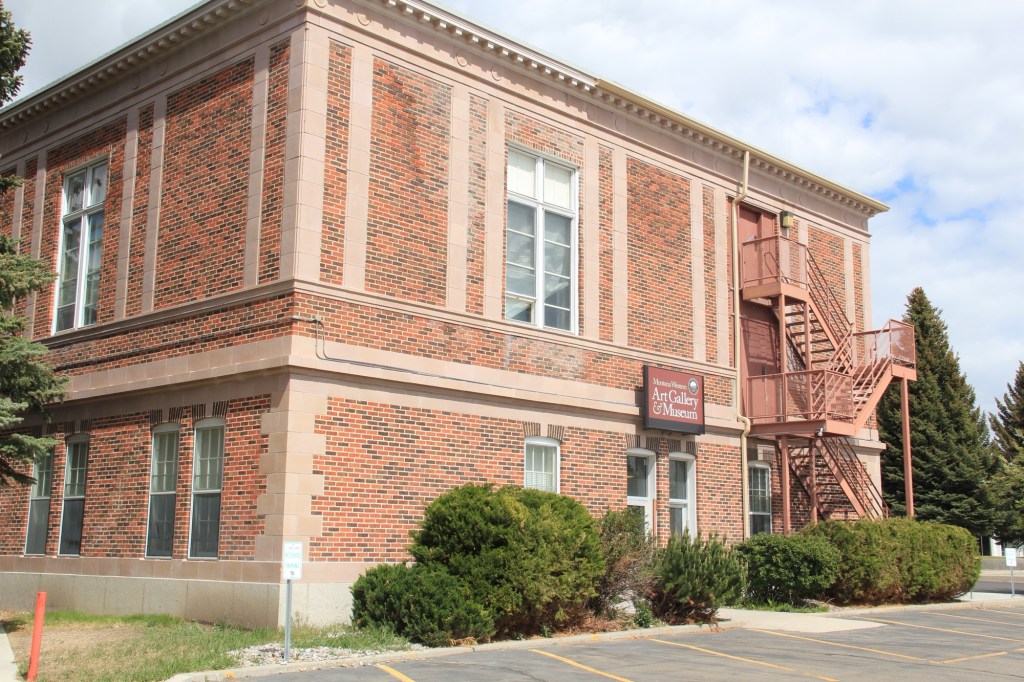
Despite the funding controversy, the college continued to grow from 780 students in 1910 to about 1800 in 1920.

Matthews Hall, a classically inspired, yellow-brick building, was a residence hall constructed to help meet women student enrollment in 1919. The dining hall in a more Colonial Revival style came along a couple of years later in 1921.

With the construction of a new gymnasium and classroom building (later Business and Technology) in 1924, the first generation of growth at State Normal College came to an end.

The modern era introduced an entirely new architectural vocabulary to the college. The college became Montana State Teachers College in 1931 and then Western Montana College of Education in 1949. The student union building dates to that era and was built in 1958.

Once the institution became Western Montana College in 1965 and started to expand its curriculum, new buildings were a must. The James Short Center and the Lucy Carson Library came in 1969.
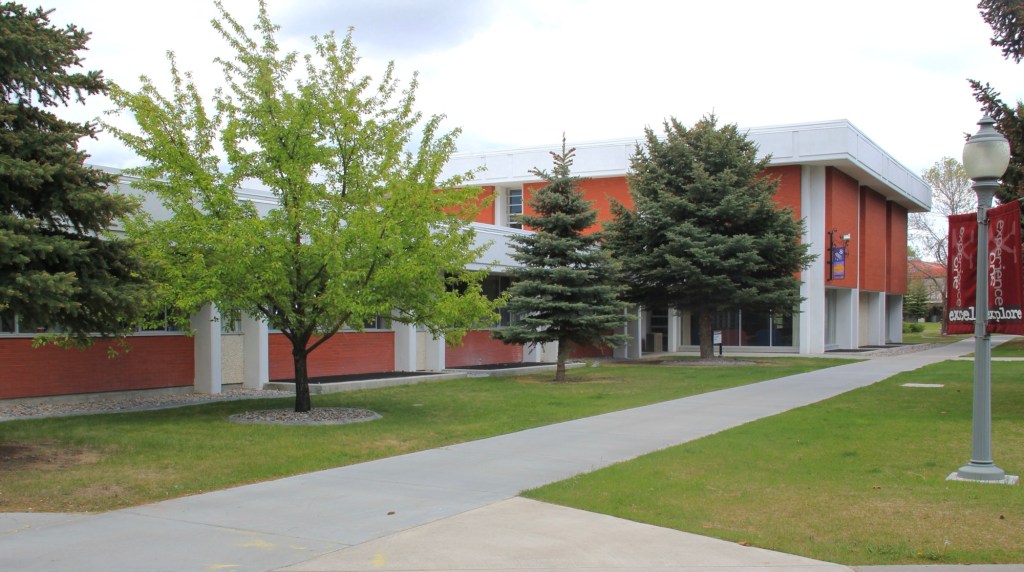
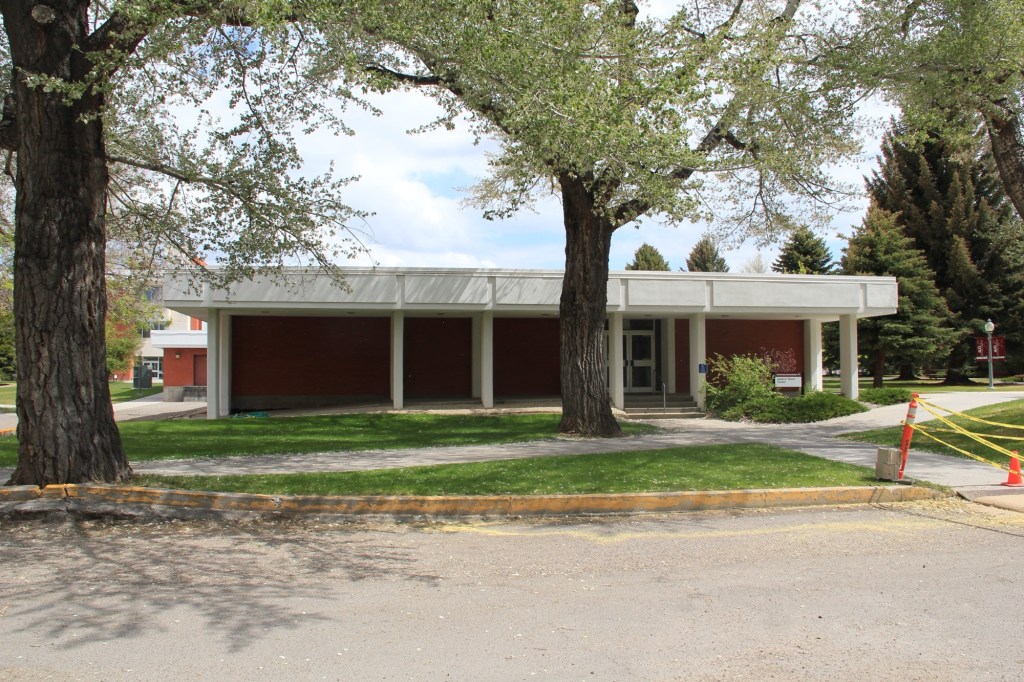

Then in 1971 came my favorite, Block Hall. Named for science professor Daniel G. Block, the building gave the college modern labs and led to expansion in the college’s environmental studies program.

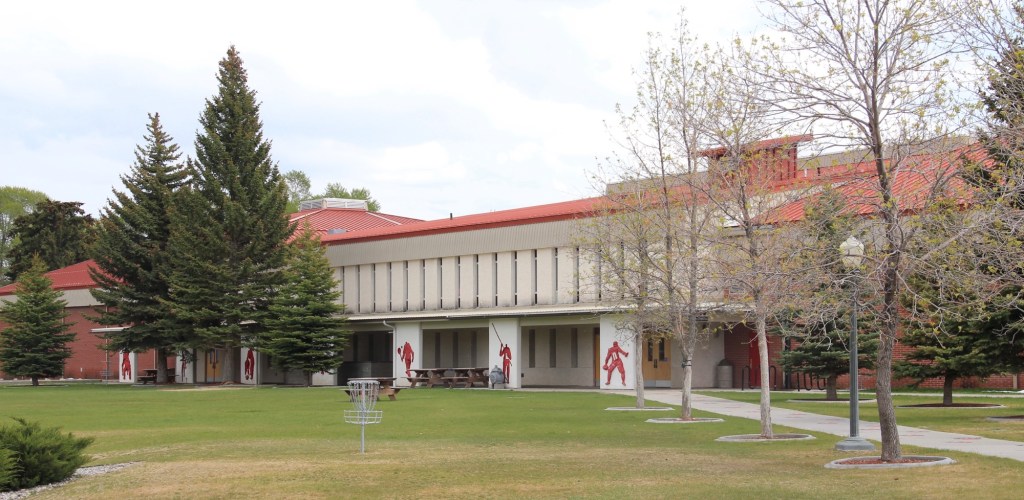
In 1988 the college again changed names to Western Montana College of the University of Montana and with the turn of the 21st century it changed for perhaps the final time as the University of Montana Western. Two buildings belong to this past generation of development, the Bulldog Athletic and Recreation center and the Swysgood Technology Center, finished in 2001.

One other building joined the campus before the end of the twentieth century, and did so in a very roundabout way. Edward and Effie Roe established a large ranch in the Clark canyon area of Beaverhead County. They built a two-story Colonial Revival ranch house. By the 1990s no one lived in the house but media baron Ted Turner owned the ranch. He gave it to the college if the college would move it—28 miles to Dillon. The move took place in 1998 and then the college restored it as offices, with further donations from the Roe family.

The Montana Western campus is a jewel in the state’s public architecture. Dillon is so lucky to have to be its home.
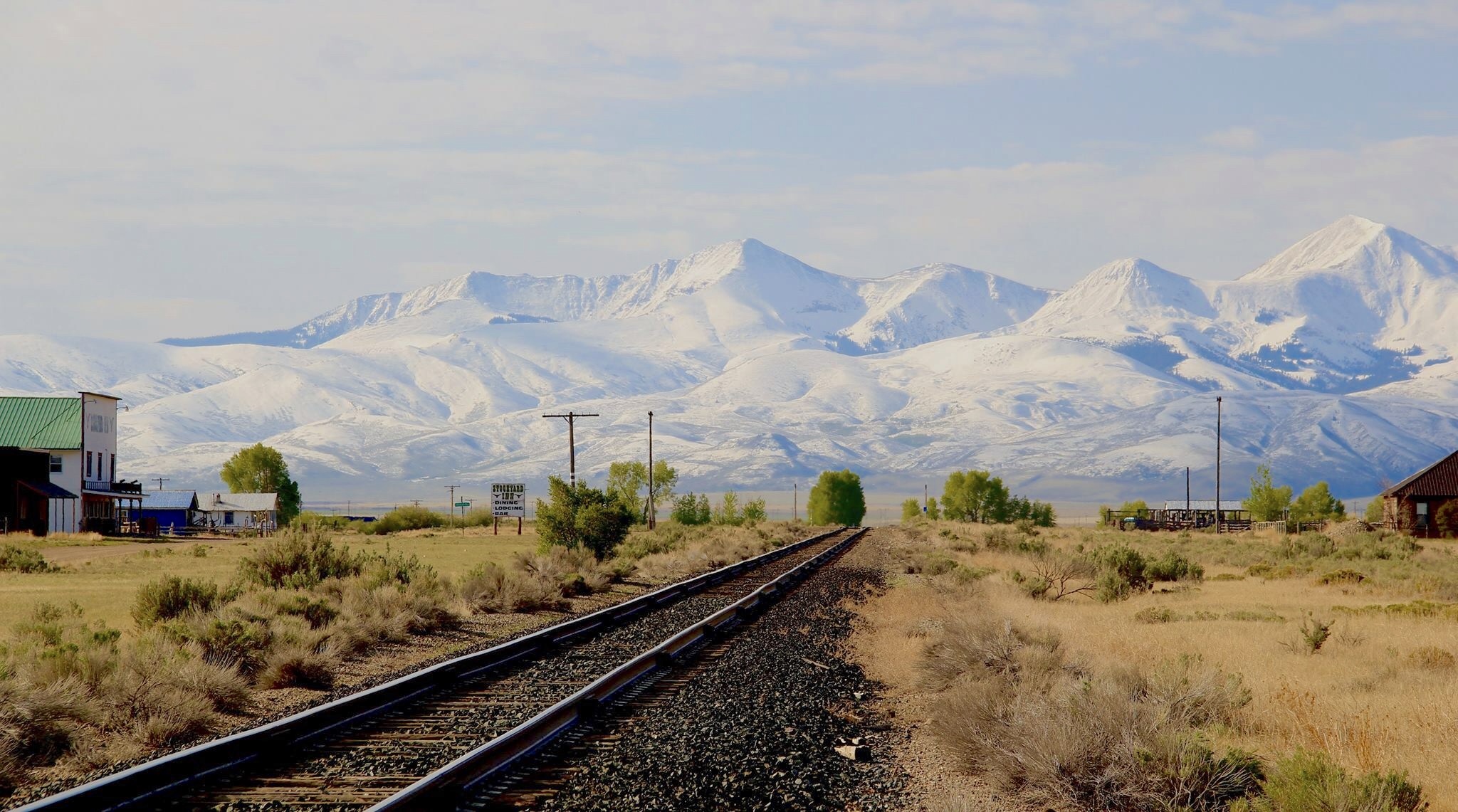


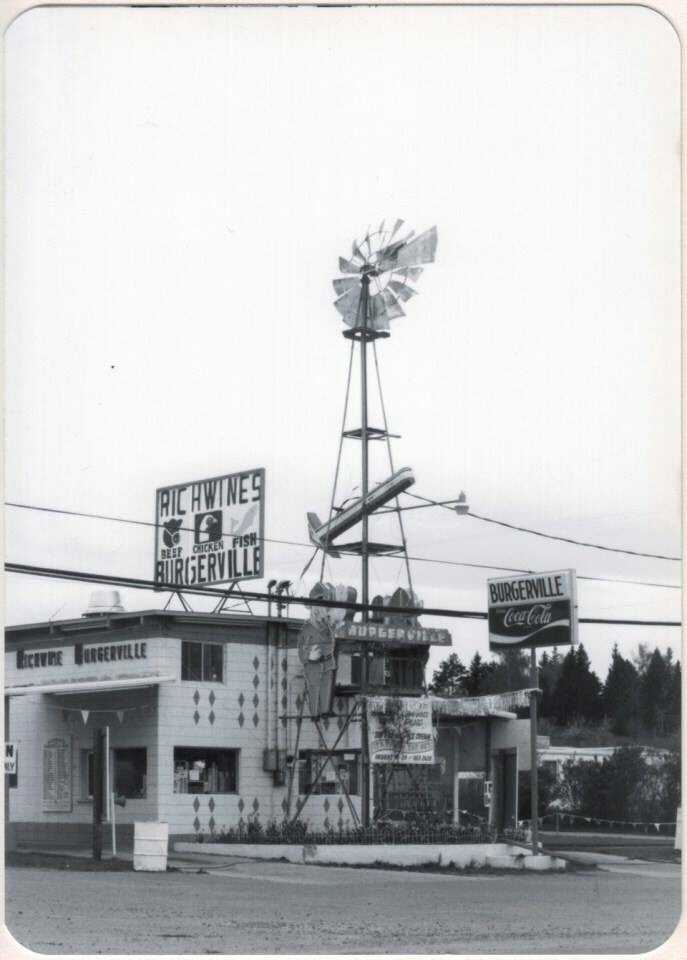
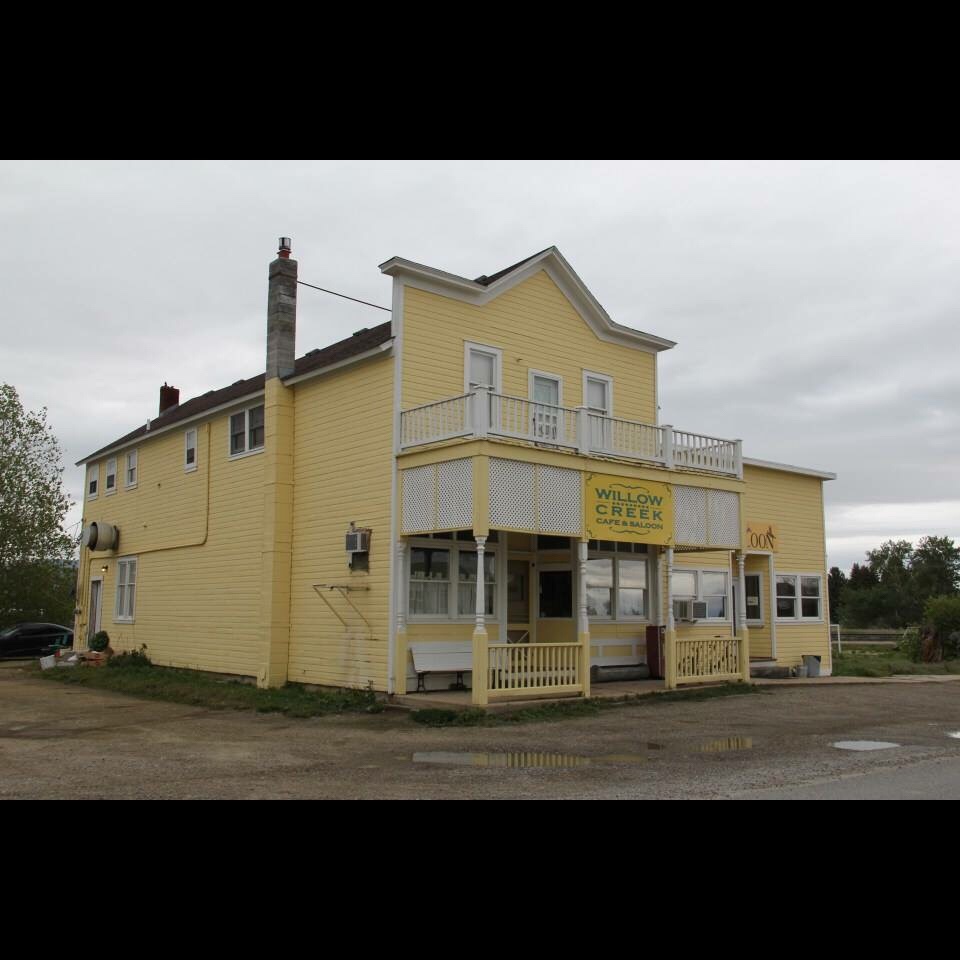

 chops away and the beer is still cold. That is what you need on the road.
 On this Memorial Day 2017 it is appropriate to celebrate the many memorials created by Montanans to recognize and commemorate the citizen soldiers who have served the armed forces of the United States. I am not adding much commentary because the memorials, both large and small, speak powerfully for themselves, and reflect the best of our values as a nation.
 Another compelling new memorial, at least it was installed after my historic preservation plan survey of 1984-1985, are these granite slabs, framed by the mountains, at Arlee.


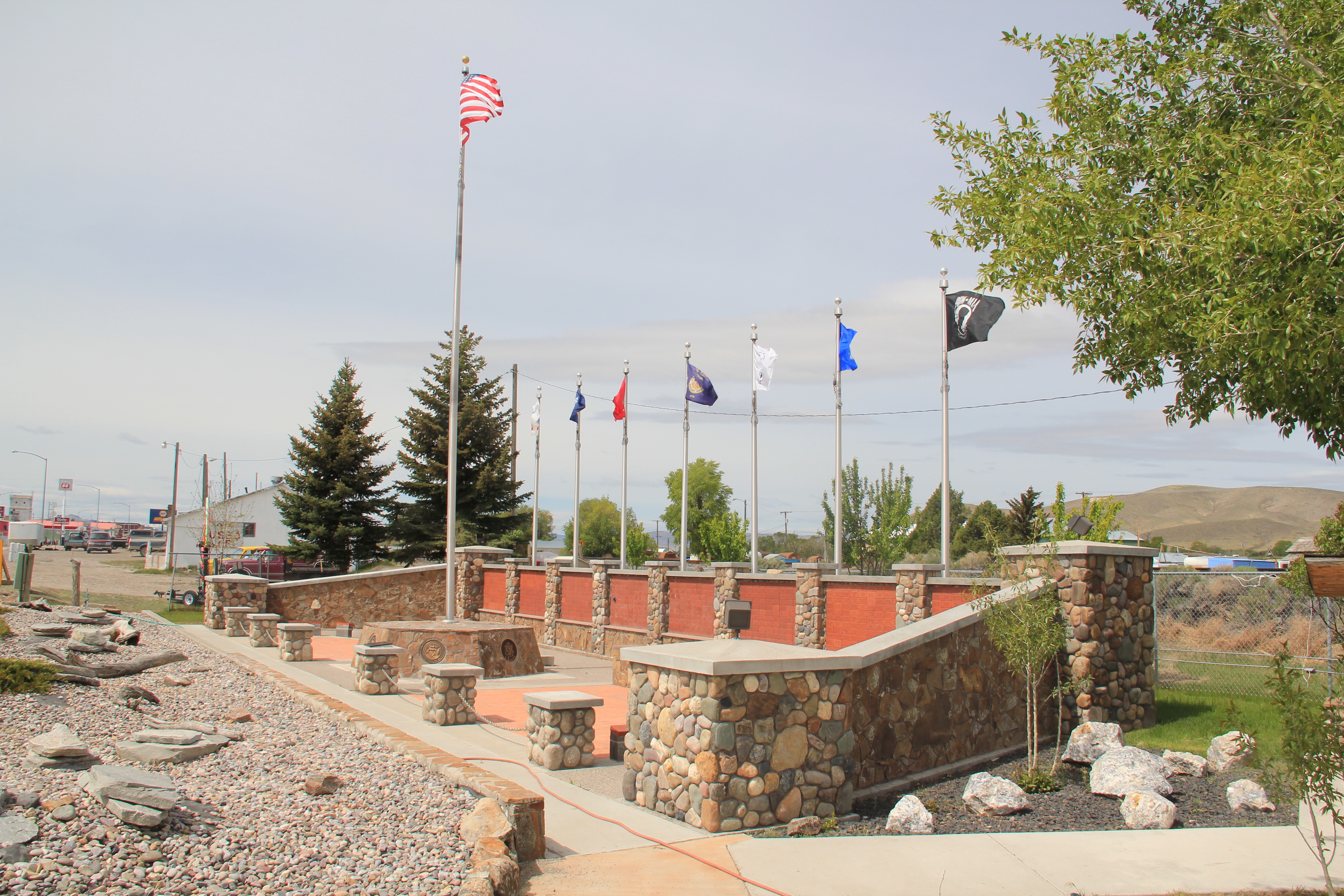 Dillon had significantly expanded its earlier veterans memorial (on the left) along the federal highway into an impressive new city park, the Southwest Montana Veterans Memorial.
 Even with the many changes in Ennis, the town has maintained its Veterans Memorial Park as a beautiful public park.


 Hamilton’s veterans memorial along U.S. Highway 93 will be a landmark for generations.


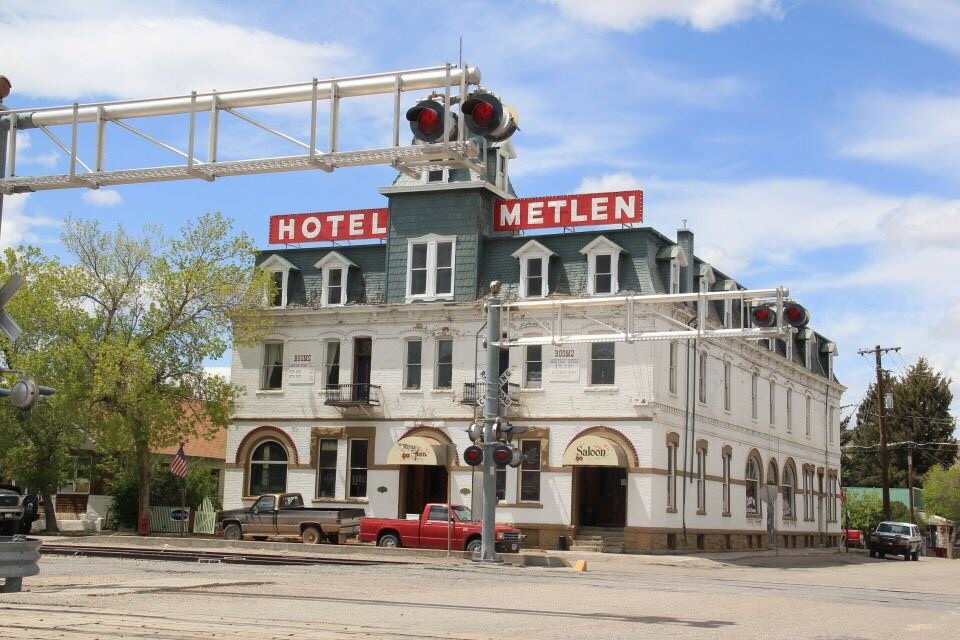
 This birds-eye view of the town is at the Beaverhead County Museum at the railroad depot. It shows the symmetrical plan well, with two-story commercial blocks facing the tracks and depot, which was then just a frame building. To the opposite side of the tracks with more laborer cottages and one outstanding landmark, the Second Empire-style Hotel Metlen. The Metlen, listed in the National Register of Historic Places, remains today, one
 of the state’s best examples of a railroad hotel. I recognized the building as such in the 1984 state historic preservation plan and my book, A Traveler’s Companion to Montana History, included the image below of the hotel.
 This three-story hotel served not only tourists but especially traveling businessmen–called drummers because they were out “drumming up” business for their companies. The interior has received some restoration work in the last 30 years but little has changed in the facade, as they two images, one from 1990 and the other from 2012, indicate.


 built environment has many stories to tell.
 Montana's Historic Landscapes