Glasgow’s amazing Federal building

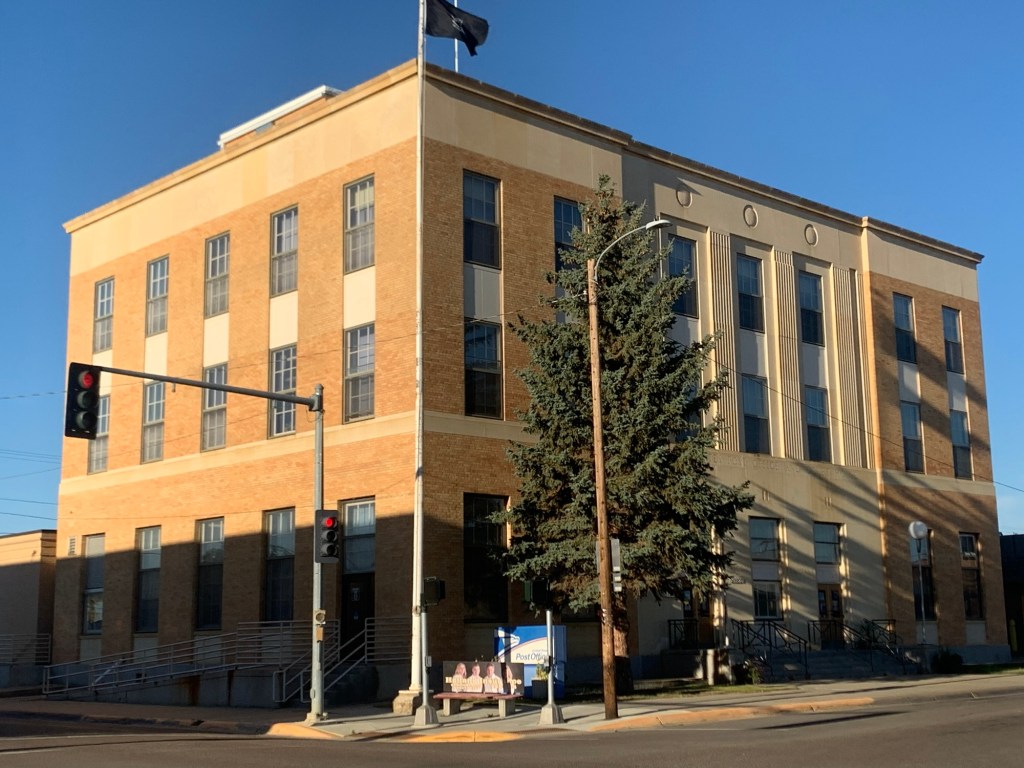
One of my favorite, if not #1 itself, Depression-era buildings in Montana is the amazing Federal building in Glasgow. First, this triumph of New Deal design from 1939 is a powerful statement in the public architecture of northeast Montana.

As you may know, Glasgow embraces its reputation as the most isolated place in the nation, that it is the definition of the middle of nowhere (a reputation however that I really challenge). But the restrained classicism of the building is refined and tasteful, perfect of the region.
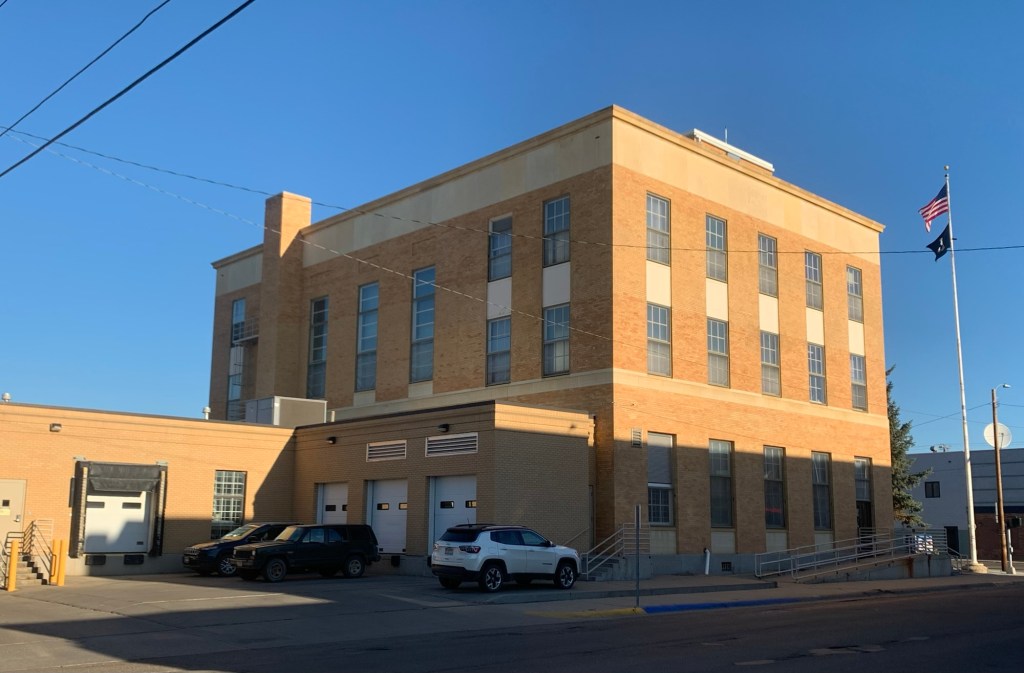
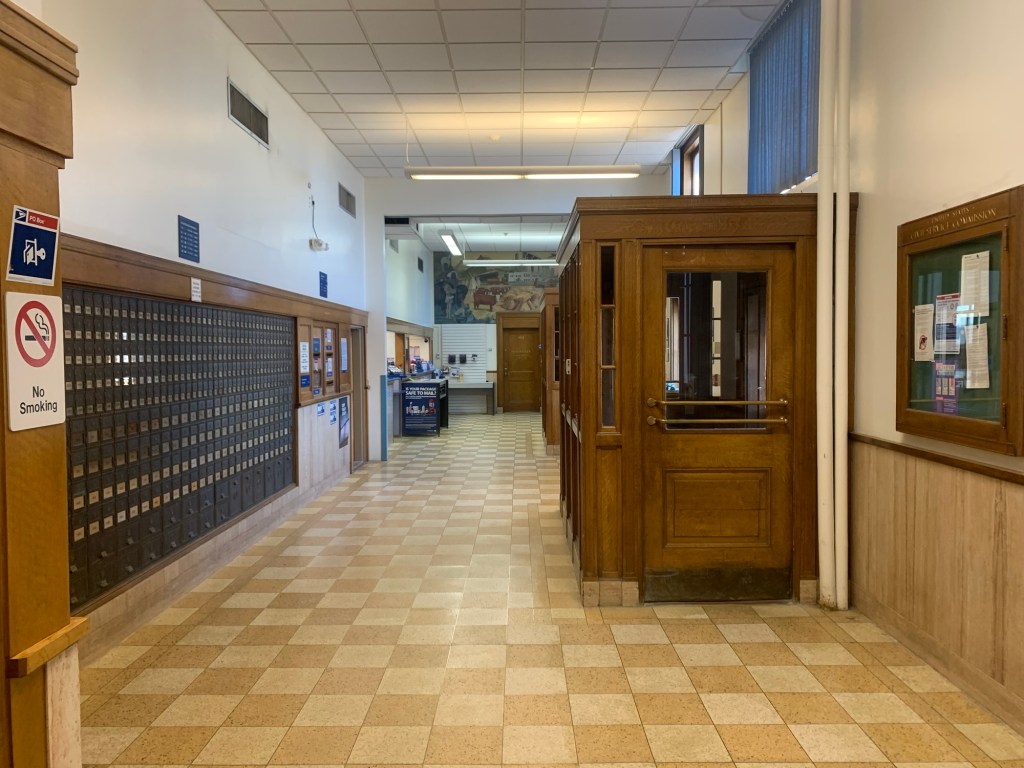
Second, I really admire the building because it is so intact after 86 years of use. Yes, there are some alterations, but when you step into the post office lobby, you do feel like you stepped back in the 1930s.
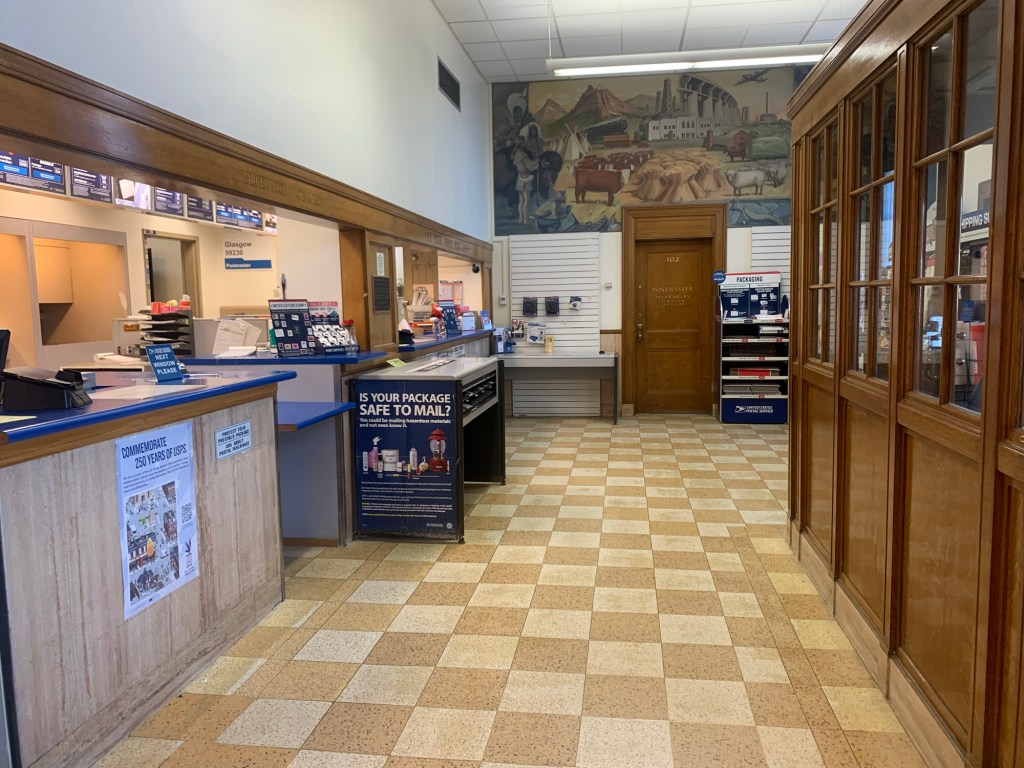
Then there is the wonderful mural, “Montana’s Progress,” by Forest Hill. Completed in 1942, as the county’s other major, and huge, New Deal project, Fort Peck Dam and powerhouse, was gearing up to maximum production for World War II.

The left side speaks to the Native American past and the nearby presence of Fort Peck Reservation. There’s even a reference to gold panning, which never happened along this section of the Missouri. Then the right side reference the coming of settlers and the parceling of once open land into regular measured surveys.

The center section speaks to the Progress, predicted to come, centered on railroads, agriculture (cattle, wheat, hay, sheep), and industry, with the commanding image of the amazing Fort Peck spillway ( already world famous to an earlier feature story in Life magazine) and in the top corner, a sugar beet refinery.

The bomber flying above it all of course spoke to the immediate present , of World War II, but it also correctly predicted the future. The town and county would have its greatest period of prosperity in the 1950s and 1960s with the Glasgow Air Force Base.

What a historic document of its time and what an amazing building, still serving the community almost 90 years later.

Great Falls’ Historic Jewish Cemetery

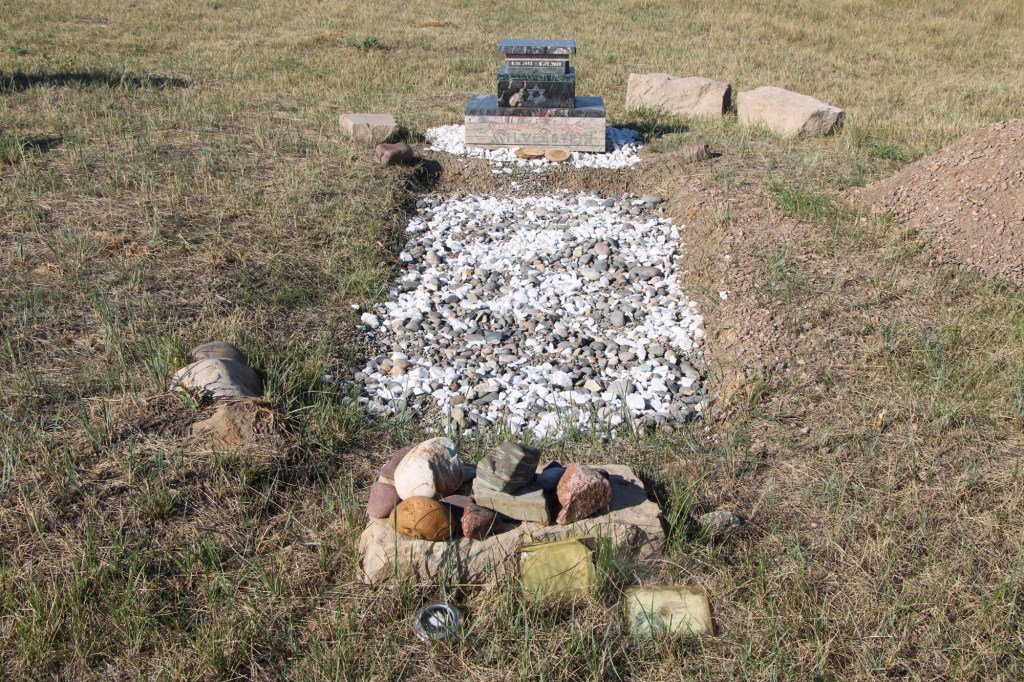
Over the past couple of years, I have documented several historic cemeteries in Great Falls. But I had missed one, the city’s Jewish Cemetery, and it too is on Highland Road south of the city, and east of the older Highland Cemetery. It’s a bit difficult to find as there are no signs but a metal entrance “gate” shows you the way.

The Jewish community in Great Falls established the cemetery in 1916, a few years after the establishment of the much larger and nearby Highland Cemetery. The Great Falls Hebrew Association owns the property, which according to tax records has ten acres. A 2003 story in the Great Falls Tribune estimated 20 burials but no number is certain. The majority of the intact grave markers are clustered in a row in the western end of the cemetery.

But other markers are scattered across the top half of the cemetery while other family plots had been damaged before the efforts at restoration over the last ten years.

A low metal, open fence marks a family plot erected for Anna and Abraam [is it a misspelling and should be Abraham as newspaper stories suggest?] Bass, probably installed 1931-1932.

Abraam “Abe” Bass was “well known in sporting circles” and identified as a gambler, according to the Great Falls Tribune of May 10, 1931. He had earlier in 1931 been forced to end a lottery that he operated from the Star cigar store in Great Falls. He left the town looking for opportunities in Nevada but died in an automobile accident about 30 miles from Reno, Nevada. His wife Anna had died earlier.

Years of neglect mean that some markers have been damaged. Or perhaps moved, as in the case of the Baby Grossman marker of 1927.

The year 1940 appears to mark the end of the cemetery’s first generation of burials. Max Gold, a retired carpenter, was born in Russia. He lived in Cut Bank for 15 years but as his death in late 1949, the family buried him in Great Falls.

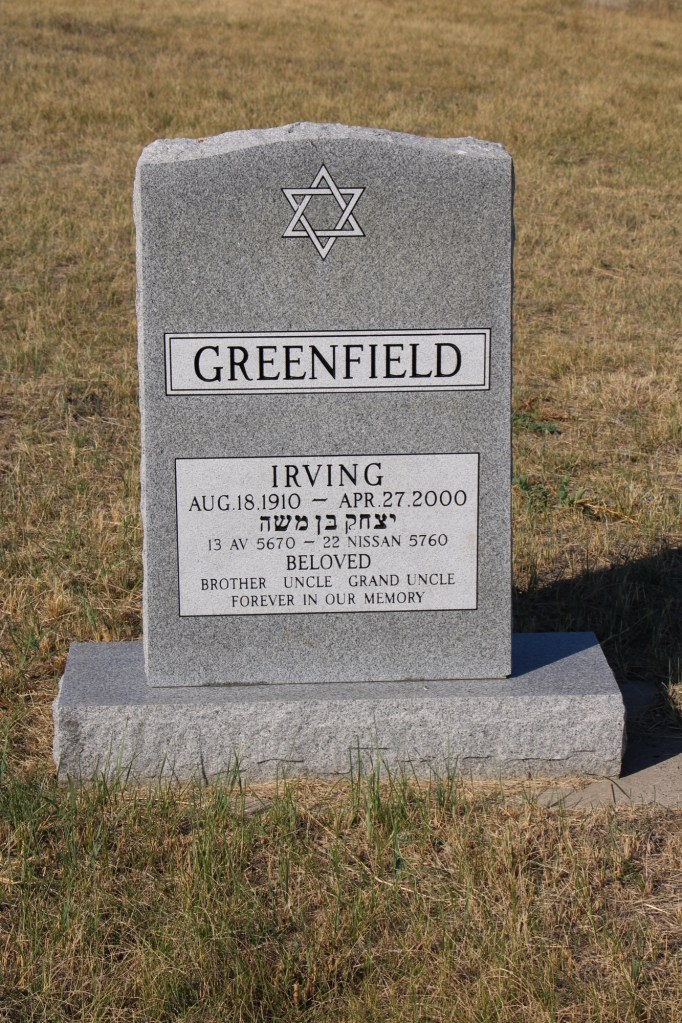
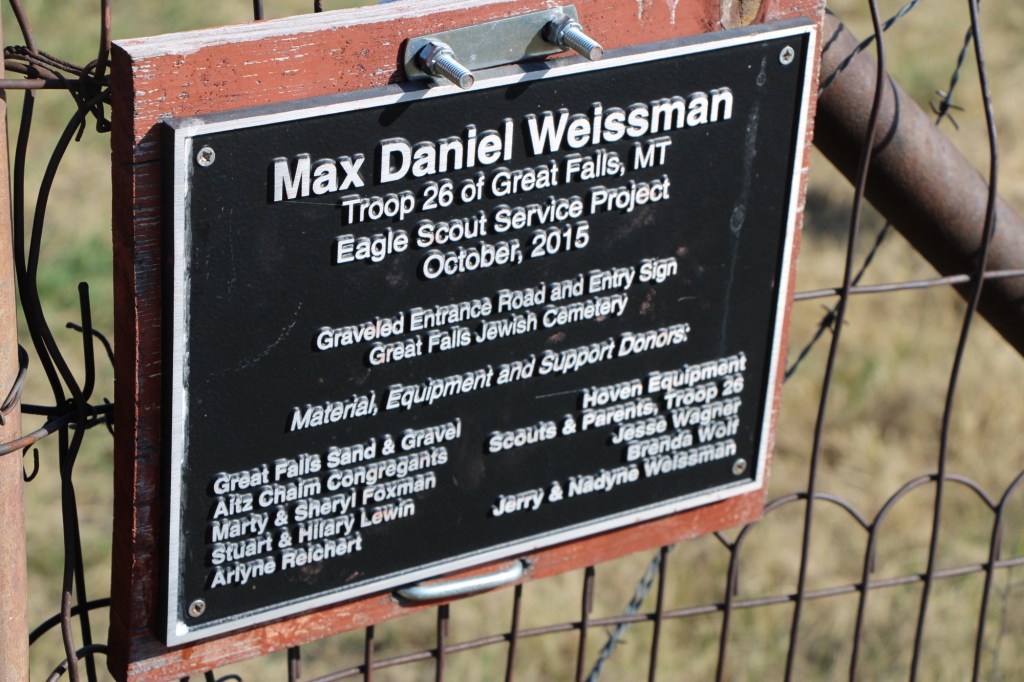
In the 21st century families again began to bury their dead here, with Irving Greenfield in 2000 and Allan Bruce Silverstein in 2012. Perhaps those burials encouraged the Association to begin regular oversight of the property, following its restoration by Max Daniel Weissman as his Eagle Scout service project in 2015.

The Great Falls Jewish Cemetery is an important but once forgotten historic place in Cascade County. We can hope that the good efforts of maintenance continue and that more research is directed to the histories of those buried there.

The new state history exhibit: looking to the future but feet planted firmly in the present.

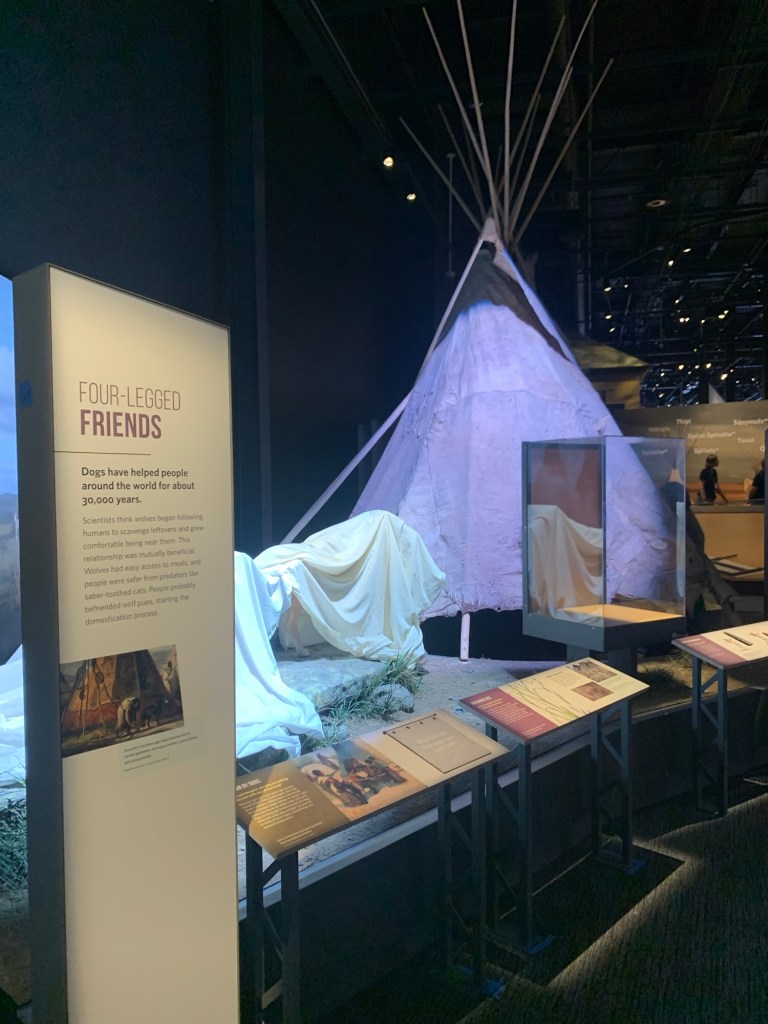
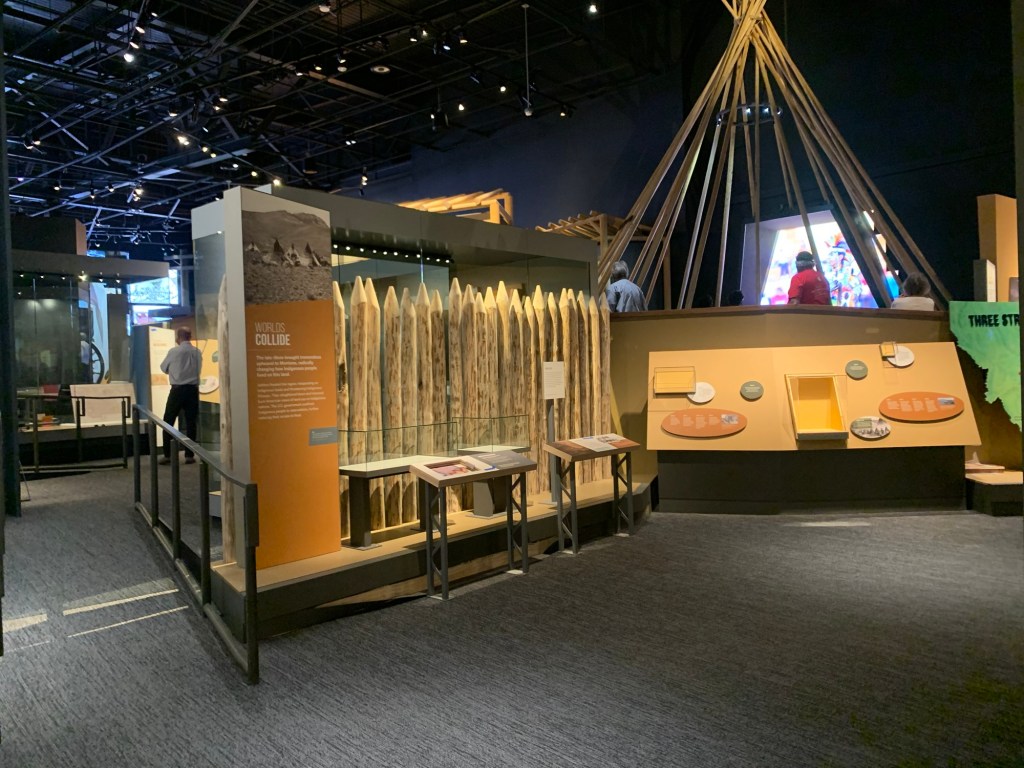
Like hundreds of others who crowded into the new wing of the Montana Historical Society to get a sneak peek of the new state history exhibit, titled Montana Homeland, I expected to be dazzled. After all it had been 40 years since MHS had last updated its primary history exhibit.

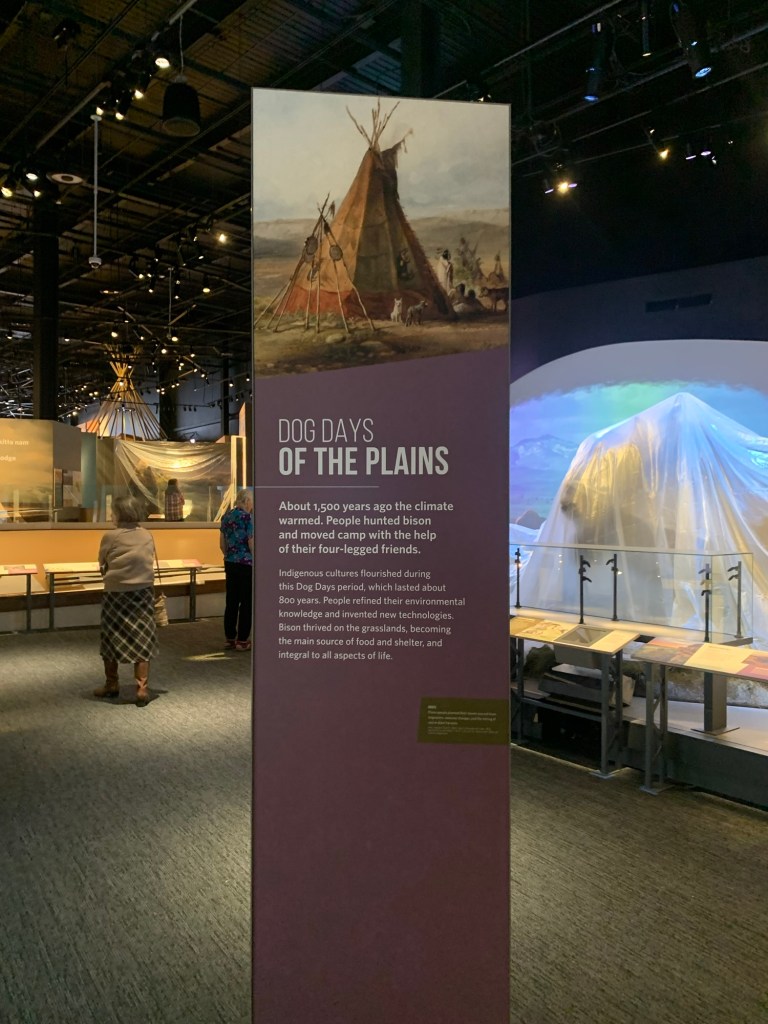
The architects gave the exhibit designers a huge lofty space and there are tipis galore, their height dominating everything around them, challenged only by a reproduction headframe.

The headframe is in a corner and fades into the background unlike the tips which literally command most views within the exhibit, even at the end.

The message of the exhibit team is not subtle—Indigenous people dominate the past of the lands that today comprise Montana—but the hand of people in the last 100 years also dominate the built environment. The exhibit is missing the one lofty structure that is still found everywhere, representing a property type that also ties together so much of the state’s history—the Grain Elevator. Wish there was one in these lofty spaces. It helps to explain the impact of agriculture, the homesteading era, railroad lines, and town creation.

20th century Montana is thus far greatly underrepresented in the exhibit, almost as if the attitude was that nothing matters that much after the homesteaders—let’s wrap this baby up!

But by so doing you downplay the huge impact of the engineered landscape on the homeland, especially the federal irrigation programs that produced mammoth structures that reoriented entire places—Gibson Dam comes right to mind, and then there’s Fort Peck.

Irrigation also is central because of the diversity of peoples who came in the wake of the canals and ditches. Not just the Indigenous, not just the miners but the farmers and ranchers added to the Montana mosaic. A working headgate—would that help propel the story?

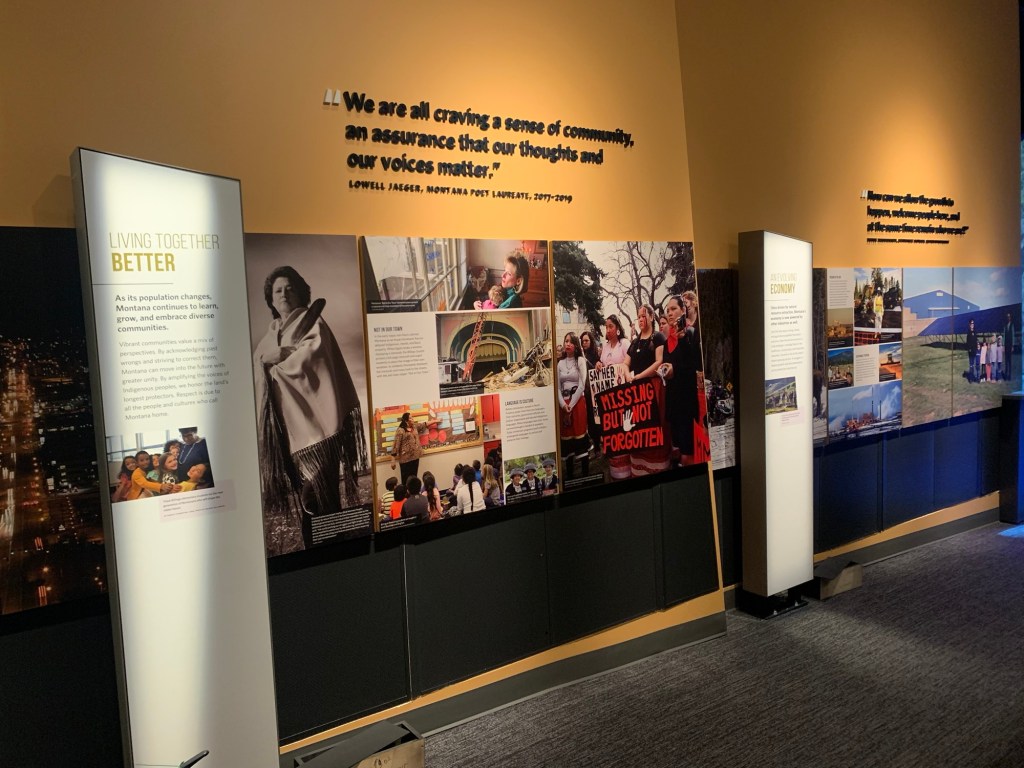
Right now the answer is no. There are many, many words in this exhibit, and, as people seem to want to do nowadays, the words are often preachy. I wondered about the so 2020s final section, where visitors are implored to live better together by accepting diverse peoples.

Montana is nothing but a melding of diverse peoples, from 14 tribes, the 17-18 ethic groups at Butte, the Danes of the northeast, the Finns of the Clark’s fork, and the Mennonites of the central plains, etc etc. if they had started challenging character of the actual Montana landscape had been front and center, then let history unfold to show how many people of all sorts of origins and motives tried to carve a life from it—you would have a different exhibit and one not so preachy.

Let’s hope the Final Cut has many less words, many more objects and a greater embrace of the state’s 20th century transformations.