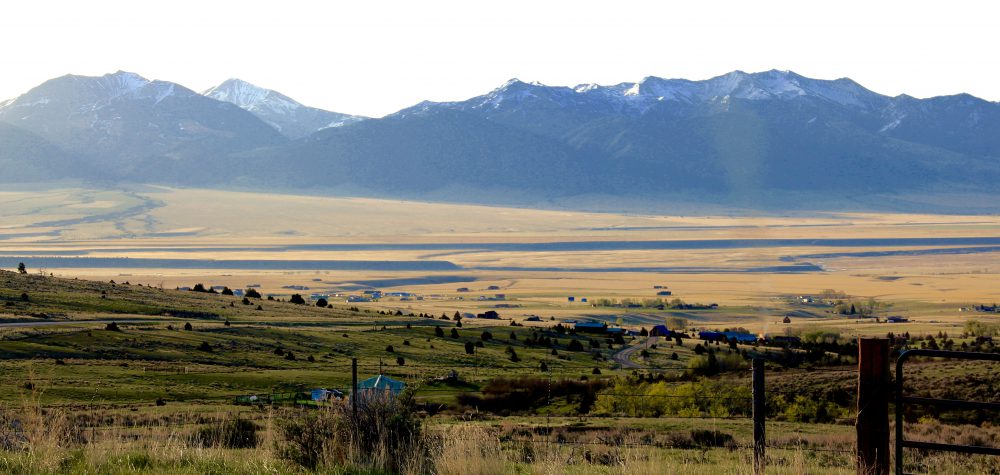

North of the railroad town of Zurich along US Highway 2 in Blaine County is Zurich Park, a New Deal era landmark from 1936-1937.
Originally called the Zurich Recreation Park, it developed as one three recreation areas in the planned South Wagner Resettlement Project. And the park in turn centered on the Community hall built at the park’s entrance.
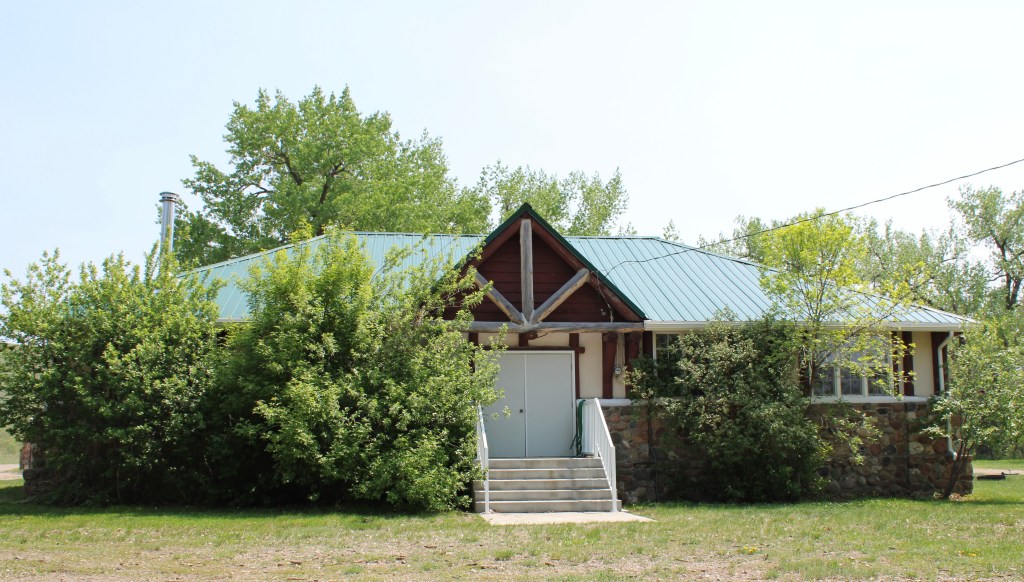

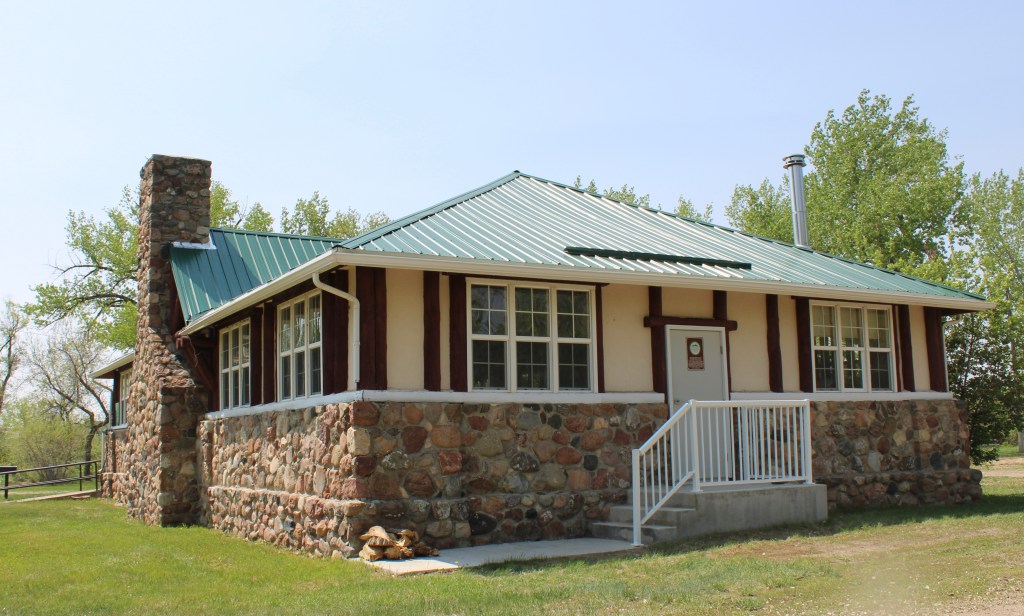
The Chinook Opinion on July 16, 1936 reported the initial plans for the park. The facility was centered on 30 Mile Creek, not far from the river and you crossed one of the canals of the Milk River Project as you approached the park from Zurich.

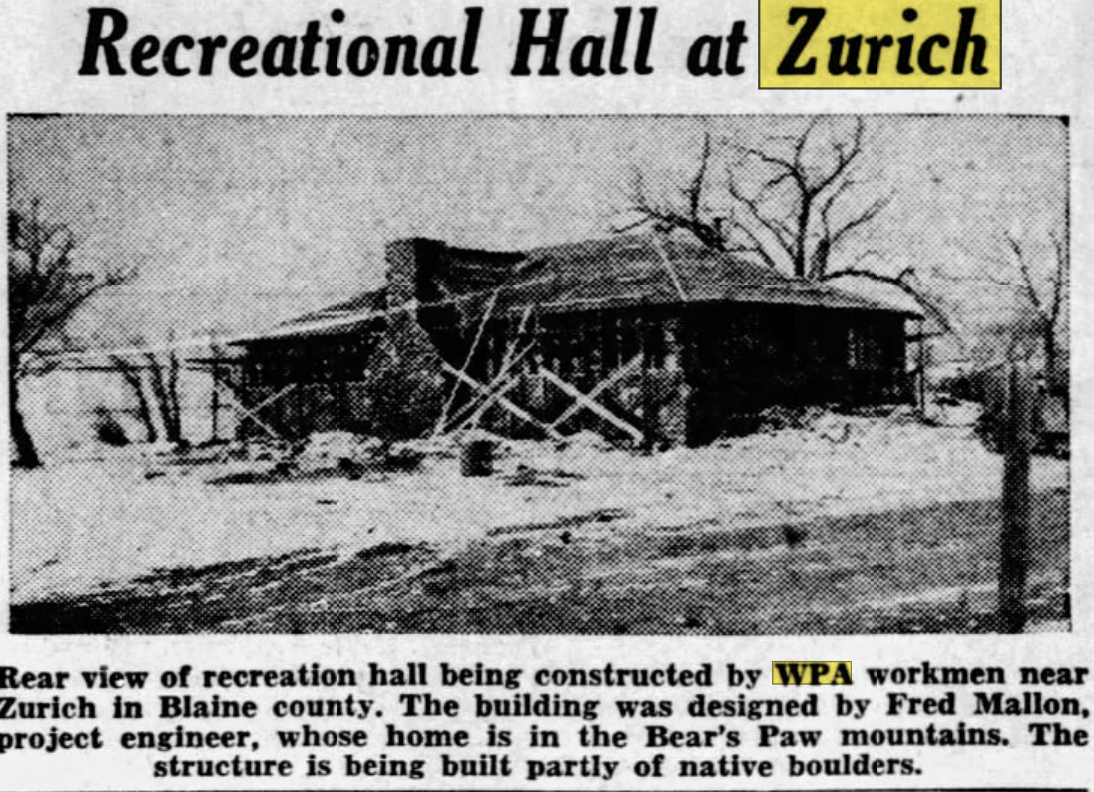
The community hall was 30 by 60 feet. 25 men, supervised by Floyd White of the county, constructed the building and other park features. The newspaper reported that the community hall “will be of native stone, logs and rough timber in rustic effect, plans having been drawn by Fred Mallon, project engineer” for the Resettlement Administration. The newspaper added that “This type of building will have the advantage of being more permanent, more attractive and will provide more labor and cost less for materials.”
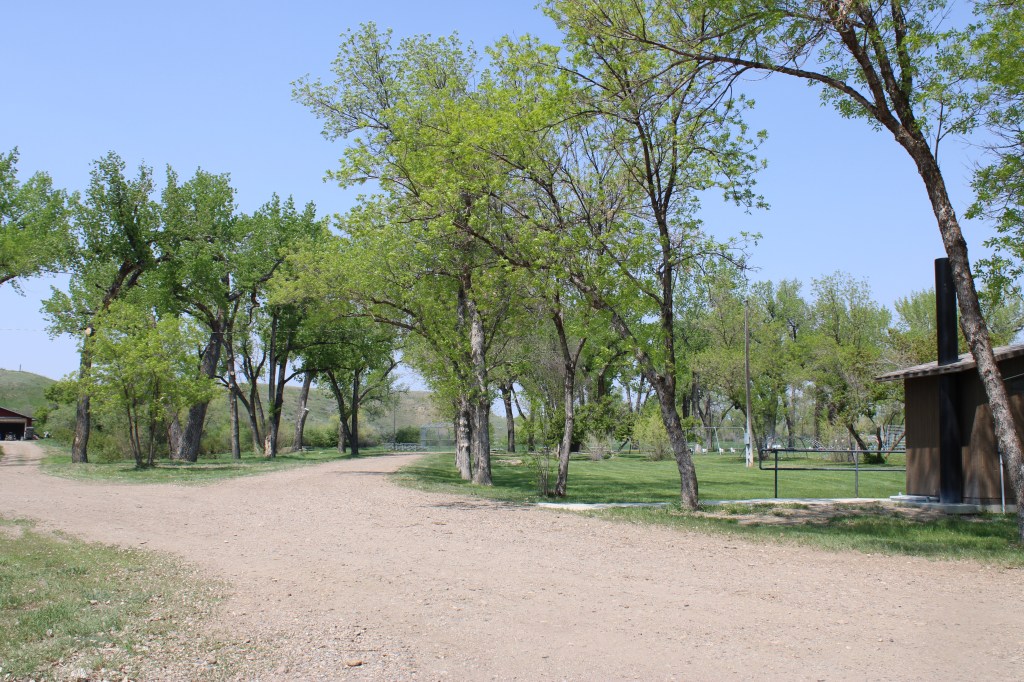
The park initially included a swimming area, picnic facilities and playgrounds.
In the winter of 1937 the Great Falls Tribune published a photograph of the almost completed community hall, with snow piled about the building. By the time summer rolled around the park was ready for use.
It served not just Zurich but hosted groups from Chinook and Harlem for decades. It quickly became a recreation and community center for all sorts of activities and meetings. The newspaper ad below was in the Harlem News of October 27, 1939.

For instance, regular district meetings of the Soil Conservation Service, the Beet Growers Association, 4-H clubs and home demonstration clubs met at the community hall. In 1939 the city of Chinook, who appreciated that local children had refrained from heavy use of fireworks, hosted a party at the park and bussed some 200 kids from Chinook for the afternoon event with hot dogs and ice cream. Even 40 years later the community hall was constantly in use by all sorts of groups.
In 1966 Chinook Lions club members gave the park and hall a facelift, installing five new picnic tables. The Harlem club joined in the effort and added six new picnic tables. Both groups made improvements to the playgrounds. The Chinook Opinion of June 9, 1966 reported: “These tables were built by the Chinook and Harlem high school shop department[s]. It is understood that a new resurfacing of the highway to the park [today’s Park Road] will be done this summer, and the park will be put in first class shape.” Zurich Park remains well maintained today as these images prove. Rural life and community events have changed in the 21st century but Zurich Park remains as an important legacy of the Great Depression decade.


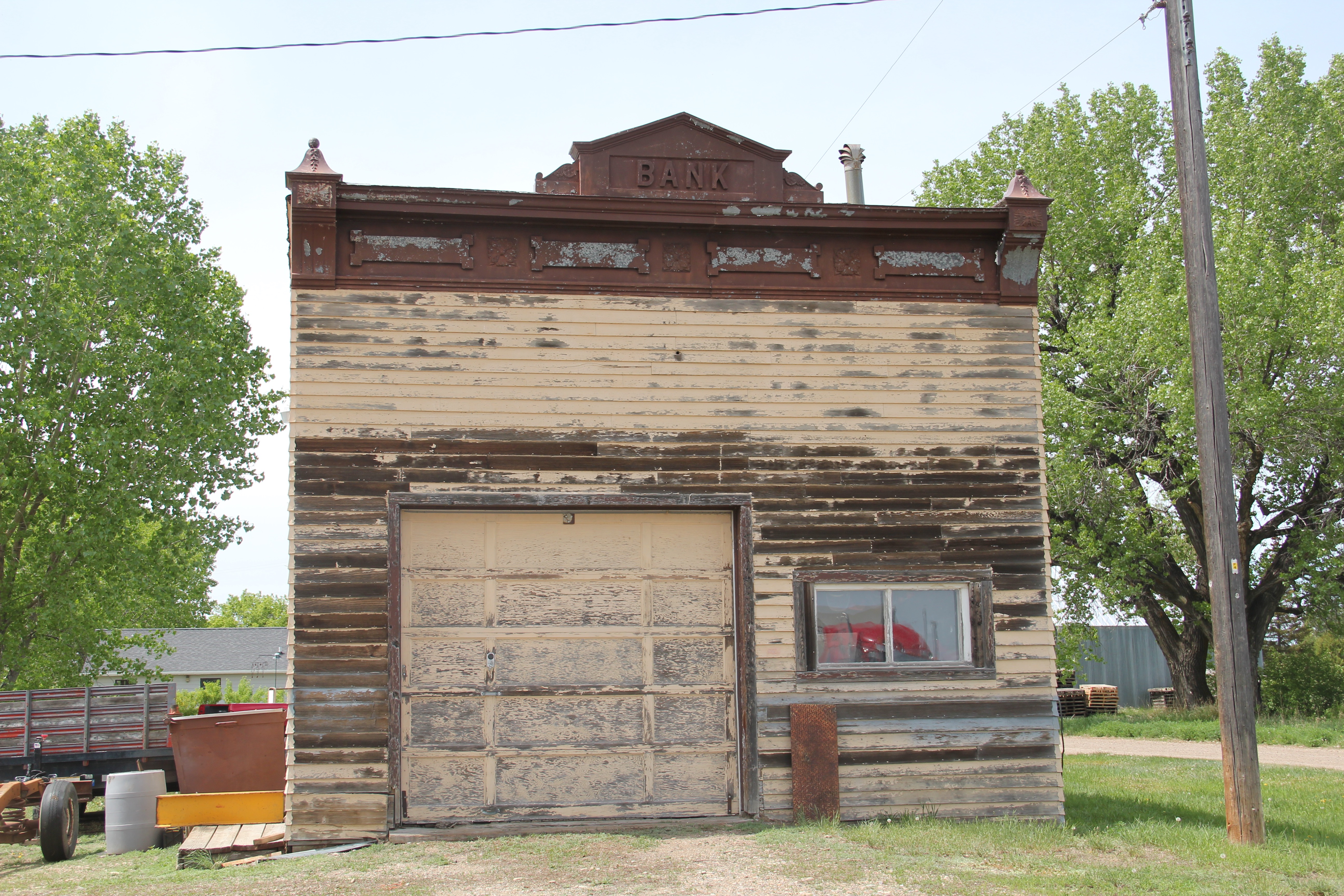
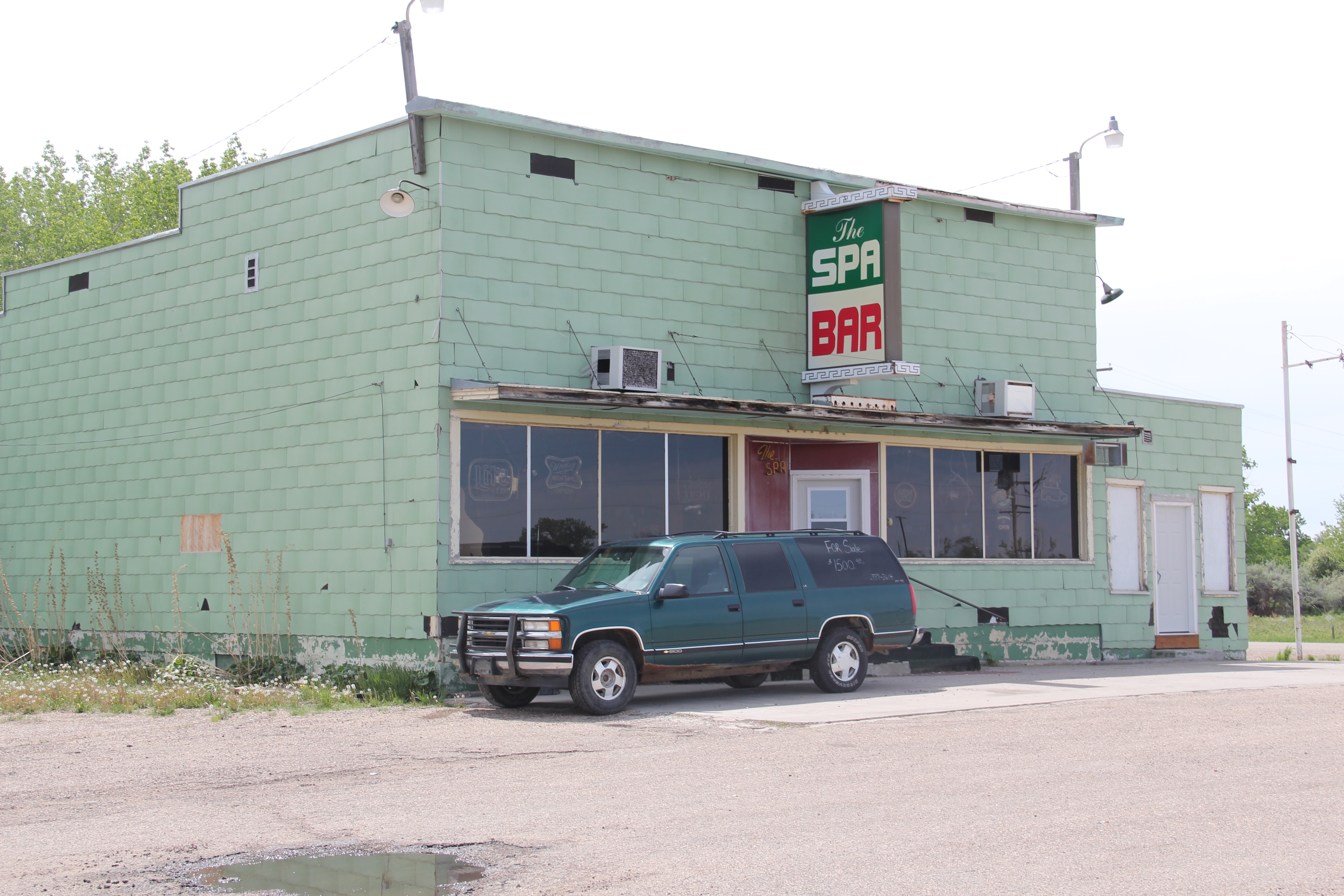
 Lehman, west of Chinook adjacent to both the Milk River and U.S. Highway 2, has almost totally disappeared as a place along the tracks. What is left of the town–this deteriorating commercial building in 2013–might even be gone today.



 Montana's Historic Landscapes