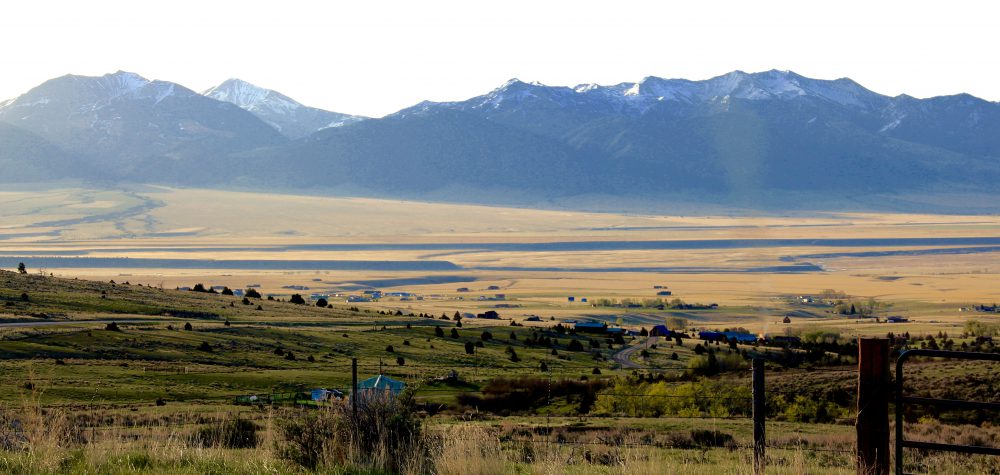
The City Cemetery is one of Missoula’s oldest extant public properties, if not the oldest since it dates with a year of the arrival of the tracks of the Northern Pacific Railroad in the early 1880s. Recent news stories have spoken of surplus land and new development. I hope that as those plans for change are implemented that city officials also consider listing the cemetery in the National Register of Historic Places. It is one of the most interesting public cemeteries I have encountered in Montana. The cemetery also meets the criteria for eligibility of the National Register.
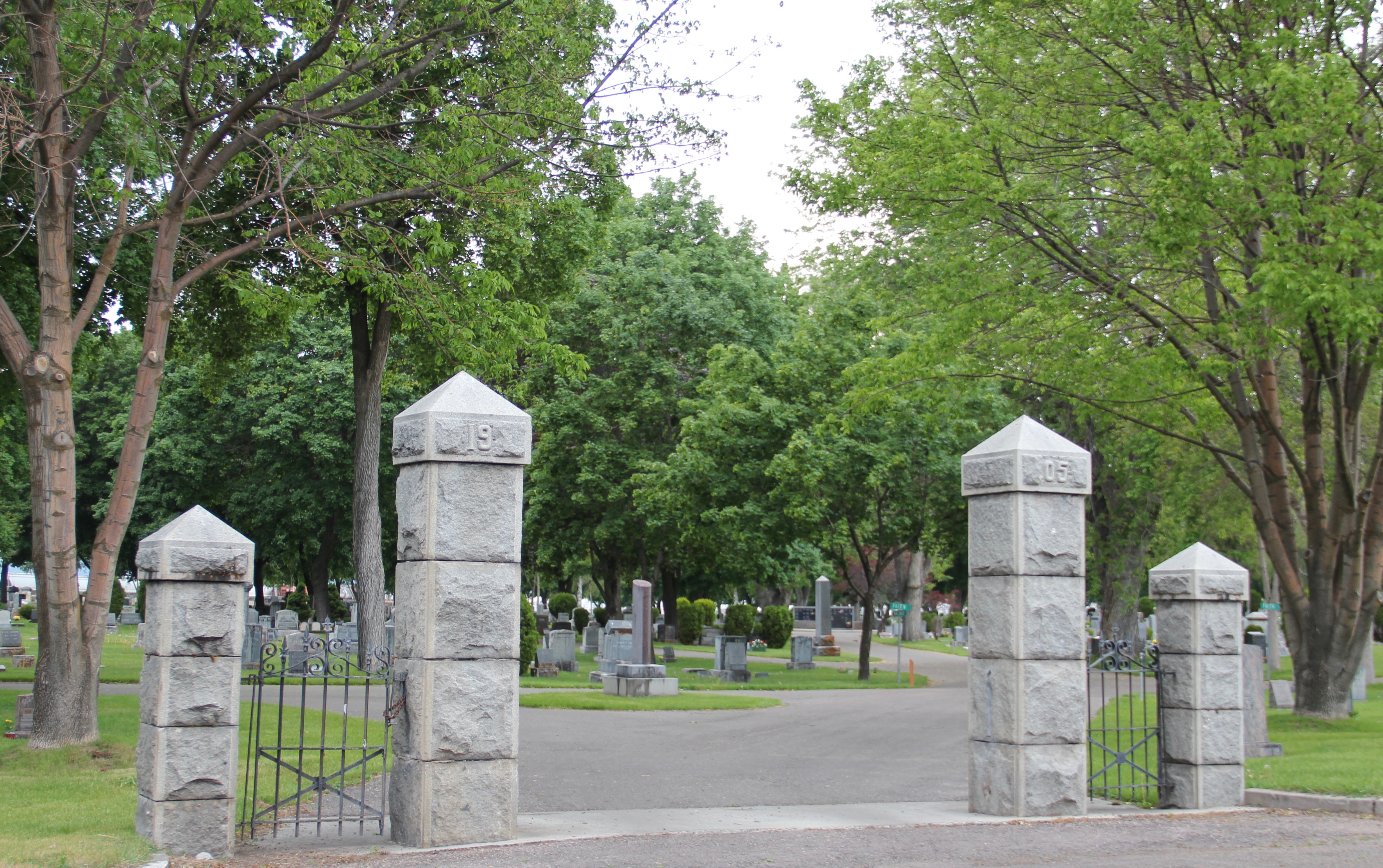
One of the best ways to document a cemetery for the National Register is to explore its historical significance. In the case of the Missoula cemetery, it dates to c. 1883-1884 as a public institution and represents an important way that early town officials began to build the public infrastructure for the city to come. Also the cemetery has several important markers that commemorative key groups and events in local history.


For example, this section of early graves of the Montana Pioneers at the cemetery, marked initially by the large cross, has been memorialized by a recent (1982) commemorative tablet.

This large obelisk marker dates to 1919 and refers to the effort of a once large and significant women-led group, the Women’s Relief Corps, who initially led the commemoration of Union dead from the Civil War, as an auxiliary organization to the Grand Army of the Republic. The WRC stayed active through the Spanish-American War and World War I and this marker recognizes veterans from all of those conflicts.

Fraternal organizations were very important in Missoula’s late nineteenth and early twentieth century history. Their membership is well represented throughout the cemetery; here are images of the Order of the Eastern Star and then a strategically placed Masonic monument at one of the cemetery’s crossroads.


The image above speaks to the cemetery’s overall design, a reflection of the mid-nineteenth century Rural Cemetery Movement, which perceived a well designed cemetery serving almost like a city park, with curvilinear drives, landscaped grounds, and lots of ornamental plantings, from boxwoods to large, expressive trees. The Missoula City Cemetery, as the next images show, has all of the traits of a Rural Cemetery Movement property.


 These images speak to the cemetery’s architectural significance, another point of emphasis for a National Register nomination. The cemetery has several elaborate grave markers, a virtual sculpture garden that also speaks to the city’s artistic expressions.

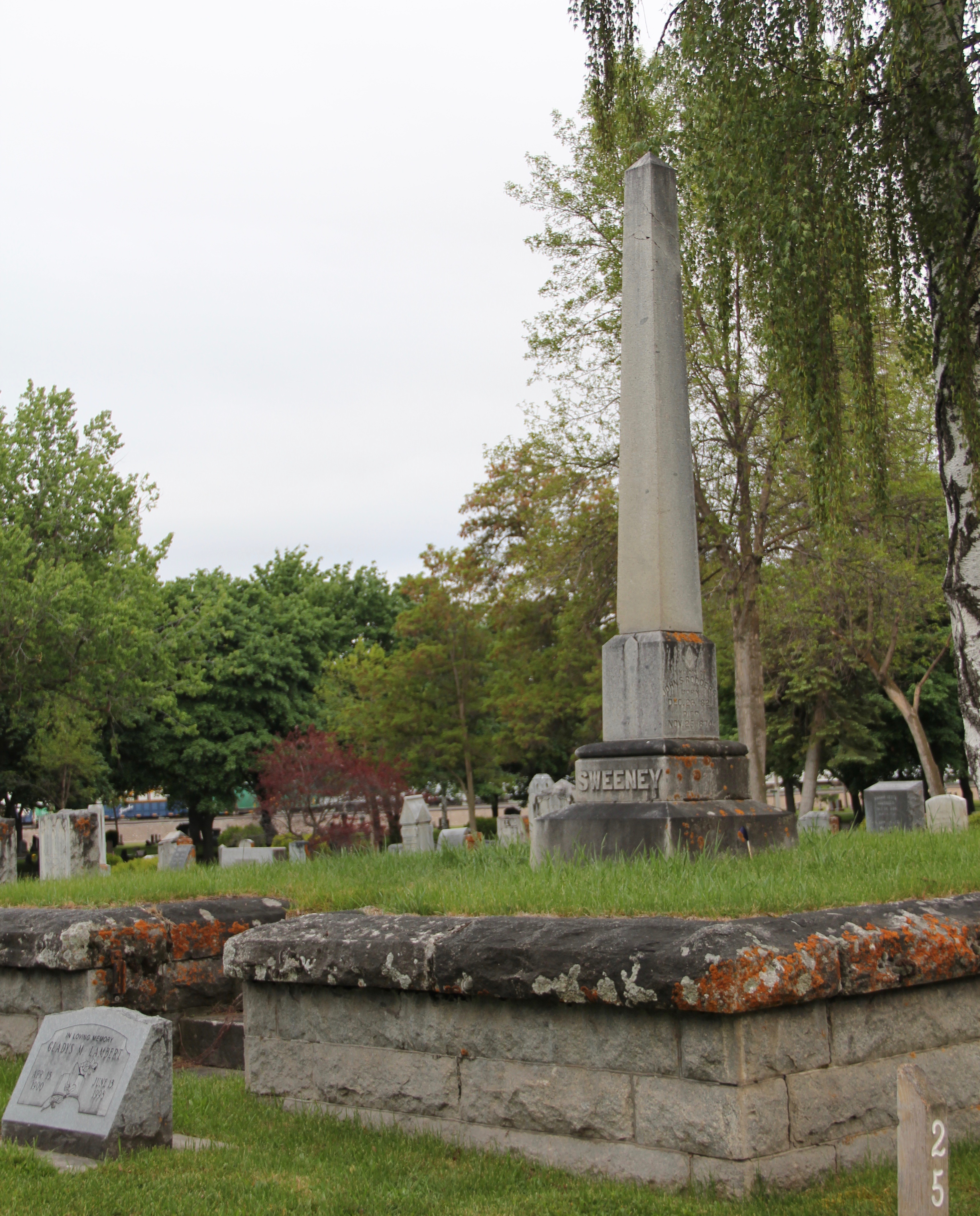
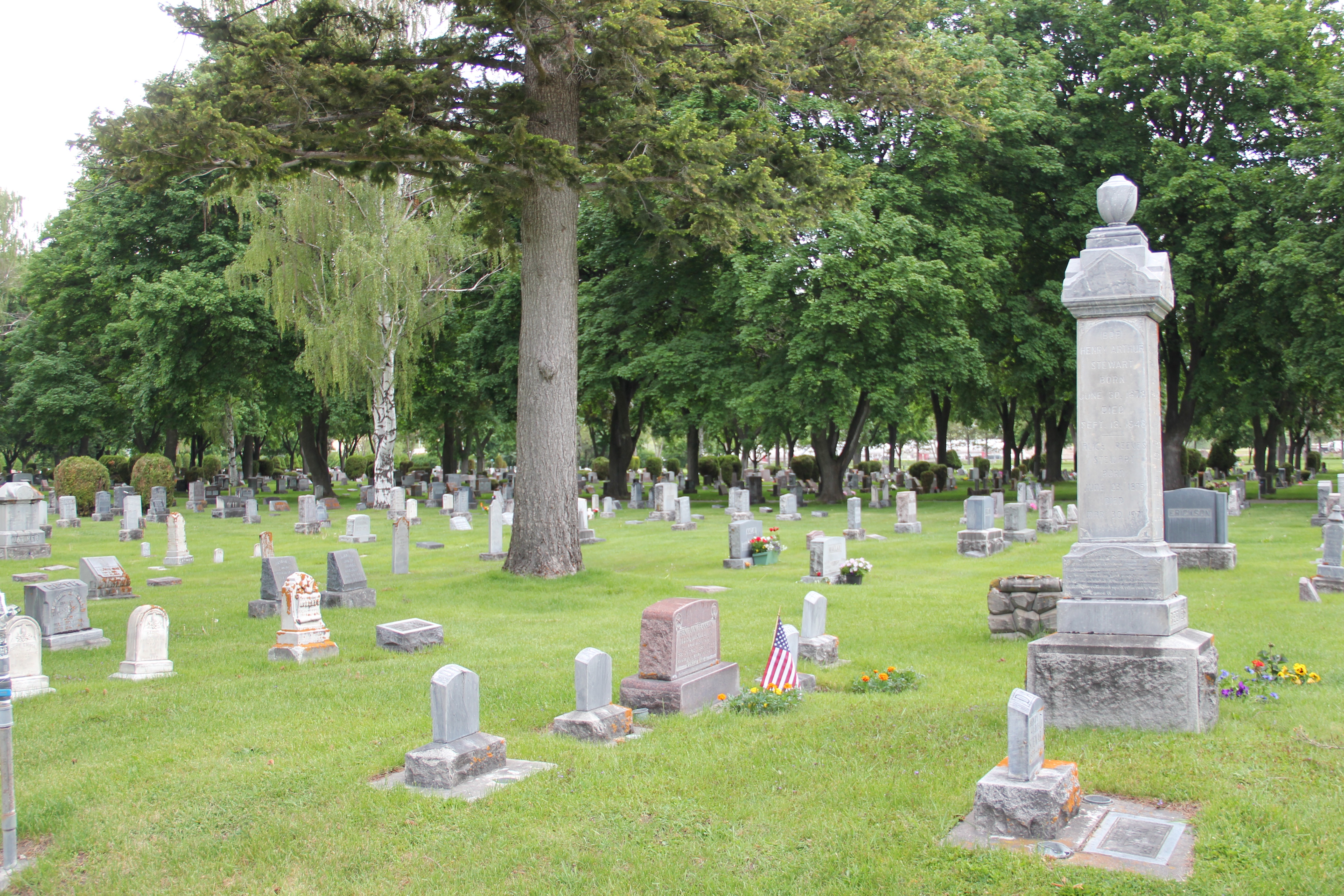
Yet as the image directly above suggests, the cemetery also represents the community and many of its grave markers are small and largely unadorned, reflective of a working to middle-class centered place as Missoula was for so much of its first 75 years.


Nestled as it is south of the Northern Pacific mainline, the cemetery is a relaxing but noisy environment at many times. Let’s hope that its new future reflects the importance of its past and this urban cemetery is not surrounded by high-rise buildings and development that transforms what has been an urban oasis for over 130 years into a mere dead end.
 To wrap up this multi-post look at Missoula and Missoula County, let’s take a brief look at the city’s historic neighborhoods. With seven historic districts, Missoula is rich in domestic architecture, and not only the homes built during its rise and boom from the early 1880s to the 1920s–there also are strong architectural traditions from the post-World War II era. This post, however, will focus on the early period, using the South Side and East Pine historic districts as examples.
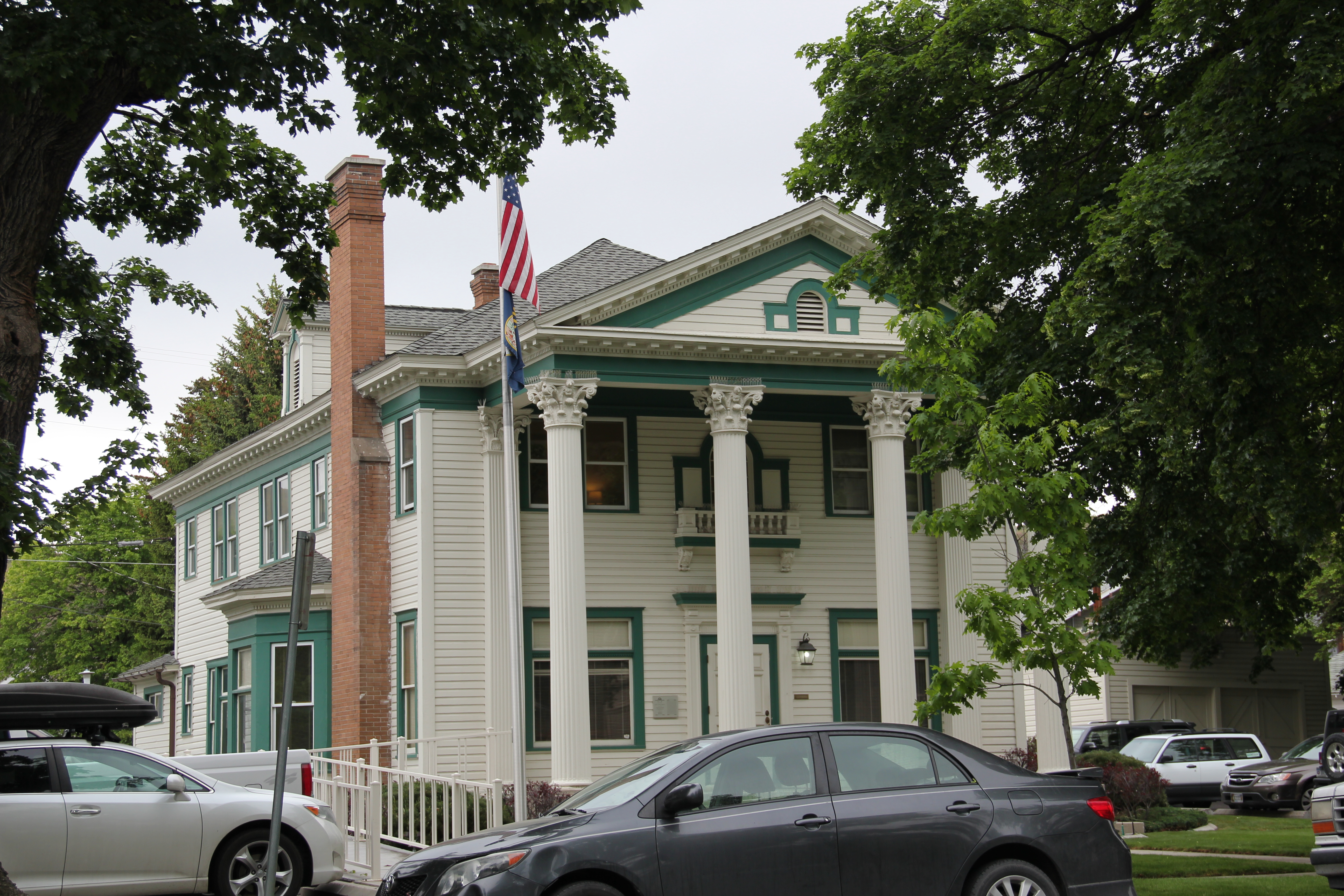
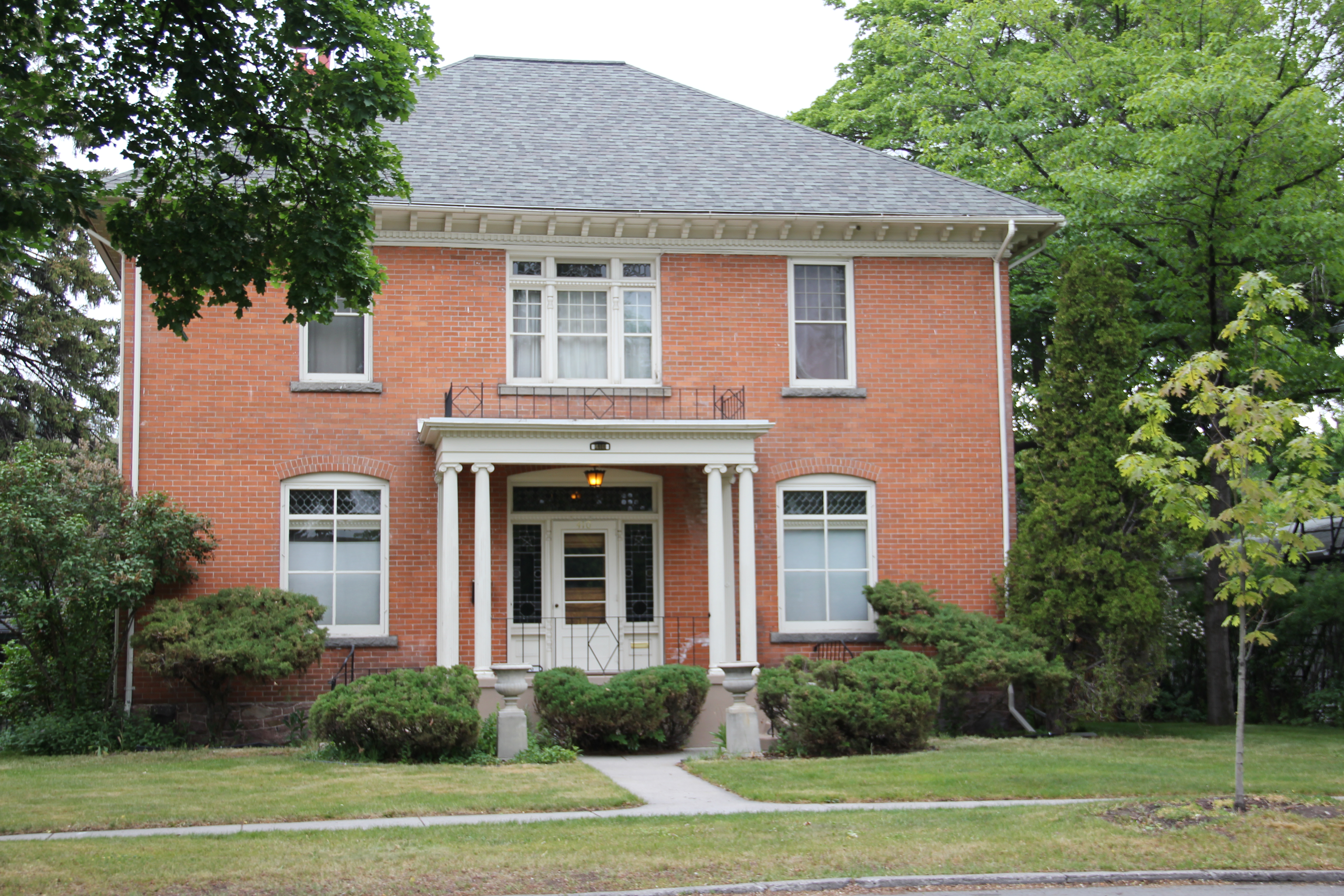
 Listed in the National Register of Historic Places 25 years ago, the south side district was platted in 1890, with development especially booming after the turn of the century and the arrival of the Milwaukee Road depot by 1910. Within that 20 year period, an impressive grouping of domestic architecture, shaped by such leading architects as A. J. Gibson, was constructed, and much of it remains today. When the state historic preservation office designated the district in 1991, there were over 200 contributing buildings.
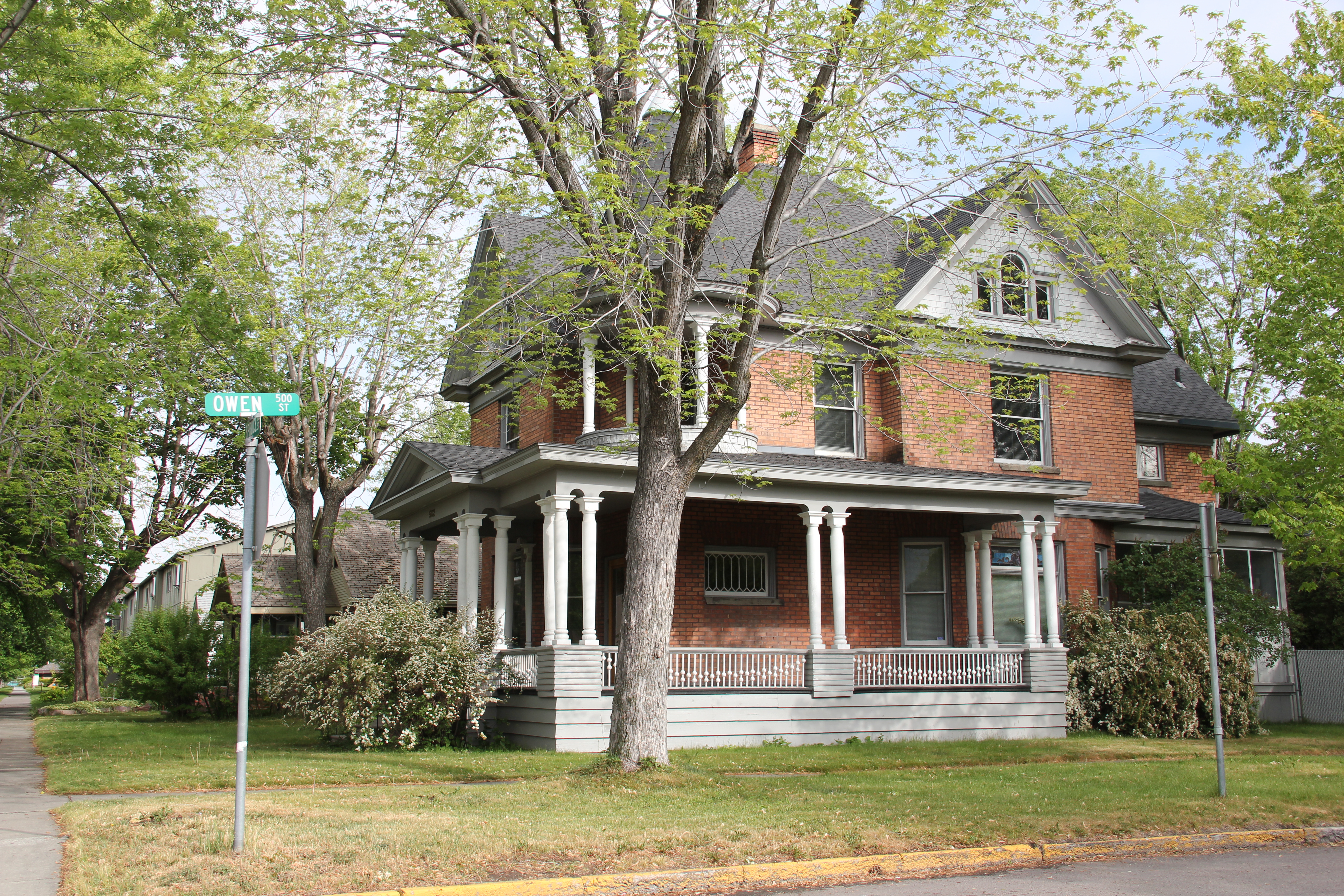 The neighborhood contains some of the city’s best examples of Queen Anne style, as seen above but also has many different examples of other popular domestic styles of the era, such as the American Four-square and variations on the various commonplace turn of the century types as the bungalow.


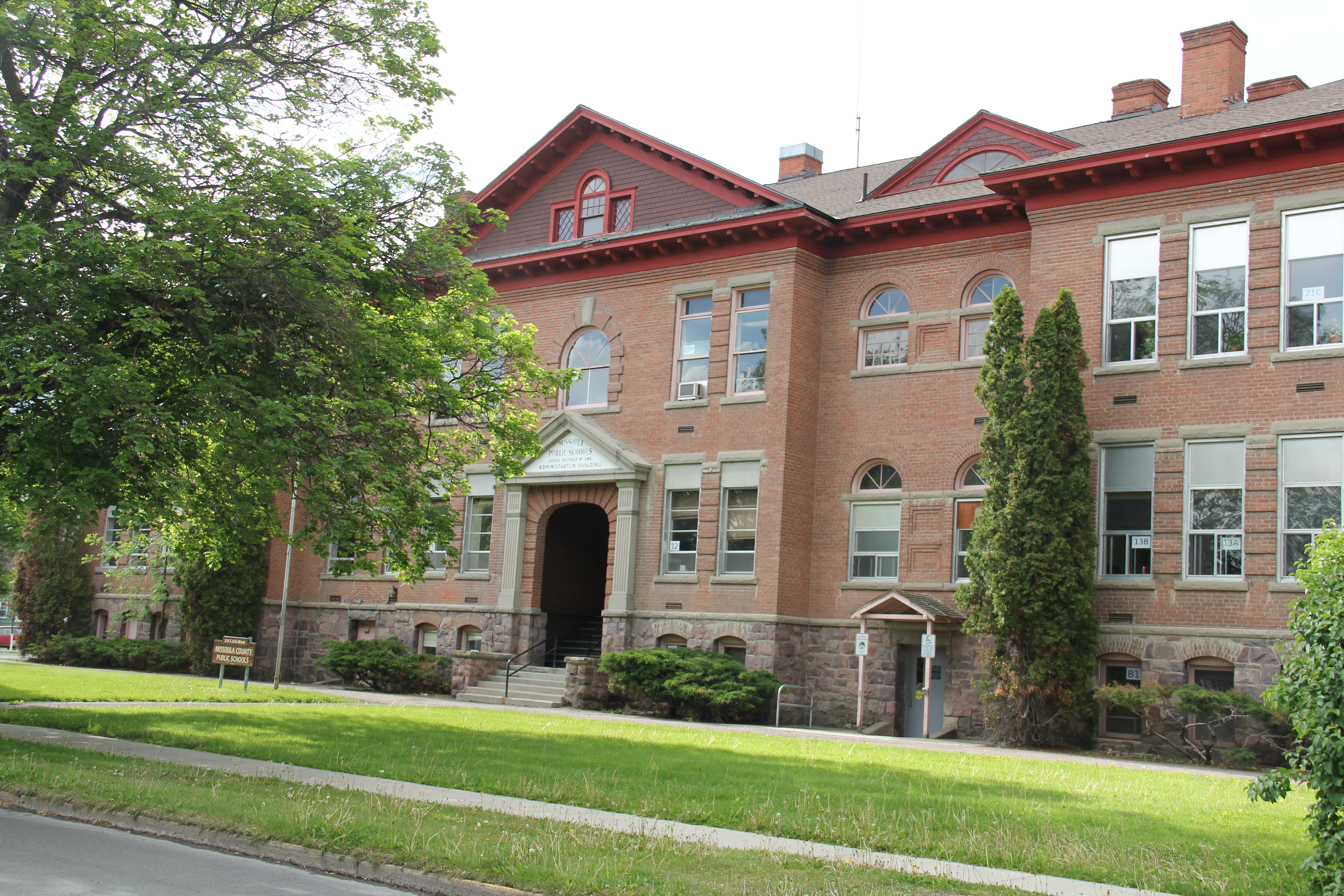 Apartment blocks and duplexes from the turn of the century also are important contributing buildings to the neighborhood. They reflect the demand for housing in a rapidly growing early 20th century western city.





 Before we leave Missoula, I want to also briefly consider its historic 1884 cemetery, an often forgotten place as it is located on the northside of the Northern Pacific Railroad corridor, and a property, like so many in 1984-1985, I gave no consideration to as I carried out the fieldwork for the state historic preservation plan.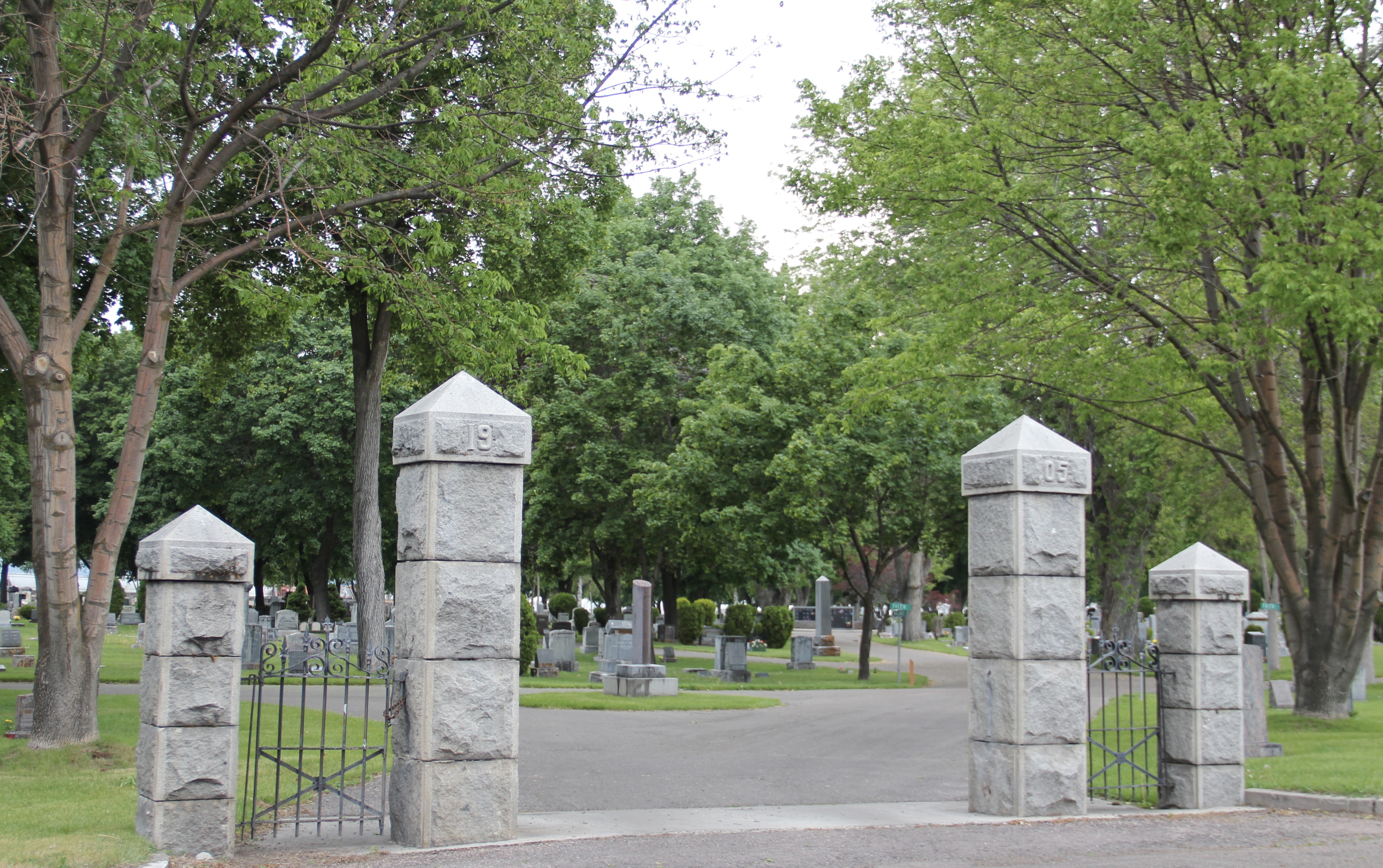
 A large concrete cross and adjacent river rock stone lined marker pay homage to the cemetery’s earliest burials as well as the many first citizens interred here.


 Montana's Historic Landscapes