Zurich Park: New Deal Landmark in Blaine County

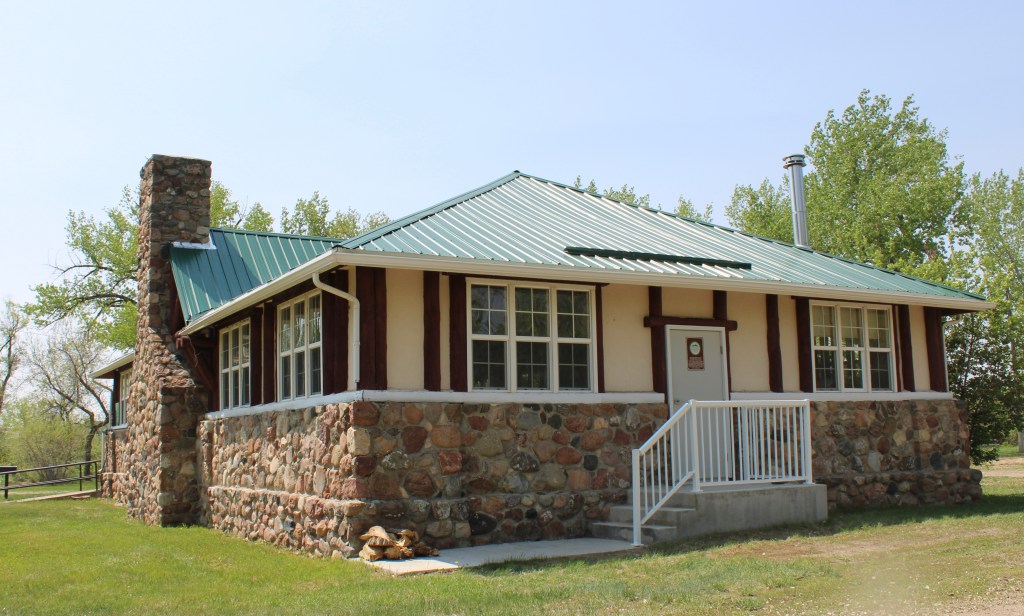
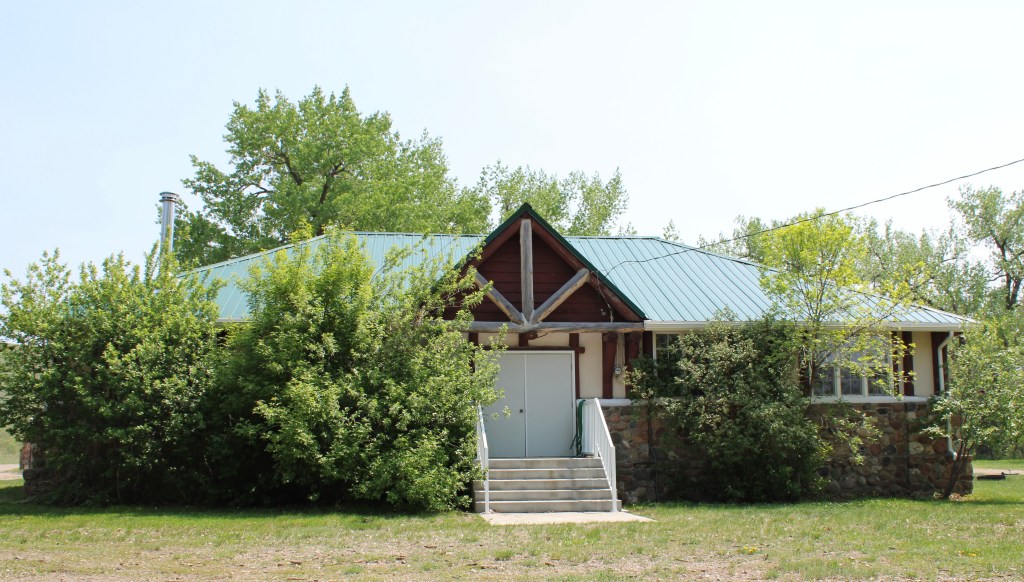
Zurich Park, 2023

North of the railroad town of Zurich along US Highway 2 in Blaine County is Zurich Park, a New Deal era landmark from 1936-1937.

Originally called the Zurich Recreation Park, it developed as one three recreation areas in the planned South Wagner Resettlement Project. And the park in turn centered on the Community hall built at the park’s entrance.
The Chinook Opinion on July 16, 1936 reported the initial plans for the park. The facility was centered on 30 Mile Creek, not far from the river and you crossed one of the canals of the Milk River Project as you approached the park from Zurich.

Milk River Project

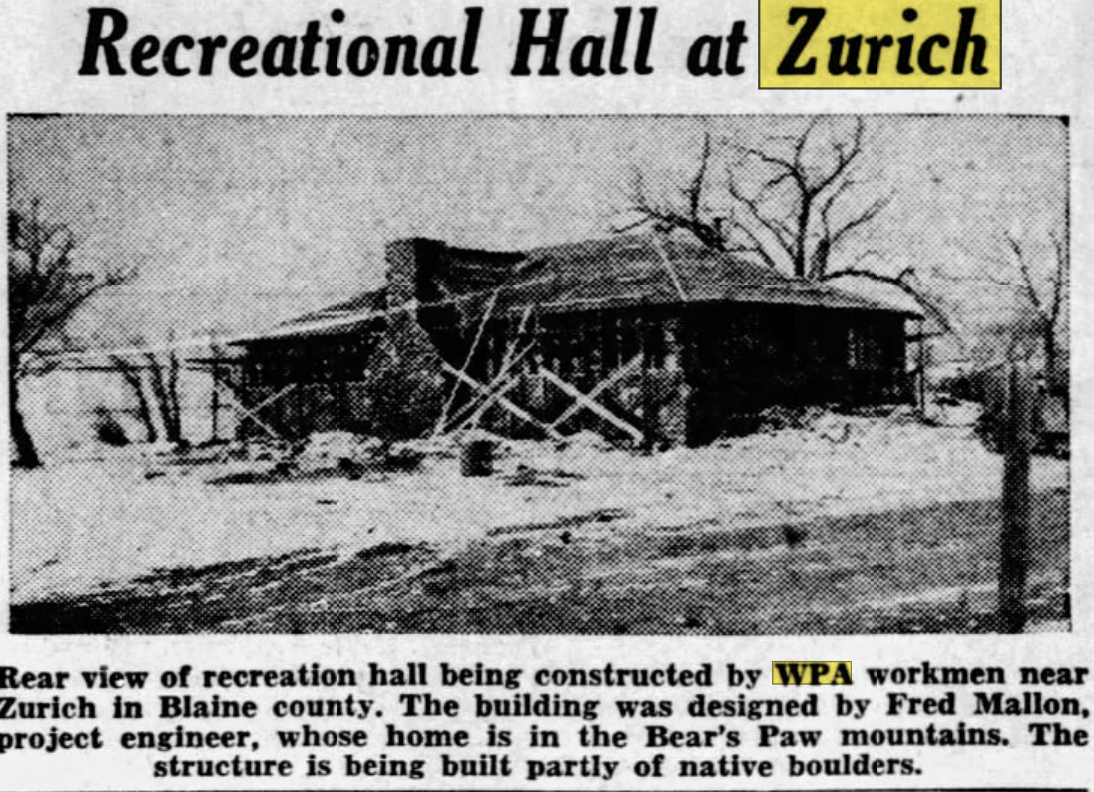
The community hall was 30 by 60 feet. 25 men, supervised by Floyd White of the county, constructed the building and other park features. The newspaper reported that the community hall “will be of native stone, logs and rough timber in rustic effect, plans having been drawn by Fred Mallon, project engineer” for the Resettlement Administration. The newspaper added that “This type of building will have the advantage of being more permanent, more attractive and will provide more labor and cost less for materials.”

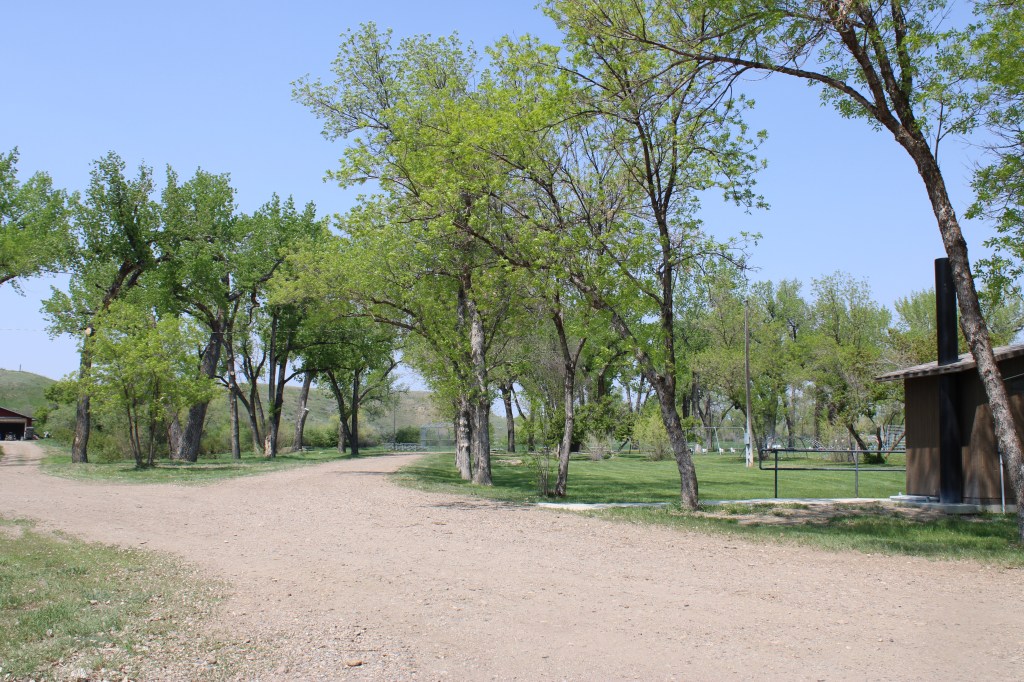
The park initially included a swimming area, picnic facilities and playgrounds.
In the winter of 1937 the Great Falls Tribune published a photograph of the almost completed community hall, with snow piled about the building. By the time summer rolled around the park was ready for use.
It served not just Zurich but hosted groups from Chinook and Harlem for decades. It quickly became a recreation and community center for all sorts of activities and meetings. The newspaper ad below was in the Harlem News of October 27, 1939.

For instance, regular district meetings of the Soil Conservation Service, the Beet Growers Association, 4-H clubs and home demonstration clubs met at the community hall. In 1939 the city of Chinook, who appreciated that local children had refrained from heavy use of fireworks, hosted a party at the park and bussed some 200 kids from Chinook for the afternoon event with hot dogs and ice cream. Even 40 years later the community hall was constantly in use by all sorts of groups.

In 1966 Chinook Lions club members gave the park and hall a facelift, installing five new picnic tables. The Harlem club joined in the effort and added six new picnic tables. Both groups made improvements to the playgrounds. The Chinook Opinion of June 9, 1966 reported: “These tables were built by the Chinook and Harlem high school shop department[s]. It is understood that a new resurfacing of the highway to the park [today’s Park Road] will be done this summer, and the park will be put in first class shape.” Zurich Park remains well maintained today as these images prove. Rural life and community events have changed in the 21st century but Zurich Park remains as an important legacy of the Great Depression decade.

New Deal Transformations: A Hot Springs in Phillips County, Montana

 In 1922 the Bowdoin Oil and Gas Company was drilling on land about 4 miles north of U.S. Highway 2 and the tracks on the Great Northern Railway, on the high benchlands north of the Milk River. They struck not oil but “a flow of warm sulphur water,” estimated at 24,000 barrels per day. The oilmen didn’t need a hot spring and moved on. But local citizens in Phillips County thought long and hard about harnessing that natural resource, which was just east of the Nelson Reservoir of the Milk River Irrigation Project of the U.S. Bureau of Reclamation.

Image

By the mid-1920s local residents, led by the Malta Commercial Club, developed a plan–known as the “Malta Plan,” that involved the federal purchase of submarginal land in order to enhance conservation and also to gather greatly scattered ranchers into central locations in order to address land erosion and settlement patterns. As summarized by Bernie Alt and Glenn Mueller in their “Evolution of the National Grasslands”:  “The gist of the plan was that the Federal Government would take options to buy or buy outright land from farmers and ranches who could not continue to operate as in the past because of low prices, drought, erosion of land, and other reasons.  Any of the individuals who desired would then be resettled in the Milk River Valley.”  The Malta Plan became the proverbial first step towards not only the later Resettlement Administration (1935-37) but its successor the Farm Security Administration and then the National Grasslands. Re-purchase and then re-seeding in grass of abandoned homestead land was the big picture, and Phillips County was front and center in this national experiment from the 1930s on.

Image

But this story focuses on what changing federal land policy meant for one place in the county–Sleeping Buffalo Hot Springs–that is now being re-energized and restored by determined property owners. When I visited the hot springs in 1984, I did not consider it much of a place. The buildings needed work; everything looked dated, worn. I did not dig deeper–and just assumed that there was not much a story here. Matters looked maybe even worse when I visited in 2013–the place was closed, abandoned, and seemed to have little hope. Local residents told me great stories of the springs’ best days. Those seemed to be gone forever.

Image

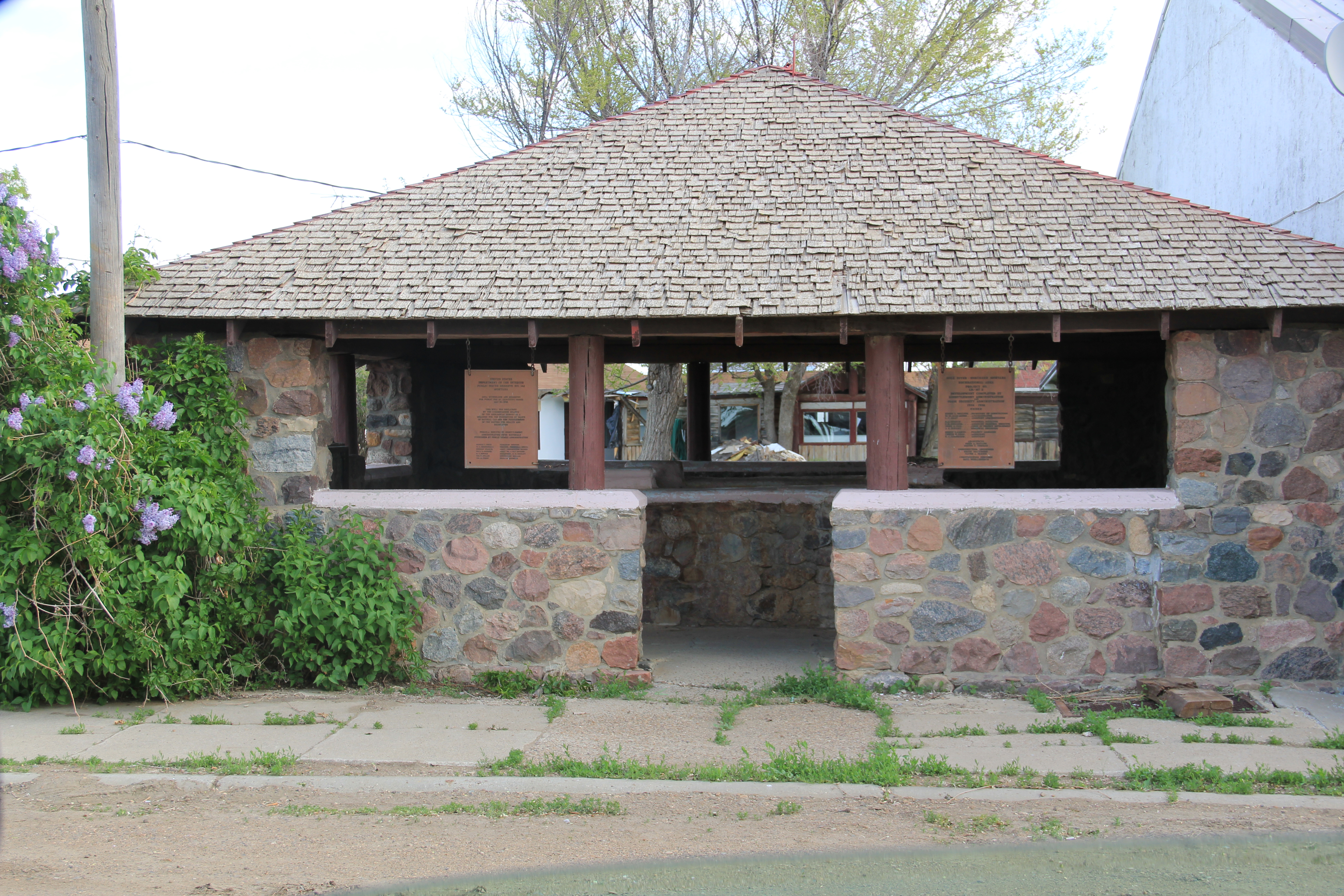
Then I noticed a small hipped roof open-structure which was certainly there in 1984–but my eyes had not been trained by viewing hundreds of New Deal-era structures to notice it. Here was existing truth in the ground that spoke strongly to the larger story of the New Deal transformation of Montana’s plains.

Image

The structure covered Public Water Reserve No. 141, federally established in 1931 by executive order from President Herbert Hoover to protect the hot springs. In 1932, the federal government transferred the well to the Saco Post #79 of the American Legion for development of recreation uses. By the mid-1930s, the American Legion Health Pool was open, and the tradition of the Sleeping Buffalo Hot Springs was underway. The New Deal guidebook for Montana encouraged visitors to go to the Health Pool for its recreational and “curative” waters and the Legion sold postcards like the one below.

Image

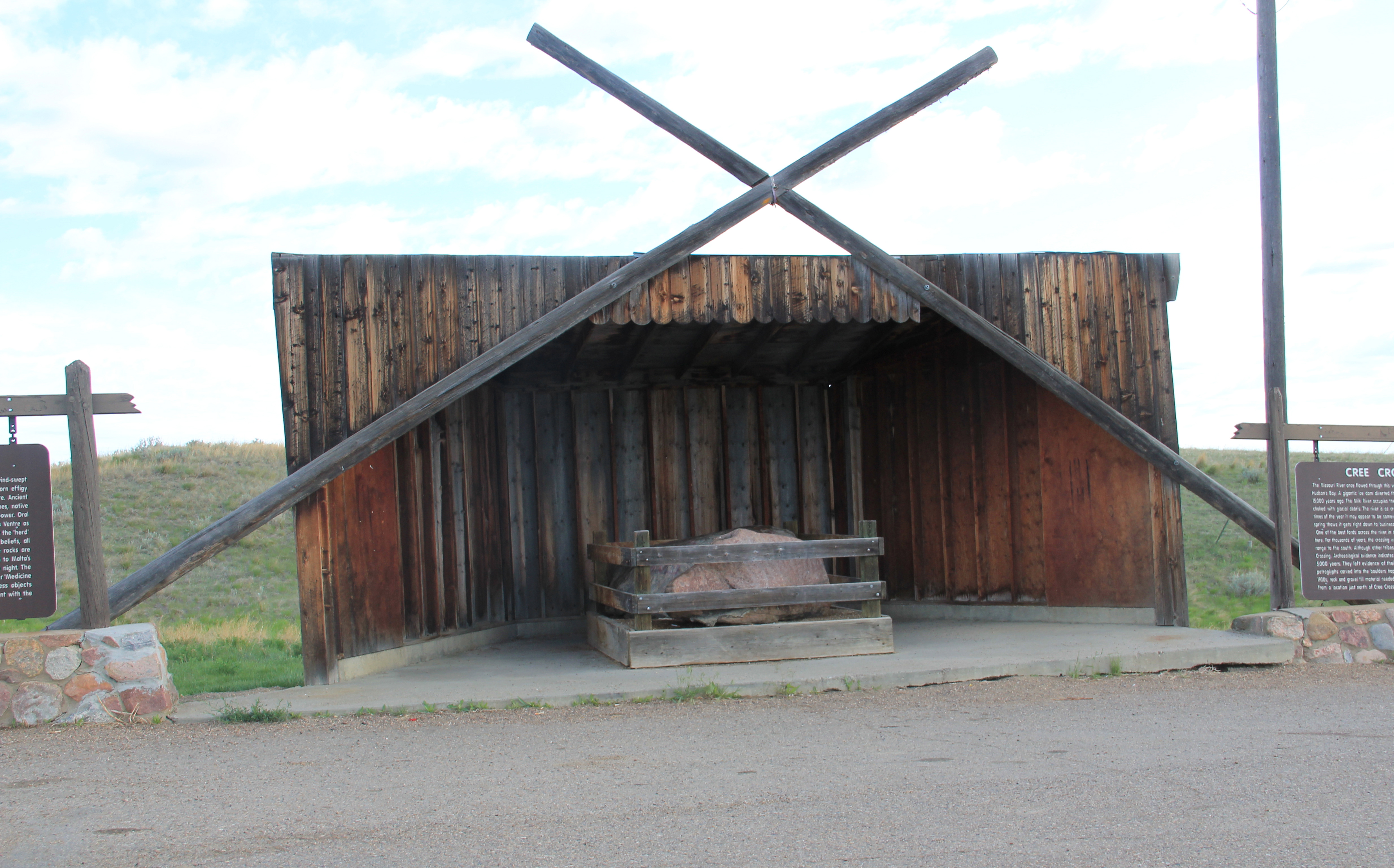
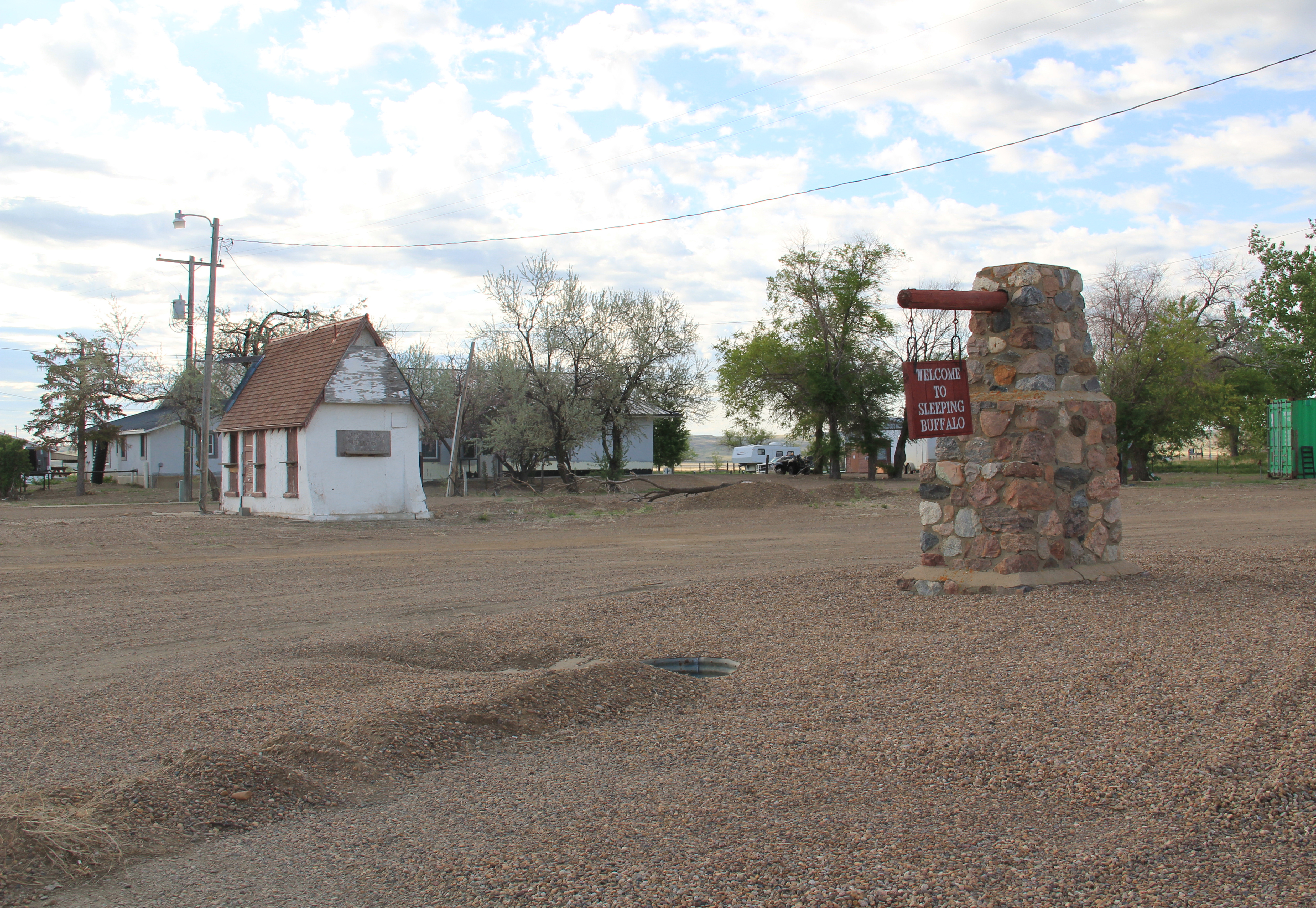
In the second half of the 20th century, the American Legion transferred the property to private owners, who expanded operations and launched the Sleeping Buffalo Hot Springs, so named for a sacred rock that stood down on U.S. Highway 2.

Image

What happened to the well? It is still there, with bronze markers explaining how this spot is part of the Resettlement Administration’s Land Utilization program–what became known as the Malta Subsistence Homesteads project centered around Wagner between Malta and Dodson. When I traveled Montana in 1984, I did not give enough attention to federal law, water rights, and the impact of the Reclamation Bureau.  You cannot miss the impact as you travel U.S. 2 between Chinook and Saco.

Image

Blaine County spawned the landmark Supreme Court decision on federal water rights of Winters v U.S. (1908). Phillips County spawned the first federal resettlement project and the “Malta Plan.” Historian Joseph Kinsey Howard in 1946 remarked: “So many federal agencies have had their ambitious fingers in the Malta pie that few even among project officials can be quite sure of all of them.”

Image

Today there is little but the transformed landscape itself to mark how these two rural places shaped national law. The next period of the hot springs’ history is being written right now. Michelle Lefdahl Simpson (a Phillips County native) and her husband Dennis are restoring the place–a process you can follow on the Facebook page for Sleeping Buffalo Hot Springs. Michelle Simpson told the Phillips County News in May 2014: “When I was little and we would head to the Sleeping Buffalo, we would travel the approximately 20 miles from Whitewater on the gravel roads,” Michelle said. “I would be sitting in the back seat with my siblings waiting to see that big blue slide come out of literally nowhere and all I could think about was getting my wrist band on and racing up to the top. For me, it was as if our parents took us to Disney-land or something.”  Here’s to the Simpsons for stepping forward to reclaim a forgotten 20th century Montana landmark.