Crown Hill Cemetery in Cut Bank

Standard histories tell you that Cut Bank, the seat of Glacier County, dates to 1891. But significant numbers of permanent settlers did not arrive until the first years of the 20th century, following a major investment by the Great Northern Railroad to build a huge steel bridge and railroad offices, shops, and a roundhouse. The Fort Benton River Press on February 12, 1901, reported that “Cut Bank is rapidly assuming a metropolitan appearance.”

The initial railroad boom soon slowed until the homesteader movement brought new growth. In 1911 town officials agreed to discuss the creation of a permanent town cemetery with state officials. Between 1911 and 1914 citizens formed the Crown Hill Cemetery Association and the first documented burials in the local newspaper took place in 1914.
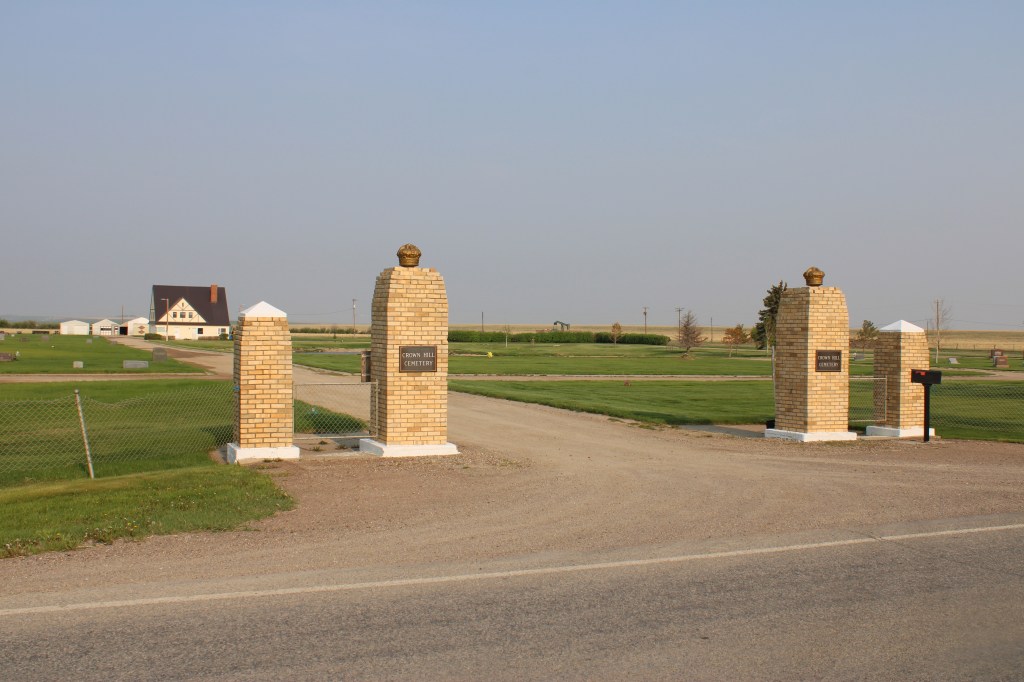
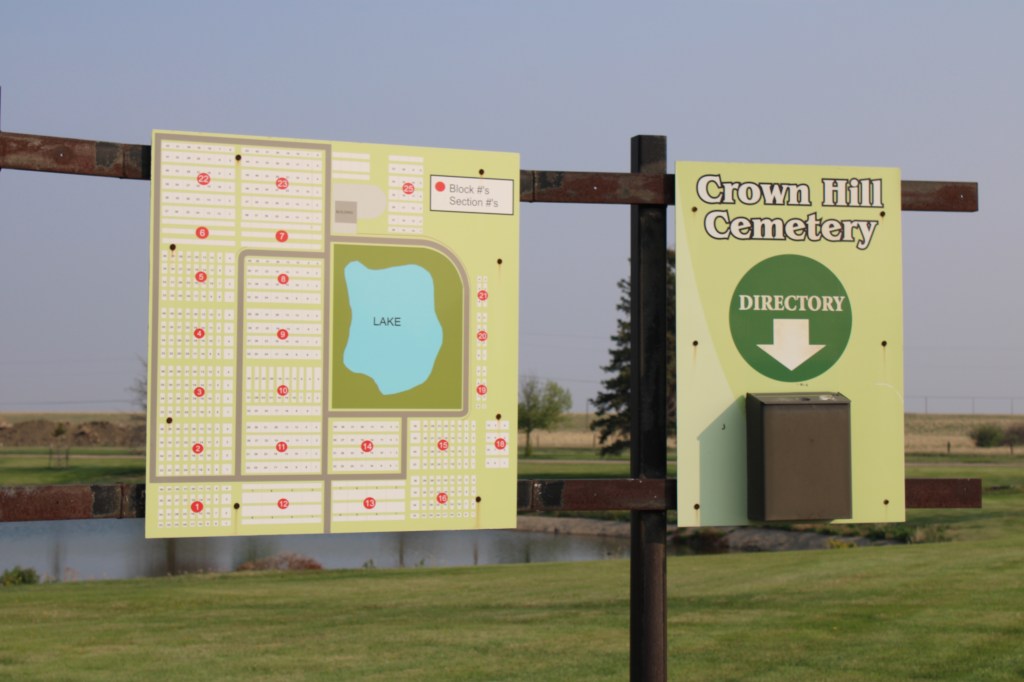
Entrance to Crown Hill Cemetery

Located north of town the cemetery is on a slight rise and has an impressive view of Cut Bank to the South. A small lake is the focus of the cemetery plan.

See the grain elevators to the south.

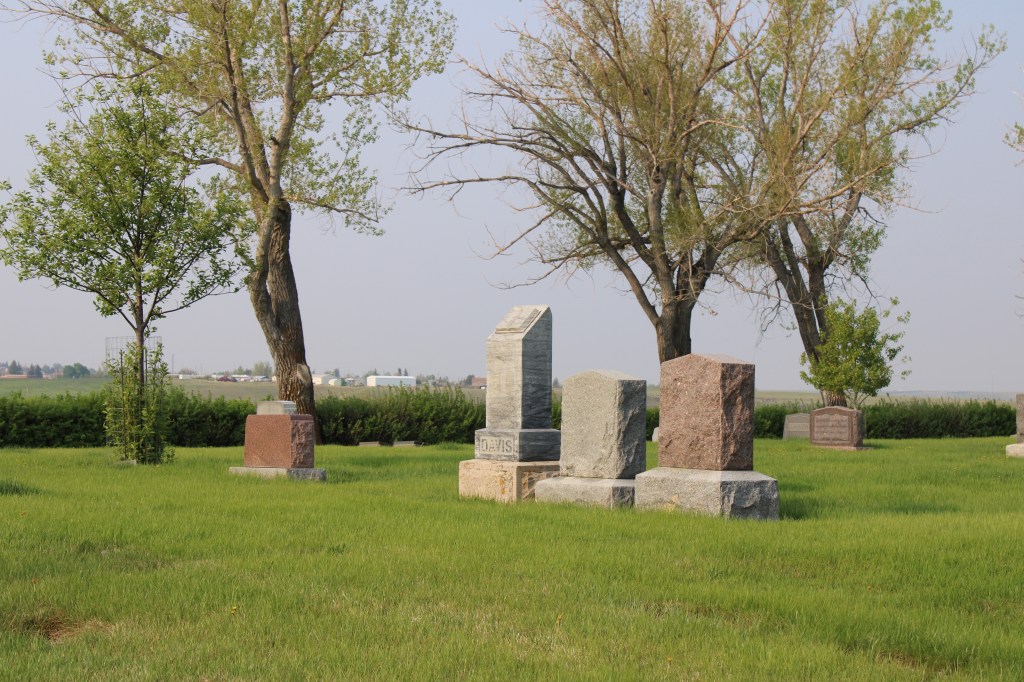
Otherwise the cemetery contains long rows in a rectangular manner and there are few huge grave markers, instead many dignified and subtly designed markers cover the grounds.
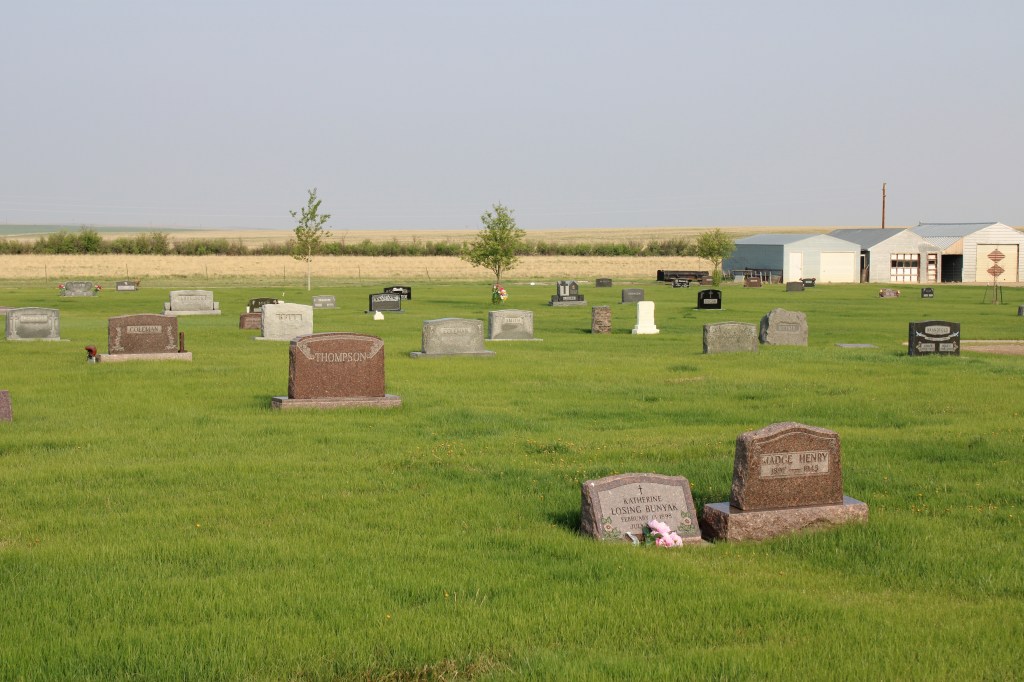
There are several interesting markers and many note a fraternal lodge association.

The Thomas marker is one of the oldest.
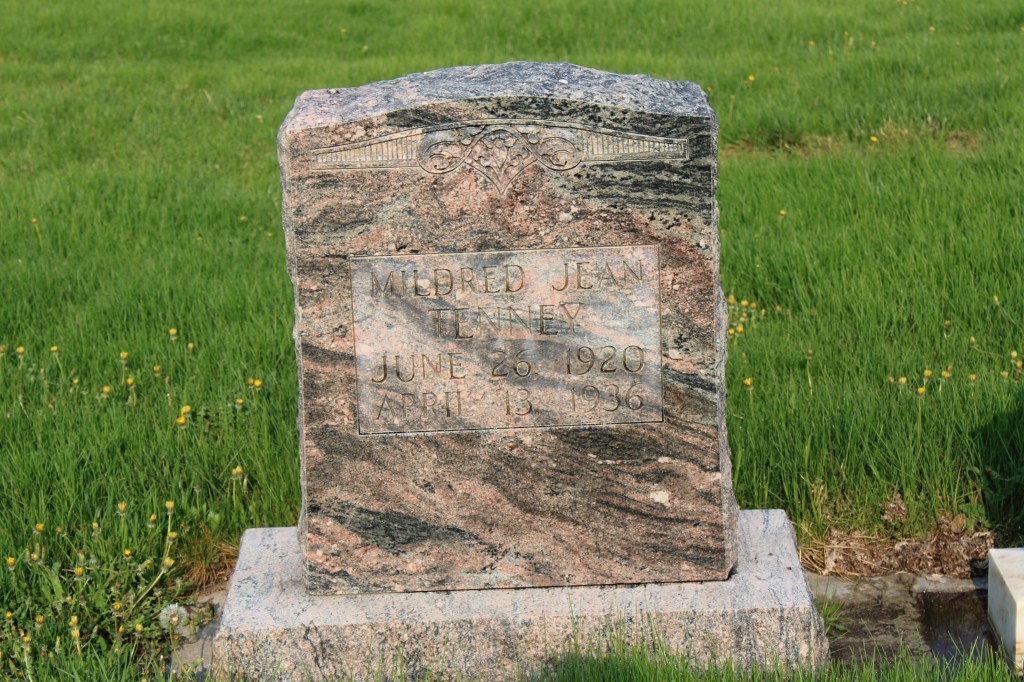
1936 marker with Art Deco styling

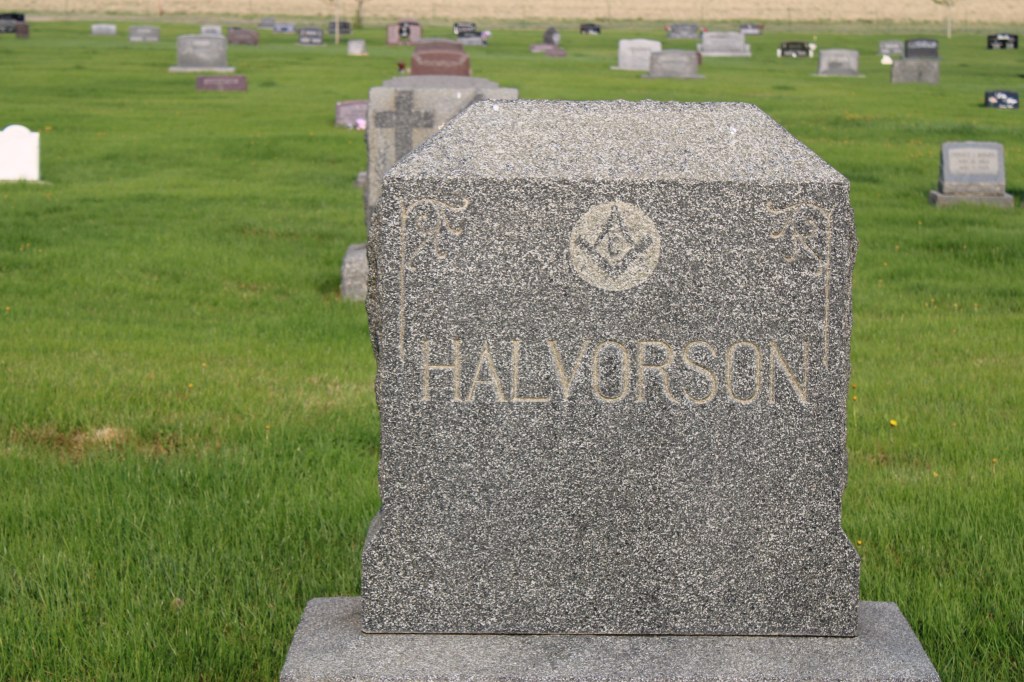
The Halvorson marker dates to be death of Mrs. Harry Halvorson who died in 1924. At that time her funeral was the largest ever held in Cut Bank. The Midland Empire of April 22, 1924 reported that 650 attended the funeral and that 77 cars went from the town Masonic Hall to the cemetery. A member of the Rebekah lodges in both Cut Bank and Shelby, Halvorson’s funeral attracted other lodge members from Shelby, Conrad, Valier and Browning. Her husband was the senior member of the Halvorson mercantile company, which started in 1901.

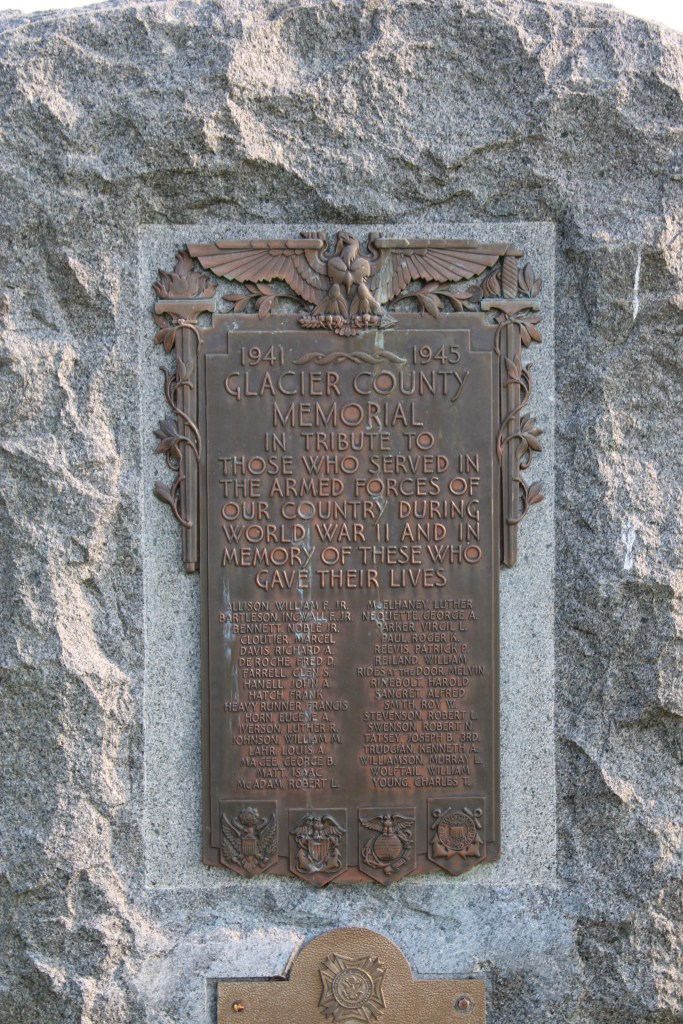
Another important marker is the veterans memorial from World War II. Cut Bank played a significant role as a satellite air field for the Great Falls Army Air Base. In 1942-43 pilots trained here in flying the B-17 Flying Fortresses. In 1948 the army conveyed the base to the town for civilian use.

Perhaps an unattended consequence of the military air base is that winter temperatures at Cut Bank was regularly available to national media, which played up the mage of Cut Bank as the coldest place in the lower 48 states. Cut Bank embraced the image, as this bit of roadside sculpture below attests. It stands at the eastern entrance into town on US Highway 2.

Crown Hill Cemetery is one of the oldest properties in Cut Bank open to the public. The cemetery is well maintained, well manicured and a testament to the respect and dignity local residents give to their past.

Crown Hill Cemetery in Cut Bank

Standard histories tell you that Cut Bank, the seat of Glacier County, dates to 1891. But significant numbers of permanent settlers did not arrive until the first years of the 20th century, following a major investment by the Great Northern Railroad to build a huge steel bridge and railroad offices, shops, and a roundhouse. The Fort Benton River Press on February 12, 1901, reported that “Cut Bank is rapidly assuming a metropolitan appearance.”

The initial railroad boom soon slowed until the homesteader movement brought new growth. In 1911 town officials agreed to discuss the creation of a permanent town cemetery with state officials. Between 1911 and 1914 citizens formed the Crown Hill Cemetery Association and the first documented burials in the local newspaper took place in 1914.

Entrance to Crown Hill Cemetery

Located north of town the cemetery is on a slight rise and has an impressive view of Cut Bank to the South. A small lake is the focus of the cemetery plan.

See the grain elevators to the south.

Otherwise the cemetery contains long rows in a rectangular manner and there are few huge grave markers, instead many dignified and subtly designed markers cover the grounds.

There are several interesting markers and many note a fraternal lodge association.

The Thomas marker is one of the oldest.
1936 marker with Art Deco styling

The Halvorson marker dates to be death of Mrs. Harry Halvorson who died in 1924. At that time her funeral was the largest ever held in Cut Bank. The Midland Empire of April 22, 1924 reported that 650 attended the funeral and that 77 cars went from the town Masonic Hall to the cemetery. A member of the Rebekah lodges in both Cut Bank and Shelby, Halvorson’s funeral attracted other lodge members from Shelby, Conrad, Valier and Browning. Her husband was the senior member of the Halvorson mercantile company, which started in 1901.

Another important marker is the veterans memorial from World War II. Cut Bank played a significant role as a satellite air field for the Great Falls Army Air Base. In 1942-43 pilots trained here in flying the B-17 Flying Fortresses. In 1948 the army conveyed the base to the town for civilian use.

Perhaps an unattended consequence of the military air base is that winter temperatures at Cut Bank was regularly available to national media, which played up the mage of Cut Bank as the coldest place in the lower 48 states. Cut Bank embraced the image, as this bit of roadside sculpture below attests. It stands at the eastern entrance into town on US Highway 2.

Crown Hill Cemetery is one of the oldest properties in Cut Bank open to the public. The cemetery is well maintained, well manicured and a testament to the respect and dignity local residents give to their past.
Garfield County: the forgotten land of eastern Montana

IMG_0310Before I began crisscrossing over Montana in 1984 for the state historic preservation plan, I sought out ideas and locales from friends, colleagues, and others knowledgeable about the state’s history and built environment.  No one could offer anything about Garfield County, which I found surprising because the county was huge in size, and located smack in the middle of eastern Montana, with major north-south and east-west state highways crossing at Jordan, the county seat.  I knew the population was sparse–just over 1600 in 1980, making it one of the least densely populated places in the lower 48, and the least densely populated place in Montana.

IMG_0316

But as you rolled into the county via Montana 200–which became a favorite route of mine by the time I was done with the survey in 1985–I just knew there had to be something here, especially at Jordan, the county seat, numbering about 485 people in the early 1980s but now just 340 plus residents in the 2010s.

Jordan, mid-1980s

Main Street, Jordan, mid-1980s

IMG_0292

Main Street, Jordan, 2013

Despite the drop in population over 30 years, Jordan had not remained frozen in time–as I sorta expected to find–but rather changes were everywhere.  Traffic signals were at the crossroads of MT 200 and Main Street; Main Street had been paved.  The historic high school dormitory (1936) for Garfield County–a property type of the early 20th century that absolutely fascinated me, that kids came and stayed the week in town for school due to the distances otherwise they would have to travel daily–was still there, but shuttered.

IMG_0285

Both times I had visited Jordan in the 1980s, students thought it weird that I found their “dump” to be interesting, and historic:  but it was, and still is:  creating community, even temporary, in the far-flung reaches of the northern plains was important to the New Dealers who helped to fund the dorm in 1936.  This building should be on the National Register of Historic Places; Garfield County has no National Register buildings, just one historic site, the Hornaday camp, associated with the Smithsonian’s study of the “last” buffalo in the late 19th century.

IMG_0284

The historic high school adjacent to the dormitory, another New Deal building from 1936, still stood too, but it had been renovated and remodeled, keeping its general shape and simple classical entrance but little else from its 1980s look; across the street was a new annex and gym.  There was also a shiny new elementary school but that did not mean that the old Jordan Elementary from 1930 was gone:  in 2013 last touches were underway to turn it into the town’s library.

IMG_0283

IMG_0289

In 2013, the biggest change to my eyes was the courthouse.  In 1984 I was captivated by this tiny, frame courthouse, that looked more like a mid-20th century tract home than a county’s primary public building.  Indeed, I circled through the town a bit more than

garfield jordan - Version 2

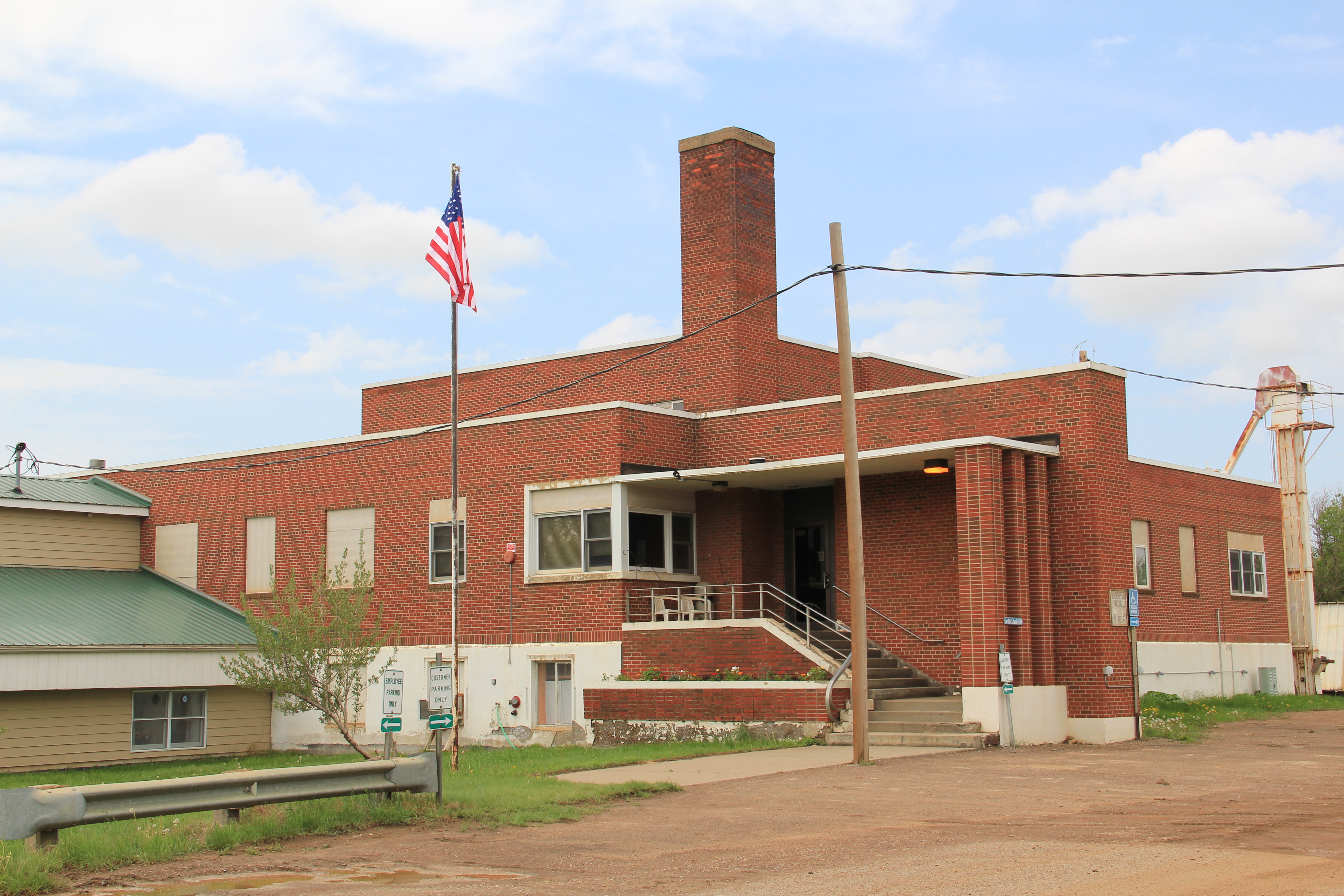
needed:  the old courthouse was no more, lost in a c. 1998 fire.  The new county courthouse was a red brick building, the former 1960s county-owned, modernist-styled hospital, perhaps the biggest change I encountered in Jordan.

IMG_0304

The new Main Street bars were also a surprising but welcome change. Ranchers and Hell Creek bars speak to images and realities of Garfield County.

IMG_0294

IMG_0295

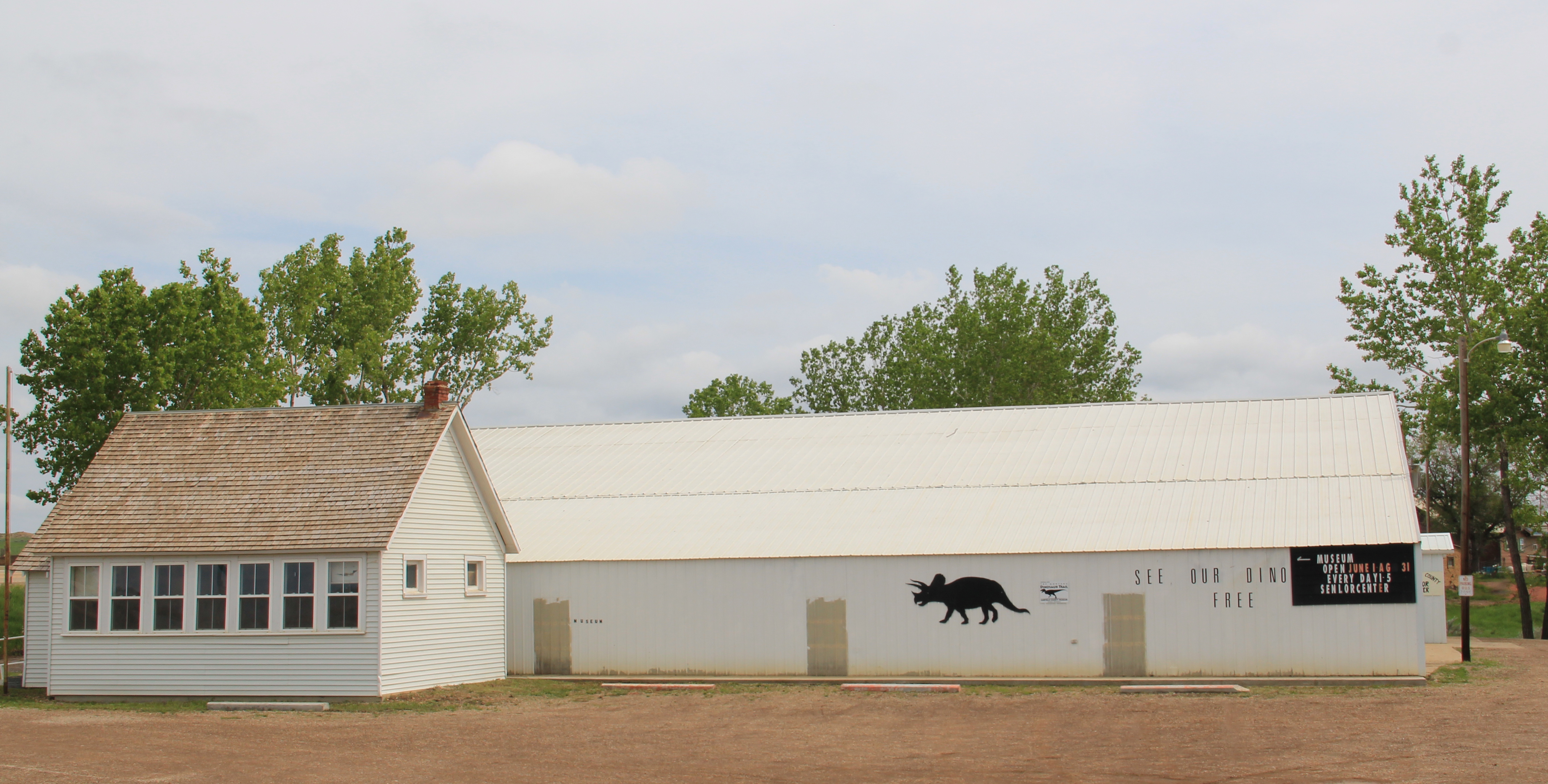
Another change was the growth of the local heritage offerings, from the Veterans Memorial park, kiosk, and sculpture to the Garfield County museum in Jordan–the old schoolhouse making it easy to locate along the road–and various reminders to passerby’s, like the mural on the town’s old service station/auto dealership, that the county had been a major location of dinosaur finds in the late 20th century.

IMG_0290

IMG_0302

IMG_0293

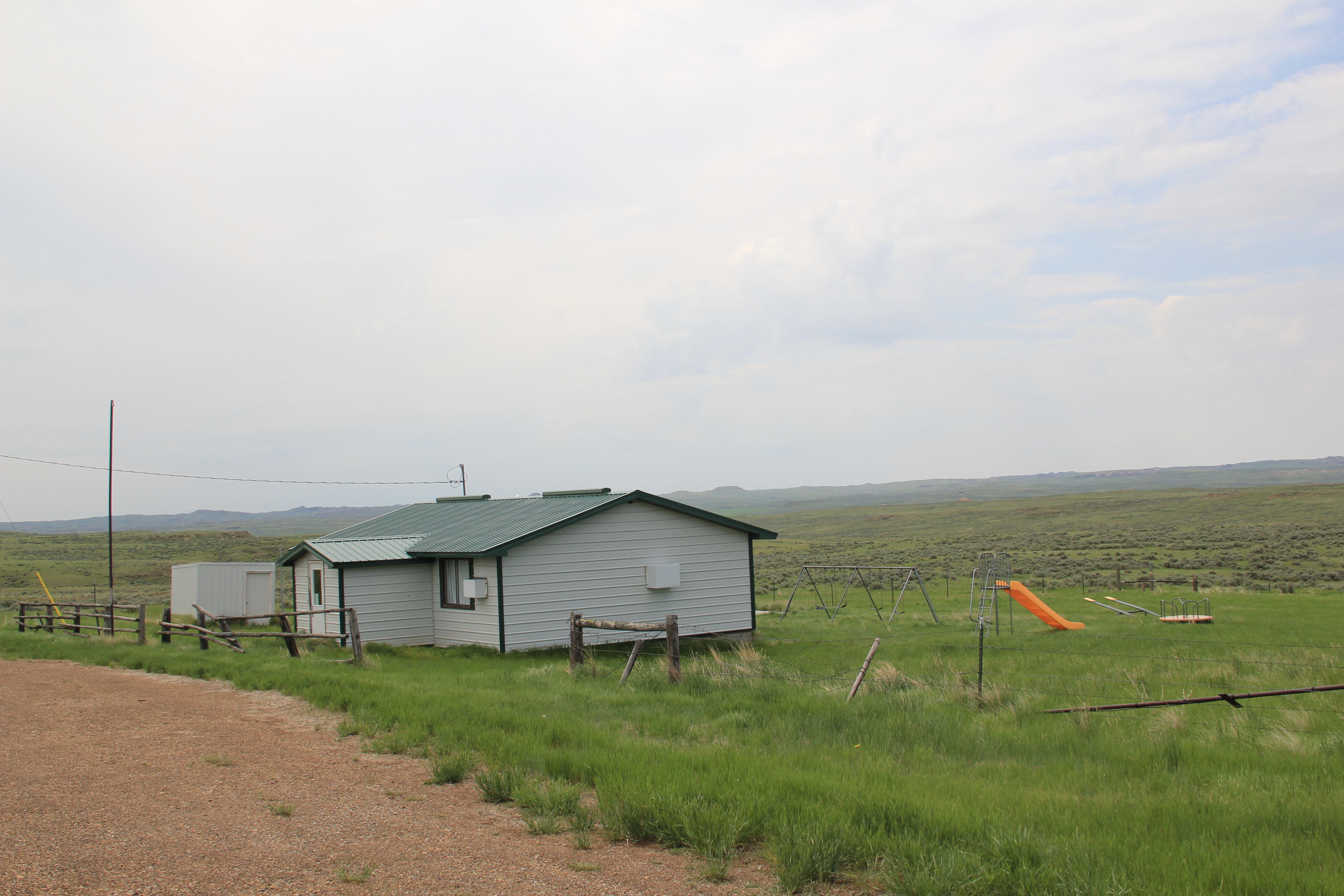
The old schoolhouse at the museum is also a reminder that one-room schools still operate in Garfield County.  When I came through in 1984, the county school superintendent encouraged me to visit them, but also warned me that some were on basically roads cut into the ground, and if there was rain, never go that way, unless I wanted to stay awhile.

Some things don't change in Garfield County.

Some things don’t change in Garfield County.

But one-room schools along MT Highway 200 are easily located, at Sand Springs, and then at Big Dry.  In 1984 I was shocked at the persistence of such tiny buildings across the region; their persistence 30 years later say much about commitment to a land many have left and forgotten. Past ways and smallness of life in the biggest of countries still shape Garfield County, Montana.

IMG_0274

IMG_0277