The Helena Trail Riders Club House

Preserve Montana makes many wonderful contributions to Montana, from history to trades education to heritage tourism. In late September 2025 I had the opportunity to attend its fun fall event, the Hidden Helena tour.

Helena trail riders club house

There were many jewels to explore that day but my favorite was certainly the Helena Trail Riders club house at what was once the State Fairgrounds but now the Lewis and Clark County Fairgrounds.
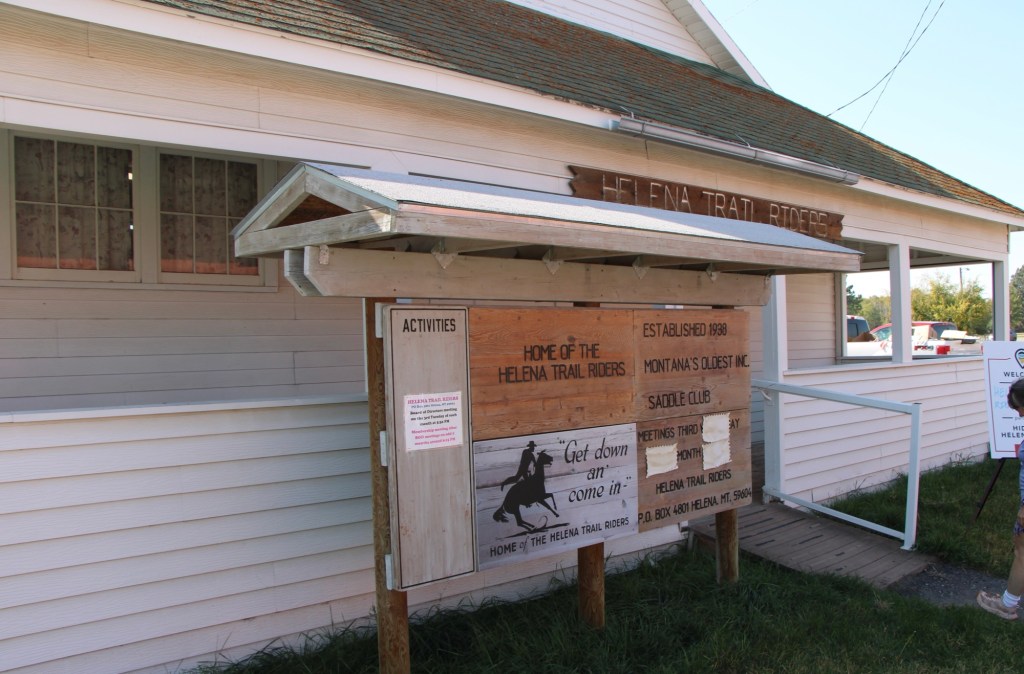
The group began in 1939 and within a decade it had built a loyal membership and a strong regional following through its annual riding competitions. It is recognized as the state’s oldest saddle club.

The first president was the Montana artist Shorty Shope, whose imaginative depictions of the Old West became known to millions of visitors through the decorative frames on Montana Highway Historical Markers that he developed for the state department of transportation in the 1940s and 1950s.

Original Shope frame design, 1983

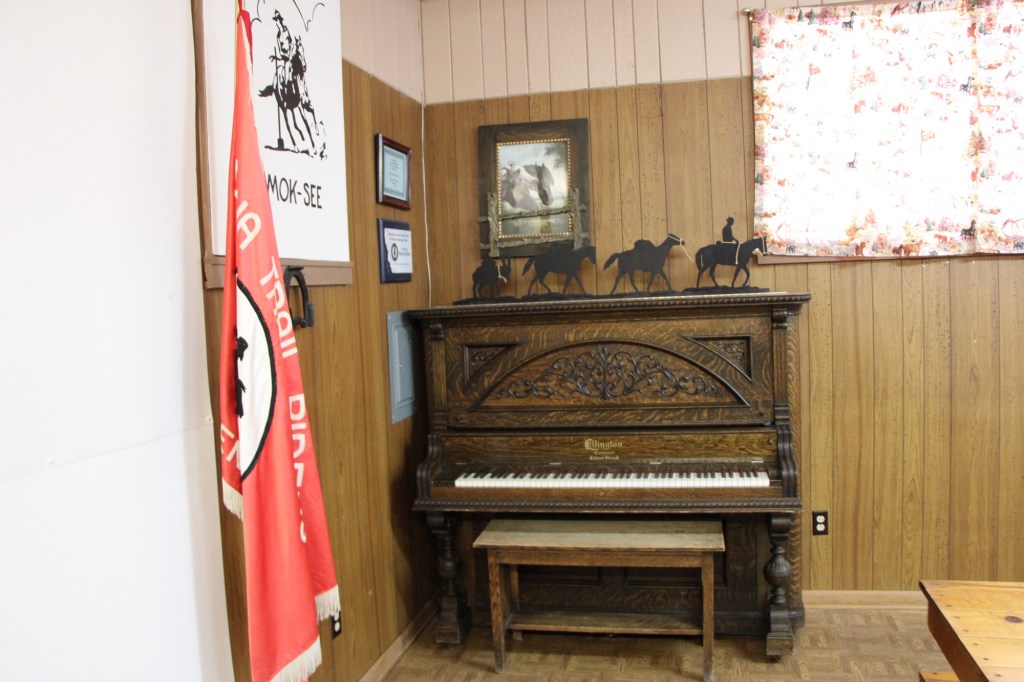
The Club house preserves several of Shope’s works, from metal castings to the covers of scrapbooks.
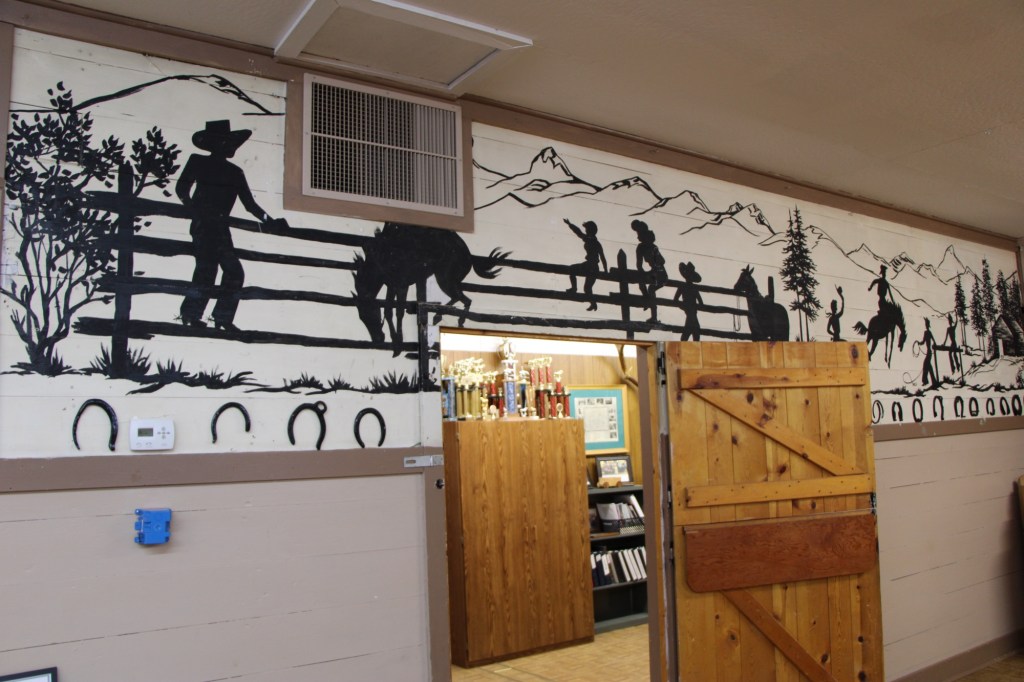
The most impressive work by far is the mural Shope created for the clubhouse wall. What an expressive example of his eye as an artist!

This clubhouse confirms my bias about most things Montana—you find the best stuff in the most unassuming places.
Changes at Sleeping Buffalo Hot Springs

In 2013 I last visited Sleeping Rock Hot Springs, just north of U.S. Highway 2 in Phillips County. The following year I posted about the obvious changes then underway to put this once vibrant mid-20th century recreational area back to greater prominence.

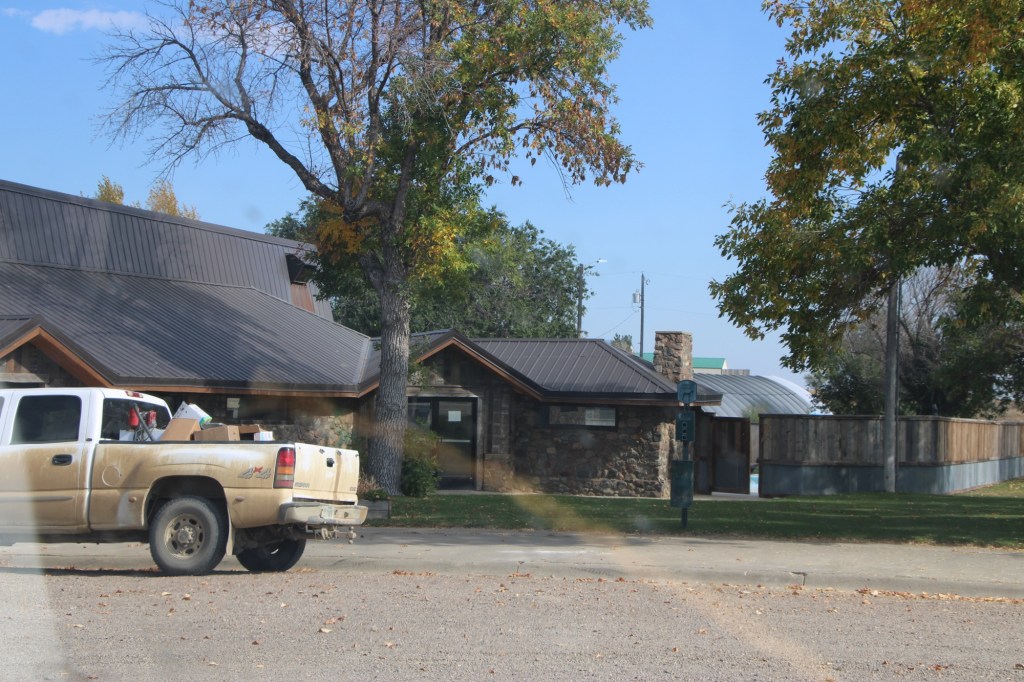
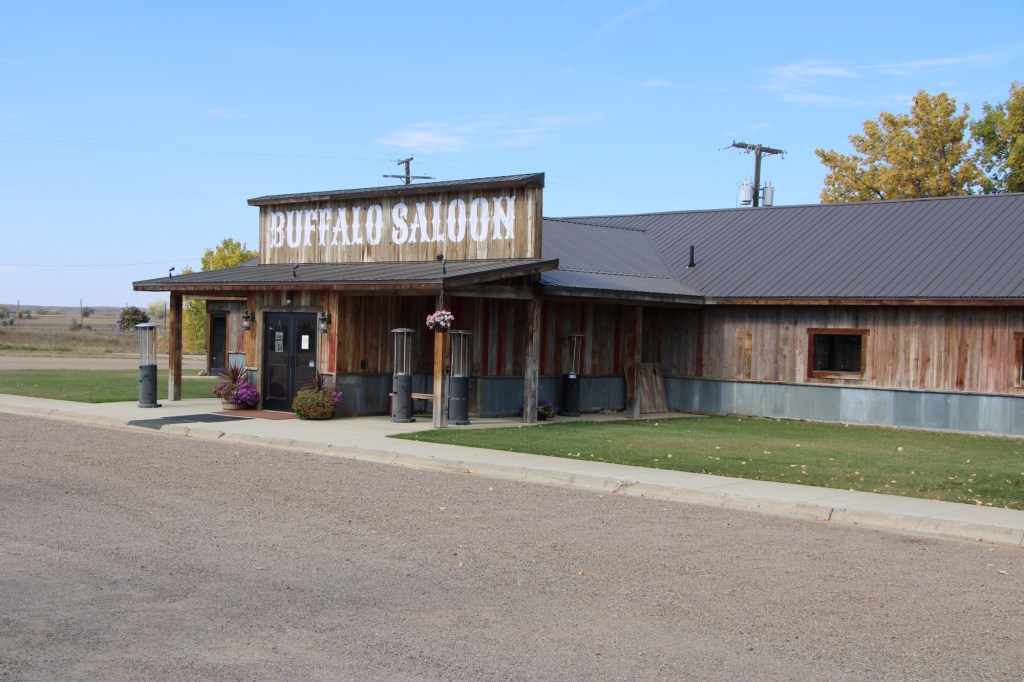
I returned in late September 2025 to find that, indeed, lots of improvements were made in the last ten years. A large bar/restaurant had been built, the grounds expanded and modernized, and the pool greatly enlarged.

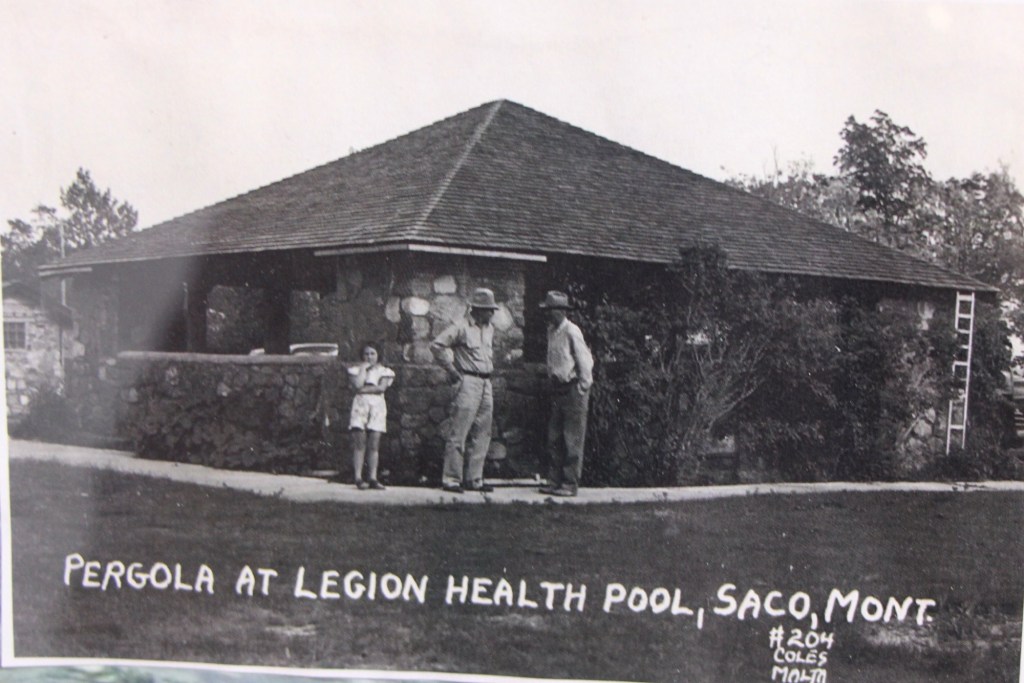
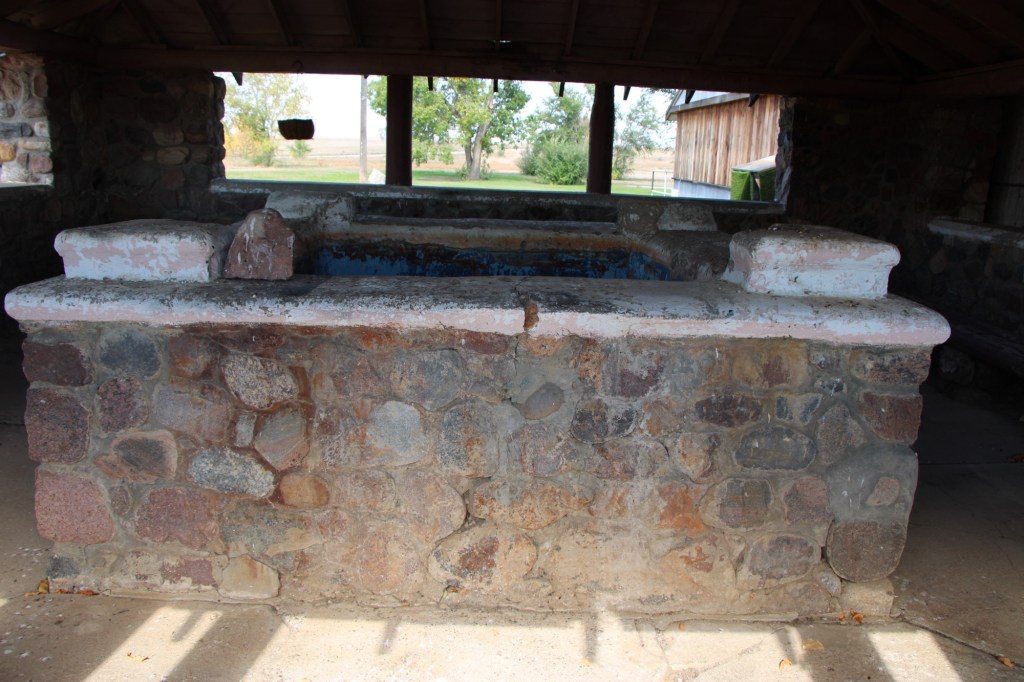
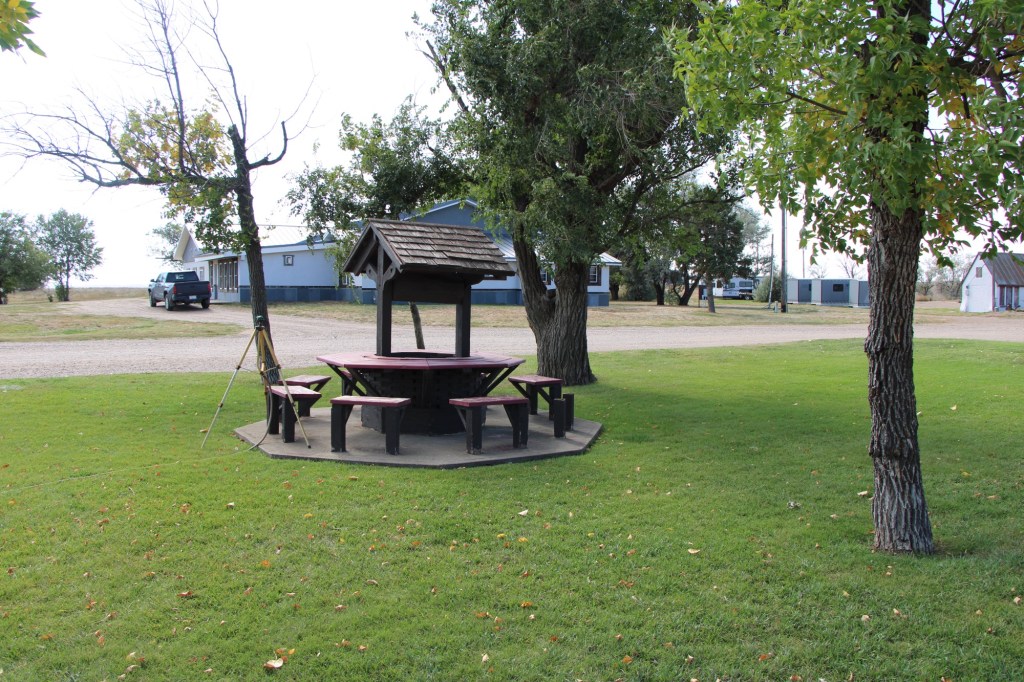
But the hot springs’ New Deal roots were still apparent because attached to the pool facility was the pergola of the early 1930s.

This hipped roof stone structure came about due to the joint efforts of local residents and government officials. An exhibit at the Phillips County Museum in Malta (more on that place later) points out that a rancher Elbert Davison first saw the mineral springs as having medicinal qualities. He built a small pool that brought relief to his son who had polio. That effort convinced the Saco American Legion to do more and soon a local effort to gain control of the spot for public use met its success in 1931. Later that year the American Legion Hot Springs was in operation, quite a feat in Depression-era northeast Montana.

That effort caught the attention of county agent H.L. Lantz to work with the New Deal’s Resettlement Administration, then active in the Milk River Project area, to get the Public Works Administration to fund the pergola. That story is told in the marker (above) still at the pergola today.

Bruno Partzsch was the stone mason for the buildings, and some of his work is still visible in the expanded and modernized pool building of today (2025). I wonder if Partzsch is also the crafter behind the stone building at Zurich Park in Blaine County since both places have ties with the Milk River Project.

Sleeping Buffalo Hot Springs is on the market in the fall of 2025. Business is tough—actually way beyond tough—in this part of Montana’s Hi-Line. I only hope that new owners who can keep the momentum going can be found and this jewel of a historic place—shaped by a partnership between locals and government—will survive well beyond its 100th anniversary in 2031.