A second visit to Butte’s Mountain View Cemetery

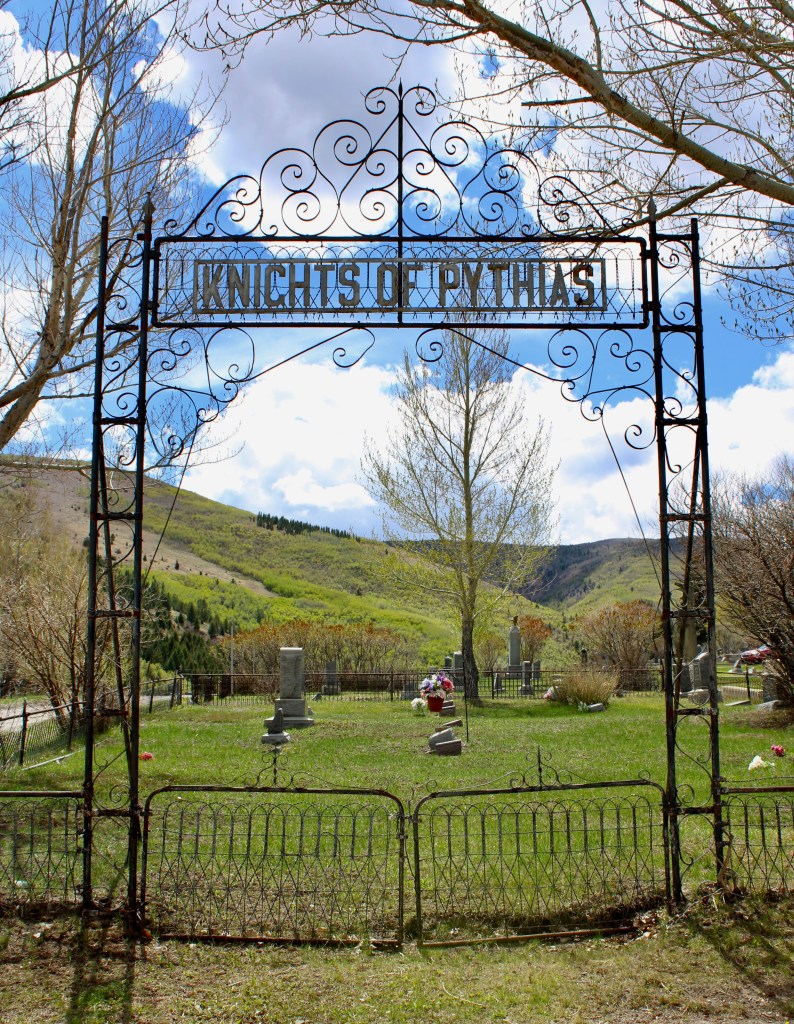
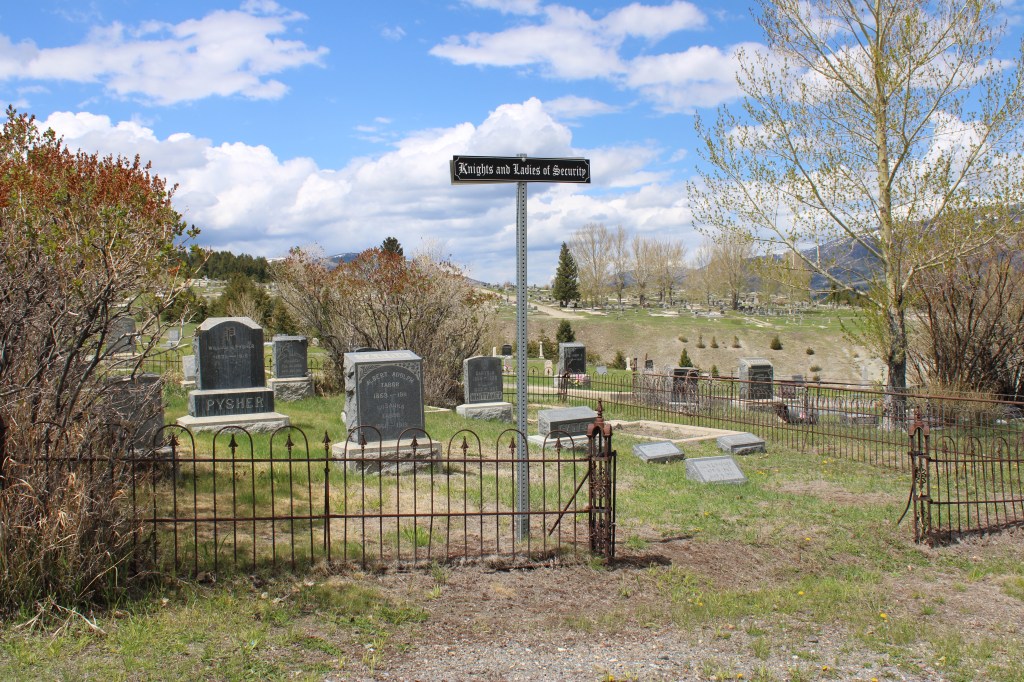
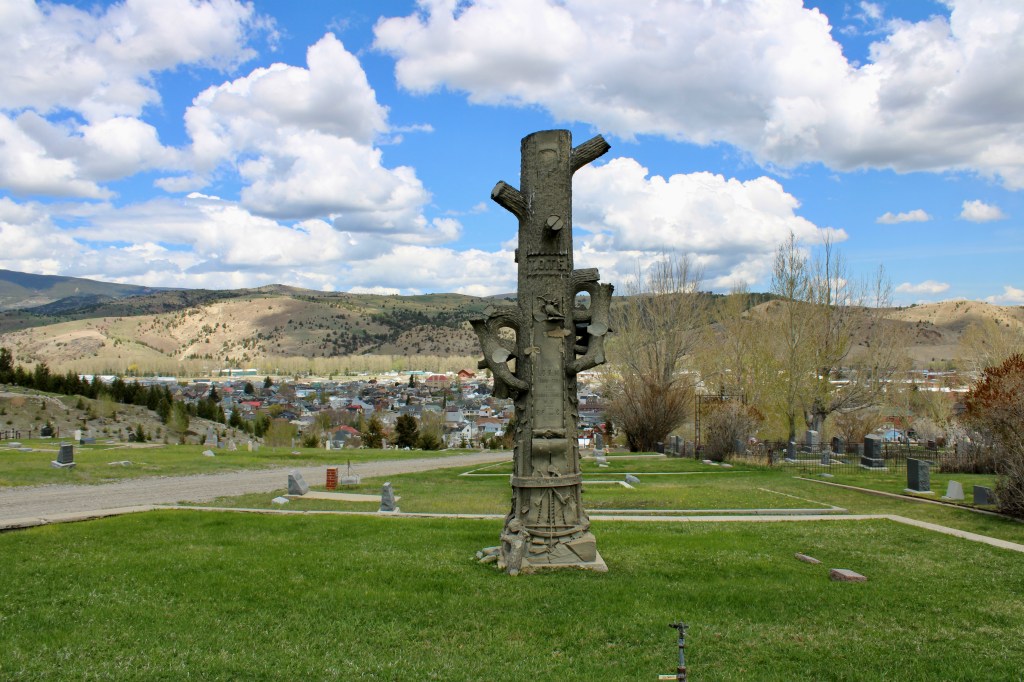
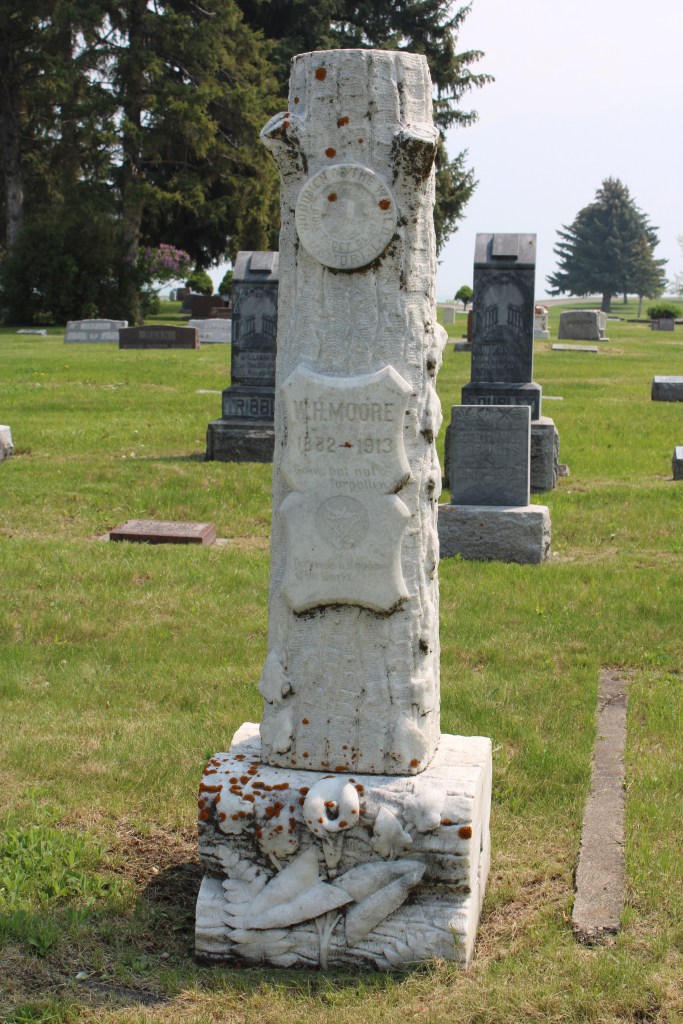
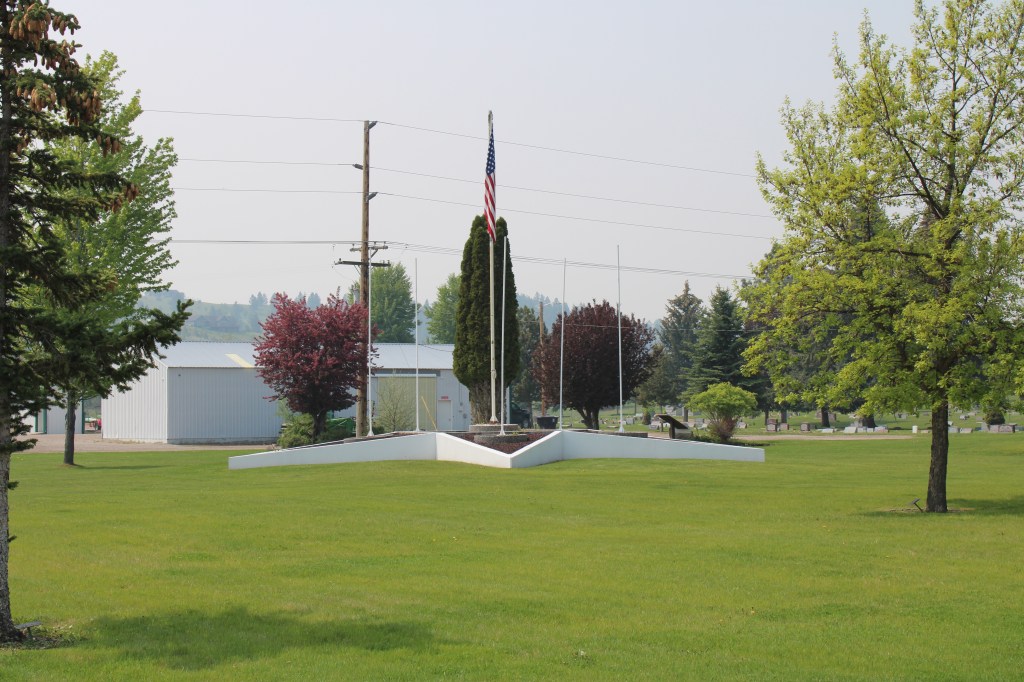
Due to considerable interest from readers of this blog, I planned a second visit to Mountain View Cemetery in May 2023. Perhaps best known nationally as the final resting place for stuntman and daredevil Evel Knievel, I discovered in my first visit the rich and informative ethic handprint on the place. The cemetery is an excellent property to explore Butte’s ethnic history, and I want to explore more of that in a later posting.
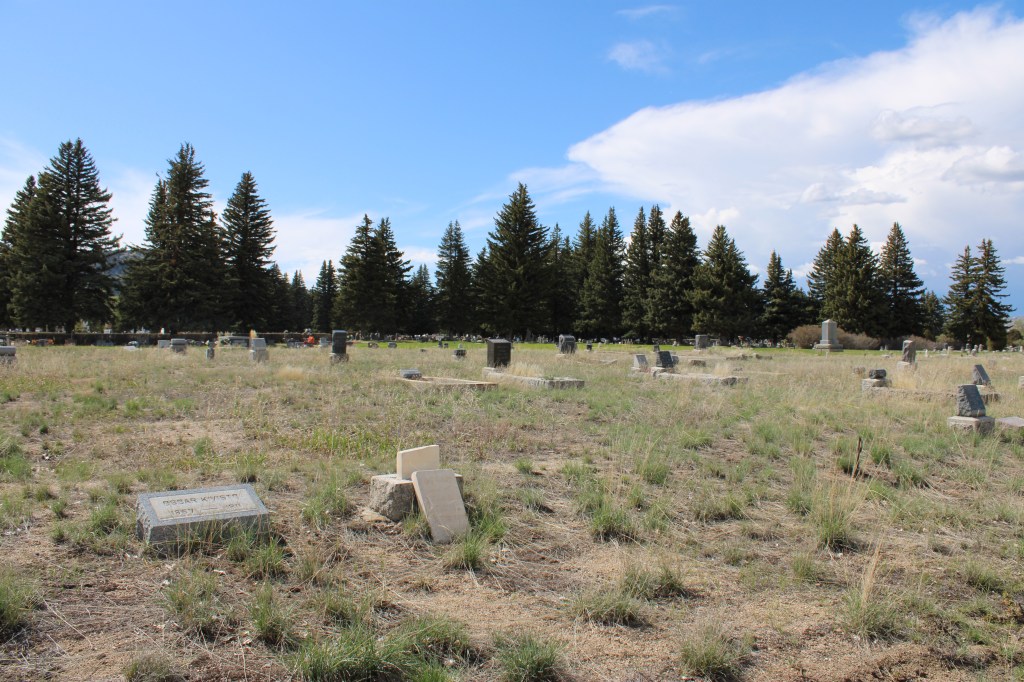
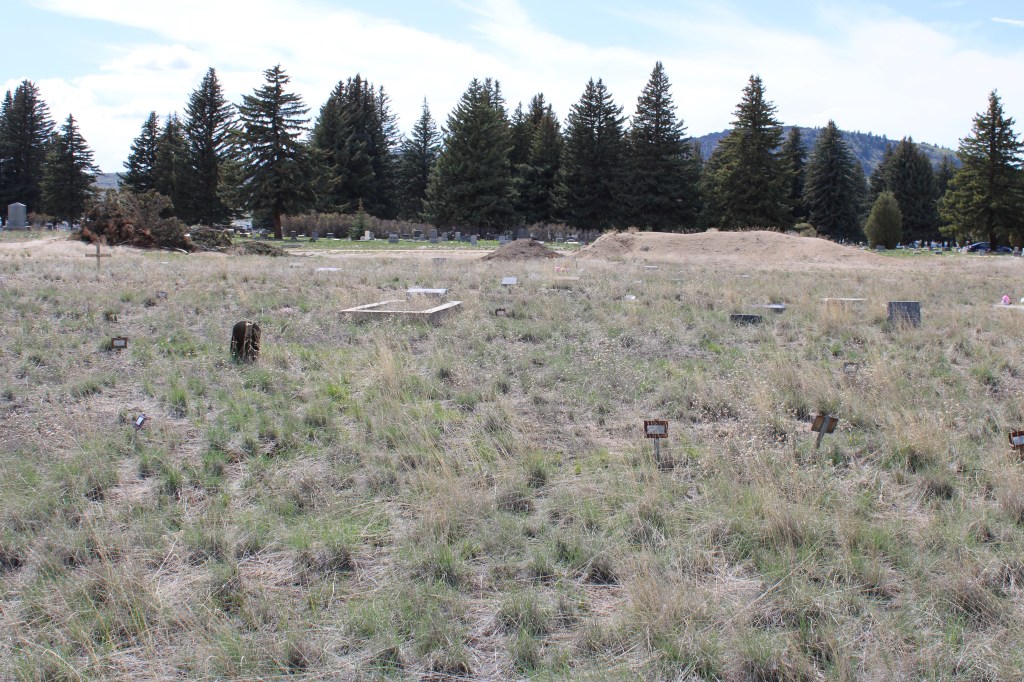
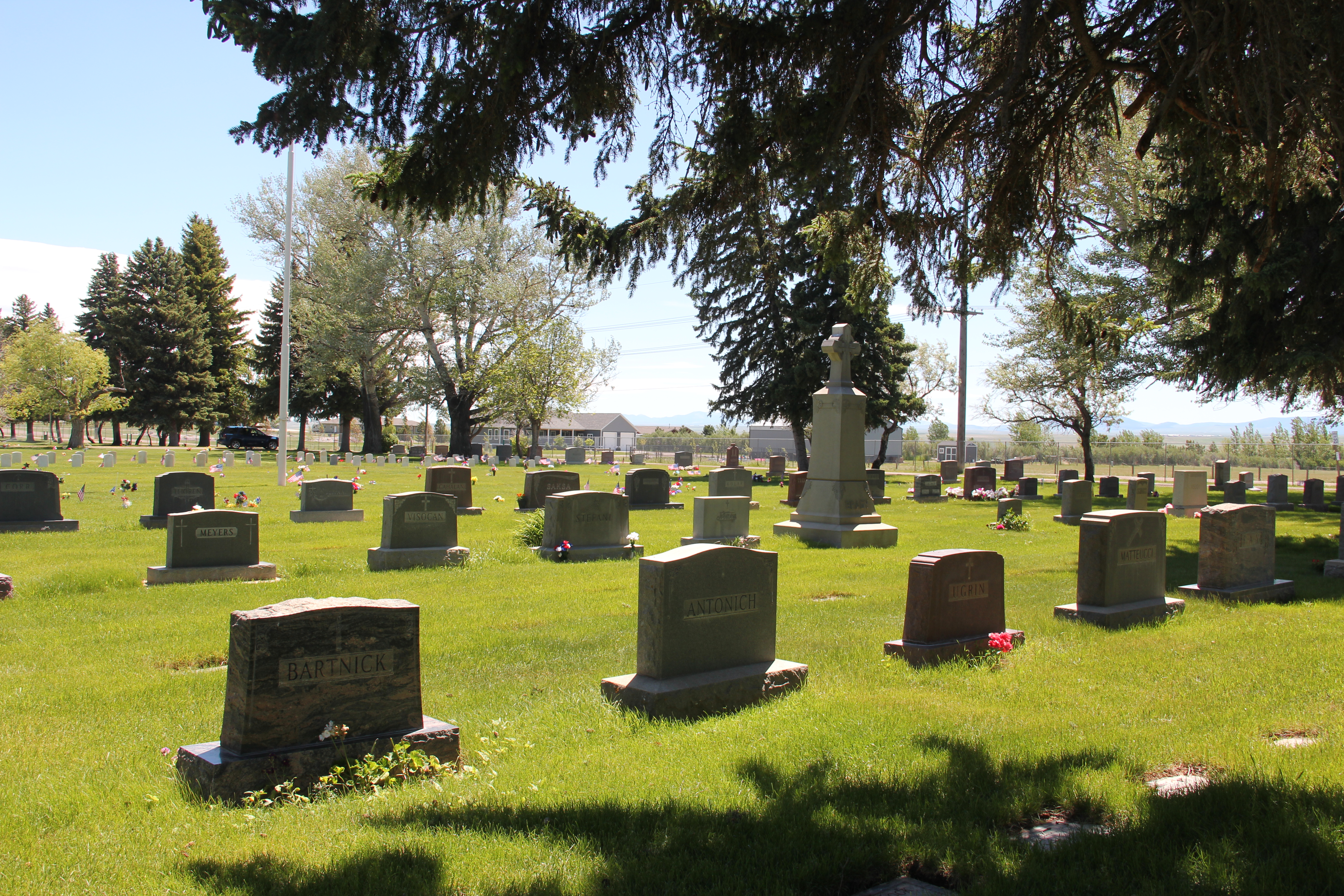
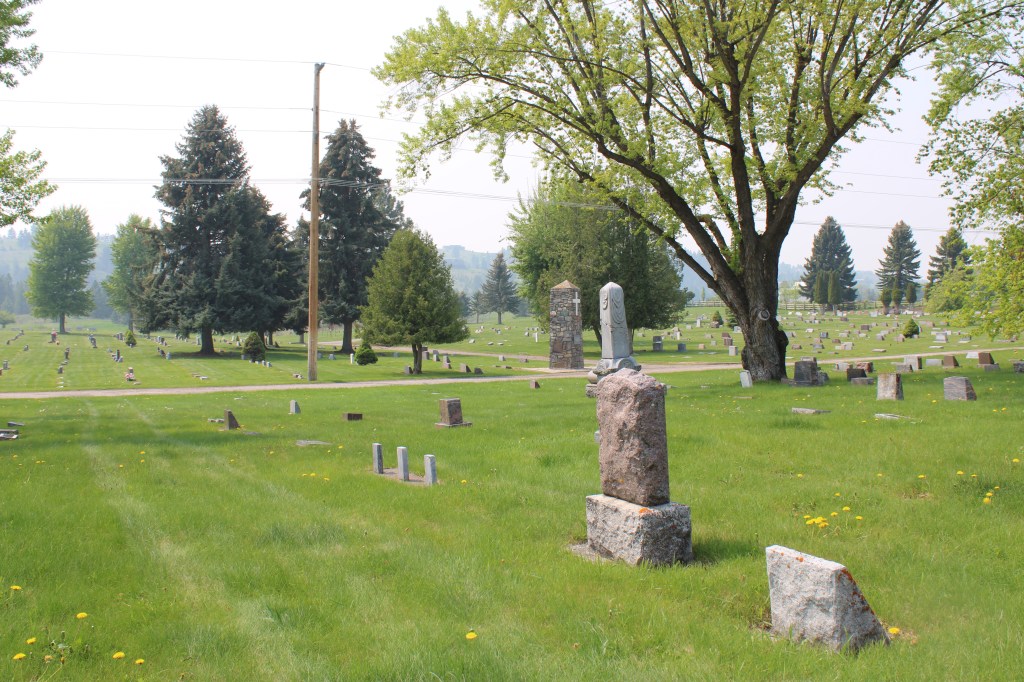
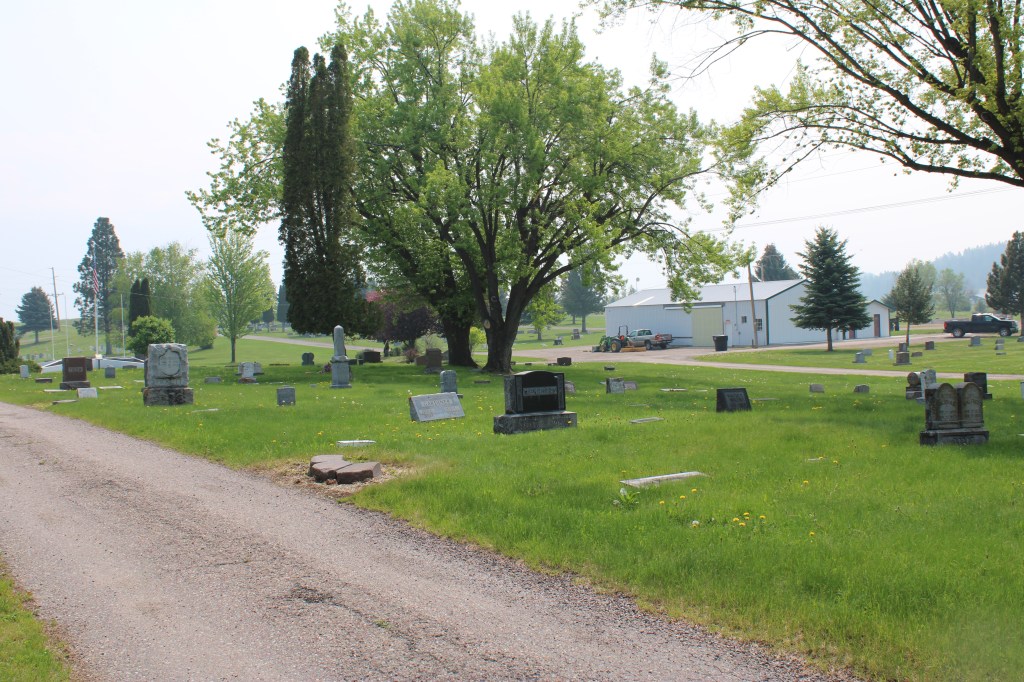
This post, however, aims to explore concerns about the southern half of Mountain View cemetery, and how a lack of irrigation and upkeep have left hundreds of graves in poor repair and in danger of headstones or burial names and locations being lost forever.
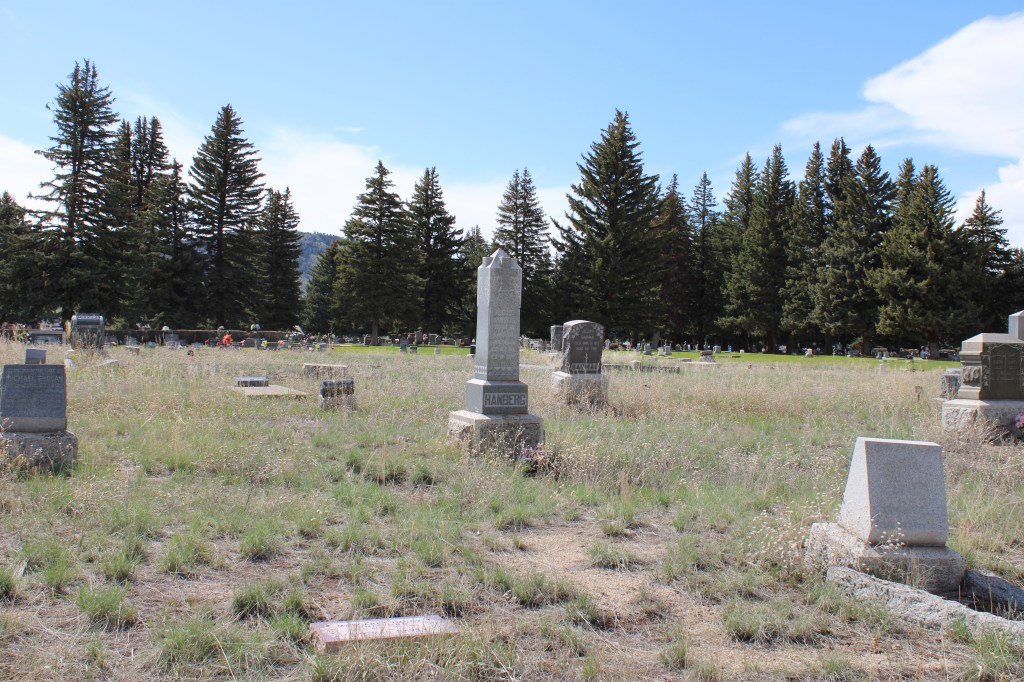
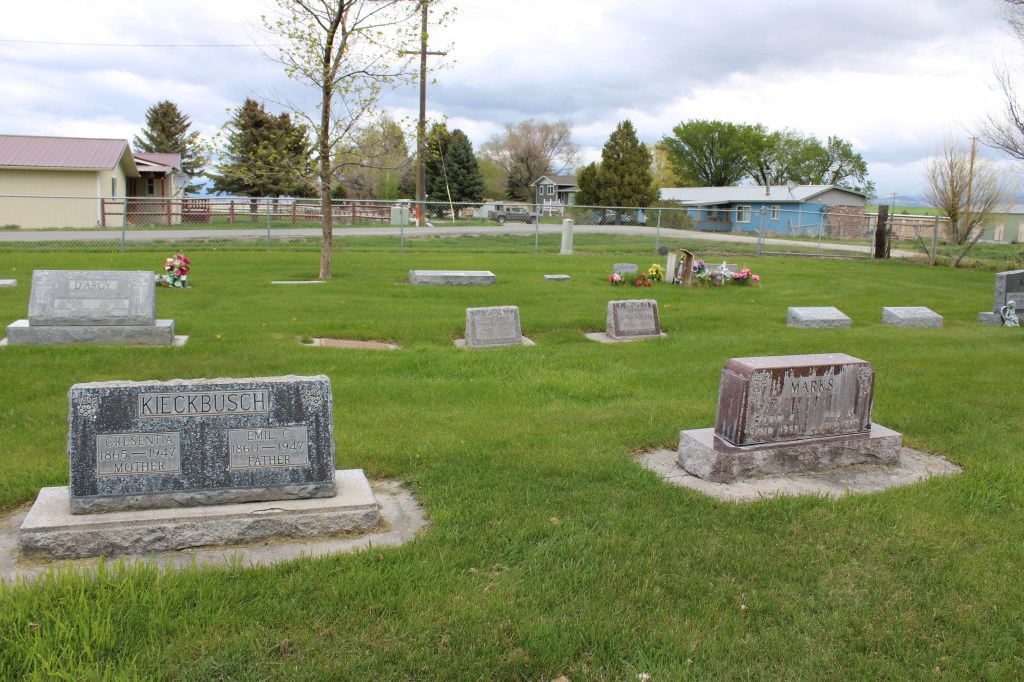
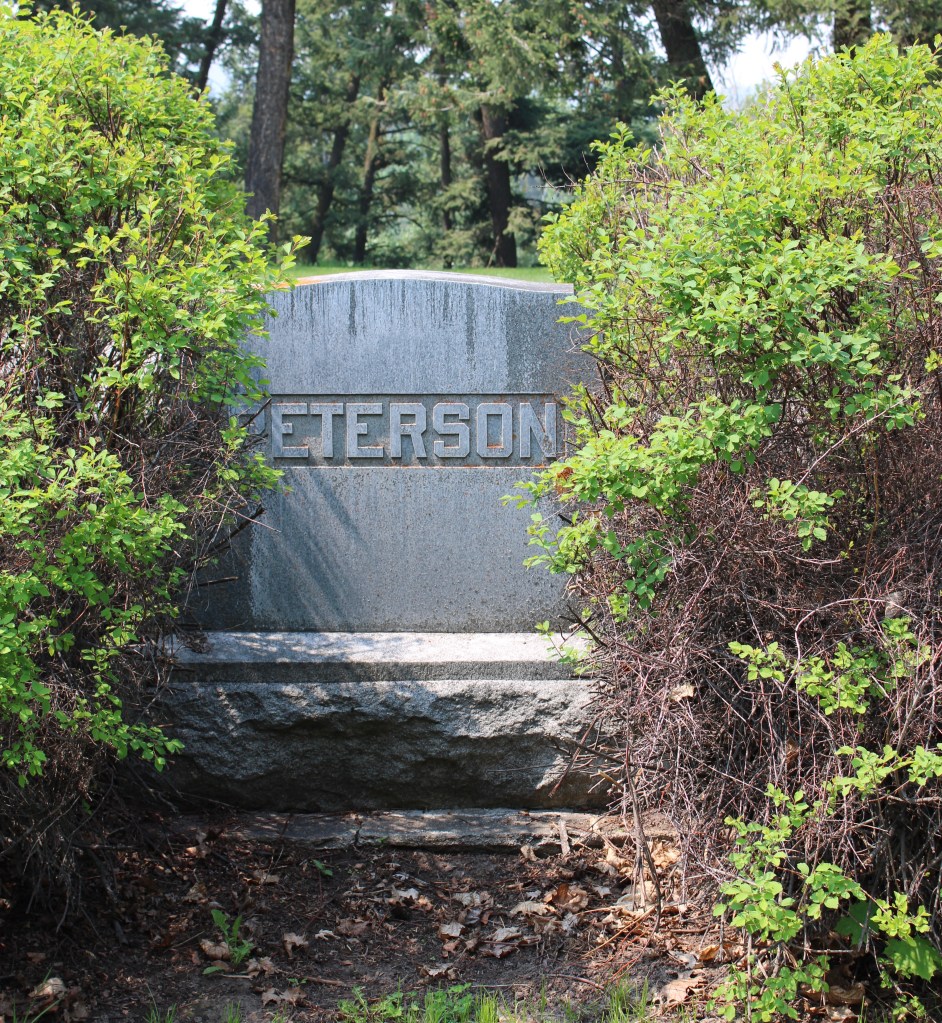
Southern section closest to irrigated northern half of the cemetery
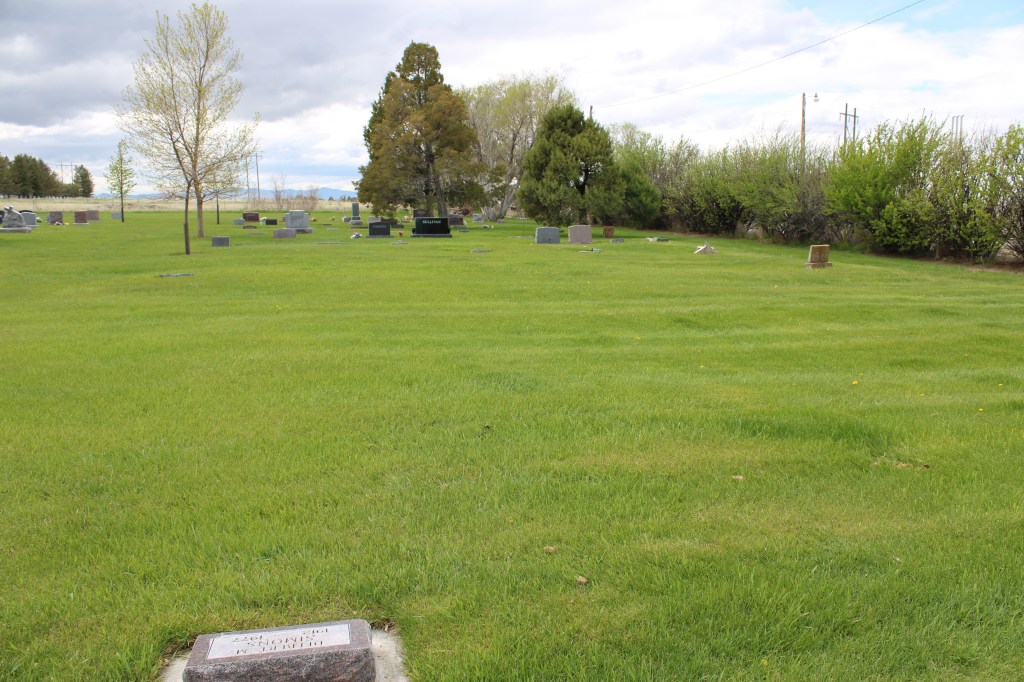
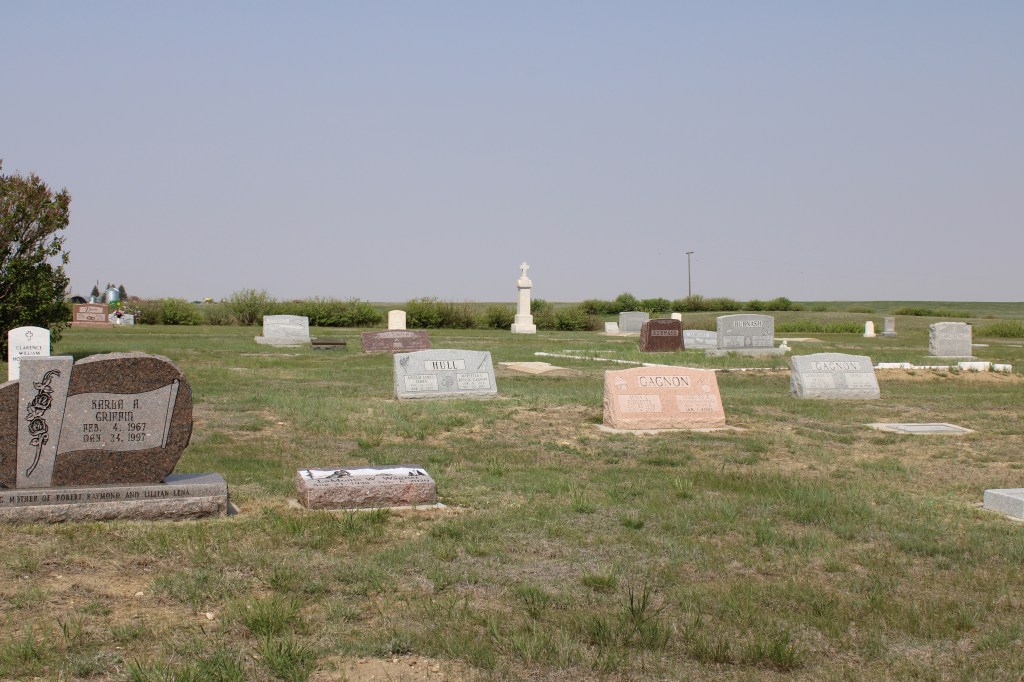
Southern boundary of cemetery looking east
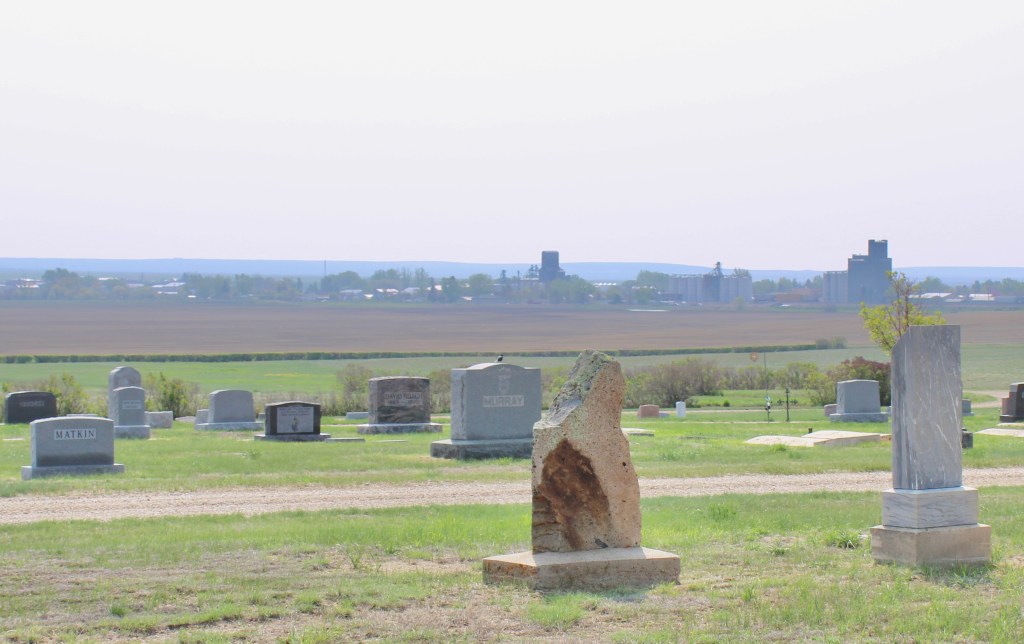
Note the piles of trimmed branches and dirt dividing the northern and southern sections of the cemetery
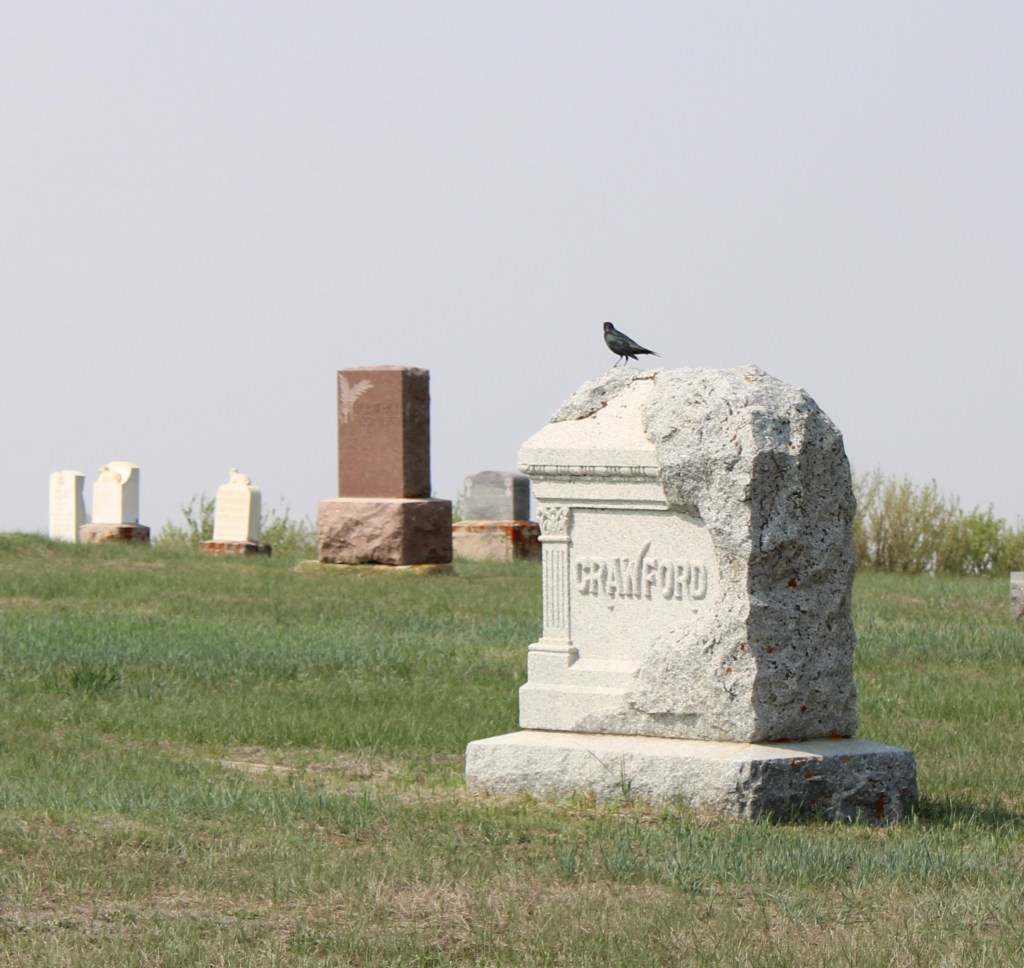
The southeastern corner of the cemetery has many graves marked only by small metal signs holding burial information. These signs are rusting away, taking invaluable information with them.

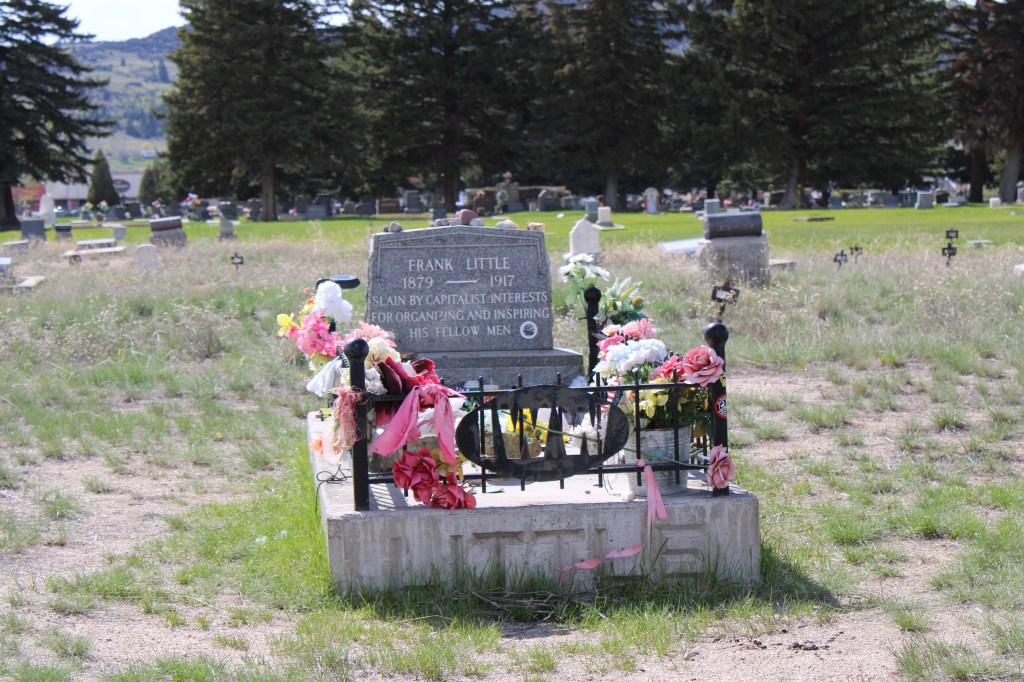
Historians of the labor movement in Butte should be concerned because the southern section is also the final resting place for Frank Little, one of the most important individuals associated with the IWW during World War I.
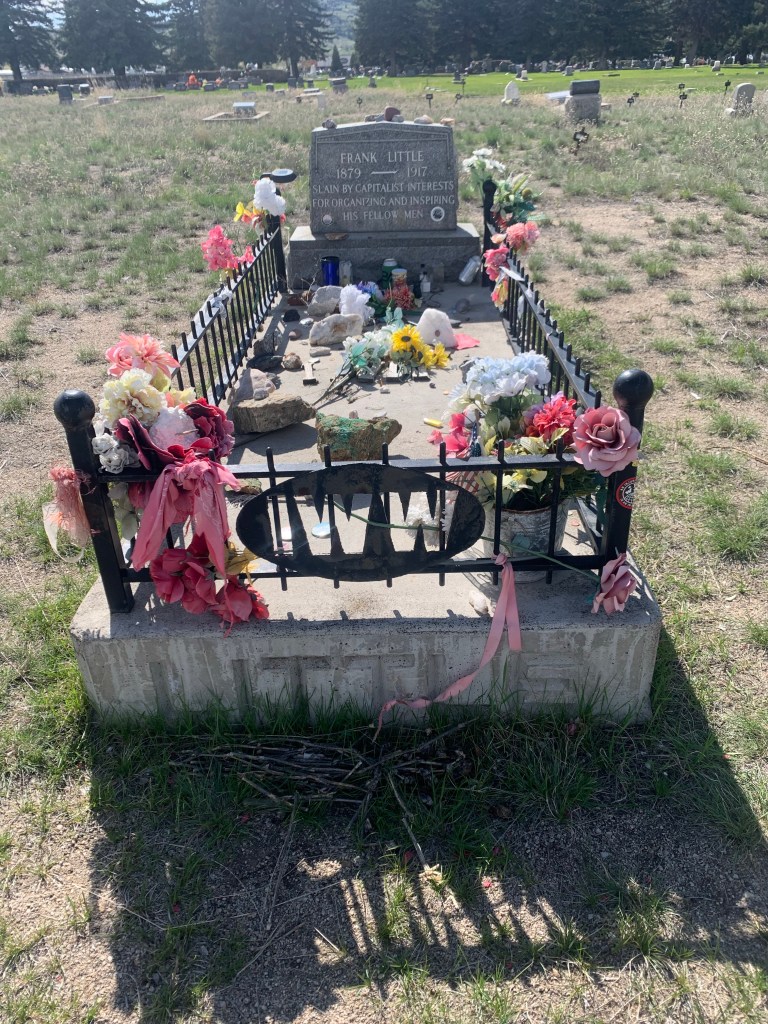
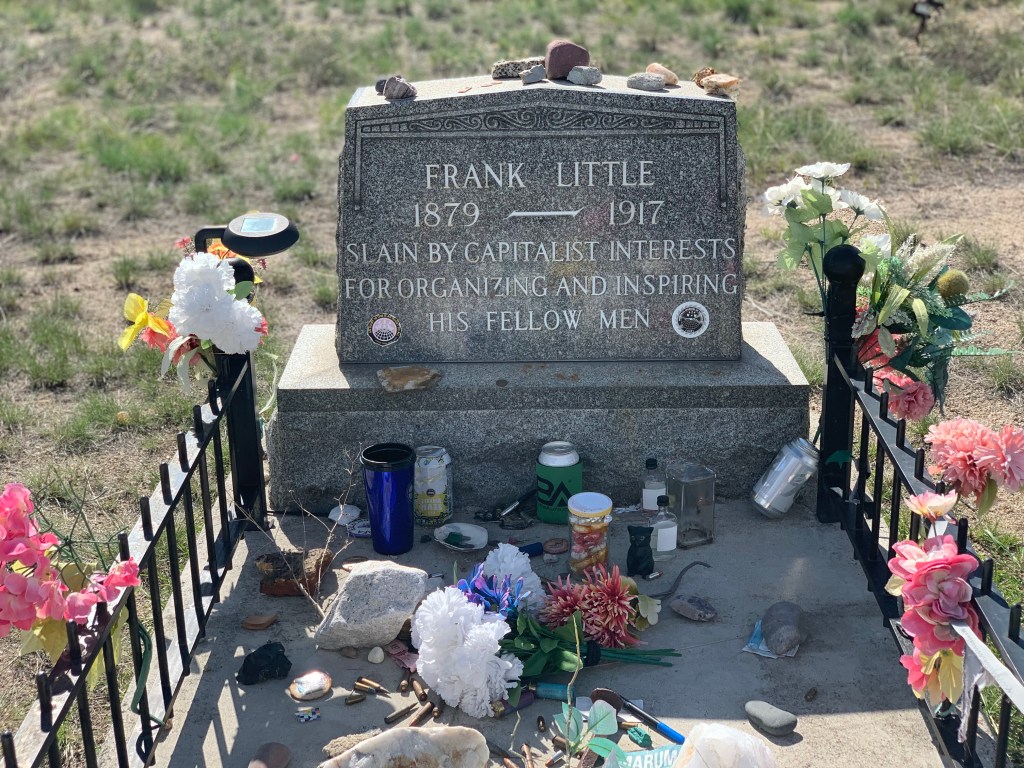
Admirers of Little and later labor activists have insured that his gravesite is not lost. judging from Little’s words and deeds, however, you wonder if he would not be concerned that while his grave is preserved those of his fellow miners and citizens buried around him are neglected.
Maintaining historic cemeteries is a challenge as we have seen in many places, not just across Montana but the entire nation. In tough times with many demands for services and support, what is the priority for cemetery maintenance compared to other pressing community needs, like schools and public safety? I wish I had instant answers—but I think I know where you start: by recognizing the problem and then having discussions and more discussions to find community solutions.

New Views of Anaconda’s remarkable Upper Hill Cemetery

In an early post to this blog I discussed and explored the historic cemeteries of Anaconda. That work happened in 2013. When I briefly visited Upper Hill Cemetery ten years later, in 2023, I was delighted to find new markers throughout the property, identifying a Medal of Honor recipient (Thomas J. Ward who received the medal for his actions at the Vicksburg campaign during the Civil War) and locating burial plots of different fraternal lodges. I want to share some new photographs of these positive changes, which help even casual visitors to better grasp the value of the city’s historic cemeteries.

Among the most compelling and visually complicated Woodmen of the World memorials in Montana.

Townsend’s Holy Cross Cemetery

Located east of Townsend, the seat of Broadwater County, is the county’s Catholic cemetery, Holy Cross Cemetery. Established in the early 20th century, the earliest grave marker I located was from 1914.

Members of the Neild family were among the cemetery’s earliest burials. A ro
East side of cemetery

The cemetery is still active but most burials date to the middle decades of the 20th century. A drive divides the cemetery into two large rectangles. Trees and ornamental plantings separate the place from the surrounding prairie.

East side of cemetery
West side of cemetery
West side of cemetery. Note the depressions in the ground, an indication of unmarked graves.

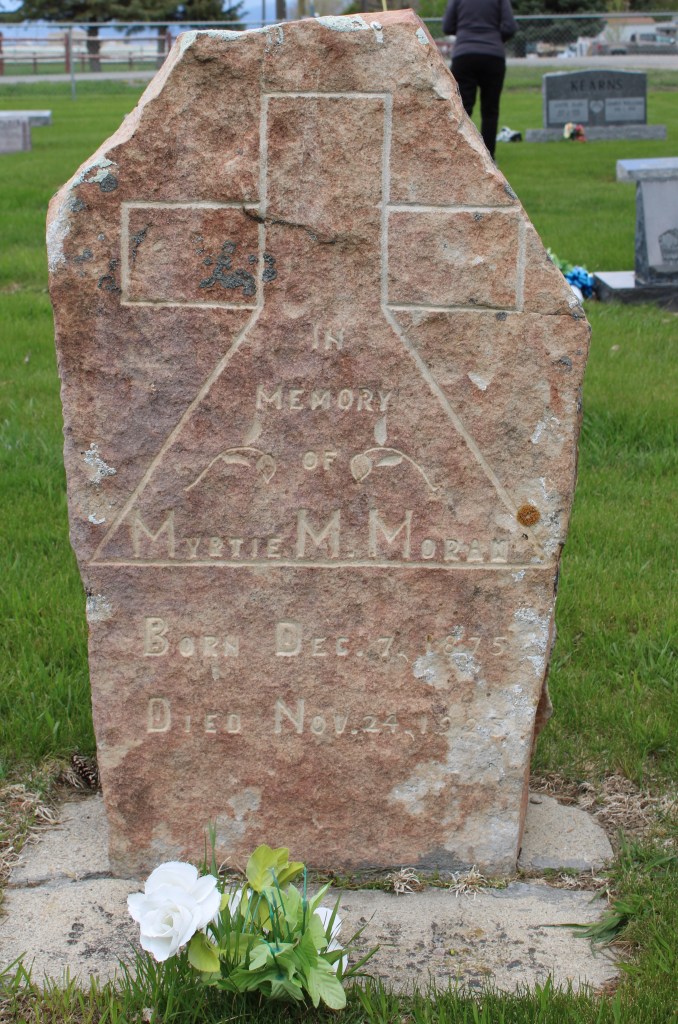
The cemetery has no artistic wonders among its grave markers but it has many of interest, including the Moran hand-carved sandstone marker below from 1925.

The R.M. Williams hard scribed marker in concrete dates 1925.
The Anna McDonald (d. 1917) marker combines Victorian details with the Bible motif.
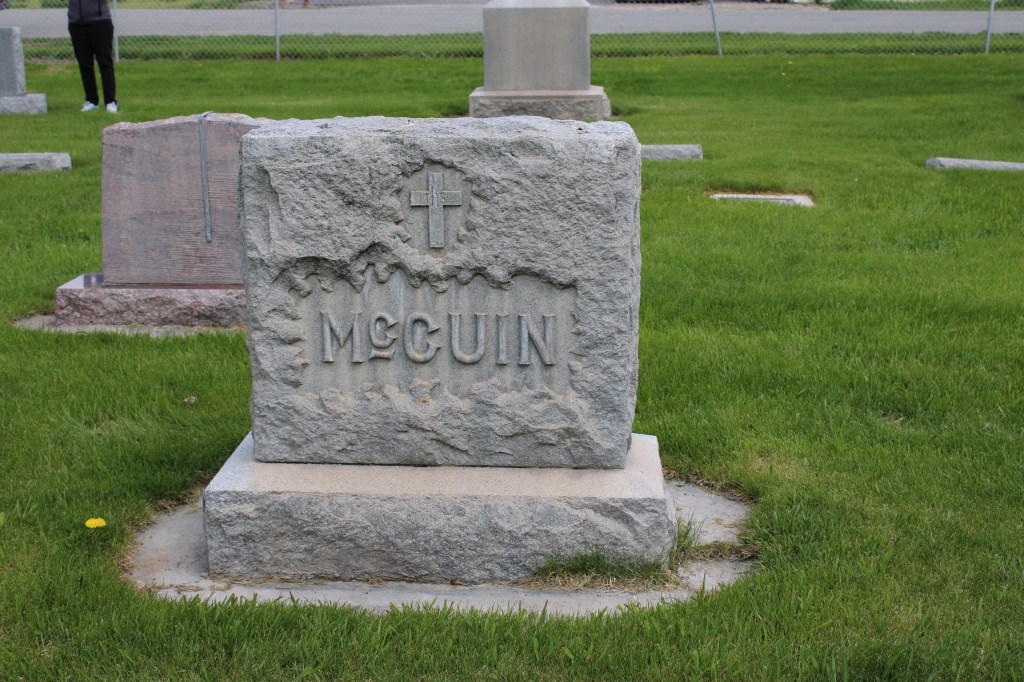
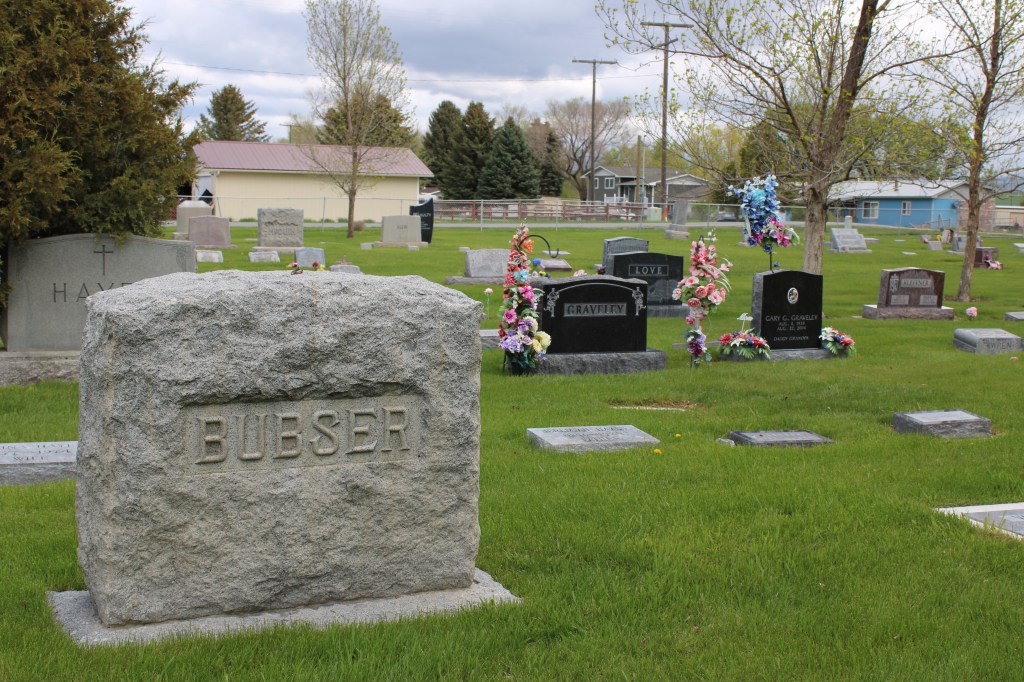
The McGuin and Bubser markers convey a rough-cut stone look, suggesting permanence.
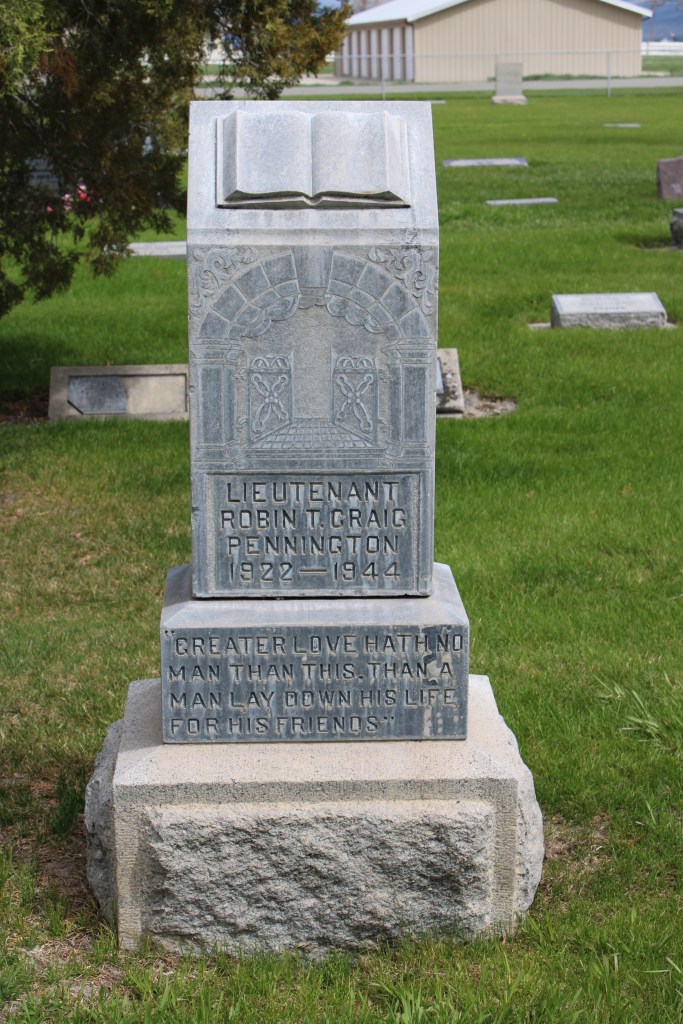
The open Bible and gates of heaven motifs define the marker of Lt. Robin Pennington, who died in World War II. “Greater love hath no man than a man lay down his life for his friends” reads the epitaph.

The ethnic diversity of Townsend’s Catholic community is directly expressed in several tombstones.

The Holy Cross Cemetery is a well maintained and dignified place even as it is surrounded by development on two sides. It is a significant contribution to the building of community institutions in Townsend and Broadwater County during the height of the pre-World War I homesteading boom.

“Old” Highland Cemetery in Great Falls

There are two Highland cemeteries in Great Falls, and for my money, the first Highland, now known as “old” Highland, is the more interesting and compelling funerary landscape. In fact, in its range of markers and the stories conveyed by the markers, Old Highland is one of the most interesting cemeteries in the state.

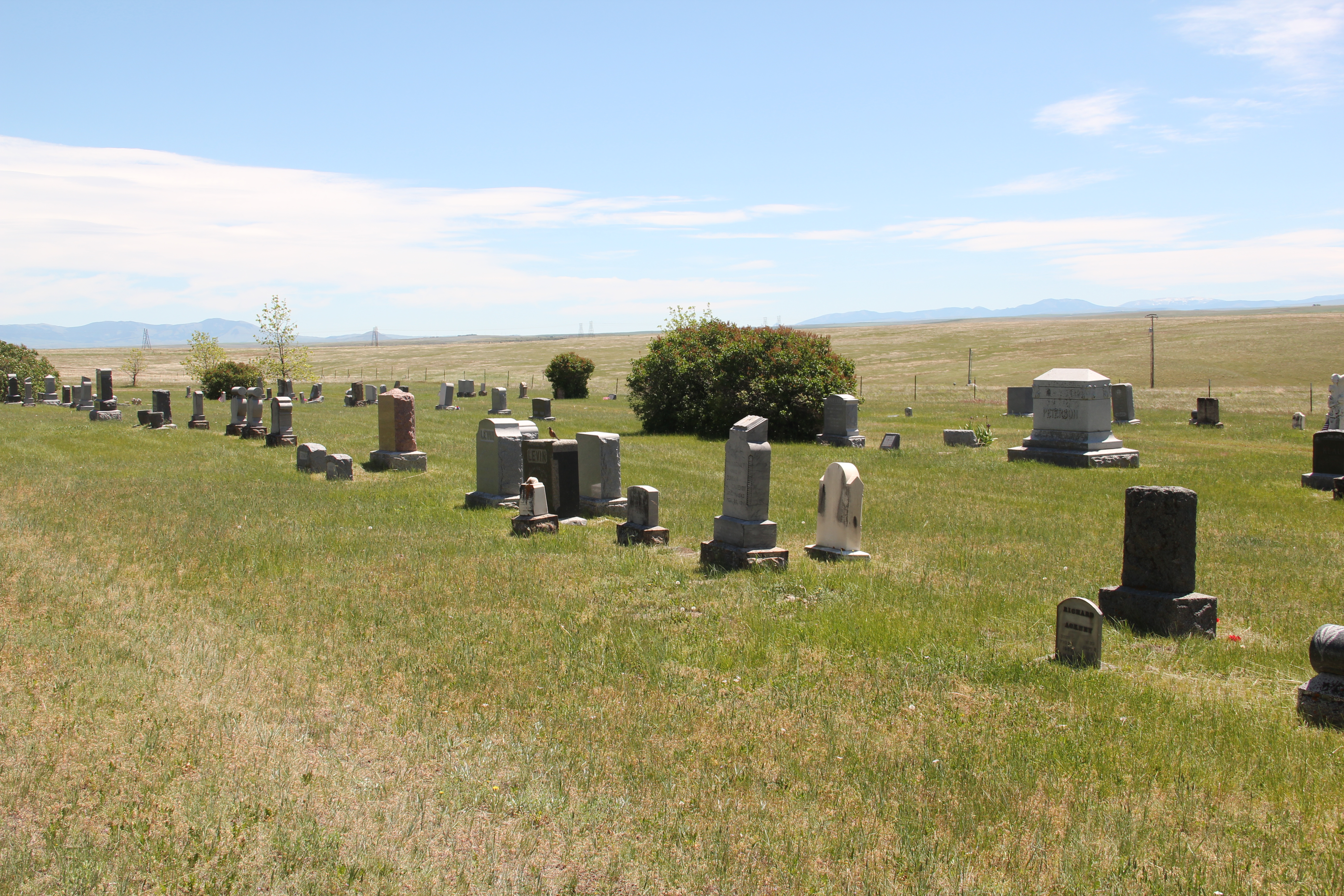
A paved drive divides the old from the new, but just exploring the grave markers themselves and their earlier dates separates the two cemeteries. The markers are so diverse in materials and form that it difficult to convey the place in a post of moderate length. But here goes.

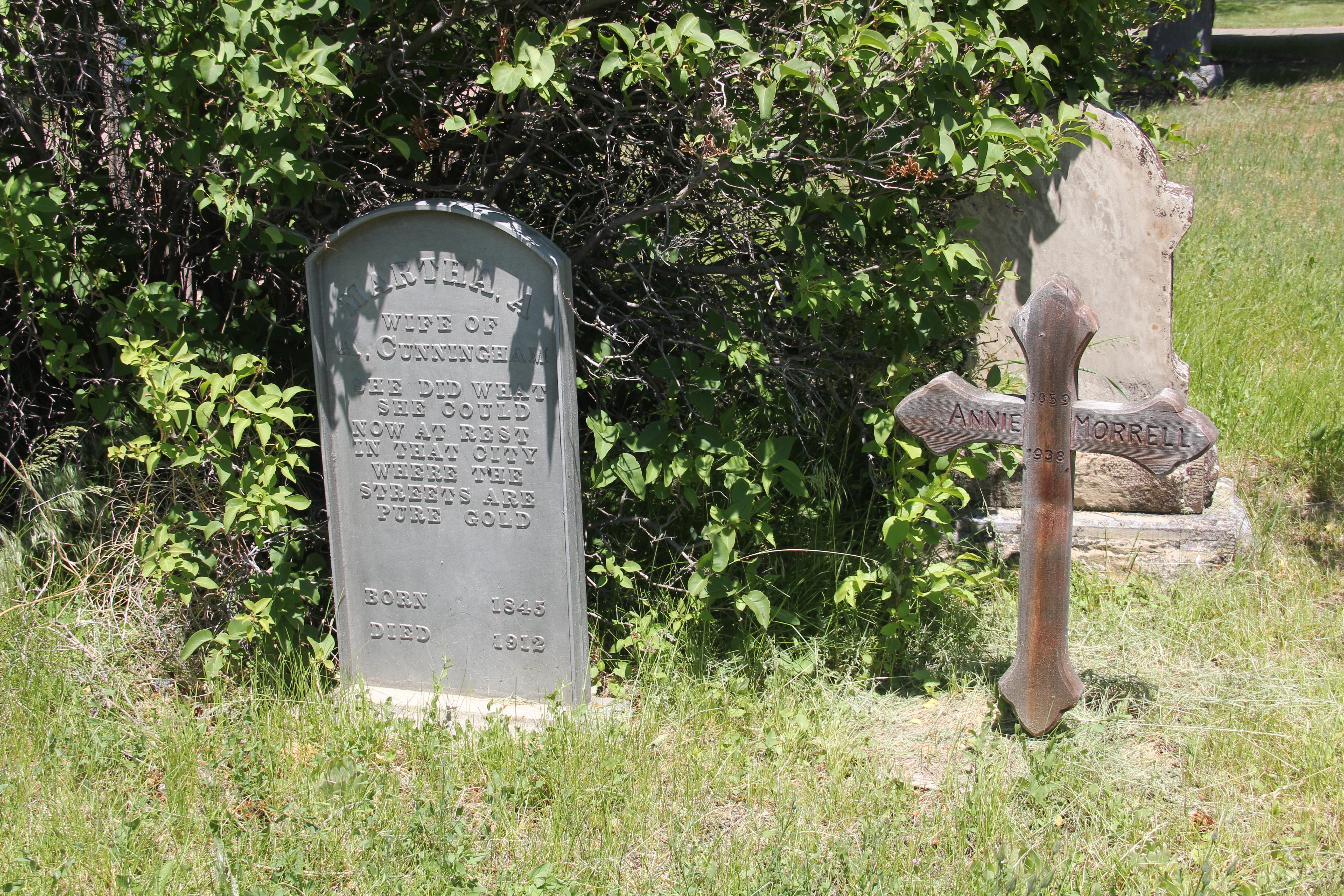
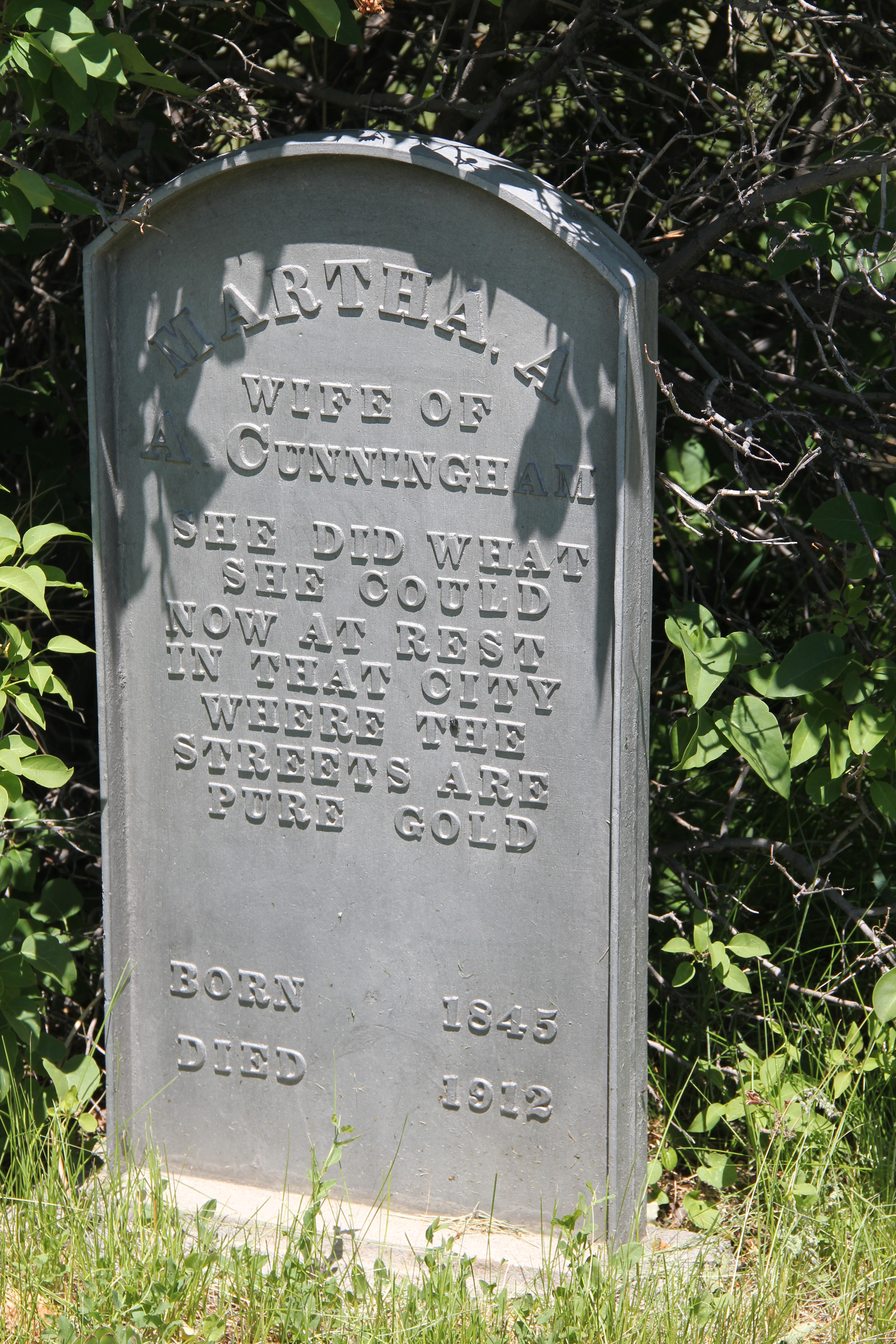
Martha Cunningham’s 1912 cast-iron marker was the first, of several, that I encountered. The marker reads: “She did what she could. Now at Rest in that city where the streets are pure gold.” Sarcasm in your marker–Martha I bet was an original.

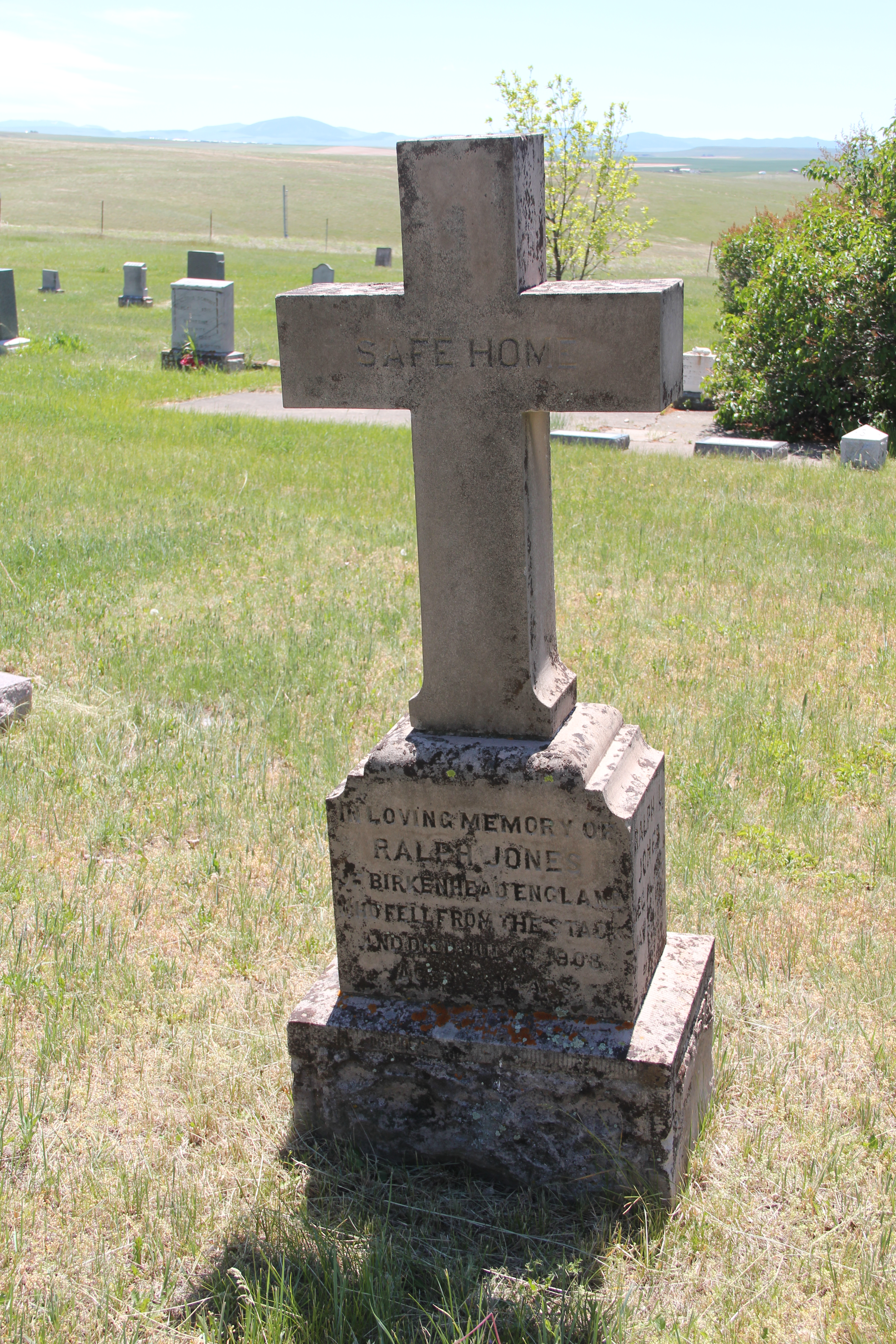
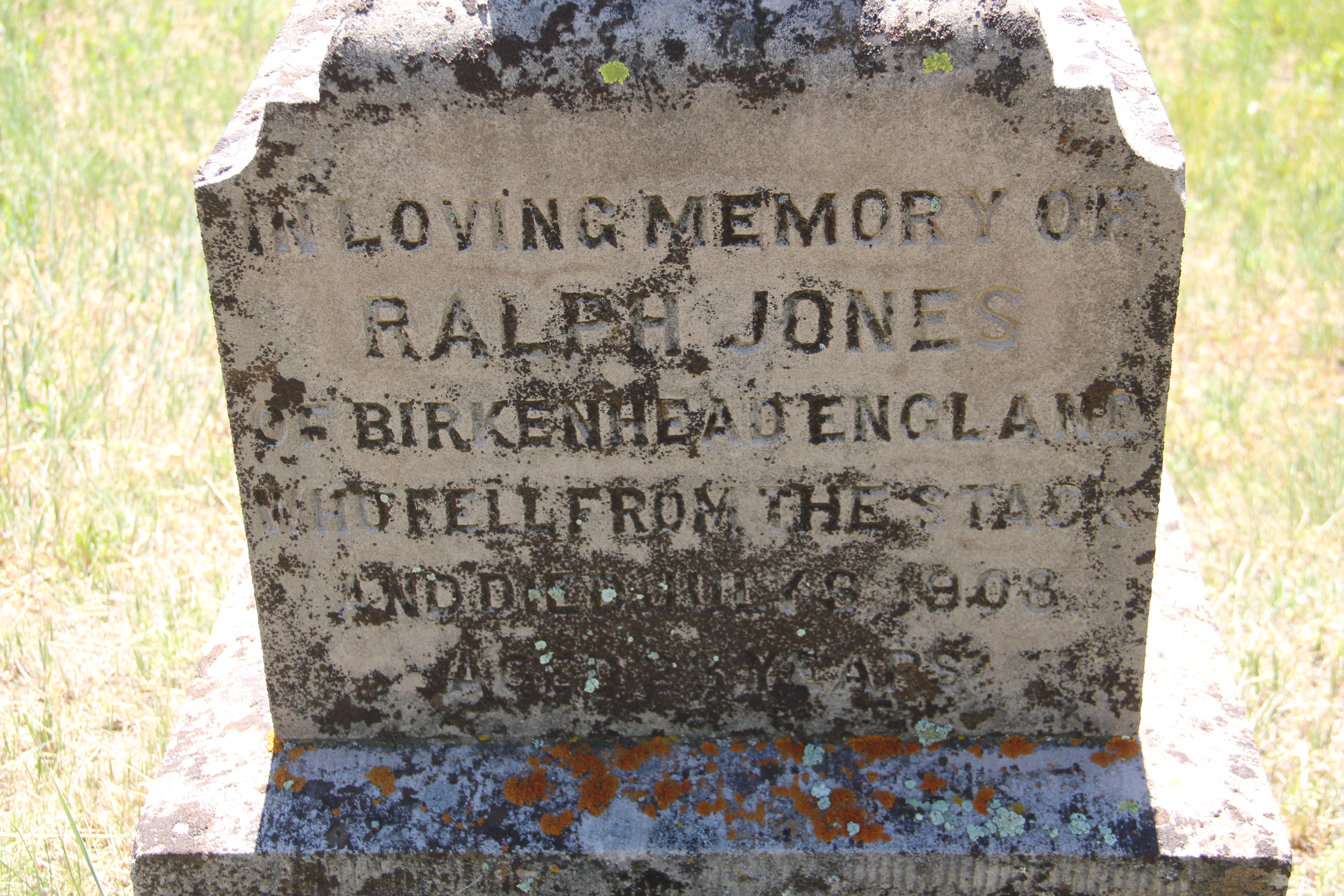
Ralph Jones, a mason from England, died while constructing the tower of the Anaconda Smelter in 1908. His friends erected the cross, with the words Safe Home, in his honor. Jones’ story is also told at annual cemetery tours.

Old Highland also has several Civil War veterans buried throughout the cemetery.

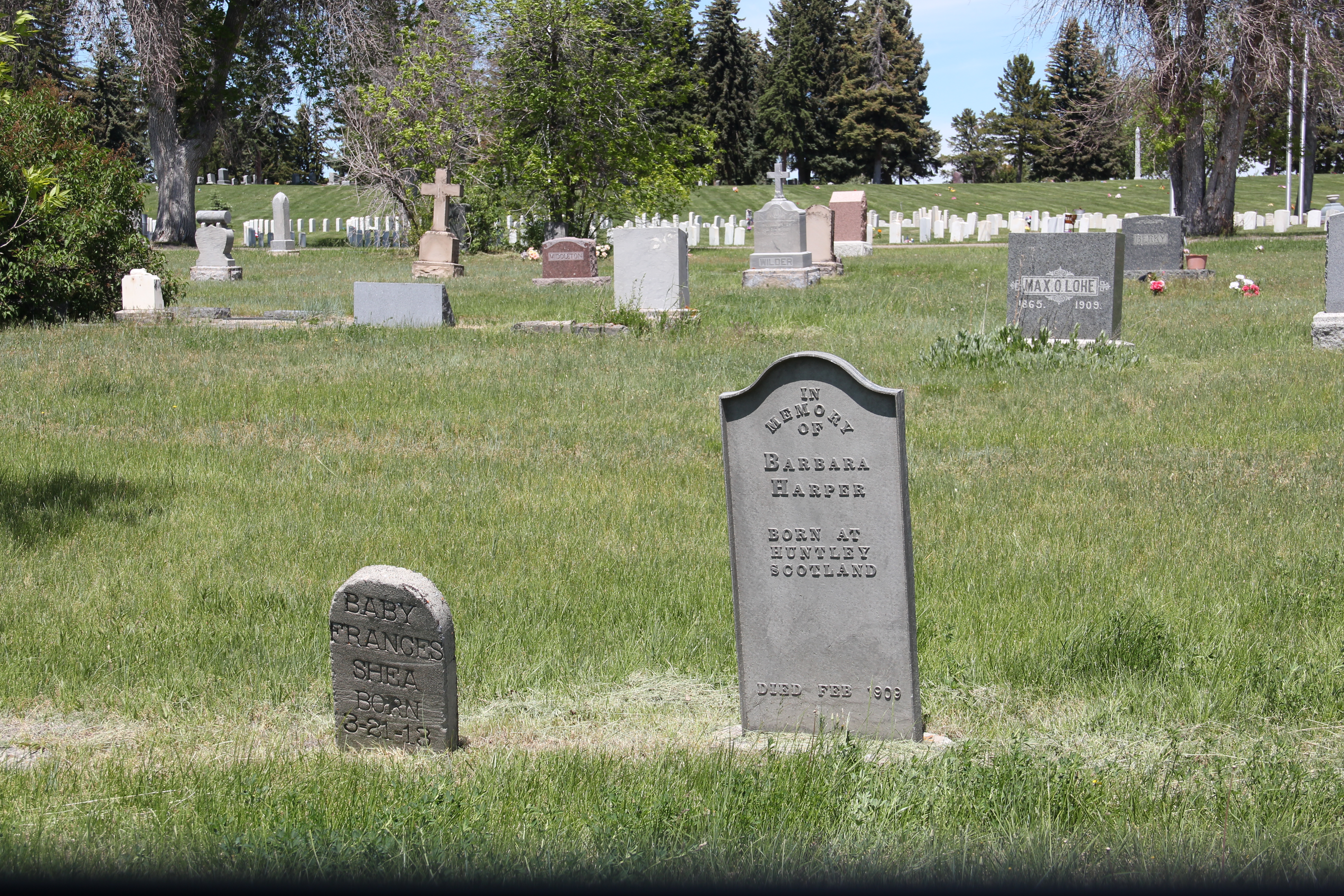
Barbara Harper’s metal marker is also noteworthy, but the most interesting metal marker by far is a small one in a corner of the cemetery. Alexander Leistiko died in 1906. His marker is pressed metal of two people at a cemetery, with the metal sculpture, complete with a skull motif, resting on a metal pedestal. I am a long ways from seeing every cemetery in Montana but this marker, thus far, is unique, and fascinating.

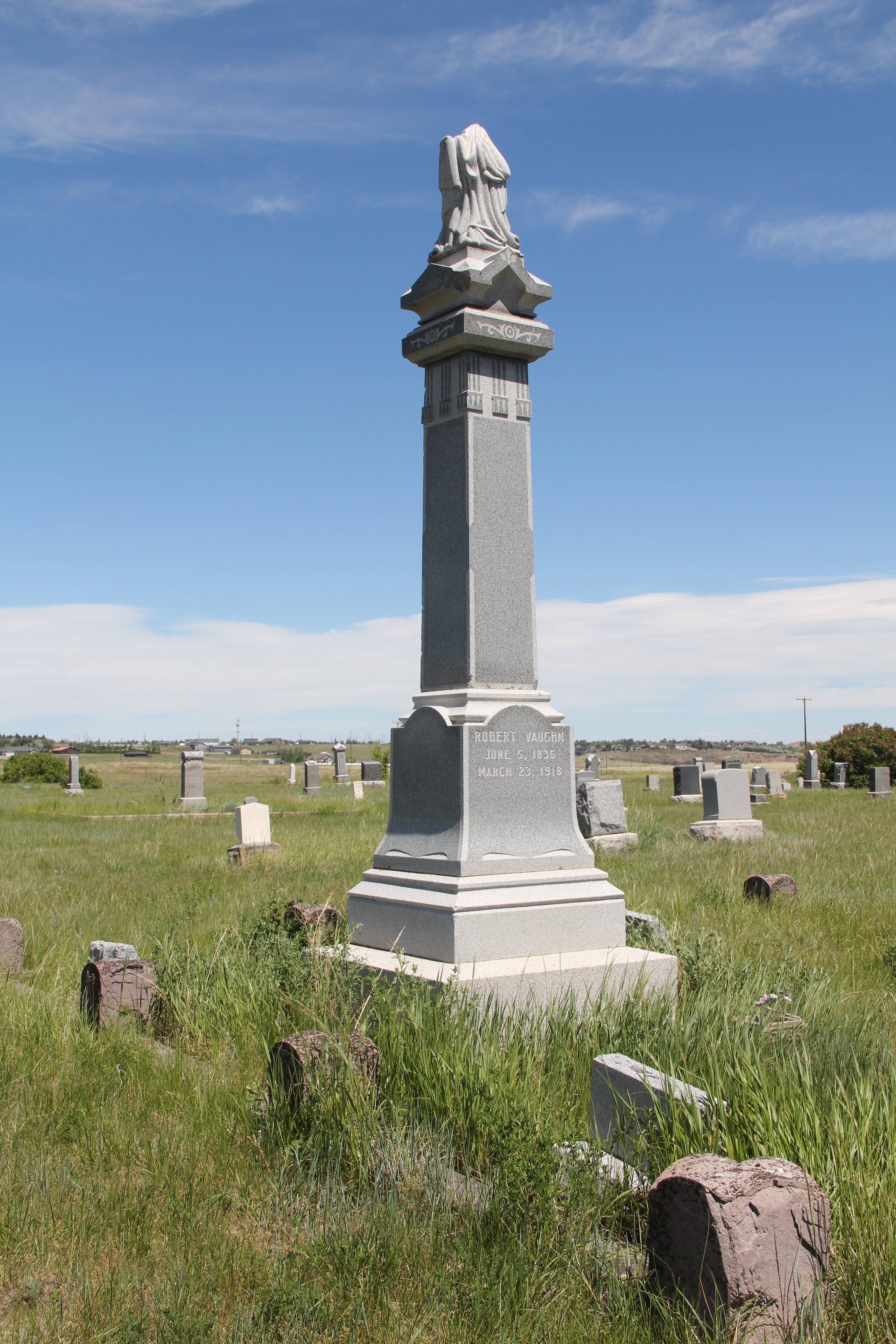
The artistic treasures of this cemetery just don’t end there. There is the grand obelisk for Robert Vaughn, a famous Cascade County rancher, dominating a low stone wall family plot.

Indeed, a few steps away from the Vaughn family plot, you can look to the north and see the treed landscape of “new” Highland Cemetery, and then look to the south and see the edge of the initial Highland cemetery.

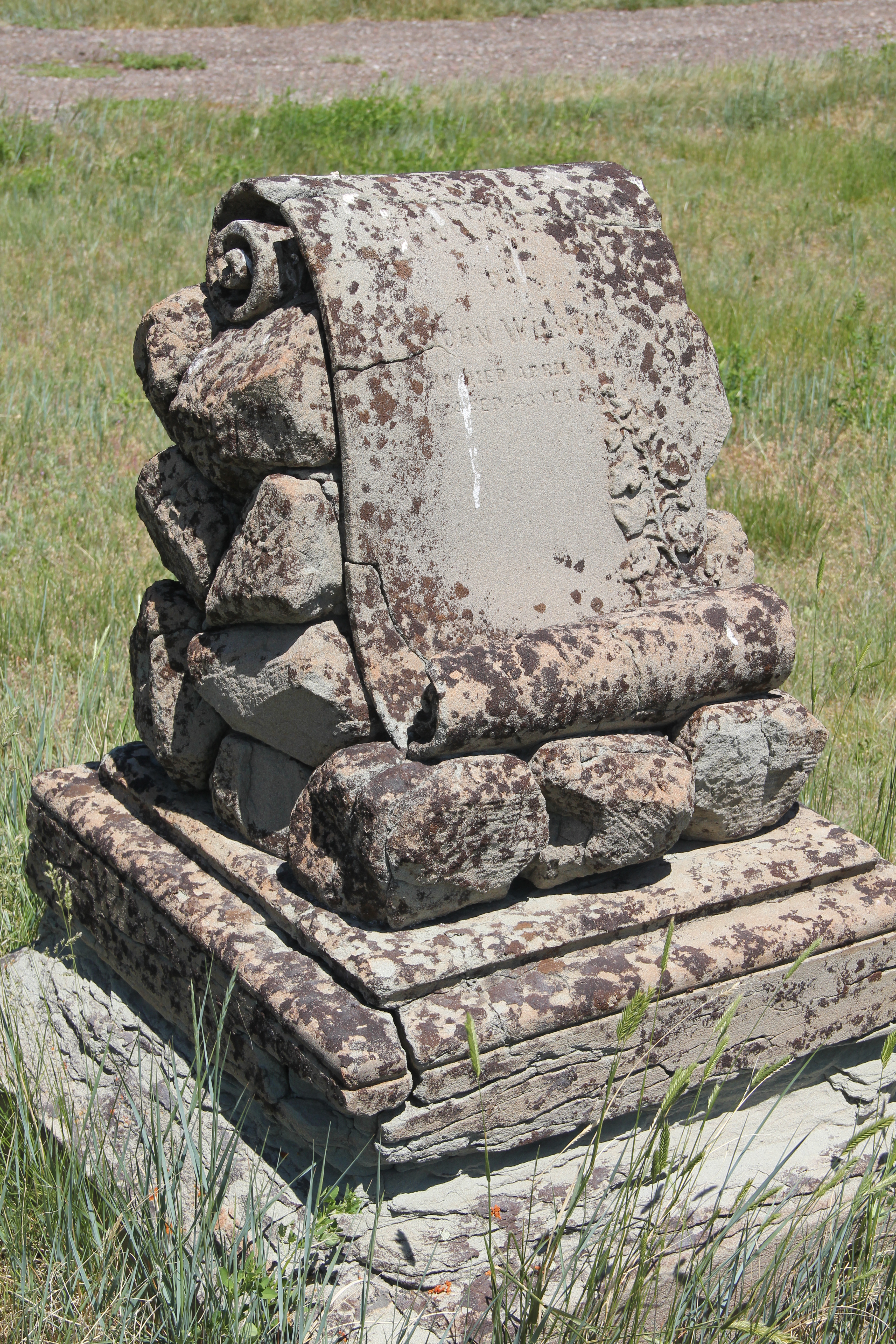
You would expect to find a more Victorian presence in the Old Highland markers since the place began in the late 19th century, The Delaney family plot, even with its overgrown ornamental planting, is an impressive statement of Victorian sensibility. The John Wilson marker of a decorated scroll over stones is just as impressive.

The heavy obelisk of Scottish immigrant James Stewart Tod (d. 1891). Tod lived with his family in Glasgow as late as 1891, being listed in a Scottish census for that year. But in the summer of 1891 he was in Montana as a merchant but died soon after arrival. The local Board of Trade (the precursor to the chamber of commerce) praised Tod for his character and service.

The Caulfield family plot also memorized service, in this case to the Great War.

There is no such to see and say about Old Highland Cemetery. I will revisit this place, hopefully soon.

Mt Olivet Cemetery in Great Falls

Mount Olivet Cemetery opened to serve the Catholic community of Great Falls and central Montana in 1928. The first Catholic cemetery in the city, Calvary Cemetery, was established a generation earlier in 1896. When the Diocese announced the establishment of Mount Olivet, it also announced that families would be free to move the graves of their loved ones from the older cemetery to the newer cemetery. It is uncertain how many families moved graves and/or grave markers. Calvary Cemetery still exists to the south but is only periodically maintained.

Mount Olivet is well maintained and the trees first planted in the late 1920s have matured and grown to lend dignity and beauty to the property.

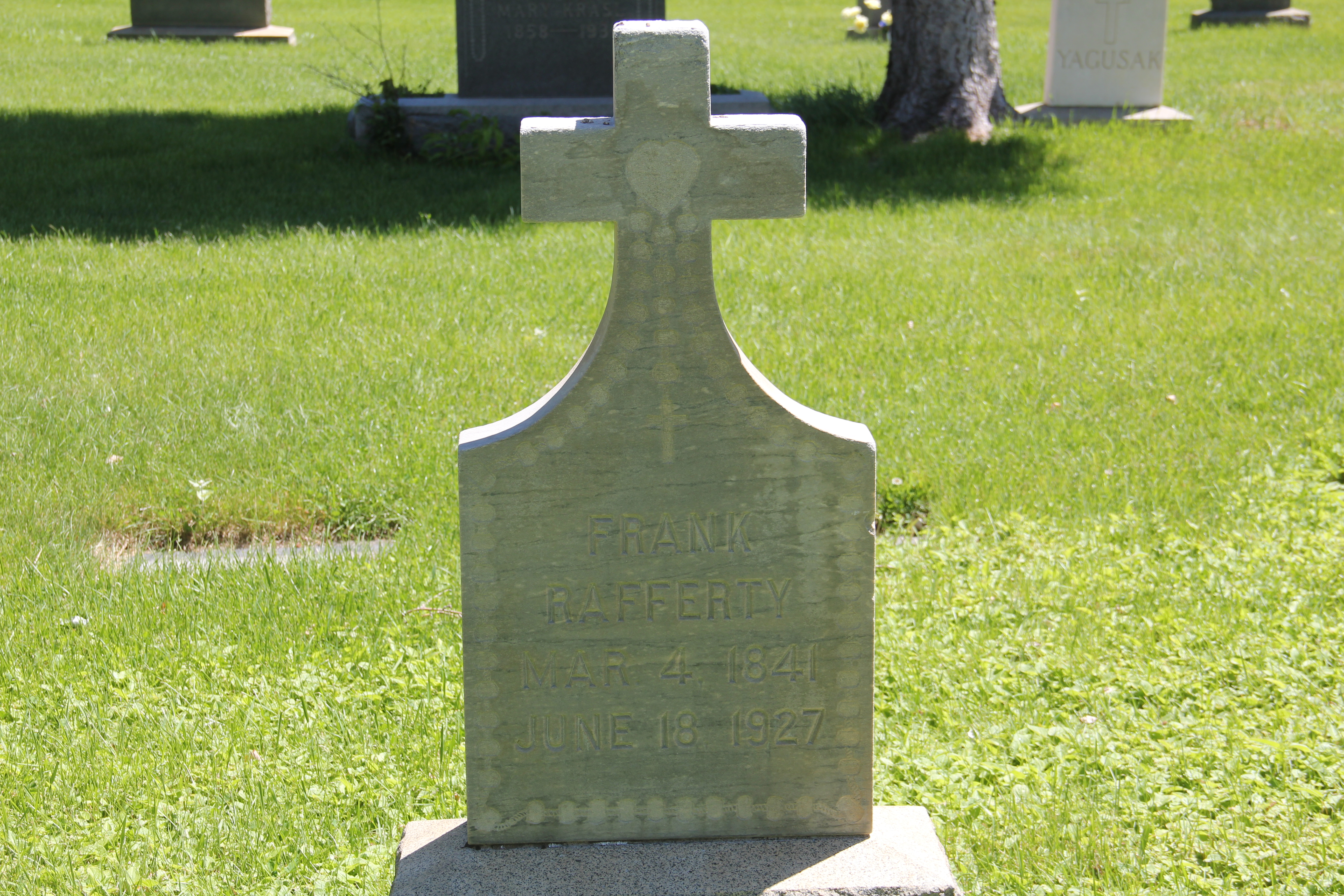
The grave of Frank Rafferty dates to the summer of 1927 about eight months before the opening of the cemetery was announced in the Great Falls Tribune.
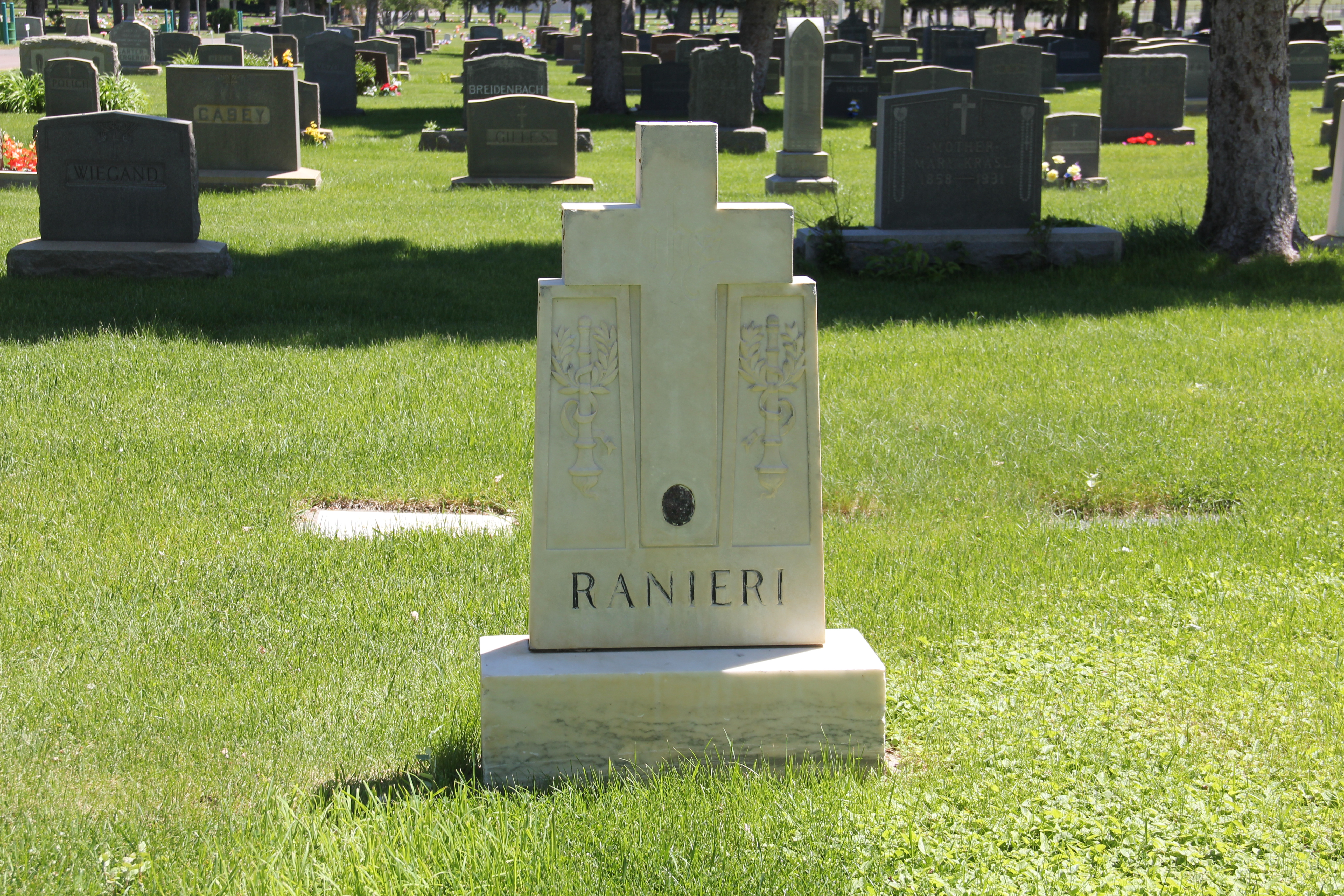
The Rainieri grave marker is a beautiful Art Deco-influenced design, a popular style in the late 1920s and 1930s.

Mount Olivet also has a large dedicated section to veterans from the 20th and 21st century conflicts.

Kalispell’s C. E. Conrad Memorial Cemetery

The most spectacular urban cemetery along U.S. Highway 2 is just off of the historic road in Kalispell. Listed in the National Register of Historic Places, the Conrad Memorial Cemetery has 87 acres in is nominated property. Designed by architect Arthur Hobert, the cemetery began in 1902-1903, similar to other city cemeteries of the Hi-Line. But most comparisons stop there. A private non-profit, established initially by Alice Conrad, administers the cemetery.

From the gates a long ceremonial drive leads you to a winding drive that takes you past the cemetery office onto the bluffs that define the property.

There you encounter on one side a large obelisk, placed by the State of Montana, in honor of former Governor Robert Smith (d. 1908). Former Governor John Erickson is also buried here.

Smith memorial is on the left

On the opposite side of the drive is a memorial to the military veterans of Flathead County, a splendid modern classical statement.

It’s an impressive opening to a beautiful landscaped, and well maintained, city cemetery. Hobart’s rural cemetery movement design has few parallels in Montana. You can get lost in many lanes, creating multiple large sections for burials.

The quality of the early 20th century grave markers equal the beauty and creativity of the grave markers from those years.

The Richardsonian arch of the Burton memorial is unique for this region.
A much more recent mountain theme memorial

As you might expect fraternal lodge themes are common throughout the cemetery’s sections.

Other markers share poignant stories of loss and memory, in both words and symbols.

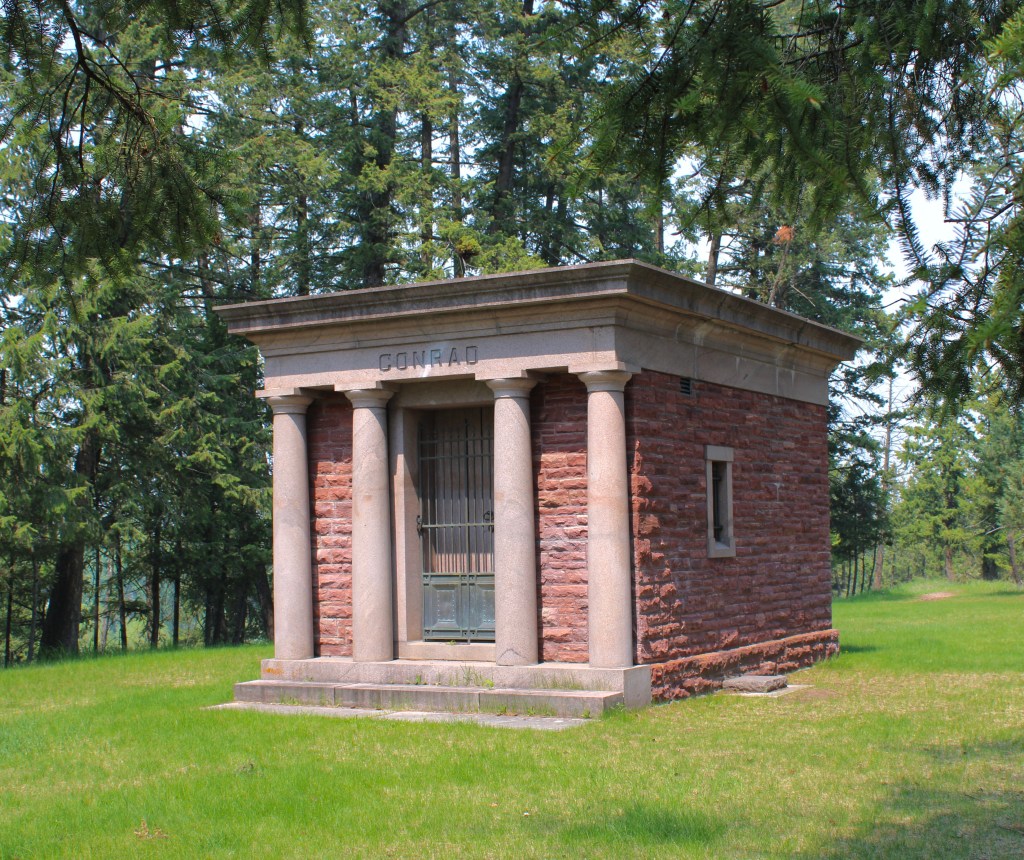
As you explore the different sections you finally encounter why this cemetery exists at this particular place: the long landscaped approach to the mausoleum for Charles is E. Conrad (d. 1902)

Alice Conrad wanted her husband’s final resting place to overlook the town he had done so much to develop in the prior decade. He was only 52 at the time of his death. His many investments separated him and his family from other civic and economic leaders in Kalispell. Thus the cemetery design placing Conrad’s mausoleum in such a honored place reflected the reality of his times.

The stone Classical Revival building still is alone, afforded a place of honor and hierarchy within the property. the circular drive from the mausoleum connects to every other part of the cemetery.

Markers date from 1903 to the present. it is a property that takes hours to assess, due to the multiple sections and many captivating markers. But the time is so well spent and rewarding.

Chester Cemetery in Liberty County

The Chester Cemetery is among the oldest historic places in Liberty County. The town of Chester was incorporated in 1910 during the homesteading boom of the northern plains. Liberty County was formed in 1919. But the cemetery dates at least to 1904; the earliest marker I found dated to 1905.

Carrie Mitchell, d. 1805

As in other Hi-Line towns, the cemetery began as a Catholic cemetery, part of an early 20th century initiative from the Diocese to establish cemeteries throughout the region. I have not determined when the property took the name Chester Cemetery. But by 1910-11, and town growth, you find more grave markers from that decade.

Note the Catholic cross memorial at the center rear of this image.

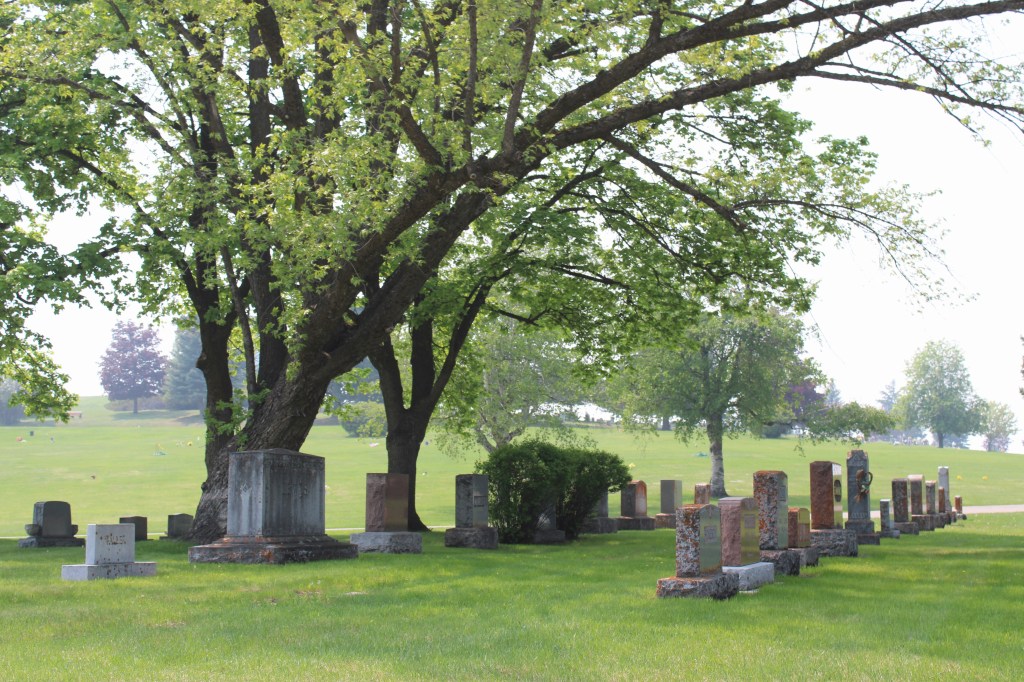
The cemetery is northwest of town on a dirt road. A 1929 newspaper account of a winter funeral noted that the funeral procession had to follow a snowplow plus three heavy trucks, loaded with railroad ties, to clear and then pack down enough snow to be able to reach the cemetery. The cemetery location creates an interesting dialogue between spaces. Even in the smoky air of May 2023 you can see grave markers facing the town, visible by the grain elevators along the Great Northern corridor.

The cemetery has numerous artistic markers of note although most are smaller stone rectangles.

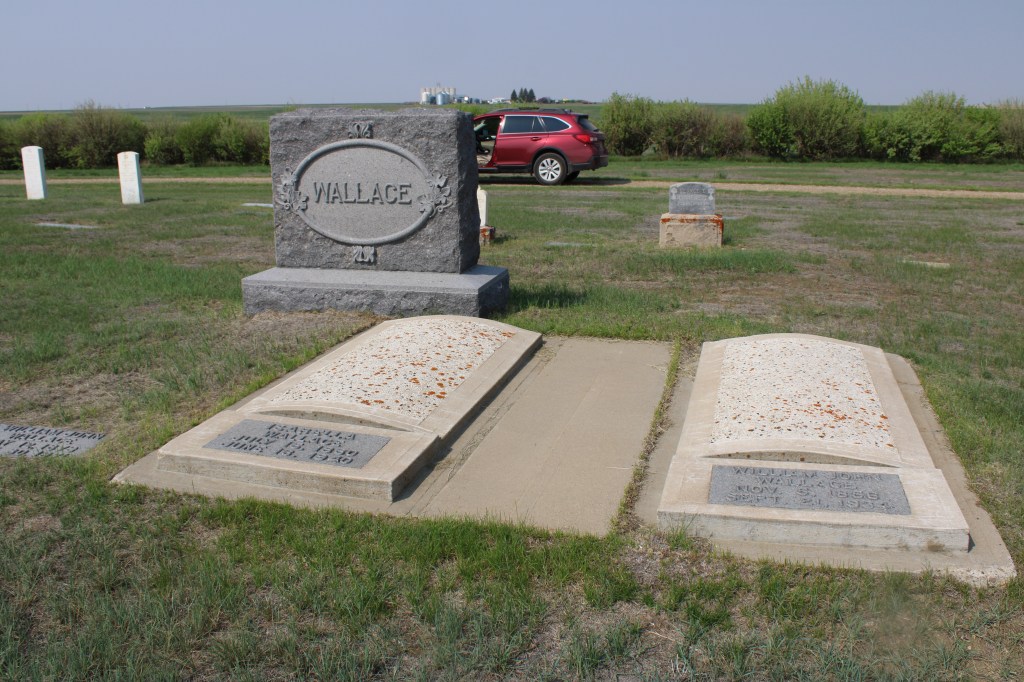
The Wallace family marker is interesting because both graves were covered with a concrete vault-like rectangle. I have encountered many concrete grave coVera in the south but not so many in the west. Chester Cemetery has many more than usually found in Montana cemeteries.

Military veterans are buried throughout the cemetery. Recently a special veterans memorial was installed near the entrance. Its plaque states: “The Price of Freedom. All Gave Some. Some Gave All.”

Chester Cemetery is worth a visit. Over one hundred years old, its markers document the historic ebbs and flows of this plains country town.

Lakeview Cemetery in Polson

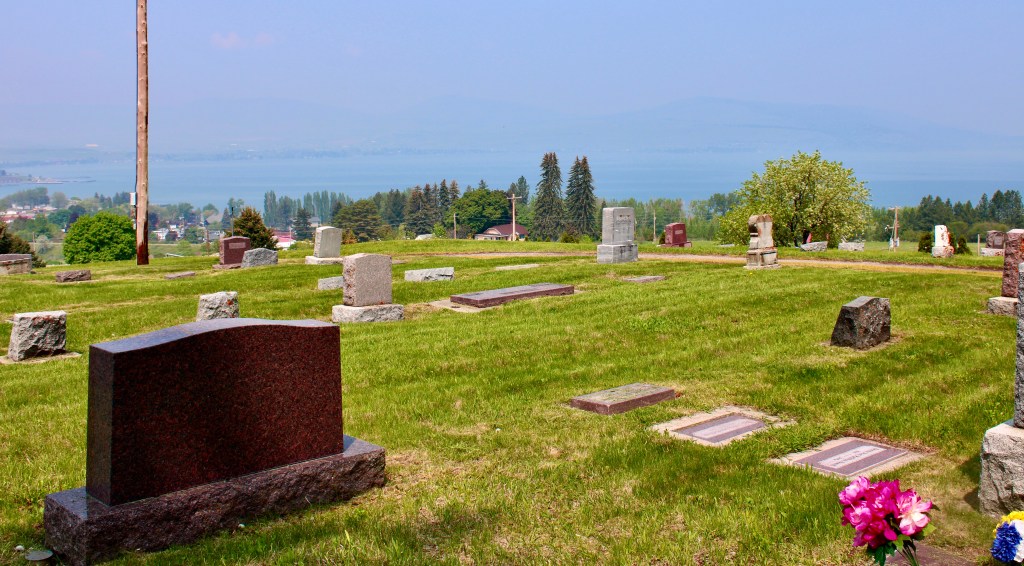
Lakeview Cemetery in Polson lies southeast of town on bluffs overlooking Flathead Lake. My assessment of the cemetery came during the mid-May 2023 period when smoke from Canadian wildfires had blown into northern Montana. But even on a smoky day the cemetery views are impressive.

The cemetery is one of the town’s oldest historic resources. Its drives hug the hilly topography and provide landscaped settings for a wide range of grave marker types.

Distinctive Woodmen of the World marker
The Tribble gravestone combines the gates of heaven and closed Bible motifs
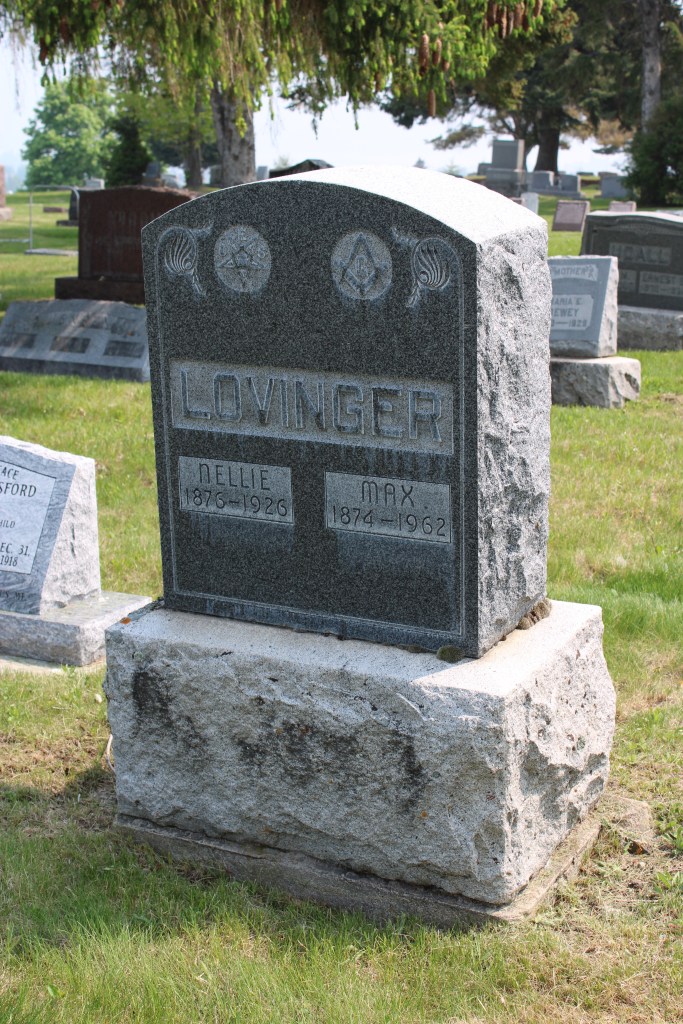
Fraternal lodge designations on the Lovinger gravestone

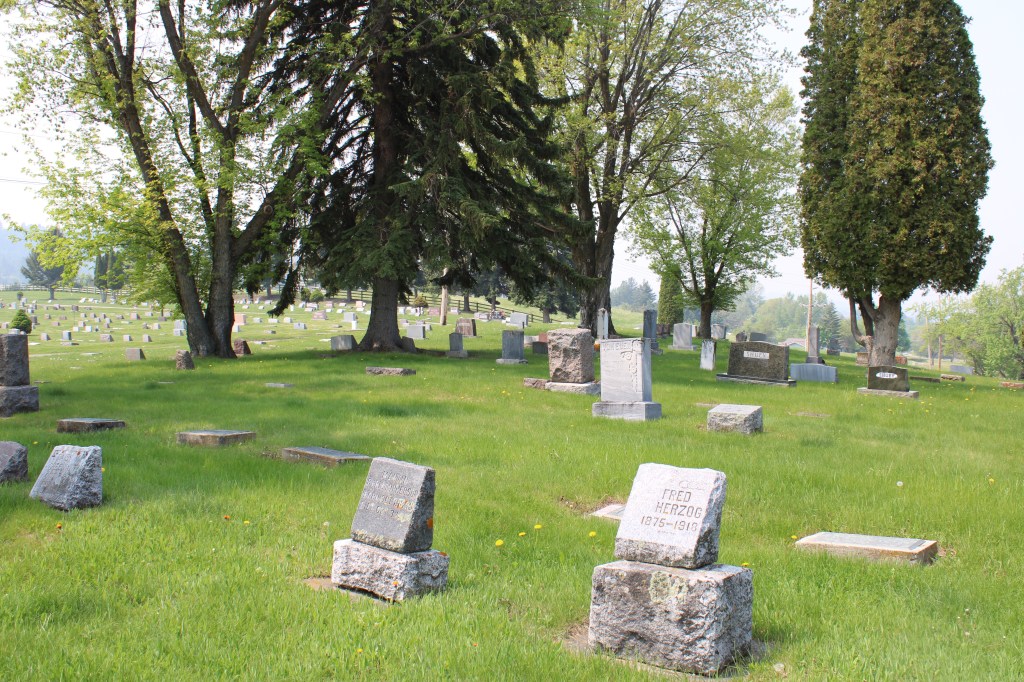
The hilly nature of the cemetery, generally, means that different sections are associated with distinct chronological periods. You literally walk, or drive, through Polson’s history from the early 20th century to the 21st century.

The veterans section would be an exception to the cemetery’s general patterns. Here are veterans from World War 1 to the modern conflicts of the present cemetery.
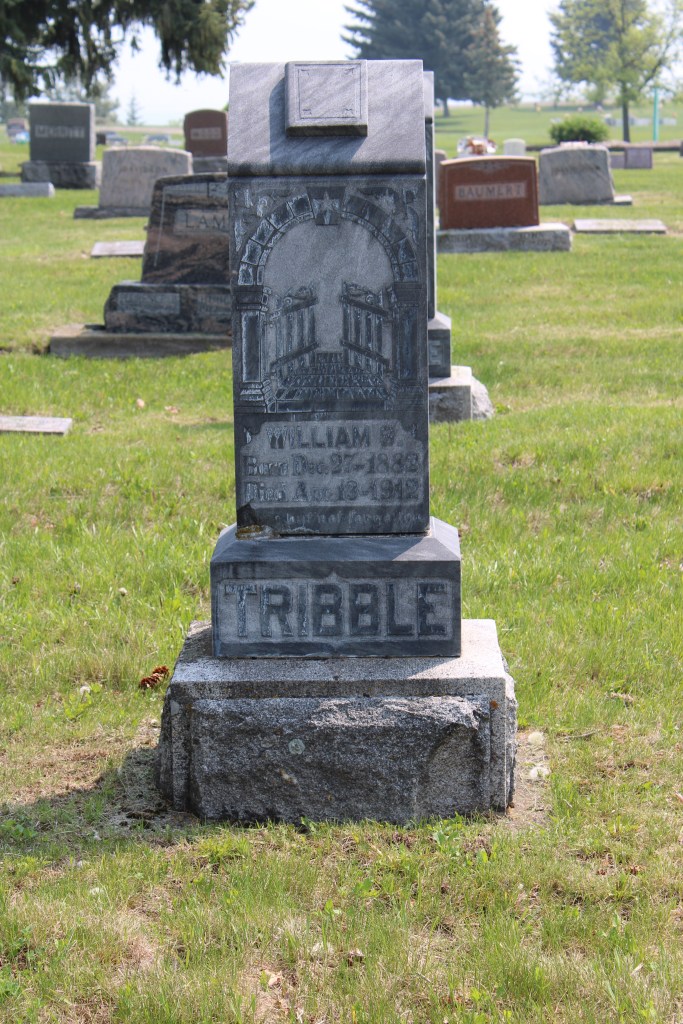
A smoky day meant limited walking around this local landmark. Thus, my assessment is also limited. But as these images indicate, Lakeview Cemetery dates to the town’s founding generation. It’s range of grave markers reflect the impact of fraternal lodges and military service in local history. And the landscaping of the cemetery impressively uses the natural contours of the place itself, along with the ornamental plantings and trees, to identify a place of meaning and repose for local residents and visitors alike.

Shelby Cemetery’s Two Amazing Memorials

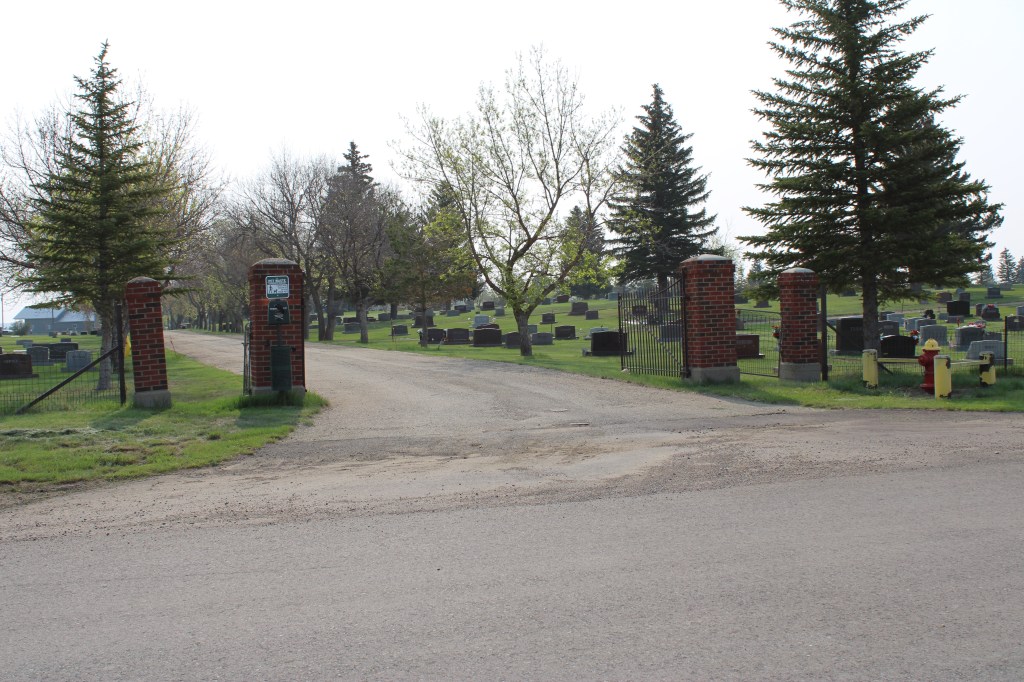
Shelby, the seat of Toole County, dates to 1892 and the construction of the Great Northern Railroad through this area. On the bluffs south of town stands the Shelby Cemetery, also known as Mountain View Cemetery.

Cemetery entrance

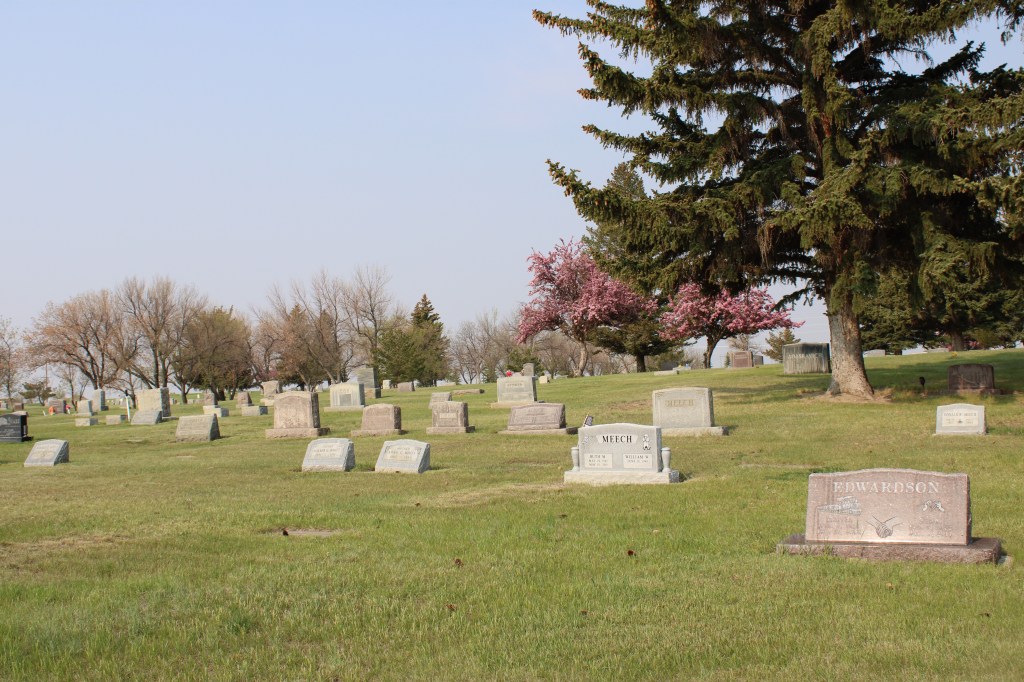
Burials here date to 1893 when Irene Hughes was interred and there were few burials in the next 7 years. But by 1903-1904, as the great homesteading movement began, the number of grave markers began to increase. By circa 1905 the Shelby Cemetery Association was established and a rectangular plan was introduced, giving the cemetery a formal, linear look common in Hi-Line cemeteries. The association provided irrigation and planted many trees and soon the cemetery took on the characteristics of a well-maintained and valued public space.
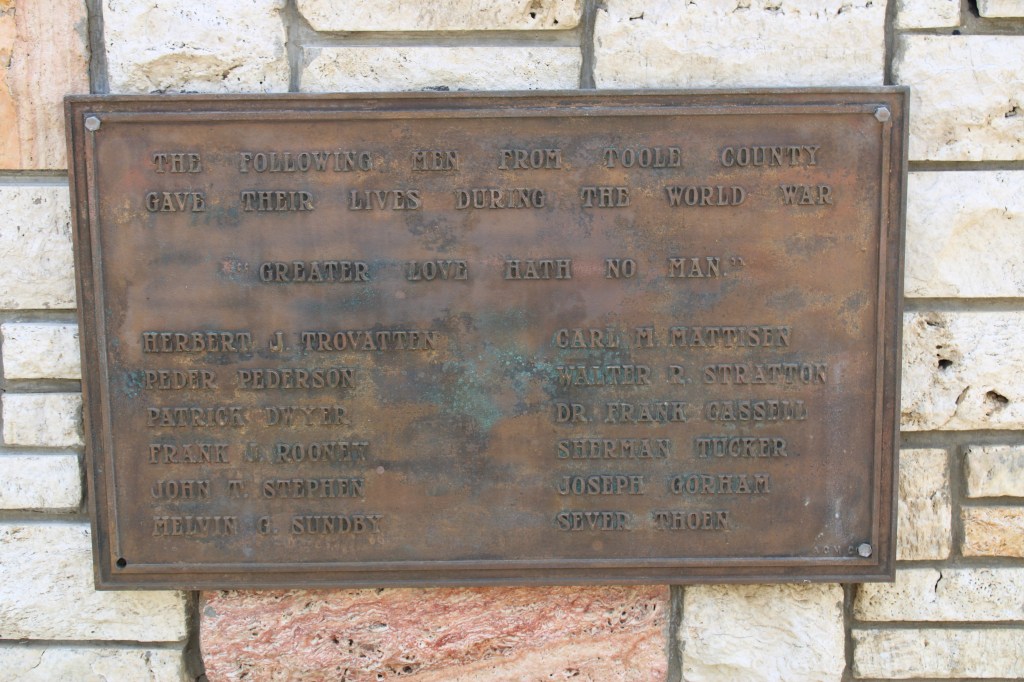
Among the highest points in the cemetery, and dominating it visually, is the World War I memorial that defines the large and impressive veterans section.

The local American Legion lodge sponsored the memorial marker of beautiful sandstone topped by a metal machine gun. It identified the local men who fought and died in the war.

The quality of the memorial—the machine gun motif is fascinating—together with its landscaping and low walled entrance gives a dignified aura to this central component of the cemetery.

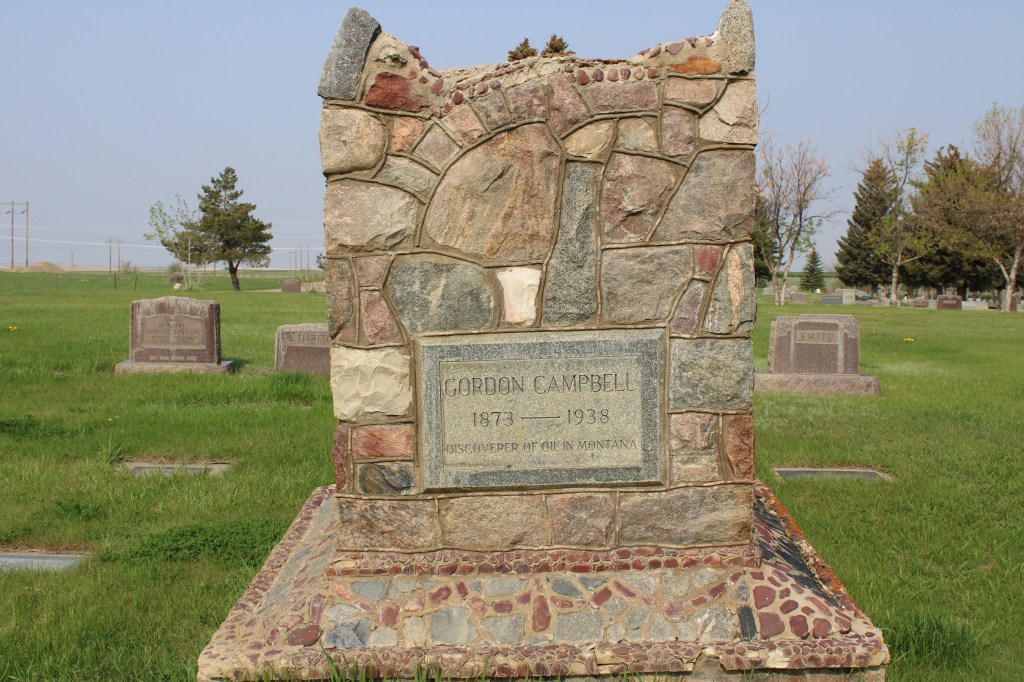
Not far away is a second impressive stone memorial, installed c. 1938 to honor the achievements of Gordon Campbell (1873-1938) acknowledged then as the father of the Montana oil industry.

The inlaid stone details have weathered gracefully. Its stone design within a concrete base is so different than the grand classical statements found for so many of Montana’s economic titans. Perhaps that is a reflection of the Great Depression’s impact on Campbell’s fortunes. His great 1920s strike at Kevin, northwest of Shelby, had fallen on difficulties by the late 1930s. Campbell just didn’t live long enough to prosper from the great oil boom created by World War II that continued well into the 1950s. But the multi-color stone memorial also spoke to the place, the ground under which oil and gas were discovered by Campbell and others in early 20th century.

The Shelby Cemetery, now known as Mountain View, is worth detailed exploration not only for its two captivating stone memorials but for the many others markers and stories within its boundaries.

Polson’s historic Beauvais-Decker Catholic cemetery

Polson’s oldest cemetery is the Beauvais-Decker Cemetery located on an old rutted road that ends at the cemetery southeast of downtown. Only in the last few years have a committed group of citizens undertaken the tough work of cleaning the cemetery and making it accessible. They hope to restore it fully in the forthcoming years.

Identified grave markers date to the first decade of Polson’s development (1898-1908) and into the 21st century. Thus the cemetery is associated with the settlement history of Polson.

Frank B. Decker, 1898. Polson became a town in that year. It was not incorporated until 1910 and did not become the seat of Lake County until 1923.

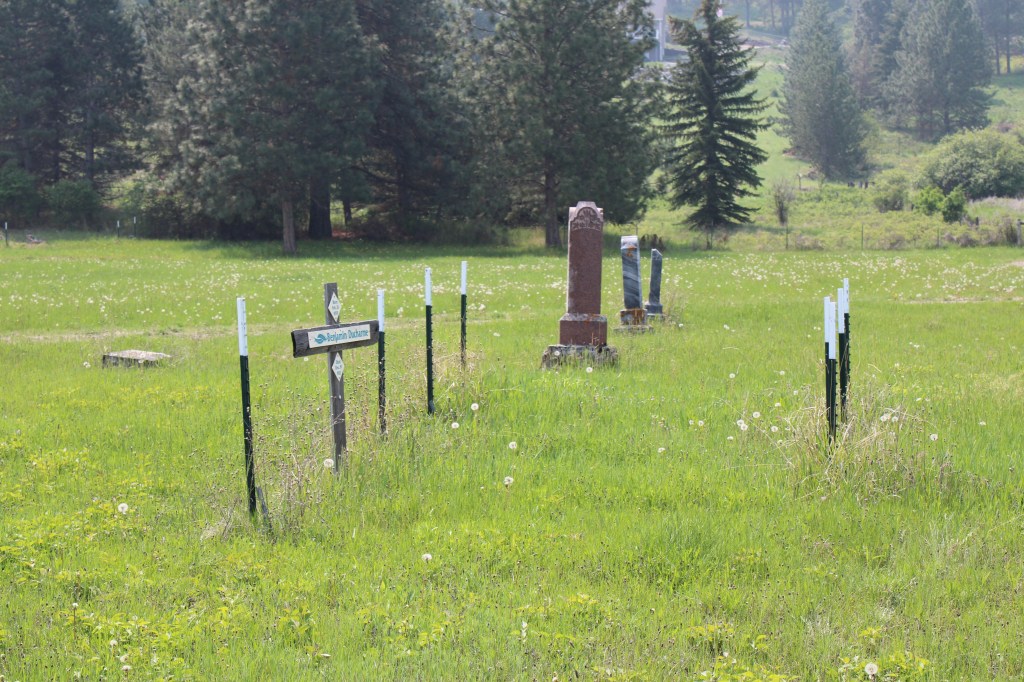
Beauvais grave marker (the cross), a recent replacement

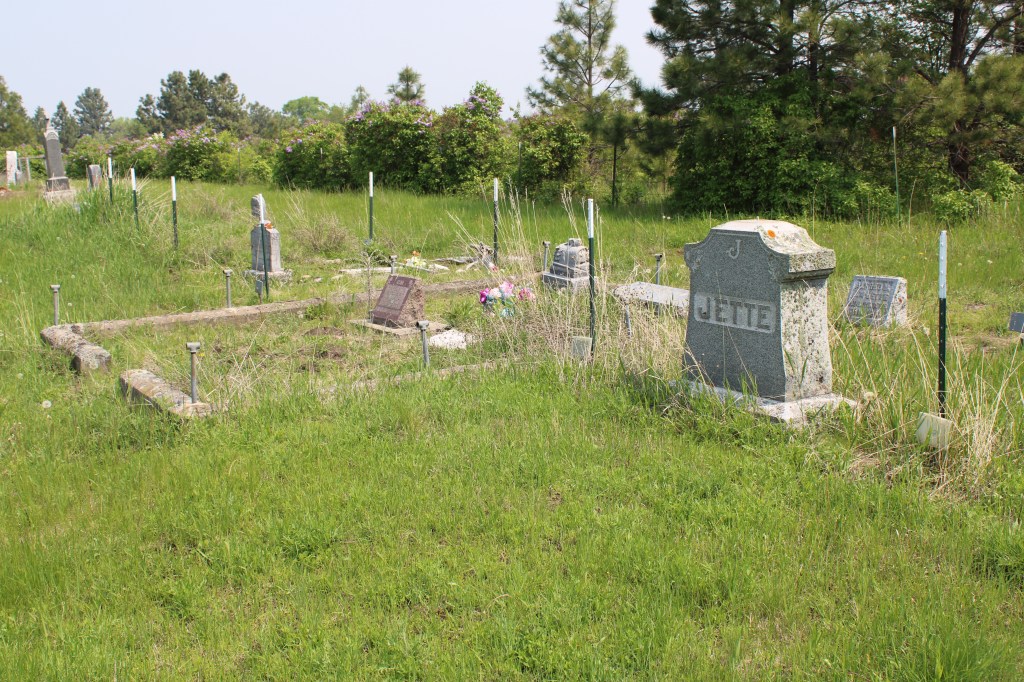
Once the cemetery fell into disrepair some grave markers were lost. Metal poles mark some graves. The original landscaping plan had a large burial area south of the circular drive, where a flagpole was installed, extending to the adjacent tree line.

Another large burial area is north and west of the flagpole.

As the ongoing restoration proceeds, a significant early Lake County cemetery comes into view. I look forward to seeing the progress on my next visit to Polson.