Craig, from railroad stop to Fish Town

As the Missouri River winds its way into the mountains of Montana, one of my favorite stops for 40 years is the town of Craig. Ben Stickney was the first to farm here in the 1870s. He and Frank Wagner also established a ferry crossing. Other early settlers were Warren and Eliza Craig who platted a townsite named Craig once the construction of the Montana Central Railroad between Great Falls and Helena was finished in late 1887. By 1890, the town had 77 residents.
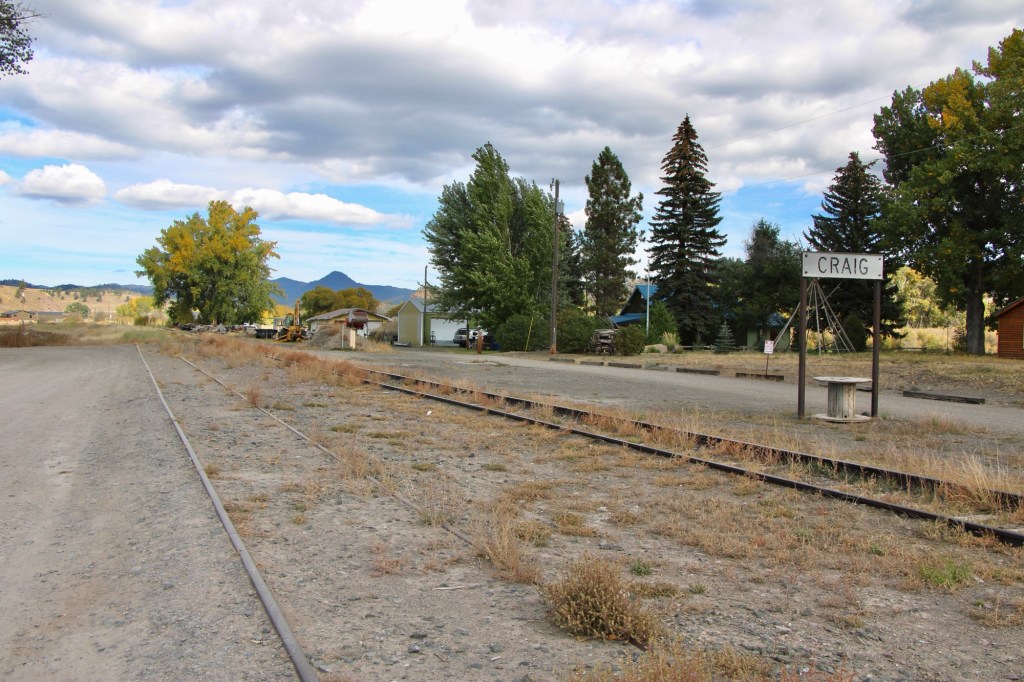
The story of Craig in its early years was all about the railroad corridor, with houses and businesses arranged on either side of the tracks.
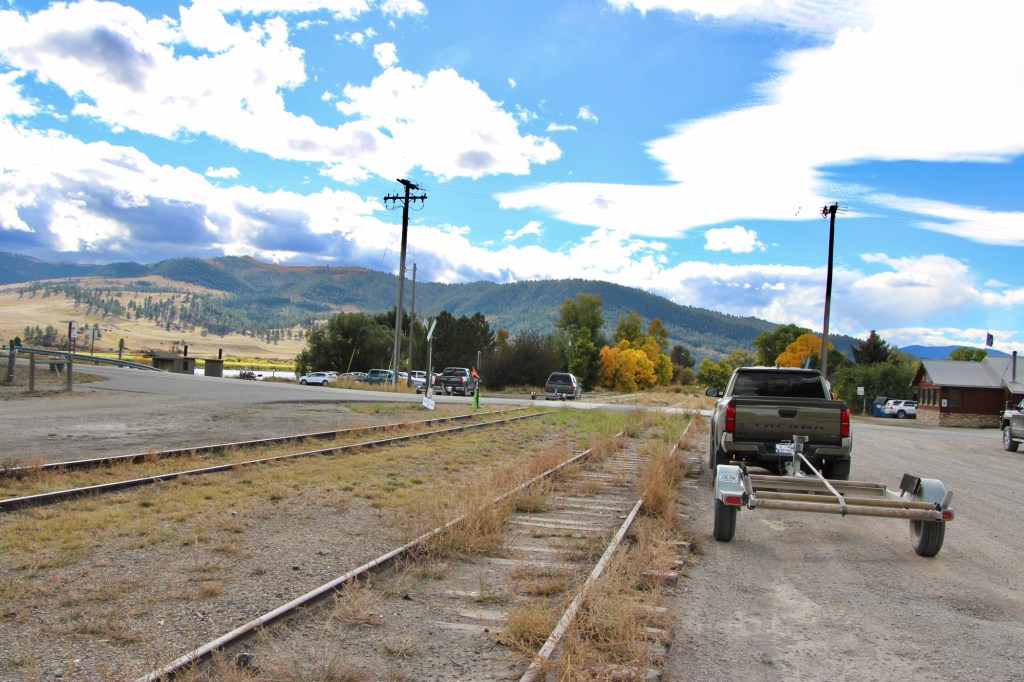
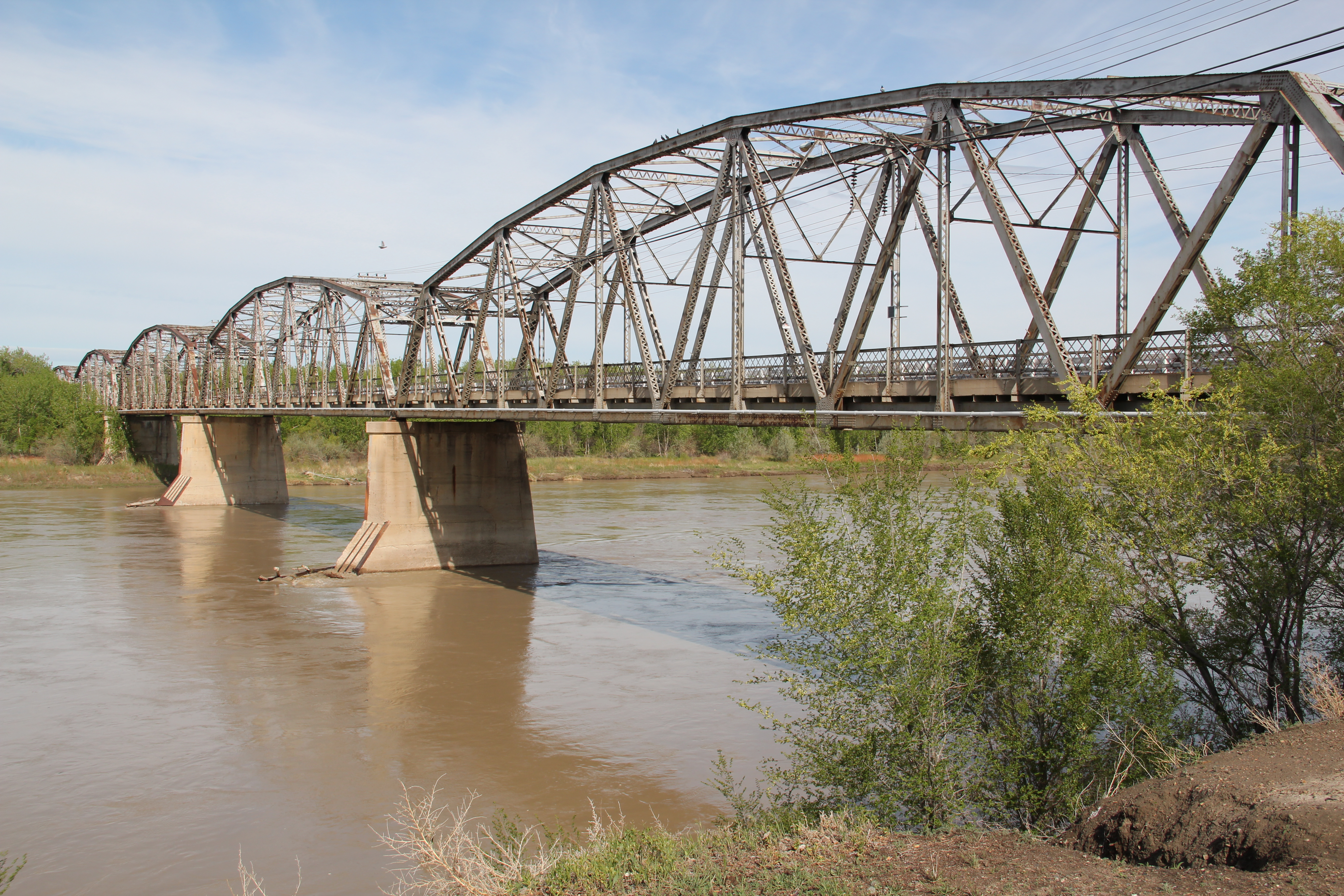
The Missouri River defined the east side of town as it closely paralleled the tracks. Then in 1902-1904 came the construction of a steel bridge, which replaced the ferry.
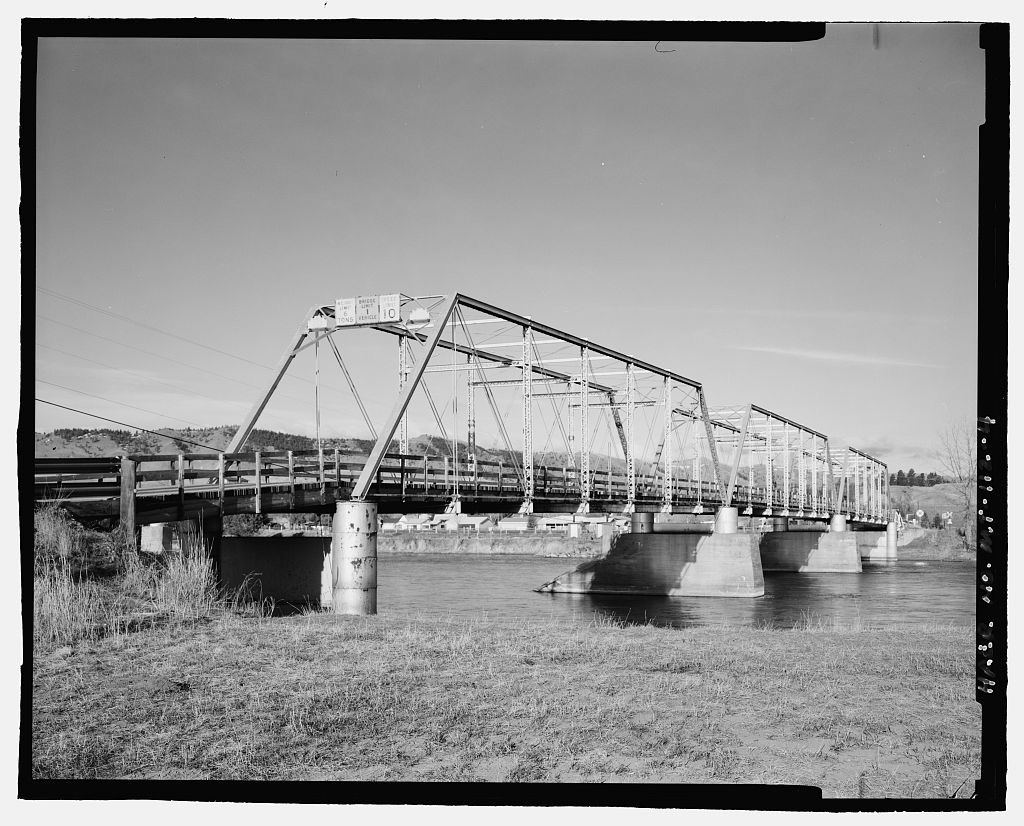
The Craig Bridge, c. 2002. Photo by Jon Axline, Montana Department of Transportation. The bridge was demolished c. 2004.

The bridge made Craig a crossroad town but it never grew that much in the next decades.
When in the 1930s the state constructed its section of U.S. Highway 91, the improved transportation led to the growth of the local school, which closed in the 21st century and now serves as a community building.
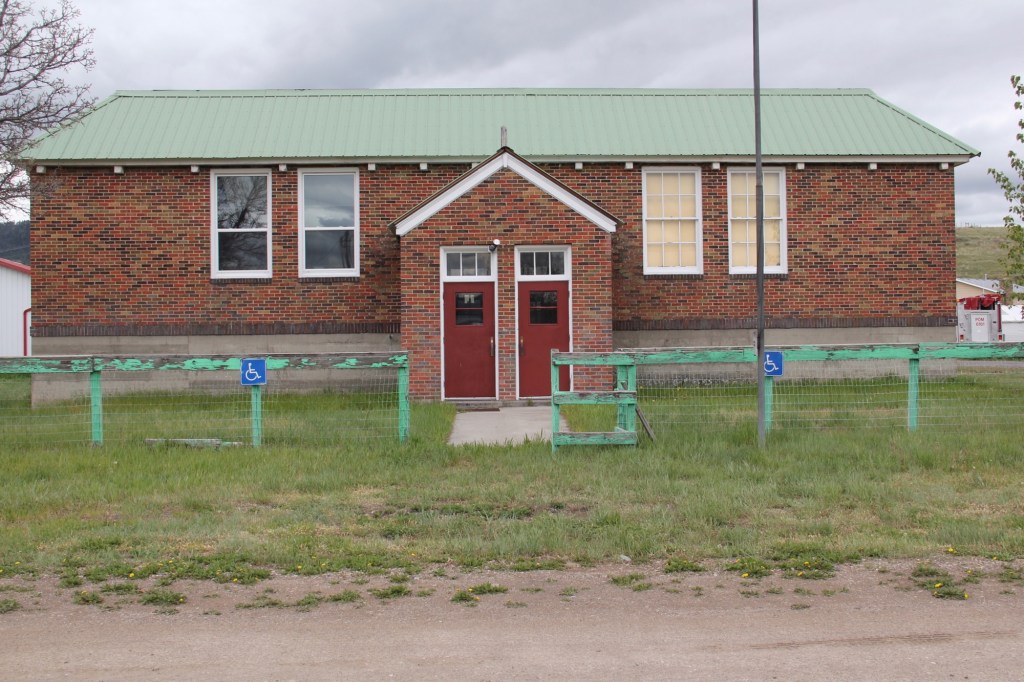
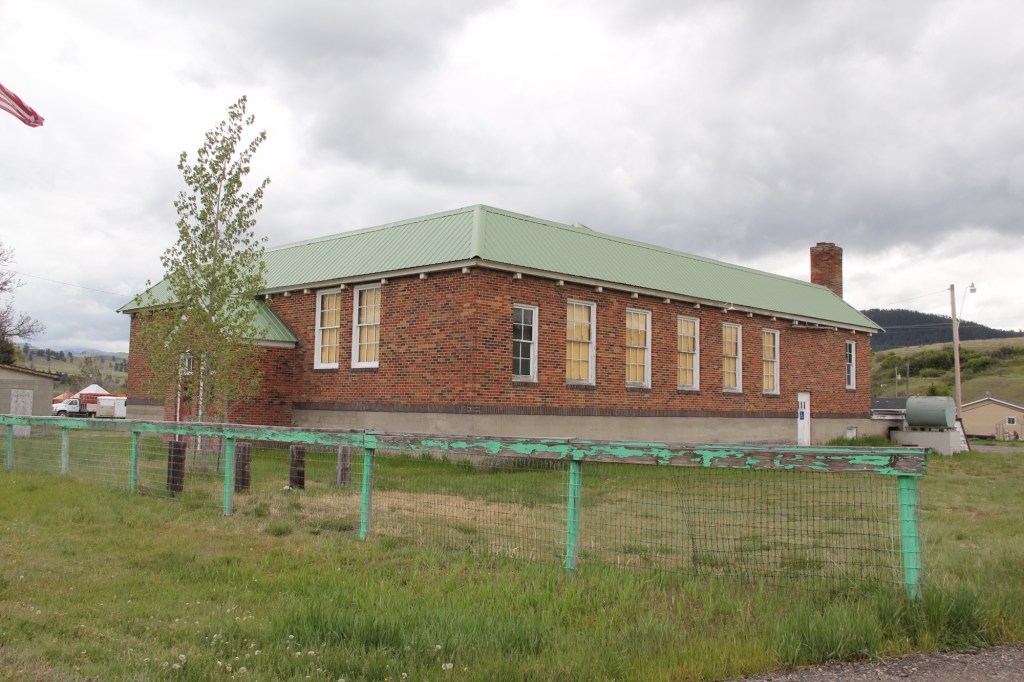
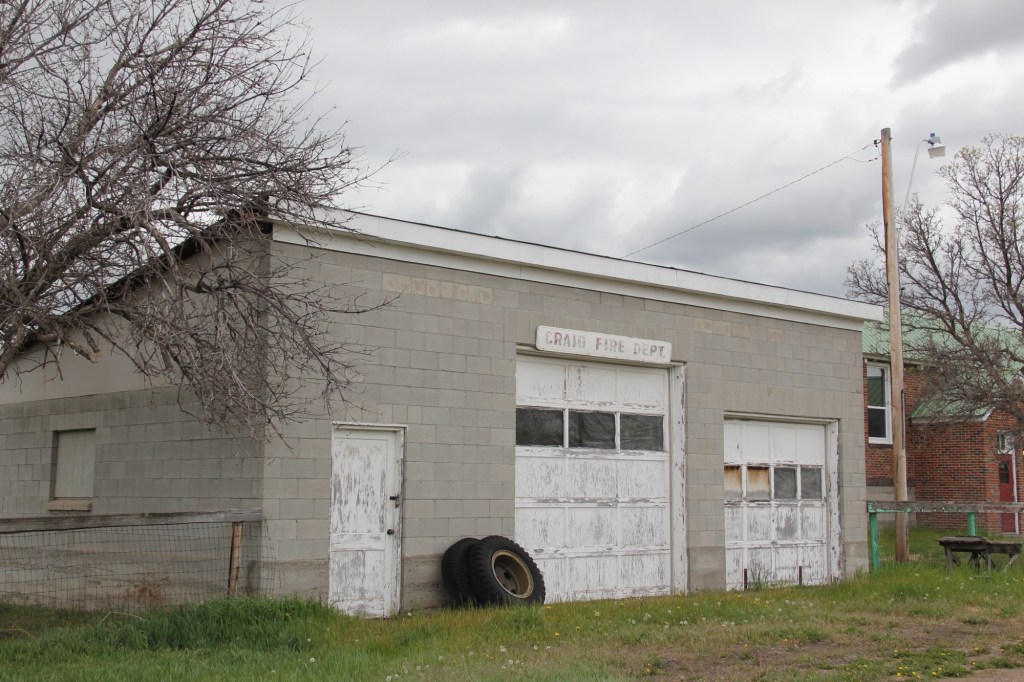
Residents also established a volunteer fire hall next to the school.

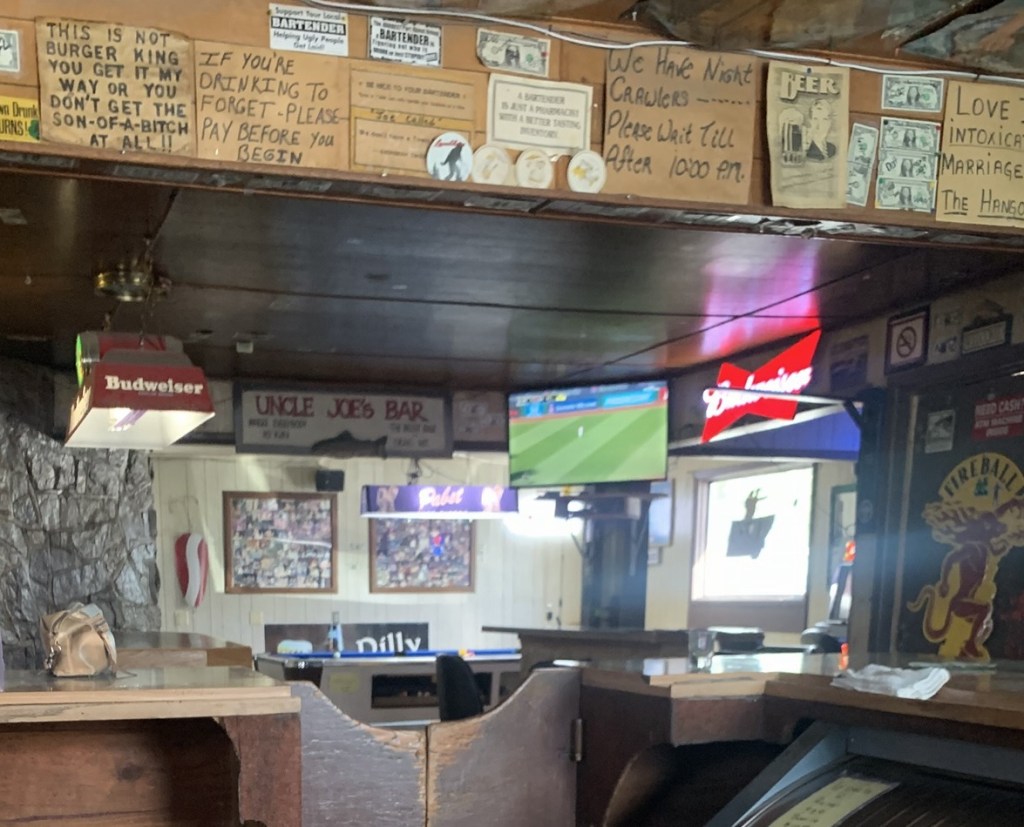
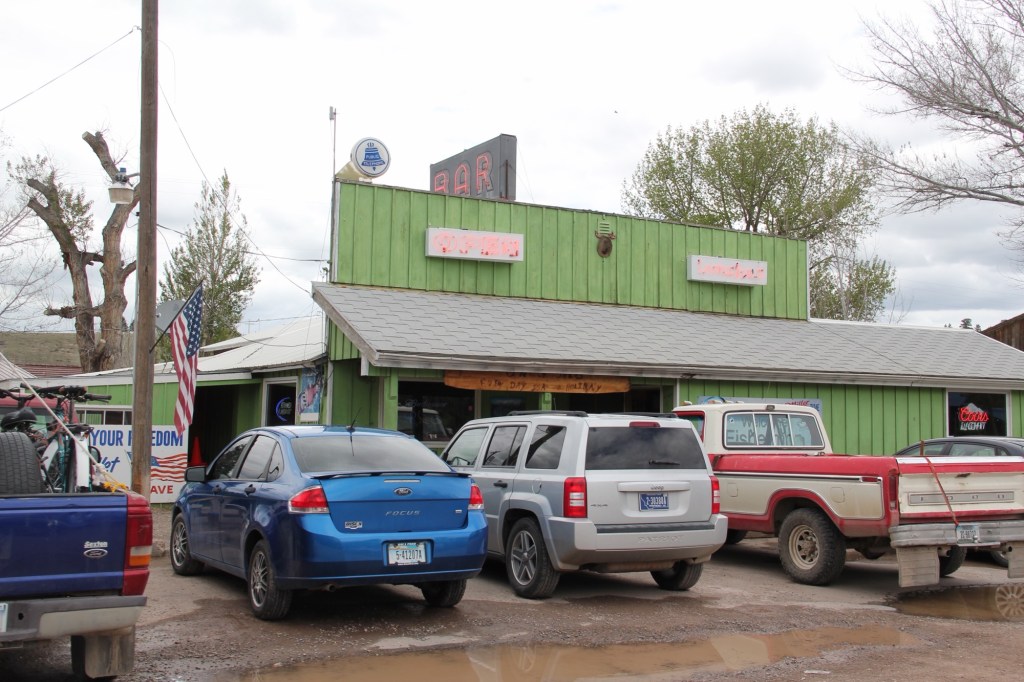
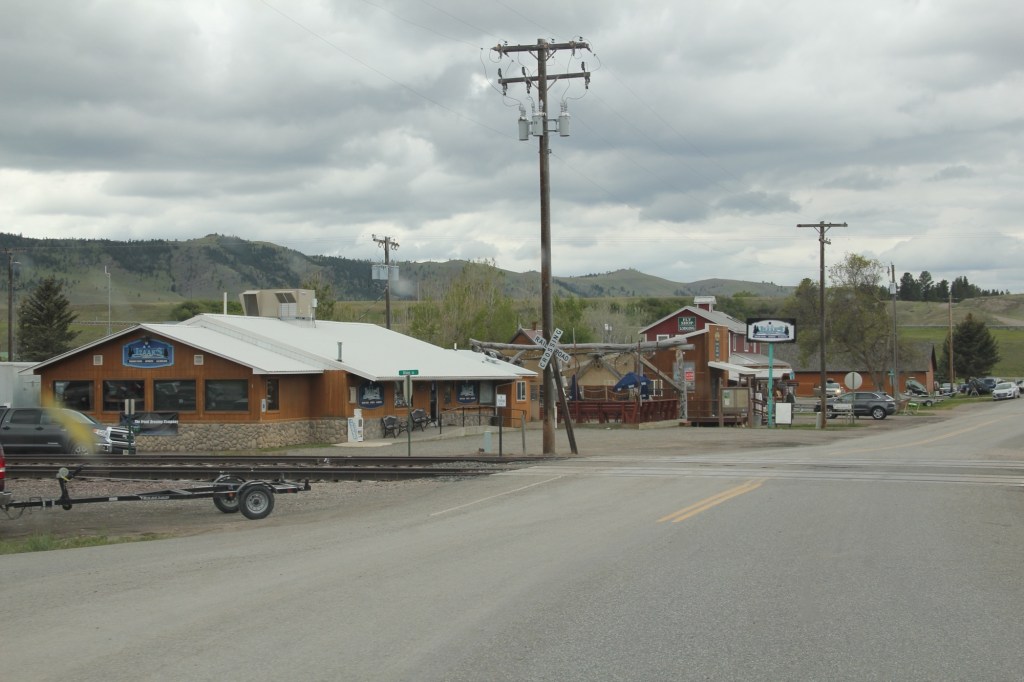
At the time historian Jon Axline documented the steel bridge c. 2002, he noted that Craig had only a bar and a fishing shop. There was not much else left. The Craig Bar is still there if you want a throwback small town bar experience.
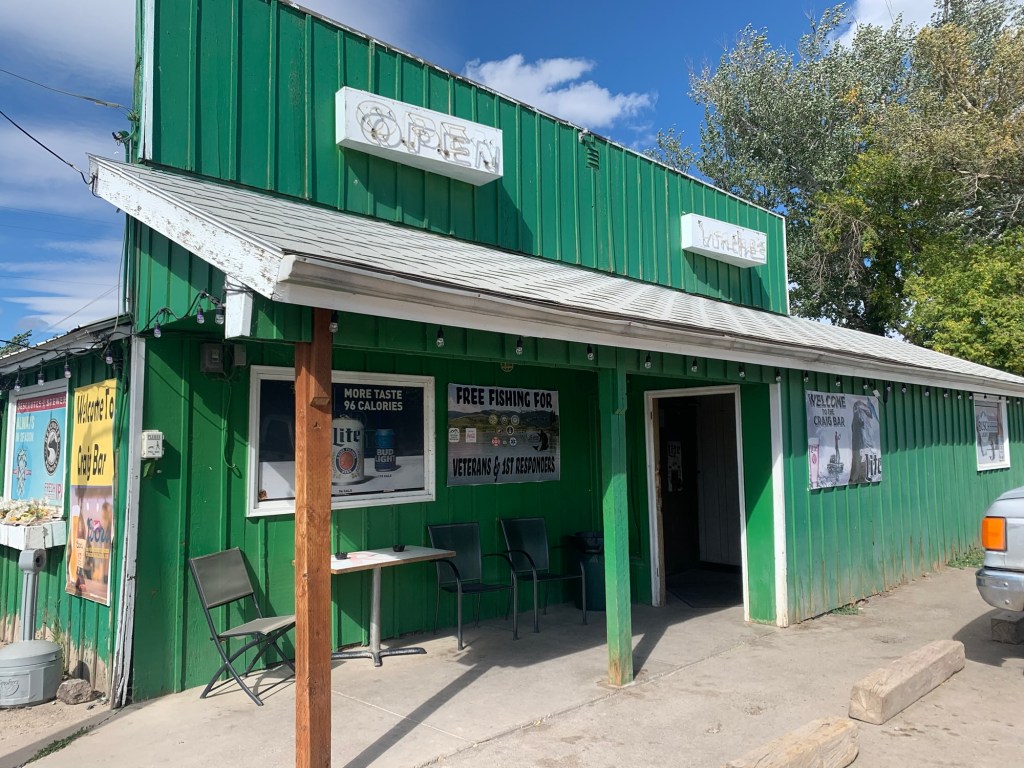
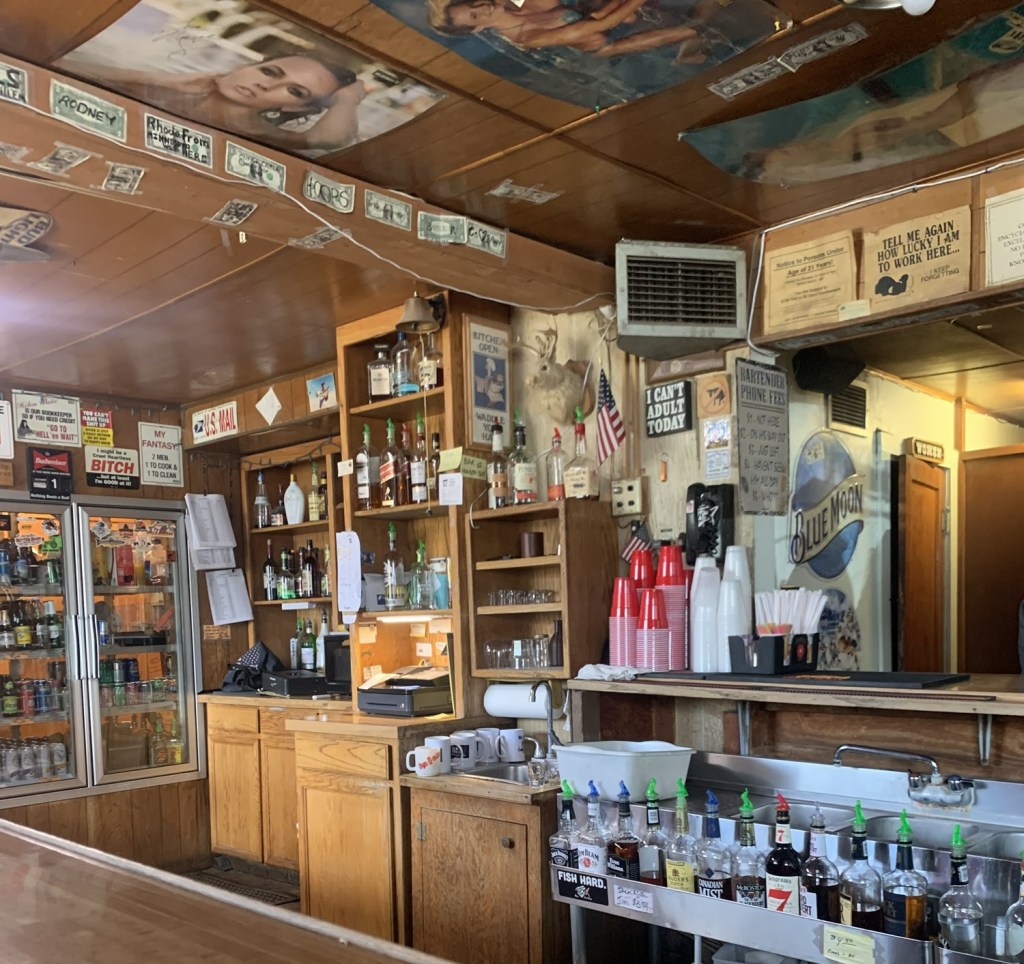
Craig Bar on a busy day in 2015

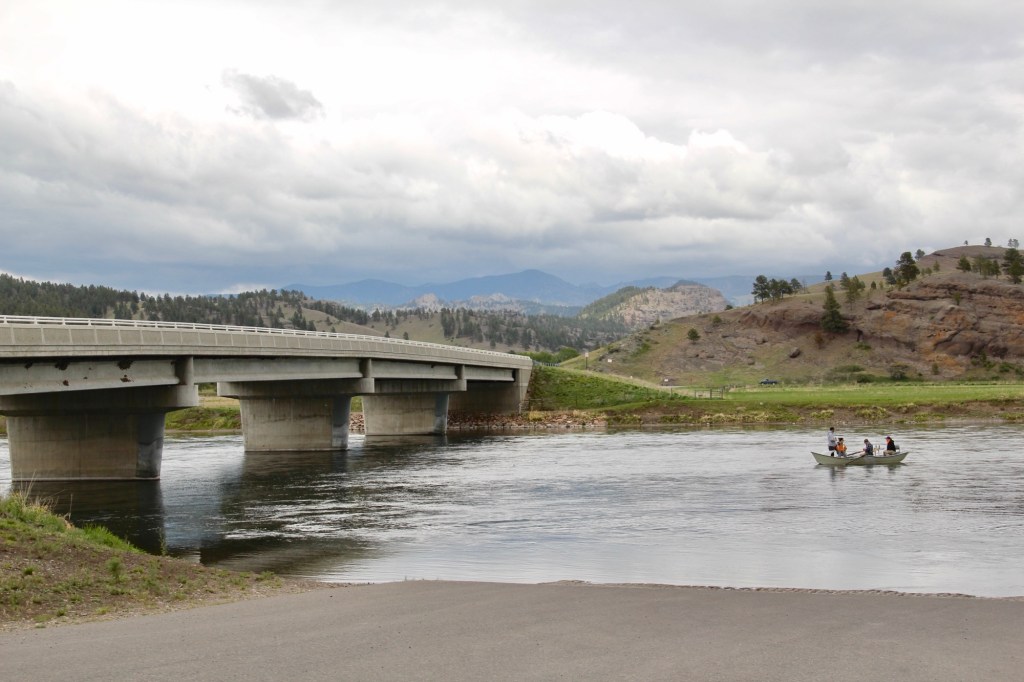
An almost totally different Craig has emerged since the construction of the concrete bridge 20 years ago. New businesses that cater to the ever-growing fly fishing industry are everywhere it seems. Floaters and fisherman crowd the landing on weekends and in the summer.
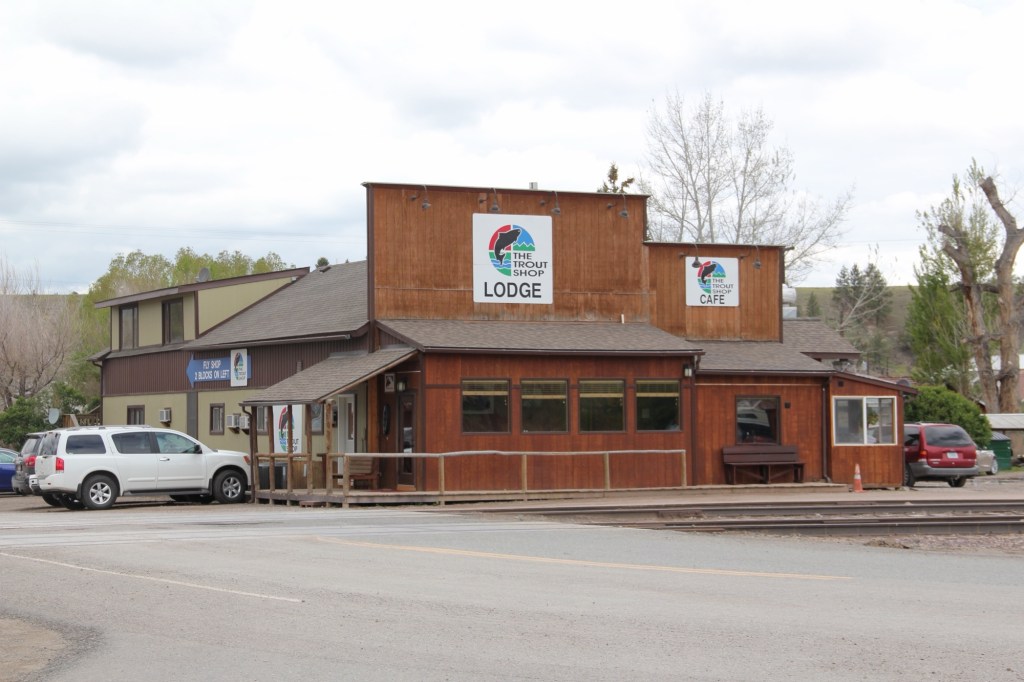
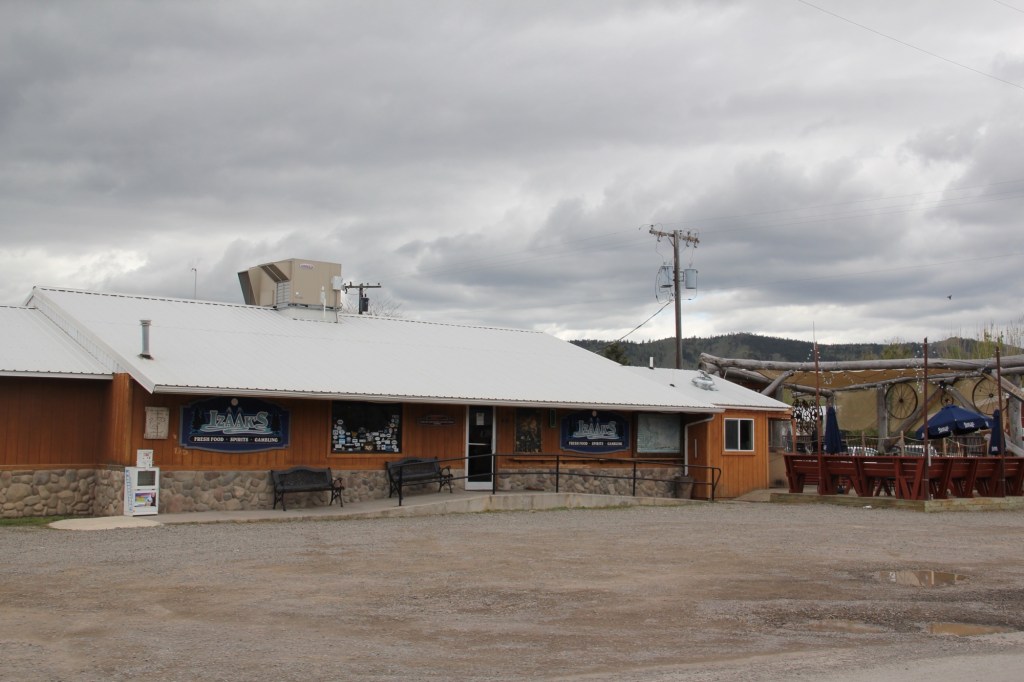
Izaak’s is a popular bar and grille
The new taphouse caters to a different clientele than the older Craig Bar

Big Sky Journal has nicknamed Craig as Fish Town, a “quintessential fishing village” on the Missouri River. Fishing and recreation now have replaced its earlier reputation as a transportation crossroads in the Missouri River Canyon. And the concrete bridge is like a slash across the river compared to the beautiful steel trusses of the first bridge.
Modernism in Glendive

My last post on Glendive, the primary commercial and transportation center of the Lower Yellowstone Valley, looked at the Northern Pacific Railroad’s imprint on the town. :et’s shift focus into the early 20th century, when the automobile corridors–the Yellowstone Highway or U.S.Highway 10–began to leave their marks on the town.

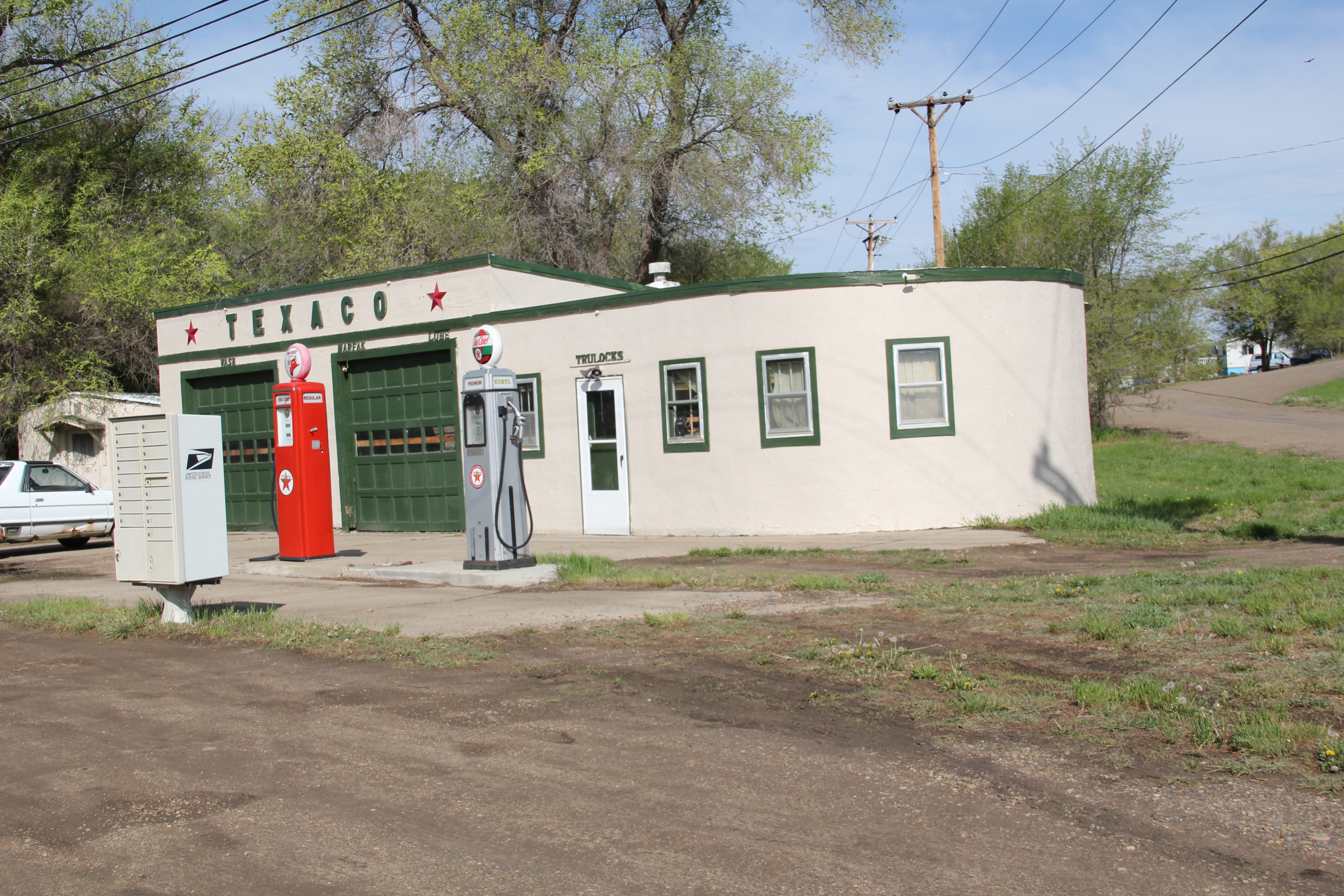
Historic Texaco Station in Art Moderne style, Glendive , MT

Historic Texaco Station in Art Moderne style, Glendive , MT


IMG_7213
As the Yellowstone Highway left town and headed west, two outstanding examples of roadside architecture survive, the c. 1930 Art Moderne-styled Texaco gas station, complete with a small motor court for lodging in the rear, and a later historic drive-in, Frosty’s, complete with the low canopy typical of the early non-standardized drive-in establishments.
IMG_7215
Also feeding traffic into the heart of Glendive was the 1925 Bell Street Bridge over the Yellowstone River. This National Register-listed bridge was once a gleaming steel and concrete landmark of modern transportation; it continues to serve the town as a pedestrian bridge.
IMG_7220
IMG_7224
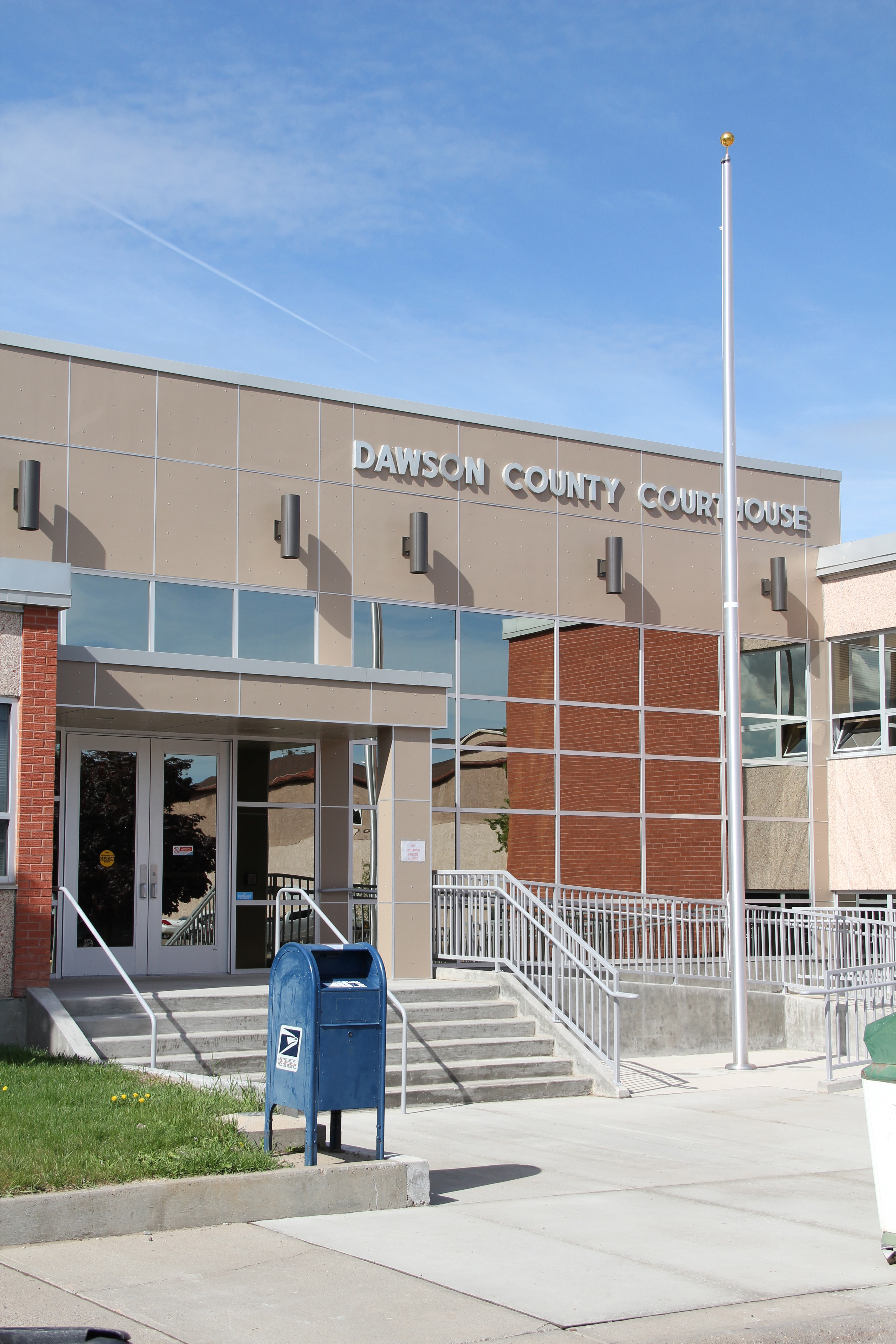
Downtown Glendive is dominated by a modern monument to its time of greatest prosperity–the city reached its population high of just over 7,000 in 1960: the Dawson County Courthouse of 1962. Designed by the long-established Billings firm of J. G. Link, the courthouse represents the “contemporary modern” movement in the state’s architecture of the 1950s and 1960s.
IMG_7225
Dawson County Courthouse, 1962, Glendive, MT

Dawson County Courthouse, 1962, Glendive, MT


An even more striking example is the space age aesthetics found in the town’s public library, which when I lasted visited Glendive in the 1980s still served its original purpose as a local bank.
IMG_7266
IMG_7267
The contemporary sixties look even extended into Glendive’s historic neighborhoods, as reflected in the A-frame style of the First Congregationalist Church, and into new commercial buildings, such as the Saarinen-esque sloping roofline of the historic Safeway store, now adapted into the Eastern Montana Events Center.
IMG_7265
IMG_7261
Glendive has lost over a quarter of that 1960 population, checking in the 2010 census at just under 5,000 residents. Before we leave this spot on the Yellowstone, let’s explore more its historic neighborhoods, full of a range of interesting domestic architecture from 1900 to 1960. That’s the next post.