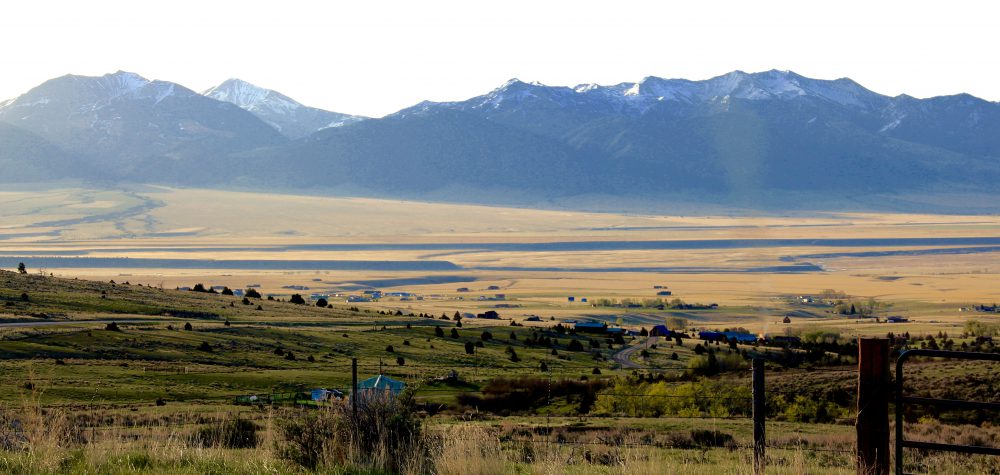

Now that I fulfilled the original goal of this effort to document the Montana historic landscape 30 years after my first attempt in 1984-1985, I want to have fun with many blogs to come, covering themes and places that help to define the Big Sky experience. After covering all 56 counties, there are many ways to start, but the most natural to me is bars and taverns, those community gathering spots that I learned to love, and learn from, all across Montana.
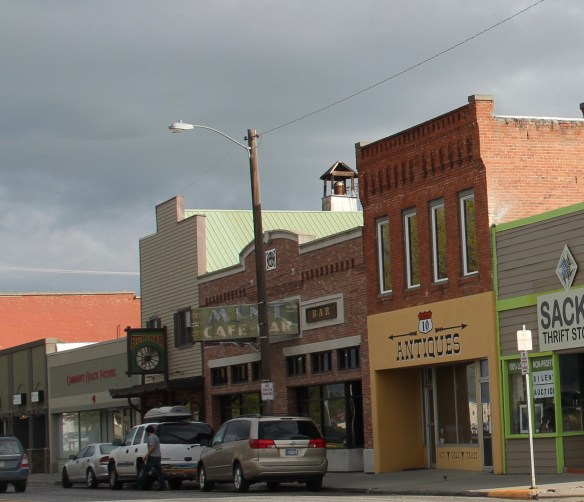
Belgrade, Montana.
Let’s first just look at and recall Montana’s Mint Bars–they are in every region, and to every taste. Why so many mints–this is far from Mint Julep territory of Kentucky and Virginia. Who cares–I never found one that wasn’t welcoming, and fun.
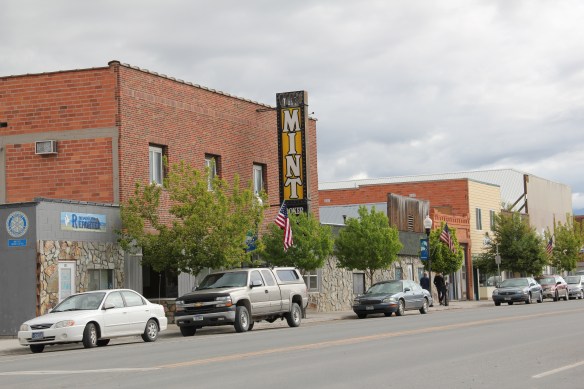
Townsend, Montana.

Libby, Montana.

White Sulphur Springs, MT.


The Mint Bar in Livingston, above, remains one of my favorite of the “brand” and is part of the downtown Livingston historic district.

Martinsdale–maybe why I like U.S. 12 is that it has 3 Mint Bars.


The rejuvenation of the Mint Bar in Lewistown, above, is a very pleasant change over the last thirty years.
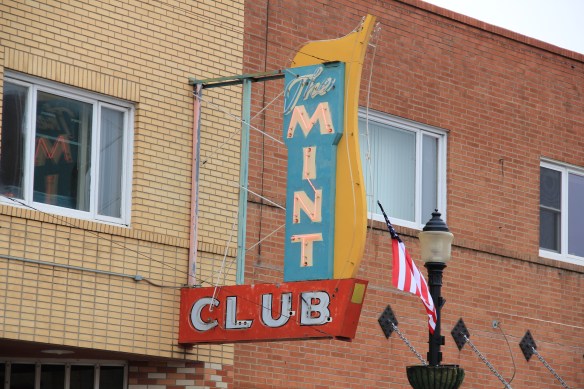
The Mint in Shelby is just one of the classic bars along the town’s main street.

Always a fan of the Mint Bar in Big Sandy.
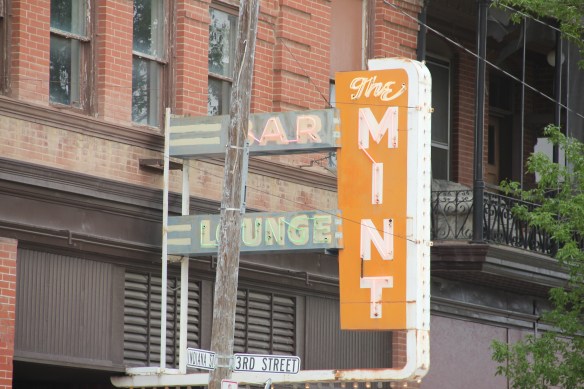
Chinook, MT, part of the National Register-listed Lohman Block.

Opheim, Montana.

And last, but not least, the Mint Bar of Froid, up in the northeast corner of the state, in Roosevelt County. Why I like Froid so much, I cannot explain, but I always like going there.
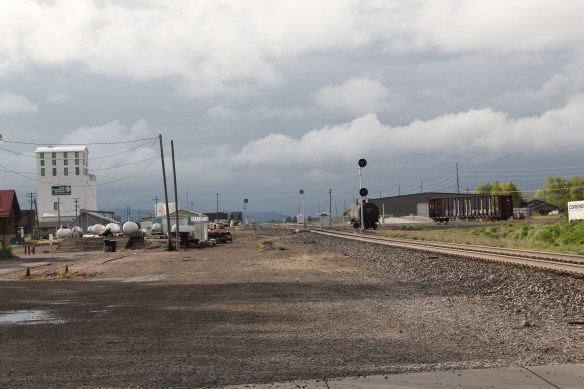 From 1983-85 Belgrade became one of my favorite Northern Pacific railroad towns. Often I would leave the interstate here, stop at truly one of the great small town bars/cafes along the town’s railroad corridors, and then travel on old U.S. 10 (the town’s Main Street) on to Manhattan, Logan, and Three Forks before popping up on US 287 and continuing to home in Helena.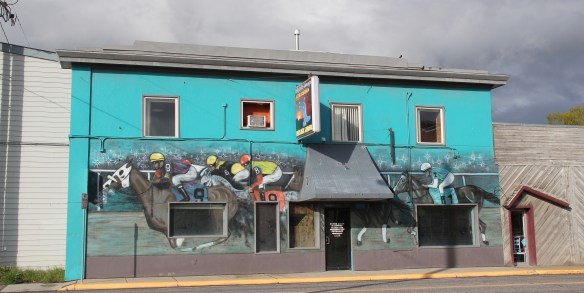

 Despite the boom, several landmarks remain. The Belgrade Community Church, built in 1904 as the town’s Presbyterian church, served in the 1980s as a joint church building for both the town’s Presbyterians and Baptists. This impressive Gothic Revival building had received several updates and additions in the mid-1970s. It became the Community Church in 1992 as the Presbyterians left and the American Baptist Church took over sole control of this historic church building.


 Montana's Historic Landscapes