Town Signs along U.S. Highway 2

Image

Town Signs along U.S. Highway 2

Another pattern I look forward to exploring along US Highway 2 this summer are the many town signs that greet you or lure you off the highway into the small towns along the corridor. The penguin at Cut Bank plays into the older tradition of the town being mentioned in national weather news as having the “low tonight is in Cut Bank, Montana” since its old air base there meant that its temperature got out into the larger news feeds of the wire services. It stands at the fork of old US 2, which passed through the heart of town between the courthouse and Great Northern depot, and a later “bypass” US 2. Few signs along the Hi-Line are so catchy as the Cut Bank penguin–but to the east in North Dakota and Minnesota are numerous giant signs–from buffalos to Paul Bunyon–so well discussed years ago by Karal Ann Marling.

Big Hole national battlefield

Image

20130421-214244.jpg

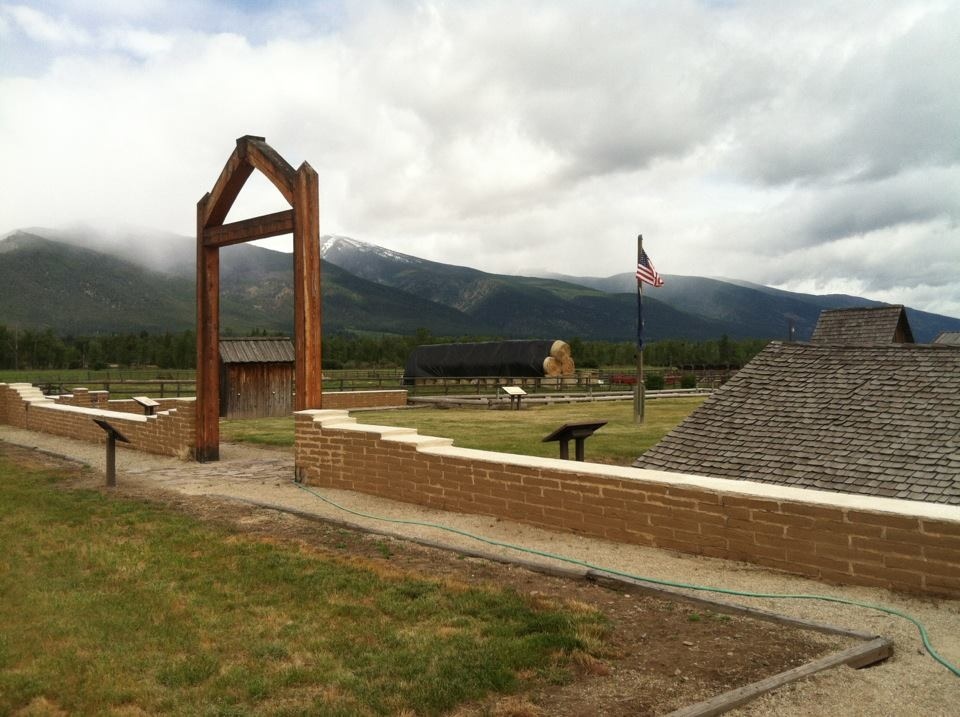
On the Hi-Line fieldwork next month, another major theme will be Chief Joseph and the Nez Perce Trail, since the Bear’s Paw battlefield is in the region. Certainly the new visitor center and the outstanding Nez Perce-centered exhibit at Big Hole were unexpected surprises. You wish all battlefields were interpreted in such “whole story” ways. Last Memorial Day weekend it was cold and windy at Big Hole, an appropriate setting for such a somber and sad place.

Daniels County Courthouse, February 1984

Image

Daniels County Courthouse, February 1984

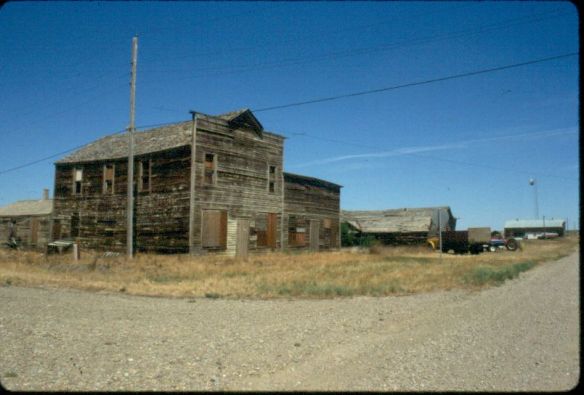
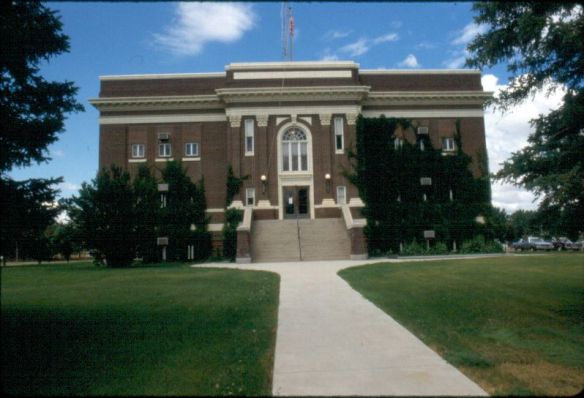
One of the major goals of my work is to document, and then interpret, change in the state’s built environment. Here is the Daniels County Courthouse in Scobey from 1984. It was then a false front frame building that met community needs but even then it seemed a relic of the early homesteading boom in northeast Montana. The new 21st century oil boom is reshaping this region, at some towns, rather quickly. What has happened to the courthouse, and to Scobey? I will know in a little over a month.

Montana and the New Deal

Image

20130419-055645.jpg

In late May I will be returning to one of the New Deal’s most famous projects, the mammoth Fort Peck Dam on the Missouri River. But the New Deal left an imprint of the public landscape all over the state. Here is the community hall at Avon, a beautiful log building that still carries out its original function. Note the concrete pillars for the log columns–they spell out “1941”.

Izaak Walton Inn, Essex

Image

Izaak Walton Inn, Essex

This wonderful Great Northern Railroad bunkhouse, office, depot, etc., was one of the first National Register nominations I worked on in the Montana SHPO in 1984. Then it was a tricky nomination since the building was not 50 years old, and Marcella Sherfy and Pat Bick asked me to take a look. Glad they did since the one building codified community for Essex–it was literally Essex in its historic era. The property has changed, with new buildings added around it and an entire railroad vibe created, in the last 30 years. Assessing the significance of these changes will be both the challenge and the fun part of the fieldwork from 2012-2014.

Riverside motel, Ennis

Image

This bit of roadside architecture is just the proverbial tip of the iceberg. SHPO back in the day listed a National Register Multiple Property Nomination for US Hwy 2 but much work remains done. The heritage development potential of these pre-chain lodging places is considerable. The dedicated heritage tourist often prefers these well located motels– this one leaves you in easy walking distance to Ennis Cafe (a classic in itself), shops, and bars–and price is no where near the more famous lodges in the vicinity. Certainly heritage tourists prefer them to the chains that have multiplied across the state.

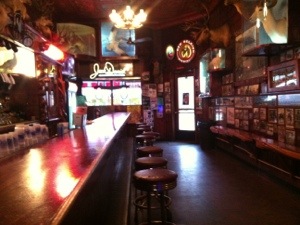
Oxford Bar, Missoula

Image

20130416-074730.jpg

Two people asked yesterday, what about the Ox? In may 2012, the streetscape outside had changed but little in the interior. Still a mixing place for residents, students, and people passing through. But the barkeep related that fewer students come than in the past–she opined that it was a bit too rough and mixed for them. Certainly Missoula has many new places for students, brewpubs and taprooms seemed to be all over the Higgins area.

John F. Kennedy School, Butte, May 2012

Image

John F. Kennedy School, Butte, May 2012

Modernism is another key theme for the work in 2012-2014. I explored this a bit in 1984-1985 but today, in the 21st century, buildings like this public school, with its multi-color panes and stilts strike you as emblematic of the era of the early 1960s. The boom in Butte had reached new heights, and growth still seemed unlimited as long as you were willing to sacrifice community for huge holes in the ground like the Berkeley Pit. Few guessed that the boom would not even last another generation.

Double Front, Missoula

Image

20130415-062012.jpg

Another trend I noted in 2007-8 is the unintended consequences of historic preservation. The older downtown core of Missoula is a different place with the streetscape improvements and reinvestment in buildings. A degree of authenticity is lost at a place like the Double Front. Chicken is still great, but a more suburban look to the exterior and interior masks the tavern’s original grittiness and railroad corridor location