John C. Paulsen, Montana architect

One of the most important late 19th century architects in Montana was German-born and -trained John C. Paulsen (1853-1897). He arrived in Helena in 1887 and soon joined with contractor Noah McConnell to establish the firm of Paulsen & McConnell, which existed until its dissolution in 1891.

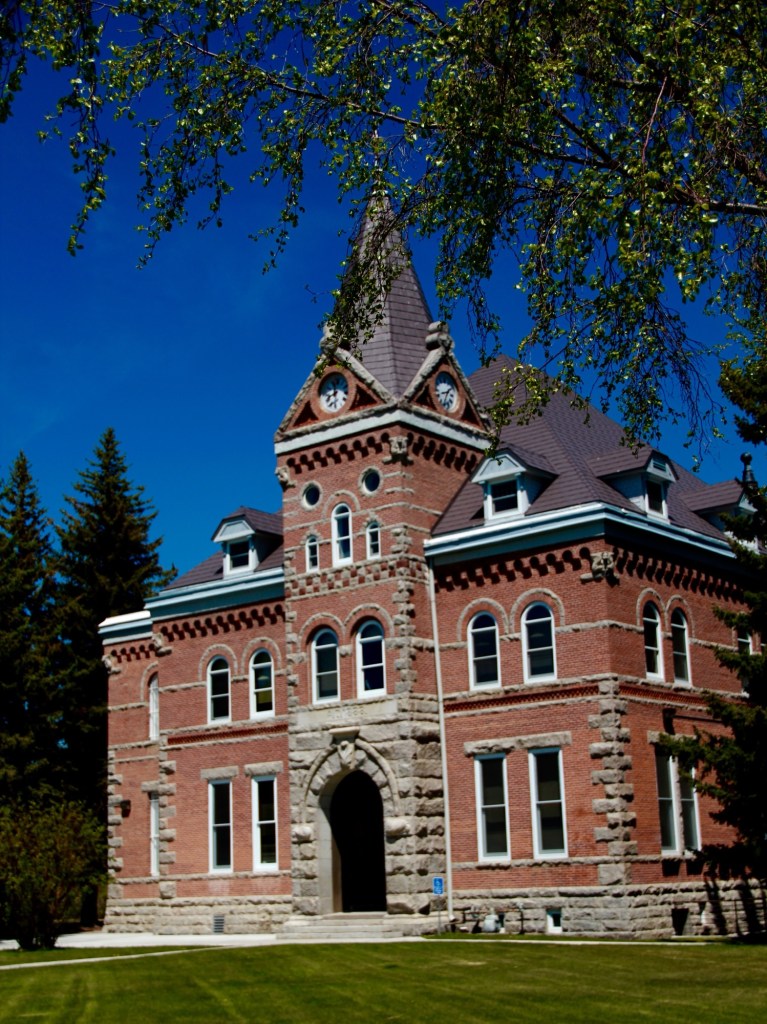
One of the firm’s early commissions, the Jefferson County Courthouse in Boulder, enhanced its reputation for public architecture. its stately mix of brick and stone, dominated by a central tower with a commanding arch entry makes it one of the state’s most impressive Late Victorian era designs.
The firm had many significant commissions for private homes in Helena in the years 1887-1890. A select few that are listed in the National Register of Historic Places are shown below:
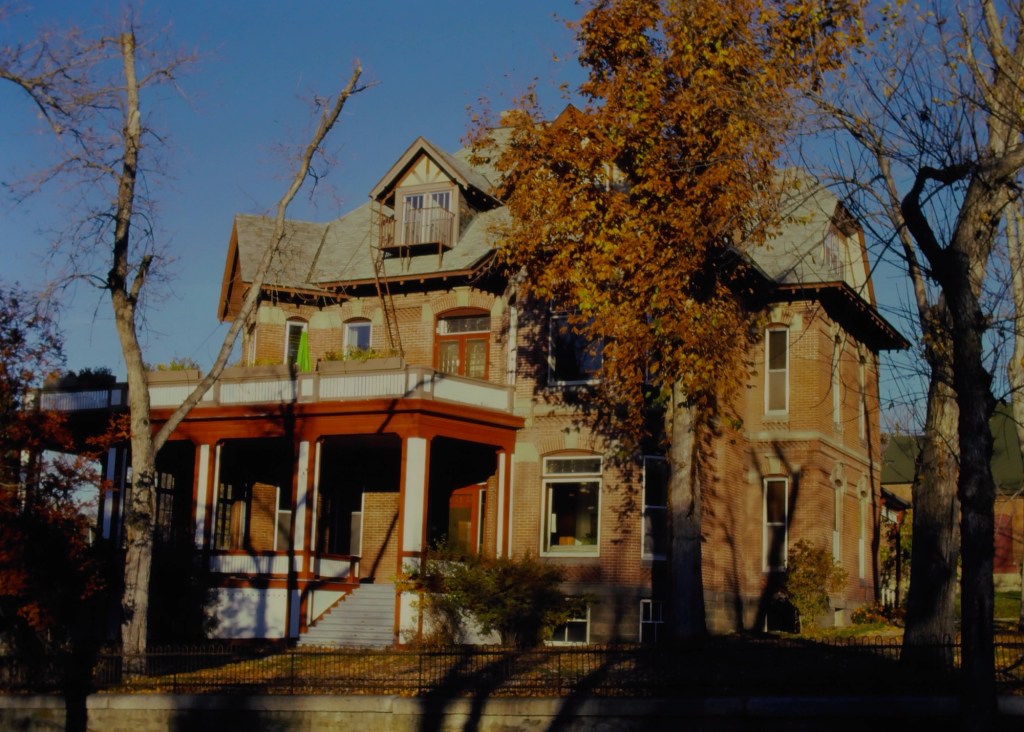
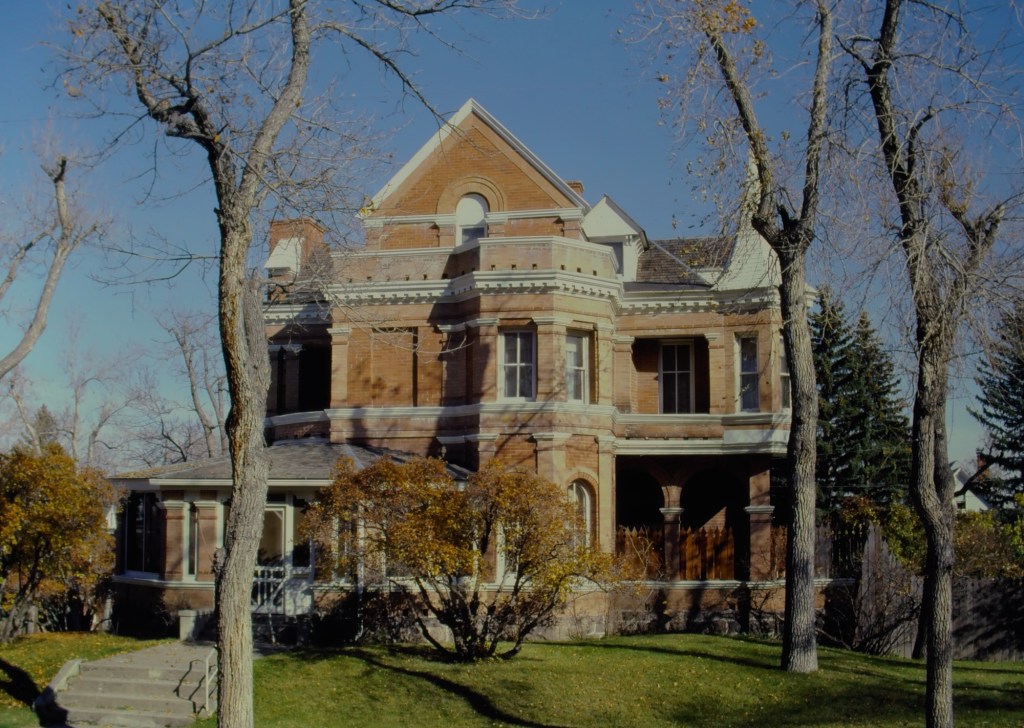
Sienna Hall, 1887 (1986 photo)
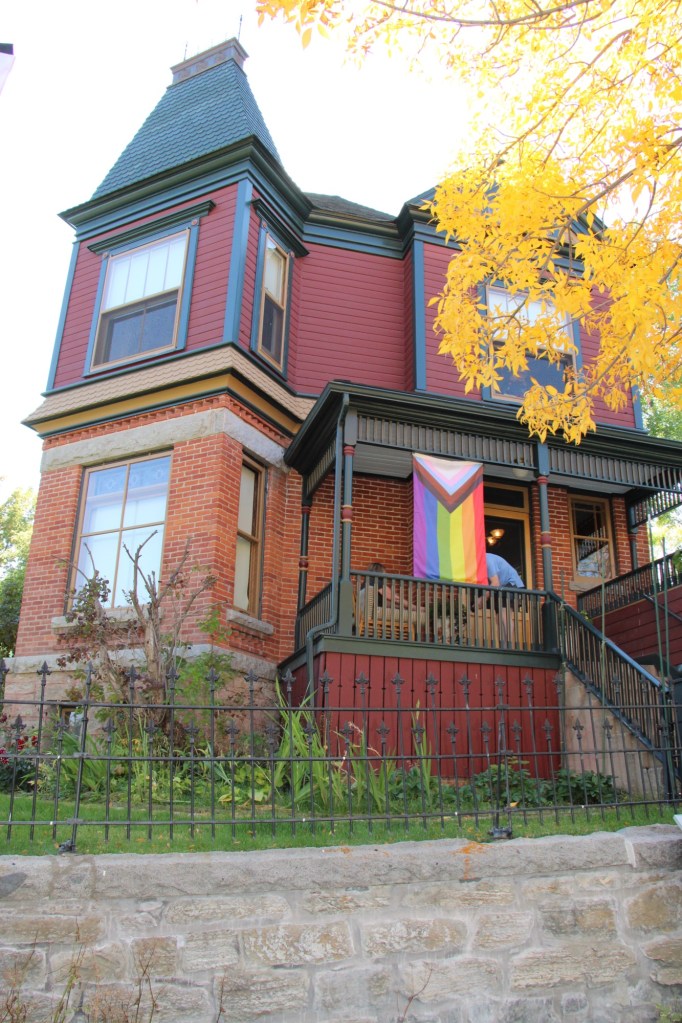
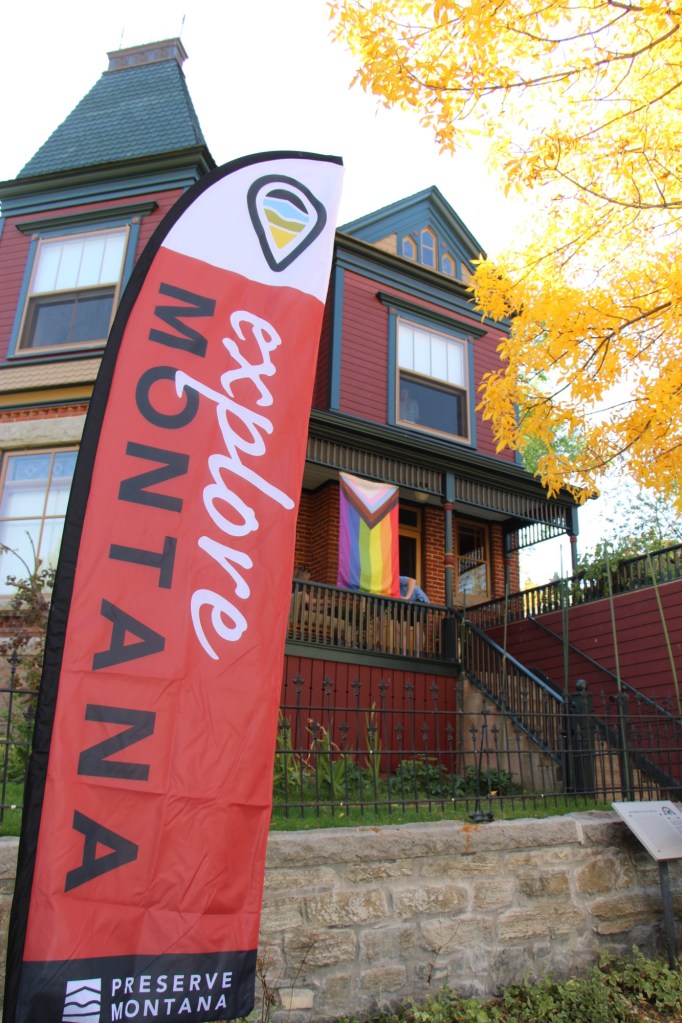
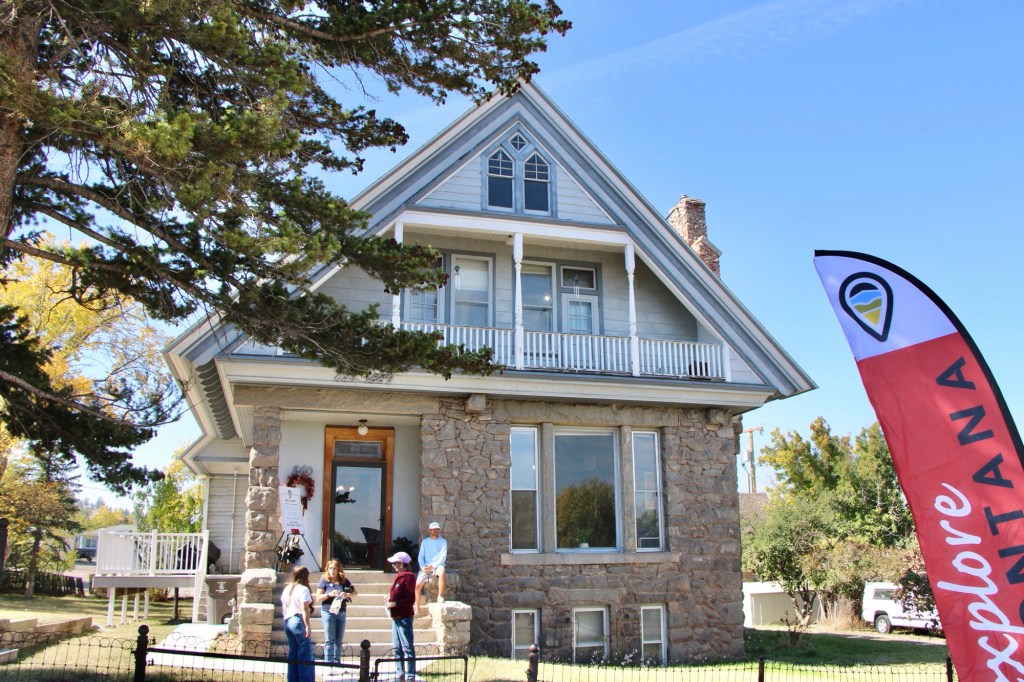
Spalding-Gunn House, 1888-1889, which was part of Preserve Montana’s 2025 Hidden Helena tour
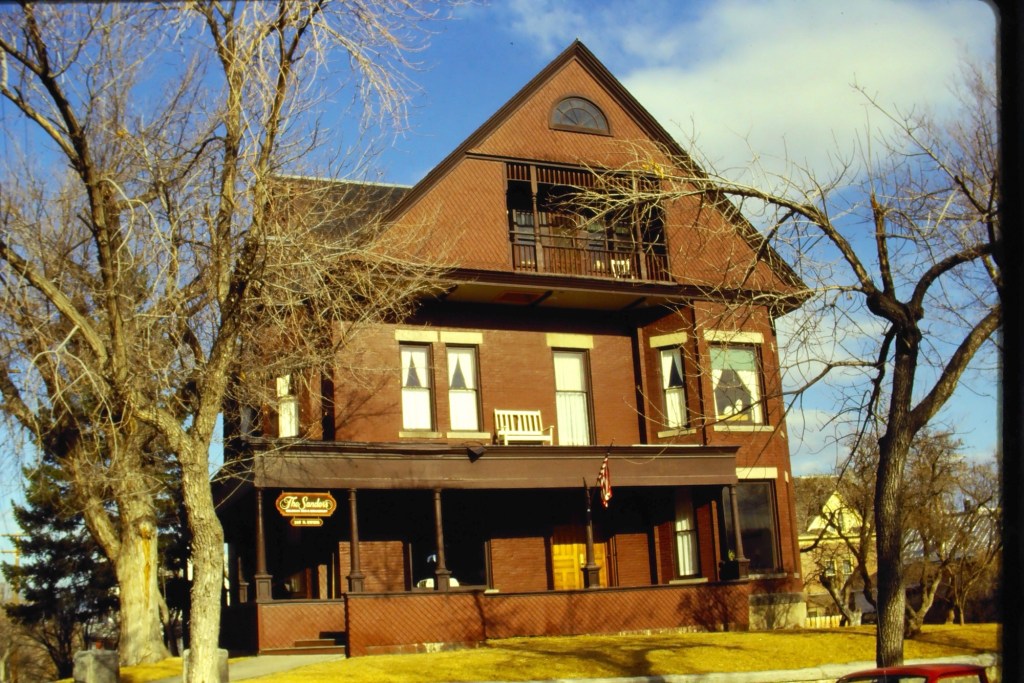
A remodel of the Wilbur F. Sanders House, c 1887 (1988 photo)
Neill House, c. 1888, remodeled significantly by Cass Gilbert, 1908 (1986 photo)
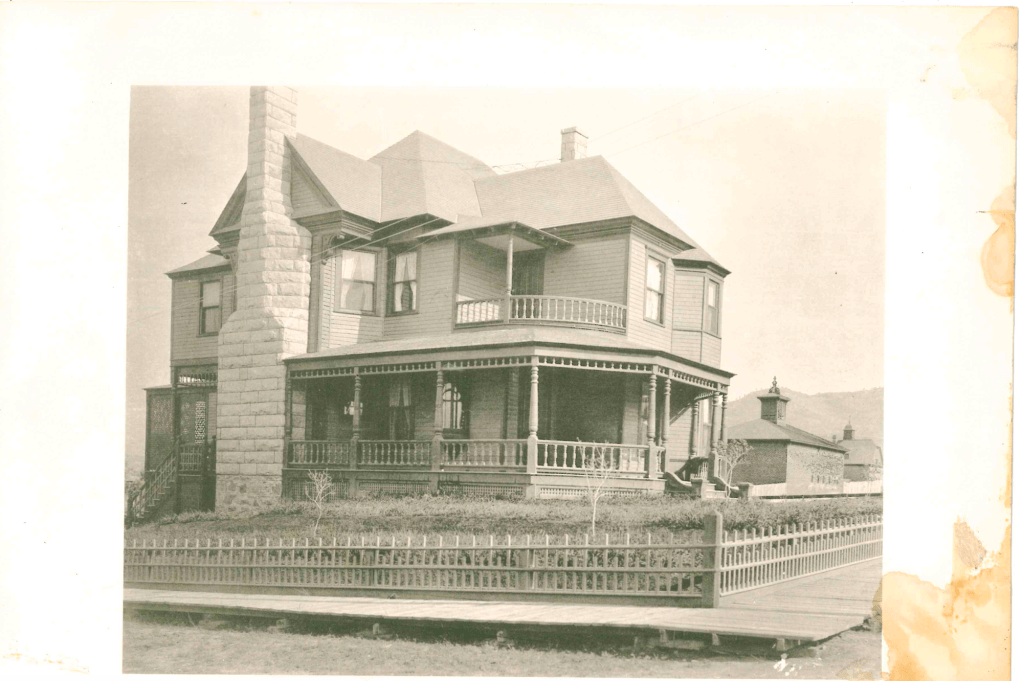
Image of Neill House before Cass Gilbert remodeling, image courtesy of P.L. Dean, Helena

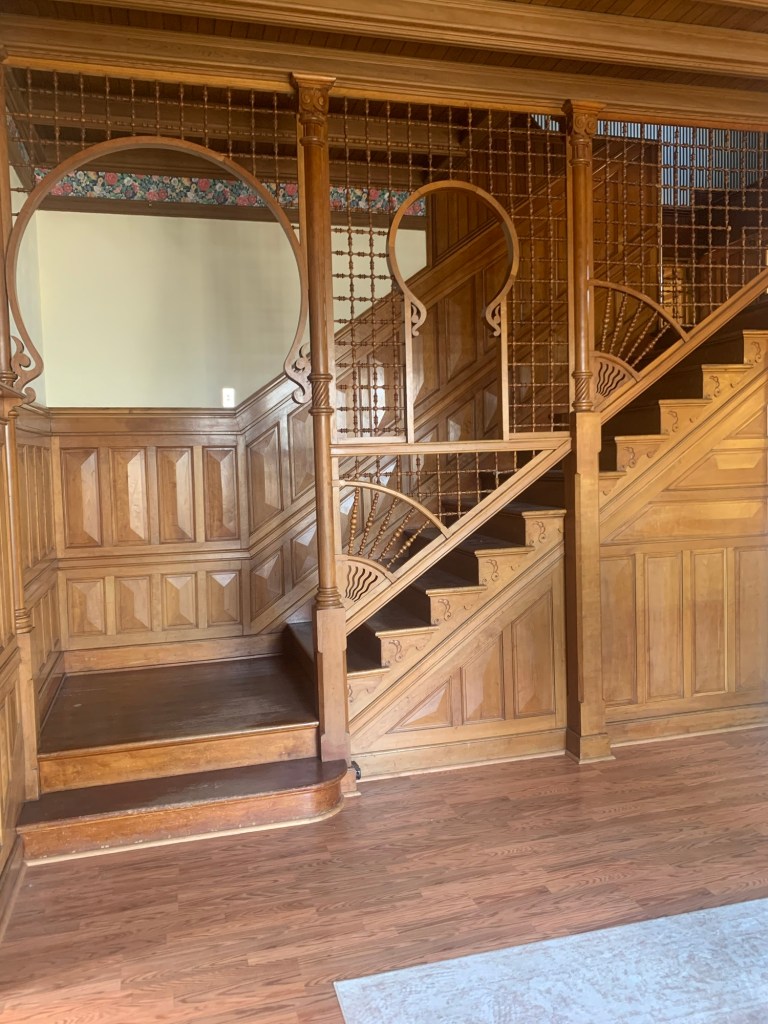
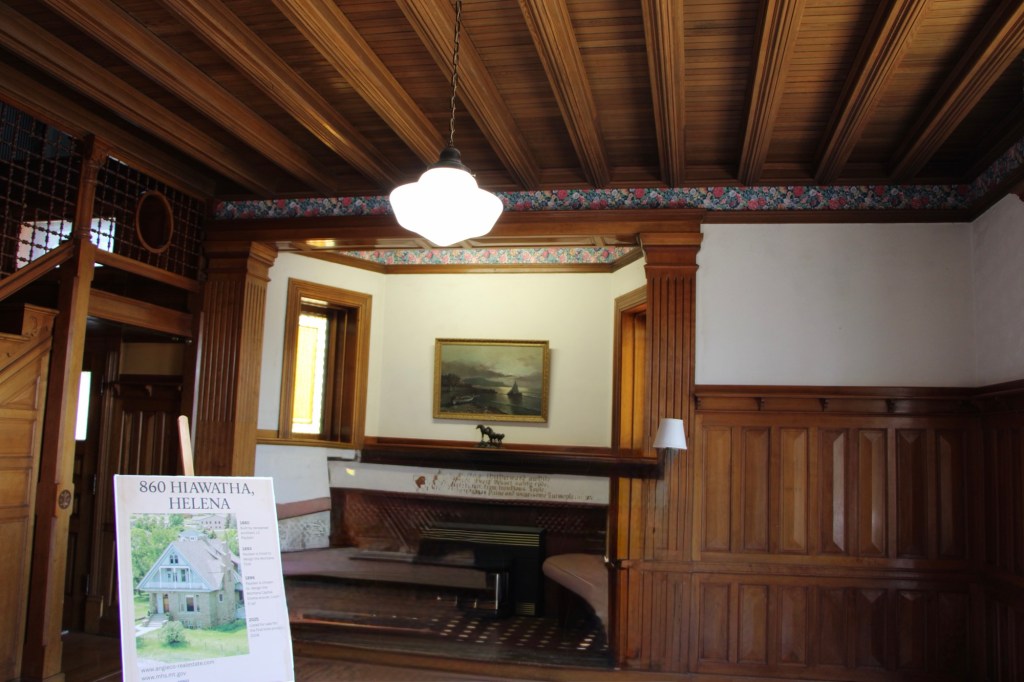
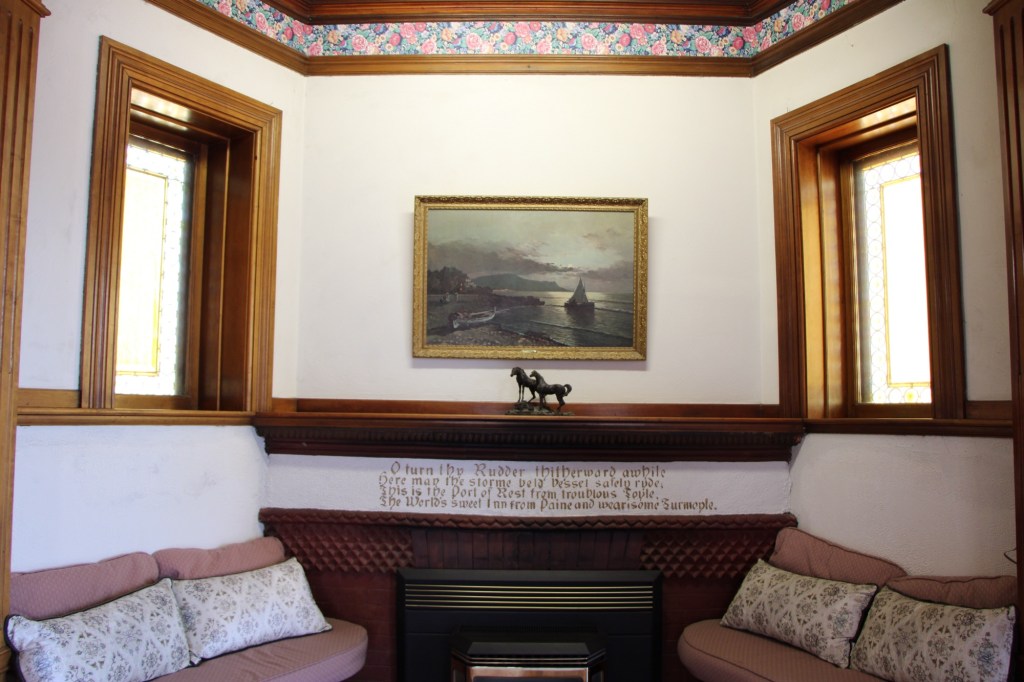
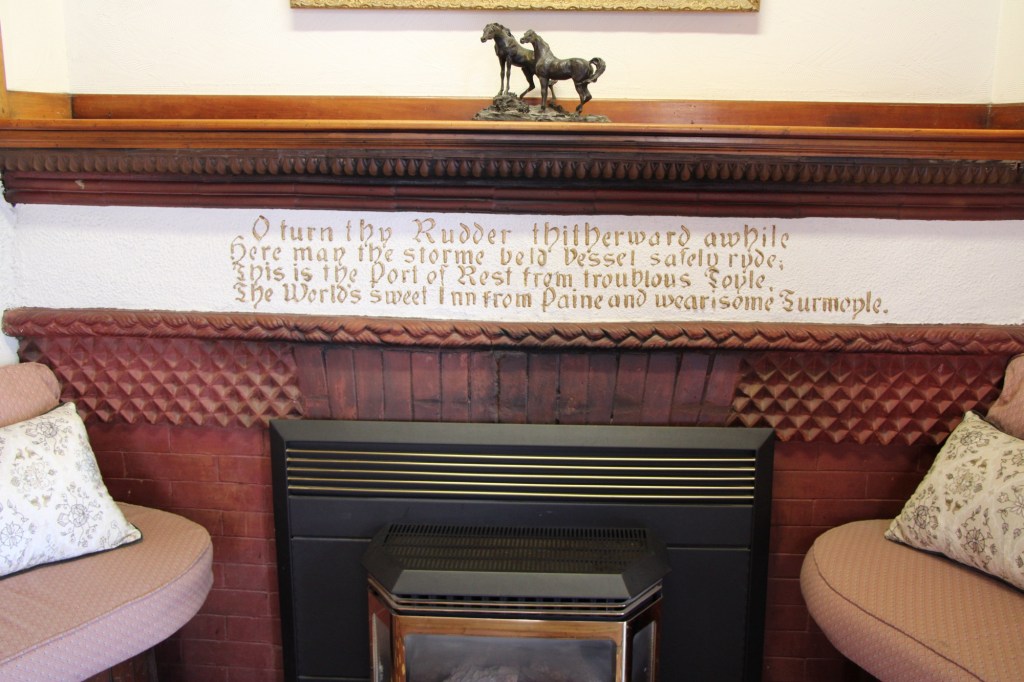
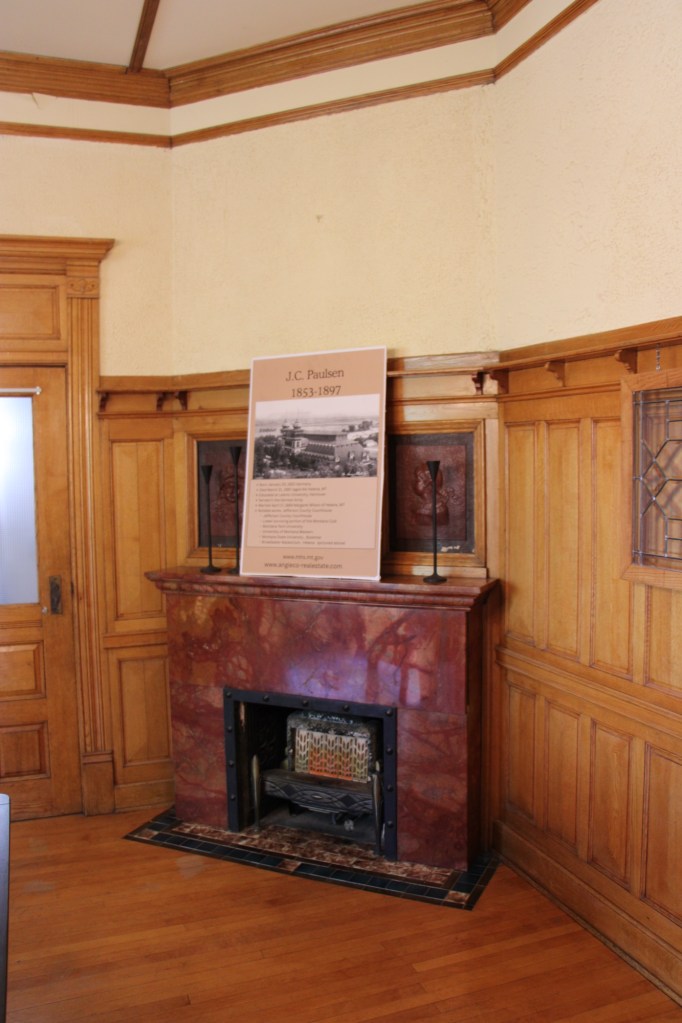
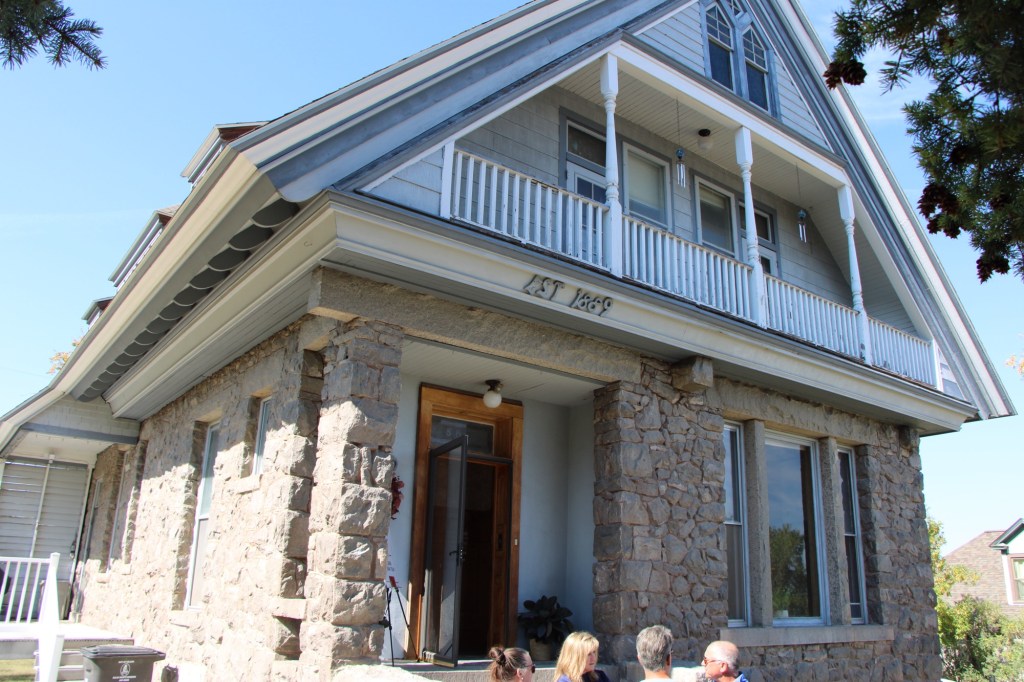
Perhaps most importantly there was Paulsen’s own home on the west side of town, which was built in 1889 and featured in the Hidden Helena 2025 tour. From the exterior the home doesn’t seem too splashy but the interior is one of the city’s best Arts and Crafts styled interior designs..
Another Helena landmark attributed to Paulsen is the Lewis and Clark County Jail, which was converted about 100 years later to the Myrna Loy Theatre.
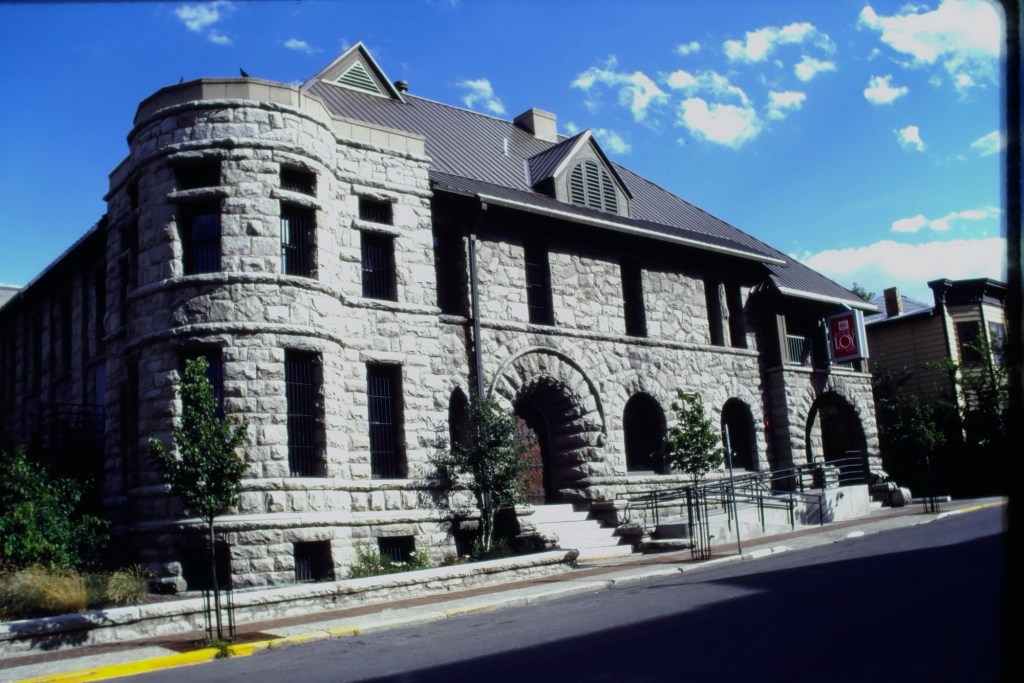
Lewis and County Jail (1996 image)

One of Paulsen’s commercial buildings in Helena still stands, altered at an unknown date, on east Broadway.
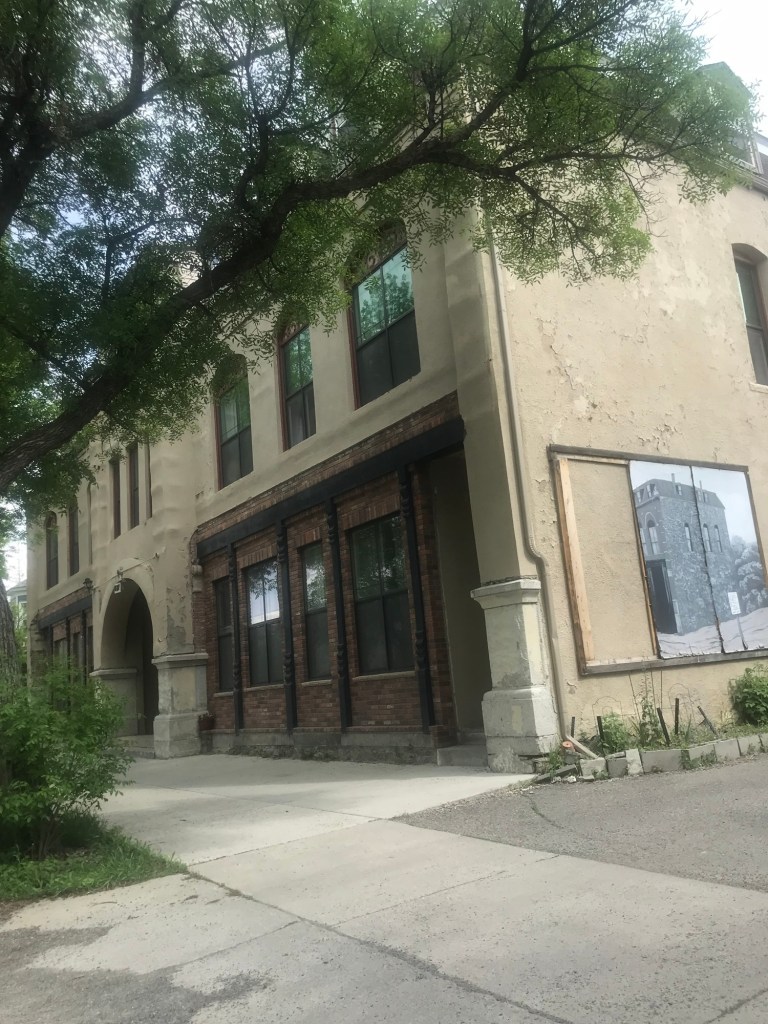
Image taken in 2018

With John Lavalle as a partner, Paulsen also designed the downtown Montana Club but after a fire and major redesign by Cass Gilbert, nothing remains of Paulsen’s design outside of some of the stone, perhaps, reused on the first floor.
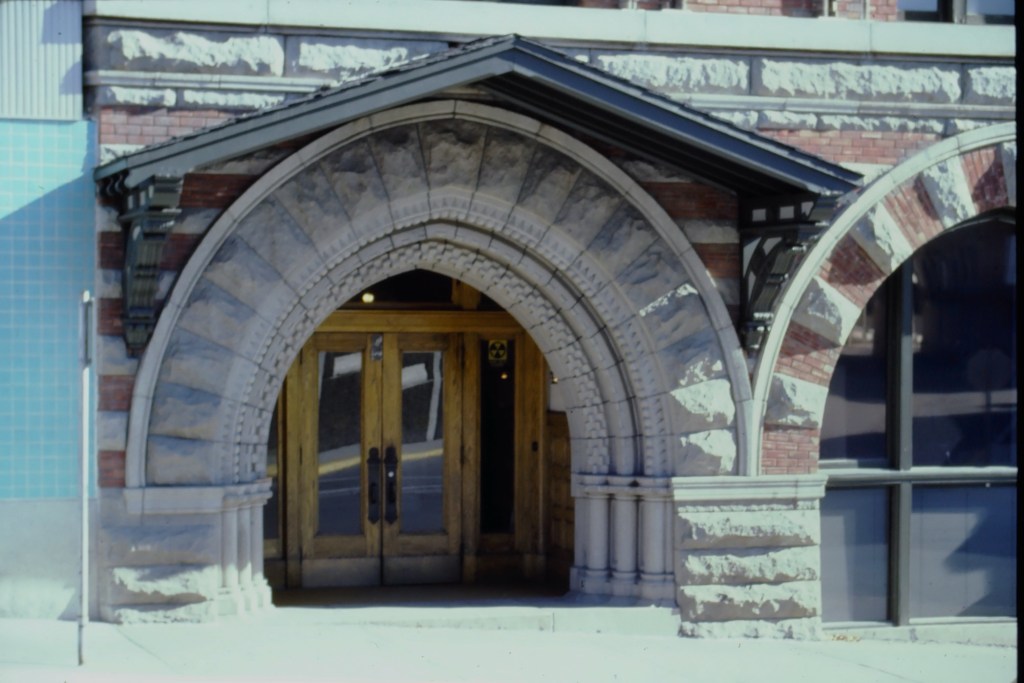
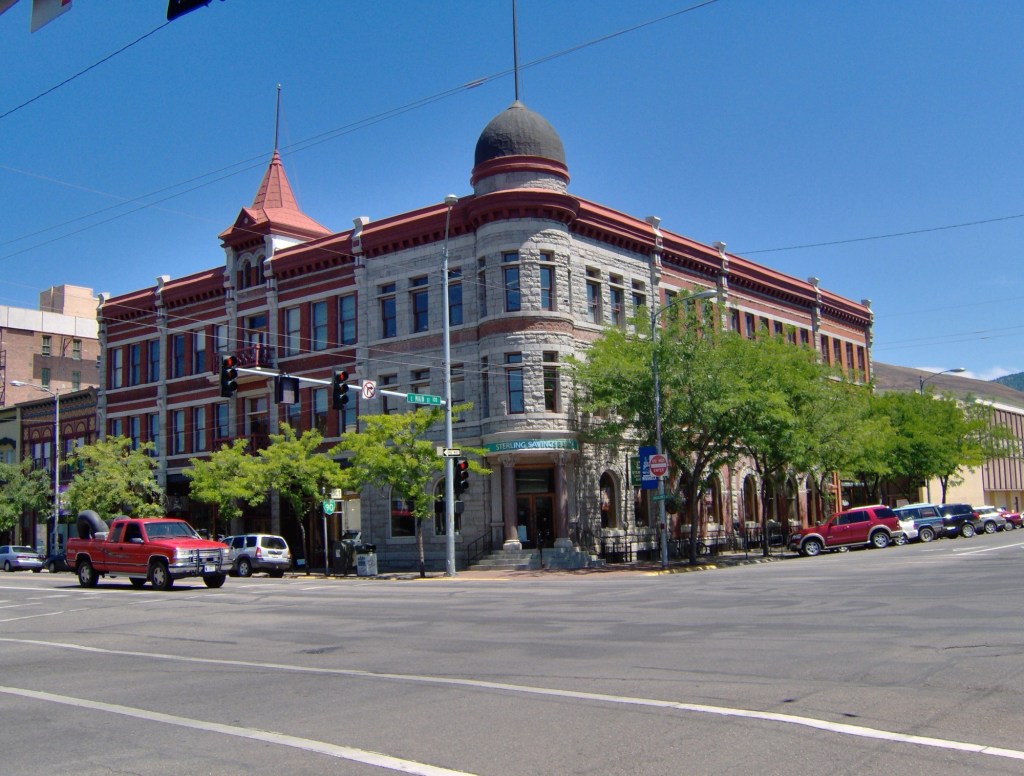
A much more intact example of Paulsen’s commercial designs is the landmark Higgins Block in downtown Missoula, another National Register building associated with Paulsen’s work.
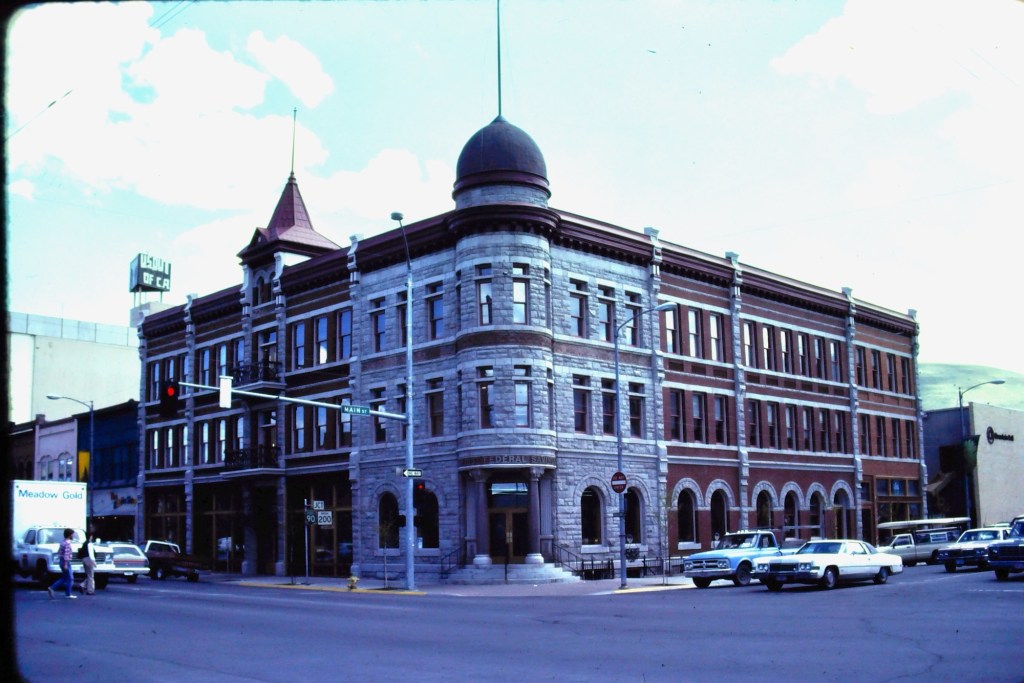
Higgins Block, c 1986 image
Higgins Block, 2006 image

In 1895, Paulsen was appointed State Architect and several of Montana’s best known turn of the 20th century public buildings are from his designs.

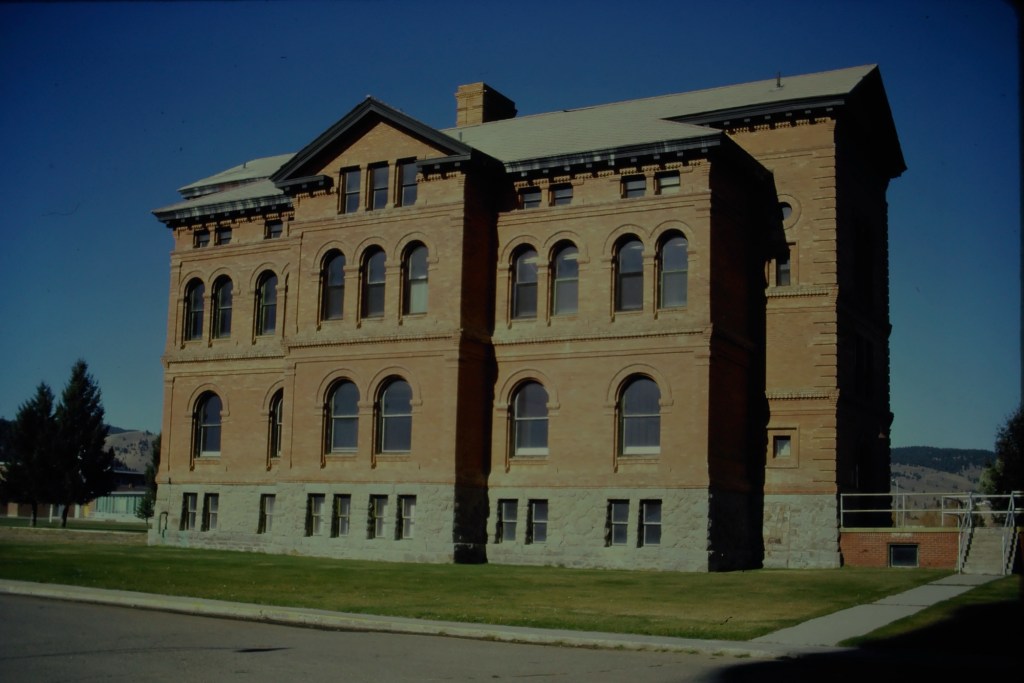
First the Montana Deaf and Dumb Asylum in Boulder (images from 1986 to 2021):
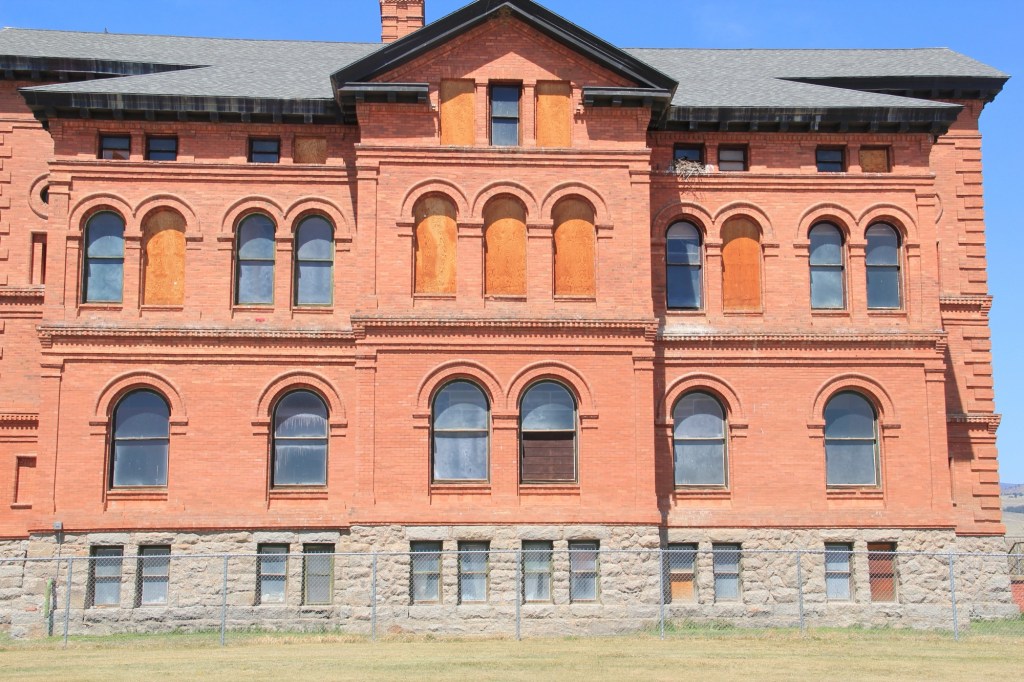
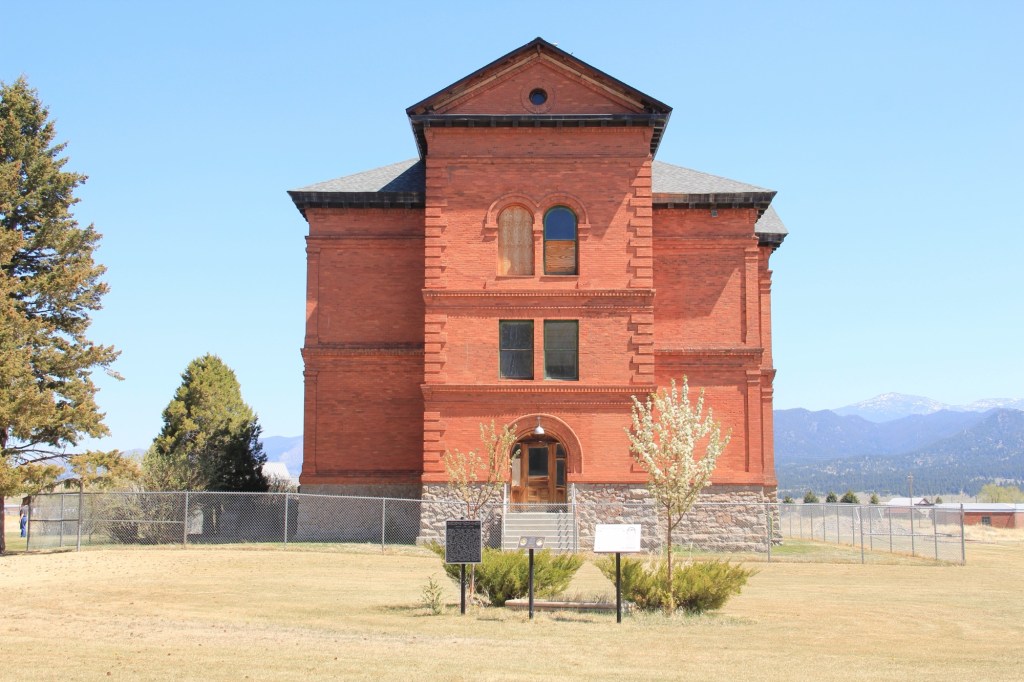
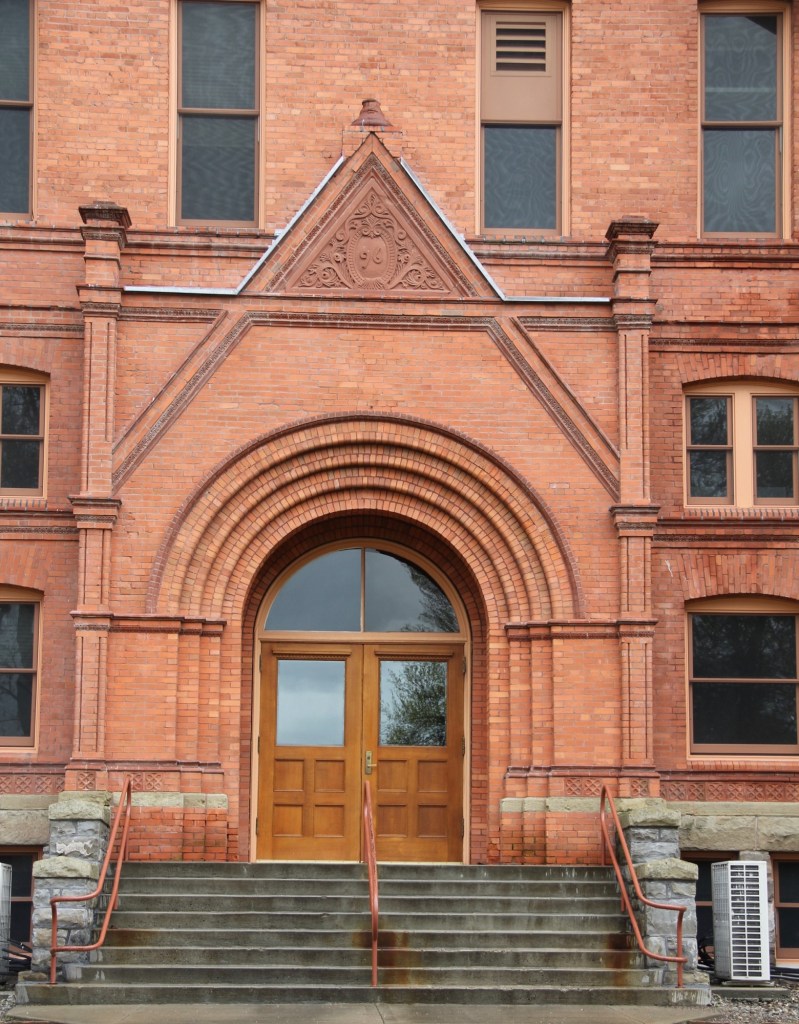
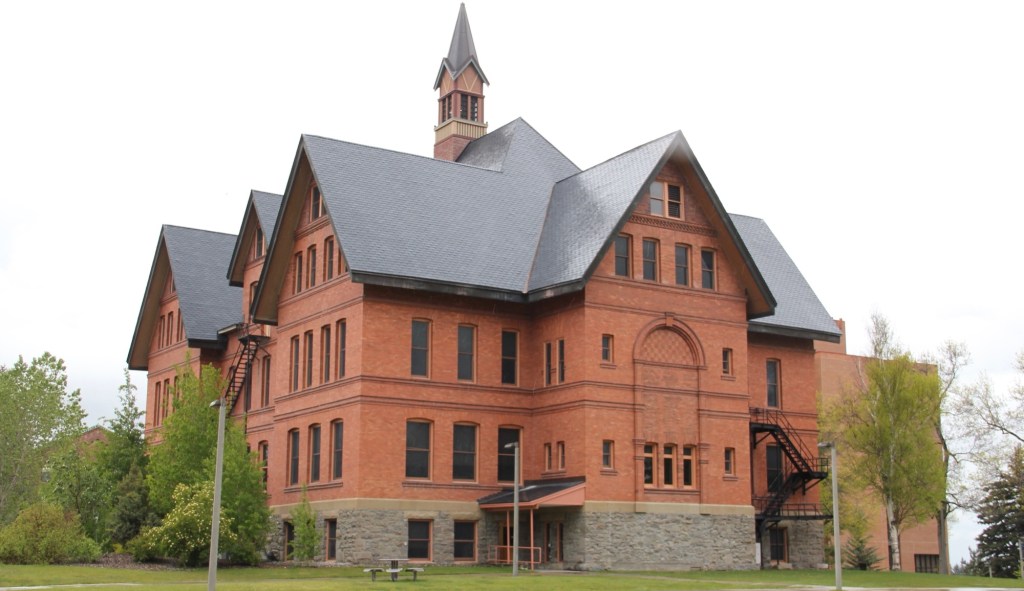
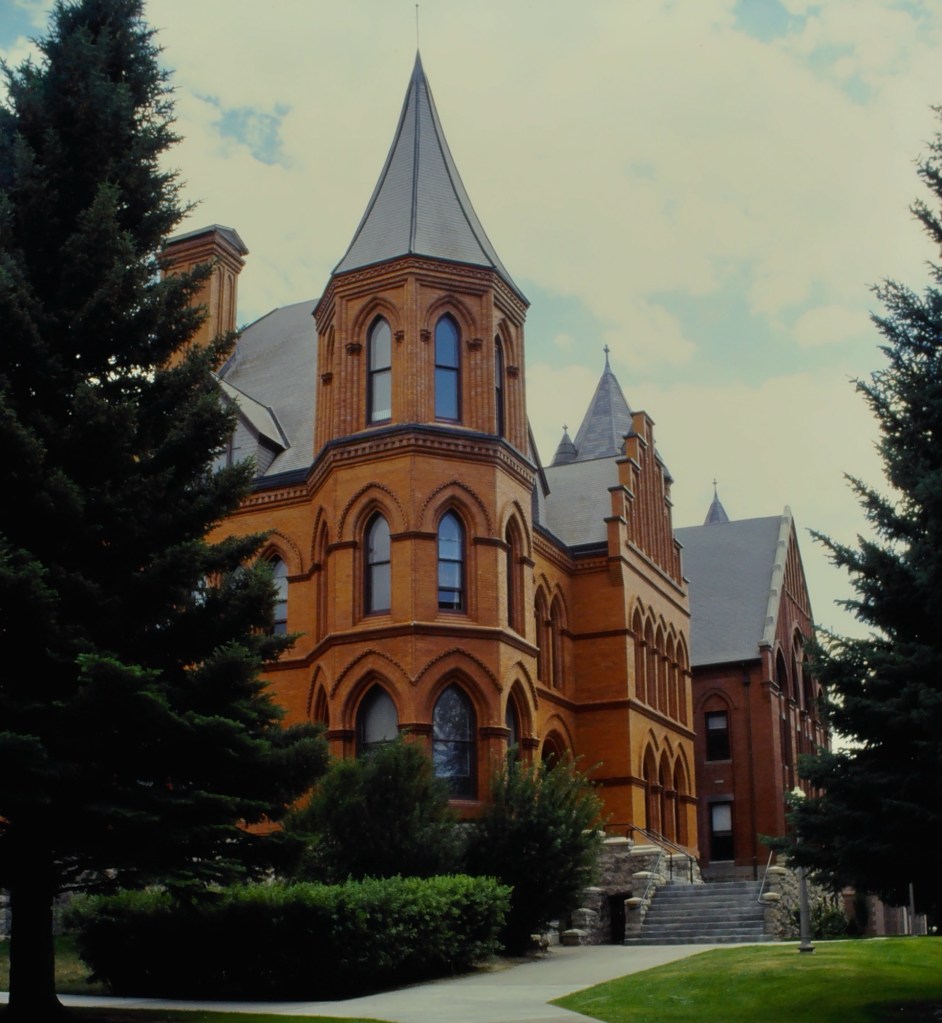
One of my favorites, the original building for Montana Western College (now Montana State University Western) in Dillon:
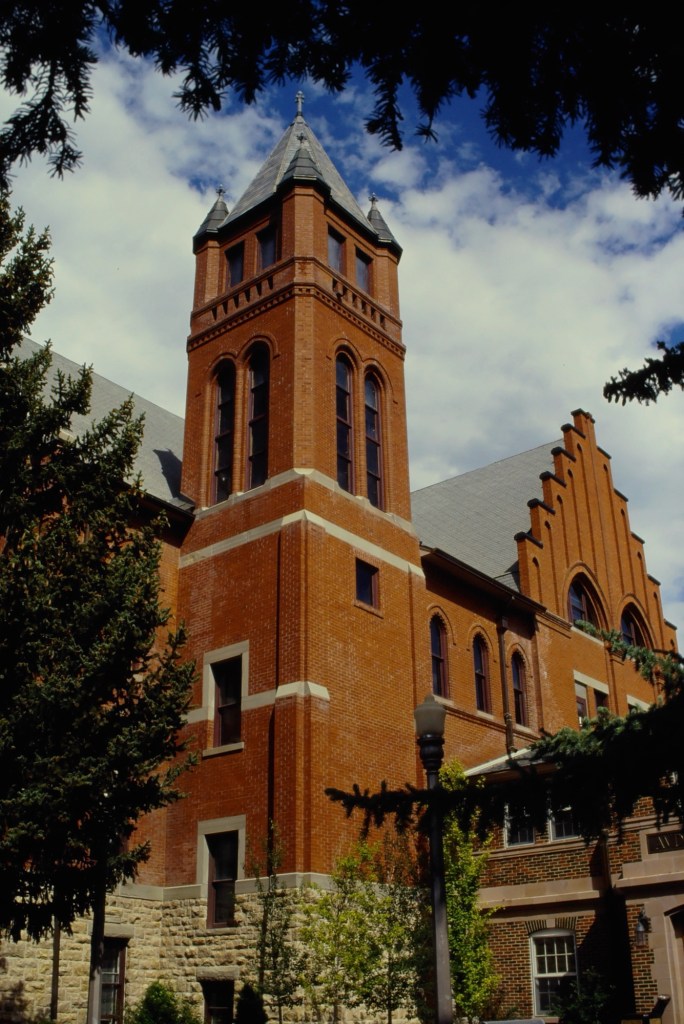
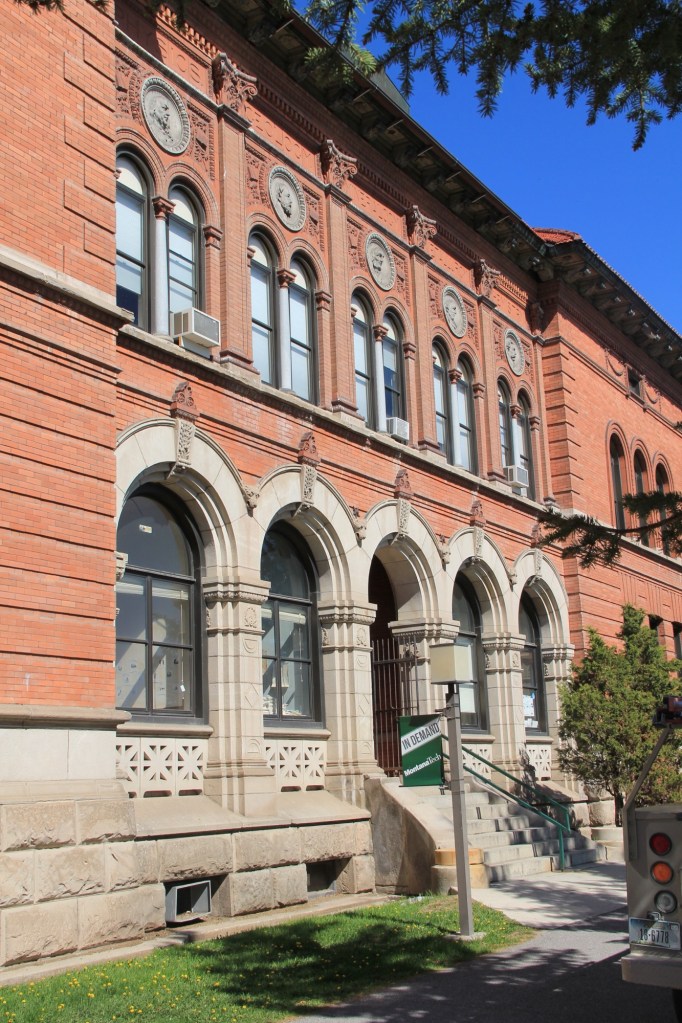
The Butte landmark Main Hall at Montana Tech University
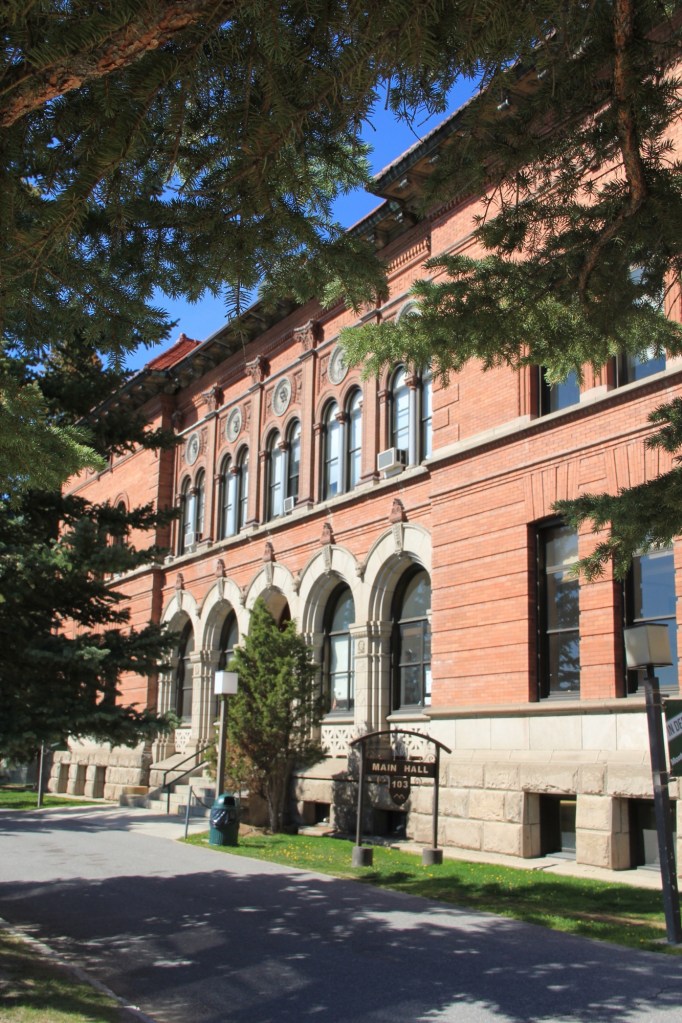
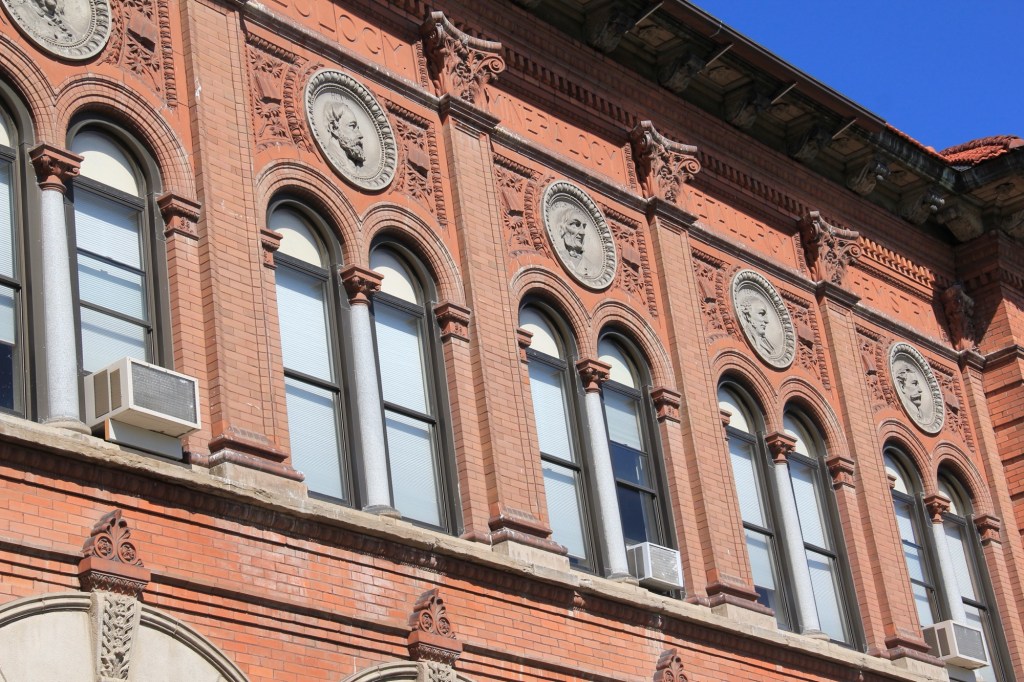
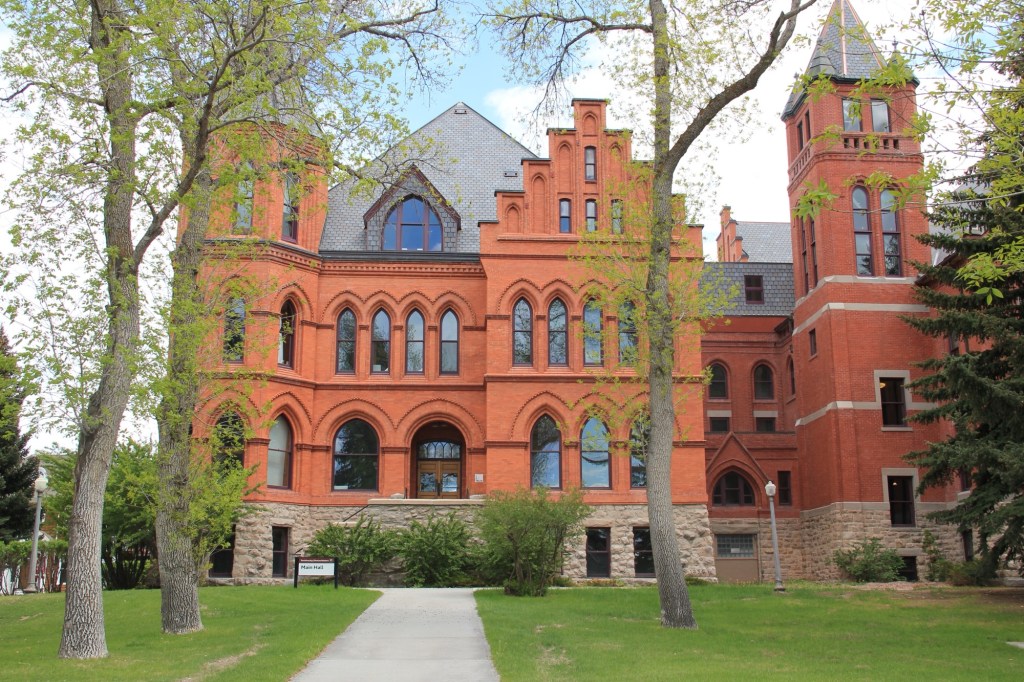
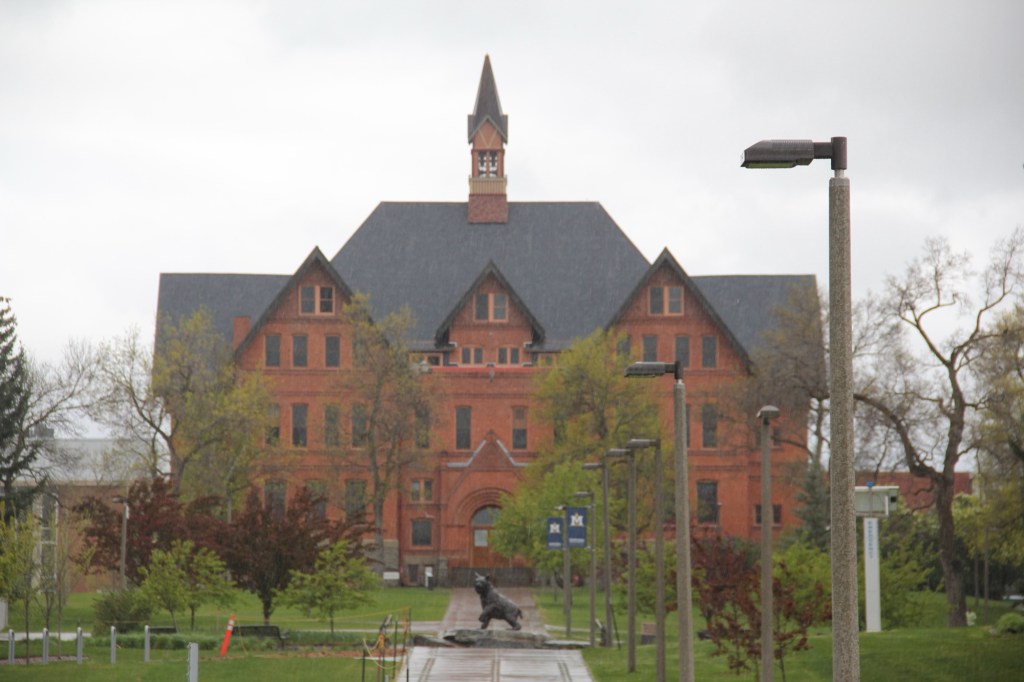
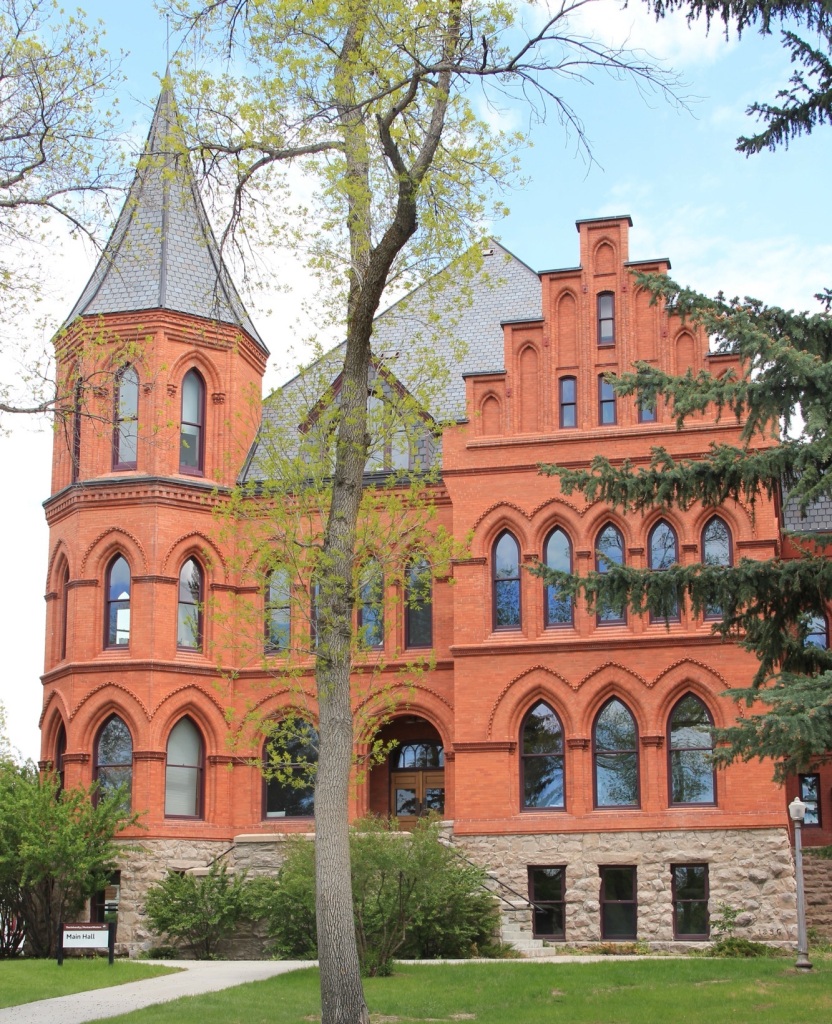
And Paulsen’s best known building, the iconic Main Hall of Montana State University in Bozeman.
Paulsen’s career became mired in controversy over the design of the new state Capitol building in Helena. After grand jury investigations in 1897 Paulsen allegedly had a nervous breakdown that led to heart complications and he died in Helena. Yet his late Victorian designs for many home and public buildings remain as a reminder of his imprint on the state’s built environment.

Education Legacies in Beaverhead County: Historic Buildings of University of Montana Western

Dillon is one of my favorite towns in western Montana, and a big reason why is the university. It’s a beautiful campus, donated by the Gothic Revival style of Main Hall (1895-1897), designed by John C. Paulsen.

I’m a huge fan of Paulsen’s with across late 19th century Montana and Main Hall of what was originally the Montana State Normal School is one of his best designs.

With the homesteading boom of the early 20th century, the college began to expand. Its name changed to the Montana State Normal College in 1903, and soon thereafter the one huge building was not enough. The state made the first addition in 1907, which included an auditorium.

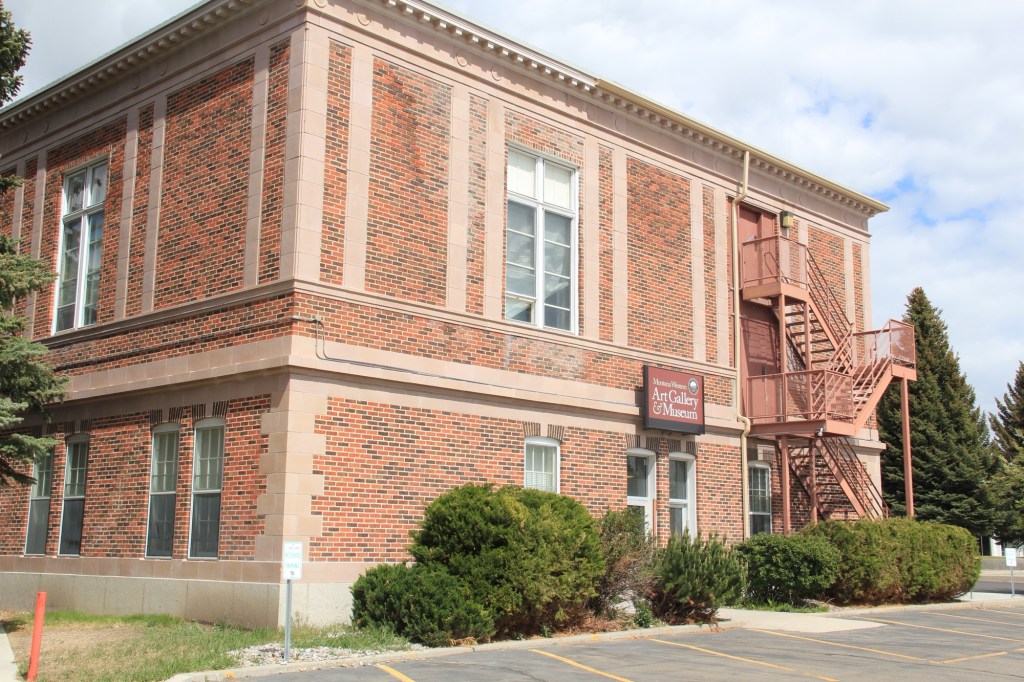
Soon another building was added and a long rectangular, quasi Craftsman style wing was built to hold more classrooms. if I read the internet sources correctly, Billings architect Charles S. Haire was the designer, but the completion of the building was delayed by a constitutional challenge to its funding.

The university art museum ended up in this wing

Despite the funding controversy, the college continued to grow from 780 students in 1910 to about 1800 in 1920.

Matthews Hall, a classically inspired, yellow-brick building, was a residence hall constructed to help meet women student enrollment in 1919. The dining hall in a more Colonial Revival style came along a couple of years later in 1921.

With the construction of a new gymnasium and classroom building (later Business and Technology) in 1924, the first generation of growth at State Normal College came to an end.

The modern era introduced an entirely new architectural vocabulary to the college. The college became Montana State Teachers College in 1931 and then Western Montana College of Education in 1949. The student union building dates to that era and was built in 1958.

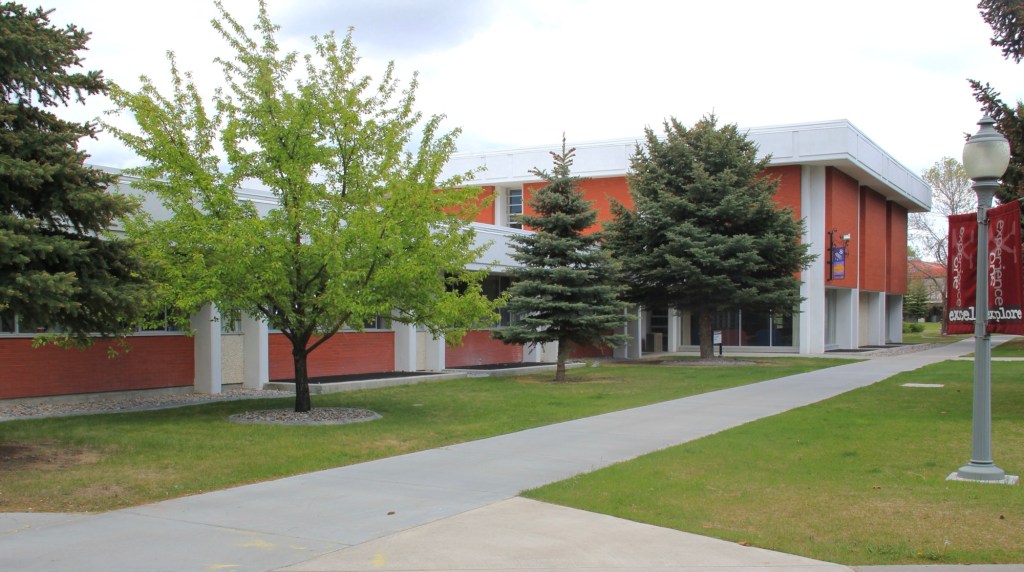
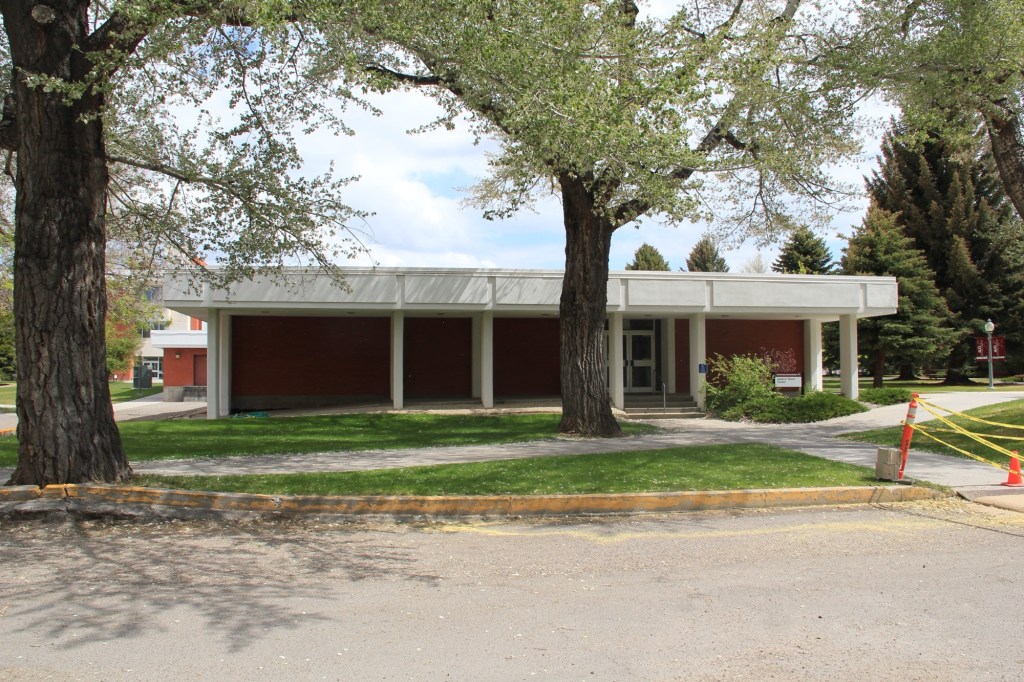
Once the institution became Western Montana College in 1965 and started to expand its curriculum, new buildings were a must. The James Short Center and the Lucy Carson Library came in 1969.

Short Center
Carson Library

Then in 1971 came my favorite, Block Hall. Named for science professor Daniel G. Block, the building gave the college modern labs and led to expansion in the college’s environmental studies program.

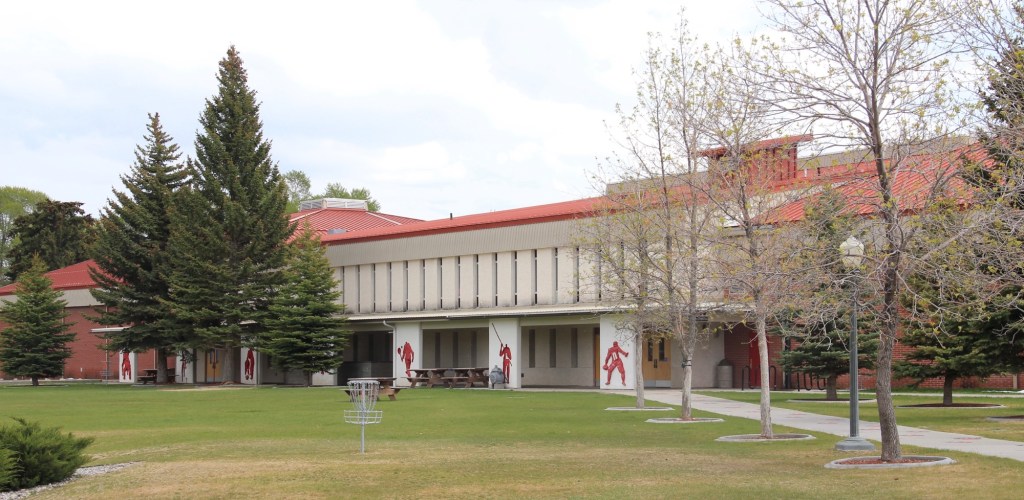
In 1988 the college again changed names to Western Montana College of the University of Montana and with the turn of the 21st century it changed for perhaps the final time as the University of Montana Western. Two buildings belong to this past generation of development, the Bulldog Athletic and Recreation center and the Swysgood Technology Center, finished in 2001.

BARC building
Swysgood Center

One other building joined the campus before the end of the twentieth century, and did so in a very roundabout way. Edward and Effie Roe established a large ranch in the Clark canyon area of Beaverhead County. They built a two-story Colonial Revival ranch house. By the 1990s no one lived in the house but media baron Ted Turner owned the ranch. He gave it to the college if the college would move it—28 miles to Dillon. The move took place in 1998 and then the college restored it as offices, with further donations from the Roe family.

The Montana Western campus is a jewel in the state’s public architecture. Dillon is so lucky to have to be its home.