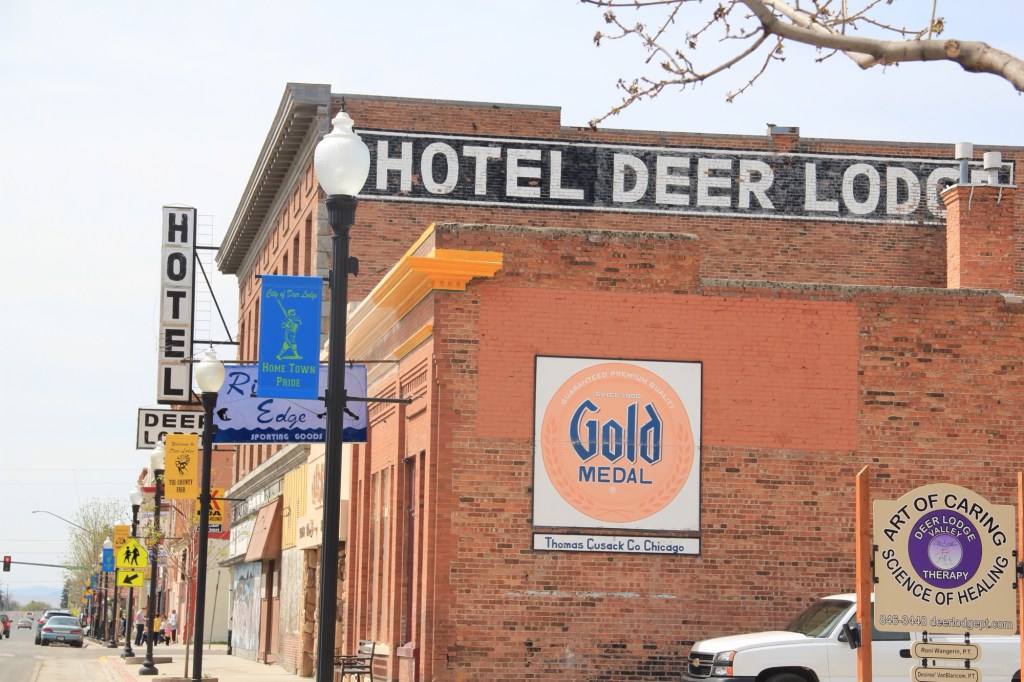
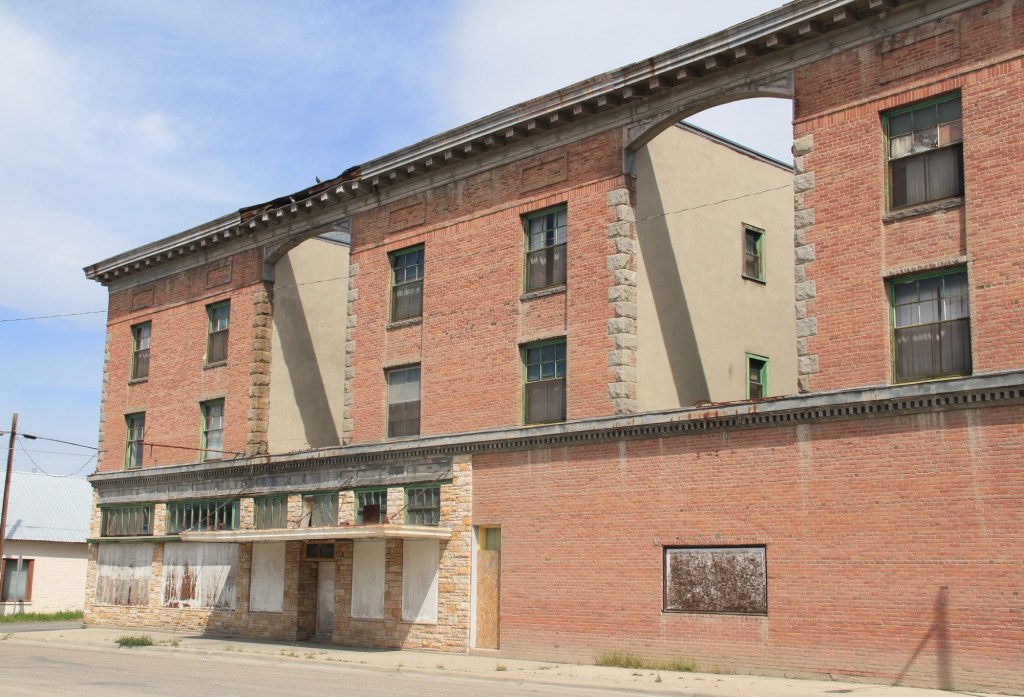
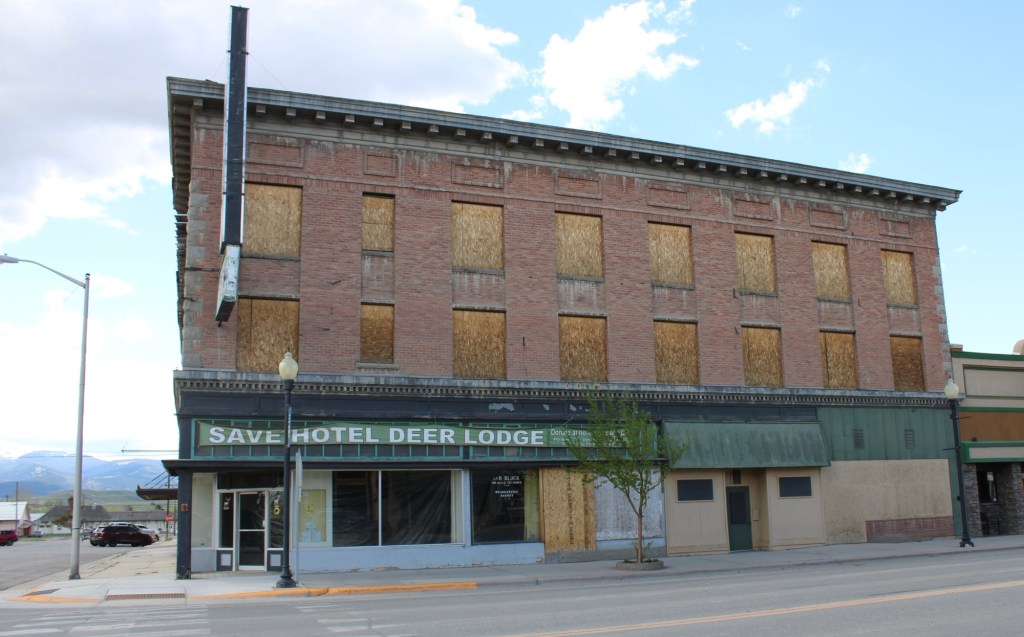
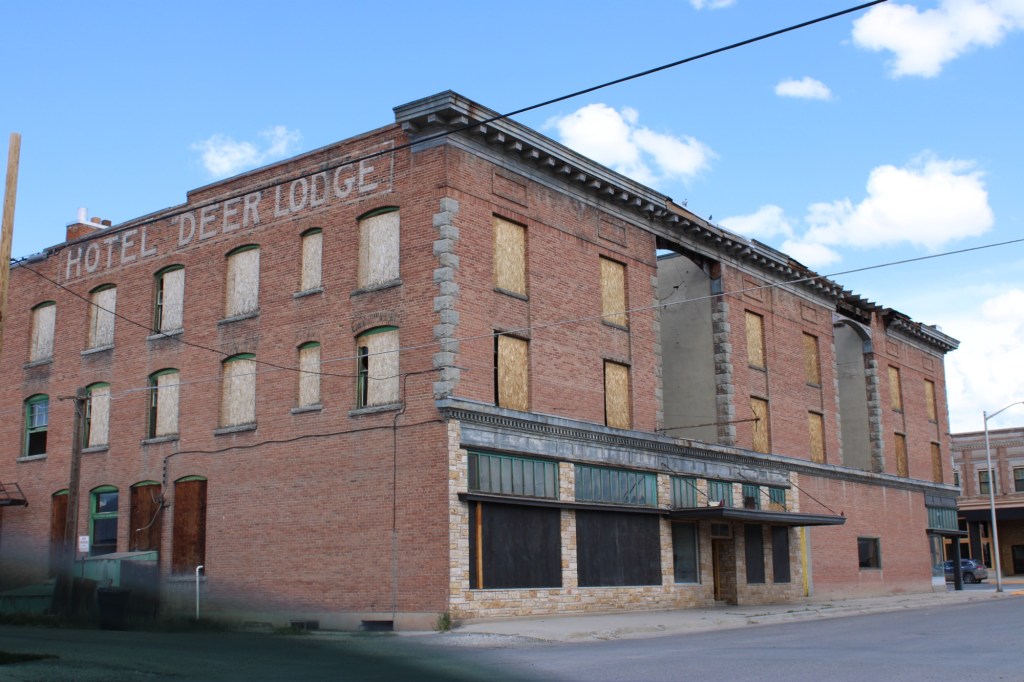
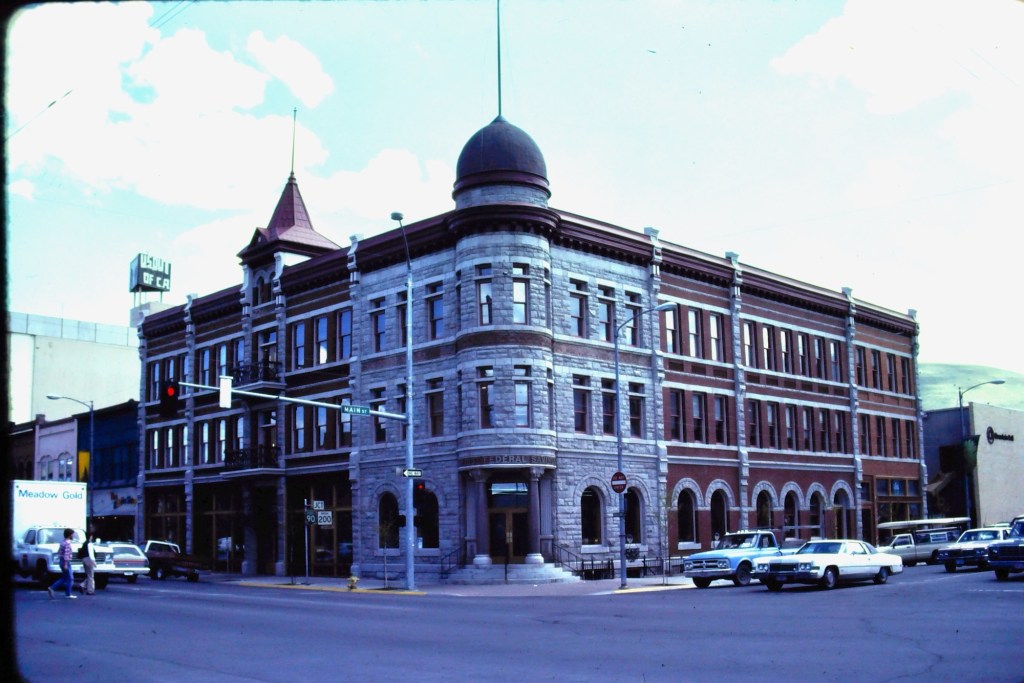
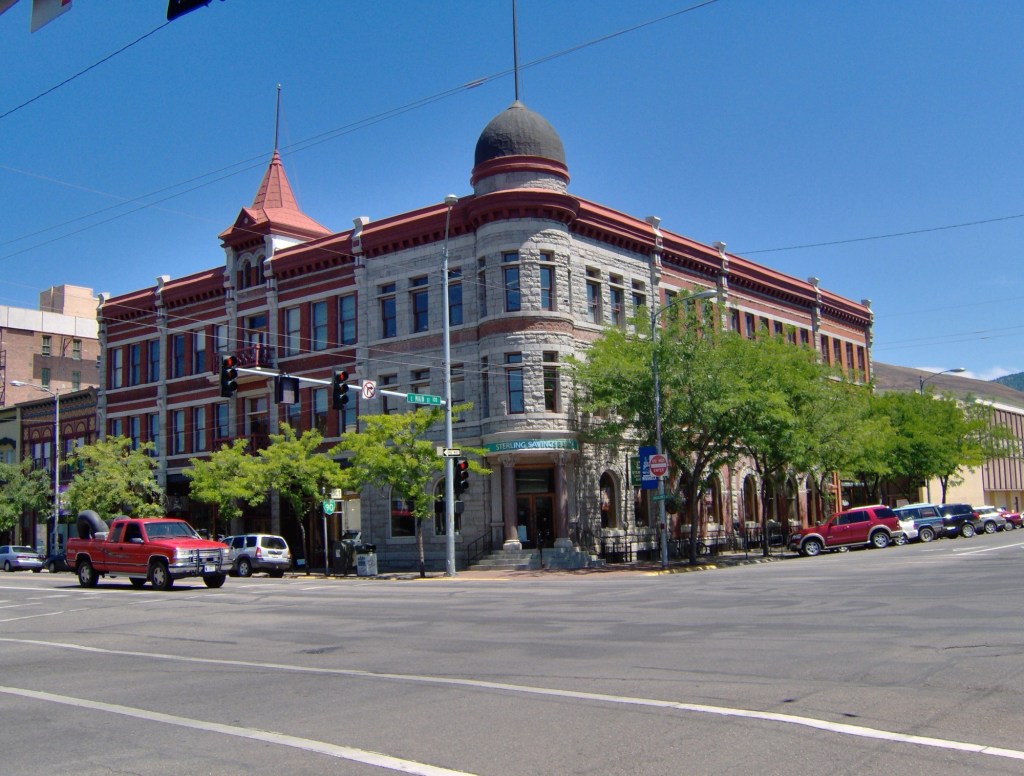
Encouraging news this week from Deer Lodge where a new effort is underway to potentially restore the historic Hotel Deer Lodge, according to a story in the Montana Standard.
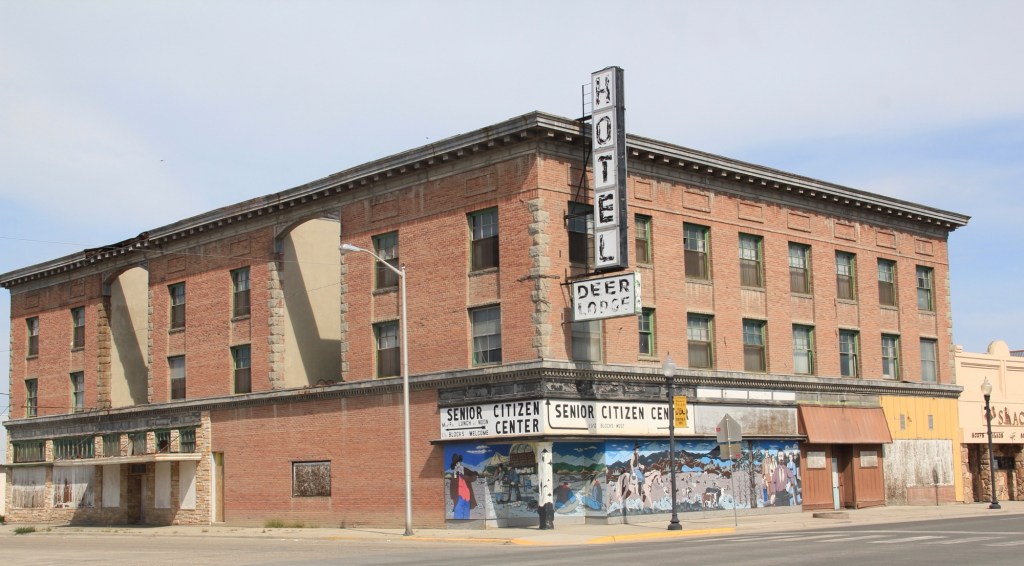
The three-story brick hotel has been a landmark along the town’s Main Street for over 100 years, built in anticipation of decades of use in a town that both hosted the State Prison and the division yards of the Milwaukee Road. Unfortunately those days as an important Milwaukee division point disappeared by 1980, and the hotel struggled for business then closed.
Images from 2012
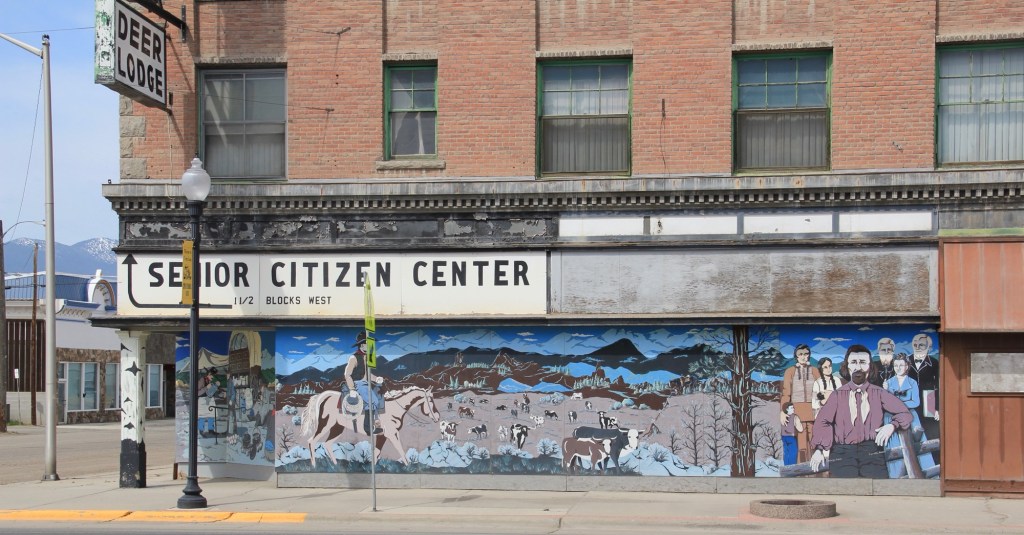
The three images above are from 2012 when an interpretive mural at the hotel entrance signaled that perhaps the place could be reopened.
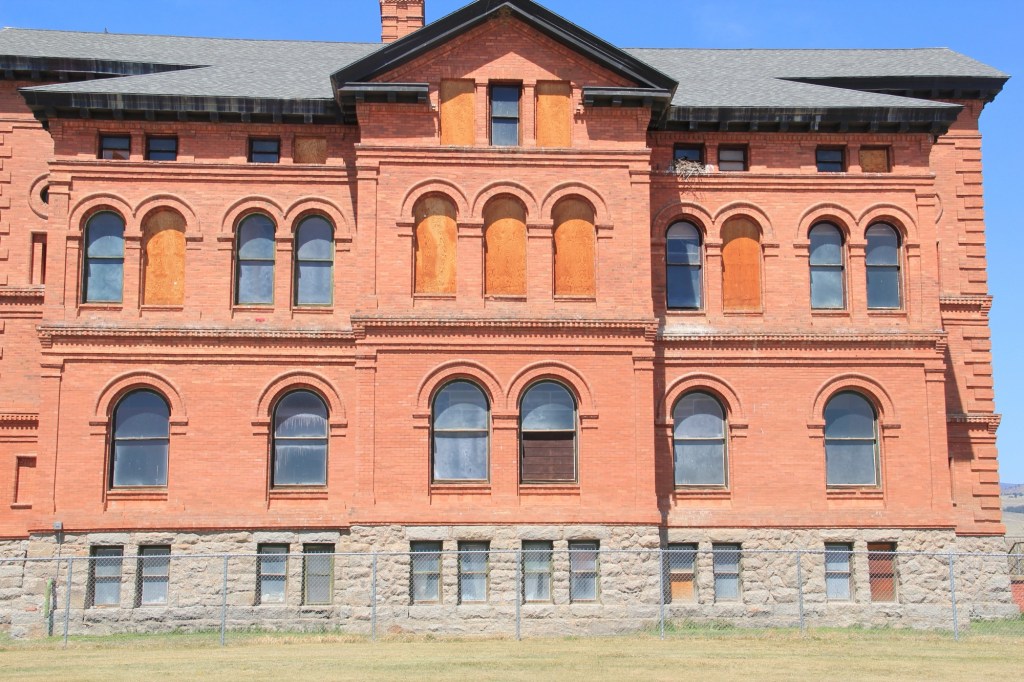
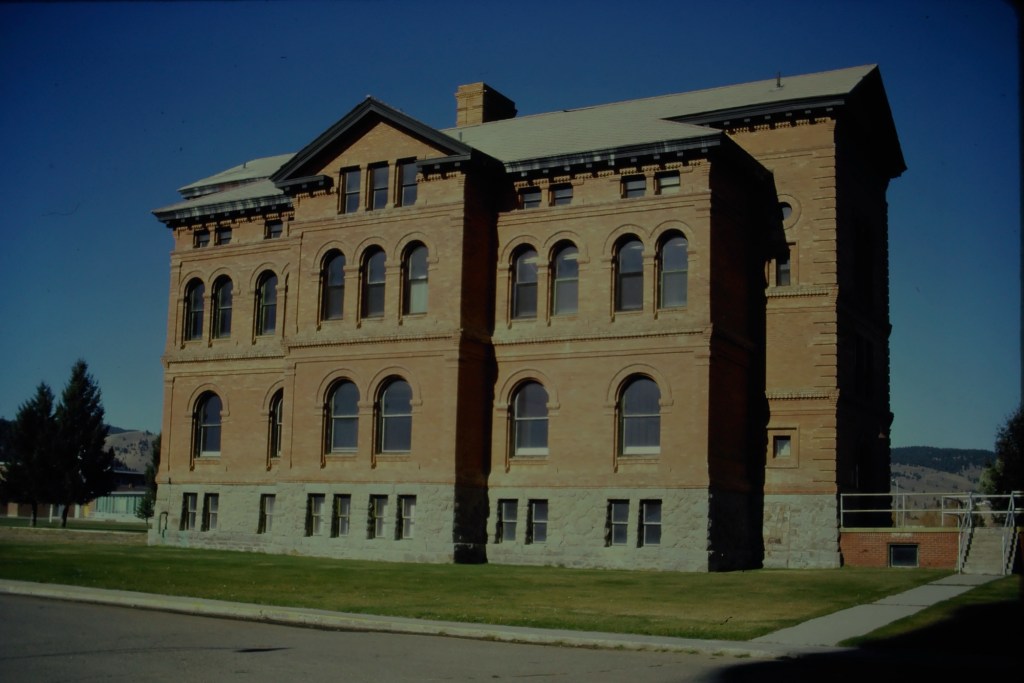
The next two images from 2023 show some restoration had been accomplished over the preceding ten years. But the building was far from been ready for any new use, especially in sections where the roof had failed.
2023 image2023 image
The newspaper story emphasized that any restoration would not be cheap. The place had deteriorated too much in the last three decades. One estimate called for $15 million. but having seen the town bring back its historic Main Street movie theater after a disastrous fire ten years ago, I have hopes the hotel will attract the necessary investment.
One of the most important late 19th century architects in Montana was German-born and -trained John C. Paulsen (1853-1897). He arrived in Helena in 1887 and soon joined with contractor Noah McConnell to establish the firm of Paulsen & McConnell, which existed until its dissolution in 1891.
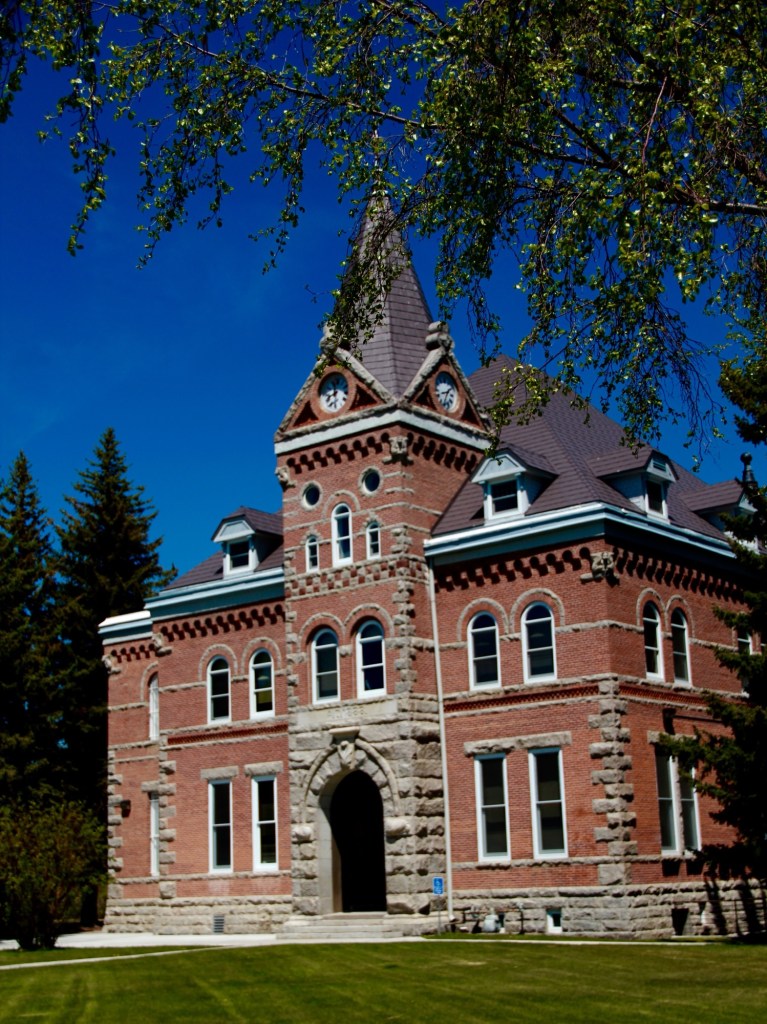
One of the firm’s early commissions, the Jefferson County Courthouse in Boulder, enhanced its reputation for public architecture. its stately mix of brick and stone, dominated by a central tower with a commanding arch entry makes it one of the state’s most impressive Late Victorian era designs.
The firm had many significant commissions for private homes in Helena in the years 1887-1890. A select few that are listed in the National Register of Historic Places are shown below:
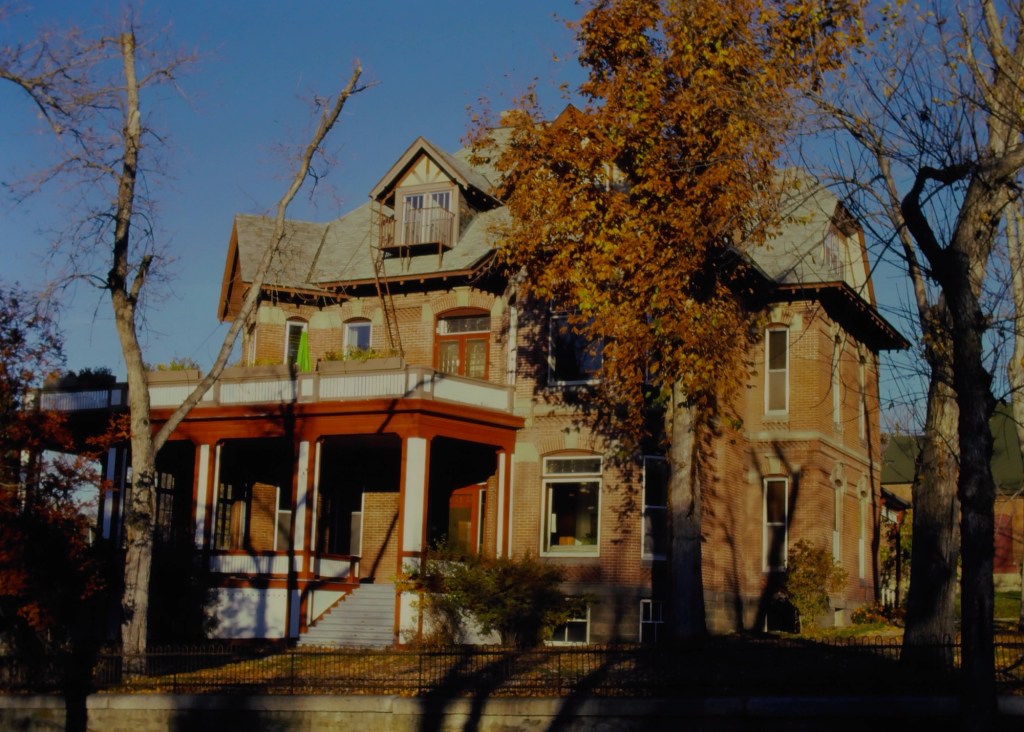
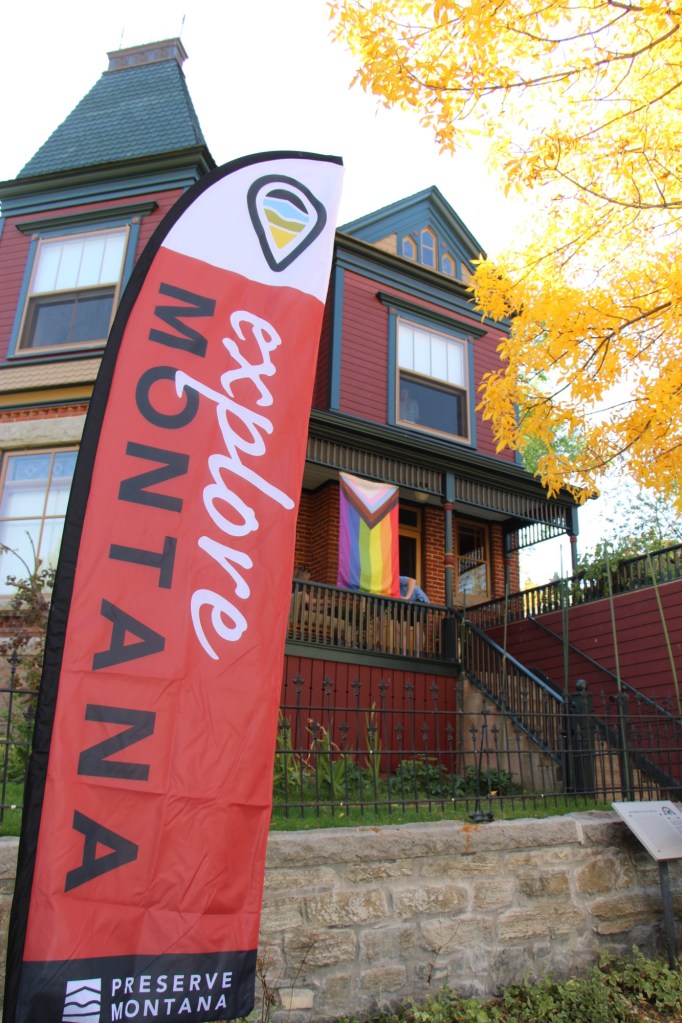
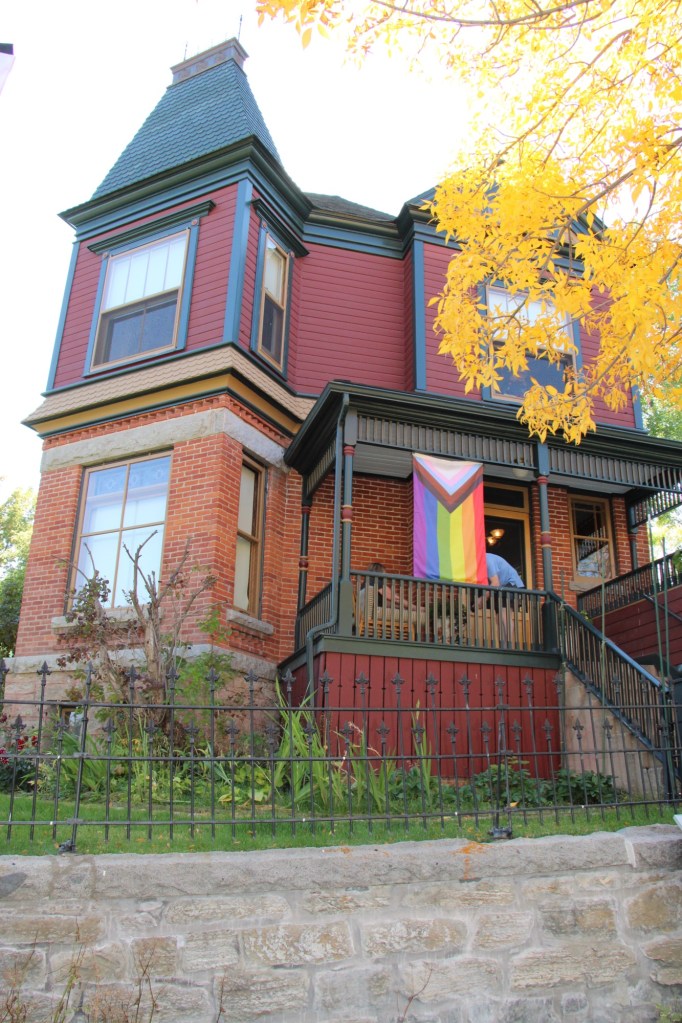
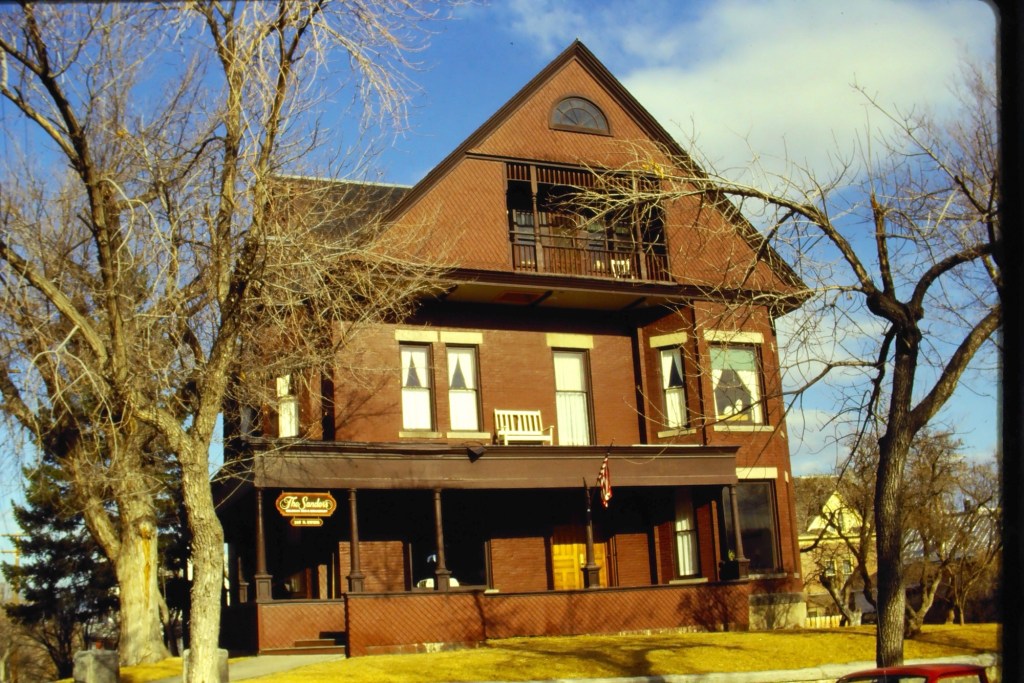
Sienna Hall, 1887 (1986 photo)Spalding-Gunn House, 1888-1889, which was part of Preserve Montana’s 2025 Hidden Helena tourA remodel of the Wilbur F. Sanders House, c 1887 (1988 photo)Neill House, c. 1888, remodeled significantly by Cass Gilbert, 1908 (1986 photo)Image of Neill House before Cass Gilbert remodeling, image courtesy of P.L. Dean, Helena
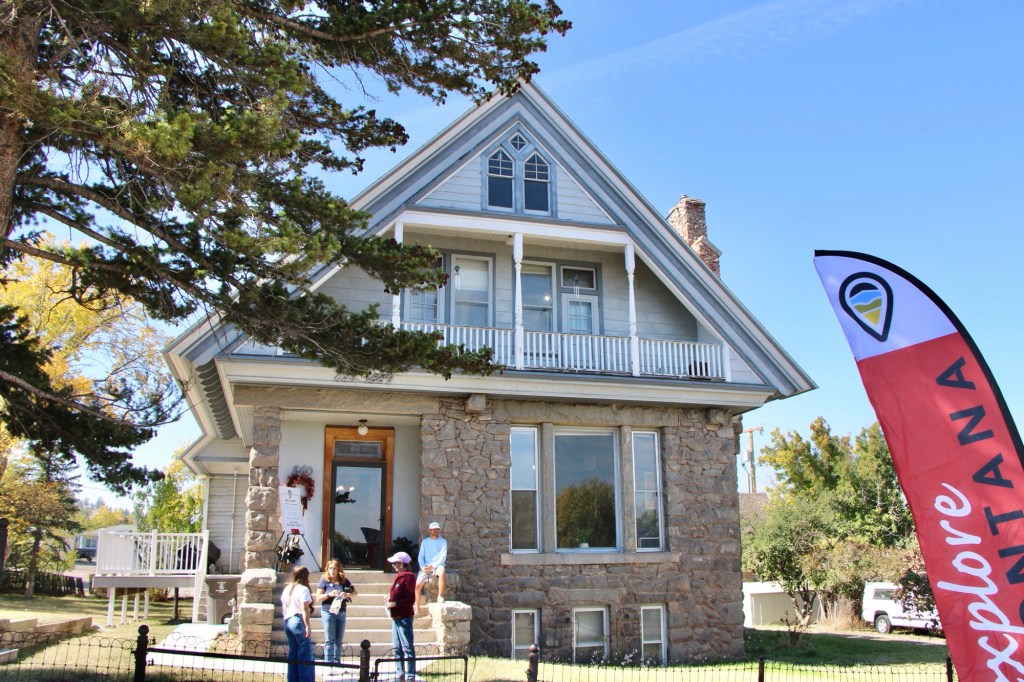
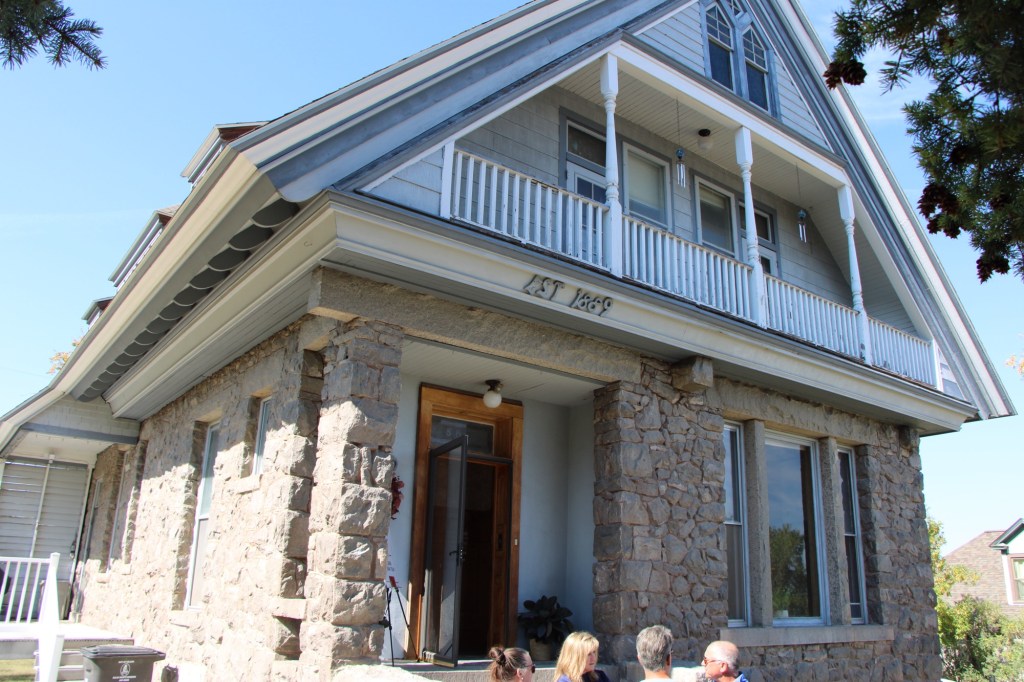
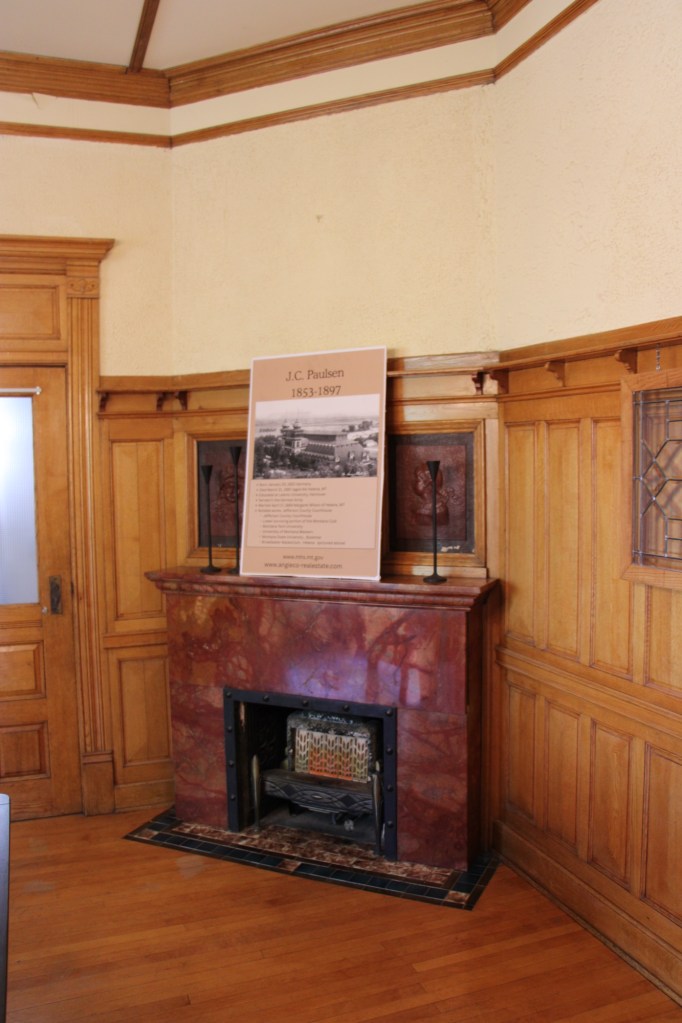
Perhaps most importantly there was Paulsen’s own home on the west side of town, which was built in 1889 and featured in the Hidden Helena 2025 tour. From the exterior the home doesn’t seem too splashy but the interior is one of the city’s best Arts and Crafts styled interior designs..
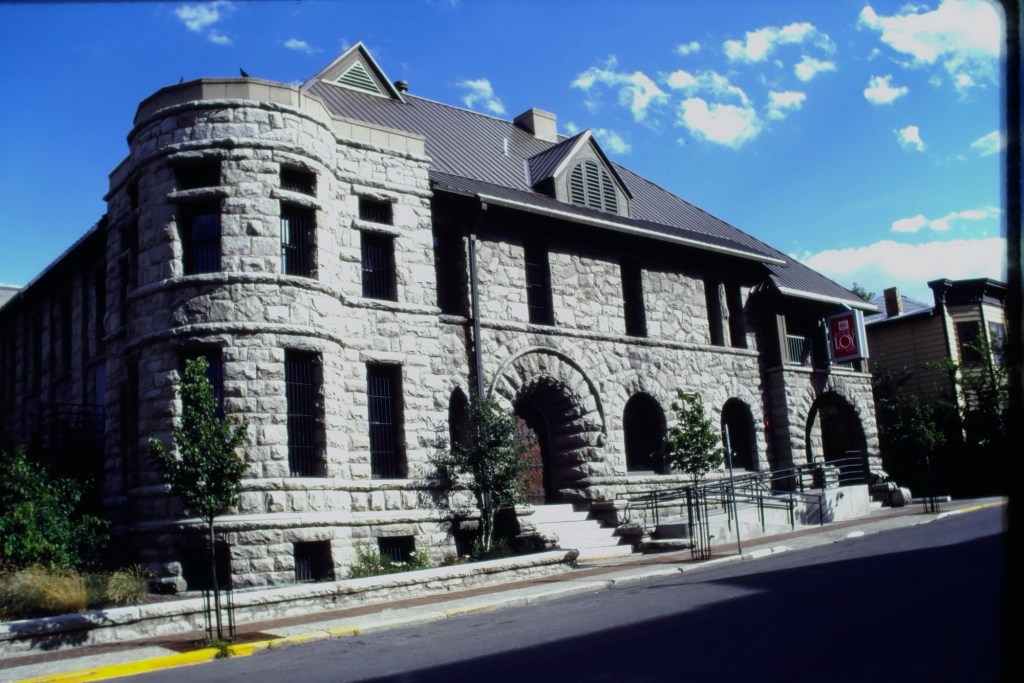
Another Helena landmark attributed to Paulsen is the Lewis and Clark County Jail, which was converted about 100 years later to the Myrna Loy Theatre.
Lewis and County Jail (1996 image)
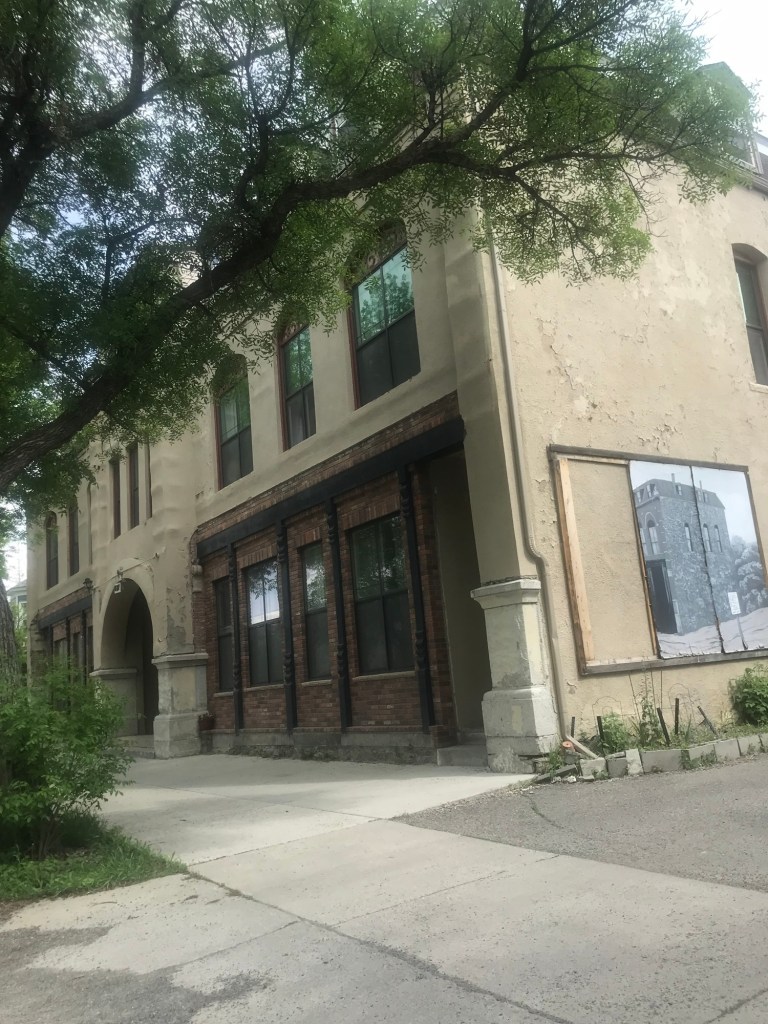
One of Paulsen’s commercial buildings in Helena still stands, altered at an unknown date, on east Broadway.
Image taken in 2018
With John Lavalle as a partner, Paulsen also designed the downtown Montana Club but after a fire and major redesign by Cass Gilbert, nothing remains of Paulsen’s design outside of some of the stone, perhaps, reused on the first floor.
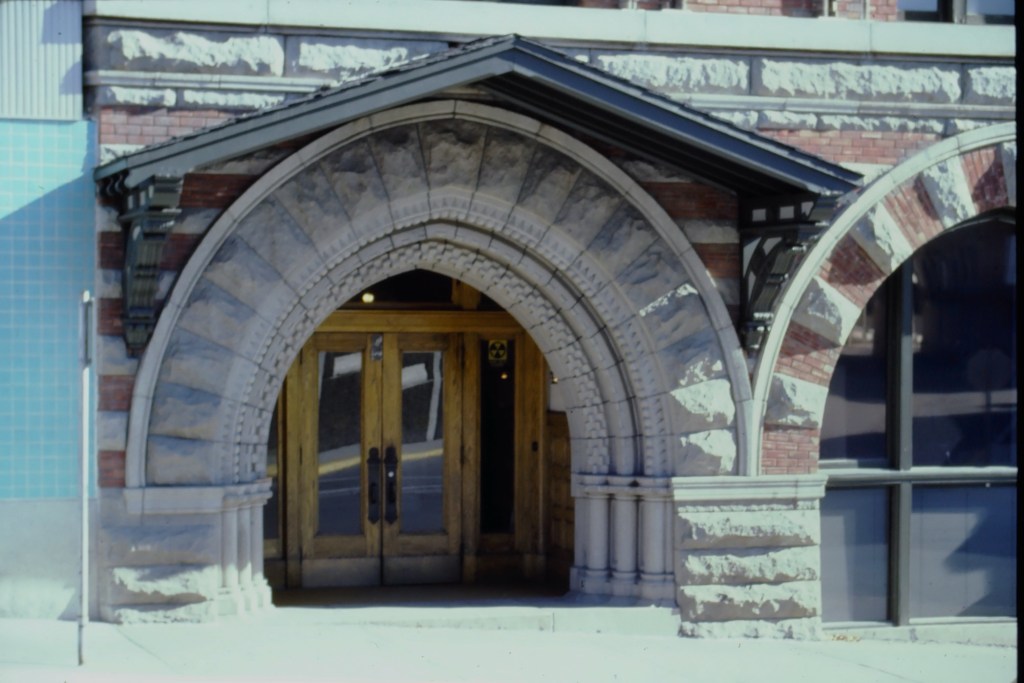
A much more intact example of Paulsen’s commercial designs is the landmark Higgins Block in downtown Missoula, another National Register building associated with Paulsen’s work.
Higgins Block, c 1986 imageHiggins Block, 2006 image
In 1895, Paulsen was appointed State Architect and several of Montana’s best known turn of the 20th century public buildings are from his designs.
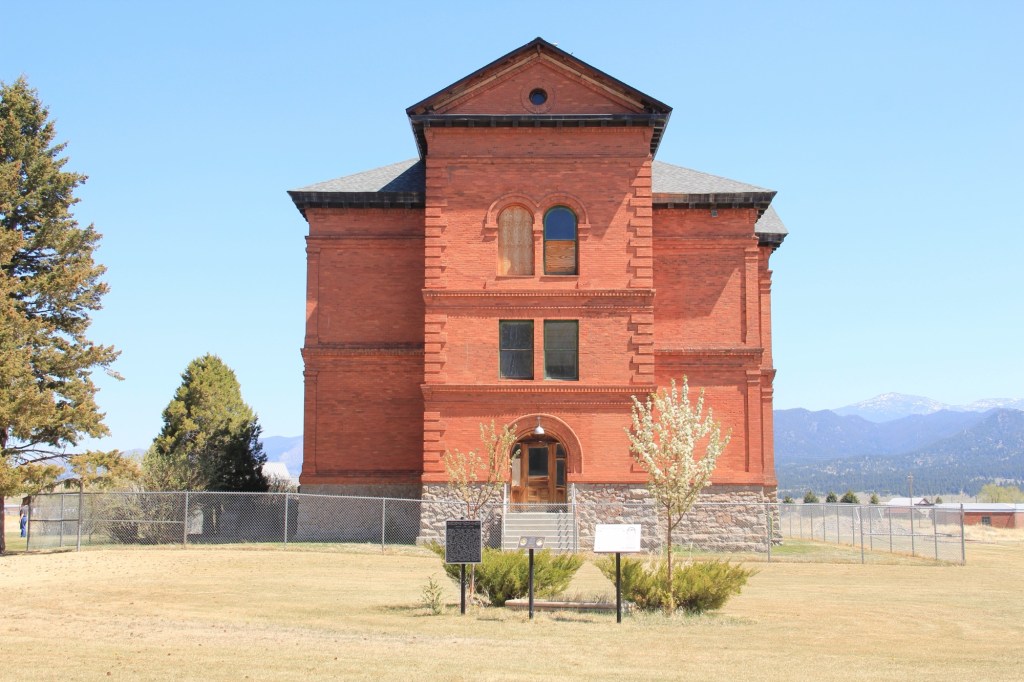
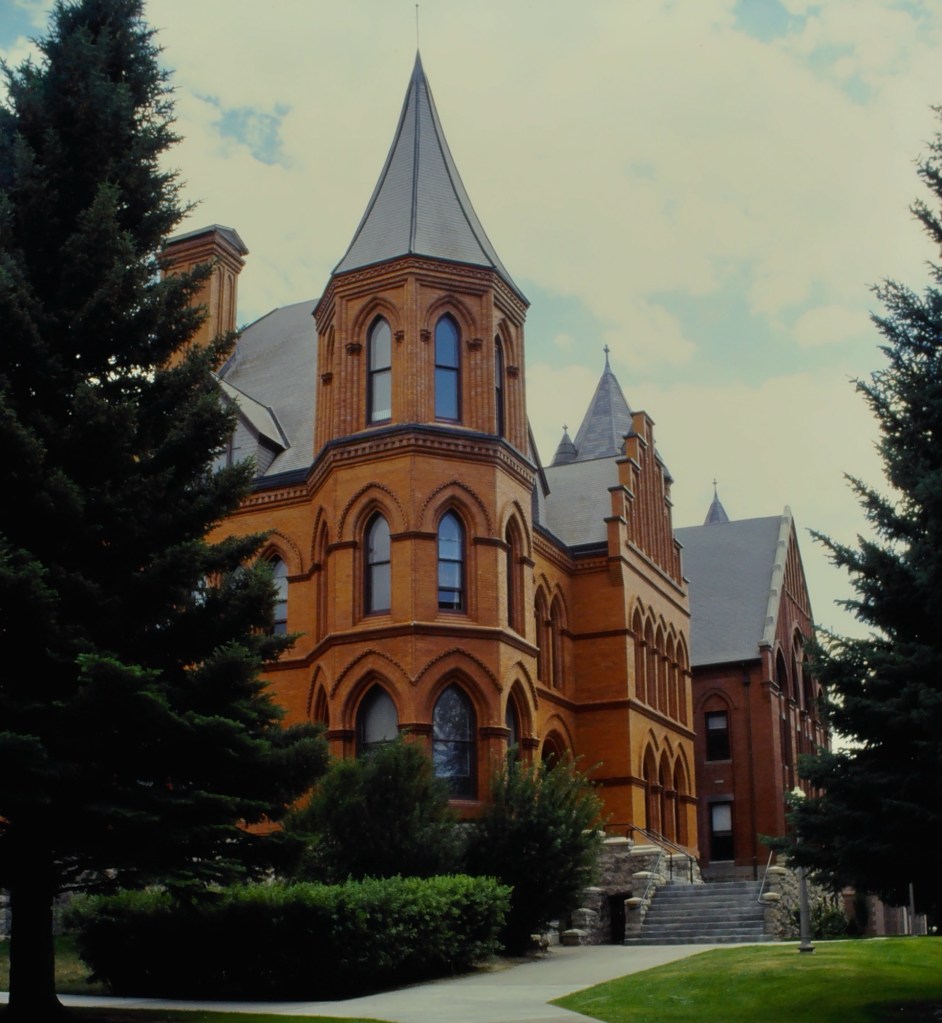
First the Montana Deaf and Dumb Asylum in Boulder (images from 1986 to 2021):
One of my favorites, the original building for Montana Western College (now Montana State University Western) in Dillon:
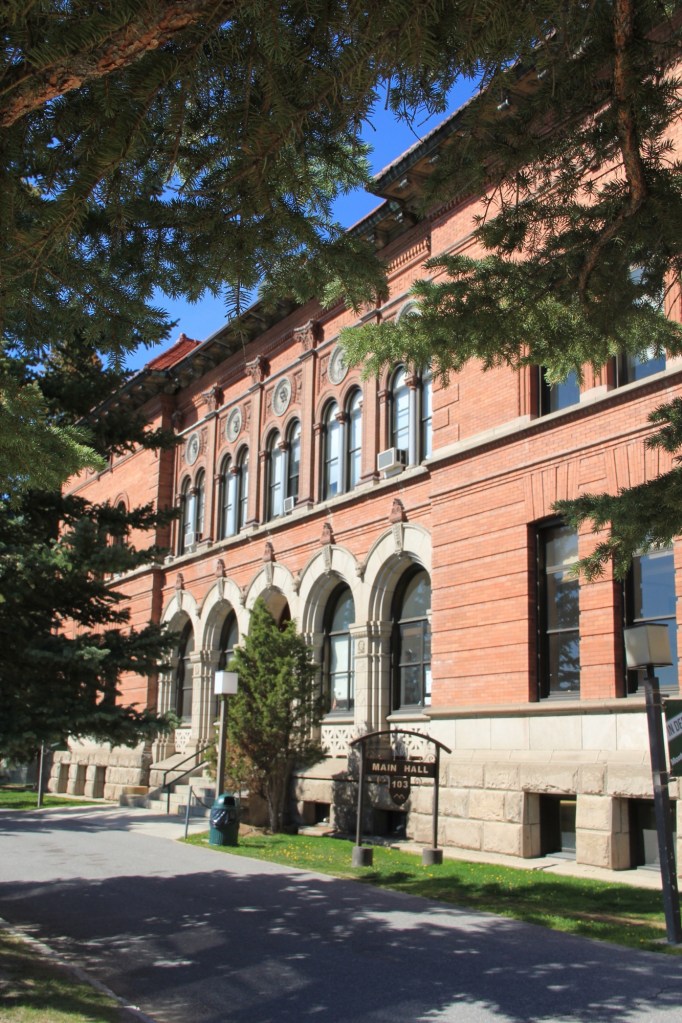
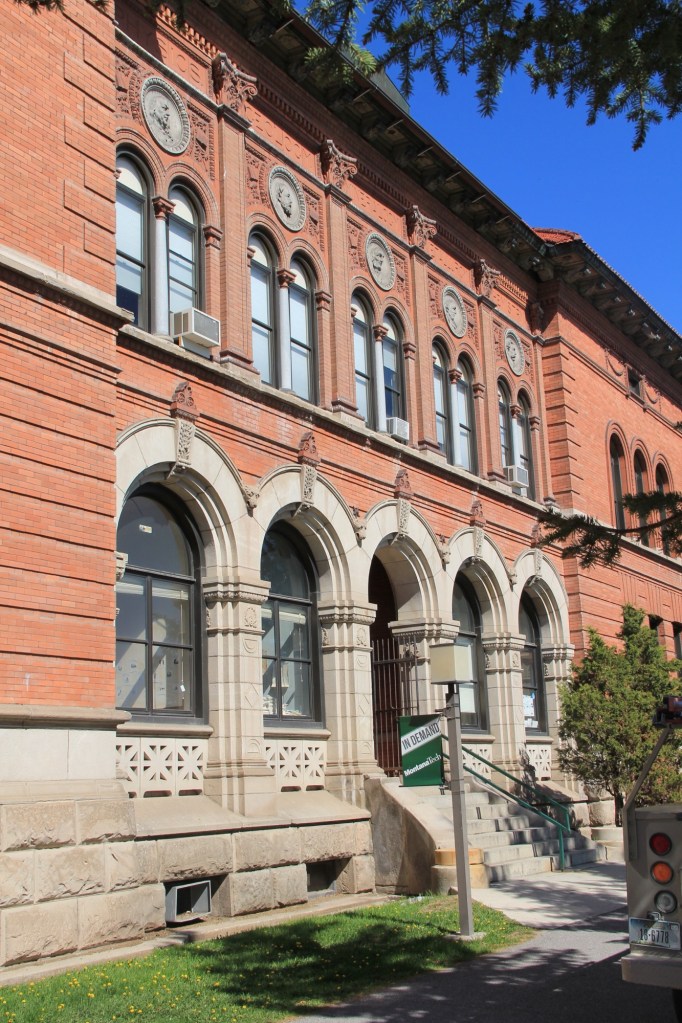
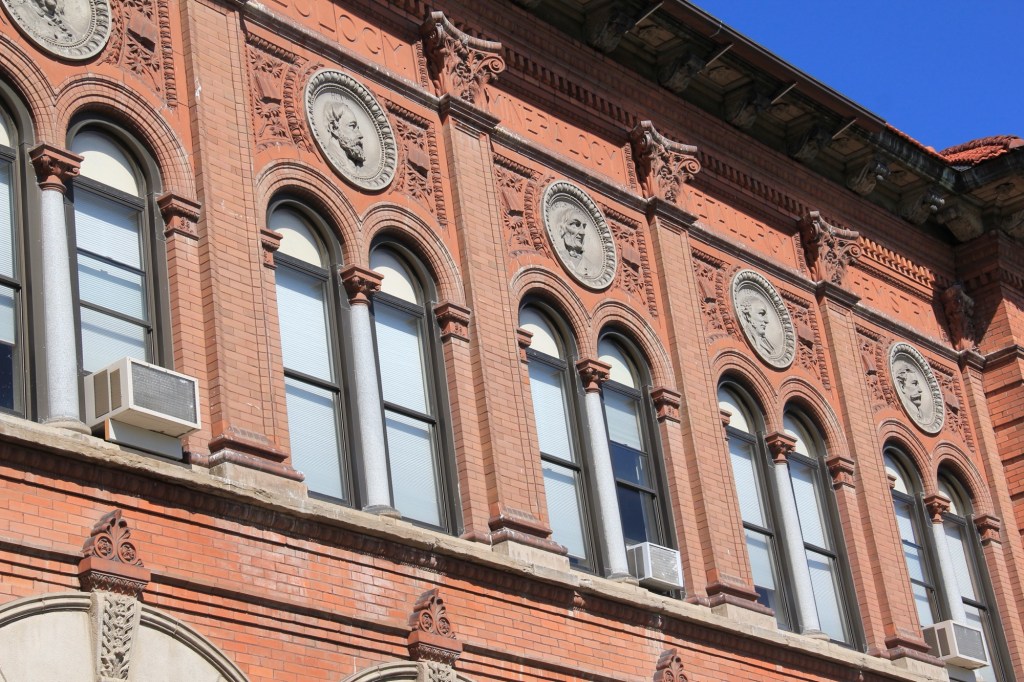
The Butte landmark Main Hall at Montana Tech University
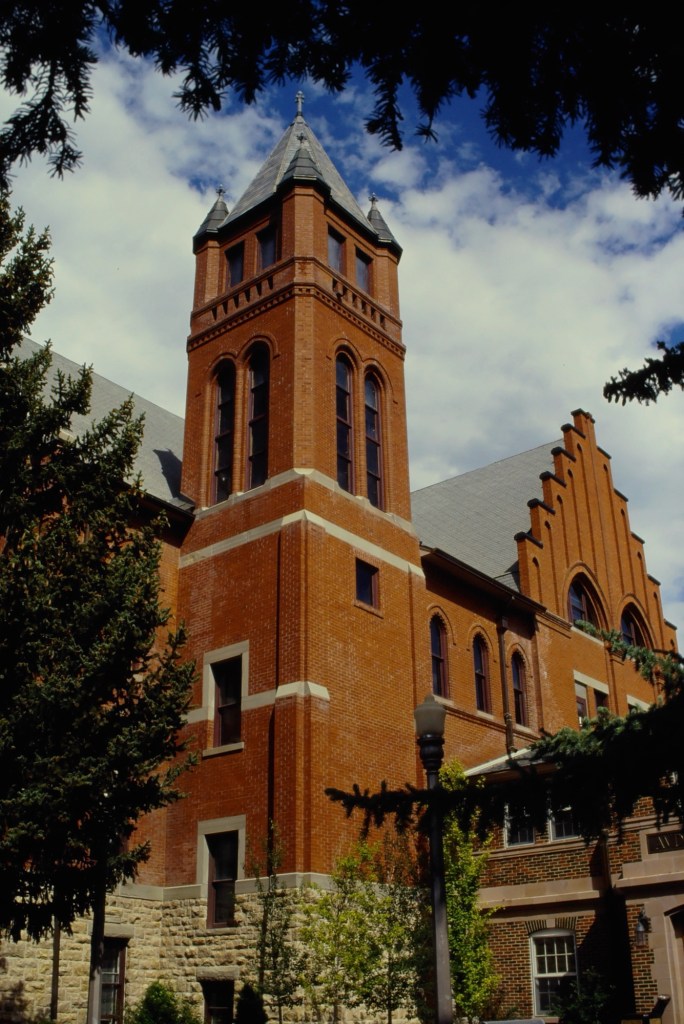
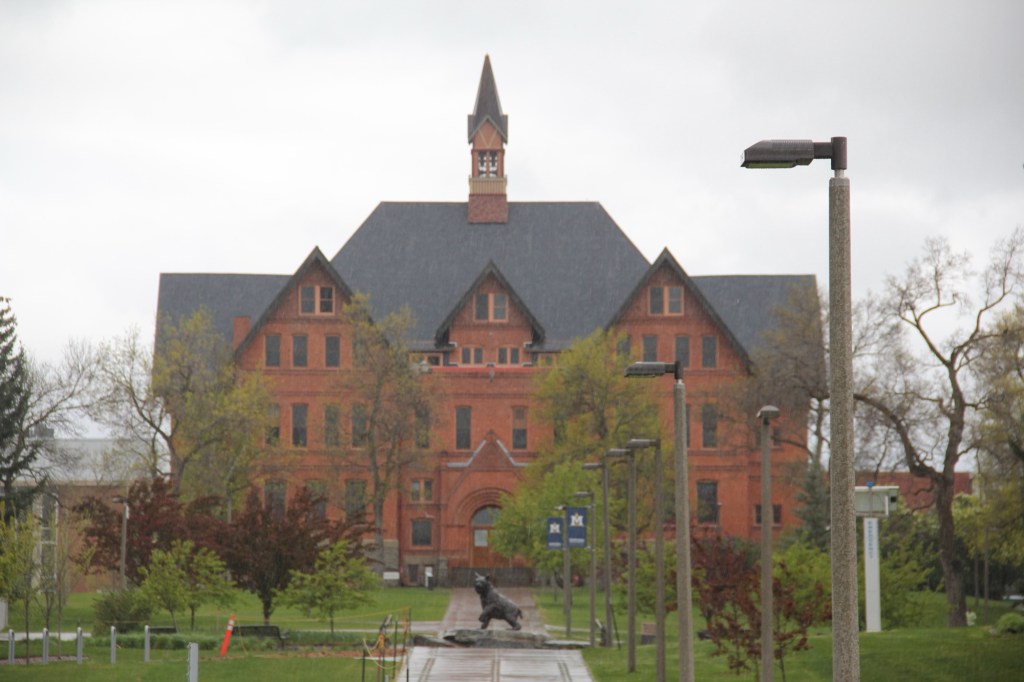
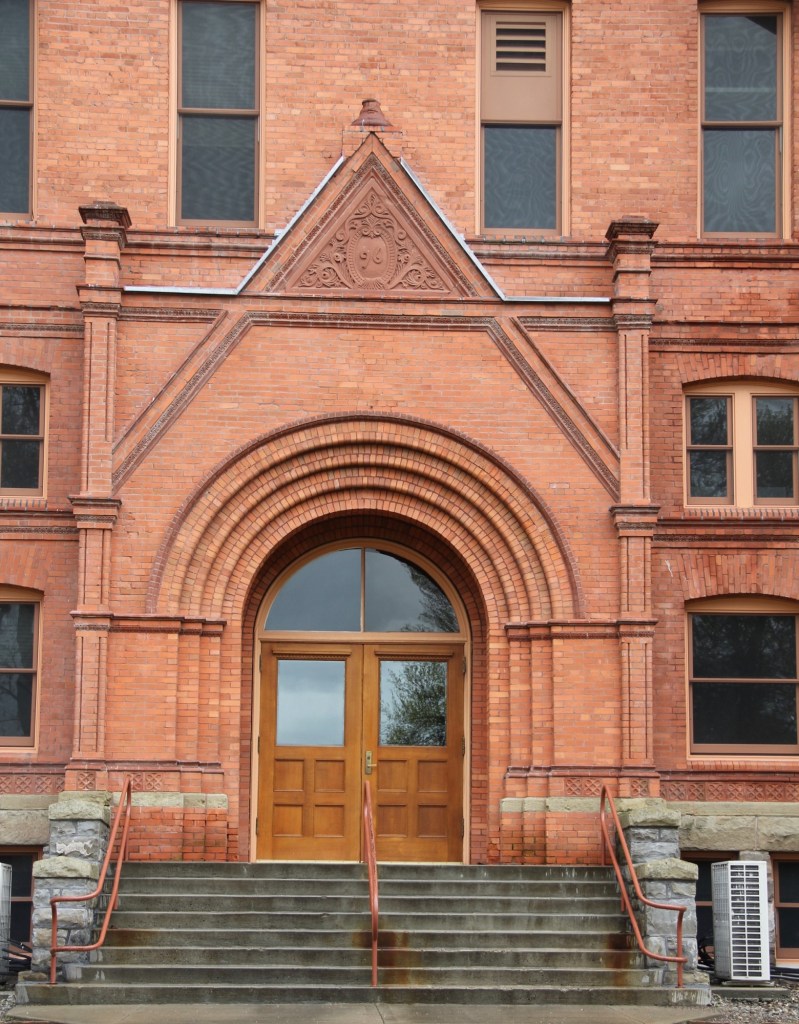
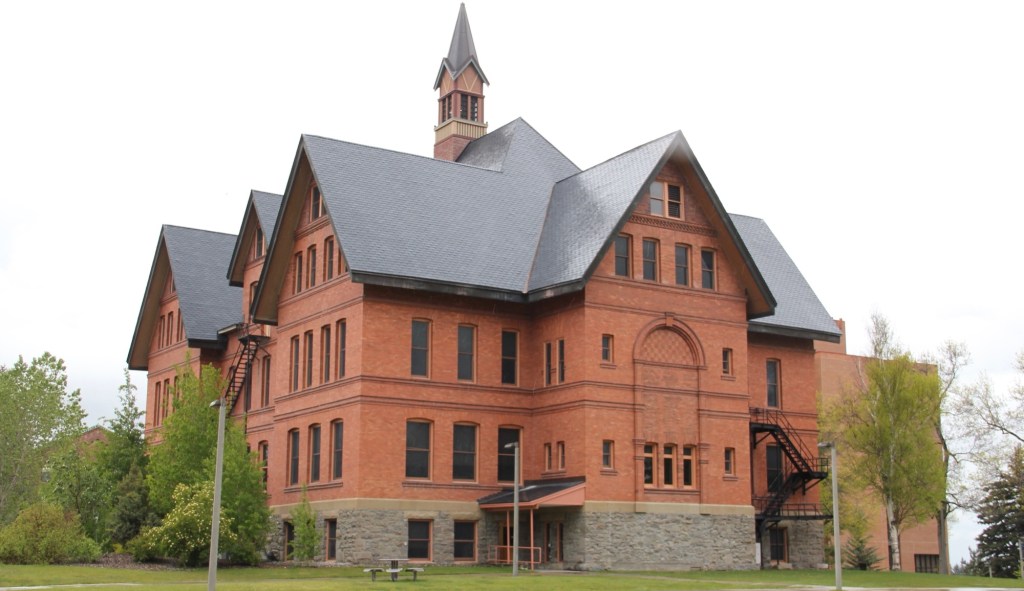
And Paulsen’s best known building, the iconic Main Hall of Montana State University in Bozeman.
Paulsen’s career became mired in controversy over the design of the new state Capitol building in Helena. After grand jury investigations in 1897 Paulsen allegedly had a nervous breakdown that led to heart complications and he died in Helena. Yet his late Victorian designs for many home and public buildings remain as a reminder of his imprint on the state’s built environment.
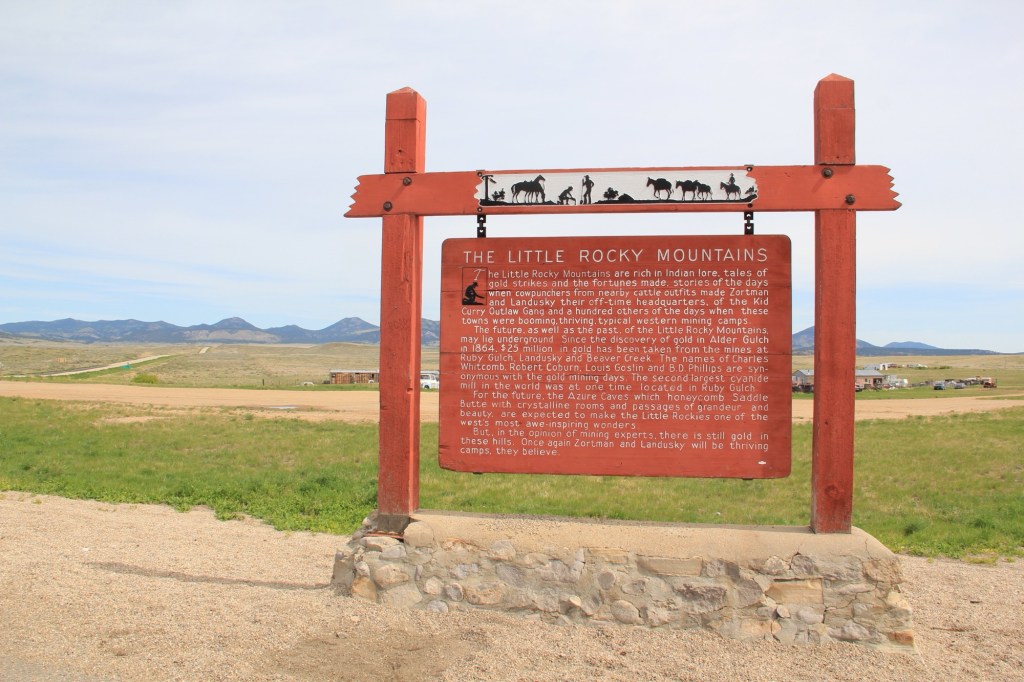
It would not be unfair to suggest that, perhaps, Montana has too many highway history markers. There are the classic ones of the mid-20th century by the state highway department with wonderful silhouettes from Helena artist Shorty Shope, as shown above.
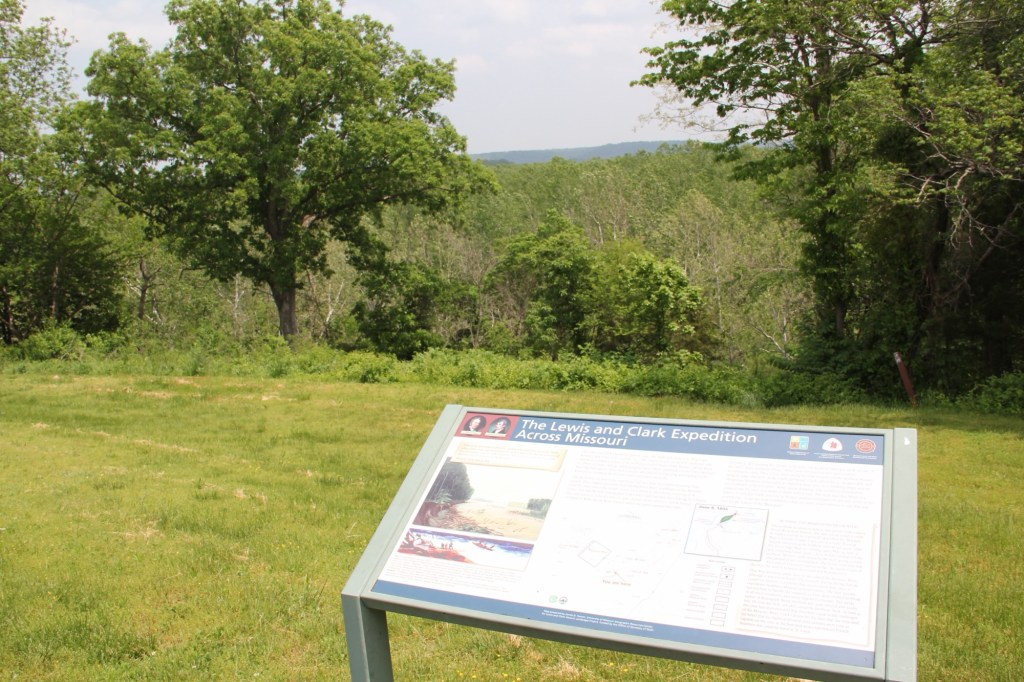
Then there are hundreds of contemporary interpretive markers everywhere—markers that you just didn’t see back at the time of my historic preservation plan survey of 1984.
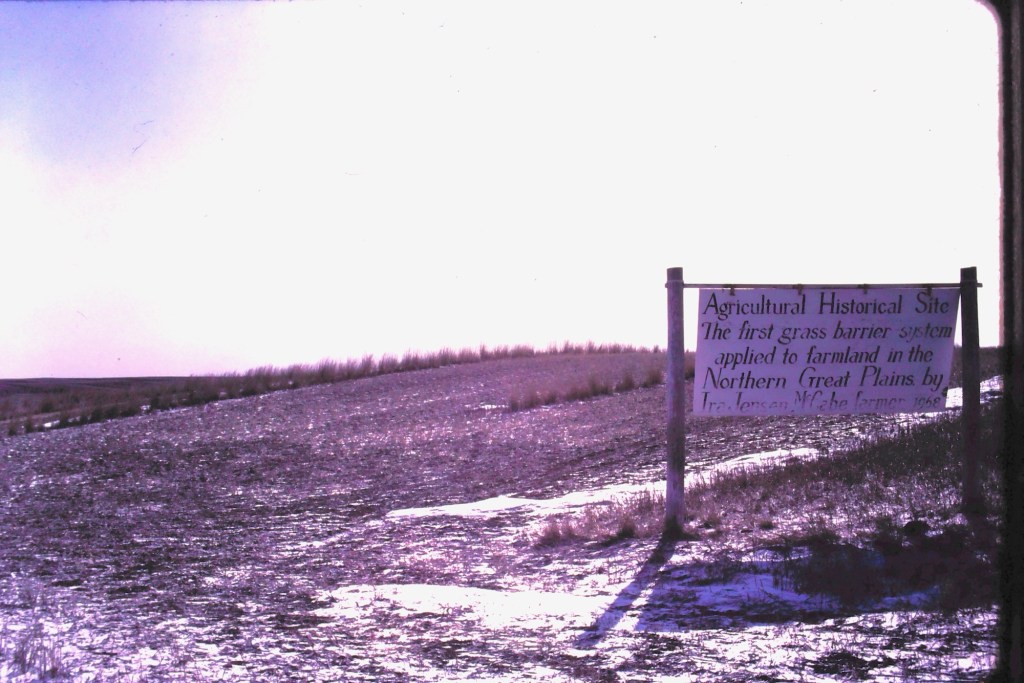
But early in that survey work in March 1984 I encountered along Highway 16 in Roosevelt County a sign that marked an “Agricultural History Site” crediting farmer Ira Jensen McCabe for the northern plains’ first “grass barrier applied to farmland.”
Ever since that encounter, I have been fascinated by Montana’s handmade history signs. Here are some of my favorites.
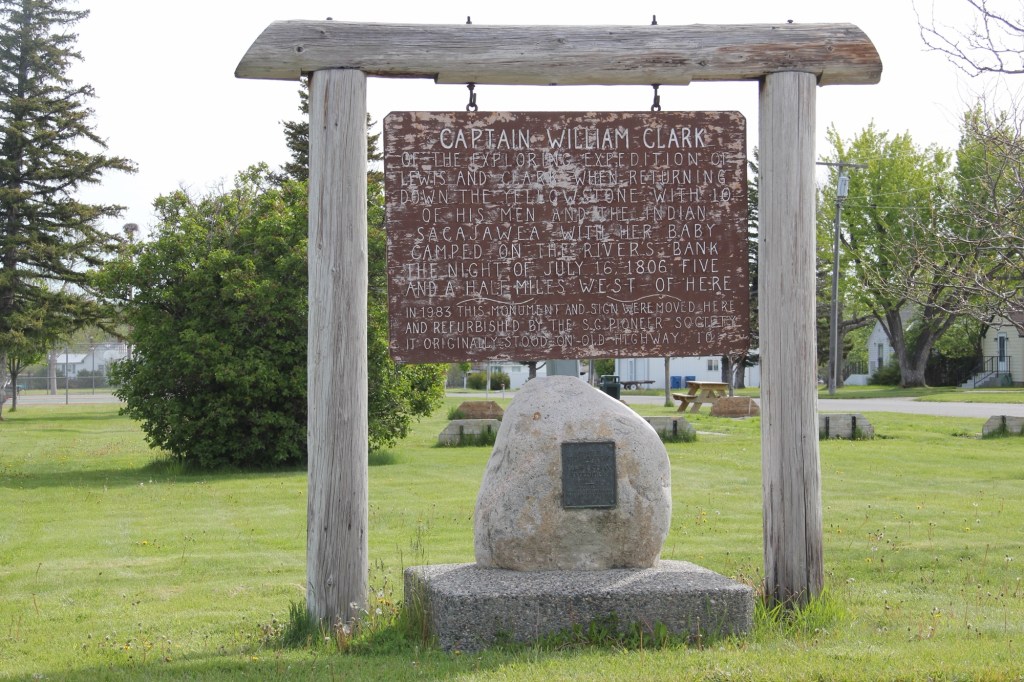
In Big Timber this marker (above) about Captain William Clark was on old U.S. Highway 10 until 1983 when it was moved to the city park of Big Timber. It was fresh and somewhat shiny then—40 years later it’s a bit worse for wear.
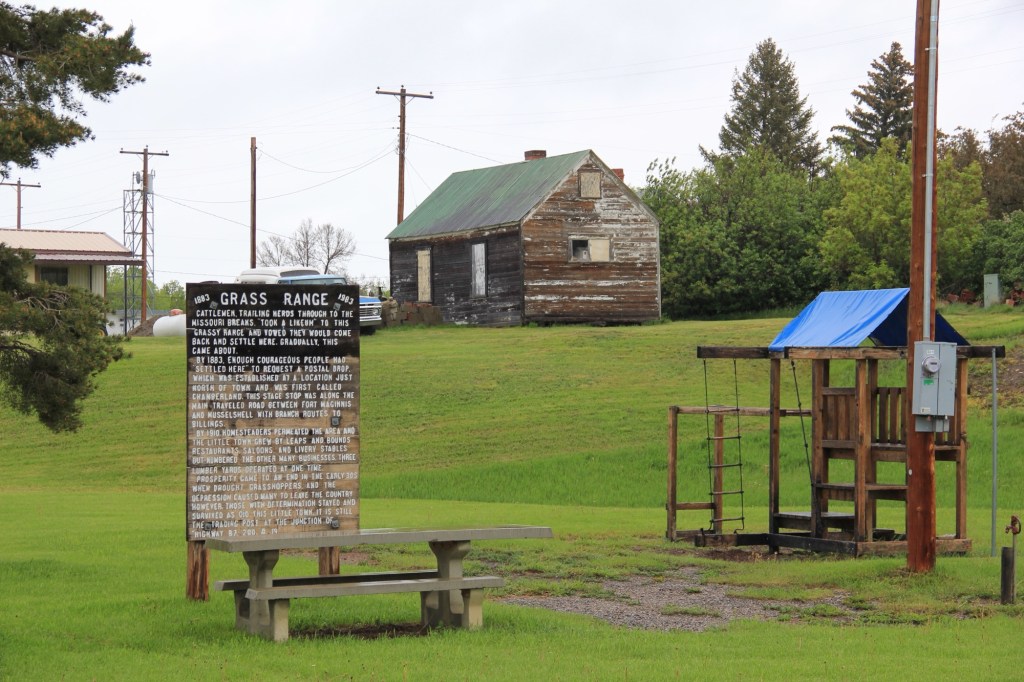
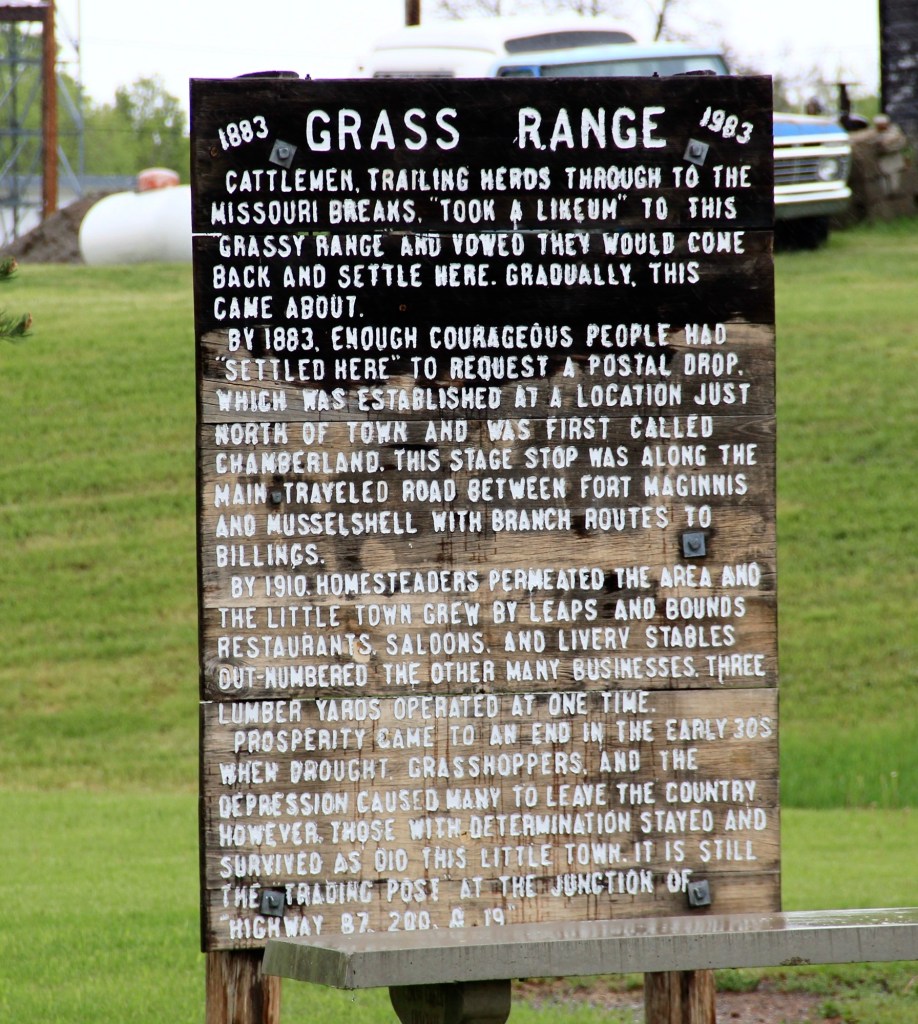
At the town park of Grass Range in Central Montana residents shared their history at some depth. This place is not on Highway 200 and it’s almost like the 1983 sign is there to remind residents of their past—then you find out that the park was where the community celebrated its 100th anniversary in 1983.
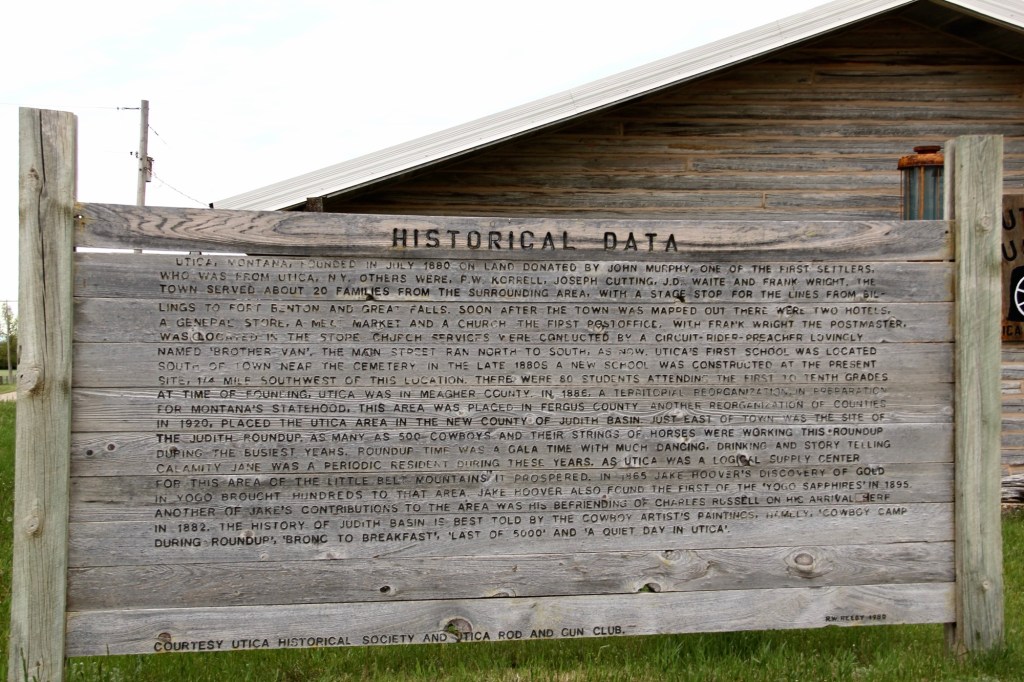
Grass Range seems concise and to the point compared to the Historical Data marker at Utica crafted by R.W. Reedy in 1980 for the Utica Historical Society and the Utica Rod and Gun Club.
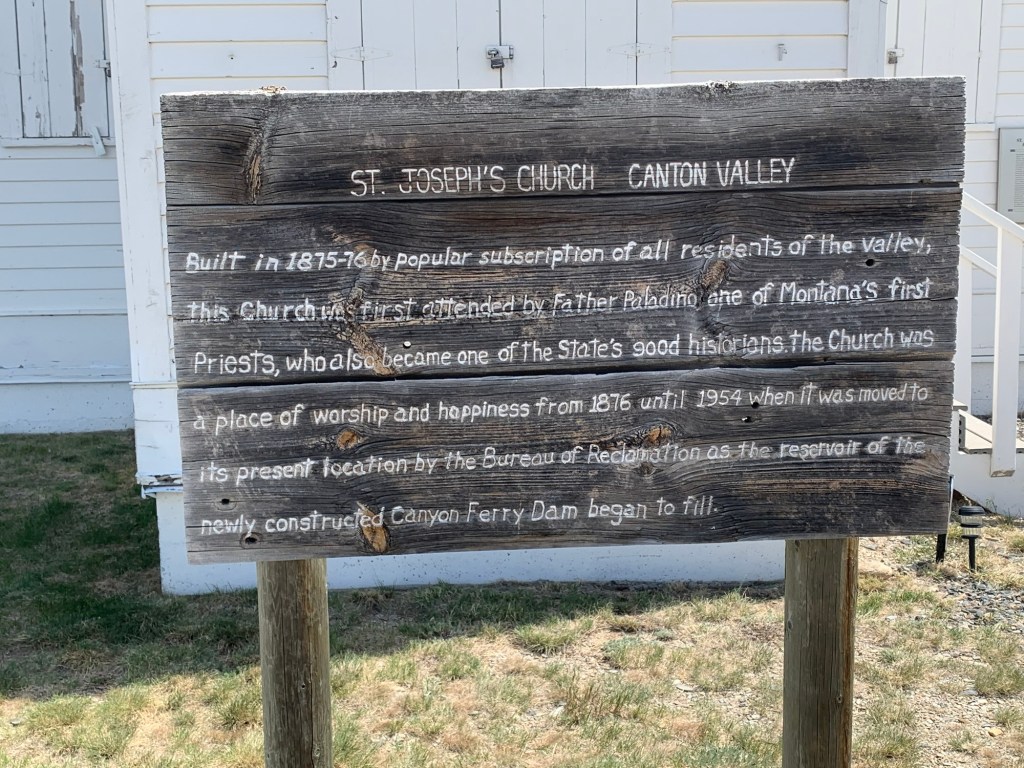
Sometime after 1954, residents of Broadwater County added the marker below about the history of St. Joseph’s Catholic Church.
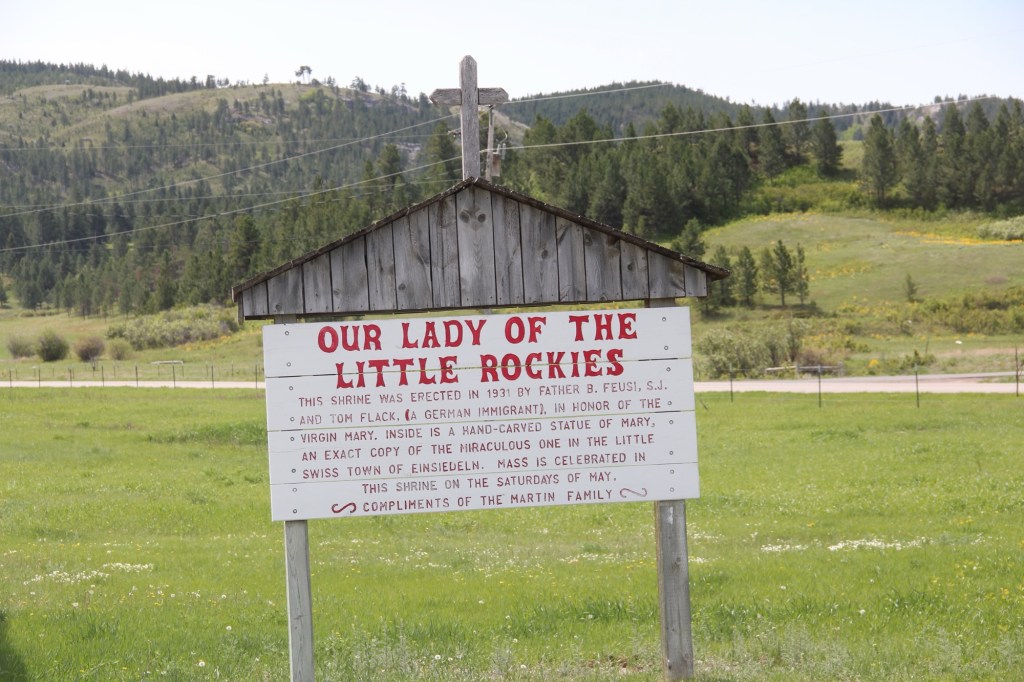
The Martin family explained the story of Our Lady of the Little Rockies” (below) outside of Hays in Blaine County.
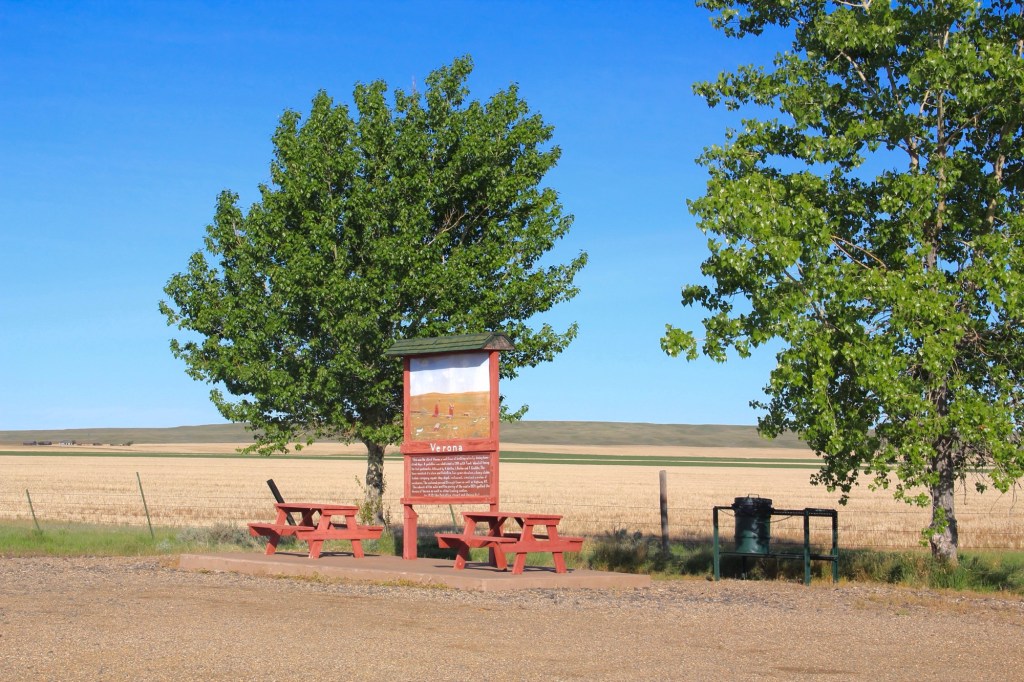
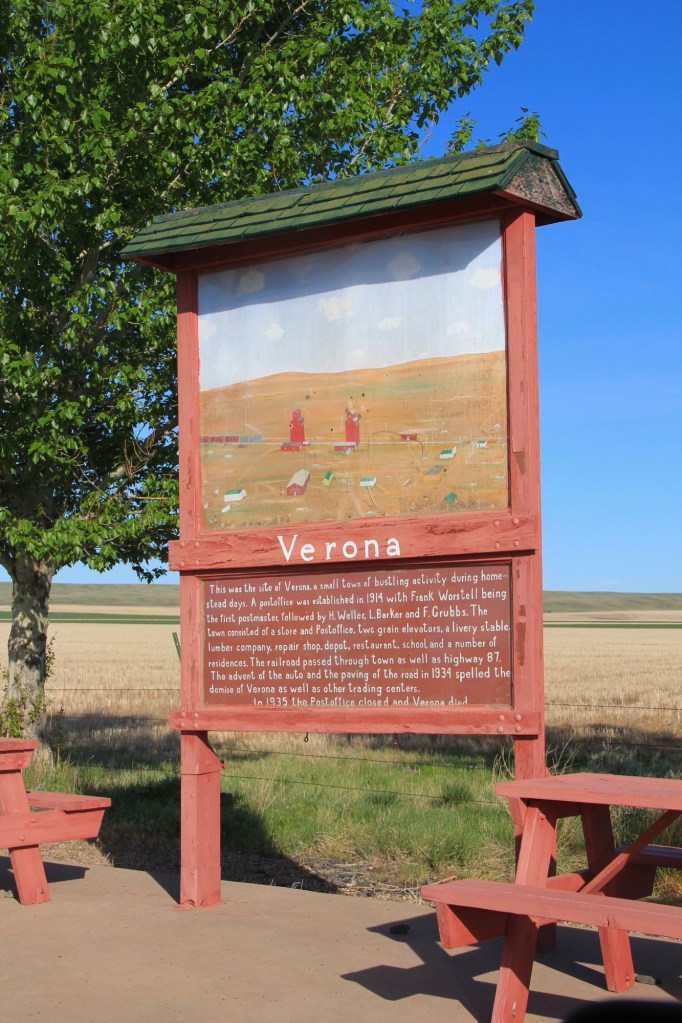
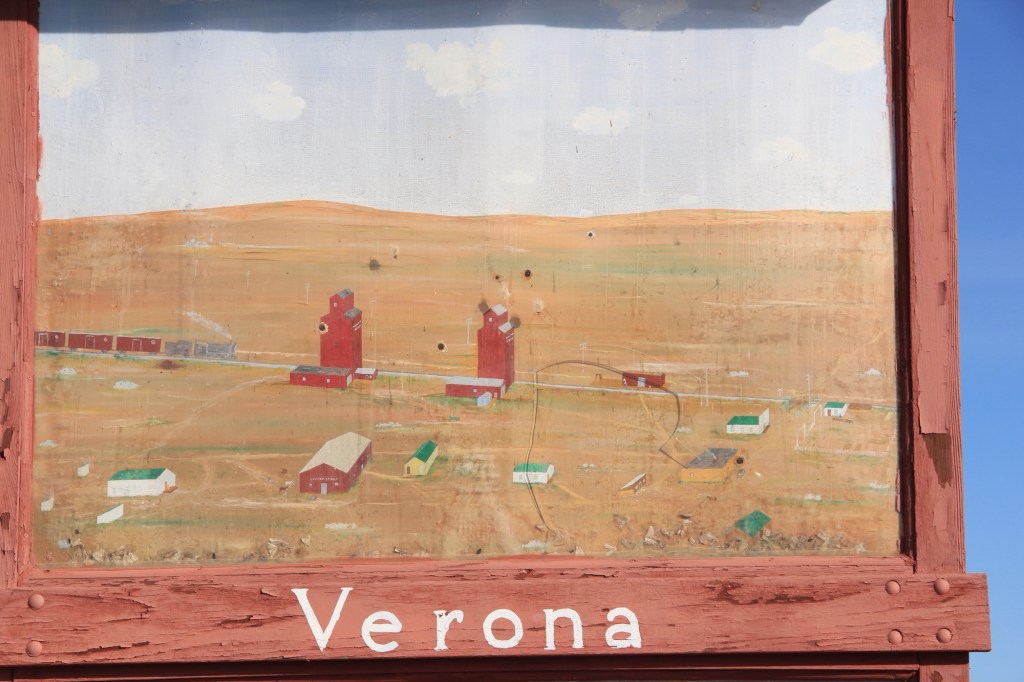
My favorite, however, is in Chouteau County along old Highway 87. It tells the story of Verona, one of the many homestead era towns that once covered Central Montana. The marker serves as a roadside stop but it’s not for tourists as it’s far from the present highway. It serves as a tribute to the past, complete with a painting of what Verona was like more than 100 years ago.
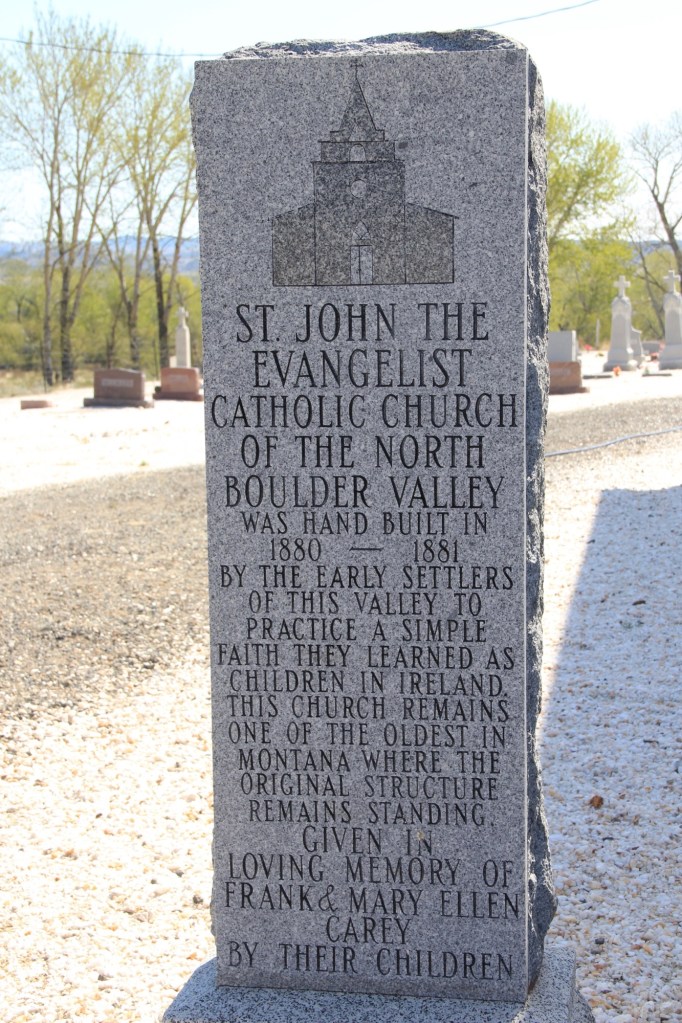
Handmade history hasn’t disappeared, but it does take different forms, such as a permanent stone marker for St John the Evangelist Catholic Church in the Boulder Valley (below) put up by the Carey family.
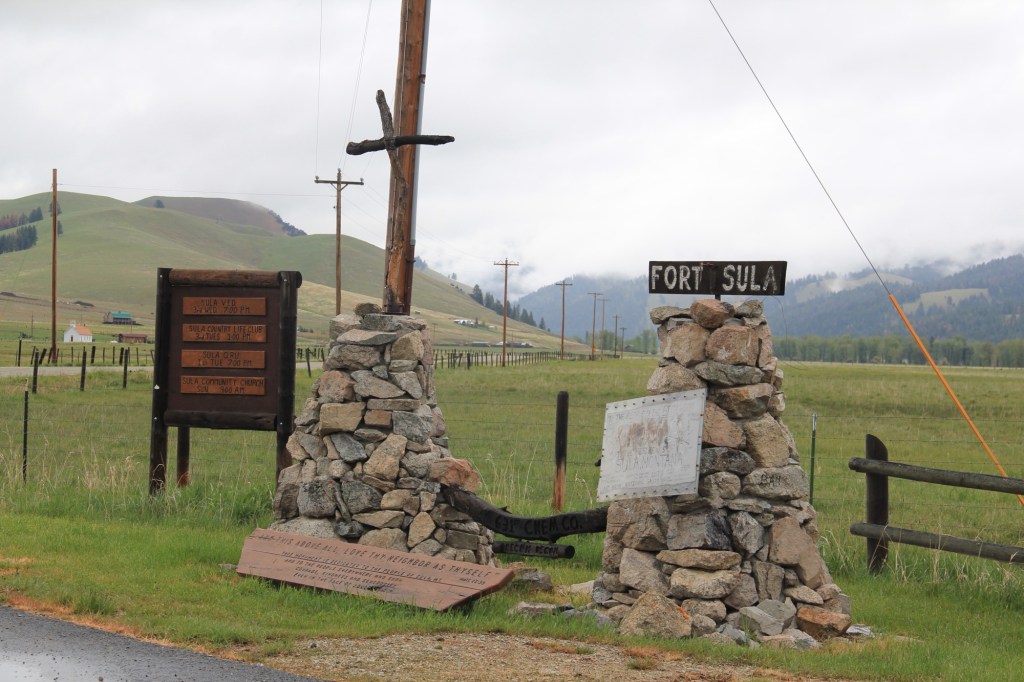
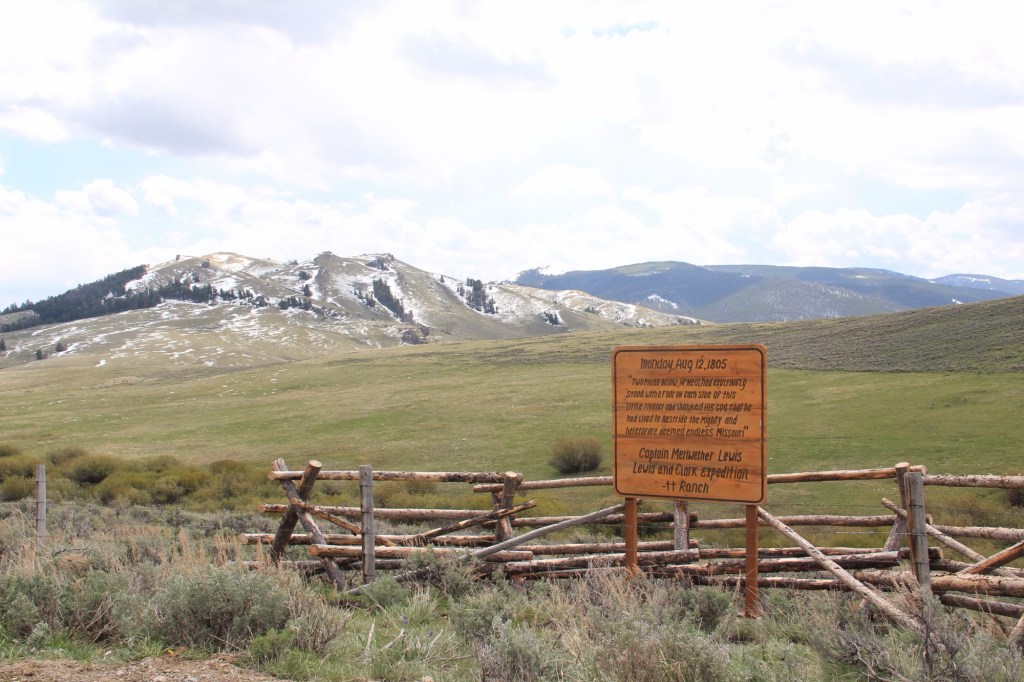
Or the interpretive marker for local history at Sula, in the state’s southwestern tip. Ranches have gotten into the act as well as seen by this wooden sign (below) about the location of Meriwether Lewis on August 12, 1805.
Montanans sharing stories about the places that matter to them—it doesn’t get more “public history” than this.
 Montana's Historic Landscapes