Fort Owen 2012

Image

20130511-134652.jpg

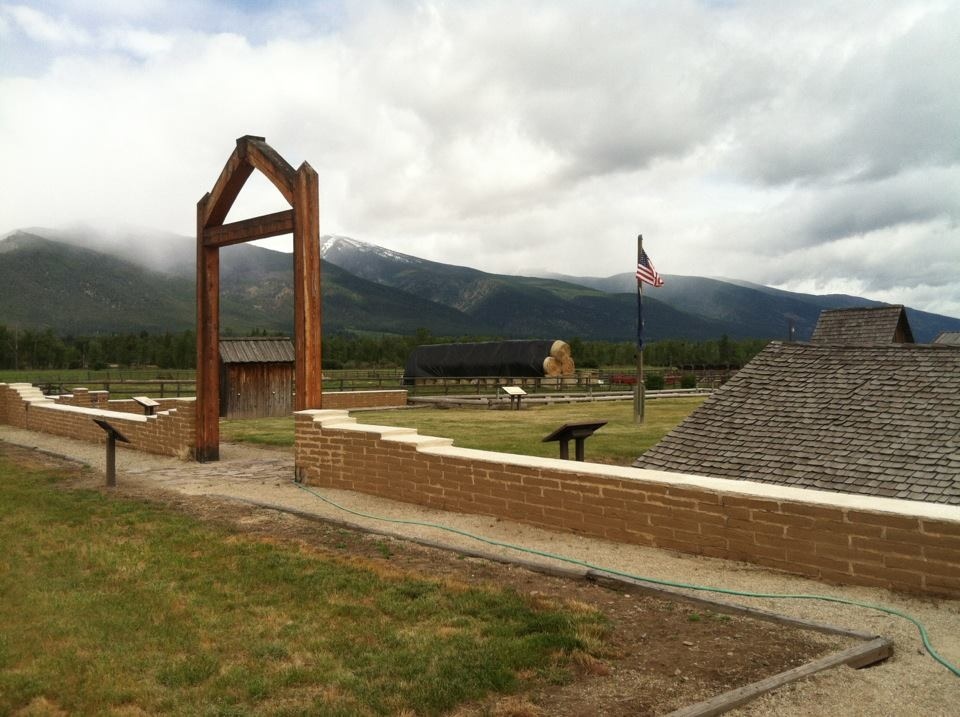
Vast improvement in presentation and interpretation is a very clear trend that I found last year in the southwest corner of Montana. Fort Owen outside of Stevensville was one such place, here under the stewardship of the state. It was good to see improvement over 25 years but at the same time, the story at Fort Owen is BIG and nationally significant, I would claim. And the property today does not do justice to the park. Then there is the danger of development in and around Stevensville completely overwhelming the site. What will be the status of state historic sites and parks in northern Montana?

Then there is the personal side of exploring Montana’s historic landscape. My son Owen is named for this little but important place in a really big country.

Movie houses

Image

20130510-074034.jpg

My first stop in Montana will be Billings, the metropolis of eastern Montana. There new uses as a performance have made the Art Deco styled Babcock an important contributor to downtown life and business. In the 1980s most Hi-Line county seats had a movie house–have they survived the video, satellite, Internet onslaught? What about the transfer to digital technology for films? I will start to find out in less than 2 weeks.

Bar Signs and Neon along U.S. 2

Image

Bar Signs and Neon along U.S. 2

Along the old main streets of the towns along U.S. 2 there is a wonderful array of historic store signs, many for restaurants and bars, others for stores or movie houses. These all speak to a time when U.S. 2 was a major east-west artery, long before interstate travel dominated auto and truck travel. In places like Shelby the row of signs can make the place look dated, but for heritage tourism travelers the signs beckon today as much as they did 60 years ago.

Phillips County Courthouse (1921), Malta

Image

Phillips County Courthouse (1921), Malta

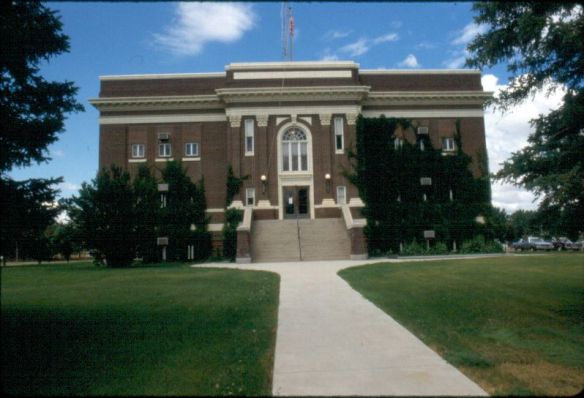
This image comes from my last quick trek through part of northeast Montana in 1988. The unstated classical beauty of this courthouse in Malta impressed then, and I trust it will still be as well maintained and preserved 25 years later. I’m in Malta at the end of Memorial Day weekend. Compared to Tennessee, where I have now worked for 28 years, courthouses and their grounds often appear as afterthoughts in the Montana landscape. Whereas the central courthouse square plans of Tennessee are at the center of the historic commercial district, I was reminded in my 2012 work in southwest Montana that often the Montana courthouses are on the margins (like the Beaverhead County Courthouse in Dillon) or nestled within residential districts (like in Deer Lodge). In the railroad towns of the Hi-Line, the depots are at the head of town and serve as the entrance to the primary commercial district. This spatial difference speaks both to when Montana county seats were created and to the overwhelming influence of the railroads in the region one hundred years ago. It is one of the most interesting patterns in the Hi-Line’s historic landscape.

Sacred landscapes

Image

20130430-202631.jpg

St Mary’s Catholic Church in Stevensville is one of the most famous early buildings in the northwest. These types of sacred landmarks I documented adequately in 1984, but churches overall and sacred landscapes (such as cemeteries) not so much. My thinking then was that these places were not threatened, therefore I could give them less attention. Wrong. Here is a case where my southern work informs the new Montana project. Churches and cemeteries are powerful symbols of faith and commitment and just as important as community markers. The sacred landscape will receive considerable attention this summer.