
Montana Highway 16 stretches north from U.S. Highway 2 following a spur line of the Great Northern Railway laid about 1910. Following that railroad corridor first brought me to Medicine Lake, the actual lake and town of that name in February 1984.

When I returned over thirty years later, the depot was gone, but the lake and town were doing ok.

Medicine Lake is a very important place in northeast Montana and the 8,000 + acre lake has been protected as a National Wildlife Refuge since 1935.


Native Americans for centuries visited and hunted here, as hundreds of tipi rings along the lake bluffs documented. The lake remains a touchstone for several tribes today.

The town is much more recent, established by the railroad in 1910, with the iconic Club Hotel and Bar in business within a year.
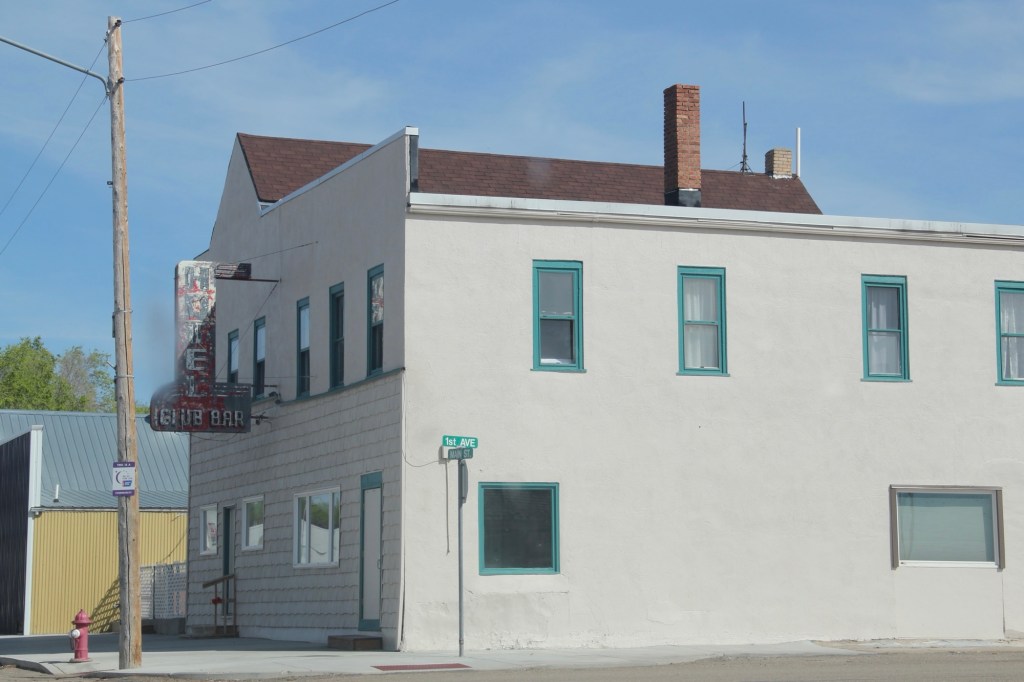

I have stopped at the Club Bar where the old neon sign was a bit weathered but hospitality was everywhere. Don’t know about the hotel—maybe rooms was still used during the hunting season.
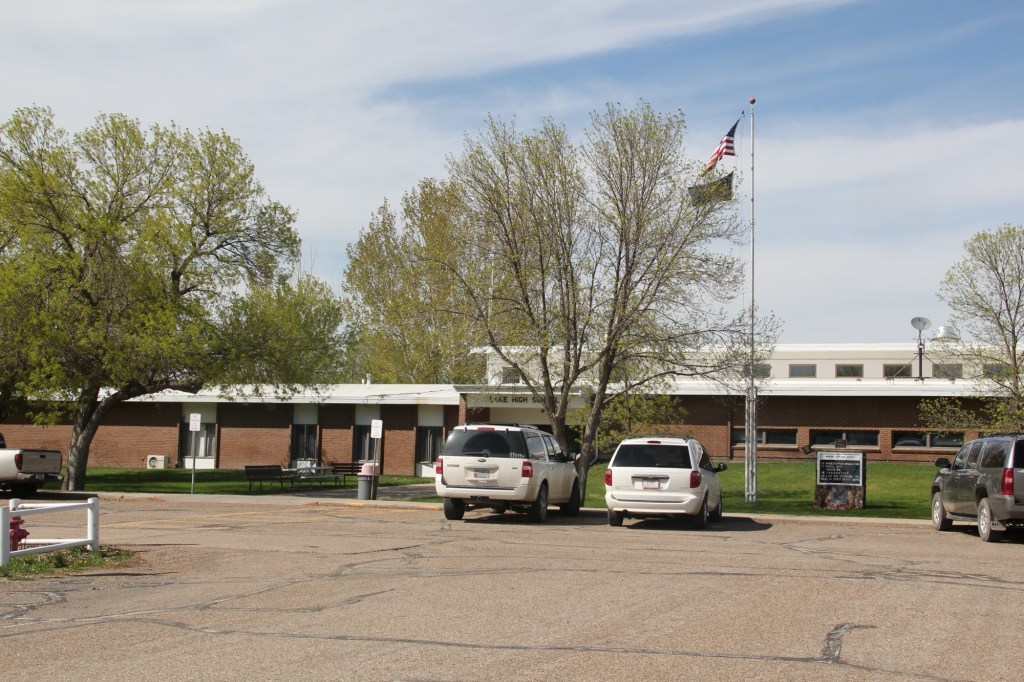
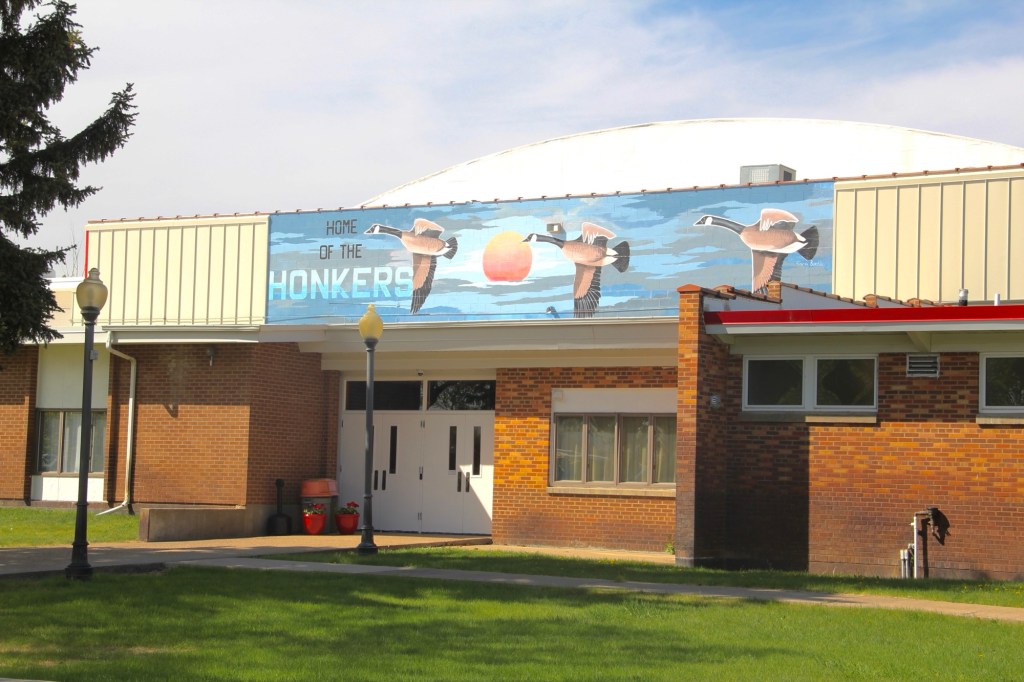
The Medicine Lake K-12 school keeps the town of about 250 people together but since my last visit the school lost its distinctive mascot name of The Honkers. For sports the school has merged with Froid and took us nickname of Red-Hawks. Did that mean that town gathering spot would change its name from the Honker Pit? Absolutely not. Great place!

Medicine Lake, the town, has several buildings from its first generation of settlement, including a corner gas station (adapted into a new business) and classic false-front one-story commercial buildings, including a lumber business and a hardware store.


Yet a dwindling population has hurt the business core. For 40 years between 1940 and 1980 the town’s population stayed around 400. The next 40 years witnessed a decline—and in a small town a loss of 150 people can really hurt.


But the town began a slight rebound in population in between 2010 and 2020, with some of it fueled by fracking man-camps

The bones of an early 20th century homestead town are still there. I hope to visit again and see new changes in 2025.
 Montana's Historic Landscapes