
There are two Highland cemeteries in Great Falls, and for my money, the first Highland, now known as “old” Highland, is the more interesting and compelling funerary landscape. In fact, in its range of markers and the stories conveyed by the markers, Old Highland is one of the most interesting cemeteries in the state.
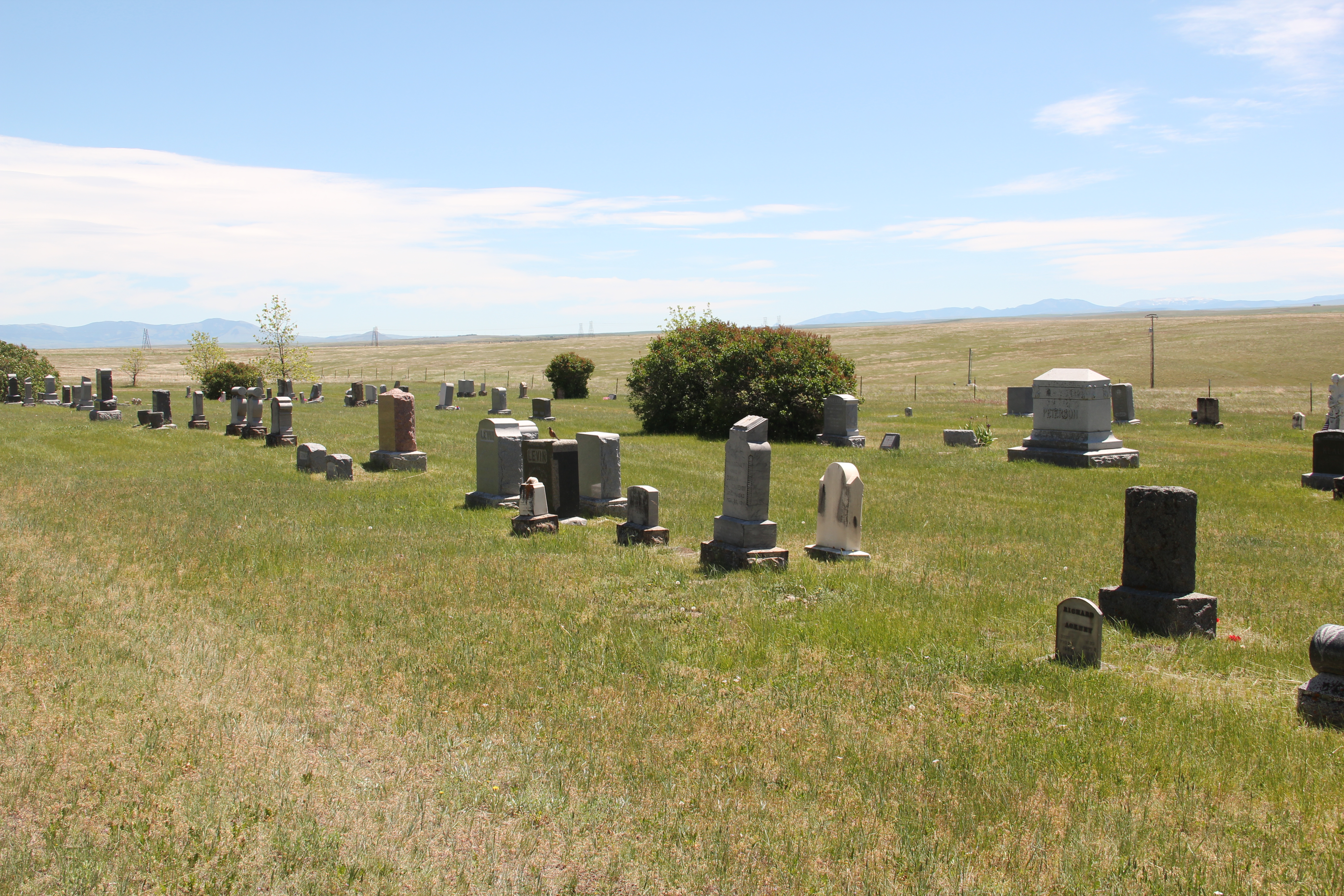
A paved drive divides the old from the new, but just exploring the grave markers themselves and their earlier dates separates the two cemeteries. The markers are so diverse in materials and form that it difficult to convey the place in a post of moderate length. But here goes.
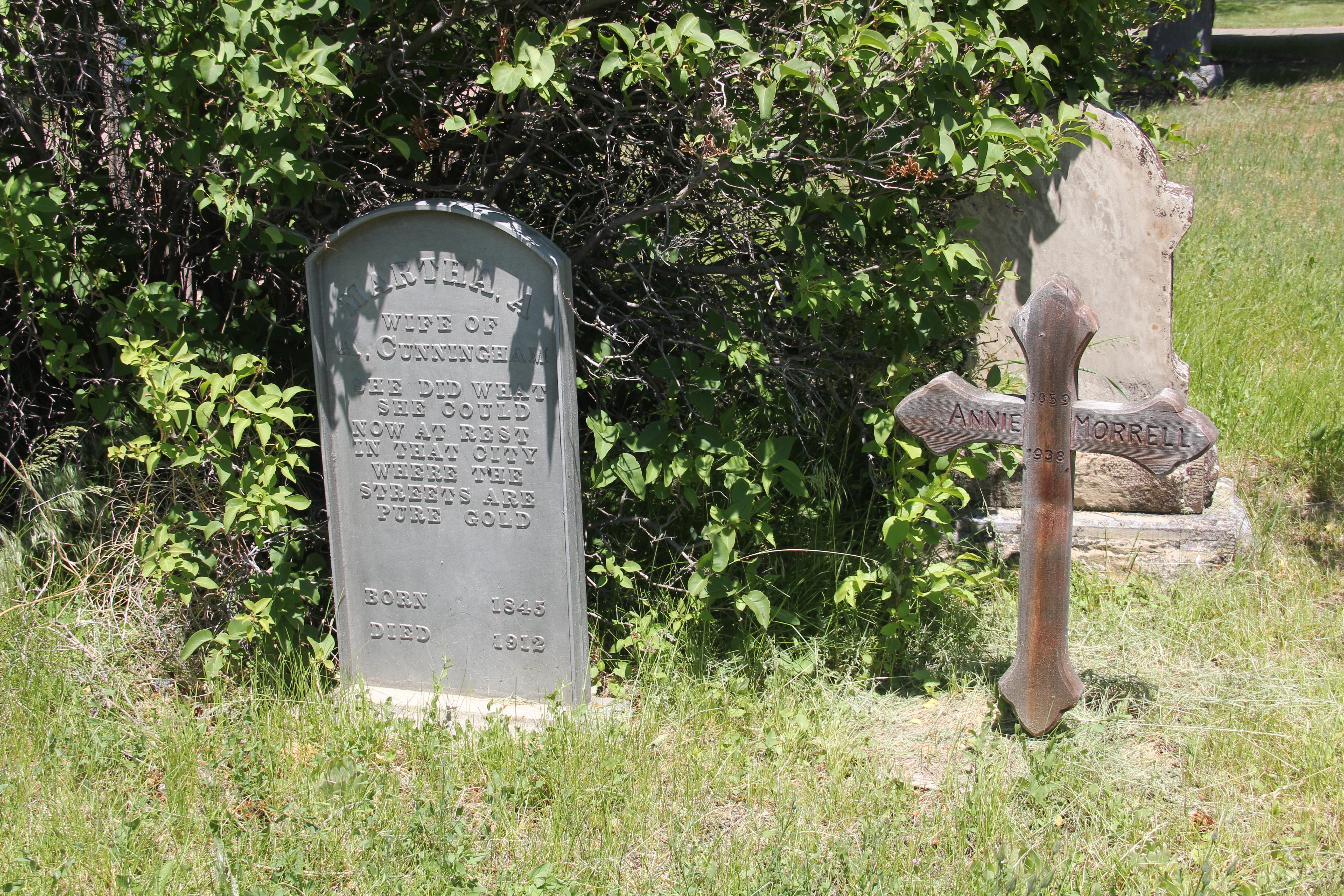
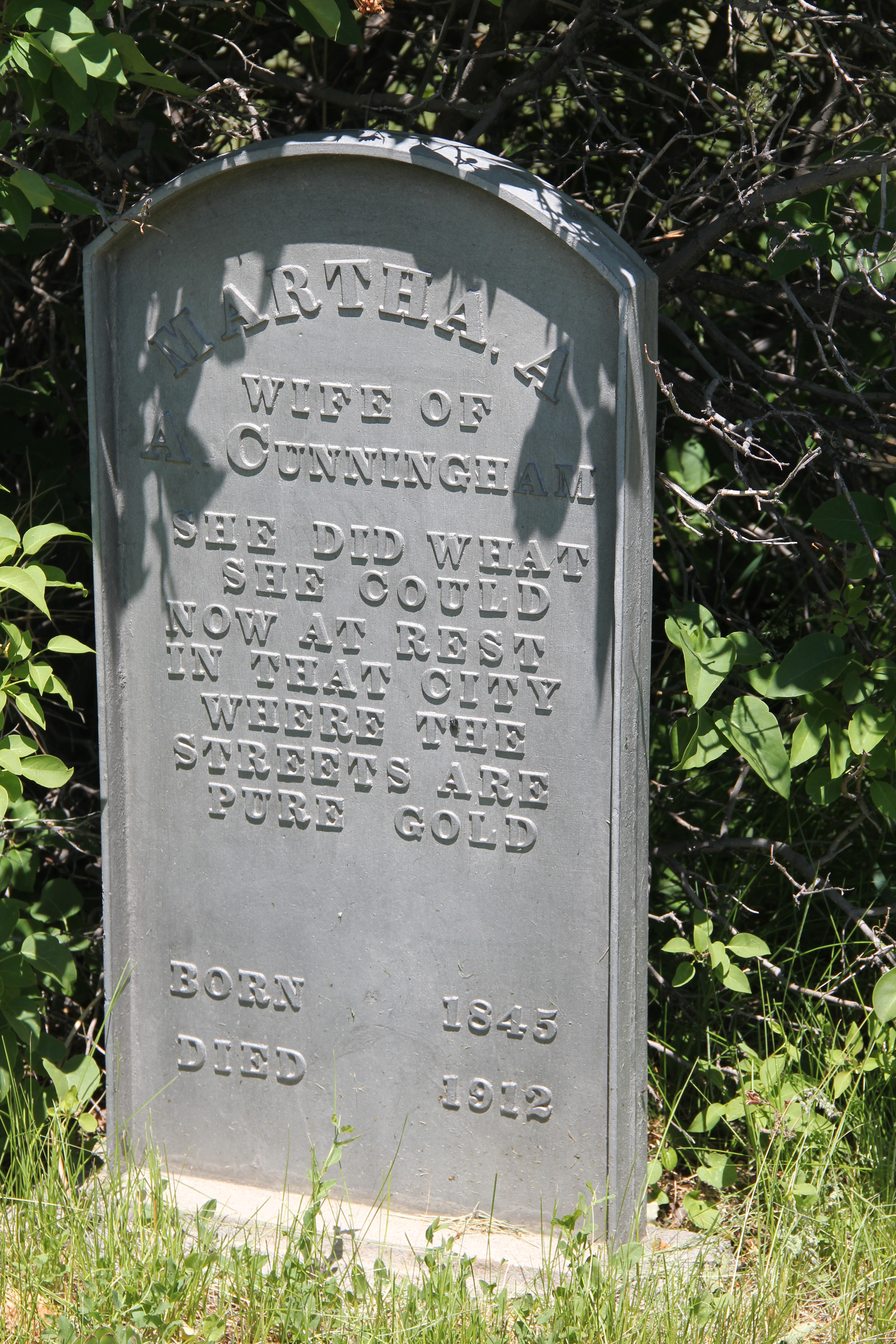
Martha Cunningham’s 1912 cast-iron marker was the first, of several, that I encountered. The marker reads: “She did what she could. Now at Rest in that city where the streets are pure gold.” Sarcasm in your marker–Martha I bet was an original.
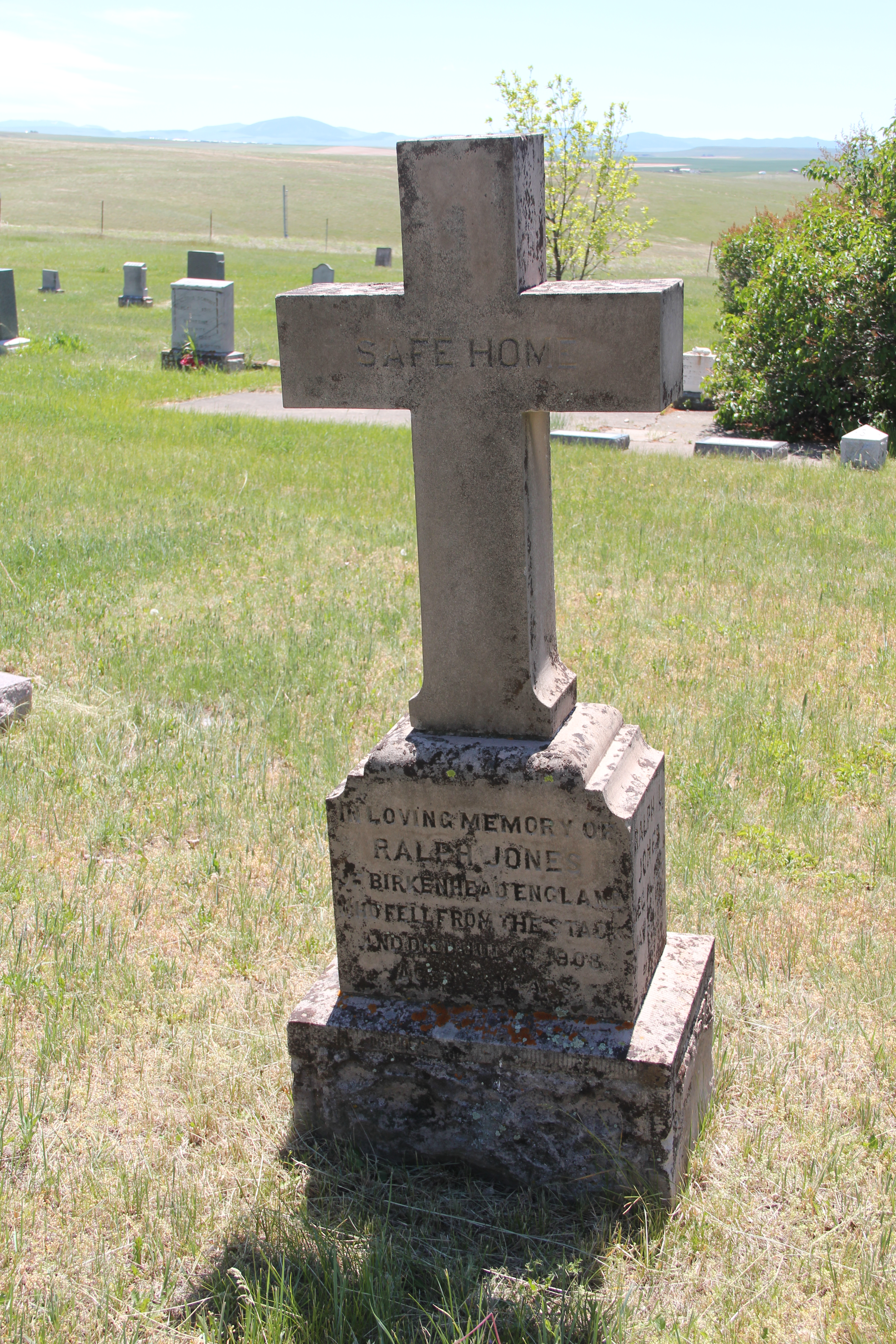
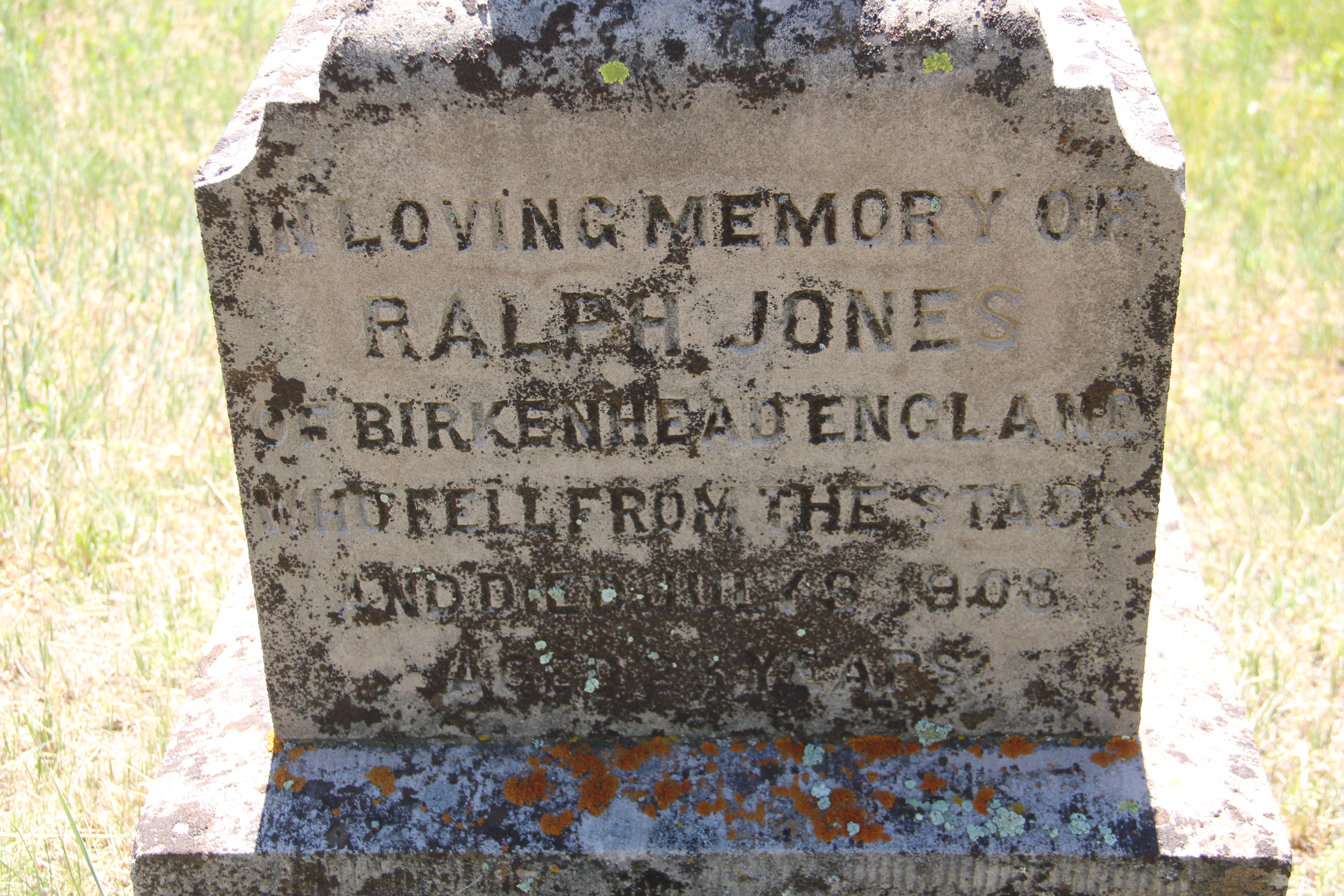
Ralph Jones, a mason from England, died while constructing the tower of the Anaconda Smelter in 1908. His friends erected the cross, with the words Safe Home, in his honor. Jones’ story is also told at annual cemetery tours.

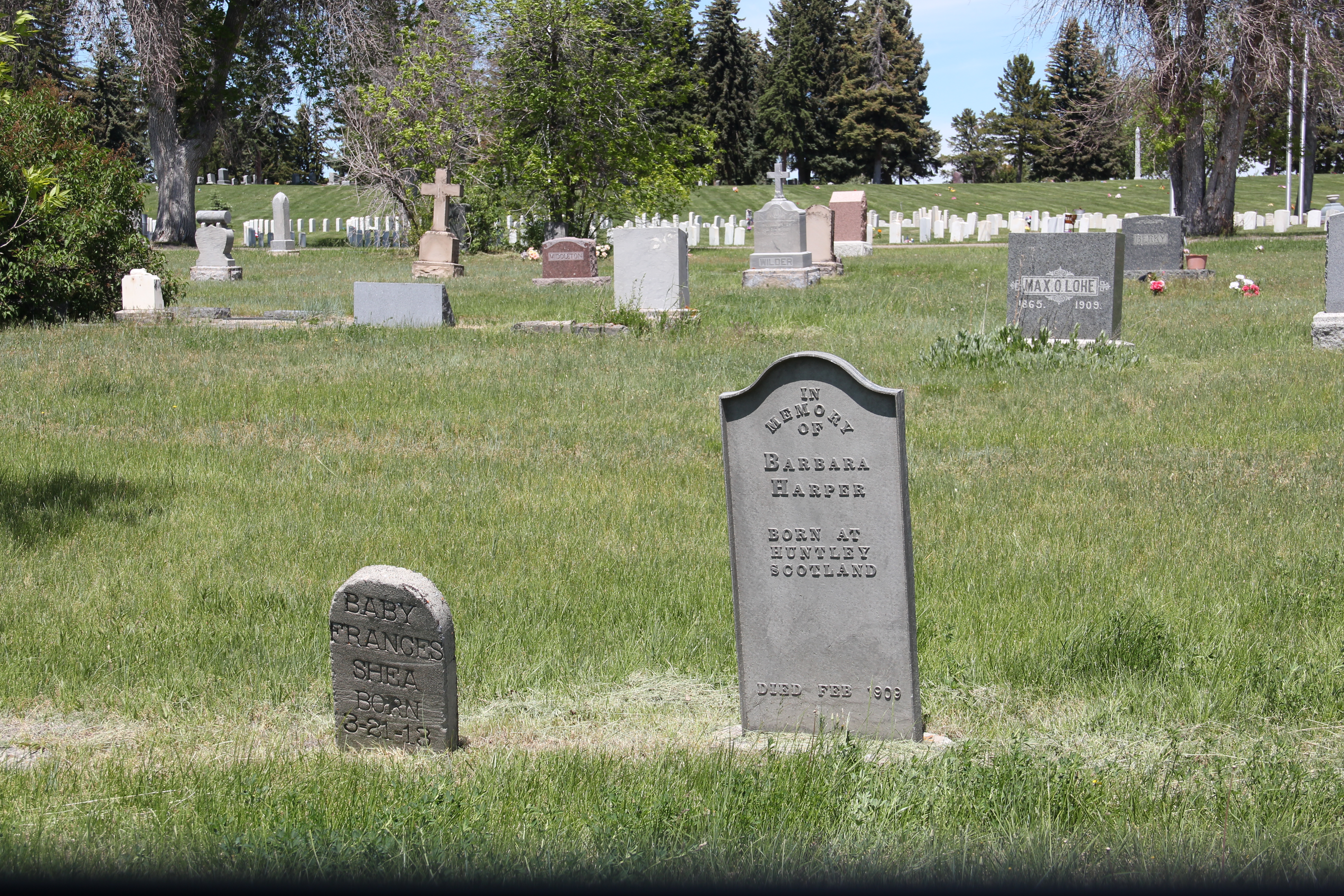
Barbara Harper’s metal marker is also noteworthy, but the most interesting metal marker by far is a small one in a corner of the cemetery. Alexander Leistiko died in 1906. His marker is pressed metal of two people at a cemetery, with the metal sculpture, complete with a skull motif, resting on a metal pedestal. I am a long ways from seeing every cemetery in Montana but this marker, thus far, is unique, and fascinating.


The artistic treasures of this cemetery just don’t end there. There is the grand obelisk for Robert Vaughn, a famous Cascade County rancher, dominating a low stone wall family plot.
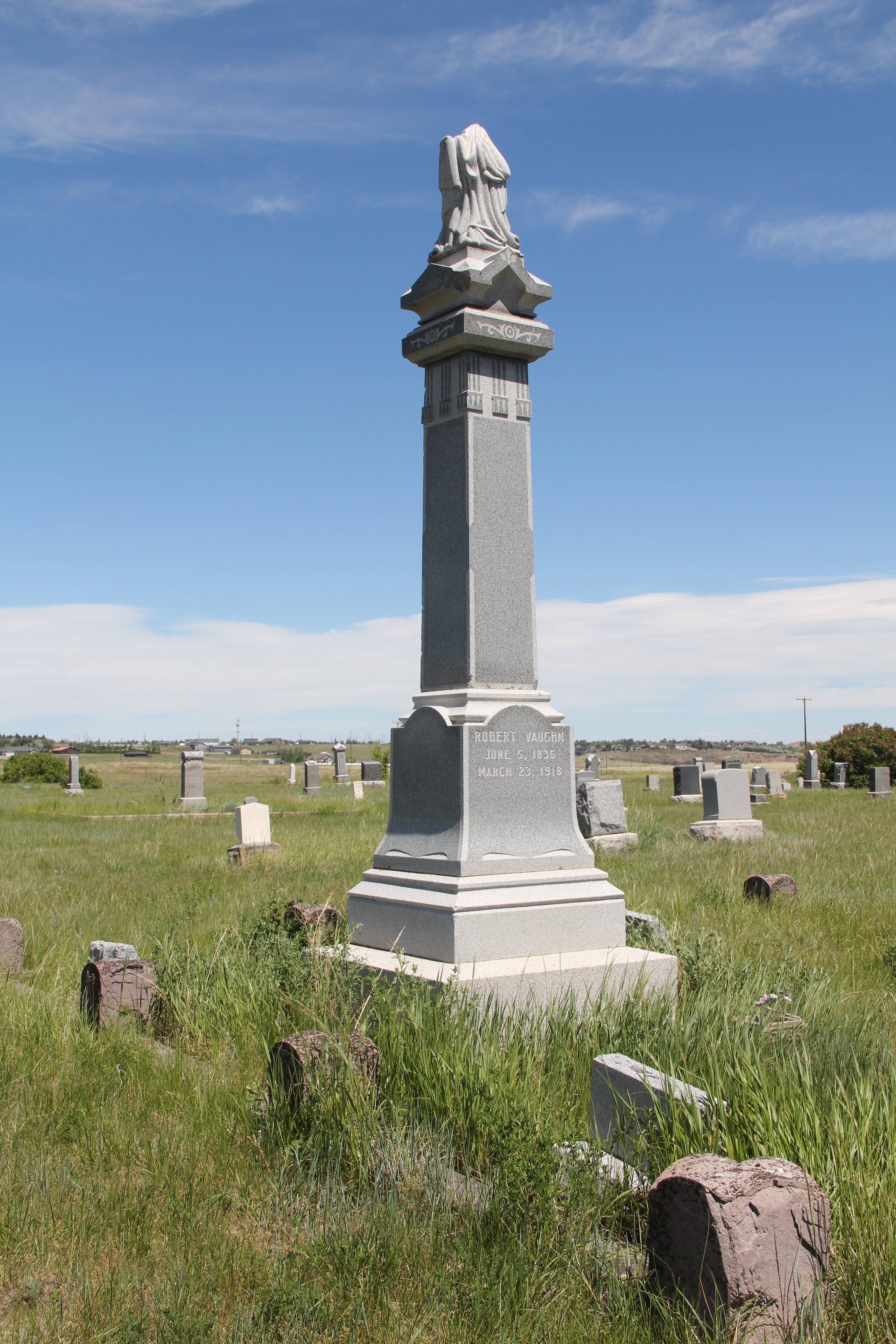
Indeed, a few steps away from the Vaughn family plot, you can look to the north and see the treed landscape of “new” Highland Cemetery, and then look to the south and see the edge of the initial Highland cemetery.
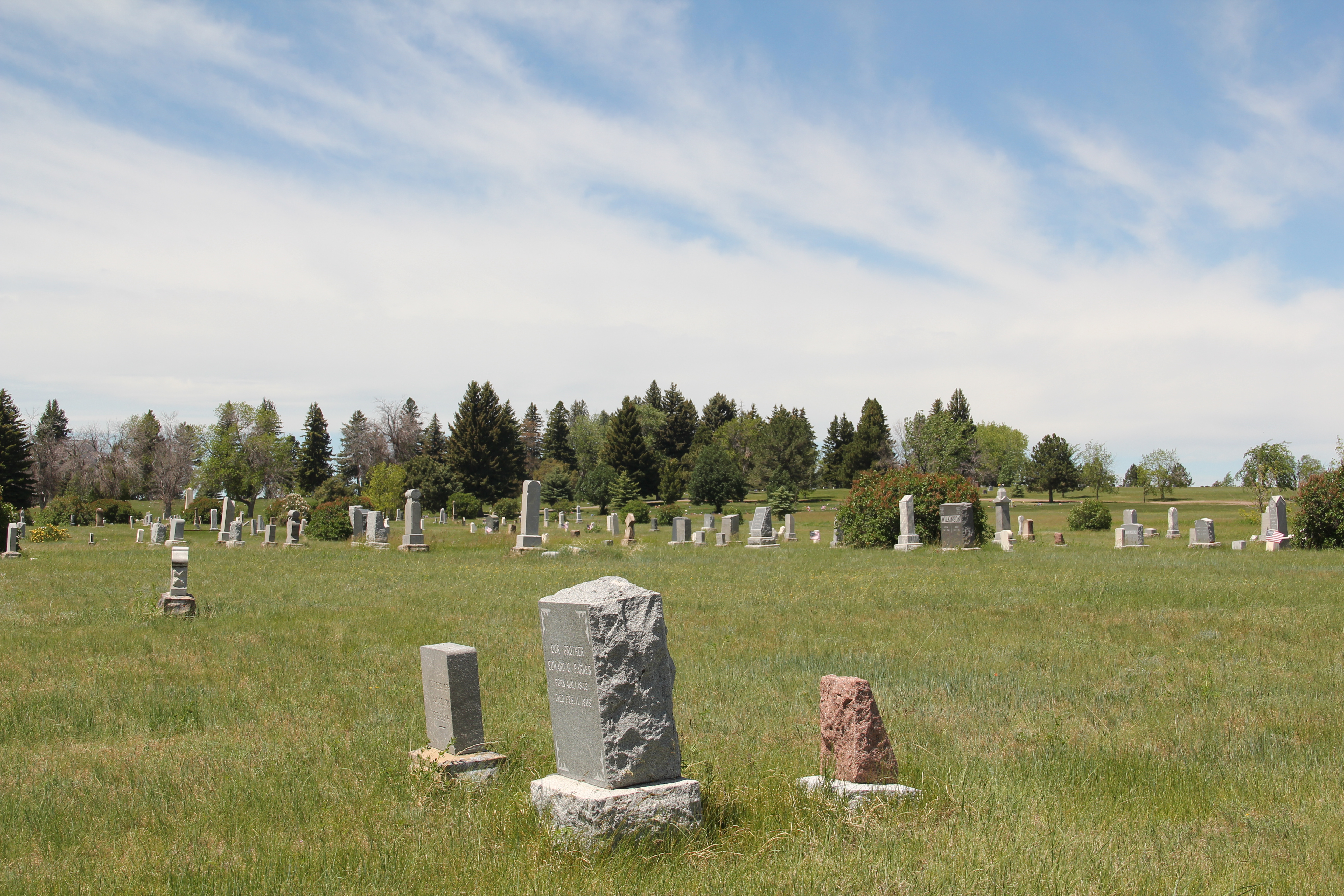


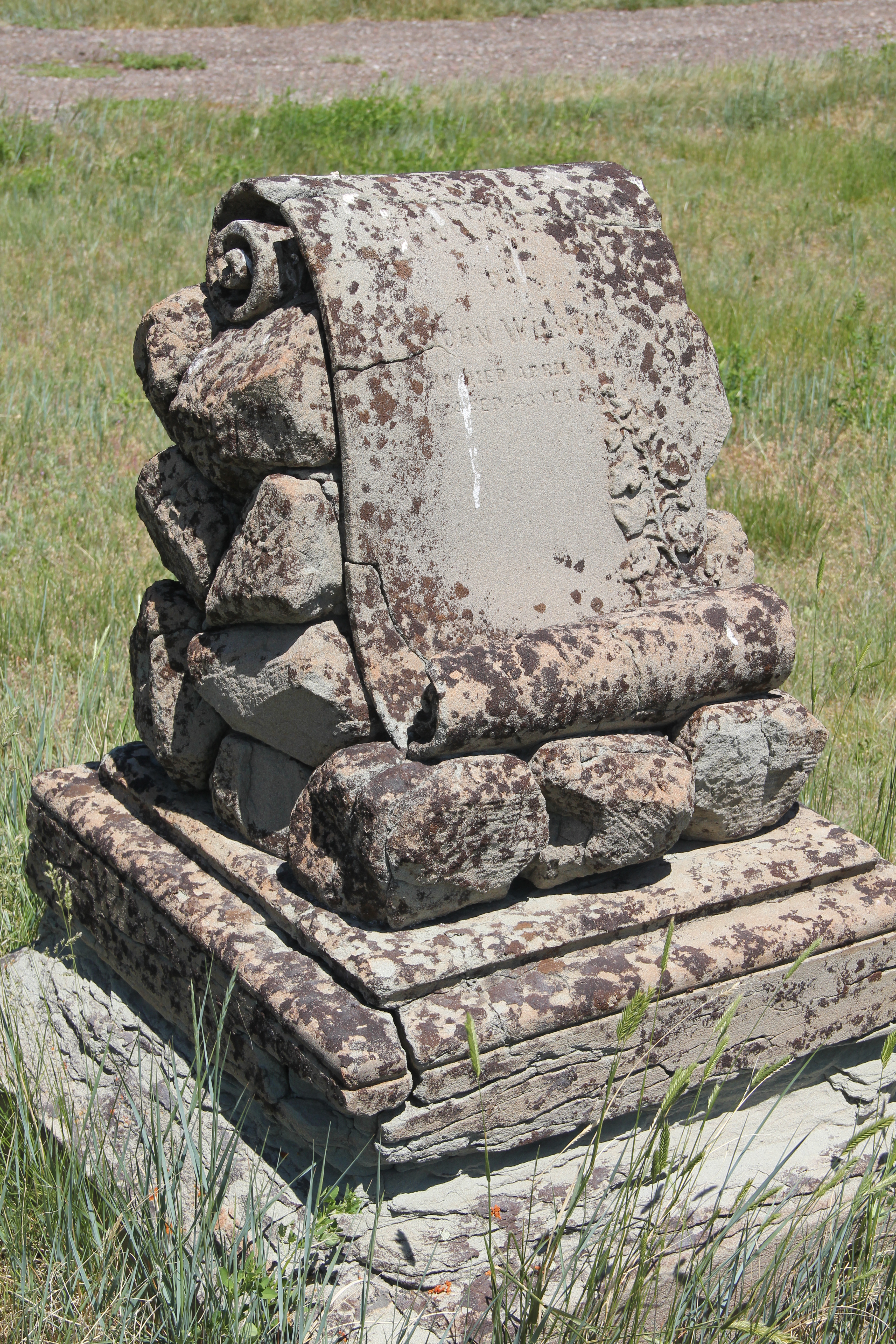
You would expect to find a more Victorian presence in the Old Highland markers since the place began in the late 19th century, The Delaney family plot, even with its overgrown ornamental planting, is an impressive statement of Victorian sensibility. The John Wilson marker of a decorated scroll over stones is just as impressive.

The heavy obelisk of Scottish immigrant James Stewart Tod (d. 1891). Tod lived with his family in Glasgow as late as 1891, being listed in a Scottish census for that year. But in the summer of 1891 he was in Montana as a merchant but died soon after arrival. The local Board of Trade (the precursor to the chamber of commerce) praised Tod for his character and service.

The Caulfield family plot also memorized service, in this case to the Great War.


There is no such to see and say about Old Highland Cemetery. I will revisit this place, hopefully soon.

 Montana's Historic Landscapes