

The most spectacular urban cemetery along U.S. Highway 2 is just off of the historic road in Kalispell. Listed in the National Register of Historic Places, the Conrad Memorial Cemetery has 87 acres in is nominated property. Designed by architect Arthur Hobert, the cemetery began in 1902-1903, similar to other city cemeteries of the Hi-Line. But most comparisons stop there. A private non-profit, established initially by Alice Conrad, administers the cemetery.
From the gates a long ceremonial drive leads you to a winding drive that takes you past the cemetery office onto the bluffs that define the property.


There you encounter on one side a large obelisk, placed by the State of Montana, in honor of former Governor Robert Smith (d. 1908). Former Governor John Erickson is also buried here.


On the opposite side of the drive is a memorial to the military veterans of Flathead County, a splendid modern classical statement.

It’s an impressive opening to a beautiful landscaped, and well maintained, city cemetery. Hobart’s rural cemetery movement design has few parallels in Montana. You can get lost in many lanes, creating multiple large sections for burials.


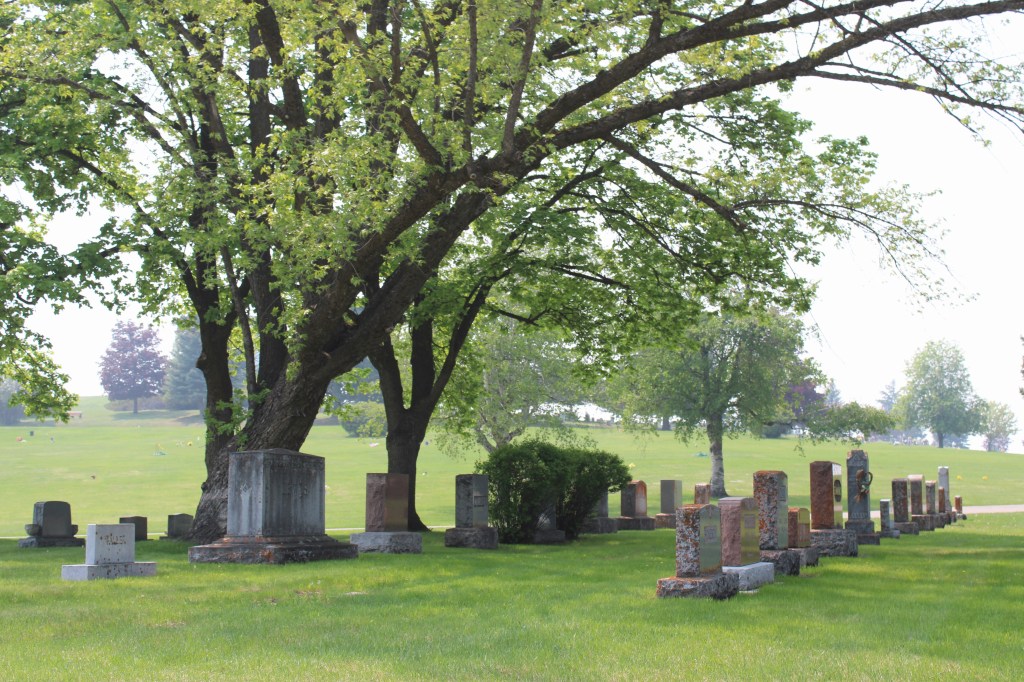

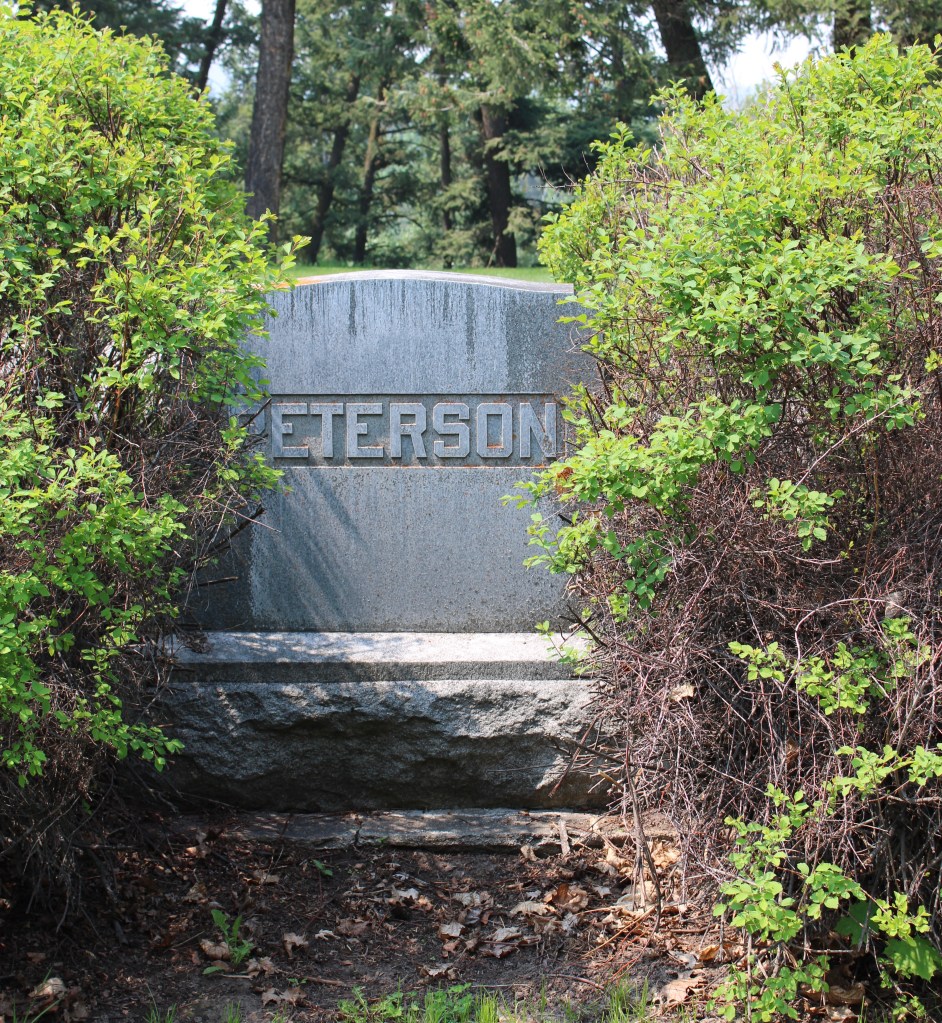
The quality of the early 20th century grave markers equal the beauty and creativity of the grave markers from those years.
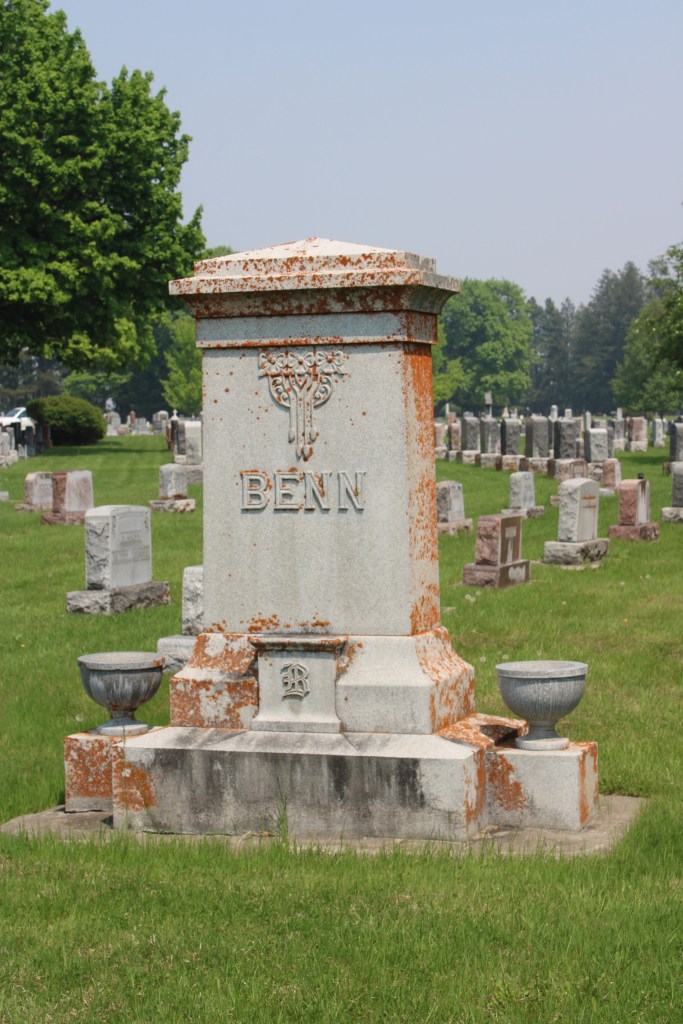


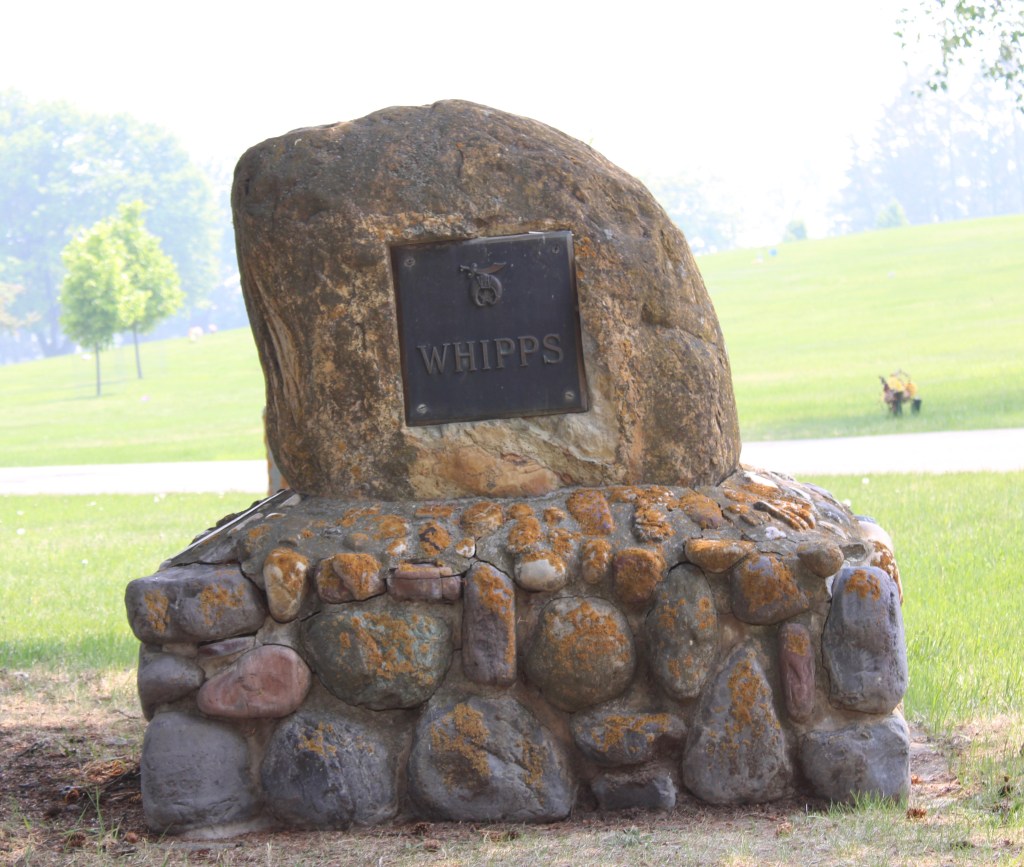

As you might expect fraternal lodge themes are common throughout the cemetery’s sections.


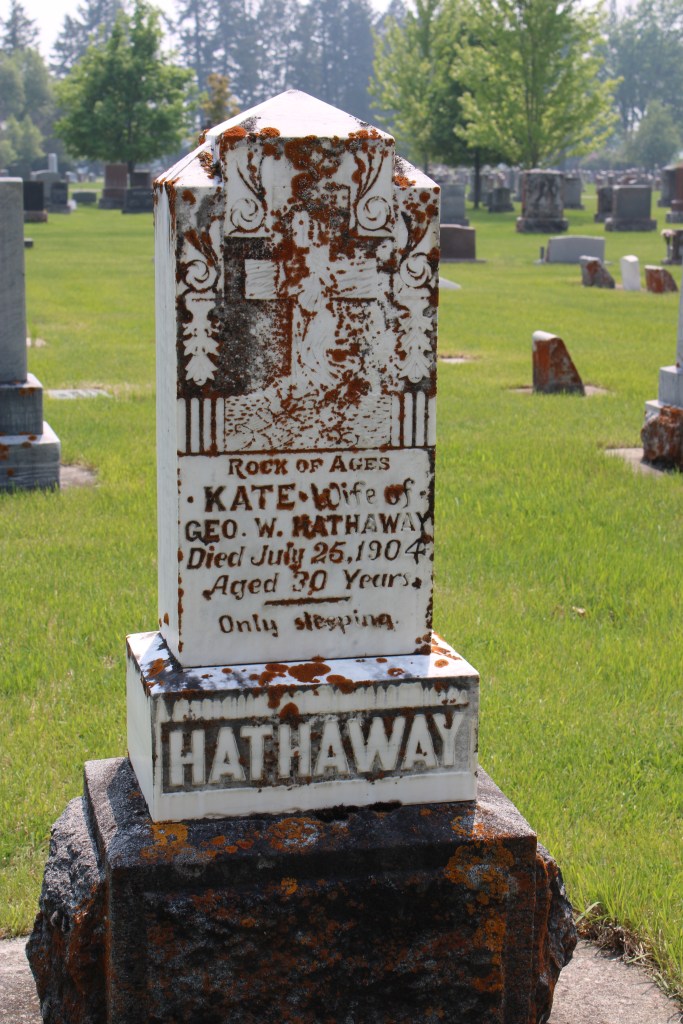
Other markers share poignant stories of loss and memory, in both words and symbols.

As you explore the different sections you finally encounter why this cemetery exists at this particular place: the long landscaped approach to the mausoleum for Charles is E. Conrad (d. 1902)

Alice Conrad wanted her husband’s final resting place to overlook the town he had done so much to develop in the prior decade. He was only 52 at the time of his death. His many investments separated him and his family from other civic and economic leaders in Kalispell. Thus the cemetery design placing Conrad’s mausoleum in such a honored place reflected the reality of his times.
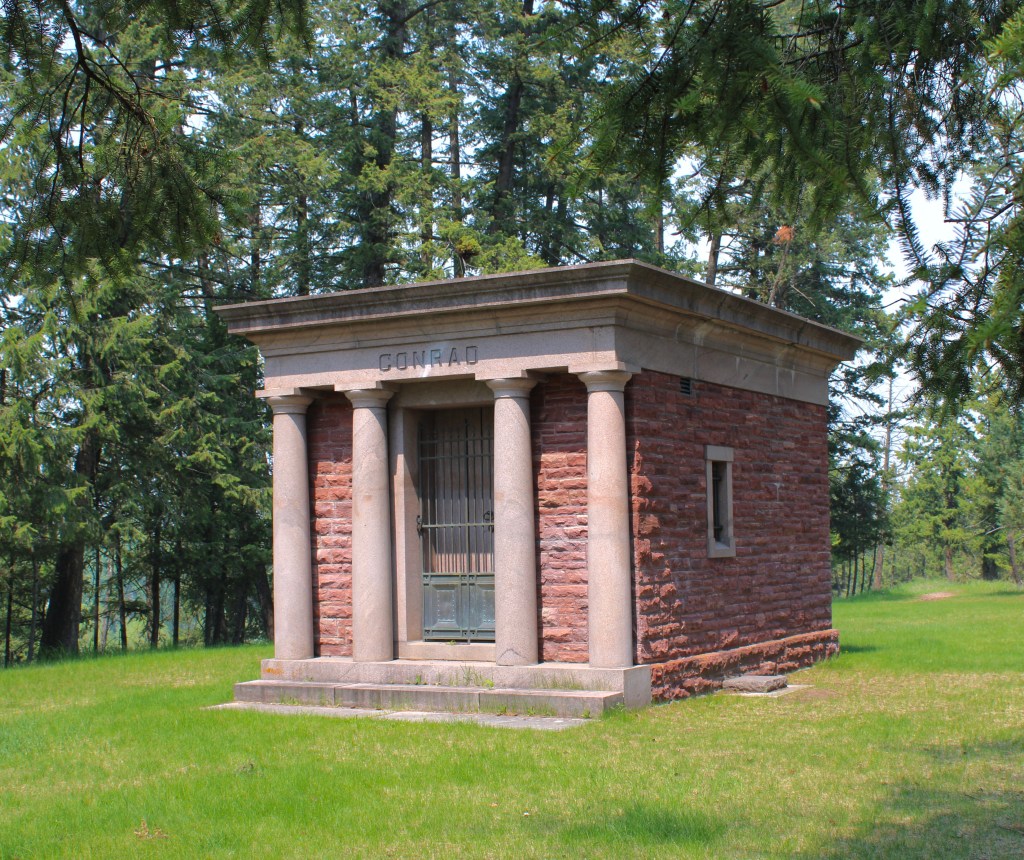
The stone Classical Revival building still is alone, afforded a place of honor and hierarchy within the property. the circular drive from the mausoleum connects to every other part of the cemetery.

Markers date from 1903 to the present. it is a property that takes hours to assess, due to the multiple sections and many captivating markers. But the time is so well spent and rewarding.

 Montana's Historic Landscapes