
Nestled in the bluffs overlooking Havre are two adjacent historic cemeteries, Calvary (1903) and Highland (1906/7).

Catholics in north central Montana established Calvary first, taking advantage of newly located city water works to ensure that the grounds could be irrigated.


Calvary with its well manicured lawns, large mature trees, curvilinear drives and impressive view to the south set the tone for the landscaping and design of both cemeteries. Grave markers, for the most part, were modest, in keeping with the working middle class character of this Great Northern Railway division point.

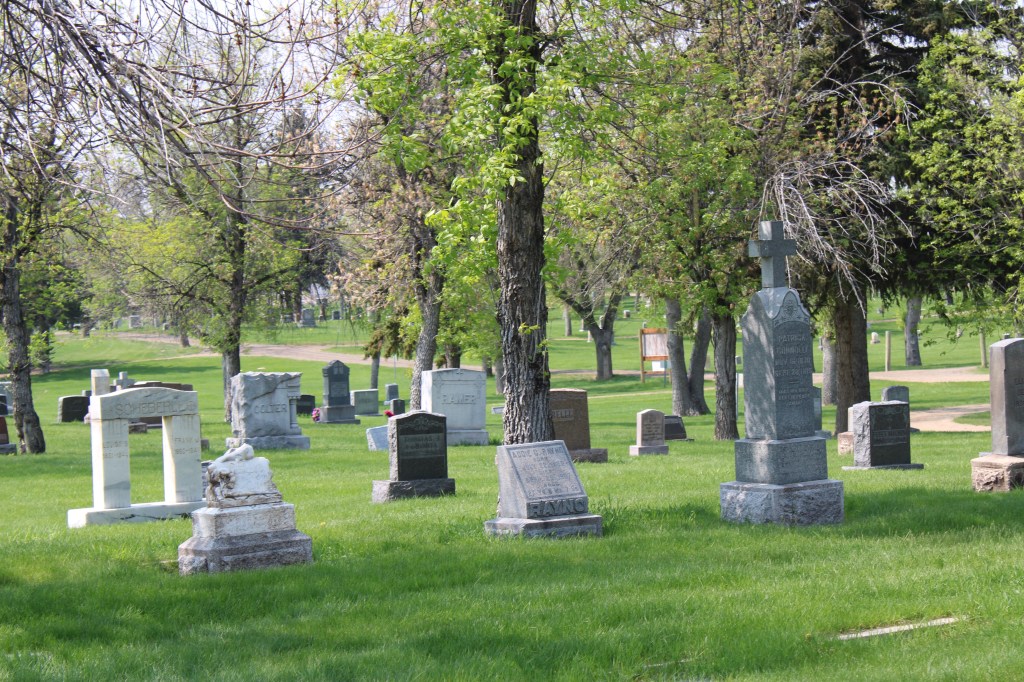

Of course there were exceptions to the norm. A large Cross marks the gravesite of Judge Patrick McIntyre, one of the city’s early civic and real estate leaders who died in 1907. The classical styled marker to another of the city’s, and region’s, business leaders, Samuel Pepin, is nearby. Pepin, like McIntyre, was a Canadian who came early to Havre and developed businesses and ranches, all tied to the Railroad. Pepin died in 1914.


Highland Cemetery followed in the footsteps of thee catholic burial ground. Both have impressive views along the southern boundaries of the historic campus of Northern Montana University, now MSU-Northern (name change happened in 1994). The campus was established in 1929.


By that year, Highland Cemetery was well established as the city’s primary public burial ground,and is still active today. Reflecting Havre’s middle class roots the cemetery is marked by rows of modest, dignified tombstones and low concrete walled family plots.
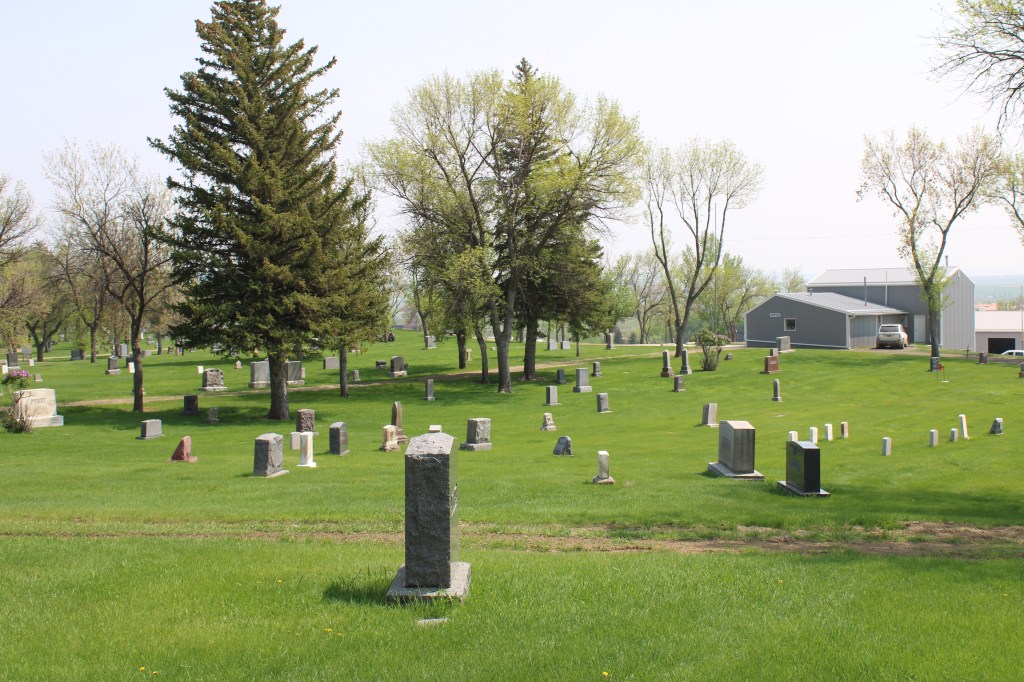


Many veterans from the 20th century are buried here, along with many tombstones marking membership in fraternal organizations from the Woodmen of the World to the Masons.


Highland Cemetery is a significant place that documents the city’s progressive response to public needs during its decade of sustained growth in the homesteading boom of the first two decades of the 20th century. Together the two cemeteries would be an excellent companion to Havre’s already established National Register-listed downtown residential district. The city does a fine job of keeping the property maintained and let’s hope that commitment stays in place for another 100 years.

 Montana's Historic Landscapes