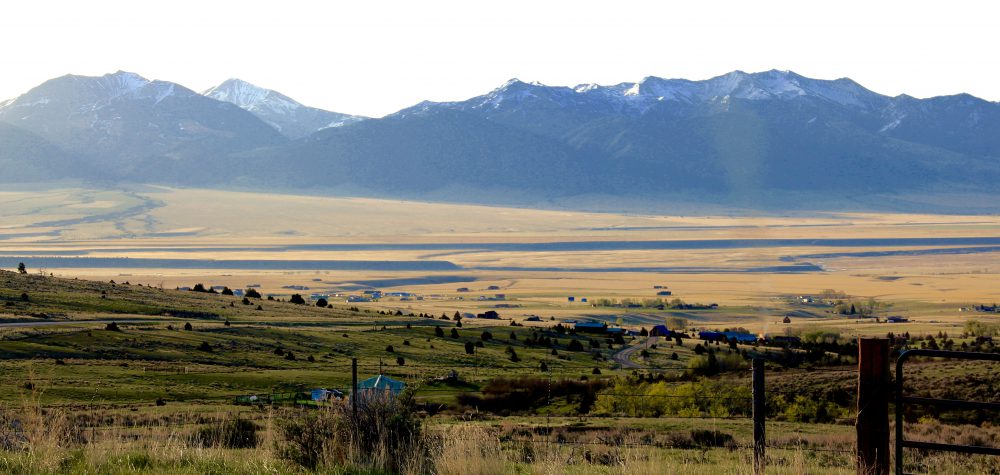

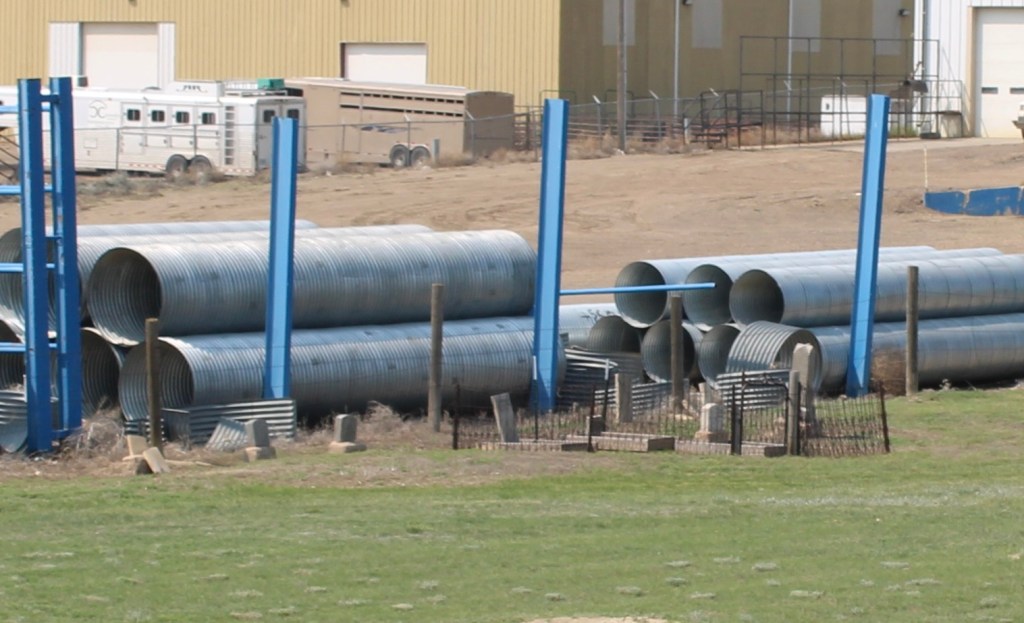
The sign facing Cemetery Road in Havre tells you here is a historic place but the story of this large plot, surrounded on three sides by county road and maintenance shops, is much deeper than the sign might indicate.
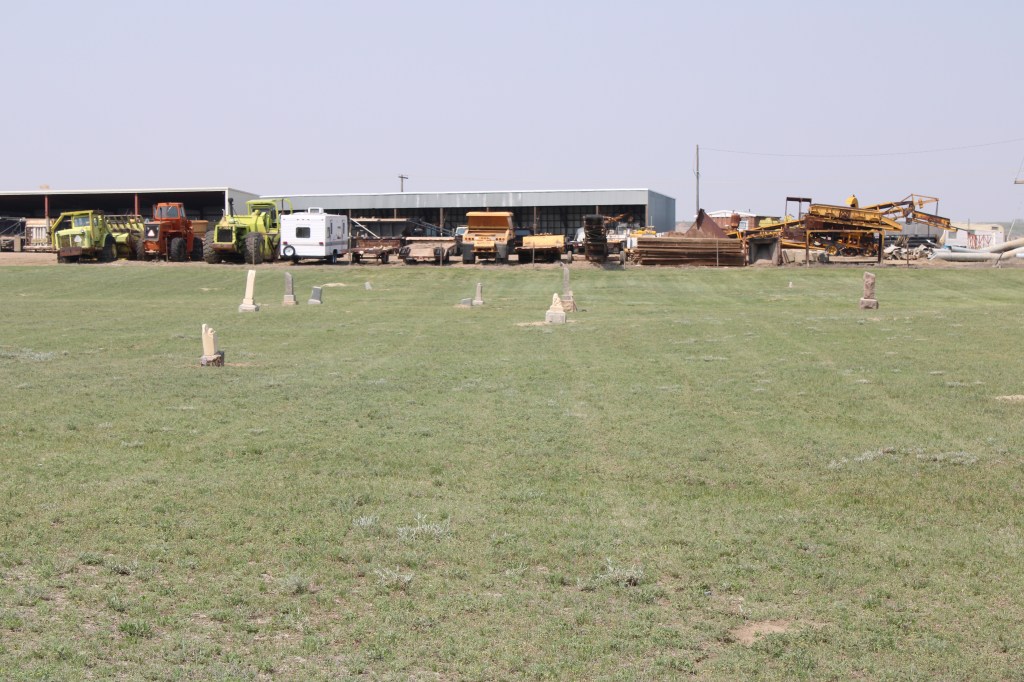
The cemetery likely dates to the very beginning of Havre’s history. I did not have early city or county records to consult but the first newspaper mention of the Havre cemetery dates to 1894. Moses Hall, a carpenter, was found dead, lying upon the Great Northern railroad tracks by the telegraph office. The Havre Advertiser of October 4, 1894, reported that “just how the fatal accident occurred will probably never be known, but the supposition is that he [known to be a strong drinker thus allegedly drunk] laid down upon the track not thinking of the approaching danger.”


With so many missing markers, it is difficult to judge how many were buried here in the first ten years. But several markers document Japanese burials between 1900 and the 1920s, particularly in the 1910s. Many of the men worked for the Great Northern Railroad. In 1898 the Oriental Trading Company had reached an agreement with the Great Northern to provide workers, especially at division points like Havre. Other Japanese residents and some Chinese immigrants operated shops and cafes in the town.
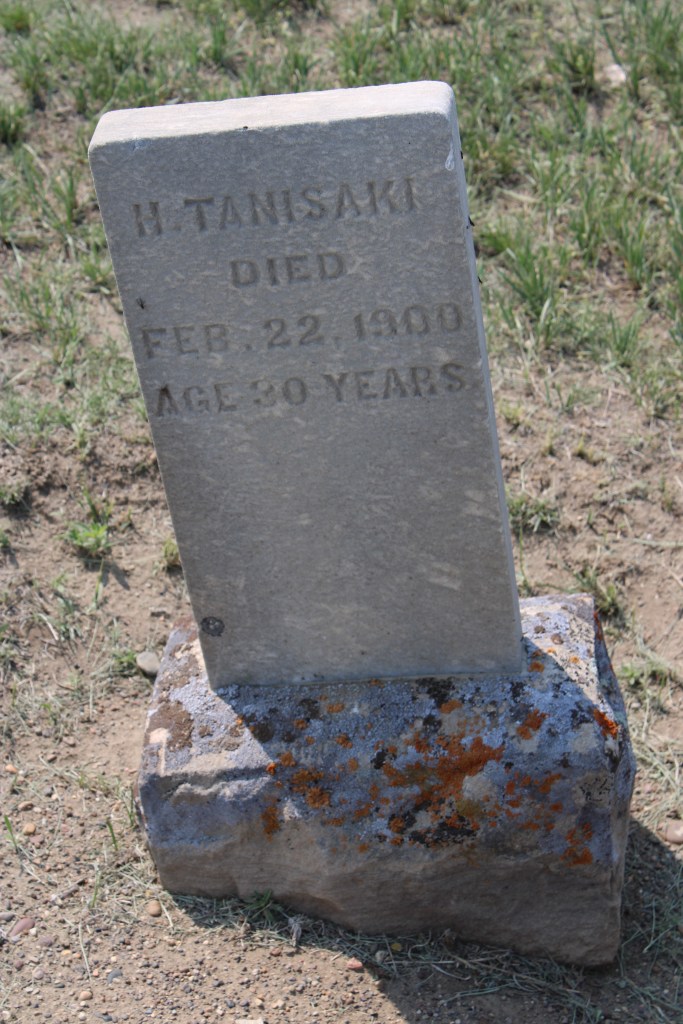
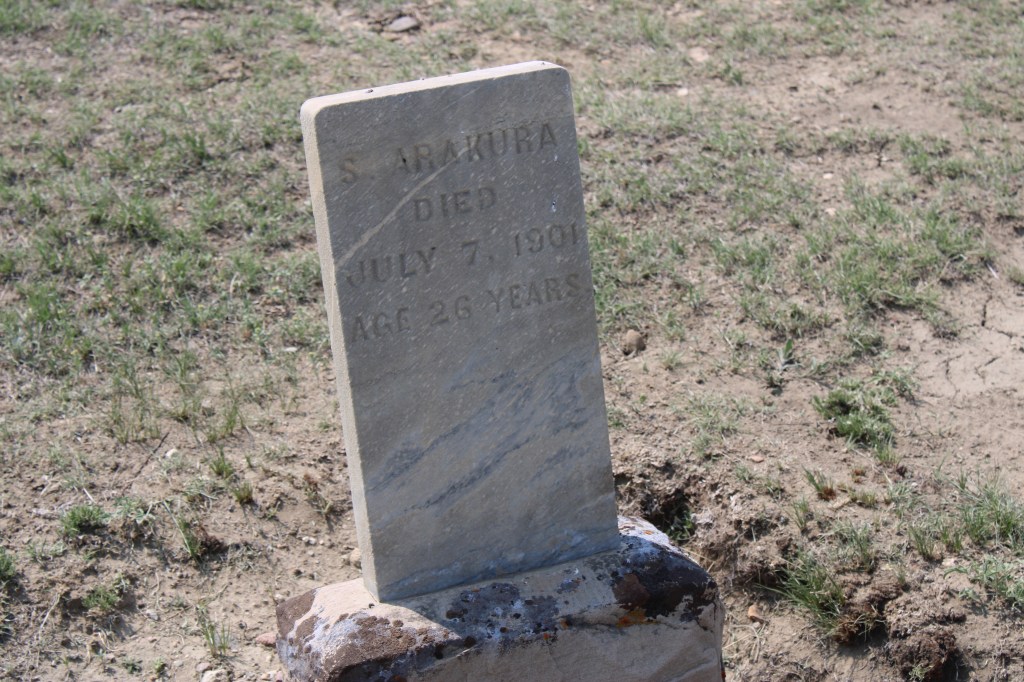


Move forward to 1903. Havre is in the midst of a boom and urban institutions were being developed. In July the city council instructed the city clerk to file a plat for the cemetery. The next spring in 1904 the mayor made improvements at the “city cemetery” a major agenda item. He reported that the cemetery “was selected by the town nearly twelve years ago [c. 1891], and about five years ago was platted into lots, walks and driveways, but owing to the lack of proper interest and supervision on the part of past city administrations the stakes have been broken down and lost, and burials are being made without due regard to location, and the place presents a heathenish and neglected appearance.”
The mayor asked council to appoint a cemetery committee to perfect the city’s title to the land and to beautify it. The council did so and renamed the place the Mount Hope Cemetery. The first documented burial in Mount Hope came in September 1904. Within a year the Havre Herald (May 4, 1905) reported that “the improvement of the cemetery has been carried out to the letter“ with a new fence, arch gate, and staked lots and plats. Later in the month, for Memorial Day, the city held a ceremony to honor early pioneers and veterans at the cemetery. Newspapers documented six residents as being buried in New Hope in 1905. But more change was in the offing. That’s covered in part two.
 Montana's Historic Landscapes
Carroll,
As always, thank you very much for your coverage of our Montana history and heritage. Keep up the great work!
Regards,
Shep
Great information. A g-g-uncle, Dan McGreevy (1882-1906) and his wife, Hattie were popular variety performers in the region. They were married in 1904 and lived in Hauvre, and, I assume, Dan is in the old cemetery. Hattie remarried and lived to be 81 in NC.